

















- From Hyderabad to the World: Powers the Next Generation of Aero-Engine Manufacturing
- Scaling at Speed: Journey from Start-up to Global Aerospace Supplier
- India, Innovation and Aero Engines: Charts a Global Manufacturing Path
By Sangeeta Saxena
Farnborough. 24 July 2026. For decades, aero-engine manufacturing has remained one of the most technologically demanding segments of the aerospace industry, requiring expertise in metallurgy, precision machining, quality assurance and advanced manufacturing processes. Today, India is steadily positioning itself as an important contributor to this global ecosystem. Supported by initiatives such as ‘Make in India’ and growing investments by international OEMs and Tier-1 suppliers, Indian companies are increasingly manufacturing complex engine components using advanced materials such as titanium, Inconel, nickel-based superalloys and cobalt alloys. Although much of the specialised raw material continues to be imported, the 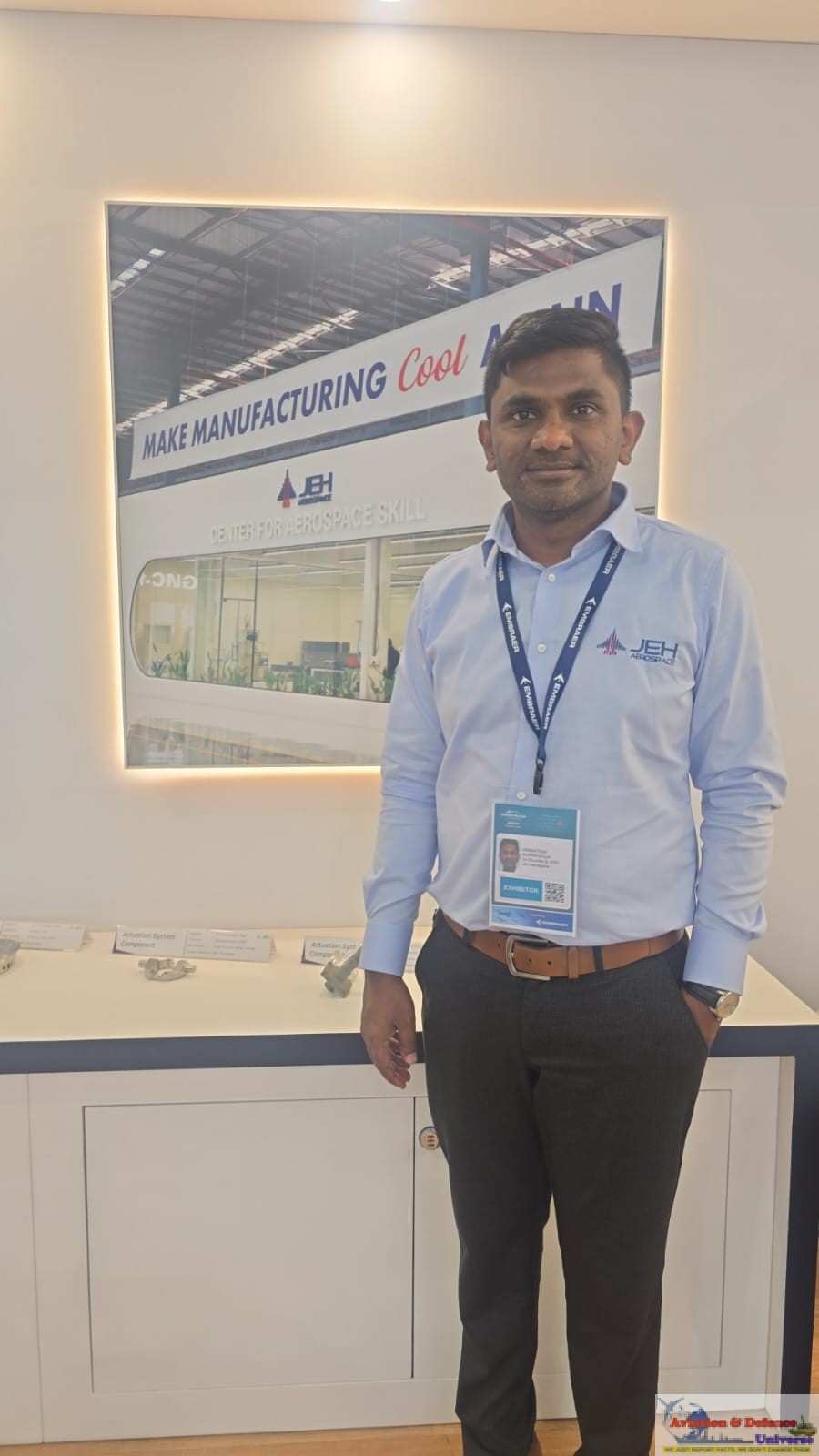 country’s strengths in engineering talent, precision manufacturing, digital technologies and competitive production capabilities are enabling it to move steadily up the aerospace value chain. Companies such as Jeh Aerospace are helping accelerate this transformation by building resilient supply chains, expanding manufacturing capacity, investing in workforce development and demonstrating that India can become a trusted global partner in one of aerospace’s most sophisticated manufacturing domains.
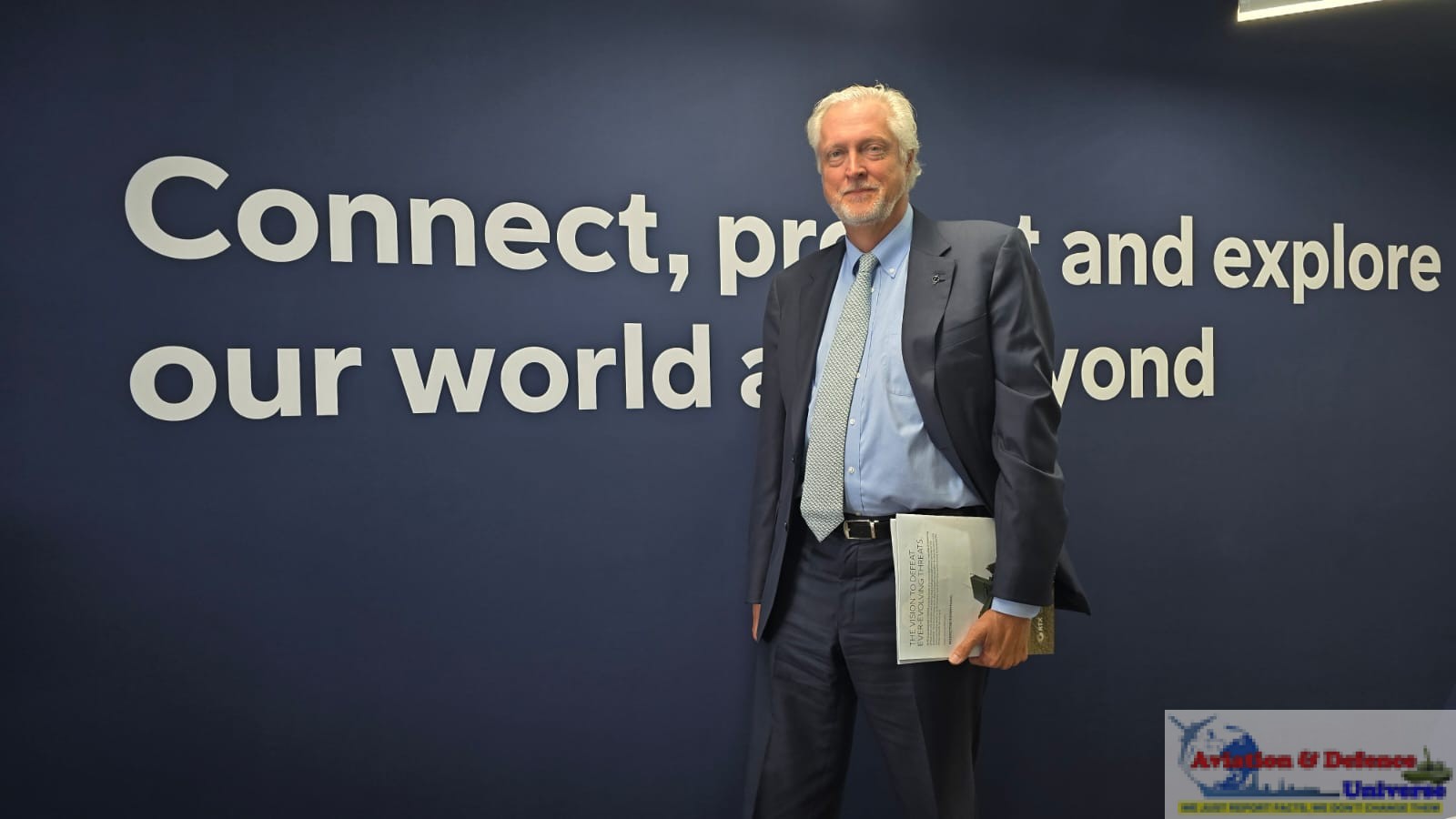
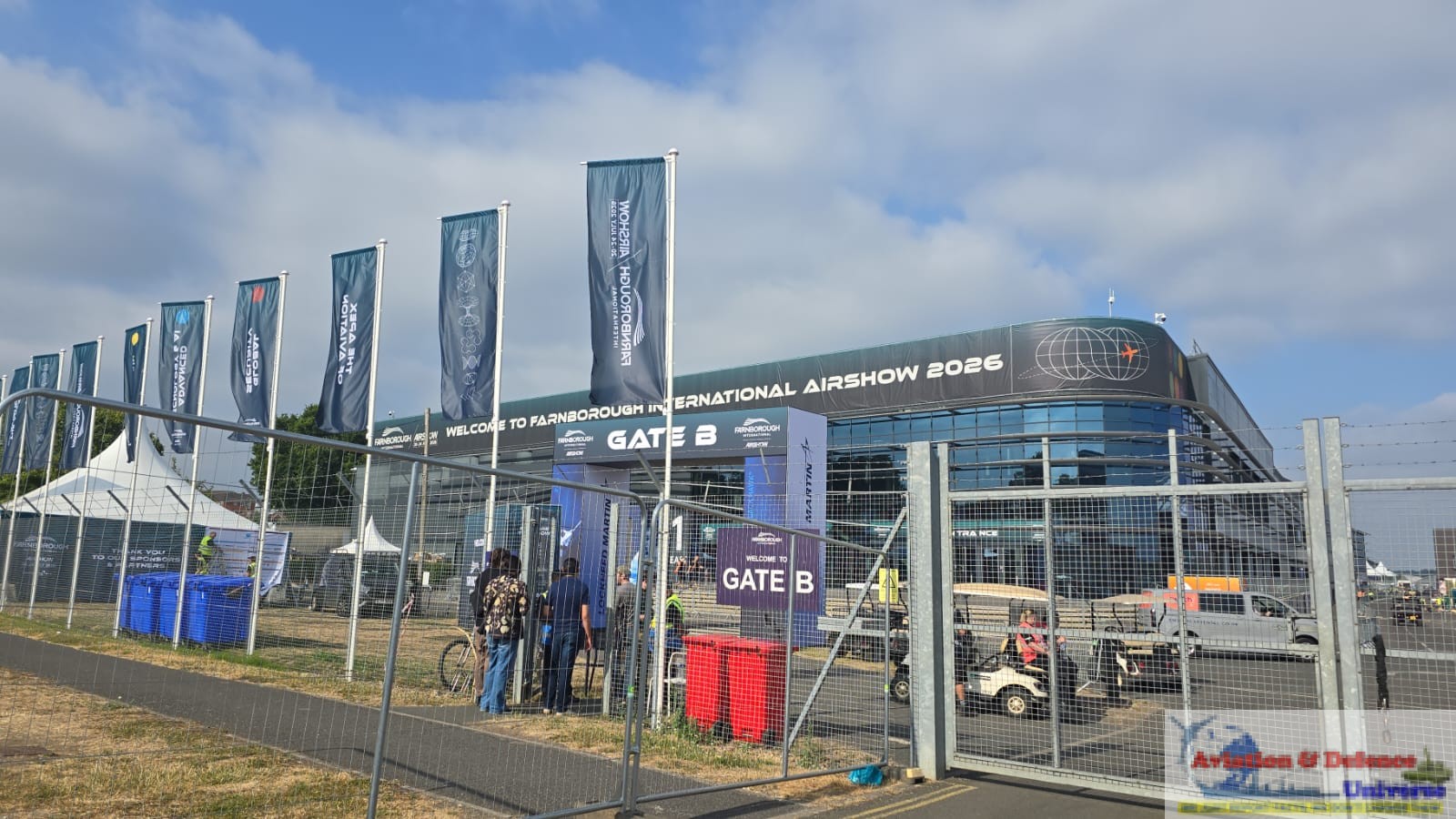
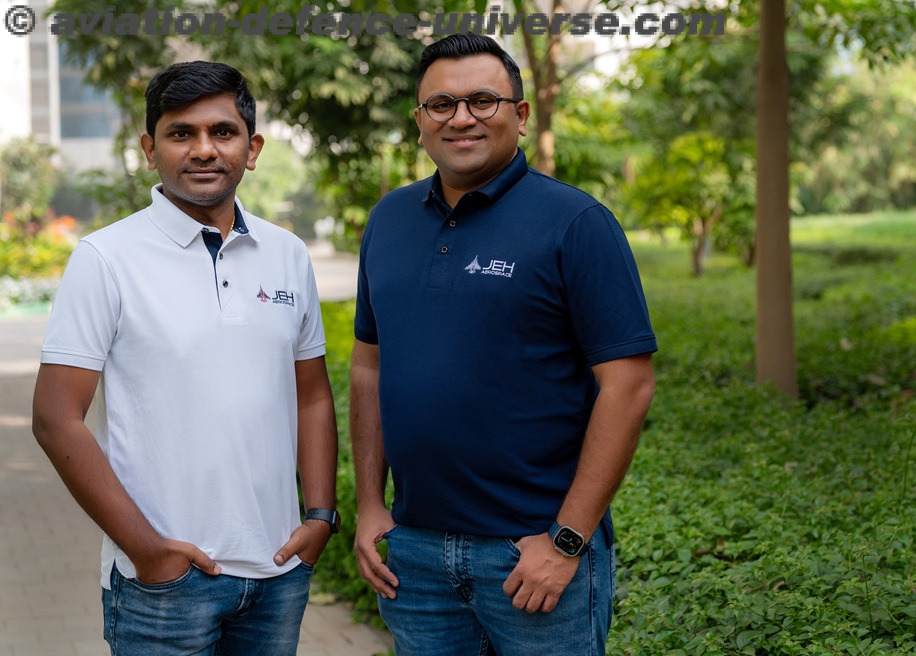
In just a few years, Jeh Aerospace has transformed itself from a start-up with an ambitious vision into one of India’s fastest-growing aerospace manufacturing companies. At the Farnborough International Airshow 2026, Aviation & Defence Universe (ADU) spoke exclusively with Venkatesh Mudragalla, Co-Founder, Jeh Aerospace, to understand the company’s remarkable growth journey, its strategic focus on aero-engine components, expansion of manufacturing capacity in Hyderabad, the importance of resilient global supply chains, and why India is emerging as a critical manufacturing destination for the global aerospace industry. In a conversation that reflected both confidence and pragmatism, Mudragalla explained how Jeh Aerospace is positioning itself at the intersection of advanced manufacturing, skilled talent and global customer partnerships.
ADU. Jeh Aerospace has made an impressive debut at the Farnborough International Airshow with a prominent presence. Today is Day Four of the show. How has the response been?
Venkatesh Mudragalla. It has been an extremely exciting experience for us. This is Jeh Aerospace’s first physical participation at an international aerospace exhibition of this scale, and the reception has exceeded our expectations. Over the past few days, we have met our existing customers, prospective customers, strategic partners and companies from across the global aerospace ecosystem. One important trend that has clearly emerged during this year’s Farnborough Airshow is the industry’s increasing focus on building resilience within aerospace supply chains. That aligns perfectly with Jeh Aerospace’s core mission. Overall, we are extremely pleased with how the show has progressed and with the quality of discussions we’ve had over the last four days.
ADU. For readers who may not yet be familiar with Jeh Aerospace, tell us about the company and what exactly you do.
Venkatesh Mudragalla. When we founded Jeh Aerospace, we first asked ourselves a very simple question. Where is the biggest bottleneck in today’s aerospace industry? The answer was quite evident. Today’s aerospace industry is highly supply constrained. If an airline orders an aircraft today, delivery may take seven or even eight years because of limitations throughout the supply chain. When we analysed the entire aerospace ecosystem, we realised that one of the biggest constraints existed in aero-engine manufacturing. That is where we decided to focus. Today, over 95 per cent of our business is dedicated to manufacturing aero-engine components. We specialise in machining highly complex components manufactured from difficult-to-machine aerospace alloys such as nickel-based superalloys, cobalt steels, titanium and Inconel. These materials are essential for modern aircraft engines and demand extremely high levels of manufacturing precision and capability.
ADU. Jeh Aerospace also has a presence in the United States. Why was it important to establish operations there?
Venkatesh Mudragalla. Our primary customers are Tier-1 and Tier-2 aerospace companies, many of whom are based in North America. Being physically close to customers always helps. The United States remains one of the world’s largest aerospace markets, and having a local presence enables us to engage more effectively with customers. At the same time, our manufacturing capability, engineering talent and production strengths remain firmly rooted in India. The India–US corridor is central to our business strategy. Our objective is to combine India’s engineering and manufacturing strengths with proximity to global aerospace customers.
ADU. Your manufacturing facility in Hyderabad has grown significantly over the past year. Tell us about that expansion.
Venkatesh Mudragalla. Yes, we have expanded at a remarkable pace. Today we operate from a 60,000-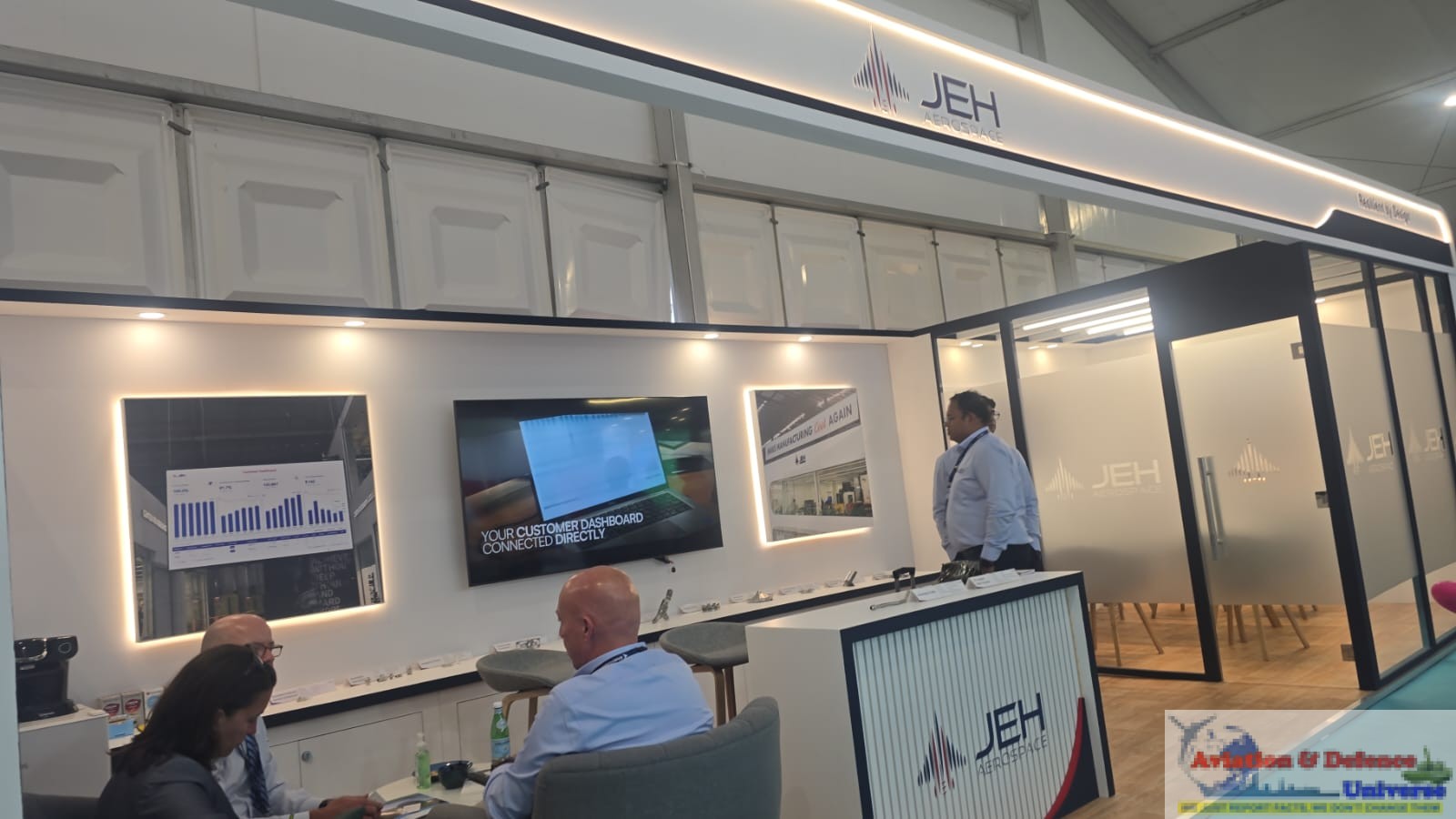 square-foot manufacturing facility. In addition, we have recently added another 200,000 square feet of manufacturing capacity. If you look at our journey, it has been extraordinary. Within just two years, we have grown from zero manufacturing footprint to approximately 2,50,000 square feet of production space. The same rapid growth has happened with our workforce. When we last met about a year ago, we had around 50 employees. Today our team has expanded to nearly 250 professionals. That growth reflects both increasing customer confidence and the opportunities emerging within the global aerospace supply chain.
ADU. Aero-engine manufacturing depends heavily on specialised alloys and critical minerals. Are you sourcing these materials from India or overseas?
Venkatesh Mudragalla. At present, the majority of the specialised materials we use are imported. The aerospace-grade alloys required for aero-engine components—such as nickel-based superalloys, cobalt alloys, titanium and other high-performance metals—are still sourced largely from overseas. There are encouraging efforts underway to develop indigenous capability in this area, and we certainly hope India will become more self-reliant in the future. But today, most of the raw material we use continues to come from international suppliers.
ADU. Which countries do these critical aerospace materials primarily come from?
Venkatesh Mudragalla. A significant proportion of our material currently comes from the United States. That is another reason why maintaining a strong presence in the US market is strategically important for us. It enables us to remain closely connected with both our customers and important supply-chain partners.
ADU. How has the global aerospace industry responded to Jeh Aerospace during the Farnborough International Airshow?
Venkatesh Mudragalla. The response has been extremely positive. Customers have shown considerable interest in the way we are approaching aerospace manufacturing. What has particularly resonated with them is our focus on building resilience into the aerospace supply chain. They have appreciated our ability to industrialise new components quickly, the investments we are making in developing skilled manpower and the specialised manufacturing capabilities we are building in India. Over the last four days alone, we have held around 50 business meetings, and I would describe them as highly constructive.The discussions have reinforced our belief that there is tremendous global demand for dependable manufacturing partners capable of delivering quality, speed and flexibility.
ADU. One area that particularly stands out is your emphasis on skill development. Tell us about your skilling initiative.
Venkatesh Mudragalla. Skill development is one of our biggest priorities. At present, our training programme is designed primarily for our internal workforce. We recruit a large number of fresh diploma engineers and graduate trainees directly from colleges. Although India has an excellent education system, aerospace manufacturing remains a relatively niche sector. As a result, many graduates are not immediately industry-ready. To bridge that gap, we have established an in-house training facility called the Centre for Aerospace Skills. Here we train recruits on aerospace-specific standards, manufacturing processes, quality requirements and operating procedures before they move onto the shop floor. The objective is to create highly skilled professionals who can immediately contribute to aerospace manufacturing operations.
ADU. So, the Centre for Aerospace Skills is essentially preparing the next generation of India’s aerospace manufacturing workforce?
Venkatesh Mudragalla. Exactly. Building world-class aerospace manufacturing capability requires world- class talent. Our Centre for Aerospace Skills has been established precisely to create that talent pipeline. Rather than depending entirely on external availability of experienced manpower, we are investing in developing our own skilled workforce that understands aerospace manufacturing from the very beginning of their careers. That investment in people is every bit as important as investment in machines and infrastructure.
ADU. Before we conclude, is there any larger message you would like to leave for the aerospace industry?
Venkatesh Mudragalla. Yes. I recently read an observation by a Boeing executive which said that the next major competition in aerospace will be about building great supply chains. I completely agree. The future is not simply about producing more of what we have always produced. It is about creating resilient supply chains. That means developing innovative manufacturing methods, investing in new technologies, creating stronger supplier ecosystems and ensuring that the industry can respond effectively to changing geopolitical and economic conditions. Given everything that has happened globally over the past few years, resilience has become one of the defining priorities for the aerospace industry. That is exactly where Jeh Aerospace wants to contribute.
ADU. Finally, your US office is primarily focused on customer engagement?
Venkatesh Mudragalla. Yes. Our US operations are primarily responsible for sales and marketing, enabling us to work closely with customers while leveraging our engineering and manufacturing capabilities in India. That combination allows us to offer global customers both proximity and world-class manufacturing capability.
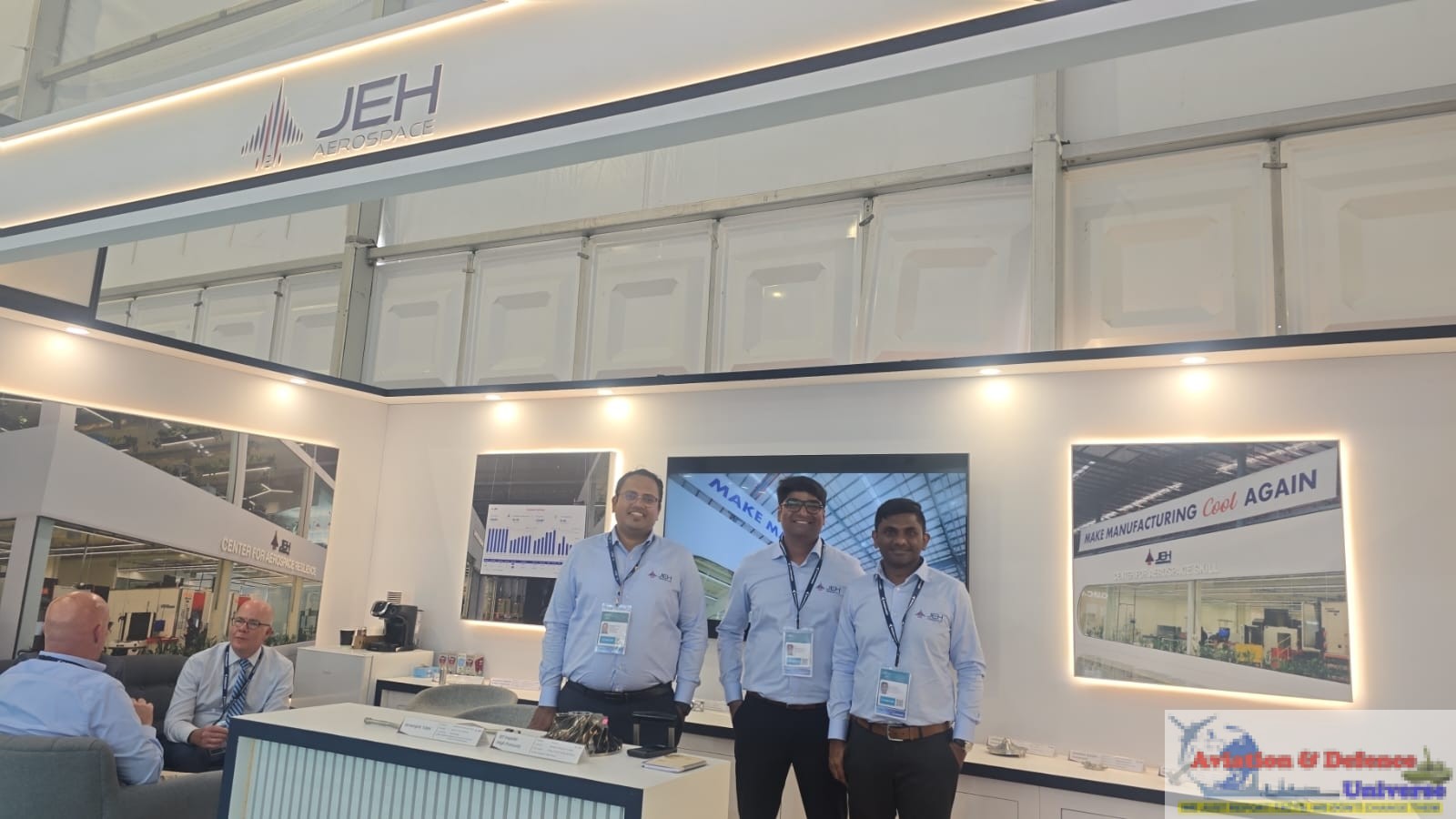 Jeh Aerospace represents a new generation of Indian aerospace companies that are combining entrepreneurial agility with world-class manufacturing standards. Established with the vision of addressing critical bottlenecks in the global aerospace supply chain, the company has rapidly emerged as a specialist in the precision machining of aero-engine components manufactured from some of the world’s most challenging aerospace alloys. In just two years, Jeh Aerospace has expanded from a start-up with no manufacturing footprint to a company operating from nearly 2,50,000 square feet of advanced manufacturing space and employing around 250 professionals. Its emphasis on advanced manufacturing, rapid industrialisation, customer proximity through its India–US business model and continuous investment in people reflects a modern aerospace enterprise designed to serve global OEMs, Tier-1 suppliers and engine manufacturers. Equally significant is its commitment to developing indigenous talent through its Centre for Aerospace Skills, reinforcing the belief that India’s long-term competitiveness in aerospace will depend as much on skilled human capital as on advanced machinery.
 The conversation with Venkatesh Mudragalla reflects the confidence of a new generation of Indian aerospace entrepreneurs who are building globally competitive businesses by solving real industry challenges rather than merely participating in them. Jeh Aerospace’s focus on aero-engine components, rapid industrialisation, workforce development and resilient supply chains mirrors the changing priorities of the global aerospace industry at a time when demand continues to outstrip manufacturing capacity. As aircraft backlogs grow and OEMs seek dependable partners capable of delivering quality with speed, companies like Jeh Aerospace are demonstrating that India is no longer simply an emerging aerospace market—it is becoming an increasingly important manufacturing partner in the global aviation ecosystem. By combining advanced manufacturing, skilled talent and strategic international partnerships, Jeh Aerospace is helping strengthen the supply chains that will power the next generation of aircraft around the world.
As Told To Sangeeta Saxena


















































































-A4-Size-(2)_page-0001.jpg)