


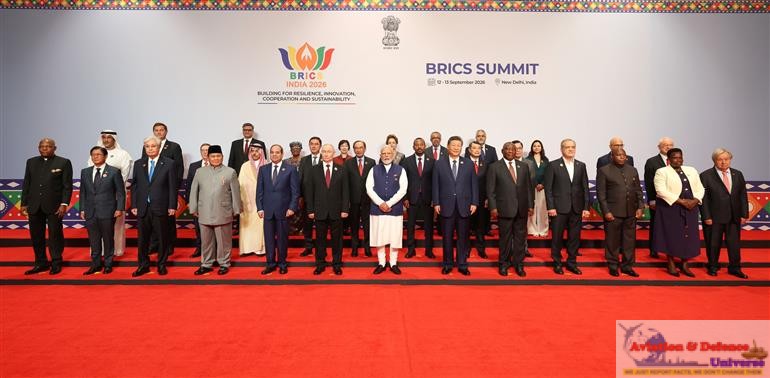
 18th BRICS Summit














- Australia Looks Beyond Selling to India—It Wants to Build Space Technologies Together
- Australia’s BSX Mission. 12 Companies, Multiple MoUs and a Bigger India Space Ambition
- India & Australia Complementary Space Ecosystems Find Common Orbit
By Sangeeta Saxena
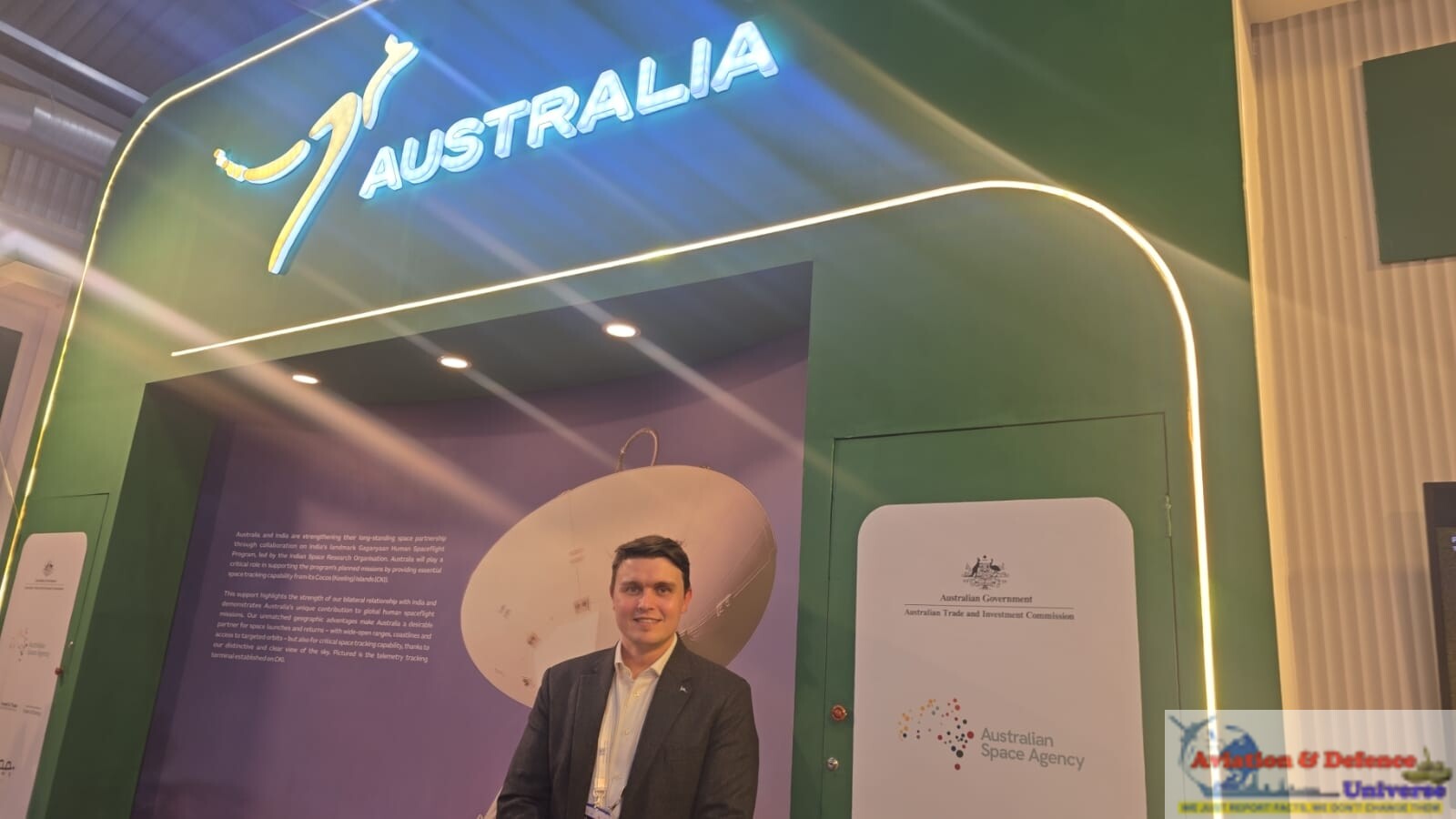
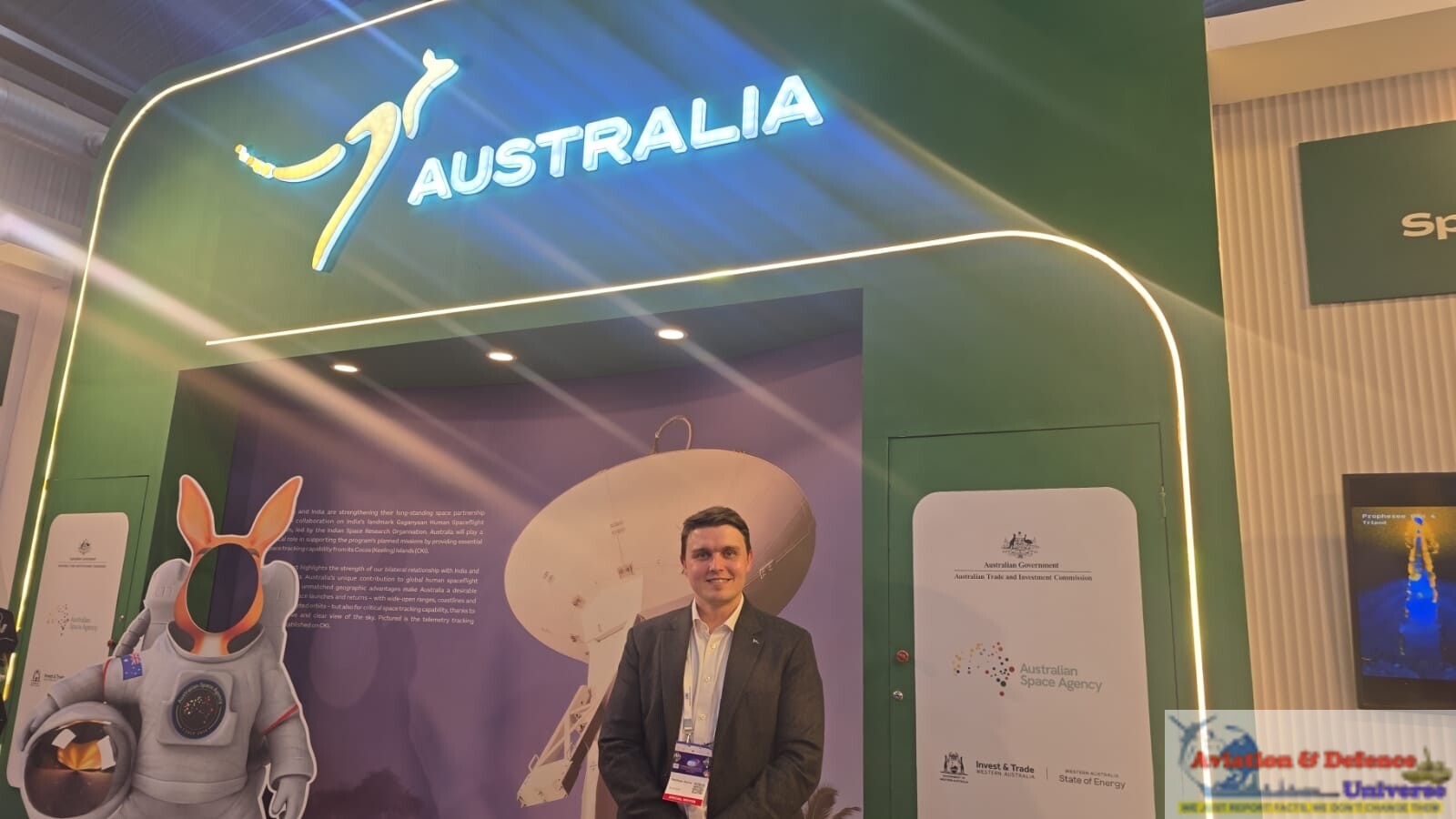
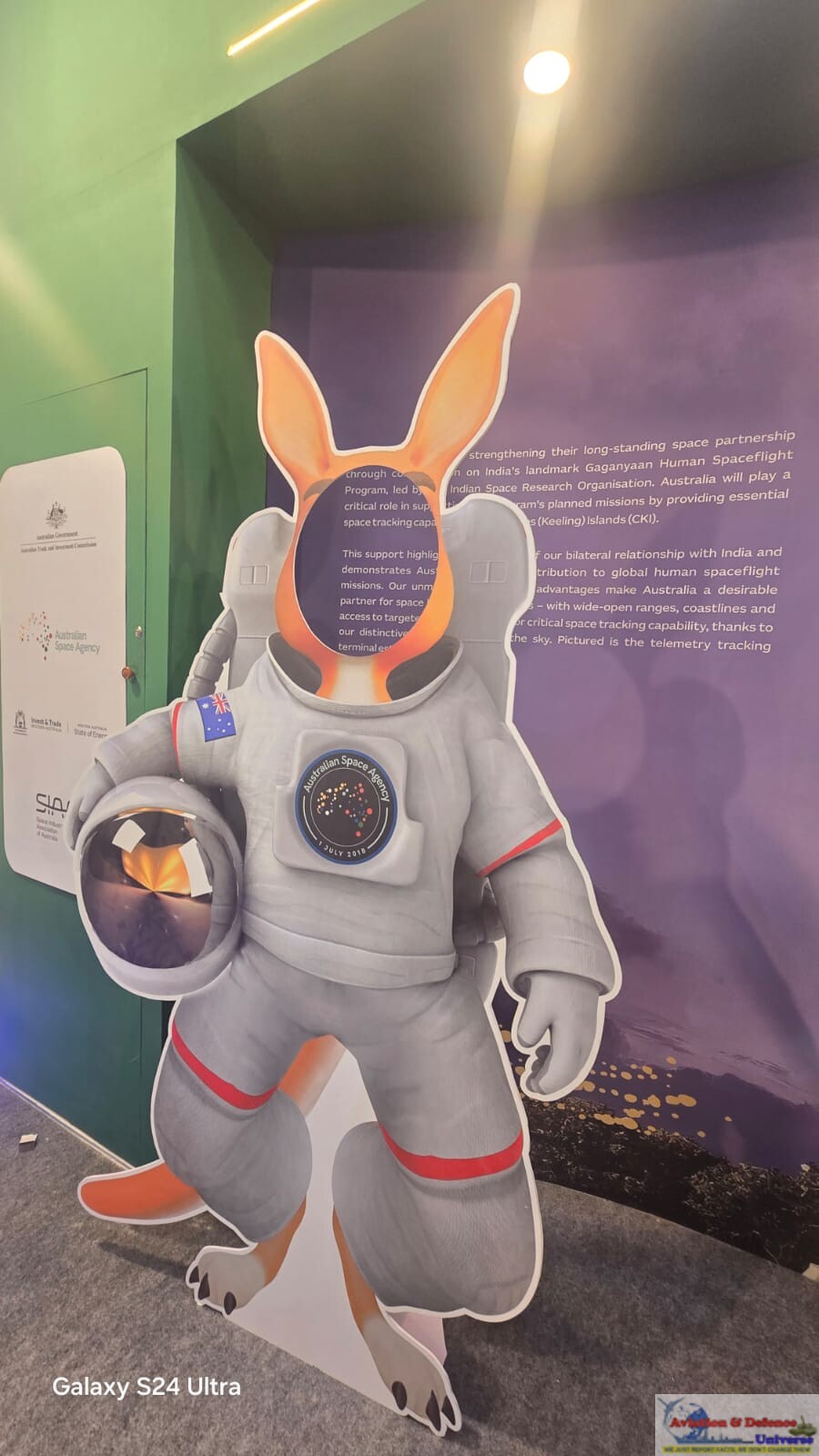
Bengaluru. 09 September 2026. Australia did not come to BSX 2026 simply with a pavilion. It came with an ecosystem—and a message that the India–Australia space relationship is moving rapidly from dialogue to delivery. Making its presence felt as Tech Country Partner for the first time, Australia brought a focused delegation of 12 companies spanning university research, satellite manufacturing, launch and return technologies, propulsion, Earth Observation, artificial intelligence, analytics and microgravity research. Supporting them were the Australian Trade and Investment Commission, Australian Space Agency, Invest and Trade Western Australia and the Space Industry Association of Australia.
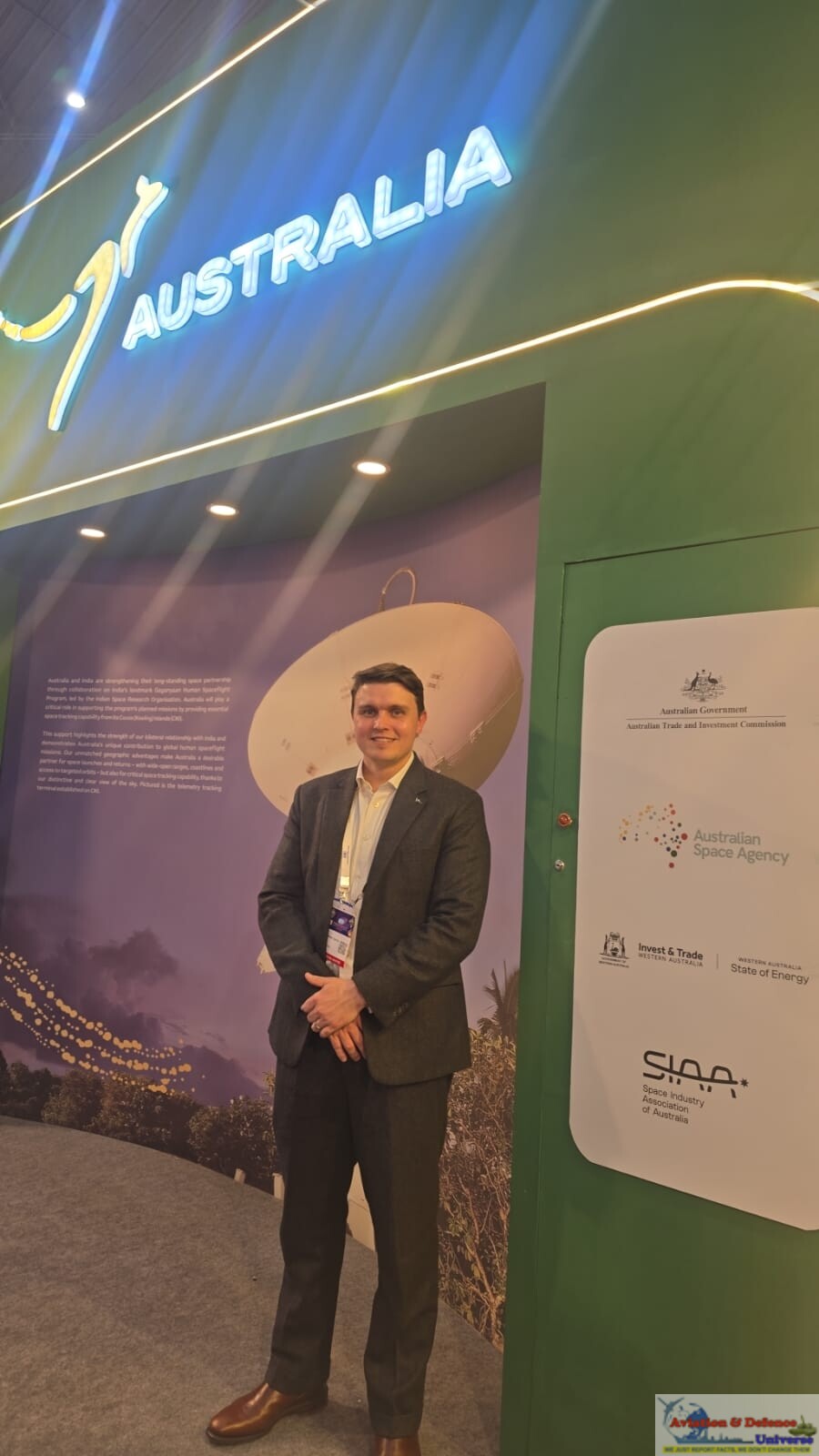
 But the bigger story was unfolding beyond the exhibition booths. Australian companies already have operations and partnerships in India; collaborative manufacturing is taking place in Bengaluru; new MoUs were signed during BSX; and Australia is supporting India’s Gaganyaan human-spaceflight programme. At BSX 2026, Aviation & Defence Universe (ADU) caught up with Nathan Davis, Trade & Investment Commissioner, Australian Trade & Investment Commission in India, to understand what Australia brought to Bengaluru, how the two space ecosystems complement each other, and why he believes the trajectory of India–Australia space cooperation over the next 10, 20 and 30 years looks increasingly promising.
ADU. Australia has a very strong presence at BSX 2026 and is the Tech Country Partner. What are you showcasing here?
Nathan Davis. Australia is the Tech Country Partner at BSX 2026, and this is the first time that we have been at this level of partnership and relationship here. It reflects the growing dynamism that we are seeing between our two space economies. We have brought a highly focused delegation of 12 companies covering various fields—from research at our world-class universities to upstream technologies such as satellite manufacturing, launch and return, and propulsion systems.Then we have downstream technologies and applications including Earth Observation, artificial intelligence and analytics, as well as microgravity research. Around those 12 companies, we have also brought a broader ecosystem. The Australian Trade and Investment Commission is leading the delegation. We are supported by the Australian Space Agency, the Western Australian Government through Invest and Trade Western Australia, and our peak industry body, the Space Industry Association of Australia, through an Australian Government initiative called the Accessing New Markets Initiative. So, while there are 12 companies, what we have really brought to India is an ecosystem.
ADU. Are all 12 companies new to India, or do some already have operations here?
Nathan Davis. Some of them already have operations in India. Companies such as Space Machines Company and others within the delegation already have a presence here and are part of the Indian ecosystem.
ADU. What specific space products and technologies are these Australian companies bringing to BSX?
Nathan Davis. We are not necessarily approaching it on the basis of one particular product or service. Across the 12 participants, they represent different parts of the ecosystem—from research and development and university testing through to upstream and downstream technologies. That breadth is important.
ADU. Beyond industry participation, how are Australia and India working together institutionally in space?
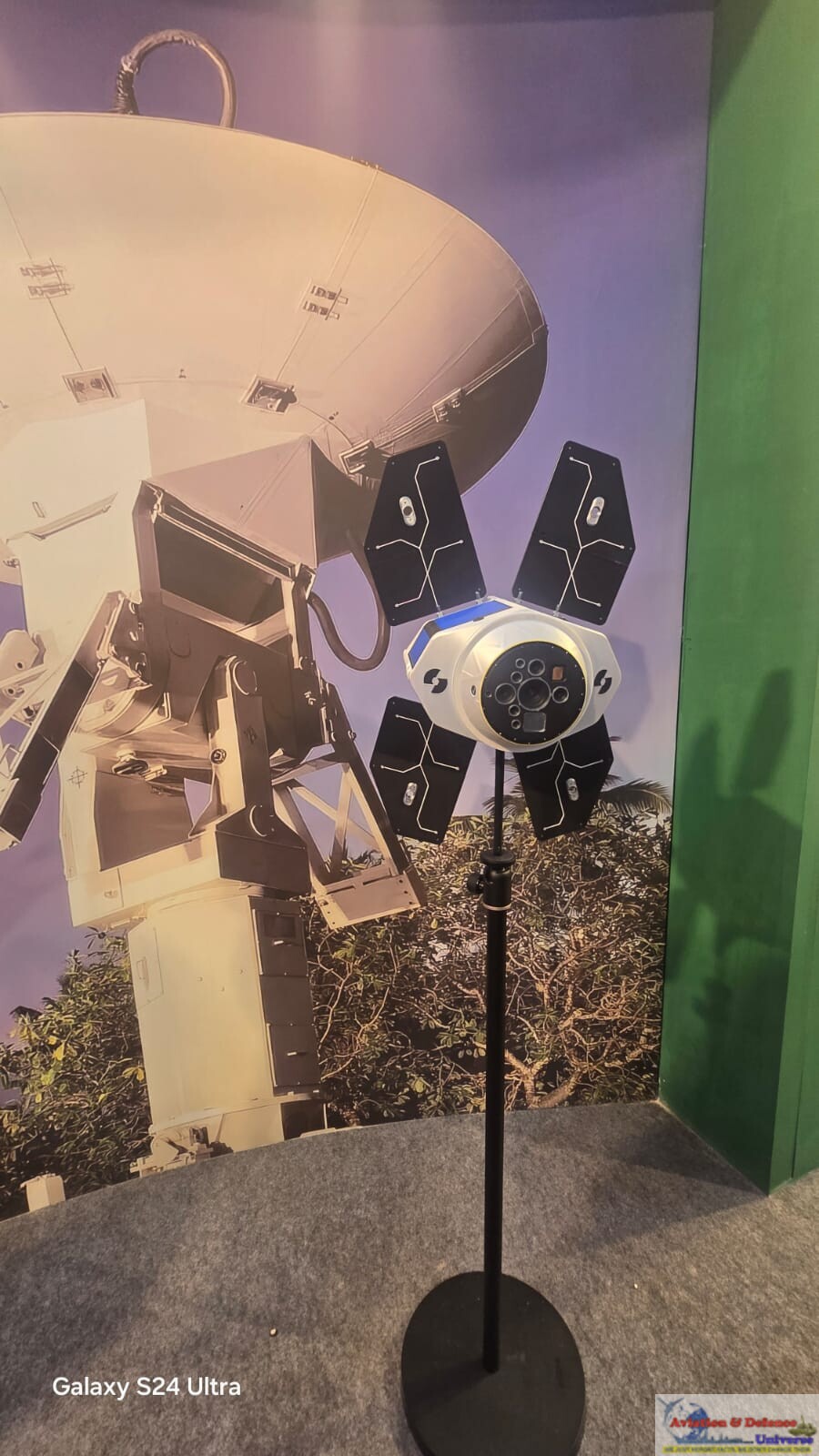 Nathan Davis. As part of our broader engagement here at BSX, and as reflected in the High Commissioner’s comments, we are engaging with ISRO and IN-SPACe, particularly around areas Australia has already agreed to support. When Prime Minister Modi met Prime Minister Albanese in Australia in July this year, the Joint Leaders’ Statement detailed Australia’s support for the Gaganyaan mission. That includes support through telemetry tracking from the Cocos (Keeling) Islands as well as support related to crew-module recovery. Those discussions and the way we can provide support remain an important feature of the bilateral dialogue between our two space ecosystems. The conversations taking place here at BSX continue that journey.
ADU. With 12 Australian companies here, what potential do you see for partnerships with Indian MSMEs and SMEs?
Nathan Davis. We already have companies that are part of the ecosystem and have existing tie-ups in India. Some of these relationships have been supported through Australian Space Agency grant programmes aimed at encouraging joint collaborative products and services between the Australian and Indian ecosystems. For example, Space Machines Company is collaborating with Ananth Technologies on small-satellite manufacturing.
ADU. We are on Day Two of BSX. Have these interactions already translated into agreements?
Nathan Davis. Yes. We have seen a number of MoUs signed. One of the companies in our delegation signed an agreement with NSIL, which was significant. We have also seen another company working in launch and return services in Western Australia sign multiple MoUs with Indian partners. There has also been an agreement involving the University of Western Australia and SIA-India for training and research collaboration. So we are already seeing considerable movement.
ADU. Are Australian companies also looking at manufacturing partnerships in India?
Nathan Davis. The short answer is yes. There is already some collaborative manufacturing taking place. As I mentioned, Space Machines Company is working with Ananth Technologies, and there are manufacturing elements here in Bengaluru. We are also seeing other kinds of tie-ups and collaborations, particularly around payloads and launch services. Manufacturing is happening in more niche areas. What we are trying to achieve is to support the best complementarities within the manufacturing ecosystems of both countries.
ADU. So this is not simply about shifting manufacturing from one country to another?
 Nathan Davis. Exactly. It is less about one company simply manufacturing for another. The question is how do we create genuine joint collaboration? There may be niche technologies that each company brings. Part of something might be manufactured in India and another part in Australia. If we can combine those complementary capabilities effectively, everybody benefits as part of the team.
ADU. You also mentioned academia as an important part of the Australian delegation. Which universities are participating?
Nathan Davis. We have three universities as part of the delegation. Australian National University, the University of Western Australia and UNSW. There are already a number of transnational education agreements and partnerships across the wider education ecosystem.
ADU. Is that university relationship with India also becoming more institutionalised?
Nathan Davis. Yes. There is considerable activity taking place in education. For example, the University of Western Australia is establishing campuses in Chennai and Mumbai, while UNSW has also been expanding its engagement in India. The broader point is that universities and research are an important part of the ecosystem we have brought to BSX.
ADU. What is the single most important message you would like people to take away from Australia’s presence at BSX 2026?
Nathan Davis. I want to make sure that the spirit and ethos of the mission we have brought here is captured in its fullest. It is a vast ecosystem. It is not simply about industry players. It includes industry bodies, the Australian Government and state governments as well. That gives us a platform to say that the future between India and Australia looks incredibly bright. We have a number of bilateral agreements and dialogues, and as you referenced, Prime Minister Modi’s visit and the joint statements on space have expanded the way we look at how Australia and India can collaborate in this sector. The optimism for growth and the trajectory over the next 10, 20 and 30 years is going to become even more palpable.
From Partnership to Payloads
Australia’s presence at BSX 2026 tells a story considerably larger than 12 companies occupying an exhibition pavilion. It is about two space ecosystems discovering where their strengths intersect. From Australia’s support for Gaganyaan and engagement with ISRO and IN-SPACe to collaborative satellite 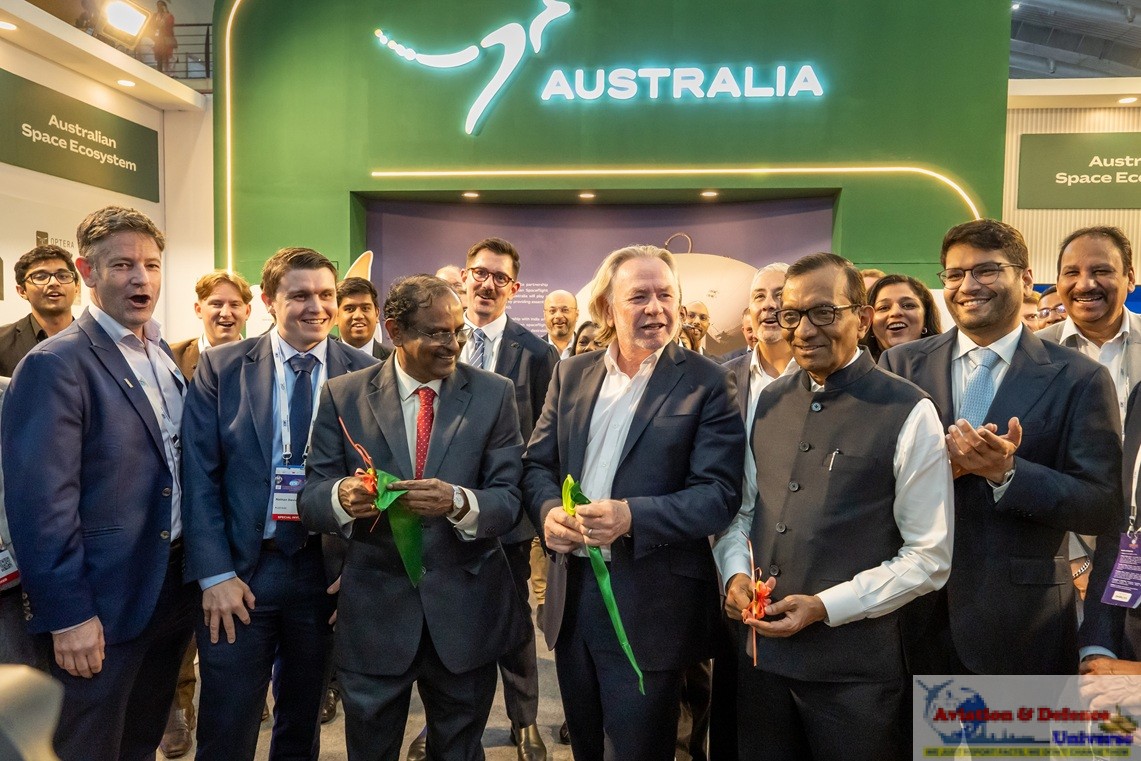 manufacturing, payloads, launch services, Earth Observation, AI, analytics, university research and newly signed MoUs, the relationship is increasingly acquiring a practical and commercial dimension.
Perhaps the most significant element of Nathan Davis’s conversation with ADU was his insistence on complementarity rather than outsourcing. The emerging model is not simply about an Australian company manufacturing in India or an Indian company supplying Australia. It is about identifying niche capabilities on both sides, combining them and building products and services together. That changes the conversation from trade to co-creation. The broader political relationship provides the foundation. The Comprehensive Strategic Partnership, Prime Minister Modi’s July 2026 visit to Australia, cooperation within the Quad and growing engagement between the two space agencies provide momentum. Industry, academia and technology partnerships now have the opportunity to translate that momentum into tangible outcomes. From tracking Gaganyaan to manufacturing satellite systems, from university research to commercial space technologies, India and Australia are finding that the next frontier of their friendship may quite literally be above the Earth.
As Told To Sangeeta Saxena











































































-A4-Size-(2)_page-0001.jpg)