 18th BRICS Summit
















- Patents, Production & 30 Satellites : GalaxEye’s Roadmap Beyond Drishti
- GalaxEye’s Next Satellite Will Be “Crazy” : Reveals a 300-kg-Class Ambition
- Drishti Looked at Earth; GalaxEye Is Looking at the World
By Sangeeta Saxena
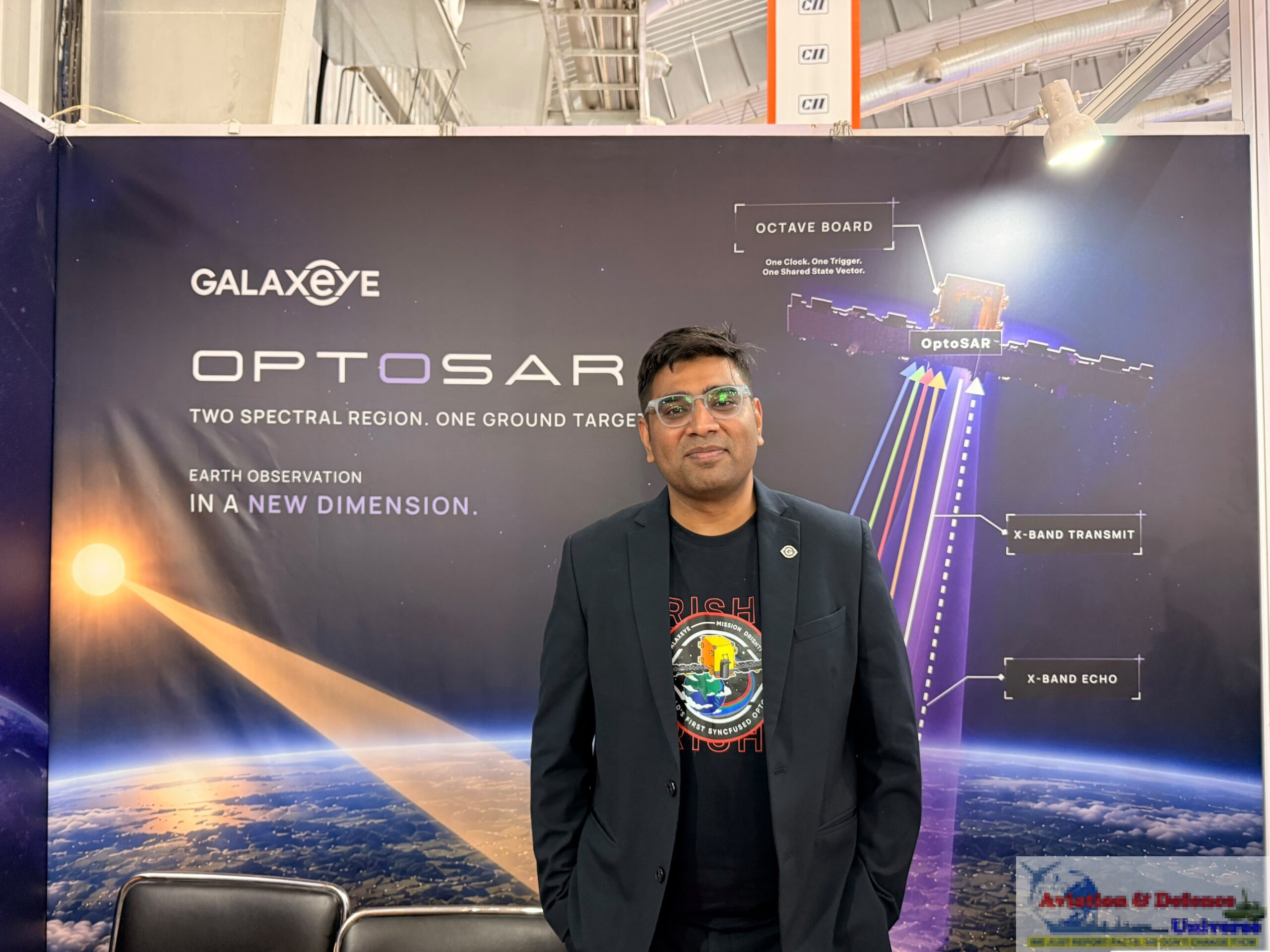
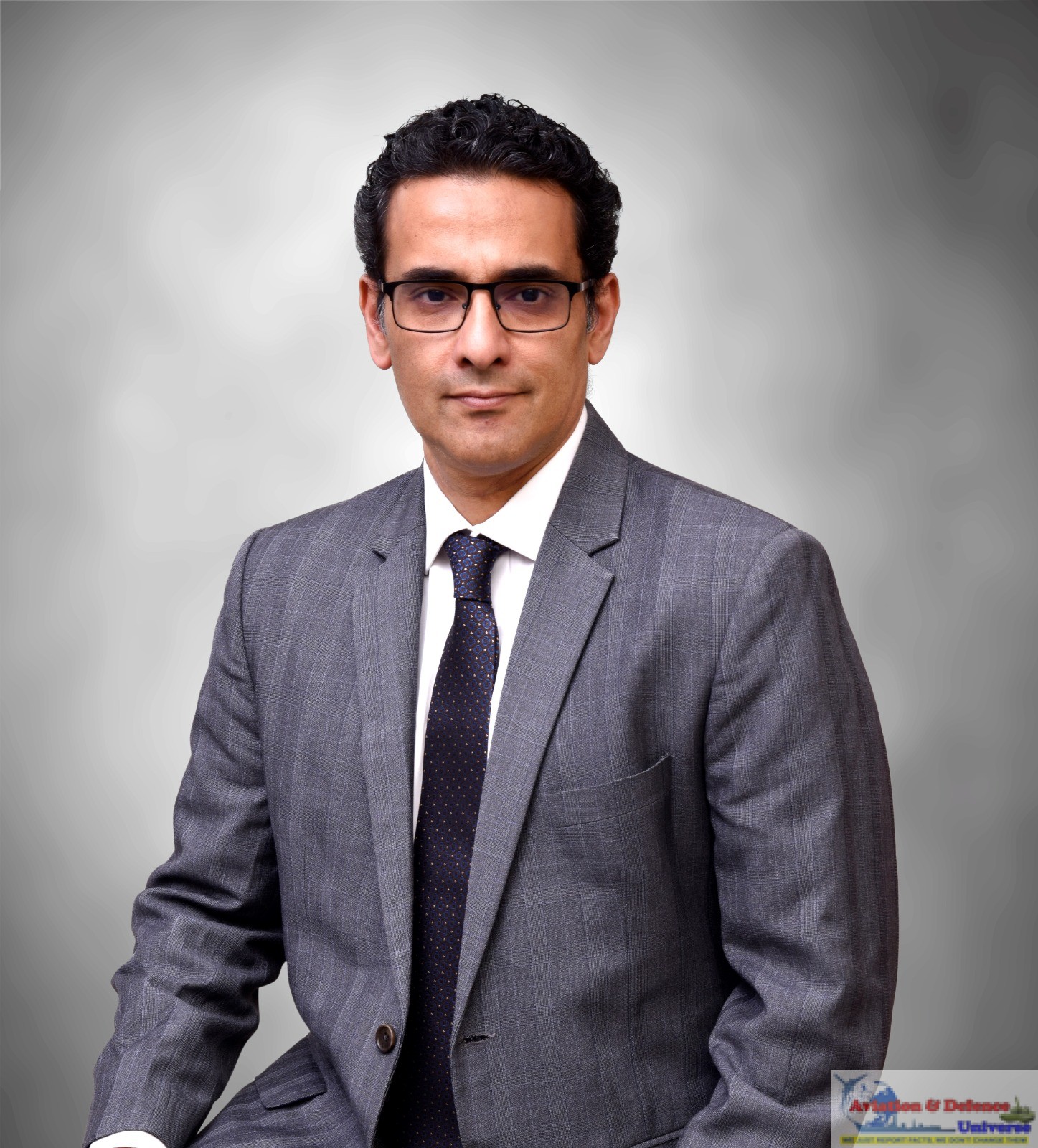
Bengaluru. 08 September 2026. A satellite was launched, an audacious technology was demonstrated—and then space itself delivered one of its harshest lessons. For Suyash Singh, Co-founder & CEO of GalaxEye Space, Mission Drishti was never meant to be merely another satellite in orbit. The Bengaluru space-tech company set out to combine optical and Synthetic Aperture Radar capabilities on a single platform, giving users complementary views of Earth from the same satellite. But after Drishti lost communication during its final orbital phase, GalaxEye did not retreat. At Bengaluru Space Expo (BSX) 2026, Singh was already talking about what comes next: two more satellites by the end of 2027, a planned 30-satellite constellation by 2030, a Bengaluru manufacturing facility capable of producing around 20 satellites annually, sovereign constellations for customers, international expansion—and the ambition to make GalaxEye an OEM of the satellite world.
An aerospace engineer from IIT Madras, Singh’s entrepreneurial journey predates GalaxEye. He earlier founded Team Avishkar Hyperloop, which developed India’s first self-propelled hyperloop pod prototype and became the only Asian finalist among the top teams at SpaceX’s competition. Today, his ambition is firmly orbital. In this exclusive conversation with Aviation & Defence Universe (ADU) at BSX 2026, Singh speaks about Mission Drishti, patents, indigenous technology, supply-chain challenges, global markets, satellite manufacturing, talent, funding and a future in which countries could operate sovereign satellite fleets much as airlines operate aircraft.
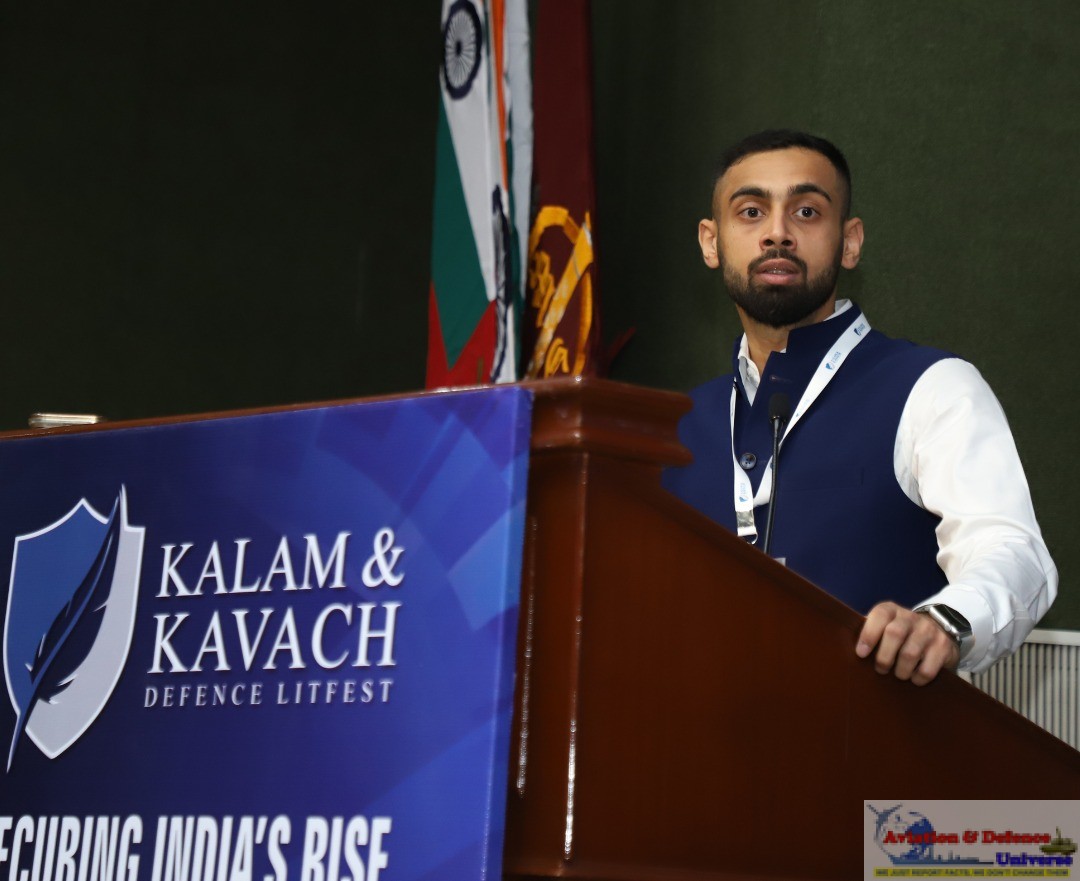
ADU. Suyash, we are meeting here at BSX 2026 in Bengaluru. GalaxEye is, as usual, attracting so much attention. What are you showcasing here?
Suyash Singh. Thank you so much, Sangeeta, for doing this. It’s always a pleasure to come back and talk to you. More than showcasing, it’s more reinforcement of what we do as a company. We want to be technology innovators from India to the world. In fact, today morning we announced that we’ve gotten a grant of the patent that we filed in the US and in India. It also alludes to the fact that we are continuing to invest in the technology that we believe is going to be single-handedly unique from India. And we want to make sure that this technology becomes a household name in the global Earth observation market.
Definitely, dual-use defence and intelligence is one key usage of that. But also, it has usage across disasters, insurance and multiple things, such as Nepal floods that recently came up. We wish Drishti would have been working and we would have been given some insights out of it. But at the same time, I think we’re very excited about what’s happening here at BSX today. Excited about how supply chain is coming along. And since we are now building it more and more in-house, pretty excited about seeing more and more satellites going up, probably 200 in the next five to ten years. And that should be the goal of the entire space industry.
ADU. Now that you are at a stage where you are actually becoming Atmanirbhar, what are your short-term goals?
Suyash Singh. I think the next step for us is pretty clear. We are trying to launch the next two satellites by the end of 2027. Since we are revamping our strategy towards supply chain and also the way we are going to develop Generation 2 of our satellite, it’s going to take some more time. But at the end of the day, the focus is to build two satellites and then launch all 28 satellites as soon as possible. The goal of GalaxEye is to put 30 satellites in orbit by 2030.
ADU. That is an ambitious goal. What about your expansion plans? At the level GalaxEye has now reached, what are your international plans?
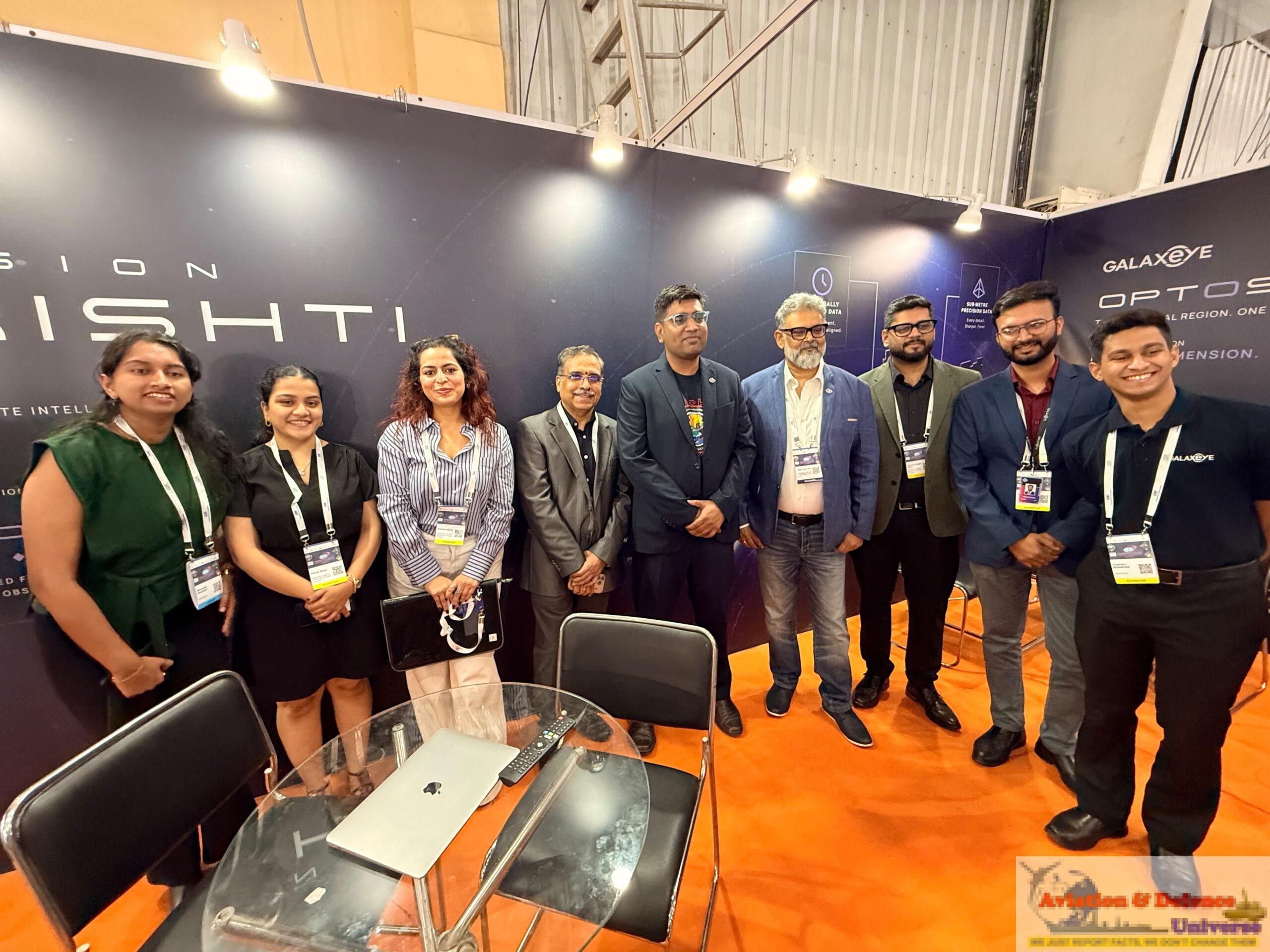
Suyash Singh. I think we are going to keep it a little more organic rather than inorganic. We will see where the interests are coming from and slowly and gradually we will take one geography at a time. Definitely, the US is a lucrative market, but at the same time, the Middle East and so on and so forth. One step at a time and we will take it forward.
ADU. Do you envisage Africa as a market? India has considerable goodwill and engagement across the continent.
Suyash Singh. I am pretty sure Africa is a great market. It’s just that you need to be a little more patient about it. Since education and knowledge about the space industry is not everywhere consistent, there are users who are very clear about what they want. Now, how to achieve that is something that the industry has to figure out. And that will take some bit of time.
ADU. Drishti has been an important milestone. So, what comes after Drishti? Apart from the satellites planned for 2027, is something happening in the immediate future?
Suyash Singh. We are beginning to service some of the contracts that require us to build satellites for the customer directly. We are very open to building sovereign constellations for different kinds of customers and countries.
ADU. Are you already in talks with prospective customers for these sovereign constellations?
Suyash Singh. Yes. We will disclose it as we move along. But at the same time, the concept is pretty simple. If you take OEMs in the aviation space, right, we want to become an OEM in the satellite space. Every country will end up operating satellites in the way they operate aeroplanes, right? And they would need these kinds of satellites.
ADU. And what can you tell us about the next satellite?
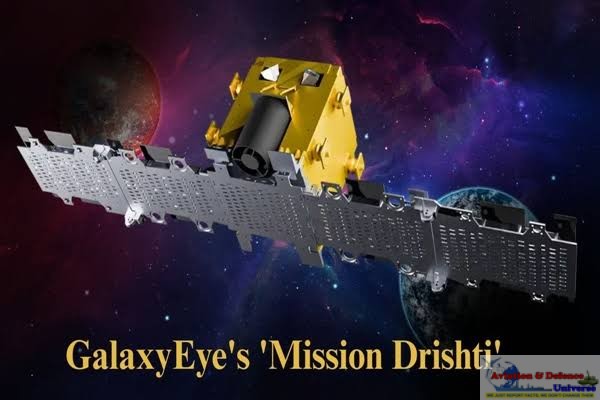
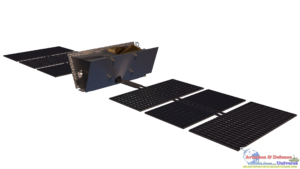
Suyash Singh. The next one is a crazy satellite, by the way. Close to 300 kg class. It’s India’s largest satellite by a private company.
 ADU. GalaxEye is clearly expanding. What does that mean for human resources? Are you recruiting continuously?
Suyash Singh. We are constantly recruiting. There is no way that we cannot recruit anyway. But I think talent still—the highest-quality talent—is something that we always have to struggle for. But there is no doubt on talent. Trainable talent is available.
ADU. And what about the supply chain? Now that you are manufacturing, have you developed your own supplier network or are you using an existing ecosystem?
Suyash Singh. The supply chain, I think, we are figuring it out. I think this conference is one area where we want to double down on that. The idea is to build satellites in-house. So we have a facility where we can build 20-odd satellites every year now.
ADU. In Bengaluru?
Suyash Singh. In Bengaluru. We have not inaugurated that yet.
ADU. How mature would you say India’s space supply chain is today?
Suyash Singh. Supply chain is a critical piece. Still in the early stages, I would say. Or early to mid, somewhere in between. We need some more successes in the supply chain to break the barrier and move forward in life.
ADU. What about funding?
Suyash Singh. Not yet. I think we will be in the markets in a few months from now. And we will raise another round of financing. And yeah, it’s a constant hustle for an entrepreneur.
What makes Suyash Singh’s story compelling is not simply that a young Indian company dared to build an unusual Earth-observation satellite. It is what GalaxEye intends to do after encountering one of spaceflight’s hardest realities. Drishti may have suffered a communications loss, but the company’s ambition appears anything but grounded. At BSX 2026, the conversation had already moved to Generation 2 satellites, a 30-satellite constellation, indigenous manufacturing, a developing Indian supply chain, sovereign constellations and international markets.
 There was also something particularly significant in Singh’s comparison with aviation. “We want to become an OEM in the satellite space,” he said, imagining a world where countries could operate satellite fleets much as they operate aircraft today. That is a far bigger ambition than launching another satellite. It envisages India not merely as a user of space technology, nor even simply as a launcher or spacecraft manufacturer, but as an exporter of complete space capability.
And perhaps that is the larger new space India story emerging from Bengaluru. Start-ups that began by proving that they could build are now asking whether they can manufacture at scale, own intellectual property, create global products and sell sovereign capability to the world. Singh summed up that ambition in one sentence at the beginning of our conversation. “We want to be technology innovators from India to the world.” Mission Drishti may have been the first chapter. GalaxEye clearly intends the constellation to be the story.
As Told To Sangeeta Saxena











































































-A4-Size-(2)_page-0001.jpg)