


 18th BRICS Summit







- “It Is About Saving Lives”: On the Future of SAR
- India-Malaysia Ties Deepen—Now Search & Rescue Deserves a Place at the Table
- India & Malaysia Train Together for Security—Why Not Rescue Together Too?
- SAR Without Borders: Malaysia Calls for Technology, Trust & Teamwork
By SangeetaSaxena
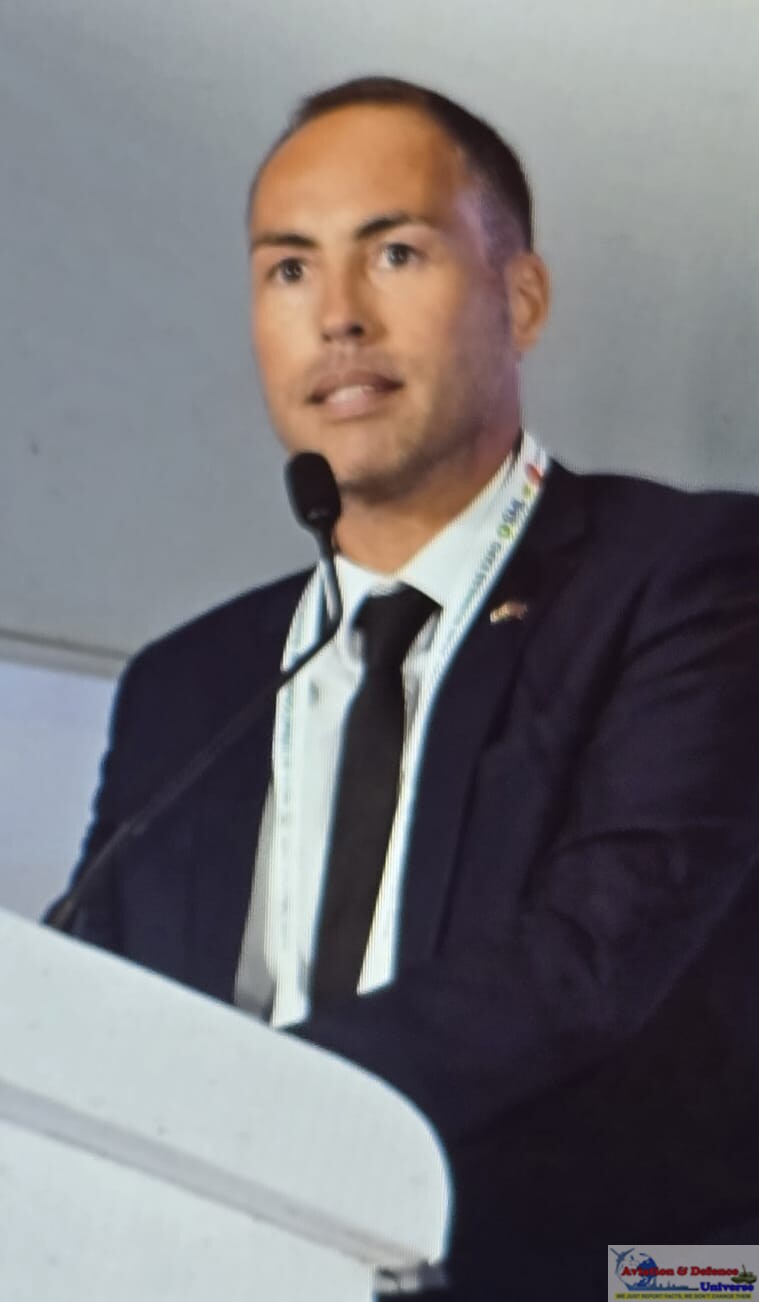
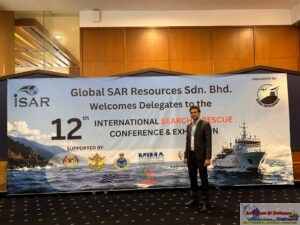
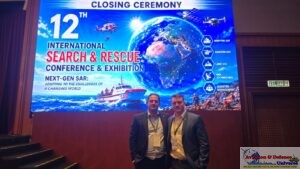
Kuala Lumpur, Malaysia. 28 July 2026. Behind every Search and Rescue mission is an uncomfortable truth: technology may locate the distressed, aircraft and ships may reach them, and sophisticated communications may coordinate the response—but ultimately, SAR is measured in human lives saved. For Datuk Haji Hasbi bin Haji Habibollah, Deputy Minister of Transport, Malaysia, that human dimension must remain at the centre of every technological advancement and every international conversation on Search and Rescue.
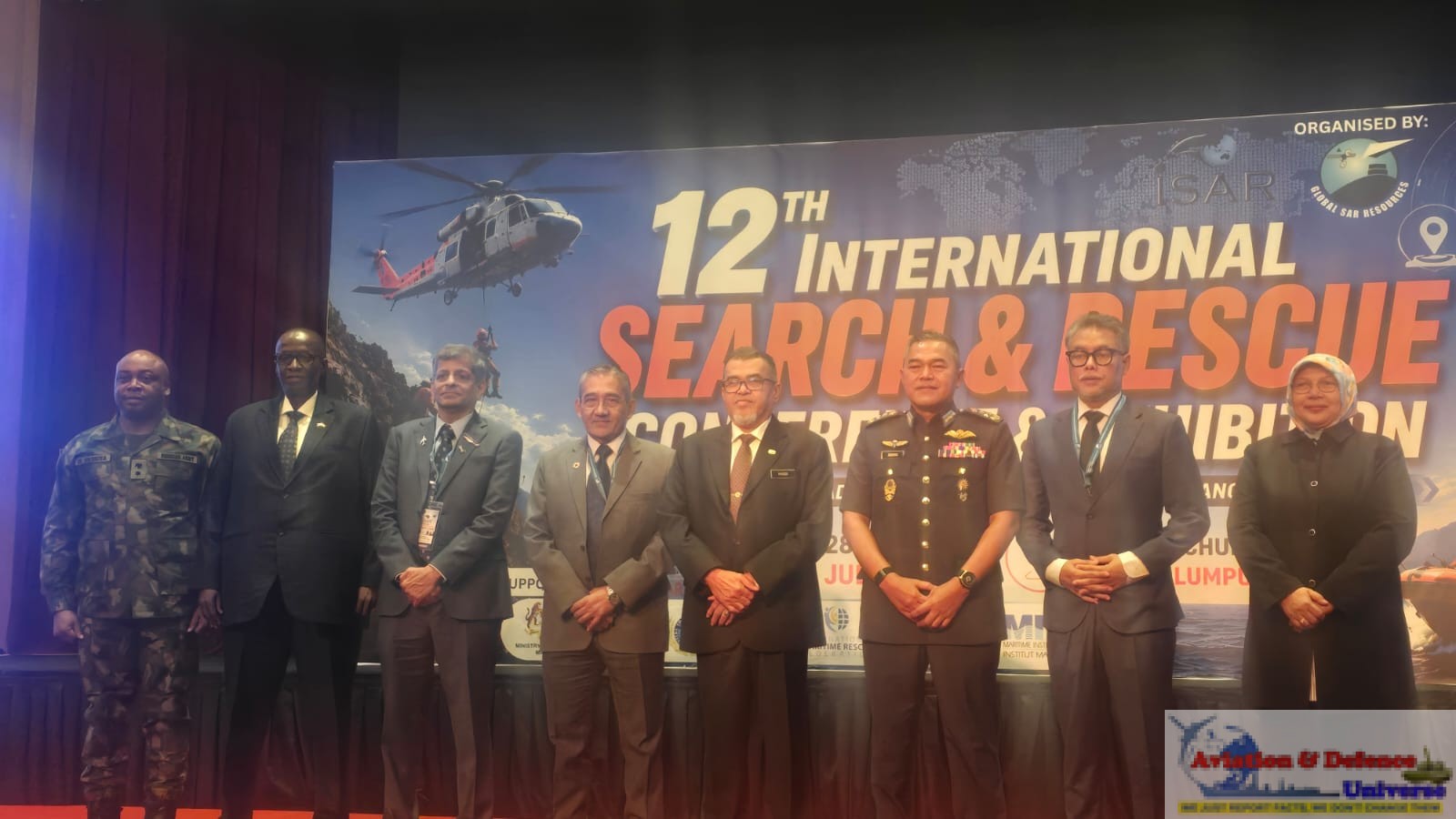
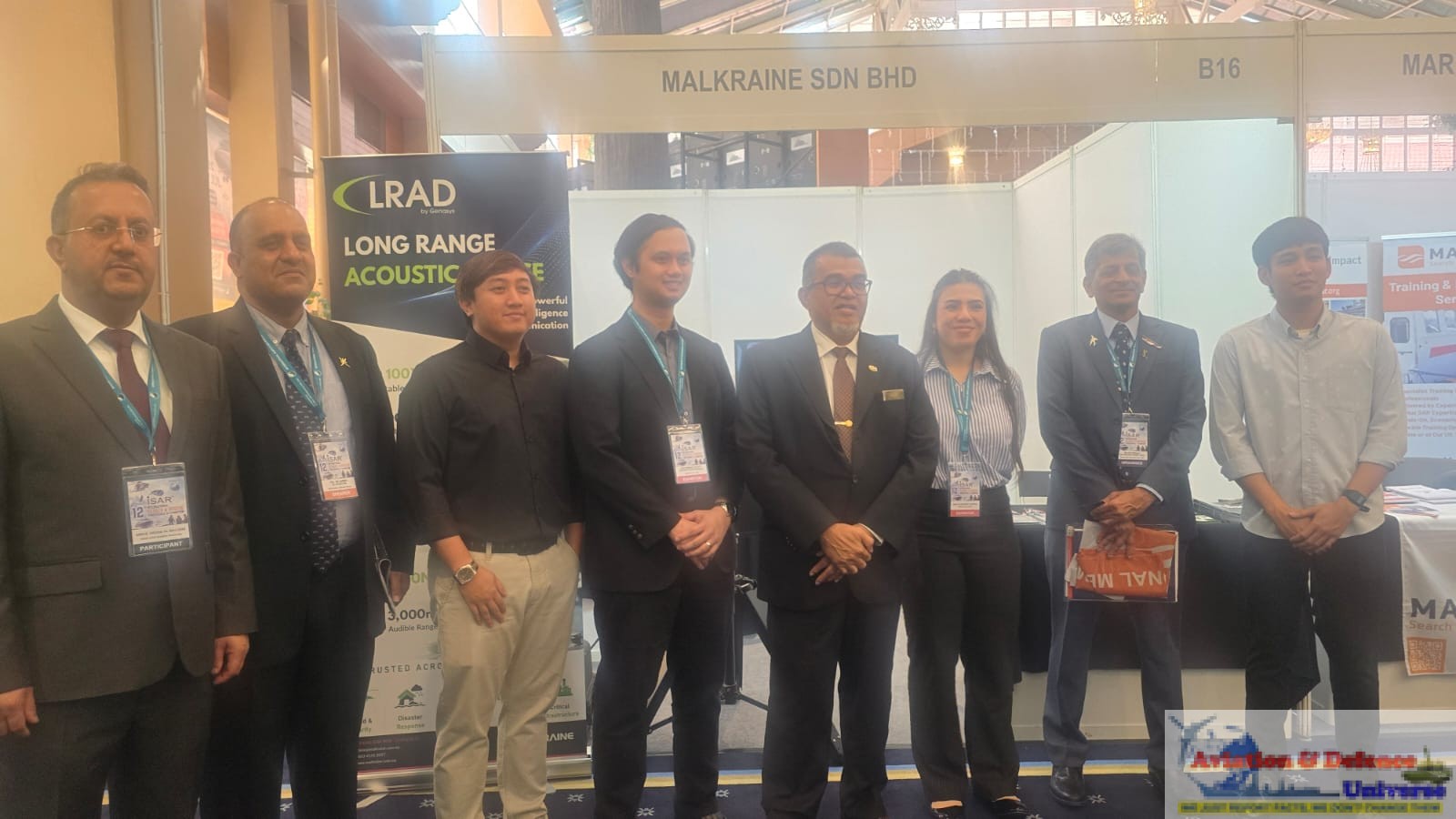
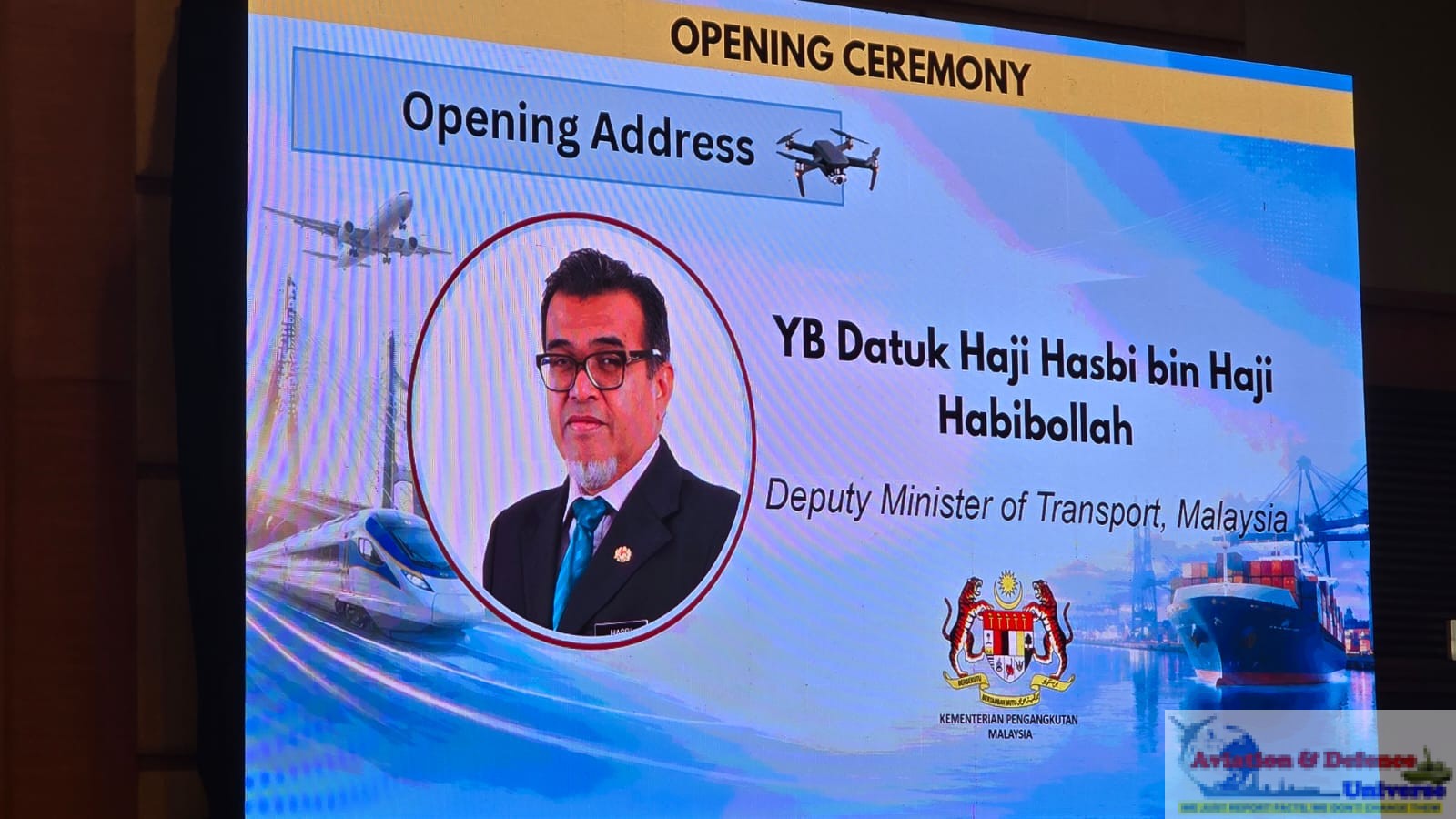
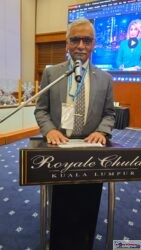
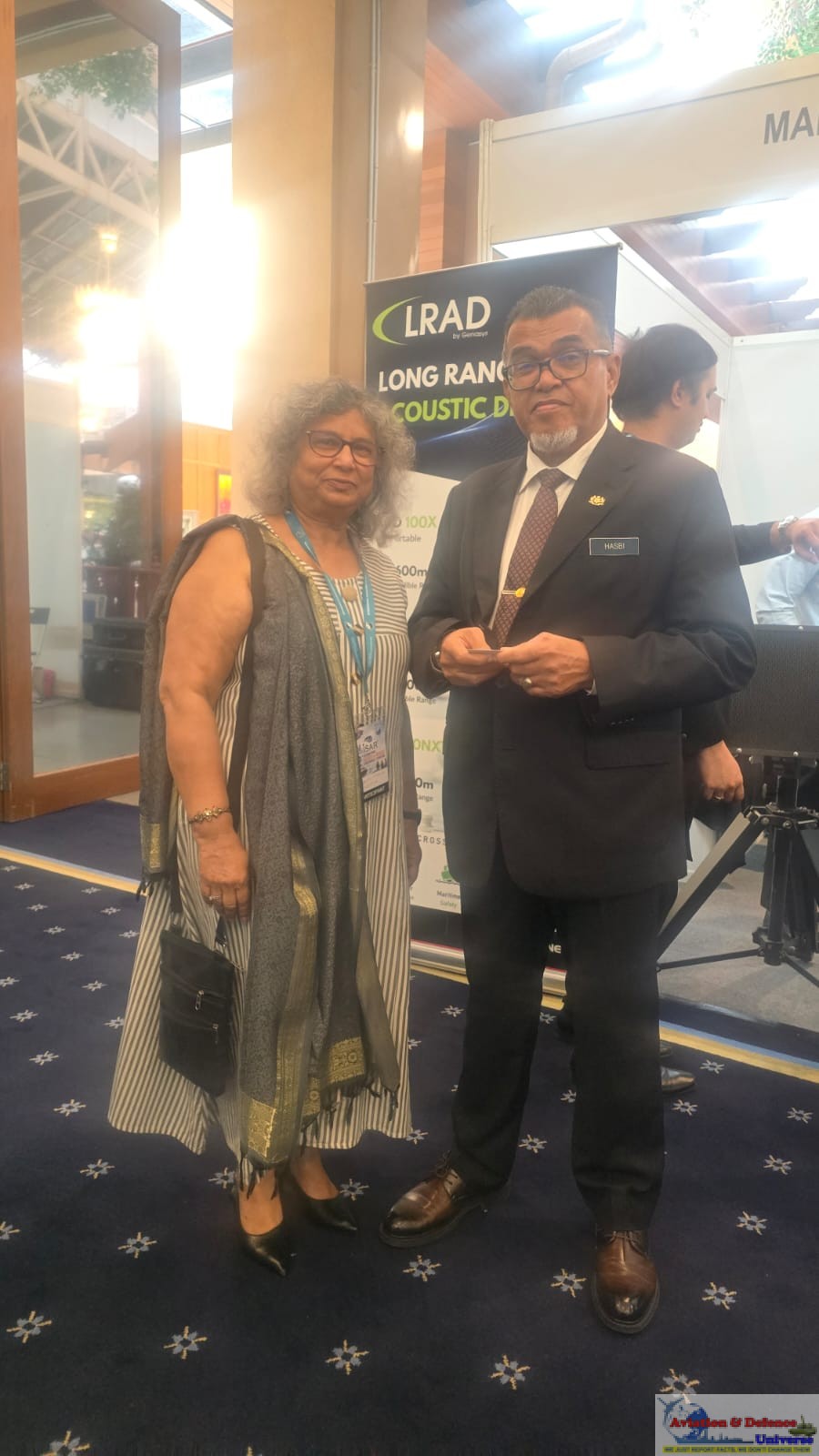 Speaking exclusively with Aviation & Defence Universe (ADU) at iSAR 2026 in Kuala Lumpur, where he was the Chief Guest, the Malaysian Deputy Transport Minister repeatedly returned to one central idea—technology is transforming SAR, but its purpose is not technology for technology’s sake. It is about enabling rescuers to reach people faster and bringing more of them home alive.
“When we talk about Search and Rescue, we are talking about lives. Who are we searching for? Who are we rescuing? They are all human lives. That is the most important thing,” he said. For Malaysia, hosting iSAR 2026 was particularly significant. Located at the heart of Southeast Asia and close to some of the world’s busiest maritime and aviation corridors, the country sits in a region where effective SAR capability has consequences far beyond national boundaries. Its proximity to the Strait of Malacca and South China Sea, extensive coastline, offshore economic activity and busy air and maritime traffic make Search and Rescue an essential component of national and regional safety.
At iSAR, this responsibility translated into something larger: bringing the international SAR community together to discuss how technology, operational experience and cooperation could improve emergency response. Datuk Hasbi began by acknowledging precisely that international character. “First of all, I thank all the international participants who have attended this iSAR hosted in Malaysia because, as you know, Search and Rescue is very important,” he said. The importance of such a gathering, in his view, has grown because the tools available to rescuers are changing rapidly. “Search and Rescue has been there for a very long time, but times have changed and technology has evolved. Technology is now here to assist our Search and Rescue operators all over the world,” he explained.
From artificial intelligence and unmanned systems to advanced sensors, communications, aircraft, maritime platforms and data-driven coordination tools, technology is opening possibilities that SAR organisations of an earlier generation could scarcely have imagined. But for Datuk Hasbi, innovation acquires meaning only when it improves the effectiveness of a rescue. “That is the best thing about having a conference like this, where all the latest technologies are being exhibited to help us make our Search and Rescue operations easier and enable us to save more lives,” he said. That statement encapsulated much of the spirit of iSAR 2026. Technology providers were not demonstrating equipment in isolation; operators and specialists were examining how emerging capabilities could shorten response times, improve situational awareness and give rescuers a better chance of finding people when every minute counts. For the Deputy Minister, the ultimate benchmark remained refreshingly straightforward. “Search and Rescue is a noble operation, and this is a noble conference. It is about how we save lives and how we make the response more effective and faster,” he said.
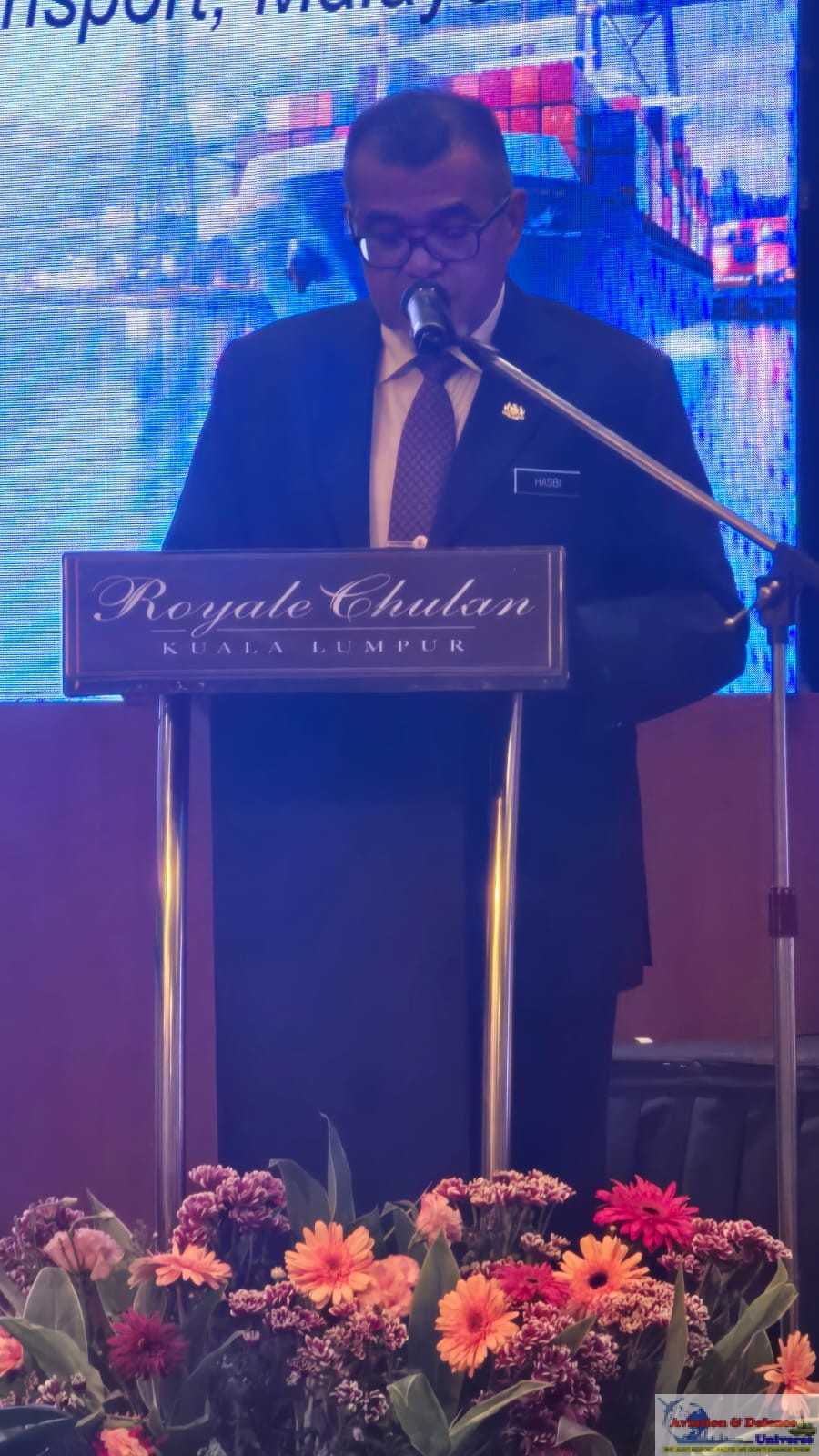 There is another reality inherent in Search and Rescue: emergencies do not always respect national borders. Aircraft cross multiple flight information regions. Ships traverse territorial waters and international sea lanes. Weather systems move across countries. Maritime emergencies can quickly require assistance from neighbouring states. That makes cooperation particularly important within ASEAN. Asked about interaction among regional Navies, Air Forces and SAR organisations, Datuk Hasbi was unequivocal. “Definitely, yes, particularly within ASEAN,” he said. And for him, the logic for cooperation is fundamentally humanitarian. “When we talk about human life, it is not about individual organisations or industries. It is about saving lives.”
It is a sentiment that shifts the SAR conversation beyond equipment and institutions towards something much larger—the ability of countries to cooperate when people are in distress, regardless of whose aircraft, ship or rescue team ultimately reaches them. Malaysia’s geography gives this philosophy particular relevance. Positioned between the Indian and Pacific maritime spaces and at the heart of ASEAN, the country is naturally connected to regional shipping, aviation and security networks. Its SAR preparedness therefore involves multiple stakeholders, including aviation and maritime authorities, defence forces and emergency-response organisations. The participation of international practitioners at iSAR also reinforced Malaysia’s potential role as a convening point for wider regional cooperation.
As new technologies enter the SAR environment, platforms such as iSAR allow operators to examine not simply what is technologically possible, but what can realistically be integrated into operational procedures. They also allow rescuers to build relationships before an emergency occurs—relationships that can become invaluable when several agencies or countries suddenly need to work together.
 For Search and Rescue, this wider strategic relationship creates fertile ground for greater exchange of experience and expertise. India brings extensive operational experience across maritime emergencies, cyclones, floods, mountainous terrain and humanitarian assistance and disaster relief, while Malaysia’s position at the centre of ASEAN makes it an important partner in strengthening regional preparedness. Greater interaction among SAR organisations, maritime and aviation agencies, Armed Forces, Coast Guards, technology providers and training institutions could therefore add another practical dimension to the growing India–Malaysia partnership.
Datuk Hasbi’s vision for the future of iSAR is therefore not simply that the event becomes bigger. His hope is that greater participation translates into deeper interaction and practical cooperation. “For this event, I hope that more and more participants will come together,” he said. “We should interact, collaborate and build good networks for Search and Rescue operations and missions. That is my message.” It may sound simple, but in Search and Rescue, networking is operational capability. Knowing whom to call across a border, understanding another agency’s procedures, knowing what equipment is available and having already established channels of communication can save precious time when an actual emergency unfolds.
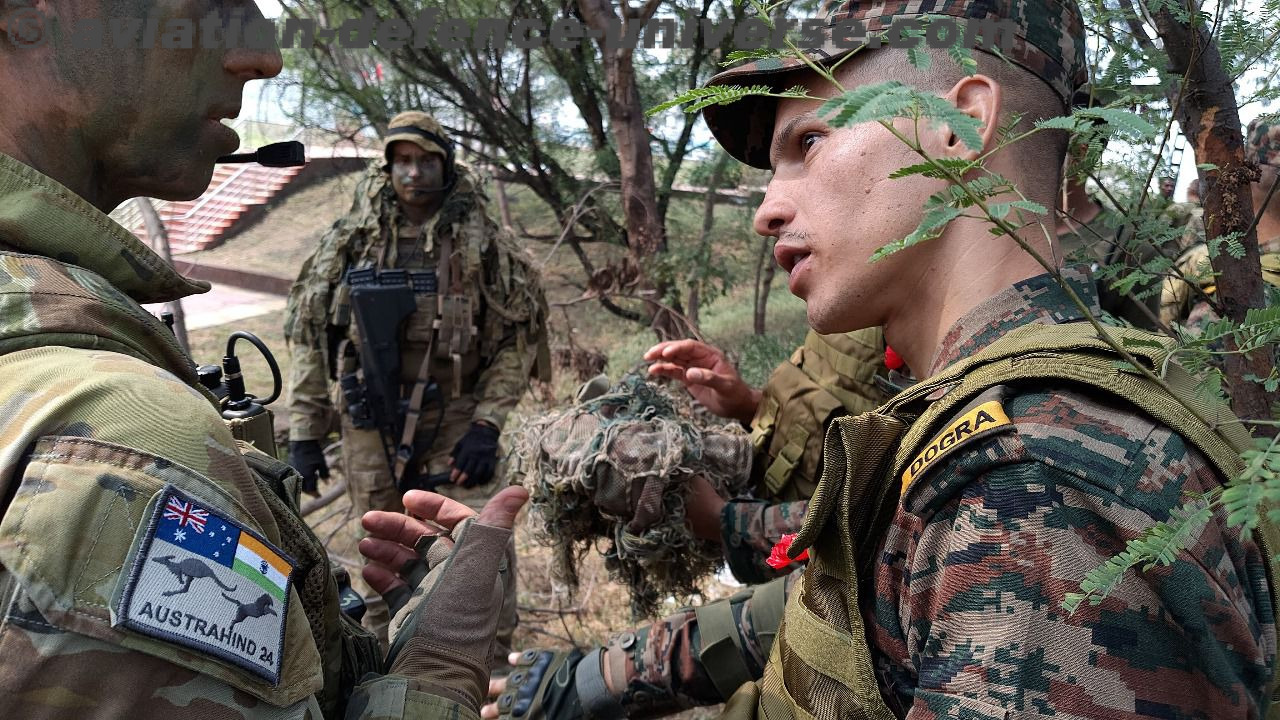
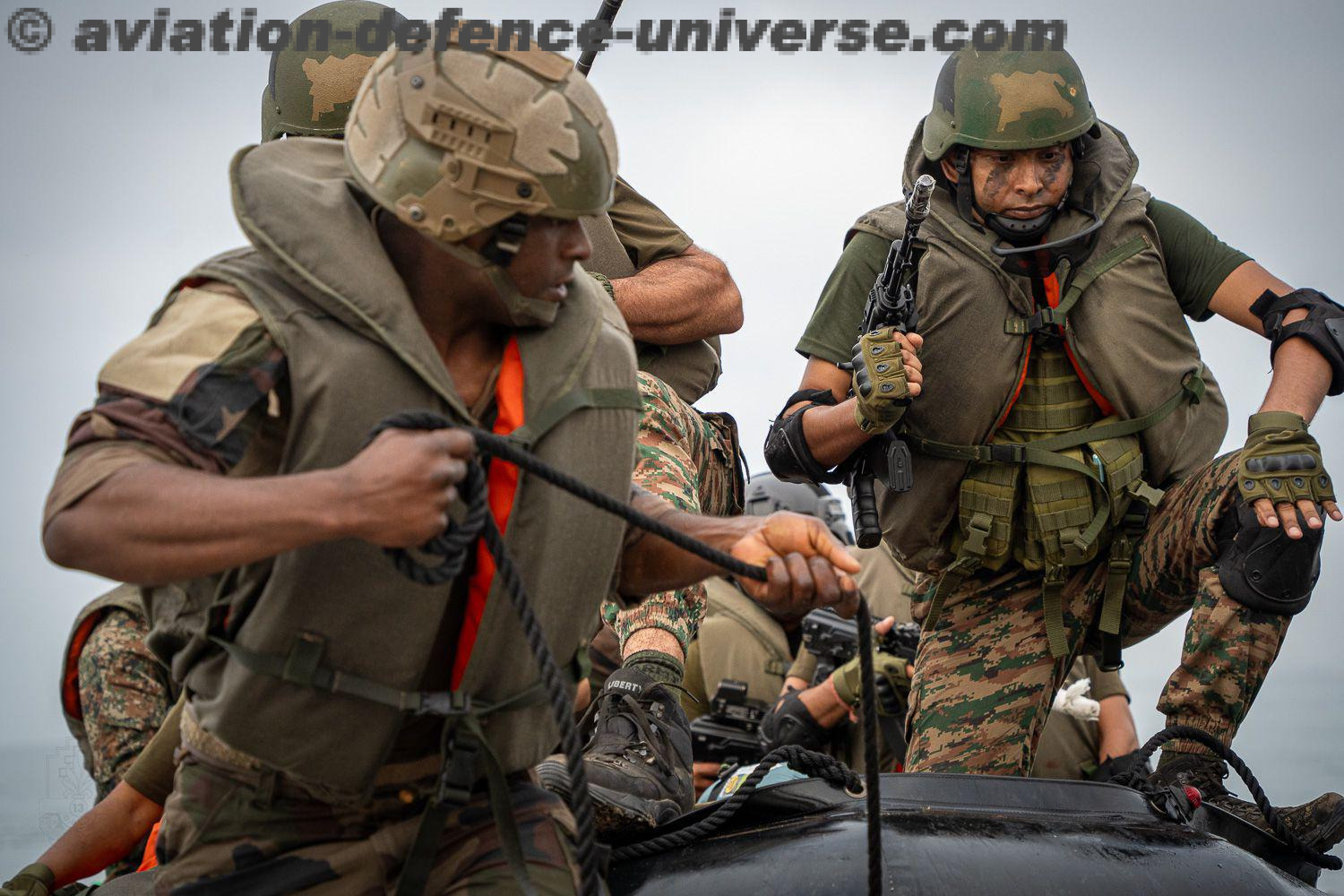
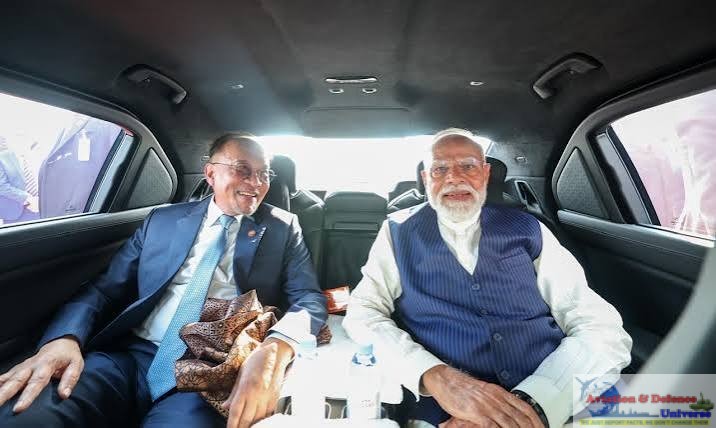 Prime Minister Narendra Modi’s two-day official visit to Malaysia from February 7–8, 2026, at the invitation of Malaysian Prime Minister Dato’ Seri Anwar Ibrahim, gave fresh momentum to the India–Malaysia Comprehensive Strategic Partnership, producing 11 cooperation documents and reaffirming the growing breadth of bilateral defence and security ties. The two leaders expressed satisfaction with a relationship already underpinned by regular exchanges and high-level visits, staff talks, military exercises, training courses and defence-industry collaboration, while welcoming the progress achieved through the Malaysia-India Defence Cooperation Committee (MIDCOM) and its subcommittees, including the Terms of Reference for establishing a Strategic Affairs Working Group (SAWG) and the Su-30 Forum. They also welcomed India’s sustained engagement with the ASEAN Defence Ministers’ Meeting Plus (ADMM-Plus) and the India-Malaysia co-chairmanship of its Counter-Terrorism Working Group for 2024–2027, inviting ADMM-Plus members to participate in the forthcoming Expert Working Group on Counter Terrorism Table-Top Exercise (EWG CT TTX) to be co-chaired by India and Malaysia and hosted by Malaysia in 2026.
Yet, given the extraordinary breadth of this defence, maritime and security architecture, Search and Rescue (SAR) could logically have been another explicit area of bilateral cooperation. India and Malaysia are both major maritime and aviation nations operating across the strategically vital Indo-Pacific, and their Armed Forces and civilian agencies possess considerable experience in disaster response, maritime emergencies and humanitarian assistance. SAR cooperation would fit naturally alongside existing naval exercises, military training, maritime deployments, capacity building and security dialogues, particularly because a rescue 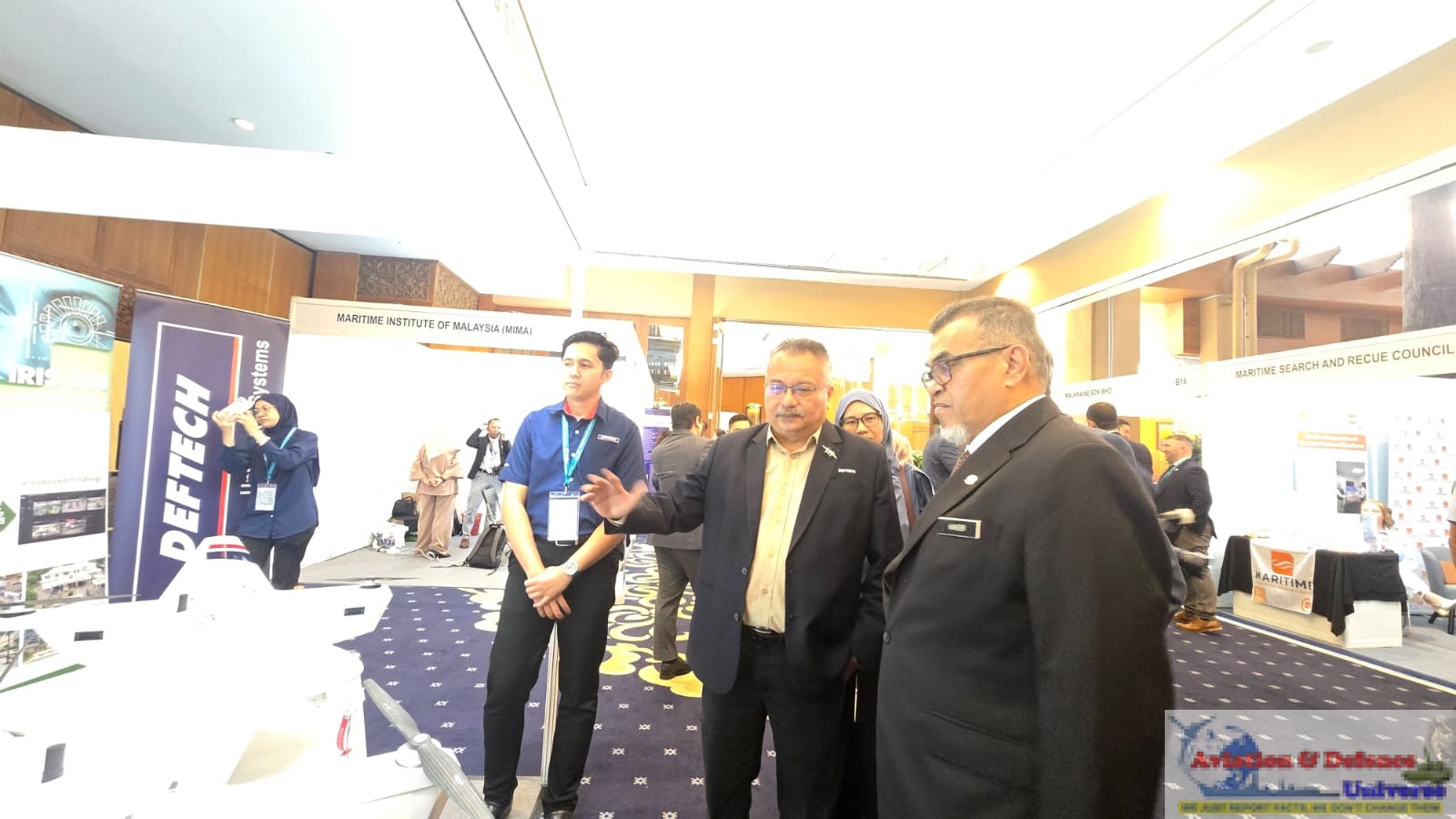 mission is one area of security cooperation where the objective transcends strategic competition and national boundaries. Joint SAR exercises, common operating and communication procedures, exchange of best practices, specialist training, coordination between Coast Guards, Navies and Air Forces, and cooperation in emerging technologies such as drones, AI, satellite-enabled distress detection and maritime surveillance could add an important humanitarian dimension to the Comprehensive Strategic Partnership. When India and Malaysia are already exercising together to confront traditional and non-traditional security threats, preparing together to save lives at sea and in the air would be both a natural progression and a compelling expression of what a comprehensive strategic partnership should ultimately achieve.
iSAR 2026 demonstrated how dramatically the Search and Rescue environment is evolving. Technology is becoming smarter, sensors more capable, aircraft and unmanned platforms more sophisticated and information increasingly instantaneous. Yet Datuk Hasbi’s message was a reminder that the most sophisticated SAR ecosystem still exists for the oldest and simplest of purposes: one human being trying to save another.
For Malaysia, hosting iSAR provides an opportunity to help connect the technology, organisations and nations that make such rescues possible. For ASEAN, it strengthens the conversation around regional cooperation. And for countries such as India and Malaysia, whose strategic partnership is widening across multiple domains, SAR and disaster response offer another field where operational experience can be shared for a common humanitarian purpose. In the end, the Deputy Minister needed few words to define the mission. “Who are we searching for? Who are we rescuing? They are all human lives.” And therein lies the essence of Search and Rescue—technology may change, platforms may evolve and borders may divide nations, but the life waiting to be rescued remains the reason for it all.






































-A4-Size-(2)_page-0001.jpg)