


 18th BRICS Summit







- Saving Lives Without Borders: Caroline Jupe on the Future of Maritime Search & Rescue
- Maritime Search & Rescue Requires Global Thinking and Local Action
- Climate, Technology & Cooperation: The New Challenges Facing Maritime SAR
By Sangeeta Saxena
Kuala Lumpur. 30 July 2026. Maritime Search and Rescue (SAR) has never been more critical—or more complex. Climate change, increasing maritime traffic, irregular migration, geopolitical tensions and rapidly evolving technologies are redefining the way nations prepare for emergencies at sea. Responding to these emerging realities requires more than capable rescue organisations; it demands stronger international cooperation, shared knowledge and globally coordinated systems.
Against this backdrop, the International Maritime Rescue Federation (IMRF) has launched one of its most ambitious initiatives yet—the Global Maritime SAR Systems Review, a comprehensive study aimed at evaluating how maritime search and rescue functions across local, national and international levels and identifying the reforms needed to make the global SAR network more resilient, inclusive and future-ready.
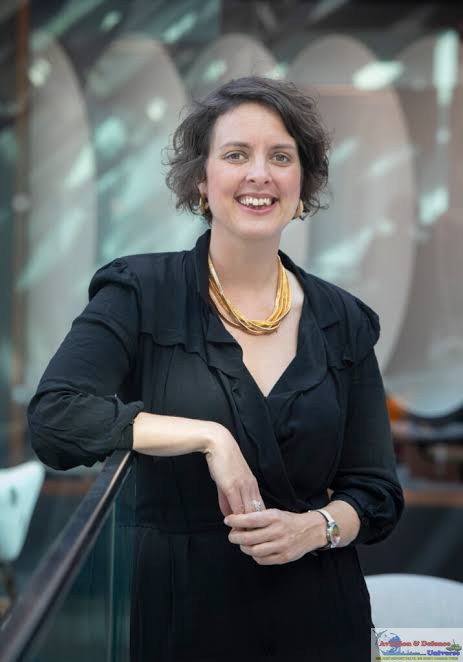
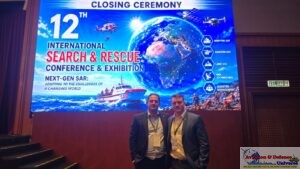
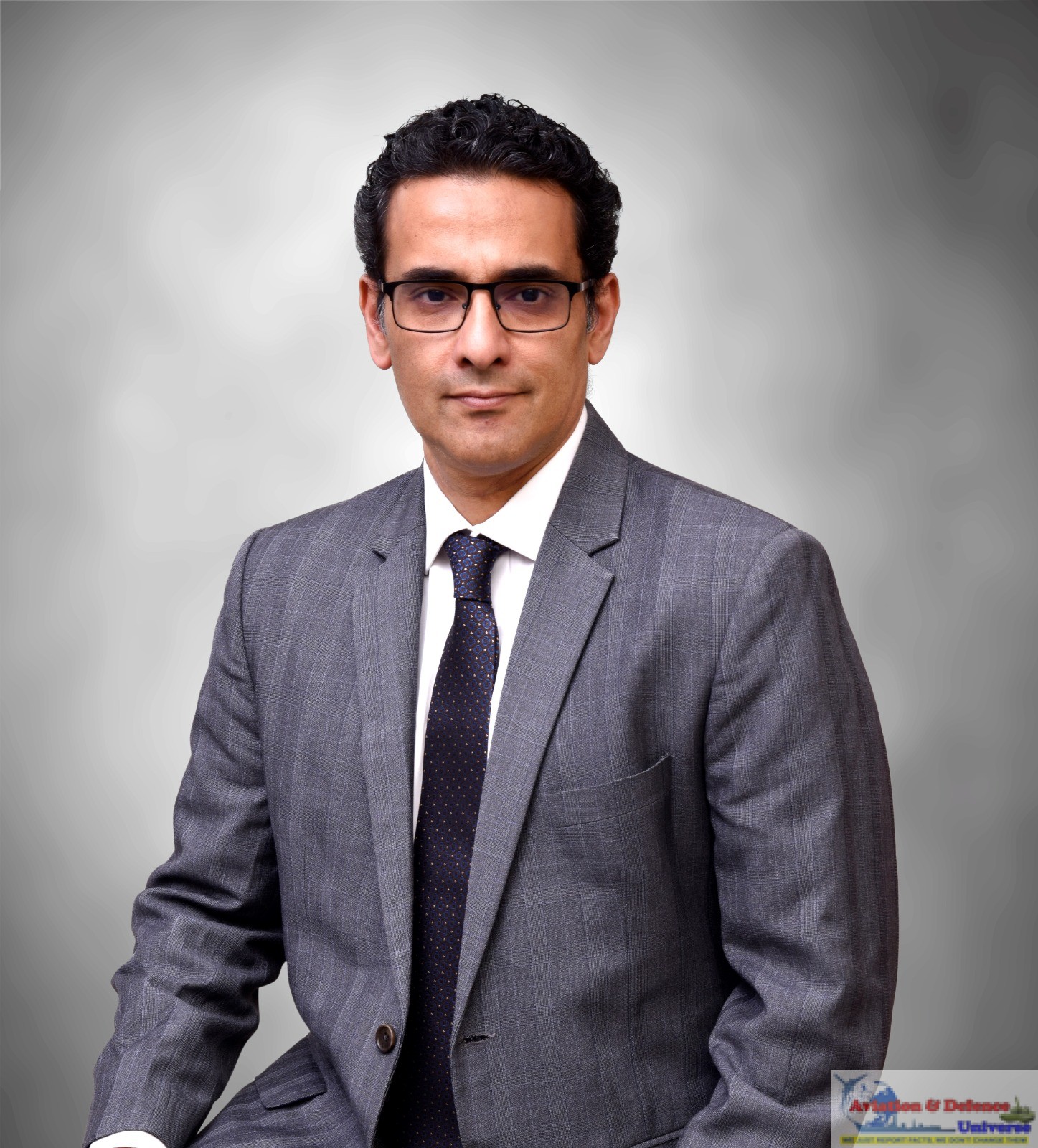
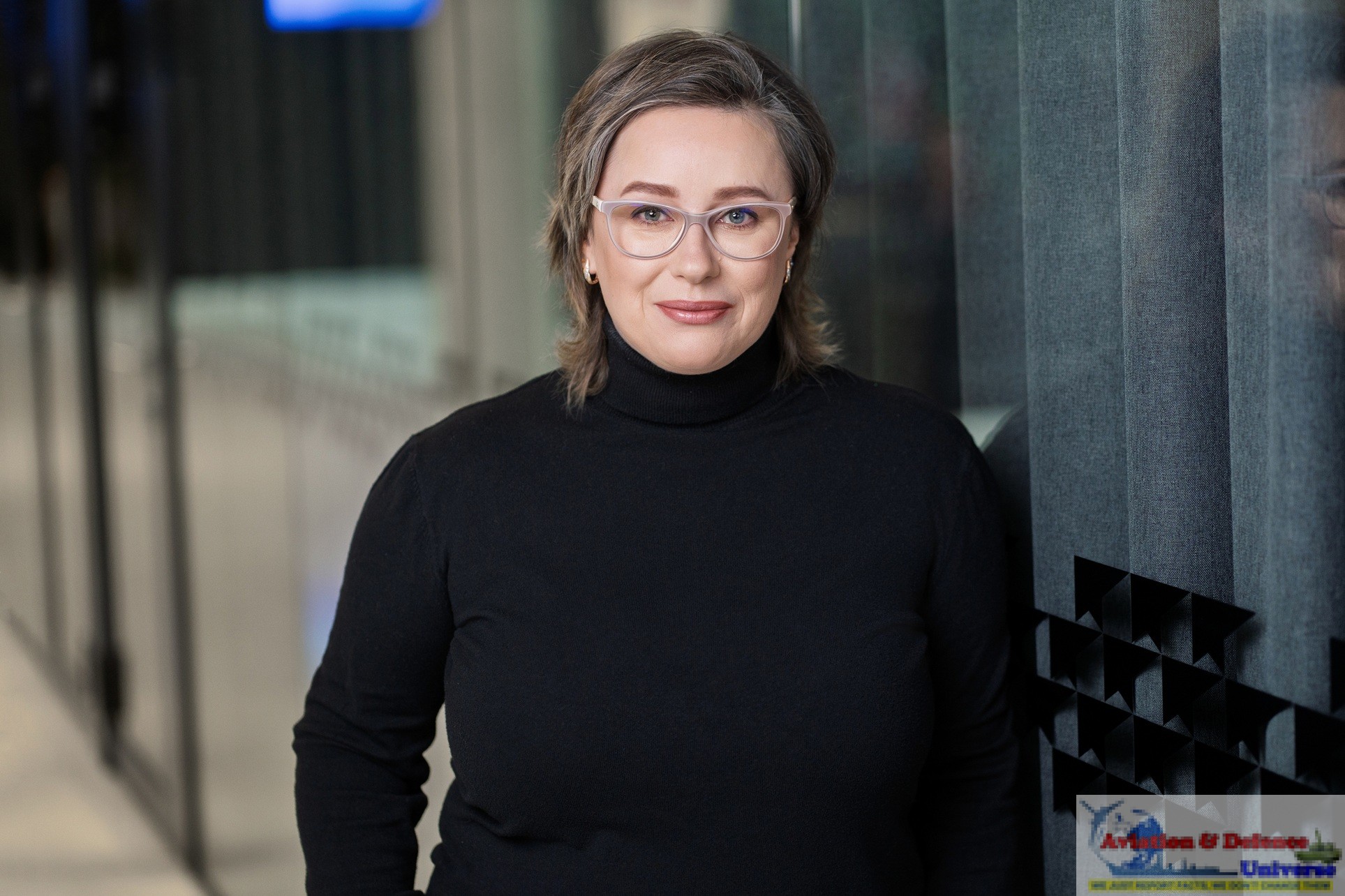
On the sidelines of the iSAR Conference in Kuala Lumpur, Malaysia, Aviation & Defence Universe (ADU) spoke with Caroline Jupe, Chief Executive Officer of the International Maritime Rescue Federation (IMRF). In this exclusive conversation, she discusses the landmark review, IMRF’s global role, SAR training initiatives, technology sharing and why building relationships before disasters strike is just as important as responding once they occur.
ADU. What is this workship you are conducting prior to iSAR 2026 in Malaysia?
Caroline Jupe. We are here in Kuala Lumpur to conduct a Consensus Building Workshop as part of our 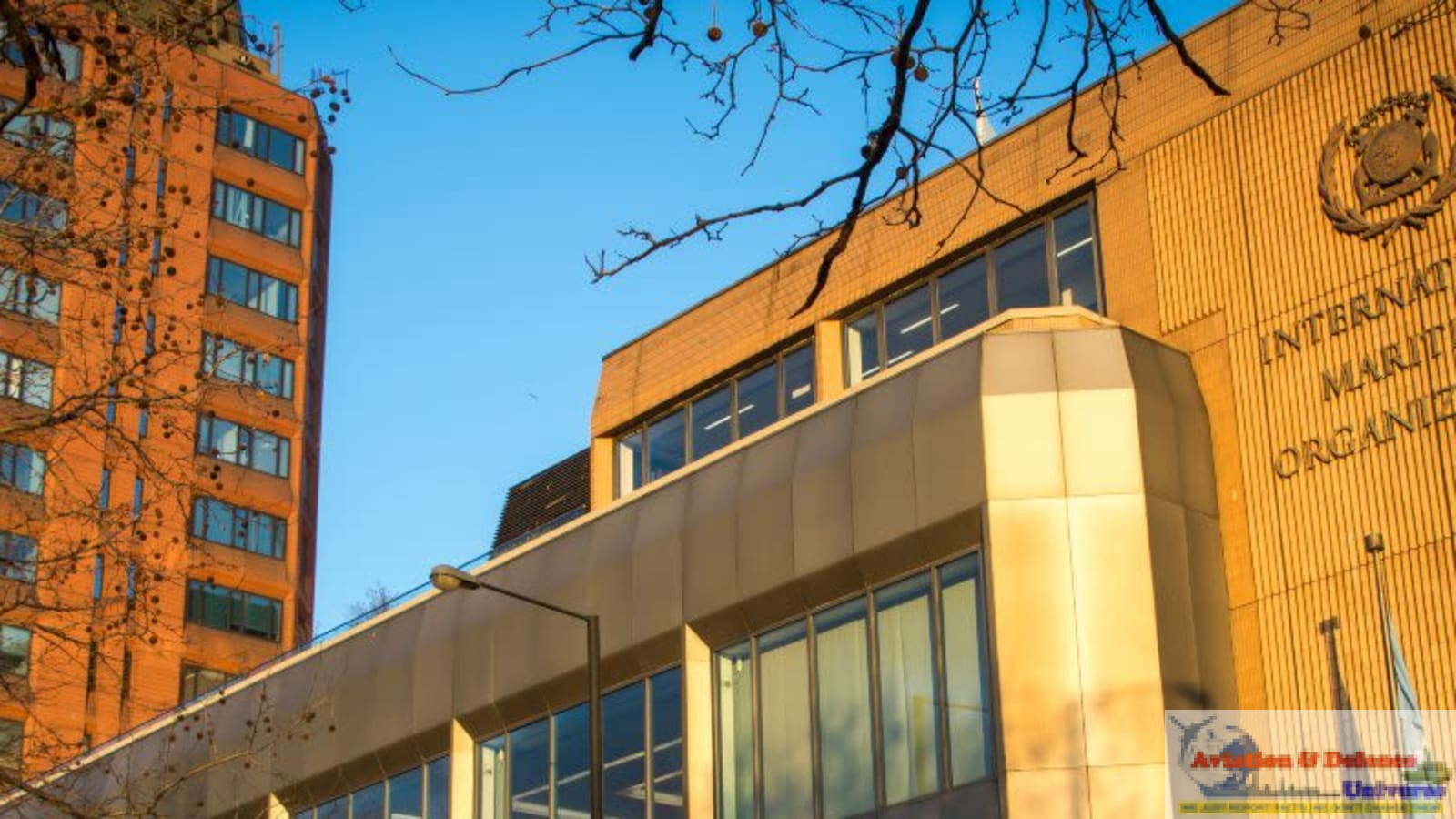 Global Maritime SAR Systems Review, which is a landmark initiative led by the IMRF. The project began in April last year and spans around 20 months. It is examining how maritime search and rescue systems function across local, national and international levels, identifying gaps, anticipating future challenges and opportunities, and developing practical recommendations to create a stronger, more resilient and more inclusive Global Maritime Search and Rescue Network. Maritime SAR plays a vital role in saving lives, supporting maritime trade and protecting livelihoods. However, the sector is facing increasing pressures arising from climate change, migration, geopolitical instability, technological disruption and uneven capabilities across different parts of the world. Strengthening the global maritime SAR system is therefore essential.
ADU. Could you tell us more about the International Maritime Rescue Federation?
Caroline Jupe. The International Maritime Rescue Federation, or IMRF, is a non-governmental organisation. We have consultative status at the International Maritime Organization (IMO), where we represent the interests of the search and rescue community. We also work closely with organisations including the World Health Organization (WHO), the International Committee of the Red Cross (ICRC) and the International Civil Aviation Organization (ICAO), particularly on advocacy relating to search and rescue.
ADU. Is IMRF primarily a British organisation, or does it operate internationally?
Caroline Jupe. Although we are headquartered in the United Kingdom, we work globally. We currently have around 160 members across 50 countries. In addition to being an NGO, we are also a membership organisation, and our work supports members across every region of the world.
ADU. How does your membership structure work?
Caroline Jupe. Membership is renewed annually. Our members come from across the entire search and 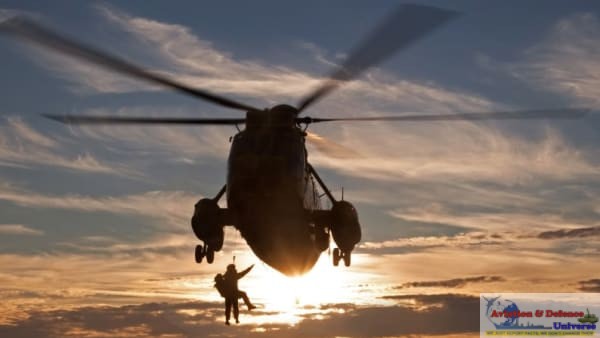 rescue ecosystem. They include organisations such as the Royal National Lifeboat Institution (RNLI) in the United Kingdom, government agencies including the United States Coast Guard, organisations involved in aviation search and rescue, and commercial suppliers serving the SAR sector, such as Hamilton Jet. It is a very diverse international community.
ADU. What exactly does the IMRF do?
Caroline Jupe. Our work spans several important areas. One of our key responsibilities is advocacy at the United Nations level. We also undertake research, such as the Global Maritime SAR Systems Review that is currently underway. Beyond research, we run sector-wide initiatives covering issues such as improving the representation of women in search and rescue, examining how climate change is affecting SAR operations, and identifying ways to strengthen global capability. Knowledge sharing is another important area of our work. We organise Lifeboat Crew Exchanges, Coast Guard Exchanges, operate the SAR Academy, and deliver specialist training, including programmes focused on Mass Rescue Operations.
ADU. You mentioned the SAR Academy. Could you explain how it works?
Caroline Jupe. The SAR Academy is an online learning platform. It is based on the internationally 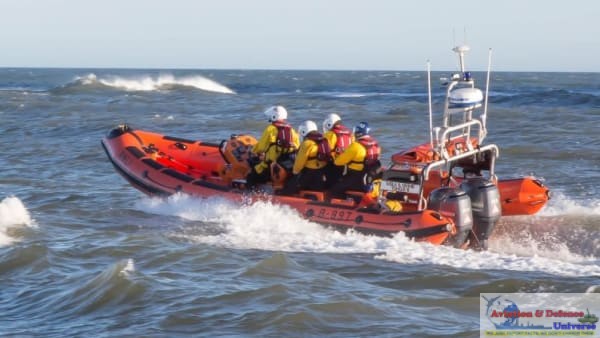 recognised IAMSAR framework (Volumes 1 to 3), together with additional guidance developed by the IMRF, including our Mass Rescue Operations Guidance. We are converting that knowledge into self-paced online learning modules that participants can complete wherever they are—whether at work, at home or even from their crew stations. Importantly, the Academy is not limited to professionals working directly in maritime search and rescue. We recognise that merchant mariners and commercial shipping crews also play an important role in responding to SAR incidents, so these learning modules are designed to be useful for them as well.
ADU. Are these courses open to everyone?
Caroline Jupe. Yes. They are free of charge for forty low-resource countries, as defined by the United Nations, and they are also available free of cost to all IMRF members. Making knowledge accessible is an important part of strengthening global search and rescue capability.
ADU. Could you explain the workshop being held alongside the iSAR Conference?
Caroline Jupe. The workshop has been organised by the IMRF as part of our Global Maritime SAR Systems Review. The review has three phases. The first phase was Context Analysis and Situational Assessment, where we mapped the existing global maritime search and rescue system. The second phase is Stakeholder Engagement and Validation. As part of this phase, we have organised four regional workshops around the world—covering the Caribbean and the Americas, Europe, Africa, and now the Asia-Pacific region here in Malaysia. These workshops help us validate the findings emerging from our research by discussing them directly with stakeholders from different parts of the world.
ADU. What have participants been doing during these two days?
Caroline Jupe. It is a two-day workshop. On the first day, we presented our high-level findings and invited 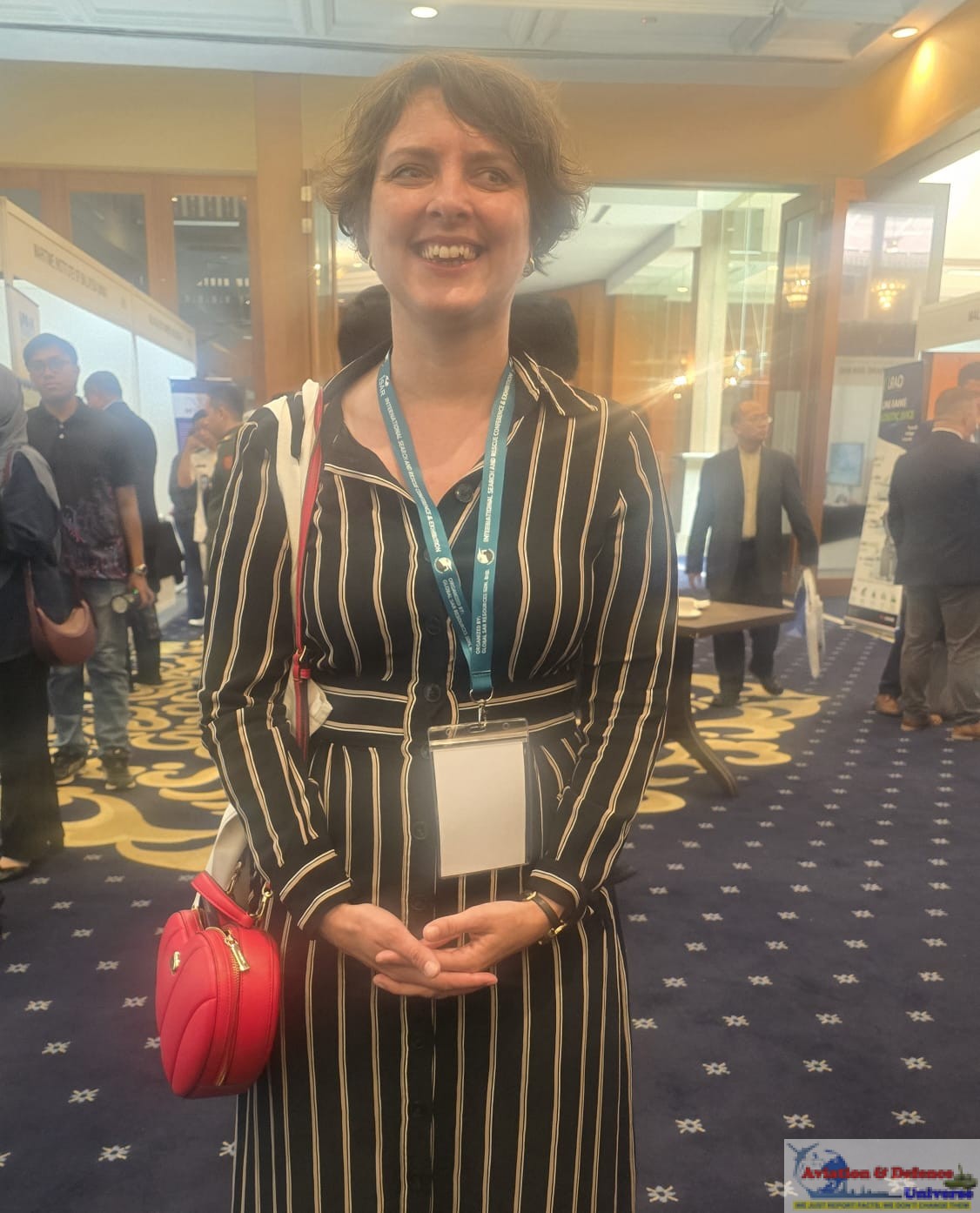 feedback from participants. Essentially, we asked them whether these findings reflected their own experiences and whether they resonated with what they see in their respective countries. On the second day, every country represented at the workshop presented a snapshot of its own maritime search and rescue system. We also conducted regional group discussions to identify gaps in available data, gaps in SAR provision, current challenges, opportunities and existing strengths. That collaborative process helps us ensure that the review reflects practical realities from across the world.
ADU. Do you find that search and rescue systems differ significantly from country to country?
Caroline Jupe. At their core, all maritime search and rescue systems exist for one purpose—to save lives at sea. There is an international framework established through the International Maritime Organization (IMO) and international conventions. Within that framework, however, every country develops its own national arrangements. As a result, while every SAR system shares the same objective, there are regional trends and national differences in how they are organised and operated. Each system is therefore slightly different, reflecting local geography, governance, resources and operational requirements.
ADU. Does this kind of international workshop also help countries cooperate better during emergencies?
Caroline Jupe. Absolutely. Search and rescue is fundamentally a team activity. Sea rescue operations are very often conducted across national boundaries. That makes it extremely important for neighbouring countries to know one another before a major incident occurs. Building relationships, establishing communication channels and developing trust in advance are essential. When an emergency happens, those existing relationships make international cooperation much faster and much more effective.
ADU. Is there anything else you would like to add?
Caroline Jupe. The Global Maritime SAR Systems Review is an important opportunity for us to understand 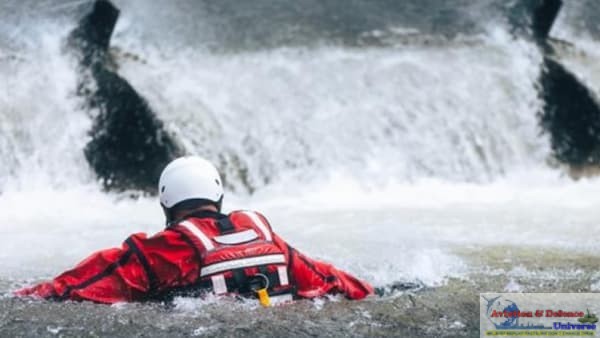 where the international community stands today, where the challenges are emerging and how we can collectively strengthen maritime search and rescue for the future. The objective is to ensure that countries are better connected, better prepared and better equipped to save lives at sea. Also we have a Women in SAR Initiative, which we launched in 2019, is about increasing the representation of women in search and rescue while also raising the profile of the women who are already working in the sector. Although we have made encouraging progress, women remain significantly underrepresented in SAR, but that is changing. Many of the barriers women face are surprisingly practical. Some search and rescue organisations still don’t have adequate personal protective equipment designed for women, and some SAR units don’t even have women’s changing facilities. What is particularly encouraging is that women consistently tell us they love working in the search and rescue sector. Men also tell us they value having women as colleagues. There are many positive aspects of working together, and that gives us confidence that we are moving in the right direction.”
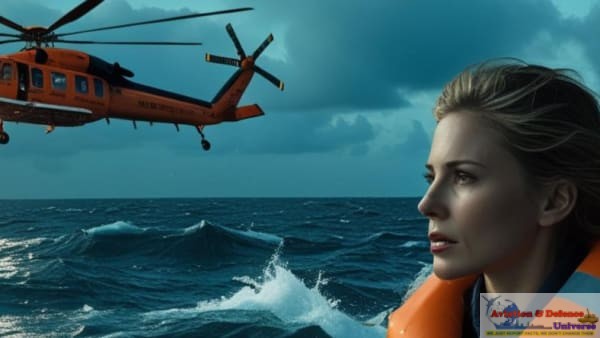 As global maritime activity continues to expand and new risks emerge—from climate-driven disasters and migration to geopolitical tensions and technological disruption—the demands on maritime search and rescue organisations are becoming increasingly complex. Through its Global Maritime SAR Systems Review, the International Maritime Rescue Federation is seeking not merely to document these challenges but to build a roadmap for a stronger, more resilient and more inclusive global SAR network. For Caroline Jupe, the future of maritime search and rescue rests on three interconnected pillars: international collaboration, continuous knowledge sharing and practical preparedness. Whether through research, training, advocacy or regional engagement, the goal remains constant—to ensure that those responding to emergencies at sea are better connected before crises occur and better equipped when lives depend on swift, coordinated action. In a world where emergencies seldom respect national boundaries, her message is both timely and compelling: saving lives at sea is a shared global responsibility.
As Told To Sangeeta Saxena

































-A4-Size-(2)_page-0001.jpg)