 18th BRICS Summit














- ADU Exclusive | A. Radha Krishna. “India Is at an Inflection Point — and So Is NSIL”
- From Rockets to Revenue: ISRO Builds It & NSIL Takes It to the World
- Let’s Get to Know NSIL: The Business Arm Taking Indian Space to the World
By Sangeeta Saxena
Bengaluru. 08 September 2026. We know ISRO. We have watched its rockets rise, celebrated its satellites, followed its journeys to the Moon and beyond and applauded the scientists who made India a formidable space power. But how well do we know NSIL — NewSpace India Limited?
If ISRO builds capability, NSIL takes that capability to the marketplace. Established in 2019 as ISRO’s commercial arm, NSIL has rapidly emerged as a crucial bridge between India’s decades of space expertise and the increasingly competitive global space economy. From launch services and communication satellites to Earth-observation data, ground-segment services and technology transfers to Indian industry, NSIL is helping turn India’s space achievements into commercial opportunities, international business and industrial capacity. In just seven years, it has signed more than 100 technology-transfer agreements with Indian industry and expanded its engagement with customers and partners across continents.
And therein lies the importance of NSIL in India’s changing space story. As the country moves from a predominantly government-driven programme towards a broader ecosystem involving industry, startups, investors and international partners, someone has to take proven Indian capabilities to customers, create business around them and connect Indian space with the world. That is where NSIL steps in.
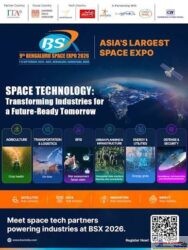
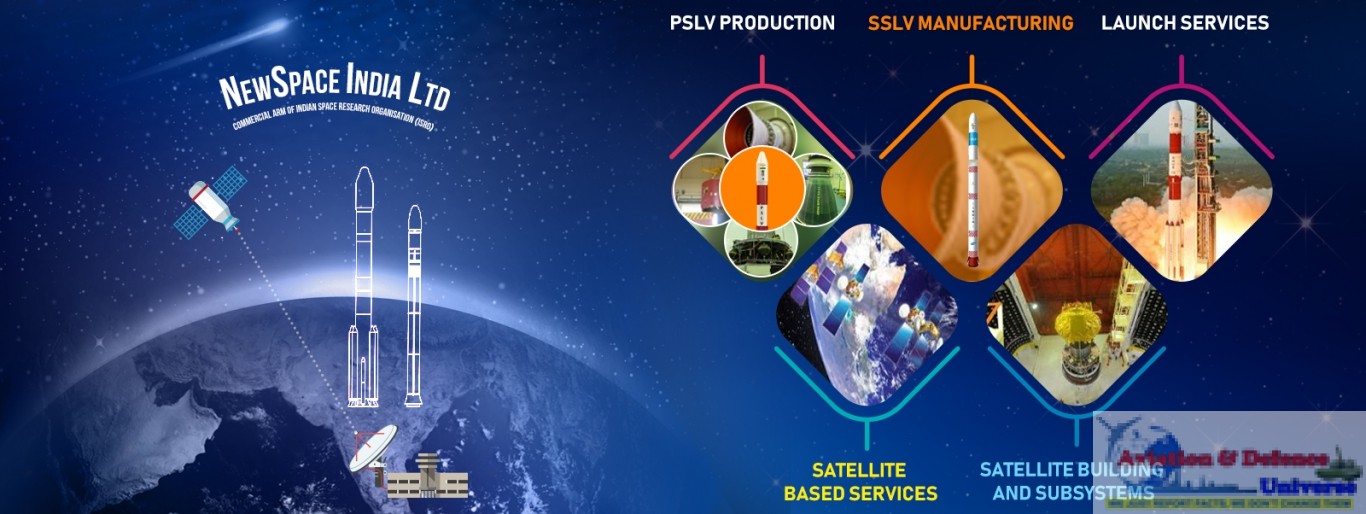 So, at BSX 2026, ADU decided to move beyond the rockets and missions and ask a more fundamental question: Let’s get to know NSIL. What exactly does it do? How has it grown so quickly? How does it make business out of India’s space capabilities? Where does Indian industry fit into its plans? And how does it intend to take India deeper into the global space marketplace?
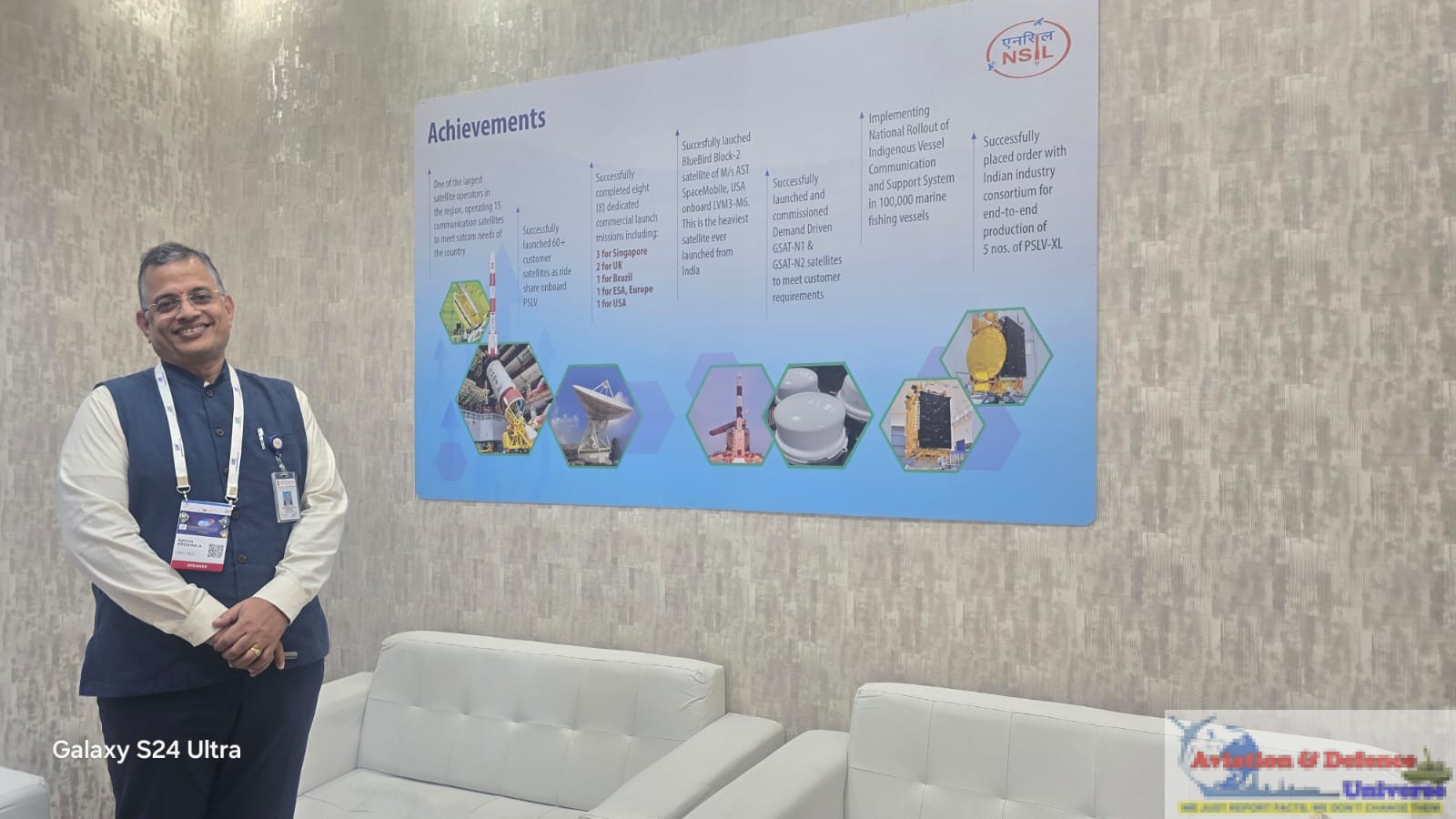
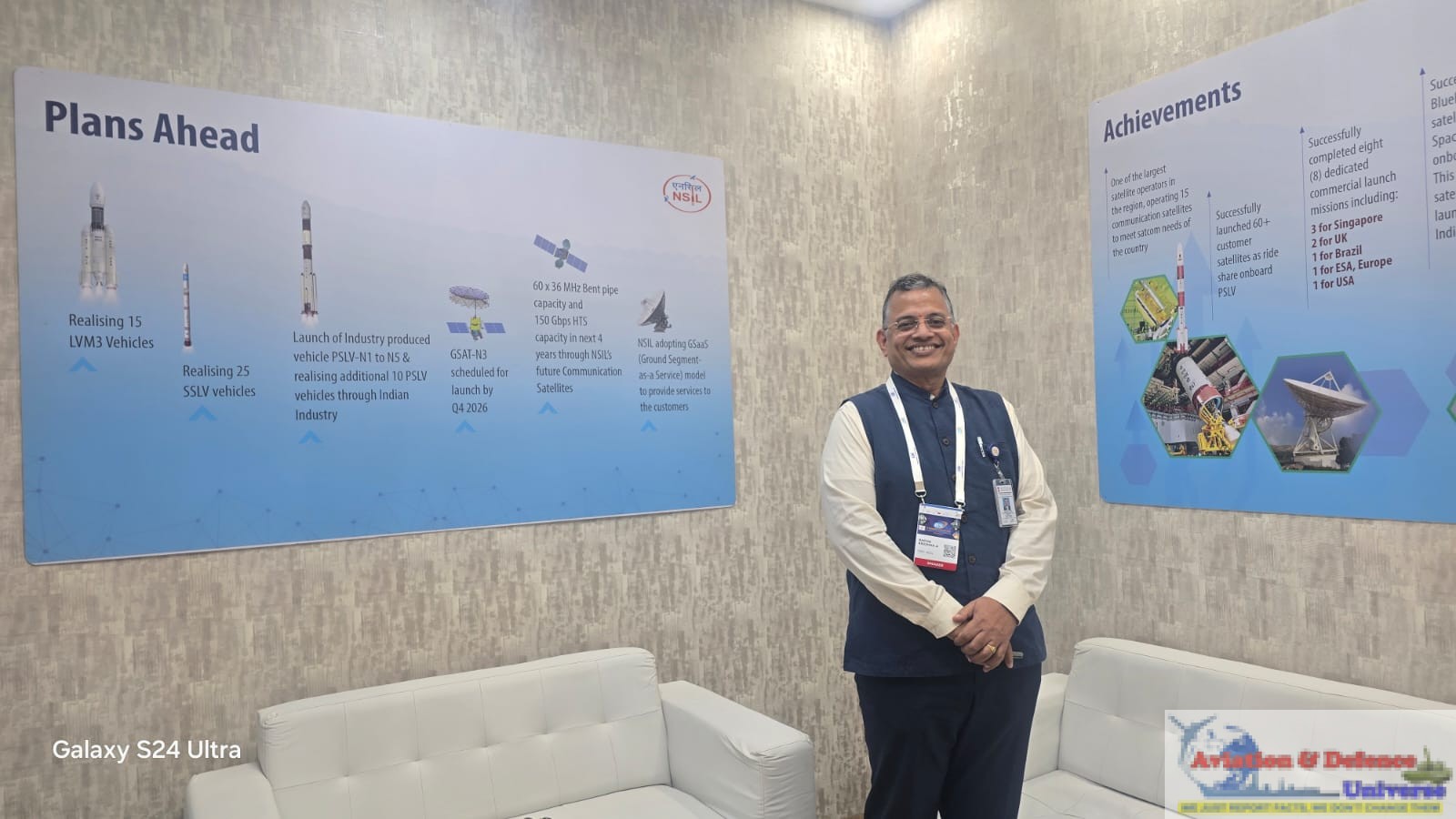
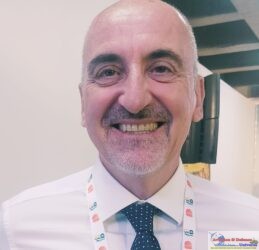
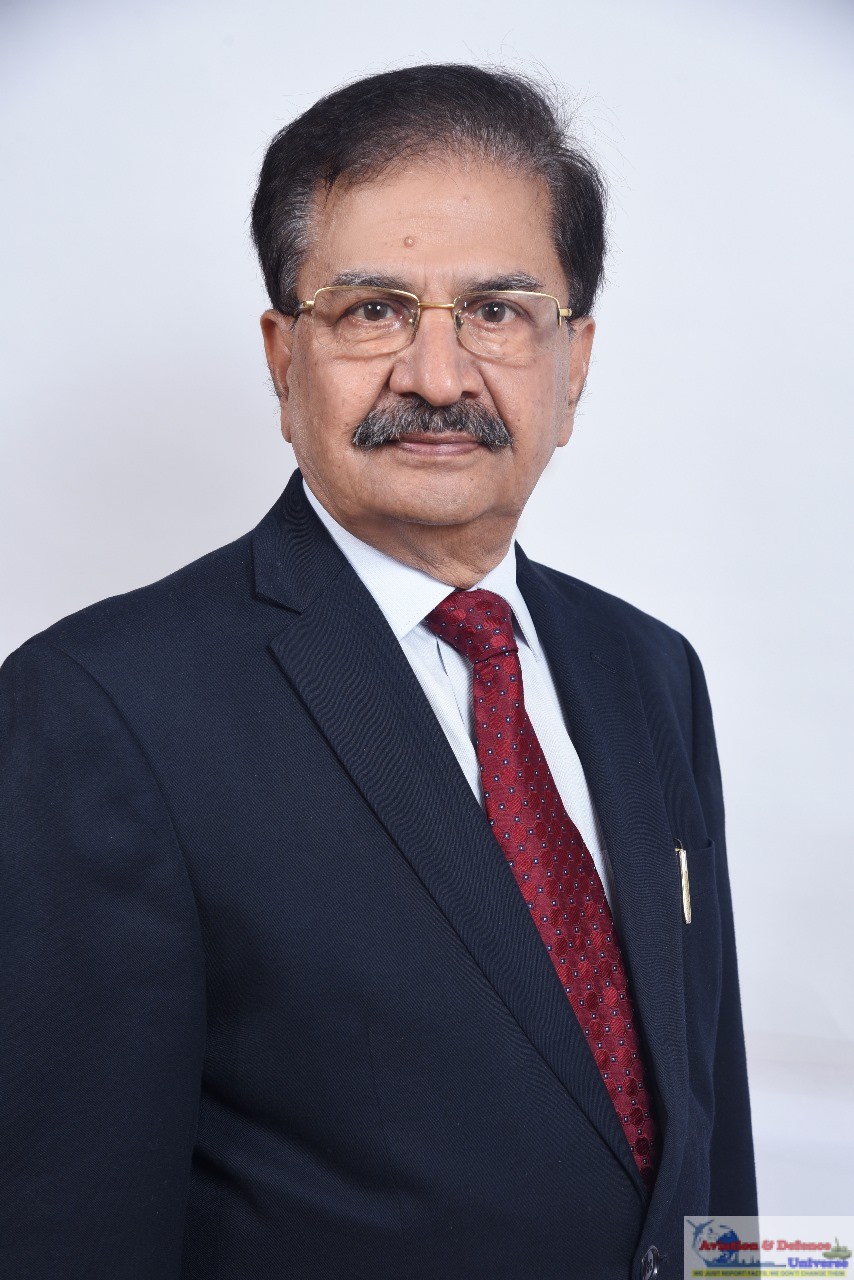
For the answers, ADU caught up with A. Radha Krishna Chairman & Managing Director of NSIL for a freewheeling conversation that moved from rockets and satellites to COVID-era opportunities, global customers, technology transfers and international collaborations—and even his own rather unexpected journey from finance and banking into the business of space.
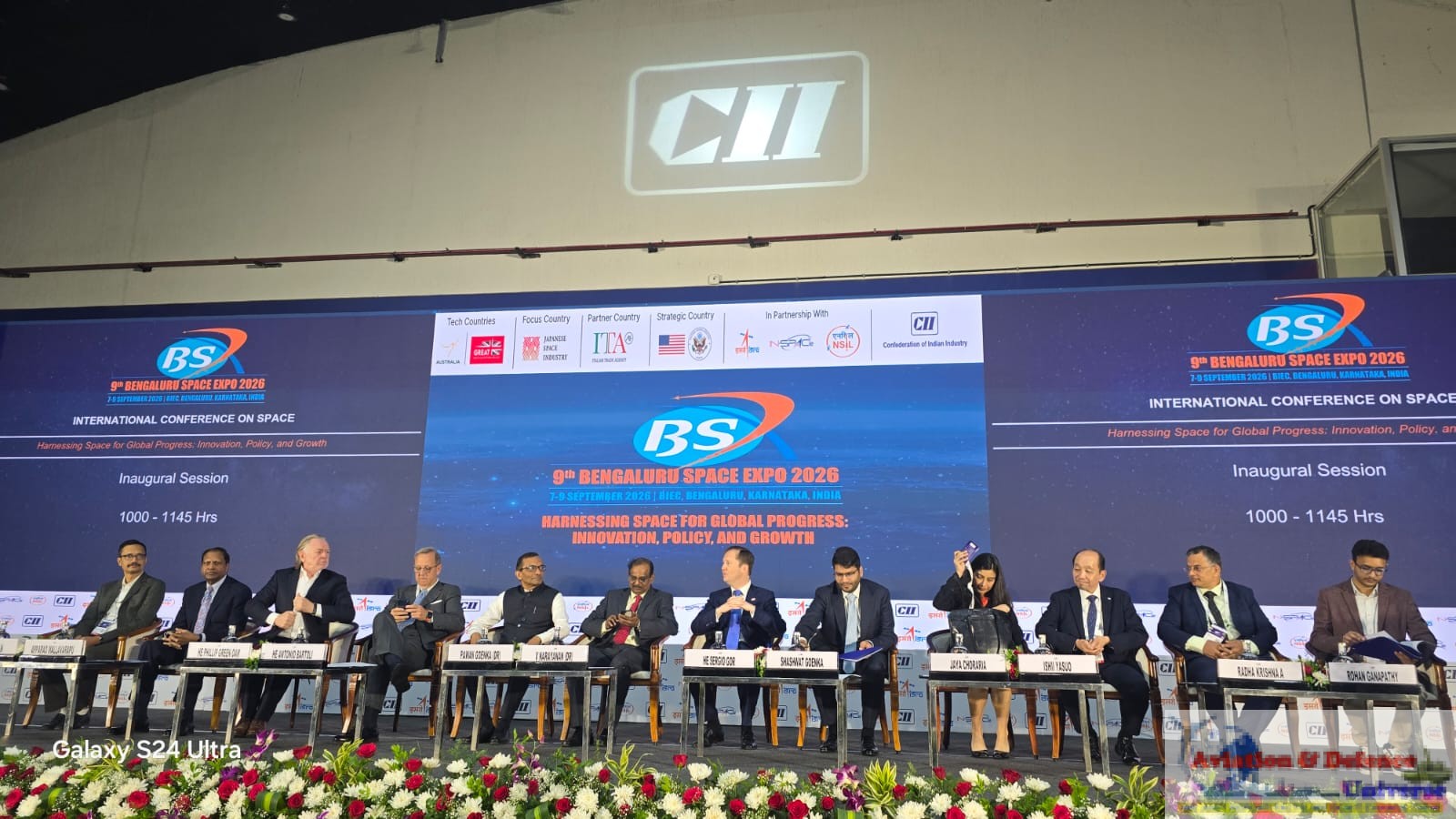
ADU. We are meeting at BSX 2026. We saw the inauguration yesterday, where NSIL had a significant presence, and today we are on Day Two of the show. Let us begin with what NSIL is talking about here at BSX and the journey the organisation has made so far.
A. Radha Krishna. Thank you for making it to BSX. I completely echo your sentiment about the inaugural session yesterday. It was quite an event, and I was privileged to be part of the inaugural event and share the stage with all the dignitaries. For NSIL, it has been quite a journey. NSIL was established in 2019 as the commercial arm of ISRO, and over the last seven years we have grown leaps and bounds. We started by taking some novelty contracts in 2019 and then moved into taking over some satellites from ISRO and building our satellite communication space. We had two big launches for OneWeb in 2022, where we launched two LVM3 missions carrying around 72 satellites. Building on the launch and satellite segments, we are now working on replacement satellites. We have also done our own satellite launches—GSAT-24 and GSAT-20—which are in orbit and working well. Over the last two or three years, we have also developed Ground Segment as a Service, which is becoming quite significant. We have also forayed into the Earth-observation space, disseminating Earth-observation data to users across the world—individuals, partnership firms, companies and others looking for such data.
ADU. Seven years—and quite a lot has happened in that time. How important has Indian industry been in this journey?
A. Radha Krishna. While we speak of NSIL, I also need to say that we have held industry along with us. We have done more than 100 technology-transfer agreements with Indian industry, in collaboration with IN-SPACe. And it is still going strong. That number will continue to grow.
ADU. NSIL started in 2019 and almost immediately COVID arrived. The years from 2020 to 2022 were extremely difficult globally. How did a newly formed organisation manage that period?
A. Radha Krishna. If you ask me, every challenge creates an opportunity in itself. NSIL saw it as an opportunity, and that was when we got some of the big contracts that helped us move forward. We worked with ISRO on capitalising some of the satellites that we received from ISRO. We also worked with OneWeb and launched satellites in 2022. OneWeb was facing difficulties in getting launch vehicles globally, and NSIL pitched in and took that opportunity. It was not only about helping the customer. If you look at it from a larger perspective, it also helped make the Indian space ecosystem much more vibrant because we could go to the international market and showcase our capabilities—to demonstrate that NSIL could deliver even at very short notice. And, needless to say, as a finance man, I should say that it also brought in foreign exchange!
ADU. NSIL is now a brand that the world knows. Initially, you inherited some of ISRO’s international footprint, but how has NSIL built its own global presence?
A. Radha Krishna. These are all small steps which ultimately create a giant leap. NSIL has taken these 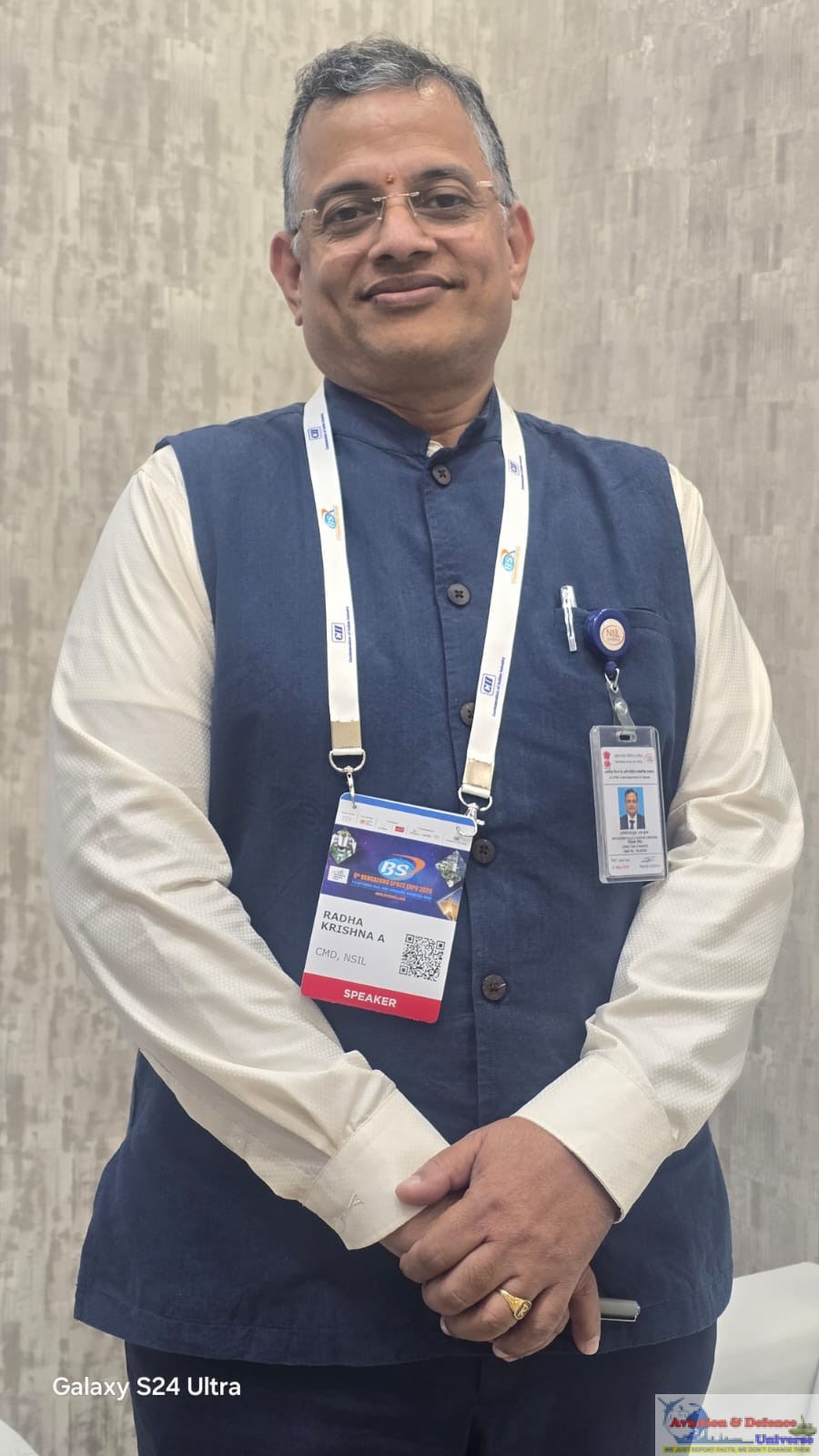 small strides to establish itself across various domains. Today, we have built considerable credibility across geographies. It is no longer limited to the Asian continent or subcontinent. We have collaborations with partners in Europe. Japan has been one of our key partners in some of the agreements we undertake. African countries are reaching out to us. We have conducted launches for customers from South America and North America, especially the United States. Space is a global market. It cuts across boundaries and geographies.
Collaboration is what will take things forward because there are dependencies. It is not as though everyone has everything available within their own geography or continent. These cross-border collaborations will take the space industry to the next level. I think NSIL is playing a very prominent and progressive role from an Indian perspective in taking these relationships forward with key players in the space domain.
ADU. Let us move from NSIL’s journey to yours. You came to NSIL from a very different professional background. Tell us about that journey.
A. Radha Krishna. Basically, I am a Chartered Accountant, Cost Accountant and Company Secretary. I started in the public sector, then worked in the IT industry and subsequently moved into global capability centres and banking, including HSBC and Barclays. My last role before joining NewSpace India Limited was heading India corporate governance for Barclays. I was Director and Corporate Secretary within Barclays Shared Services.
ADU. So how did NSIL happen? How does someone with that finance and banking journey suddenly find himself in India’s space sector?
A. Radha Krishna. NSIL happened by sheer fate. One day, I was browsing for a job for my wife and happened to see the advertisement for the Director Finance position at NSIL. Out of curiosity, I looked at the requirements and realised that all the boxes were ticking green. So I filled in the application, posted it and forgot about it. After about six months, I received the interview call. My only wish was that I should be in the boardroom of ISRO for a few months. But I never thought God had other plans—good plans! I joined as Director Finance in May 2024. Two-and-a-half years later, somebody had confidence in my candidature and gave me the additional responsibility. I am enjoying it, and I have a lovely team.
ADU. How large is NSIL today as an organisation?
A. Radha Krishna. If we include employees who are on contract, we are around 100-plus people at present. 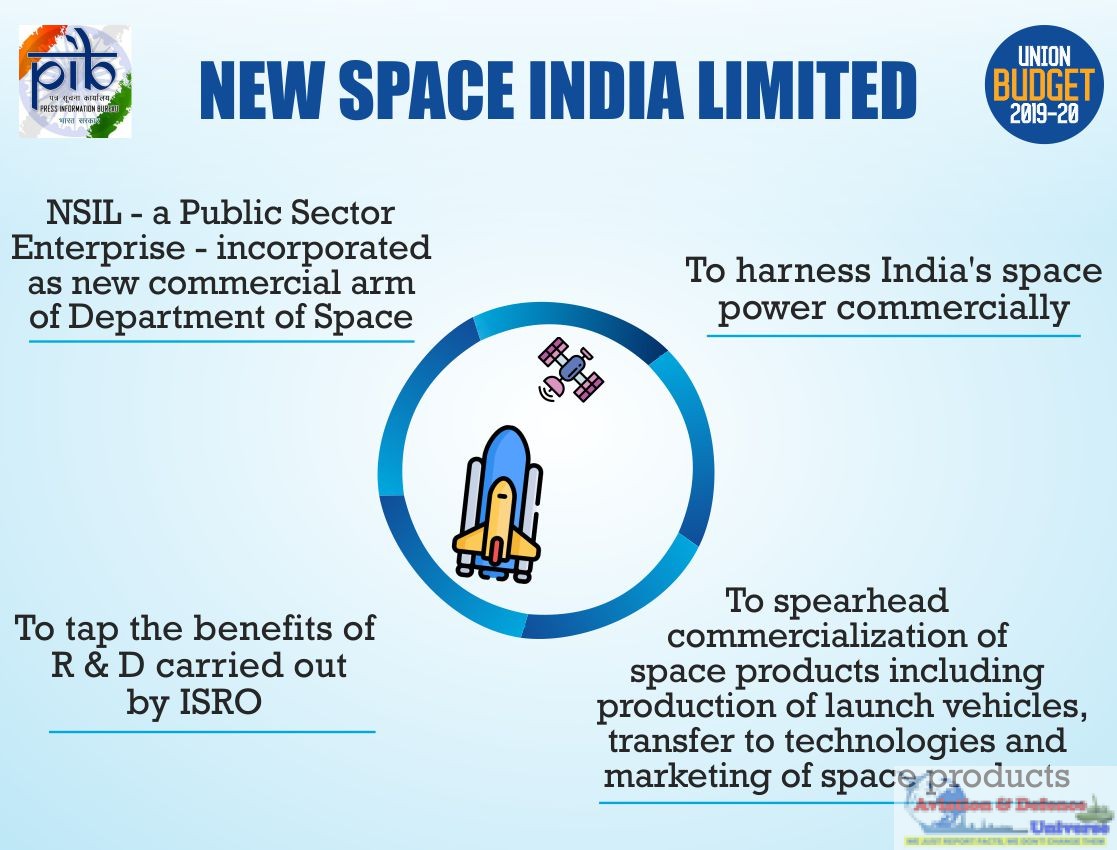 The approved strength is 300, and we are in the process of expanding. We have offices in Bengaluru, a branch at GIFT City and a small setup at Thiruvananthapuram, within the Vikram Sarabhai Space Centre, which helps us coordinate better.
ADU. Your professional foundation is finance. How has that background helped you lead and contribute to the growth of a highly technical space organisation?
A. Radha Krishna. In finance, we have a concept called zero-based budgeting, where you start from scratch. The space industry was completely new to me, and in a way that helped. I always say that these two years have been like the foundation of a bamboo shoot. People have taught me the nuances of the business and the nitty-gritties of how it works. I understand the key drivers and what drives growth. As a finance professional, I have also handled boards and served on boards as a Company Secretary. I have been on the Finance Committee of the Indian Institute of Management Visakhapatnam for close to nine years. I also teach at times. I pick the brains of people from industry and academia, and that helps me develop a holistic picture whenever I look at something. And wherever I don’t understand something, I am shameless in asking my team. That is the only way we learn. I am transparent, my team is transparent, and that is how NSIL also happens to be transparent.
ADU. Given NSIL’s increasingly global business, are you looking at opening offices overseas?
A. Radha Krishna. Not right now. Our international expansion will largely happen through collaborative agreements with international partners rather than through opening overseas offices. At present, we do not see a strong need for NSIL to establish an overseas office simply for marketing because we ourselves have a name. The space industry is extremely wide, but at the same time the number of key players is limited. Everyone knows whom they need to approach when they require something niche. Over the years, NSIL has been able to carve out that niche. If we do expand physically, it will most likely be within India.
ADU. Finally, is there anything you would like to add about where NSIL goes from here?
A. Radha Krishna. I can only say that, as I said yesterday, India is at a point of inflection, and even NSIL is 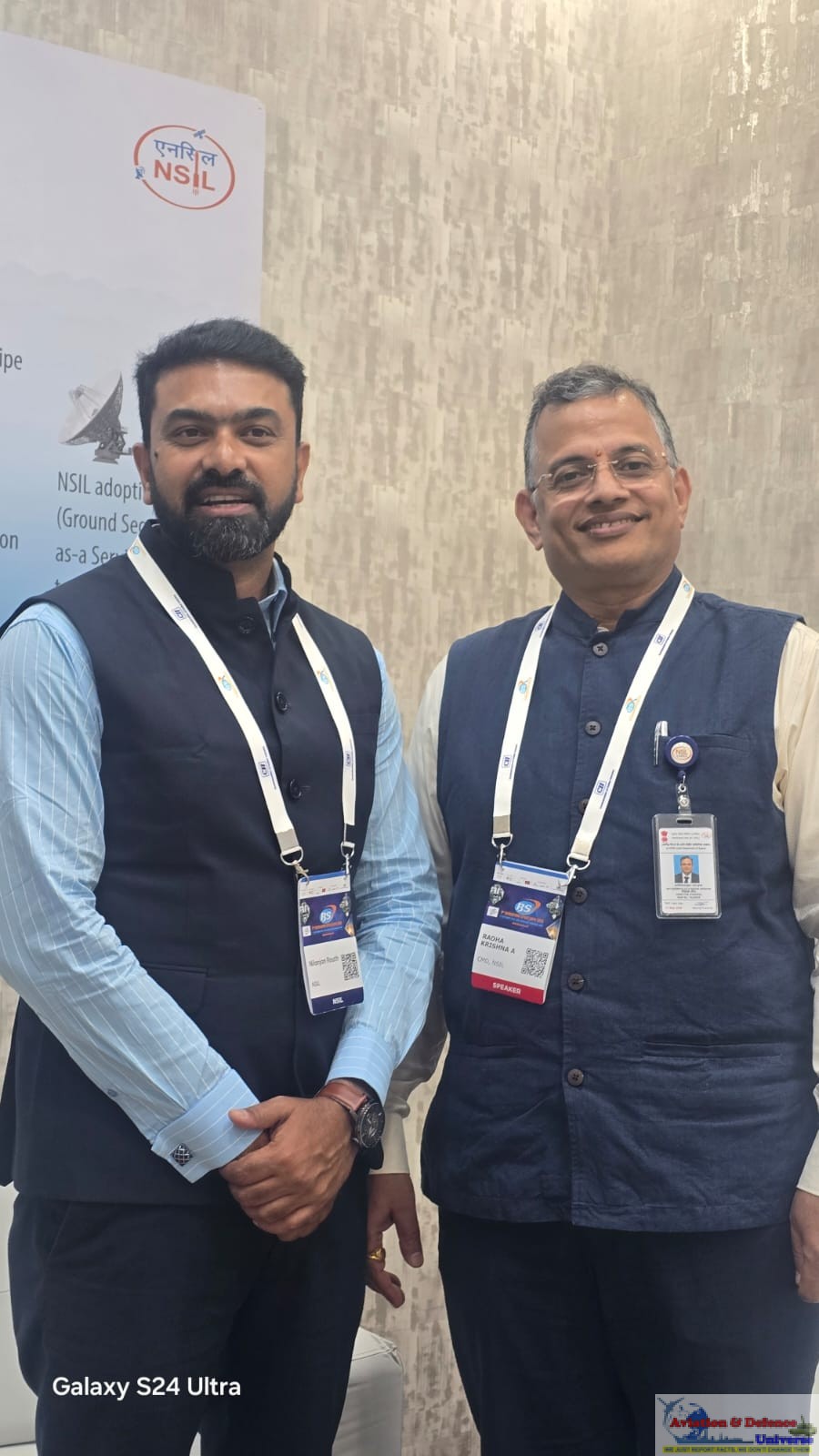 at a point of inflection. The next ten years—the coming decade—will be crucial for NSIL as an organisation, both in terms of how we take industry along with us and how we contribute to the Indian space ecosystem in the years ahead. In just seven years, NSIL’s story has moved well beyond the conventional description of being ISRO’s commercial arm. Launch services, communication satellites, Earth-observation data, ground-segment services, more than 100 technology transfers and an expanding network of international partnerships are steadily giving it an identity of its own.
ADU. What is your vision for NSIL?
A.Radha Krishna. My vision is that commercialisation and ecosystem building must move together. NSIL’s growth cannot be separated from the growth of Indian industry, startups and the larger space value chain. We have a team which will achieve this aim.
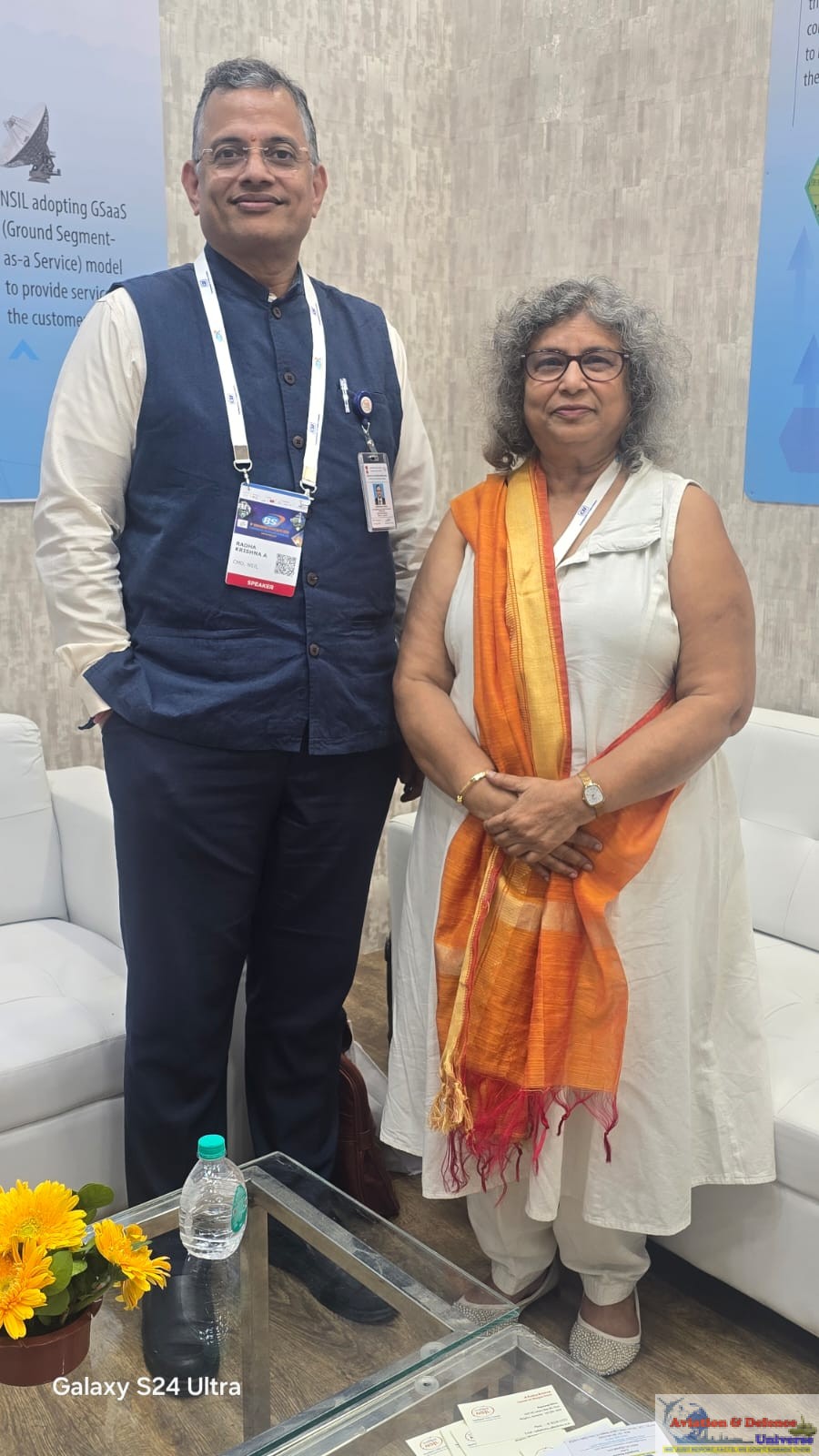 As a journalist, there is a particular satisfaction in walking into an interview with questions and walking out feeling that your curiosity has been satiated. This was one of those conversations. For years, I have written about ISRO’s launches, satellites and missions. NSIL has increasingly appeared in those stories too—commercial launches, satellites, technology transfers, international customers and industry partnerships, in the last many years. Yet somewhere between the rockets and the headlines, I realised there was a story I still wanted to understand better: Who exactly is NSIL? What happens behind those four letters? And how does it fit into the rapidly changing business of Indian space? My conversation with A. Radha Krishna at BSX 2026 answered that. By the time we finished, the journalist in me felt satiated. The acronym had acquired a face, the organisation had acquired a personality and the business behind India’s space ambitions had become much clearer.
As told to Sangeeta Saxena









































































-A4-Size-(2)_page-0001.jpg)