


 18th BRICS Summit








- When I Walked Through History With My Nuclear Physicist Father
By Sangeeta Saxena
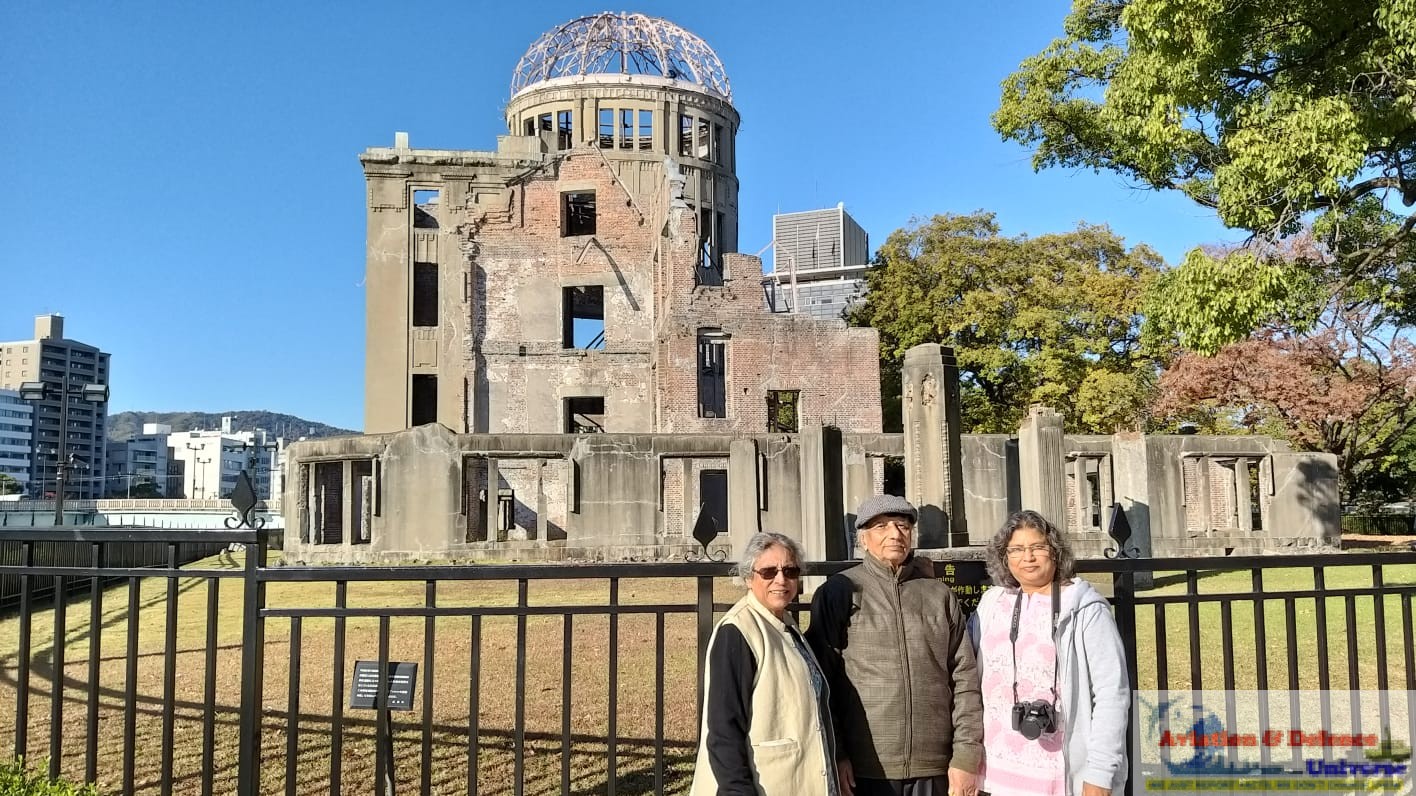
New Delhi. 06 August 2026. There are journeys one remembers for the places one sees and there are journeys that remain etched in the soul because of the people with whom one made them. Hiroshima was the latter for me. I visited Hiroshima with my parents seven years ago. For my father, a nuclear physicist—a man whose professional life was devoted to understanding the immense power contained within the smallest building blocks of matter, it was a pilgrimage. My mother and I accompanied him on what became much more than a visit to a Japanese city. It became a moment when science, history, humanity and my relationship with my father converged in a way I have never forgotten.
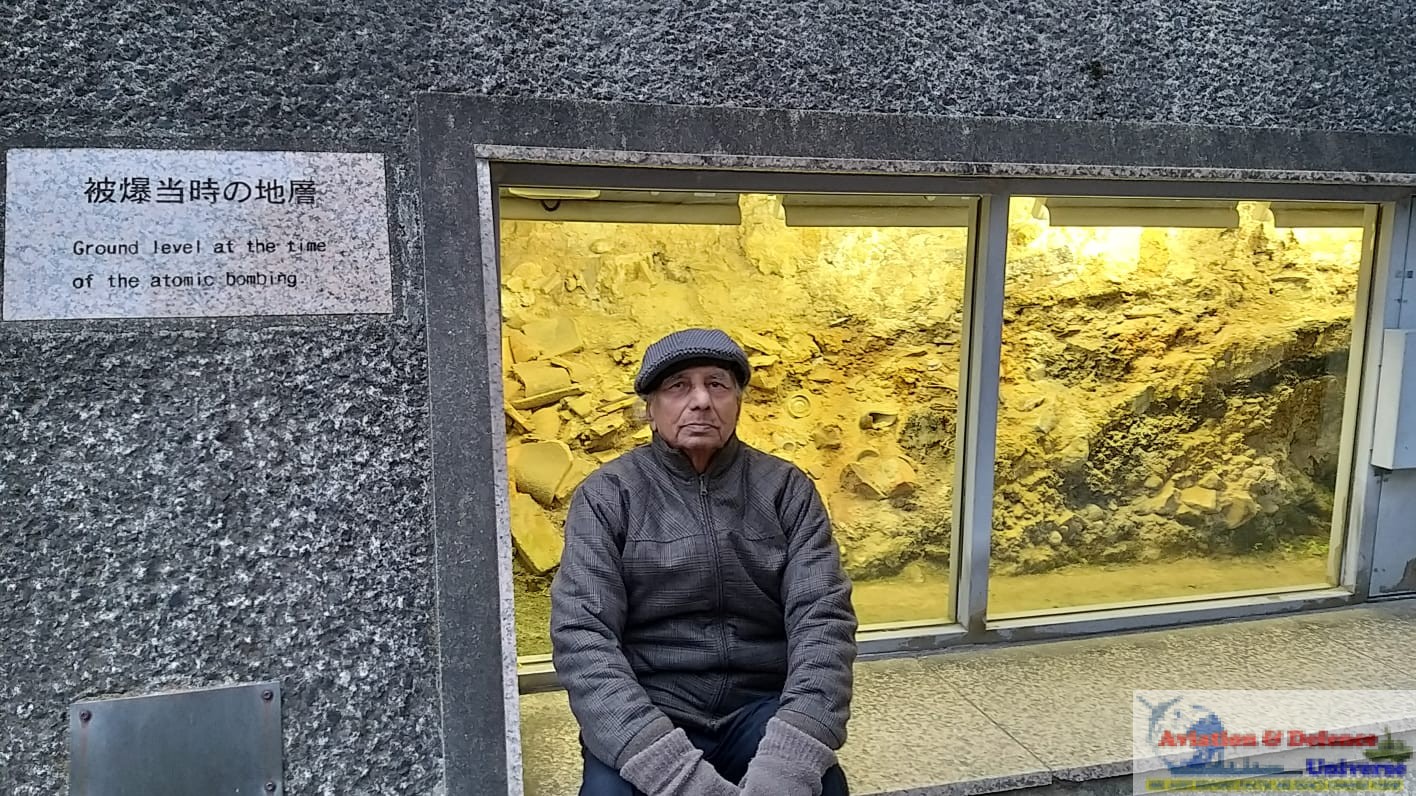 Walking through Hiroshima with a nuclear physicist was different. For most visitors, Hiroshima inevitably evokes the morning of 6 August 1945, when an atomic bomb changed the city and the world forever. For my father, I felt there was another dimension to it. He understood the science behind what had happened. He knew the equations, the physics, the chain reactions and the enormous energy that human intellect had learnt to unleash. But standing in Hiroshima, equations ceased to be abstractions. Science had a human face there.
It was the face of a child who never returned home, a mother who searched for her family, a generation scarred by radiation, and survivors who carried memories that no monument could fully contain. As his daughter, I found myself watching my father as much as I watched Hiroshima. Here was a scientist standing before the consequences of one of science’s most extraordinary—and terrifying—achievements. Nuclear physics had opened possibilities that could transform human civilisation. Nuclear energy could generate electricity, advance medicine, support agriculture, power research and push humanity towards discoveries once considered impossible. And yet Hiroshima represented the other side of that same knowledge. When peaceful applications took a back seat and science became an instrument of war, history was written in fire.
 At the Hiroshima Peace Memorial, the haunting remains of the Atomic Bomb Dome seemed to ask questions for which even decades of scientific advancement have provided no easy answers. How should humanity use the knowledge it acquires? Does the ability to create something give us the right to use it? Where does the responsibility of the scientist end and that of governments, militaries and societies begin?
I cannot claim to know everything that went through my father’s mind that day. But I knew the visit mattered deeply to him. There was something profoundly moving about seeing a man of science pay homage to those who had suffered because scientific knowledge had been harnessed for destruction. My mother and I stood beside him, and for those moments we were not tourists. We were three human beings confronting the enormity of what human beings are capable of—both intellectually and destructively.
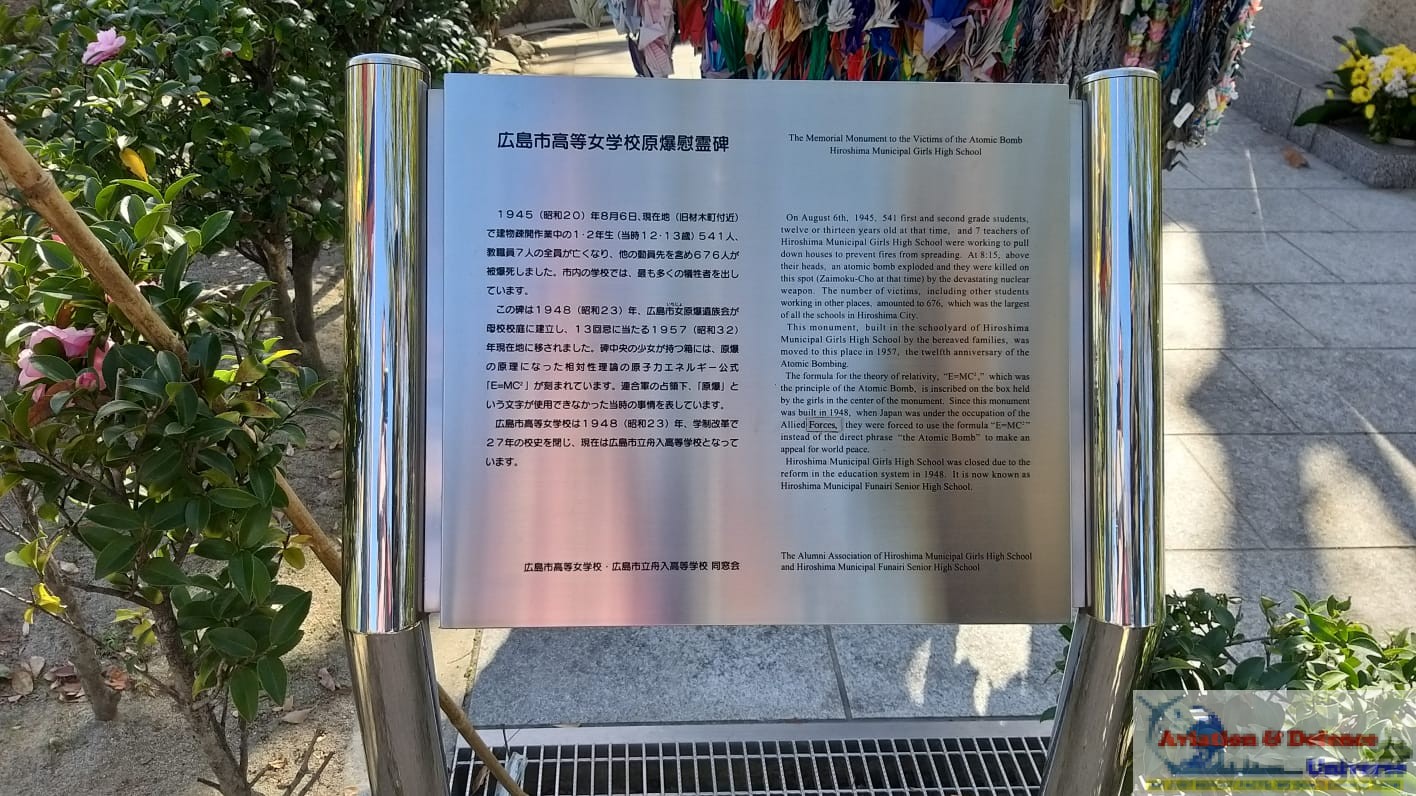
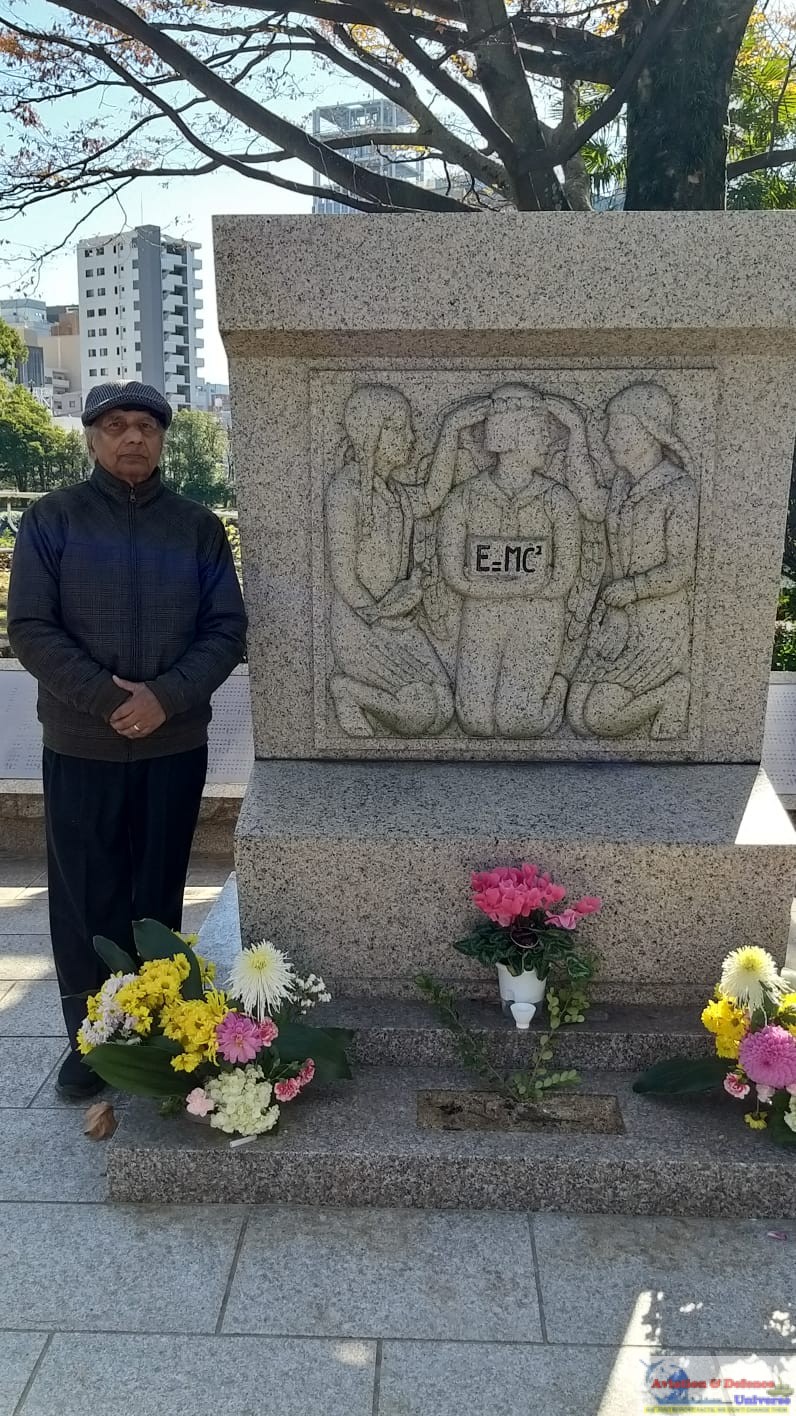 At the entrance to Hiroshima’s Peace Memorial Park, the reference to E = mc² carries a symbolism far greater than the few characters of Einstein’s famous equation. In a place forever associated with the destructive power released from the atom, the equation becomes an unsettling bridge between scientific discovery and its consequences when harnessed for warfare. For a visitor, and especially for someone walking through Hiroshima with a nuclear physicist father, it can feel almost personal: an equation studied in classrooms and laboratories suddenly stands against the memory of lives lost, survivors scarred and generations affected. There, E = mc² is no longer merely the elegant expression of mass-energy equivalence; it becomes a reason to reflect on the moral responsibility accompanying scientific advancement. At Hiroshima, the equation seems to pose a silent question to every generation that passes it: not simply what can science make possible, but what should humanity choose to do with that power?
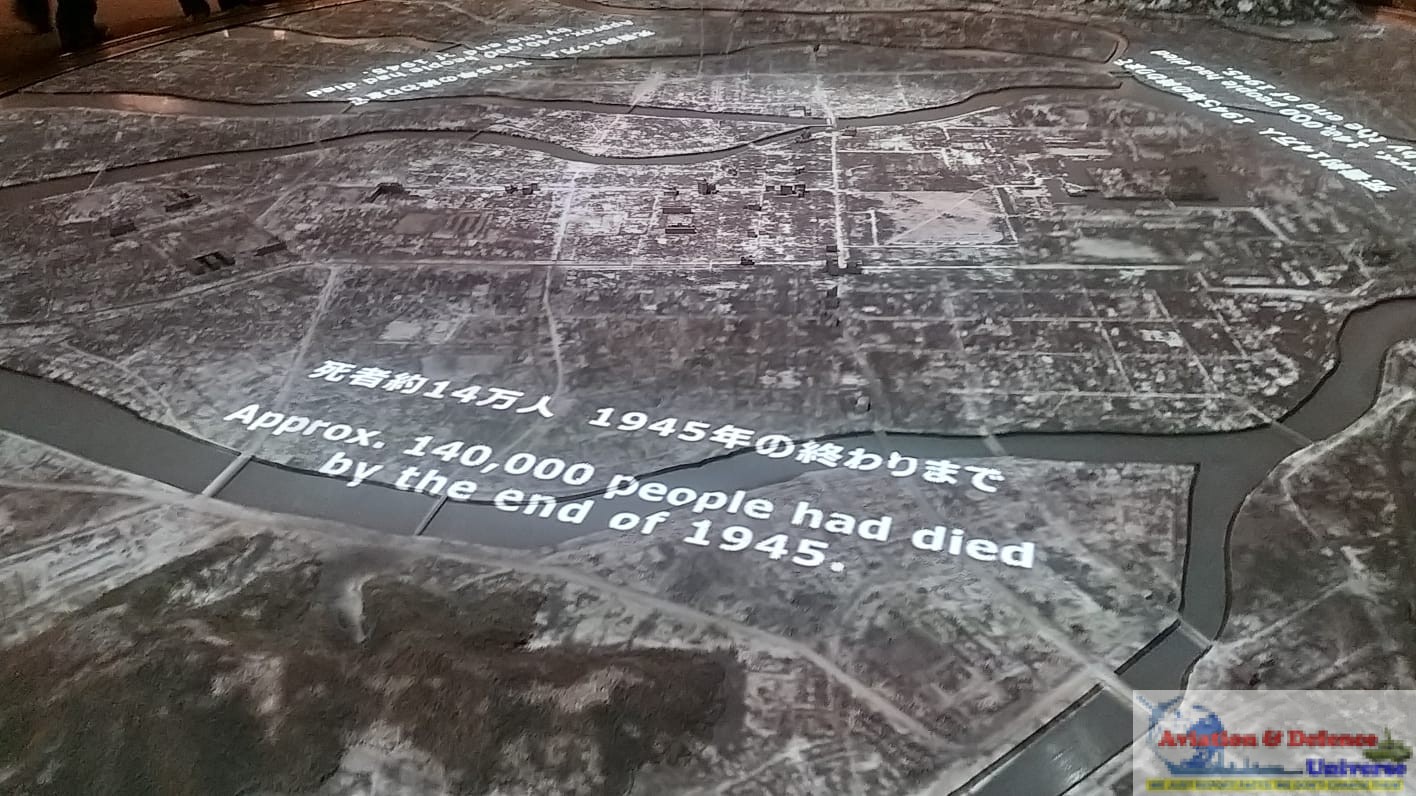
The museum made the scale of the tragedy painfully personal. Statistics can tell us how many died, how far the blast travelled or what radiation did to the human body. But statistics cannot convey a life interrupted. A photograph can. A child’s possession can. A burnt piece of clothing can. A story of somebody waiting for a loved one who never came home can. And then there were the generations that followed—the people who continued to live with the physical, psychological and social consequences of that August morning. Hiroshima reminds us that war does not always end when the guns fall silent. Sometimes its legacy travels through families and generations.
 For me, that visit also became an unexpected lesson about my father. I had always known him as a nuclear physicist. Hiroshima made me think more deeply about what it meant to dedicate one’s life to science. Science itself has no conscience; human beings give it direction. The same knowledge can illuminate homes or annihilate them, heal bodies or destroy them. The responsibility therefore lies not merely in discovery, but in what humanity chooses to do with discovery.
Walking beside my father that day, I understood perhaps more clearly than ever that scientific advancement 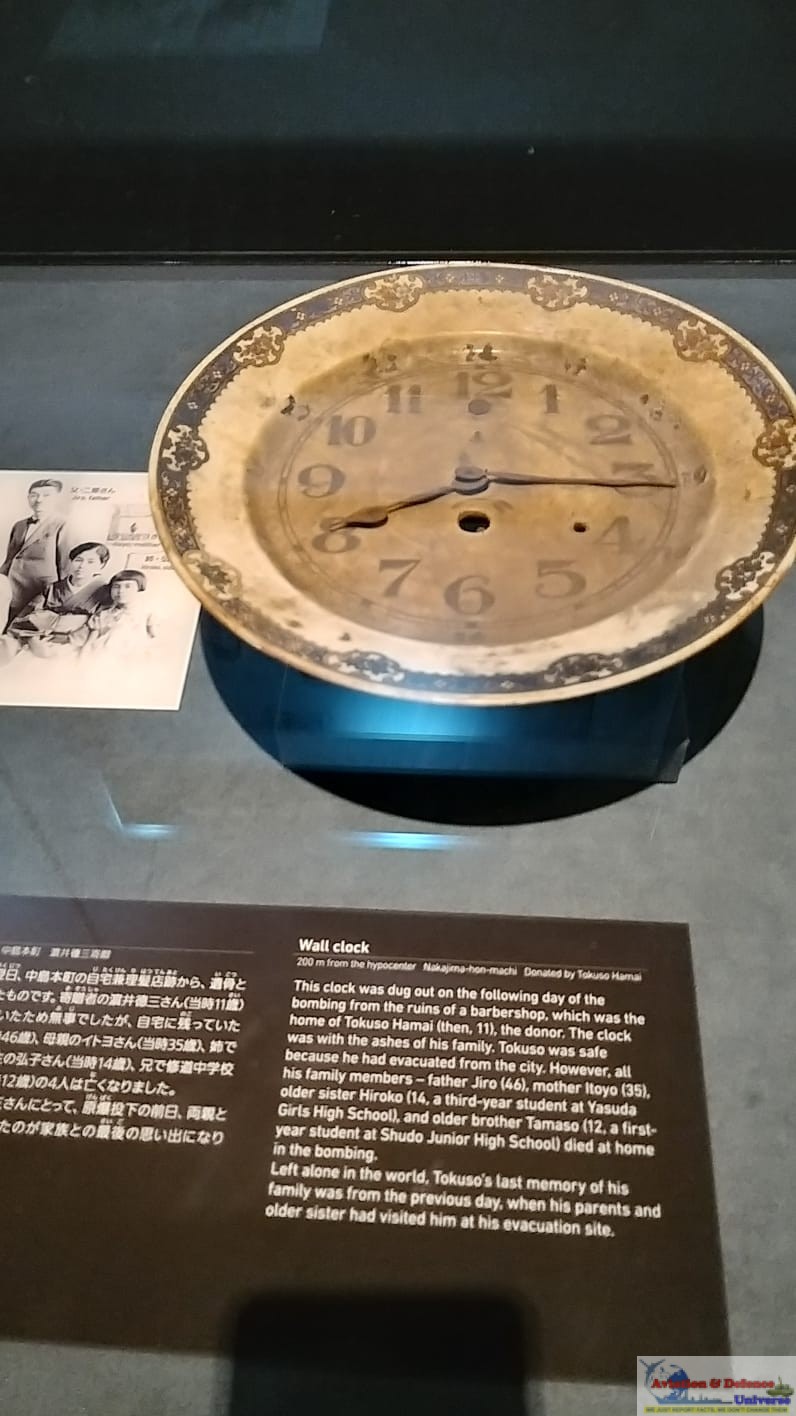 and human wisdom must travel together. Today, as I remember Hiroshima, I remember him as the retired scientist and not the Alzheimer patient he is now. I remember my mother beside us. I remember the silence, the memorials and that unmistakable feeling that some places demand contemplation rather than conversation. Years have passed, but Hiroshima has never really left me.
For the world, Hiroshima is history, for Hiroshima the time stood still at 8.15 AM. For humanity, it must remain a warning. And for me, it will always also be the memory of a daughter walking beside her nuclear physicist father through a city that embodied both the brilliance of human scientific achievement and the unbearable price humanity can pay when that brilliance is turned towards war.
Perhaps that was the greatest lesson Hiroshima gave me: progress cannot be measured by what humanity is capable of creating alone. It must also be measured by the wisdom with which we choose to use it. On Hiroshima Day, I remember the victims and survivors. I remember generations that bore—and continue to bear—the consequences of that fateful morning.
And the disaster did not end on 6 August 1945. Survivors carried physical and emotional scars. Families carried memories. Generations lived beneath the shadow of radiation and its consequences. The explosion lasted seconds; its human legacy travelled across decades.

















































-A4-Size-(2)_page-0001.jpg)