


 18th BRICS Summit












- India Must Fight Five Generations of Warfare Simultaneously: VCOAS said
- Networks, ISR, Guns & Tanks: Preparing for Every Generation of War
- 2026–27 to Focus on Networking & Data Centricity: Lt Gen Sandeep Jain
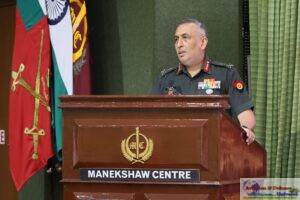
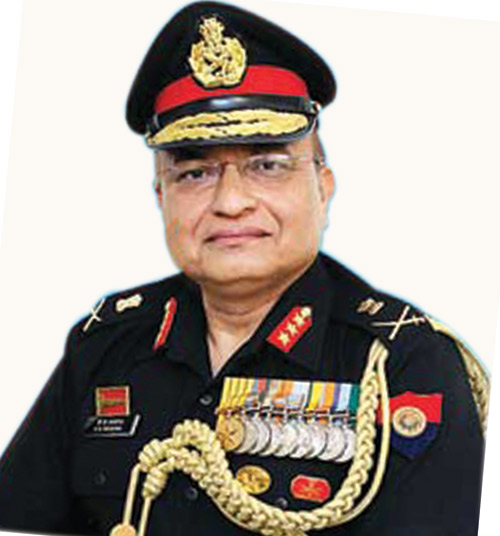
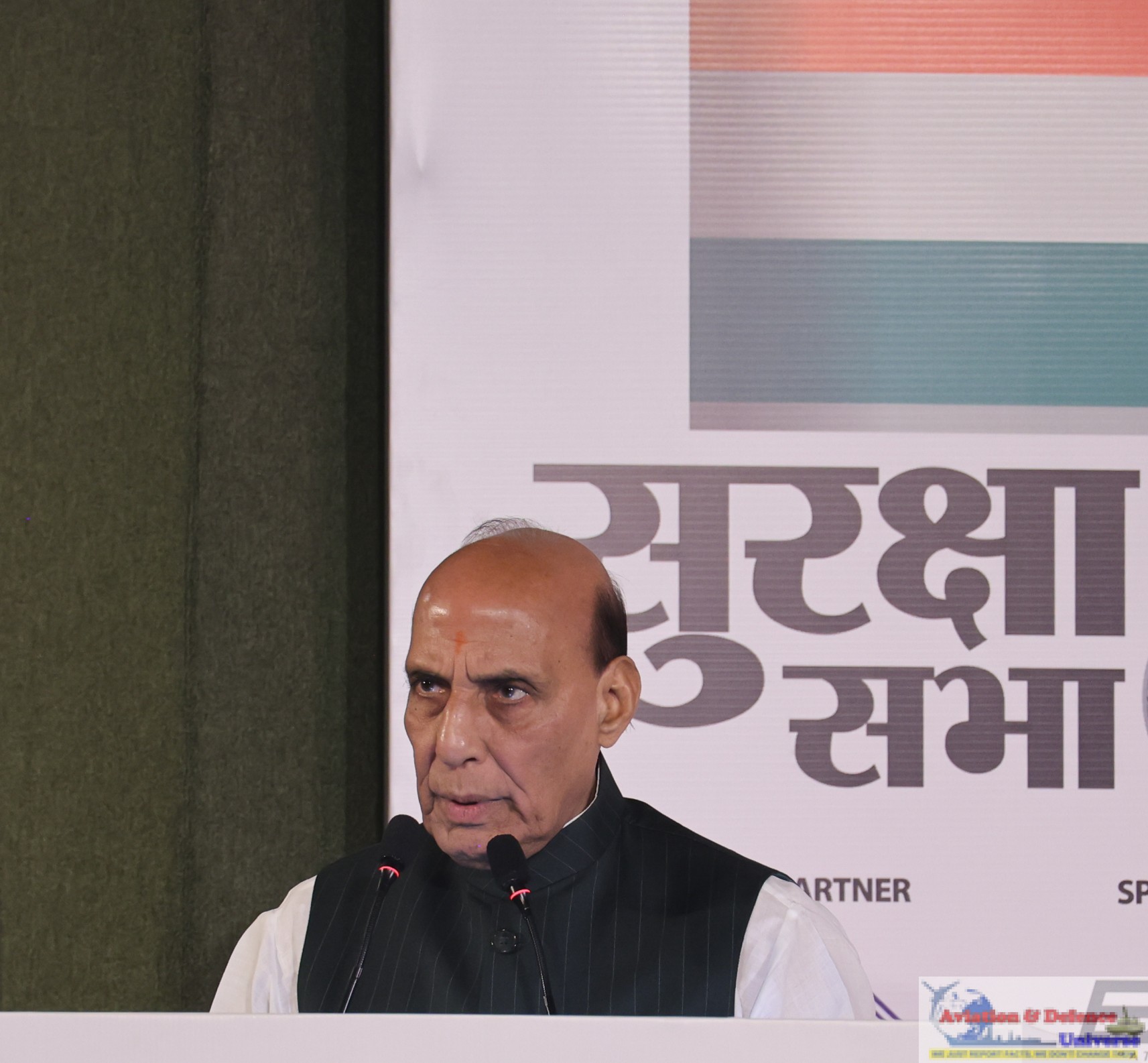
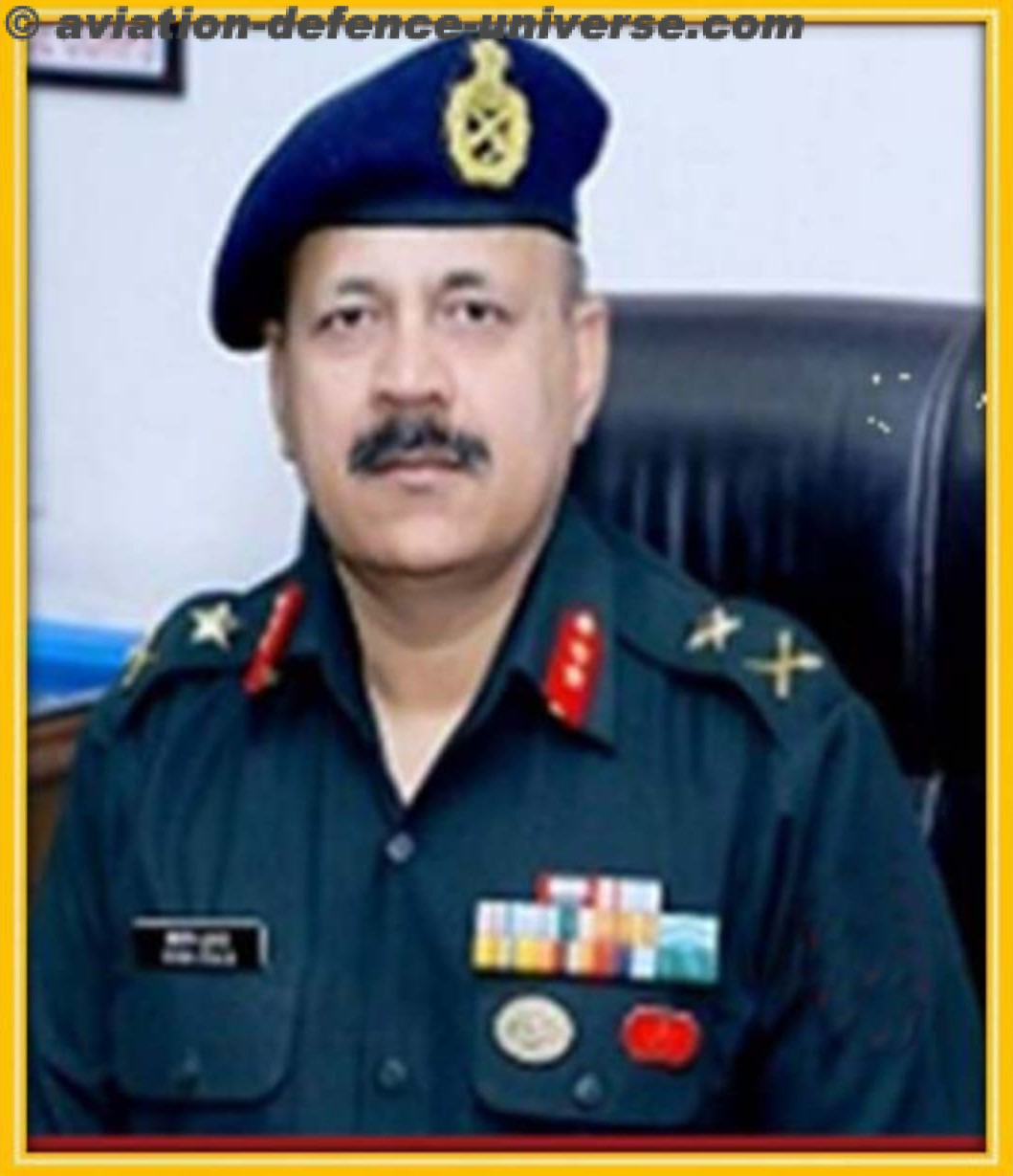
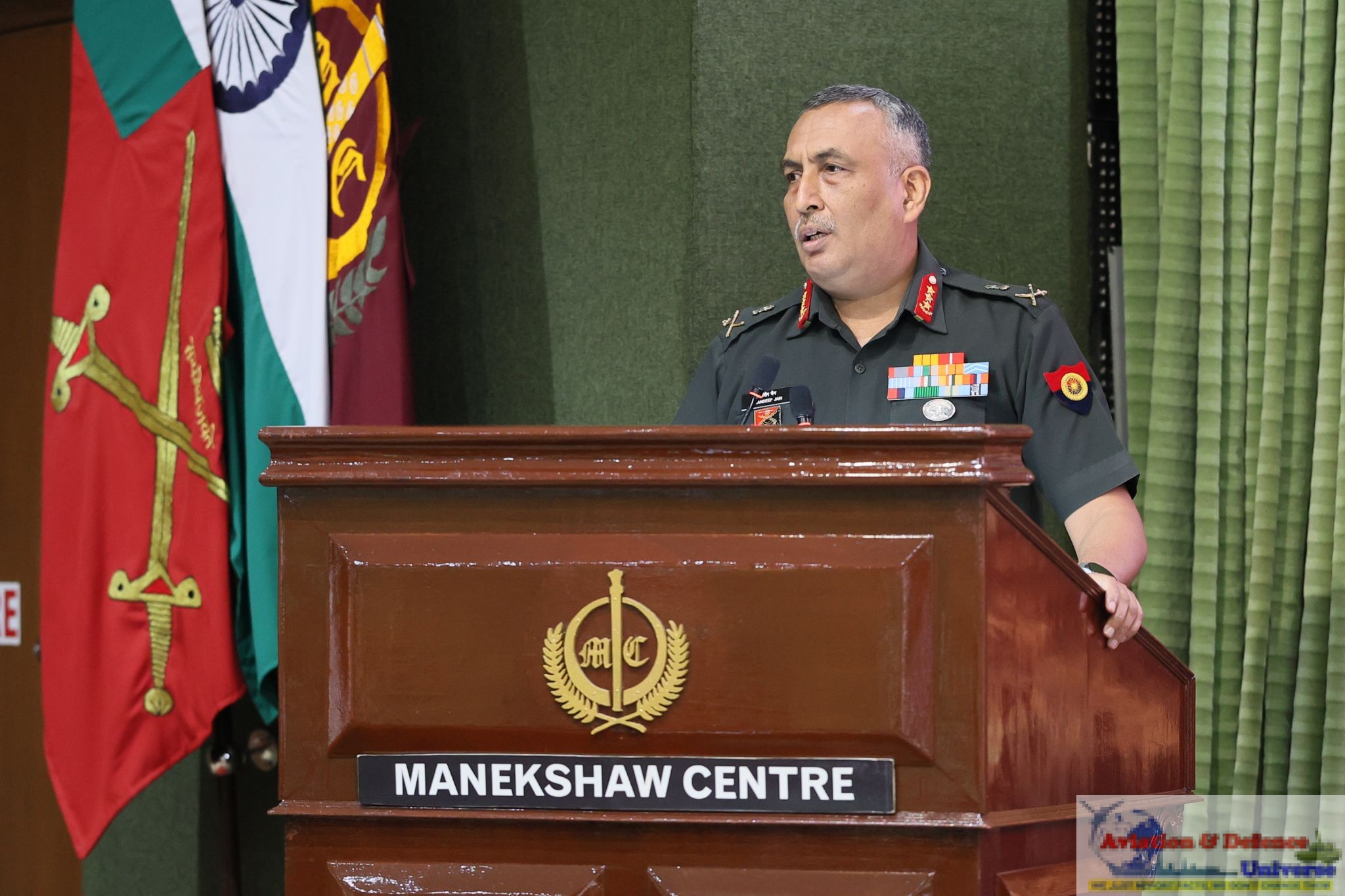
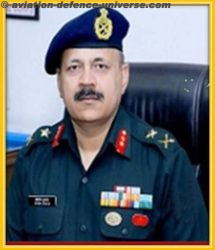
New Delhi. 02 September 2026.The battlefield no longer begins when the first missile is fired, nor does it end when the last target is struck. It may have begun years earlier—in intelligence networks, cyberspace and the electromagnetic spectrum—and its consequences may continue long afterwards through economic, diplomatic and information instruments. That was the central message from Lieutenant General Sandeep Jain, AVSM, SM, Vice Chief of the Army Staff (VCOAS), at the 2nd Annual Trident Lecture of the Centre for Joint Warfare Studies (CENJOWS), as he outlined a future of warfare in which India must simultaneously master conventional firepower, networks, ISR, cyber, electronic warfare, information operations and non-kinetic instruments of national power.
Lt Gen Jain’s message was not simply about acquiring more capability. It was about using capability intelligently—choosing the right instrument, applying it at the right time and ensuring that every domain creates the conditions required by the next.
And he captured the spirit of jointness with an evocative metaphor, “A Trident has three prongs, but only one thrust.” The prongs matter, he explained, because they are held together and pointed in the same direction.
Modern War Begins Before It Becomes Visible
Drawing lessons from Op Sindoor, Lt Gen Sandeep Jain challenged the conventional understanding of when a military operation actually begins. The operation, he explained, did not begin on May 7 when particular targets were engaged. That was merely the point at which it became visible.
Cyber capabilities and intelligence networks had been developing in the background much earlier, possibly for years. The battle itself was not confined to physical targets. It was simultaneously being fought across the electromagnetic spectrum, networks, diplomatic arena and information space. Nor, the VCOAS stressed, was it being fought by soldiers alone. Intelligence networks, cyber operators and the broader national information environment were participants, with even citizens carrying mobile phones becoming actors within the information ecosystem. This, Lt Gen Jain indicated, is how future wars will increasingly unfold—across multiple domains and involving instruments well beyond the traditional military battlefield.
India May Have to Fight Five Generations of Warfare at Once
India’s operational environment makes that requirement particularly demanding. “Our defence forces may be the only ones required to fight all five generations of warfare at the same time,” Lt Gen Jain observed. Does India still require tanks and guns? Yes. Does it also require networks, ISR and emerging technological capabilities? Yes again.
The VCOAS’s argument was that India cannot simply abandon conventional military capability in favour of an exclusively technology-driven model of warfare. Its contested land borders create operational requirements fundamentally different from theatres where stand-off missiles and long-range precision effects may dominate. India may need to prepare simultaneously for models of warfare where long-range strikes assume prominence and for conflicts resembling Russia–Ukraine, where forces eventually confront one another on the ground.
The Smartest Weapon May Not Always Be a Missile
One of the most thought-provoking portions of Lt Gen Jain’s lecture came when he questioned whether the most visible military action necessarily produces the most enduring strategic effect. Destruction of particular targets during Op Sindoor was necessary, he said, but the more important question was: which actions would weigh upon the adversary for the longest period?
He cited the suspension of the Indus Waters Treaty as an example of an instrument that was not military in itself but could potentially have consequences lasting much longer than those produced by an individual missile strike. His formulation was striking, “Kinetic actions establish credibility and the non-kinetic instruments extend the consequences beyond the date.”
‘Fighting Smartly Does Not Mean Striking Less’
Lt Gen Sandeep Jain then distilled the argument into perhaps the most quotable line of his address, “Fighting smartly does not mean striking less. It means asking which instrument will be working on the adversary a month later.” The objective, he said, should be to make the adversary’s problem harder than one’s own and, in effect, “spending less, less to hurt him more.” Rather than employing every available domain merely because it exists, the VCOAS argued for selecting the instrument and domain best suited to achieving the required strategic effect at that particular moment. The measure of effectiveness, therefore, is not simply how much firepower has been brought to bear, but whether the chosen instrument continues imposing costs after the immediate engagement has ended.
The Adversary Is Thinking Too
Lt Gen Jain also cautioned against treating warfare as a one-sided process. The adversary does not remain static while India acts. “He disperses. He saturates our sensors.” Therefore, the VCOAS said, fighting smartly also means fighting effectively against an adversary who is trying to fight back smartly. Future capability development must consequently anticipate not merely today’s threat, but the adversary’s response and adaptation to India’s own technological and operational advantages. Sequencing Effects: Not How Much, But In What Order.
He identified sequencing effects as one of the critical requirements of future warfare. Against an adaptive adversary, the question is not simply how much combat power can be brought to bear. It is in what order that power is employed. He cited Nagorno-Karabakh, where drones, electronic warfare and precision targeting helped dismantle capabilities that had taken years to construct and Ukraine, where a smaller force demonstrated the ability to impose disproportionate costs by connecting sensing, targeting and striking within an architecture. The central lesson, according to the VCOAS, was. “Every domain created the conditions the next one needed.”
A Target Found by One Service Must Be Struck by Another
Sequencing, however, is impossible without connectivity. Lt Gen Sandeep Jain stressed that different components of the Armed Forces must be able to communicate and share a common understanding of the desired final effect. His description of the requirement was direct. “A target detected by one service must be prosecutable by another without loss, losing of any time.” The future sensor-to-shooter chain, therefore, cannot remain trapped within Service boundaries. An Army sensor may detect a target most effectively engaged by an Air Force or Navy weapon—or vice versa. The decisive factor will increasingly be the speed at which information moves from detection through decision to engagement.
2026–27: Networking and Data Centricity
It was in this context that Lt Gen Jain made one of the most significant capability-development statements of his address. The VCOAS said 2026 and 2027 have been declared the years of “networking and data centricity.” The significance goes well beyond connecting communications systems. Data-centricity is about ensuring that sensors, decision-makers, platforms and weapons across the Services can function as elements of a larger combat architecture. It represents the transition from individual platform superiority towards networked combat superiority, where the effectiveness of a sensor or weapon is multiplied by its ability to exchange information and generate effects across domains.
Jointness: Three Prongs, One Thrust
Although Lt Gen Sandeep Jain chose not to elaborate at length on jointness because, as he said, it was already “well known and understood”, the concept ran through virtually every element of his lecture. His opening metaphor had already provided the framework – Three prongs. One thrust. Army, Navy and Air Force capabilities cannot simply coexist. They must create complementary effects towards a common operational objective. Viewed through Lt Gen Jain’s argument, jointness is no longer merely about organisational structures or commands. It is about ensuring that sensors, shooters, networks, data and decision-making processes function seamlessly across Service boundaries.
Capability Is Not Enough—Connectivity Creates Combat Power
Lt Gen Jain’s address consequently raised a larger question for India’s ongoing military transformation. The next generation of combat power may not necessarily be defined by who possesses the greatest number of individual platforms. It may be determined by who connects them better, processes information faster, sequences effects more intelligently and chooses the most appropriate instrument of national power at the right moment.
Tanks and artillery will remain relevant. So will missiles. But alongside them will operate drones, ISR networks, cyber capabilities, electronic warfare, data architectures and information operations. And behind them will sit economic, diplomatic and other instruments capable of extending strategic effects long after kinetic engagement has ended.
Lt Gen Sandeep Jain’s message at the 2nd Annual Trident Lecture was ultimately about changing the grammar of warfare. India does not have the luxury of choosing between the old battlefield and the new one. Its security environment demands preparedness for both. It must retain the tanks, guns and soldiers required for contested borders while simultaneously building the networks, ISR, cyber, electronic warfare and data architectures demanded by multi-domain conflict.
But possessing all these capabilities will not be enough. They must be connected. They must be sequenced. They must be joint. And they must be employed intelligently. The future battle may begin years before the first shot. A cyber operator may shape the battlefield before a fighter takes off. A sensor belonging to one Service may generate the coordinates for another Service’s weapon. A kinetic strike may establish credibility while an economic or diplomatic decision sustains pressure long afterwards.
That is why Lt Gen Jain’s Trident metaphor was so apt. Three prongs are powerful not because there are three of them, but because they are held together, pointed in the same direction and deliver one thrust. And that may well encapsulate the VCOAS’s vision of India’s emerging approach to future warfare – Fight smart. Fight connected. Fight joint. Fight as one.













































































-A4-Size-(2)_page-0001.jpg)