



















- From Ideas to Induction: Navy Sets Course for India’s Next Defence Leap
- Beyond Import Substitution: Swavalamban Charts India’s Technological Future
- Innovation to Operational Power: Navy–Industry Partnership Gains Momentum
- Secure Supply Chains, Stronger Forces: Rajnath Maps Next Phase of Atmanirbharta
By Sangeeta Saxena
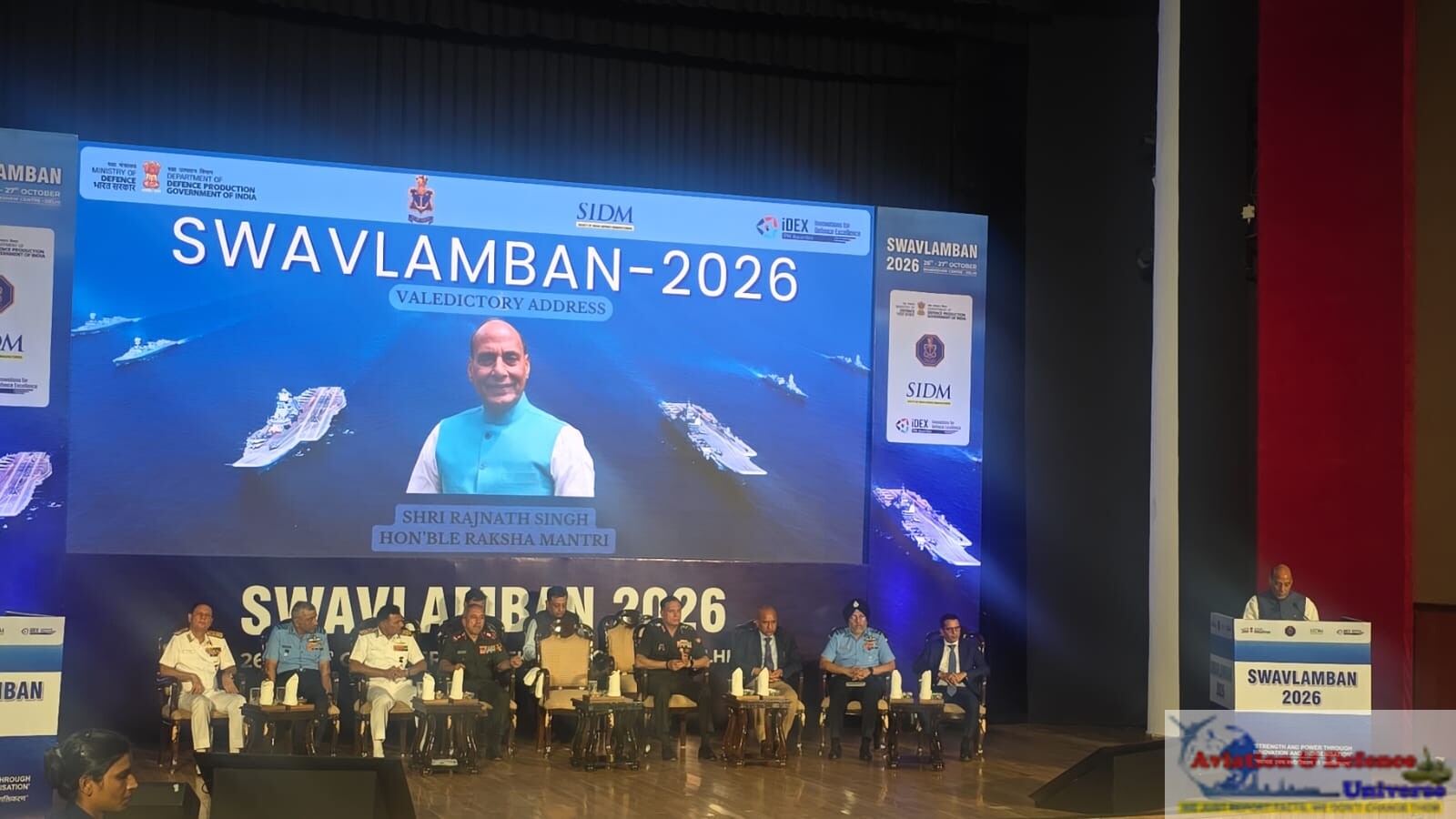
New Delhi. India’s next leap in defence self-reliance will be measured by its ability to master frontier technologies, secure vulnerable supply chains and turn promising innovations into operational strength. That ambition defined the plenary session of Swavalamban 2026, where Defence Minister Rajnath Singh called for “self-reliance 2.0” and the Indian Navy outlined a practical pathway from ideas and prototypes to procurement, induction and sustained capability.
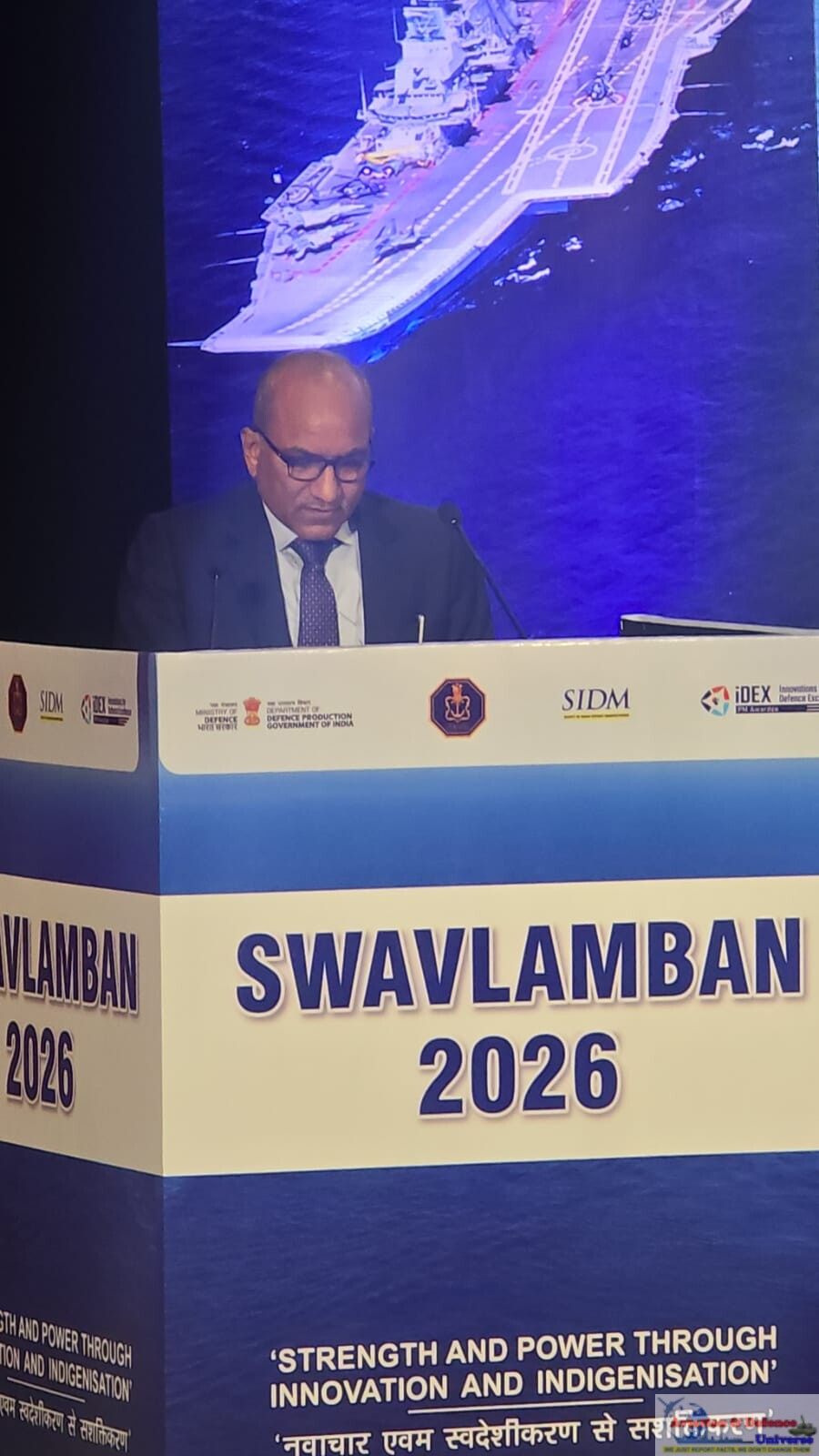
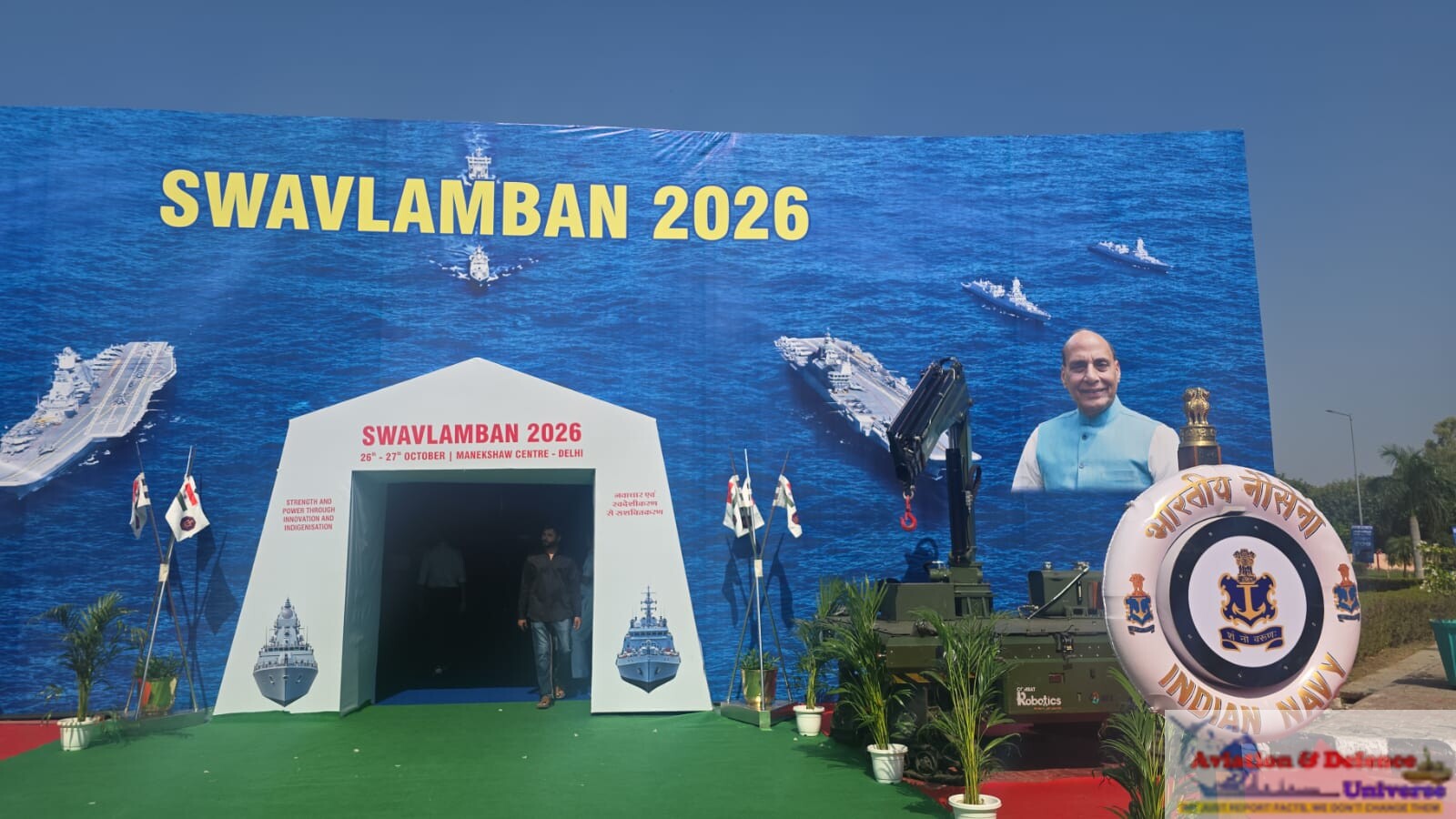 Organised by the Indian Navy and the Society of Indian Defence Manufacturers (SIDM) at the Manekshaw Centre, the fifth edition of the Navy’s flagship innovation and indigenisation seminar brought together military leadership, policymakers, industry, start-ups, MSMEs, researchers and young innovators. The discussions placed technological sovereignty alongside affordability, industrial capacity and the ability to meet evolving operational requirements.
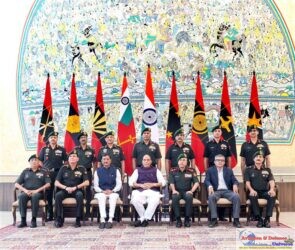
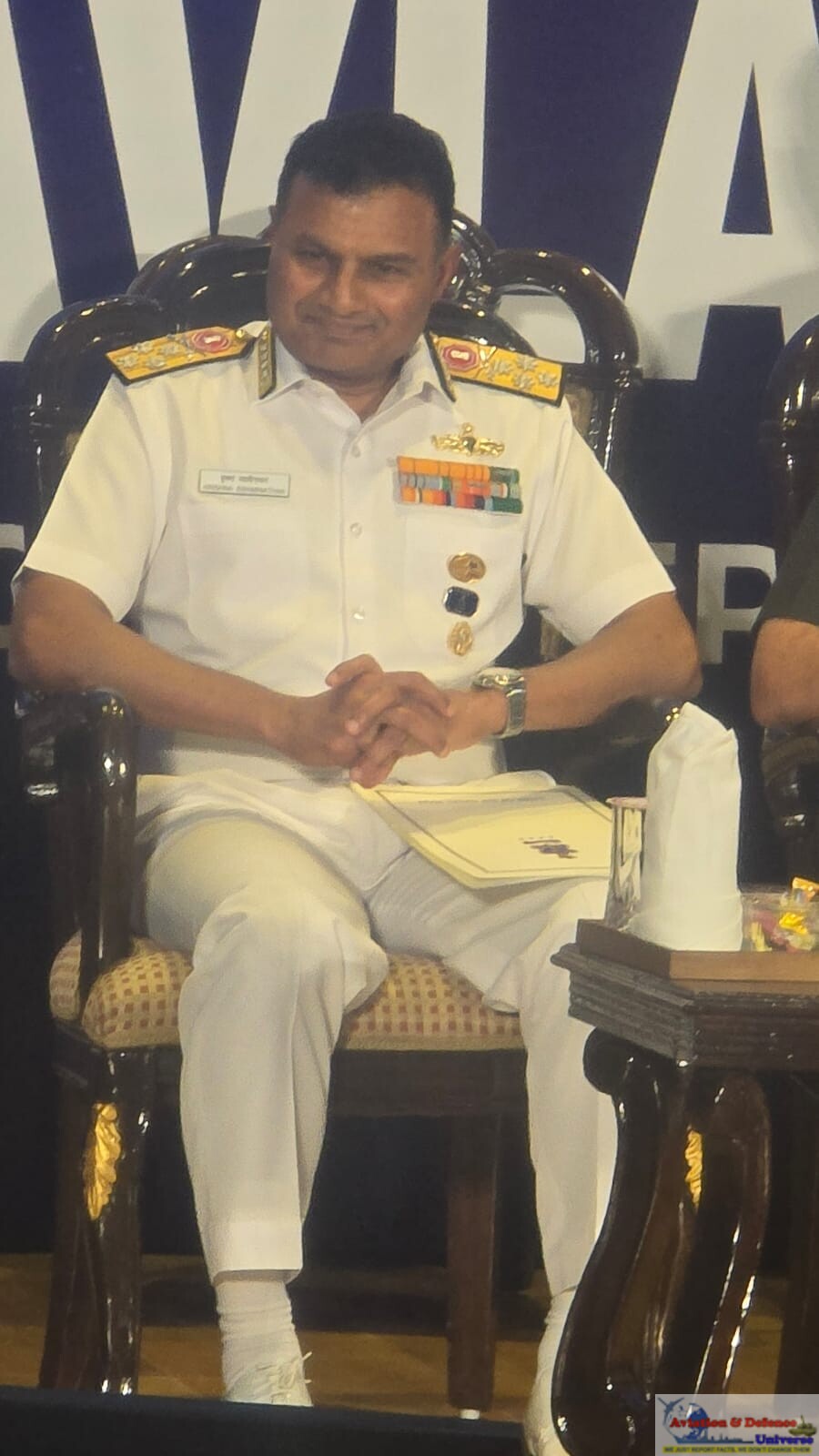
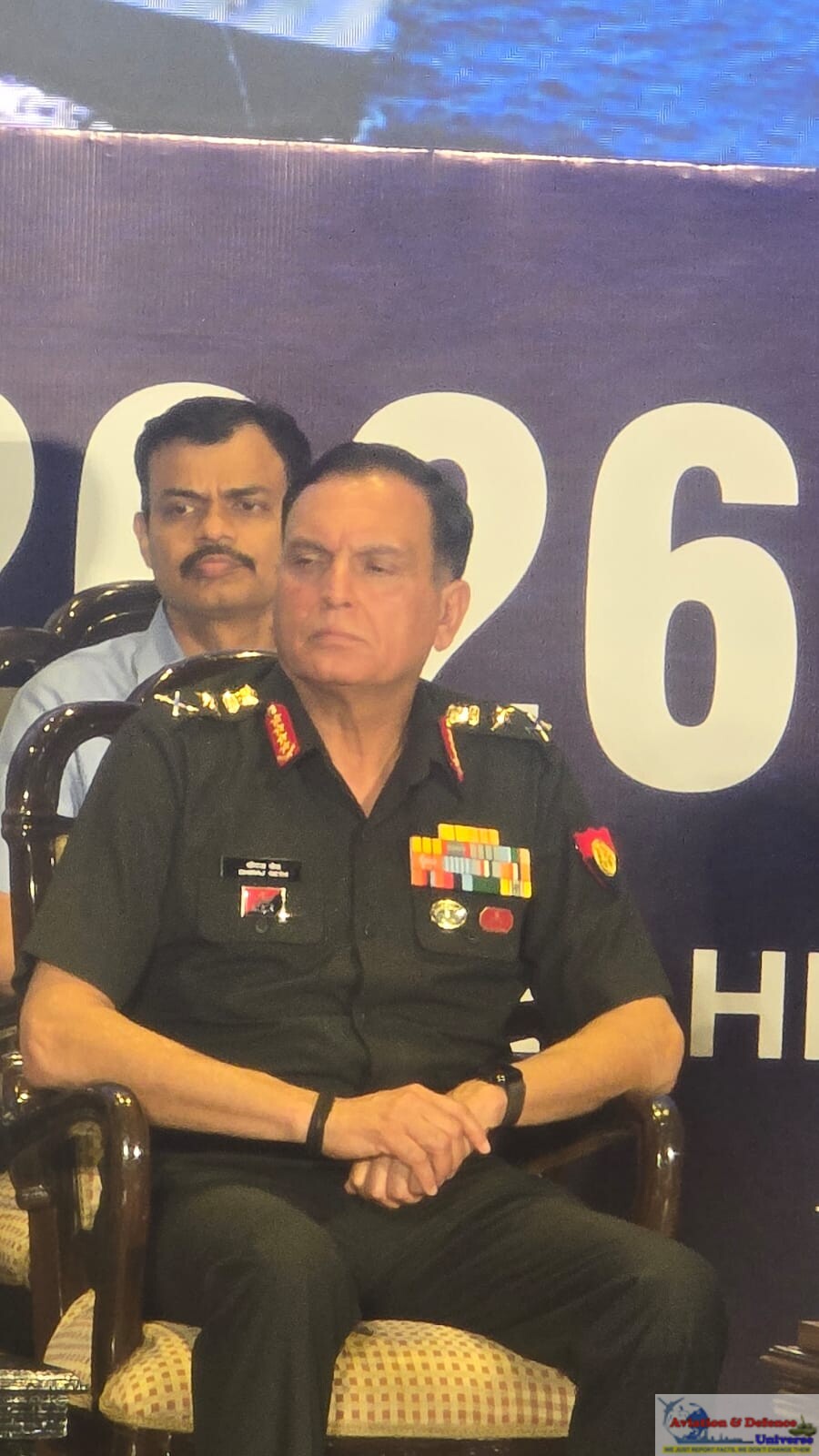
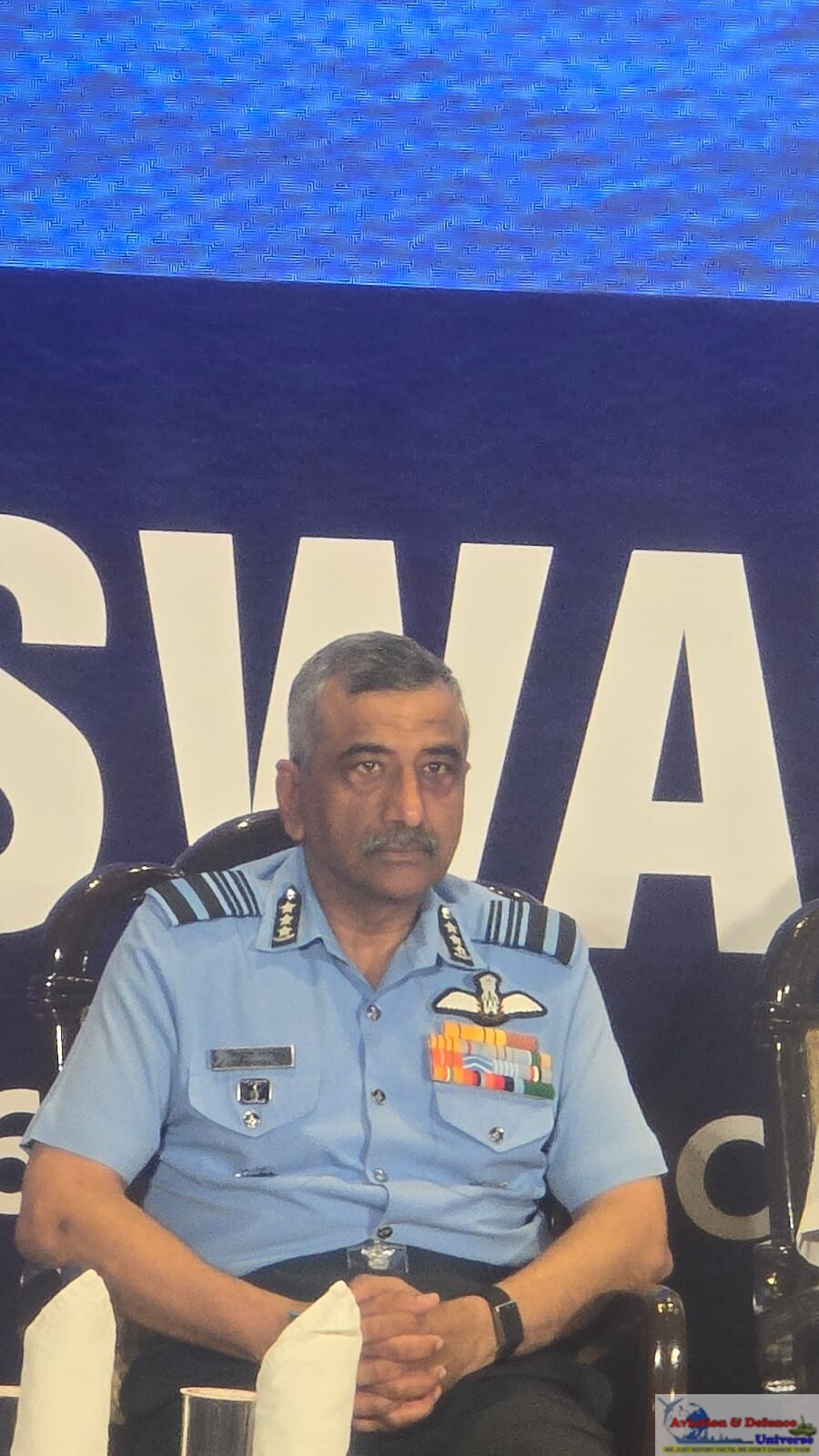
Chief of the Naval Staff Admiral Krishna Swaminathan, PVSM, AVSM, VSM, delivered the welcome address, followed by the keynote address by Defence Minister Rajnath Singh. Sharing the stage were Chief of Defence Staff General NS Raja Subramani, PVSM, AVSM, SM, VSM; Chief of Army Staff General Dhiraj Seth, PVSM, UYSM, AVSM; Secretary, Defence Production, Sanjeev Kumar; Vice Chief of Air Staff and Chief of Air Staff Designate Air Marshal Ashutosh Dixit, PVSM, AVSM, VM, VSM; and Air Marshal Tejinder Singh, Chief of Integrated Defence Staff to the Chairman Chiefs of Staff Committee. Vice Chief of the Naval Staff Vice Admiral Ajay Kochhar delivered the concluding address and vote of thanks.
Welcoming the gathering, Admiral Swaminathan described Swavalamban’s growth since its inception in 2022 as evidence of a deepening partnership between the Navy and India’s innovation ecosystem. He credited industry partners, MSMEs and start-ups for helping translate operational needs into indigenous technological solutions, while acknowledging the support of the Ministry of Defence, the Defence Innovation Organisation and SIDM.
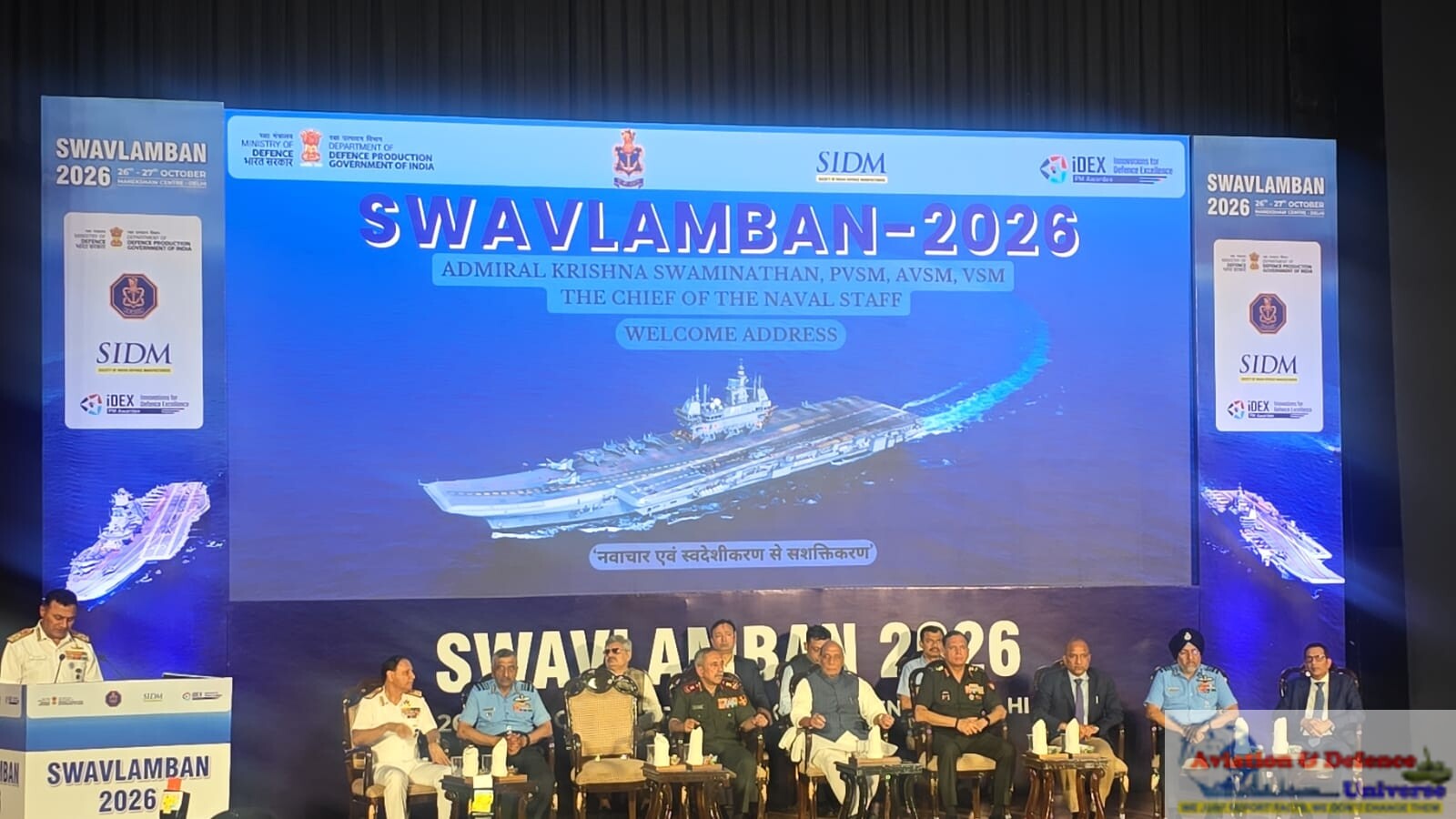 The Navy Chief highlighted the substantial expansion of Navy-specific challenges under Innovations for Defence Excellence, or iDEX. These had increased more than tenfold, from 20 in 2022 to 229, accounting for approximately 35 per cent of iDEX challenges across the defence sector. He said 41 Acceptance of Necessity approvals, worth more than ₹3,500 crore, had been accorded, while 25 contracts valued at over ₹1,900 crore had been signed. Participation had also grown substantially, with visitor numbers rising from approximately 800 at the inaugural edition to about 3,000 the previous year. These figures gave the session an important context: Swavalamban’s success would increasingly be assessed through the capabilities delivered to the armed forces.
“The theme of Swavalamban, strength and power through innovation and indigenisation, underscores the need to stay ahead of the technological curve and translate innovation into operational capability,” Admiral Swaminathan said.
He identified five areas requiring sustained collective attention. The first was deeper ideation, connecting present and future operational requirements with emerging technological possibilities. The second was time-bound prototyping, enabling promising concepts to become viable products.
The third was testing, with products validated in conditions approaching their actual operational environment. The fourth was contracting and induction, including bridging the gap between successful prototypes and procurement orders while building the capacity for faster production at scale.
 The fifth was life-cycle support. Admiral Swaminathan emphasised that a product’s development should mark the beginning of an enduring capability, supported by software upgrades, technological improvements and sustained maintenance.
Together, these priorities addressed a central challenge for defence innovation: ensuring that an effective prototype becomes a dependable system available to personnel in the field. He called for an ecosystem responsive to the changing requirements of the Navy, Army and Air Force, and expressed confidence that the seminar would strengthen partnerships and produce tangible operational outcomes.
During the plenary, Rajnath Singh felicitated iDEX partners and released the Swavalamban 5.0 document and the Compendium of Technology Imperatives, Problem Statements and Future Concepts. The publications were presented as guides to the Navy’s indigenisation priorities, emerging technology requirements and future capability needs, helping industry and research institutions align their efforts with operational demand.
Delivering the keynote address, the Defence Minister congratulated the Indian Navy, the Defence Innovation Organisation, SIDM and participating innovators. Referring to the technologies he had viewed before the session, he expressed confidence in Indian industry’s ability to develop sophisticated indigenous solutions.
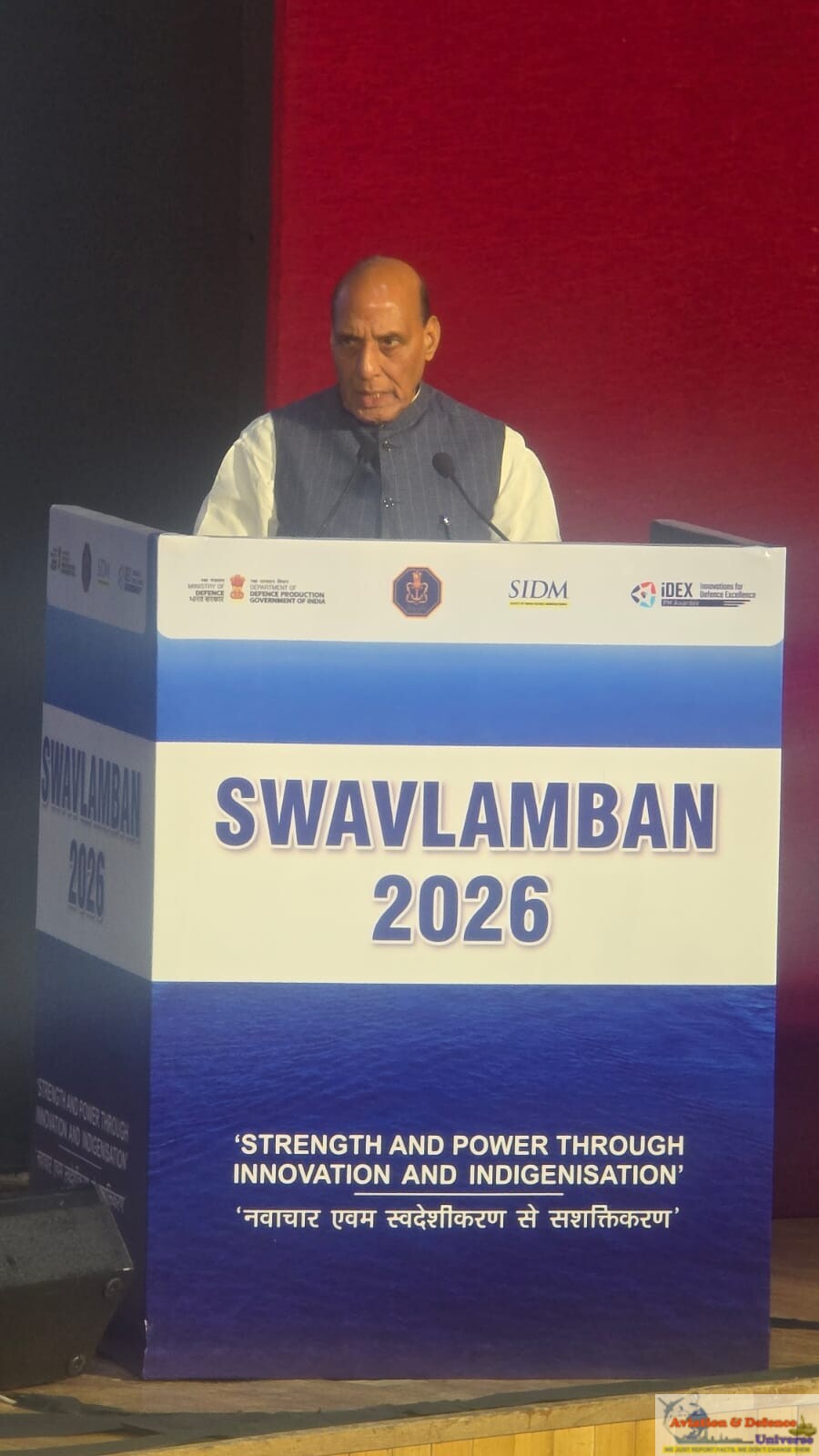 He then set out the central proposition of his address: India needed to move into a second generation of defence self-reliance. “It is time to talk about second-generation self-reliance,” he said, urging stakeholders to tackle deeper technological challenges and pursue areas in which progress had remained difficult.
His vision of this next phase extended beyond domestic manufacture. India’s defence products, he argued, needed to combine operational effectiveness with quality, efficiency, affordability and global competitiveness.
Using naval shipbuilding as an example, Singh observed that warships were inherently capital-intensive, while developments in the Indian Ocean Region were increasing capability requirements. He urged innovators and manufacturers to examine how indigenous production costs could be reduced, enabling self-reliance to strengthen both national security and financial resilience.
A substantial part of his address focused on supply-chain vulnerability. Singh distinguished between dependence arising from the limited domestic availability of materials, including rare earths, and dependence caused by technologies that India had yet to develop.
 Acknowledging that some foreign dependence would continue until alternatives became available, he called for a clear assessment of imported inputs, critical dependencies and priority areas for indigenous development. “Supply chain management is not a technical problem now. This is a strategic problem,” he said.
The Defence Minister advocated a living roadmap identifying the dependencies to be addressed, the timelines for doing so, the industries responsible for developing alternatives and the resources required. He also urged stakeholders to prepare for potential disruptions by examining alternative supply arrangements, buffer stocks and domestic production capacity.
The answers to such questions, he stressed, had to be prepared before a crisis. Research and development formed another major pillar of Singh’s proposed self-reliance 2.0. He expressed confidence in India’s scientific talent while acknowledging that research involved uncertainty, experimentation and the possibility of failure.
 He noted the tension between the risk inherent in research and the accountability requirements governing public expenditure. Results were not always immediate, he observed, and research could sometimes produce outcomes different from those initially anticipated. “This failure is not a matter of shame. This is a natural part of the research process,” he said.
Singh urged consideration of funding mechanisms capable of supporting high-risk, high-reward projects, alongside greater private-sector participation in defence research. He also highlighted the value of relatively low-cost experiments that could produce significant technological gains.
Referring to research cultures in Israel, South Korea and the United States, he called for an environment in which innovation became a way of life and failure offered an opportunity to learn. Stronger industry–academia relationships, greater encouragement for research within educational institutions and more opportunities for young people to pursue scientific careers were essential to that effort.
The Defence Minister also emphasised closer interaction between innovators and end users. Products needed to reflect the conditions in which military personnel would operate them, requiring scientific discipline alongside an understanding of future operational demands.
He pointed to the participation generated by the Navy’s 229 iDEX challenges as evidence of India’s entrepreneurial depth and highlighted the contracts worth more than ₹1,900 crore as a sign that innovation initiatives were producing procurement outcomes.
At the same time, he identified continuing import dependence in buyer-nominated equipment as an area requiring further attention. Reducing such dependencies would be an important challenge in the next phase of indigenisation.
 Singh further called for a focused roadmap for dual-use technologies, identifying products and capabilities with both civilian and military applications. Existing indigenisation efforts, he suggested, should become deeper and wider.
Extending that argument to inter-services cooperation, he urged stakeholders to prioritise technologies usable across the Army, Navy, Air Force and Coast Guard. Developing common capabilities would give practical technological expression to jointness and allow the benefits of indigenous innovation to extend across the services.
He commended work in quantum systems, artificial intelligence for warfighting and uncrewed platforms, while stressing that progress in such demanding fields required perseverance. Linking these efforts to the vision of a developed India by 2047, he expressed confidence that the cycle from ideation to adoption would continue to gather momentum.
In his concluding address, Vice Admiral Ajay Kochhar thanked the Defence Minister for his guidance and described defence self-reliance as a national endeavour involving government institutions, the armed forces, industry, start-ups, MSMEs, academia and young innovators.
 He acknowledged the Department of Defence Production and the Defence Innovation Organisation for strengthening the ecosystem, and thanked industry partners, researchers, panellists, moderators, media partners and the organising teams for their contributions.
The discussions and exhibitions, he said, had reinforced confidence in India’s talent. The task was to give that talent direction, encouragement and opportunities to develop operational solutions. He reaffirmed the Navy’s determination to work with its partners in advancing indigenous technologies and capabilities.
The Indian Navy’s fifth Swavlamban seminar built on a growing national effort to connect technological talent with the requirements of the maritime domain. Held at the Manekshaw Centre in New Delhi, Swavlamban 2026 was the fifth edition of the Navy’s flagship Naval Innovation and Indigenisation Seminar. It focused on converting indigenous technological innovations into operational capabilities and strengthening collaboration between the armed forces and India’s domestic innovation ecosystem amid an evolving maritime security environment.
The two-day event brought together innovators, industry partners, start-ups, micro, small and medium enterprises (MSMEs), academic institutions, investors and representatives of the defence forces. The exhibition showcased indigenous technologies in maritime surveillance, counter-unmanned aircraft systems (counter-UAS), artificial intelligence, quantum technologies, nuclear, biological, chemical and damage control (NBCD), alongside systems designed to improve safety and operational efficiency.
The programme included discussions on defence innovation, self-reliance, funding opportunities and the commercialisation of technologies developed by Indian enterprises. The seminar received support from the Government of India, the Ministry of Defence, the Society of Indian Defence Manufacturers and the Defence Innovation Organisation.
Swavalamban 2026 thus placed a demanding next chapter before India’s defence ecosystem: master difficult technologies, make procurement move faster, build for sustained service and prepare supply chains for disruption. The ambition was clear, and so was the test of success. An idea would realise its full strategic value when it became a reliable capability in the hands of the armed forces. From the laboratory to the fleet, that was the course the plenary set for India’s next leap in self-reliance.