









- Rubio and Jaishankar in Mumbai: Common Ground, Global Stakes
- Shared Interests, Sovereign Choices: India and US Chart the Way Ahead
- Trade, Technology and Trust: India and US Map a Shared Future
By Sangeeta Saxena
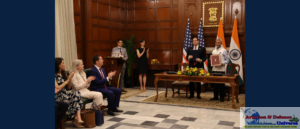
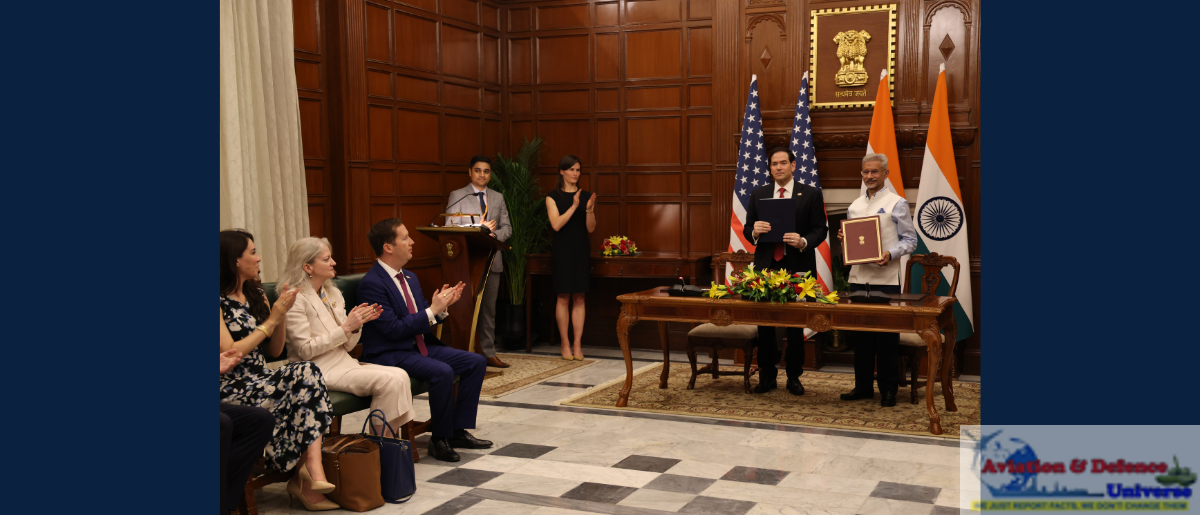
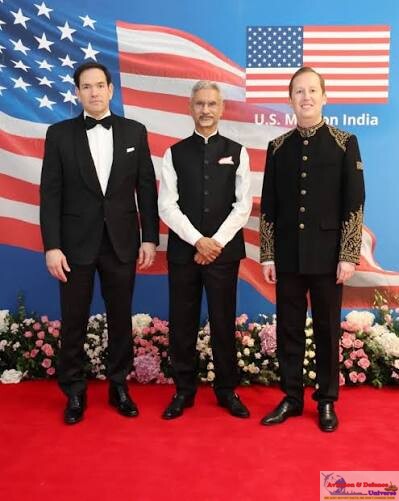
Mumbai/New Delhi. 20 October 2026. A celebration of America’s 250th anniversary became a platform for looking ahead as US Secretary of State Marco Rubio, External Affairs Minister Dr S. Jaishankar and Ambassador Sergio Gor outlined their priorities for India–US relations. Addressing the Freedom 250 Reception at the Jio Convention Center, the speakers connected commercial opportunity and technological innovation with maritime security, counterterrorism and the pursuit of shared interests. Their messages combined ambition with realism – the partnership had expanded substantially, but sustained engagement and respect for national interests would determine its future.
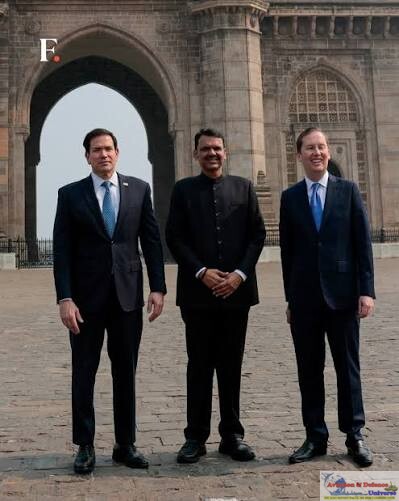 Opening the reception, Gor described Mumbai as an important engine of the bilateral relationship. He said more than 500 major American companies operated in the city, spanning technology, pharmaceuticals, consumer goods and finance. American institutional investment in Indian equities, he argued, demonstrated confidence in India’s economic prospects.
Tracing commercial ties to the years following American independence, Gor highlighted the long history of trade and diplomatic engagement. He said President Donald Trump had given him a clear instruction: “Deliver results. Don’t just talk about the future; make it happen.”
Gor put bilateral trade at more than $240 billion and reiterated the ambition to take it beyond $500 billion within three years. He identified semiconductors, critical minerals, energy, defence and advanced intelligence technologies as areas offering further opportunity.
“The United States and India aren’t just strategic partners; we’re architects of the world of tomorrow,” he said. He stressed that the relationship extended beyond Washington and New Delhi, drawing strength from businesses, innovators and communities across Indian cities. Gor also thanked the organisers, supporters, the US Seventh Fleet’s Orient Express musicians and Madhura Padave, who performed India’s national anthem.
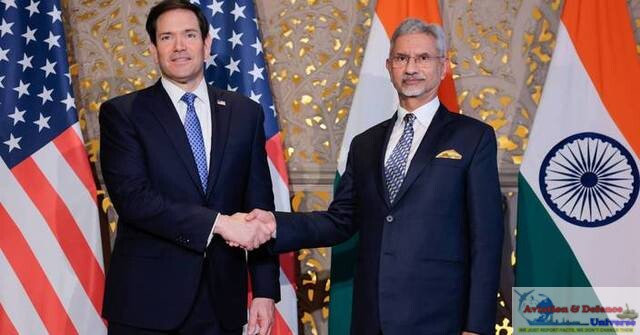
Rubio, returning to India for his second visit that year, argued that frequent engagement reflected the country’s importance to American foreign policy. Responding to questions about the short interval between his visits, he told the gathering: “I actually think we don’t come enough.” He described India as a major geopolitical and commercial partner and said developments in the region would help determine the course of the century. “The relationship between the United States and India is defining in many ways, in a positive way, what the 21st century can look like,” Rubio said.
 Technology occupied a central place in his address. He argued that advances in superintelligence and quantum computing were moving at exceptional speed, creating opportunities alongside risks. India and the United States, he said, shared the talent and expertise needed to harness these technologies for human benefit while limiting potential harm.
Rubio also linked economic progress to secure international trade routes. He emphasised the importance of a free and secure Indo-Pacific, where no country could claim ownership or dominance over international shipping lanes. Acknowledging that disagreements between sovereign countries were inevitable, he maintained that the two nations shared substantial common ground on their fundamental interests. “On the core issues that matter … the alignment between our countries is extraordinary,” he said.
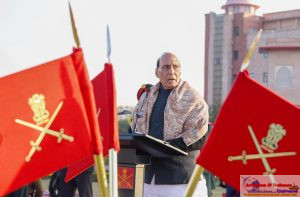
India’s Minister for External Affairs Dr. S. Jaishankar placed Mumbai’s commercial energy and cosmopolitan character at the heart of his remarks. Beyond finance, he described the city as a centre of entrepreneurship, research, technology, cinema and cultural exchange—a gateway deeply invested in relations with the United States.
He recalled historical connections ranging from the ice trade and Swami Vivekananda’s departure for Chicago to musical exchanges and contemporary business links. He also highlighted the reciprocal benefits of cooperation: American partnerships had contributed to India’s development, while Indian skills and talent had helped shape the technology era in the United States. Although the relationship had experienced differences, Jaishankar said it had steadily acquired new dimensions. He cited the Quad, Mission 500, Pax Silica and FORGE, alongside growing cooperation in energy, defence and civil aviation.
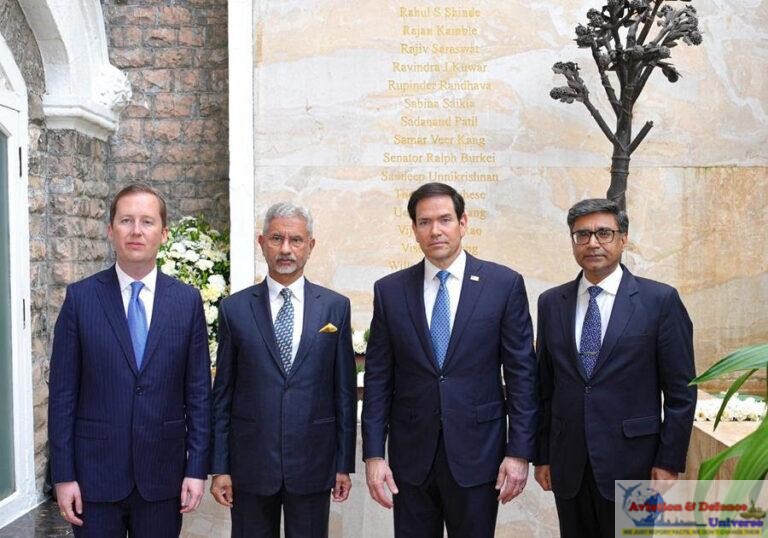
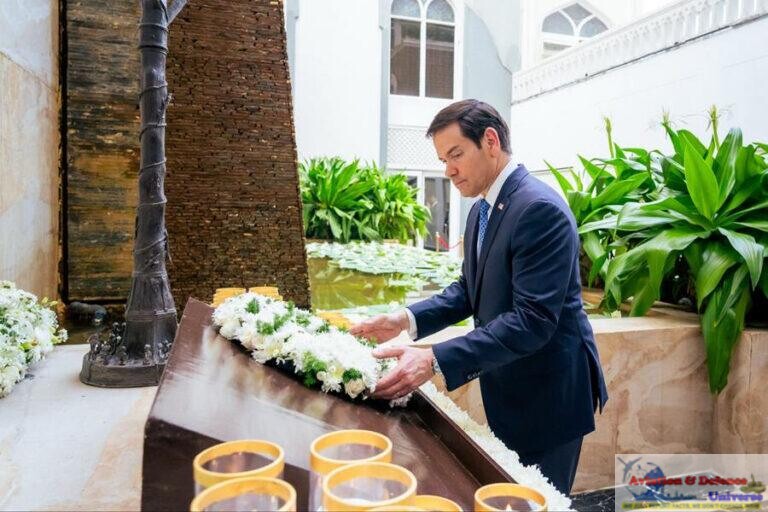
 Counterterrorism brought a particularly firm message. Thanking Rubio for laying a wreath at the Taj Hotel’s 26/11 memorial, Jaishankar recalled that six Americans had also died in the attacks. He welcomed the US administration’s decision to extradite Tahawwur Hussain Rana, whom he described as one of the key culprits. “We are clear on the right to defend ourselves against terrorism and expect that our partners show zero tolerance towards terrorism as well,” he asserted.
Looking ahead, Jaishankar emphasised that both countries would naturally pursue their national interests within a changing world order. “In such an era, expanding our convergence is key to deepening our ties,” he said. He identified further opportunities in trade, investment, technology and energy, while stressing the shared interest in Indo-Pacific peace and stability. Regular engagement and the identification of common interests, he argued, offered a practical route to stronger relations.
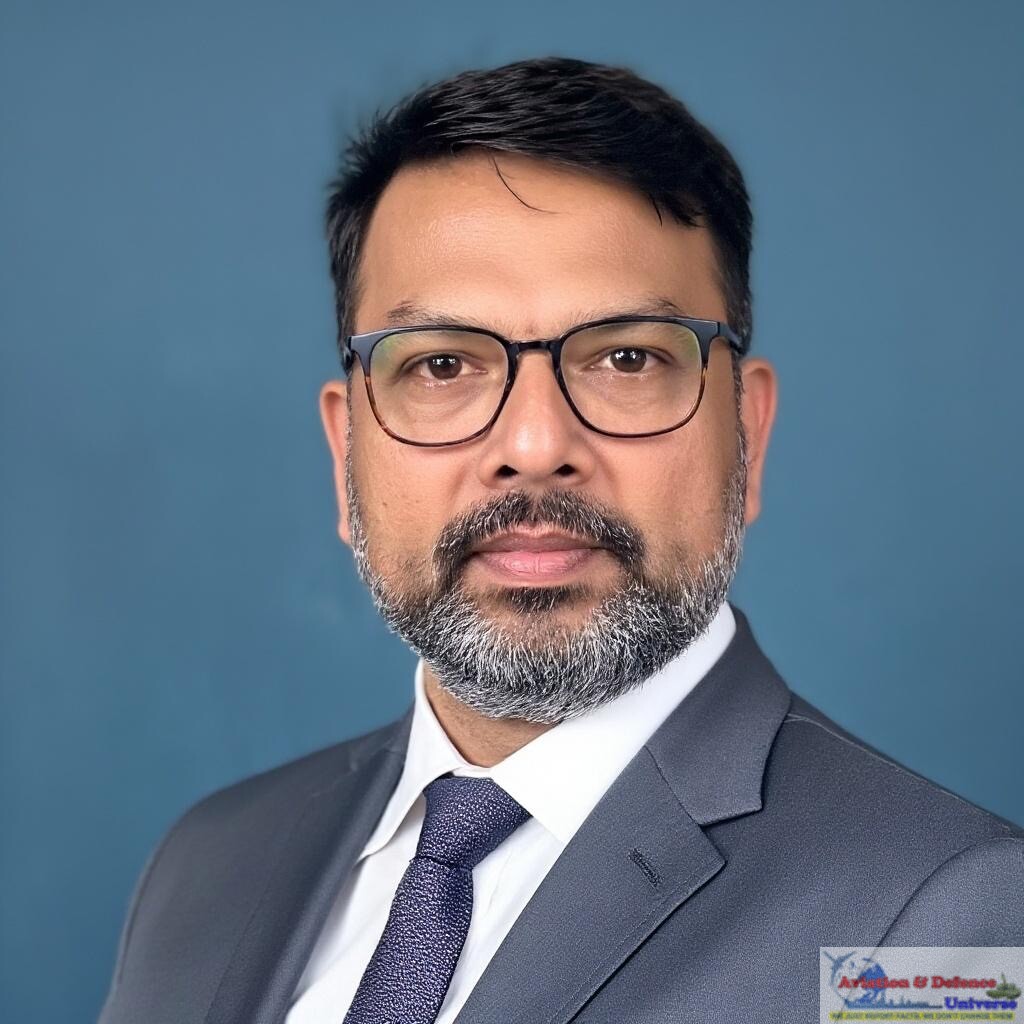
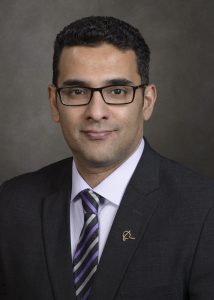
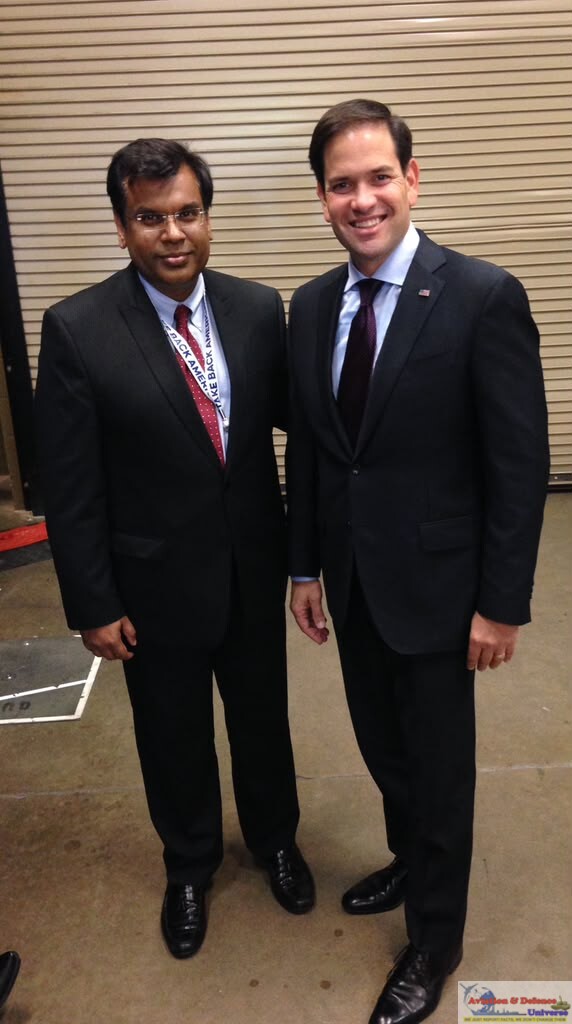 India’s relationship with US unmanned systems major General Atomics has become a significant element of bilateral defence cooperation, anchored by the procurement of 31 MQ-9B SkyGuardian and SeaGuardian remotely piloted aircraft for the three services, alongside arrangements for performance-based logistics and depot-level maintenance, repair and overhaul in India. The programme connects enhanced surveillance capabilities with domestic sustainment and industrial participation. in Reflecting on the wider partnership following his meeting in Mumbai, Dr Vivek Lall, Chief Executive, General Atomics Global Corporation, stated: “An honor as always to meet our outstanding Secretary of State and National Security Advisor Marco Rubio as well as our brilliant Ambassador Sergio Gor last night in Mumbai. The US India defense relationship has witnessed very significant growth. I am confident there are further huge strides that will be made in defense and nuclear energy in the future due to this most consequential bilateral relationship of the world’s largest and oldest democracies this century”
Rubio welcomed the presence of a bipartisan US congressional delegation and urged diplomats to recognise the long-term consequences of their work. Decisions on technology, commerce and geopolitics, he observed, would shape opportunities for generations yet to come.
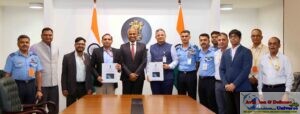
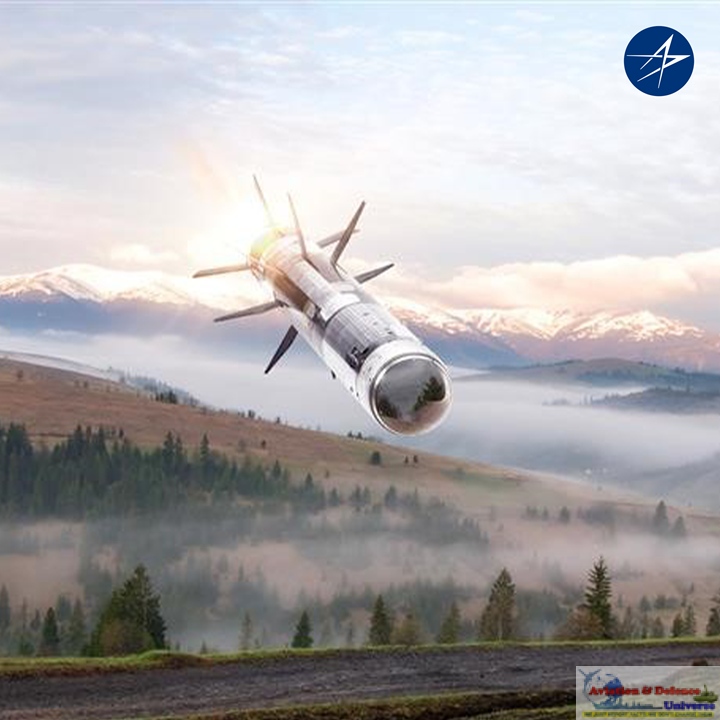 Another landmark development in 2026 in Indo-US relations is the Indian Army’s signing of a Letter of Offer and Acceptance (LOA) to purchase the Javelin anti-tank guided missile system through the US Foreign Military Sales process. The United States welcomed the milestone, which reflected the enduring partnership between the two countries’ armed forces and opened avenues for further defence industrial collaboration. US Ambassador to India Sergio Gor described the agreement as evidence of a defence partnership growing in depth, capability and significance. He said it demonstrated American support for the Indian Army and created opportunities for the two countries’ defence industries to work together, strengthening their respective industrial bases.
With the signing, India became a customer of Javelin, an advanced, medium-range, fire-and-forget anti-tank guided missile system designed to engage targets including armoured vehicles and fortified positions. The system was already in service with the US Army, US Marine Corps and numerous international customers. Produced by the Javelin Joint Venture, a partnership between RTX and Lockheed Martin, the system became another element of the US–India Major Defence Partnership. The LOA also opened discussions on mutually beneficial co-production and further opportunities to strengthen defence industrial cooperation between the two countries.
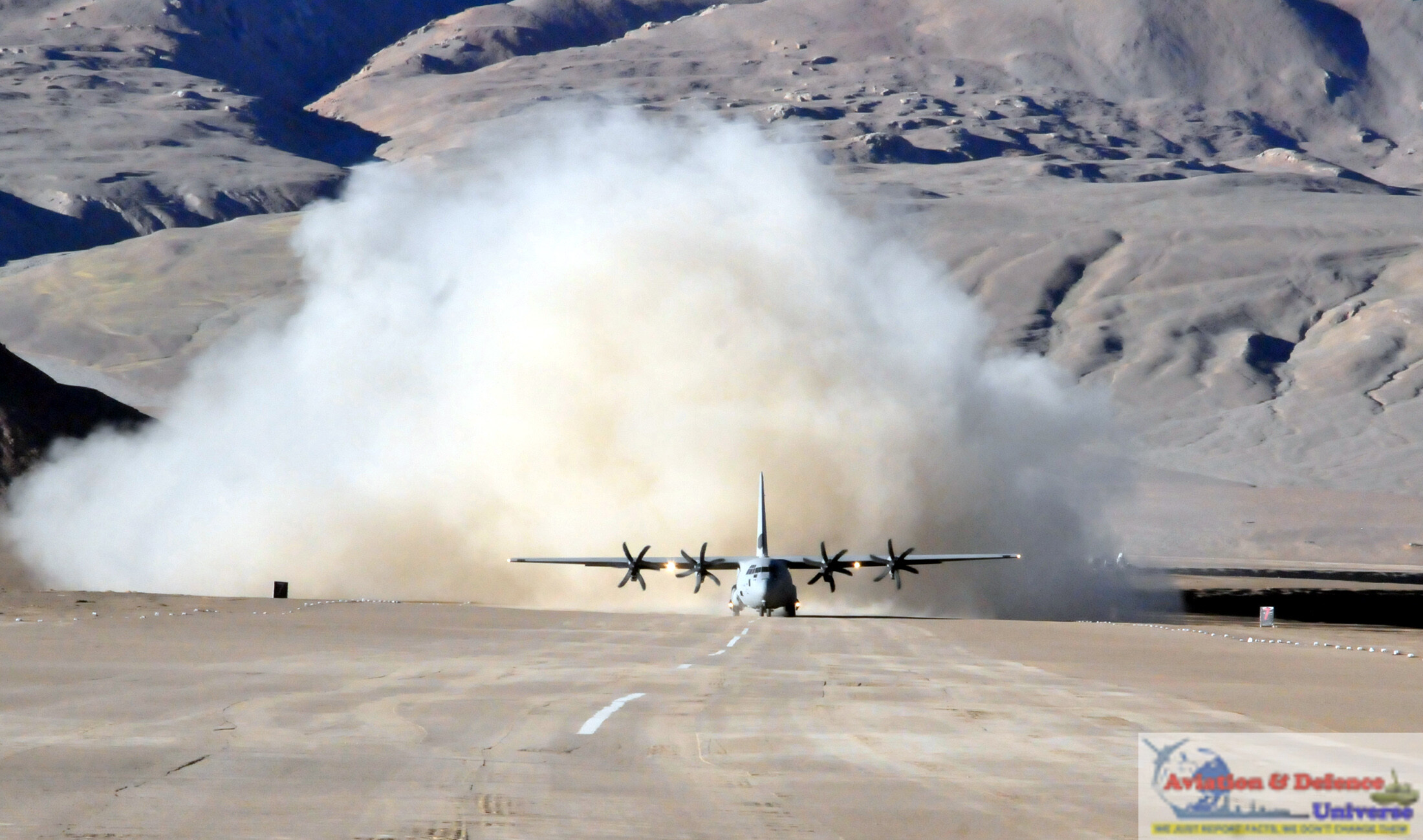
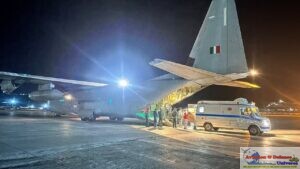
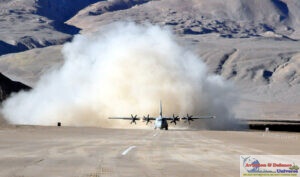
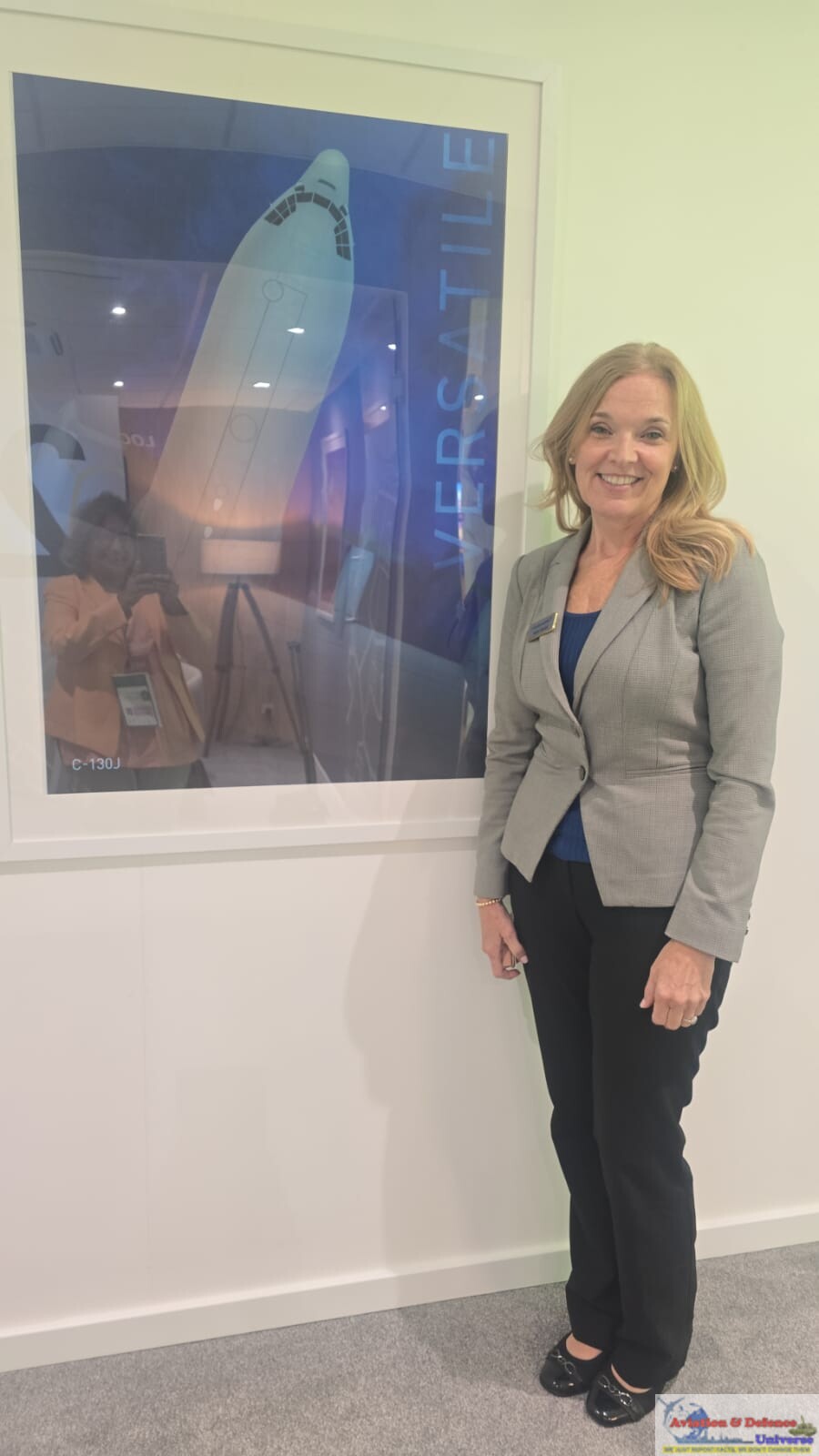 US aerospace major Lockheed Martin is offering its C-130J-30 Super Hercules for the Indian Air Force’s Medium Transport Aircraft (MTA) programme, building on the IAF’s experience with the platform and the company’s industrial partnership with Tata Advanced Systems. The proposal envisages expanded manufacturing and assembly in India, subject to government approvals, connecting the airlift requirement with opportunities for domestic aerospace production and sustainment. As its 94th anniversary celebrations continue, the IAF is set to showcase its aerial prowess over the Ganges in Varanasi on October 25, bringing the spectacle of Indian airpower to the historic riverfront. Marking the anniversary, Trish Pagan, Vice President of Lockheed Martin’s Air Mobility and Maritime Missions, said: “Congratulations to the Indian Air Force on its 94th Anniversary! Well-deserved recognition for a team that continually takes the C-130J-30 to record-breaking heights. Your enduring courage, innovation, and partnership deserve our celebration. As we honor your remarkable legacy, we reaffirm our shared commitment to achieving new milestones together and delivering help, hope, and capability to the world for generations to come.”
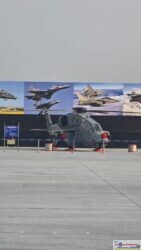
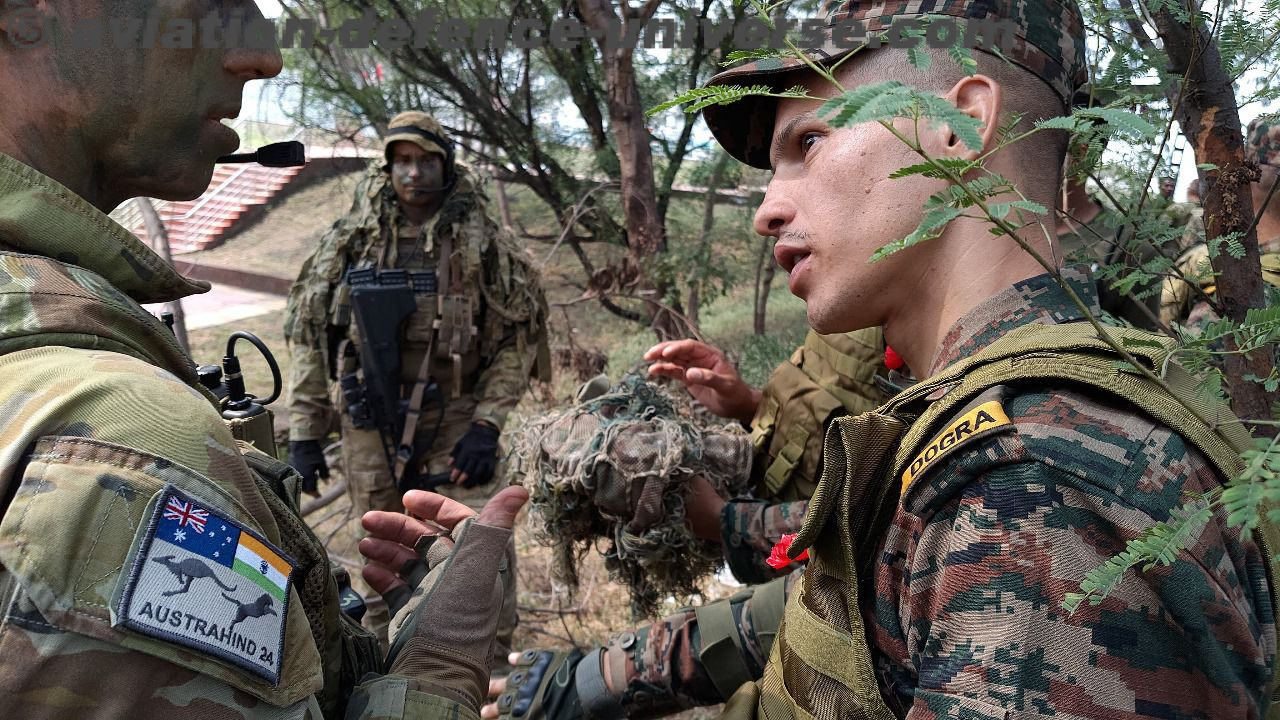
India–US defence ties have gained substance through procurements that support all three Indian services. For the Indian Air Force, C-17 Globemaster III and C-130J Super Hercules transport aircraft, Apache attack helicopters and Chinook heavy-lift helicopters have strengthened airlift, mobility and combat capabilities. The Indian Army’s M777 ultra-light howitzers have added artillery options suited to demanding terrain, while its Apache acquisition extends the relationship into dedicated aviation support. For the Indian Navy, P-8I maritime patrol aircraft and MH-60R helicopters underpin maritime surveillance and anti-submarine warfare. The contracted MQ-9B programme, spanning the Navy, Army and Air Force, adds a further dimension to this partnership. Together, these acquisitions highlight the growing importance of sustained training, maintenance, logistics and Indian industrial participation in translating American platforms into dependable Indian military capability.
 India–US ties have shown an ability to withstand differences while expanding cooperation where national interests converge. Trade friction, energy choices and differing geopolitical approaches can test the relationship, but defence collaboration, technology partnerships, investment and people-to-people connections provide reasons to sustain engagement. The task for both countries is to manage disagreements with candour and turn shared priorities into dependable outcomes. The strength of this partnership will be measured by its ability to keep building trust, capability and opportunity through the difficult conversations as well as the easy ones.
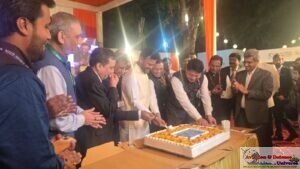
Closing the evening with a toast, Gor expressed confidence that the future could build on the achievements being celebrated. He invited guests to raise their glasses to America’s next 250 years. The reception’s strongest message extended beyond the anniversary: India and the United States have substantial opportunities to build together, even as each protects its own interests. From technology and trade to secure sea lanes and action against terrorism, the partnership’s next chapter will depend on turning convergence into consistent cooperation—and ambition into results.