















- Build, Test, Refine: Eastern Command Opens Its Doors to Indian Defence Innovators
- An Eastern Defence Industrial Corridor: Army Commander Puts Forward a New Vision
- “Come to the Operational Terrain”: Eastern Army Commander Invites Industry to Test and Deliver
By Sangeeta Saxena
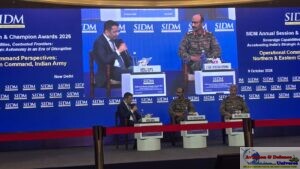
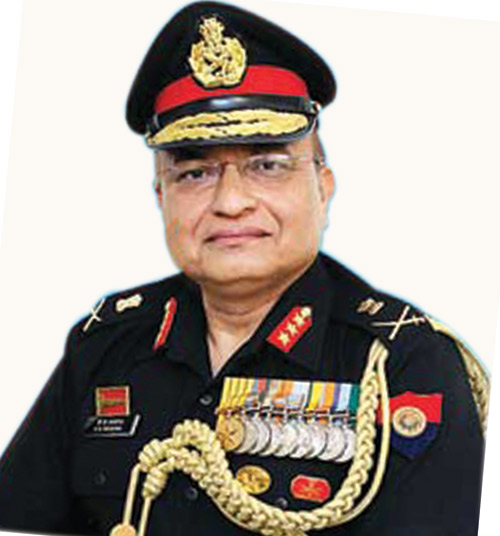
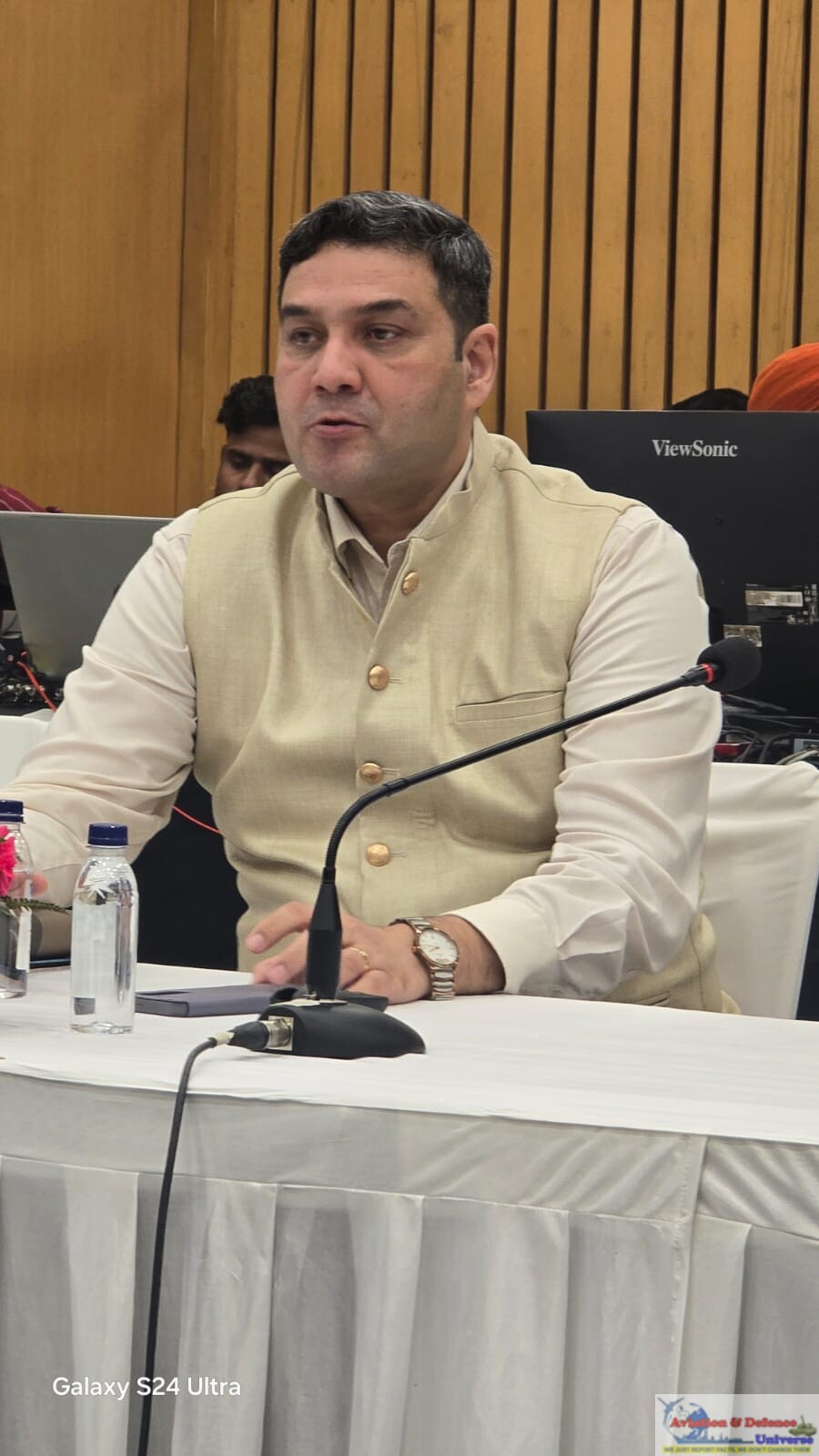
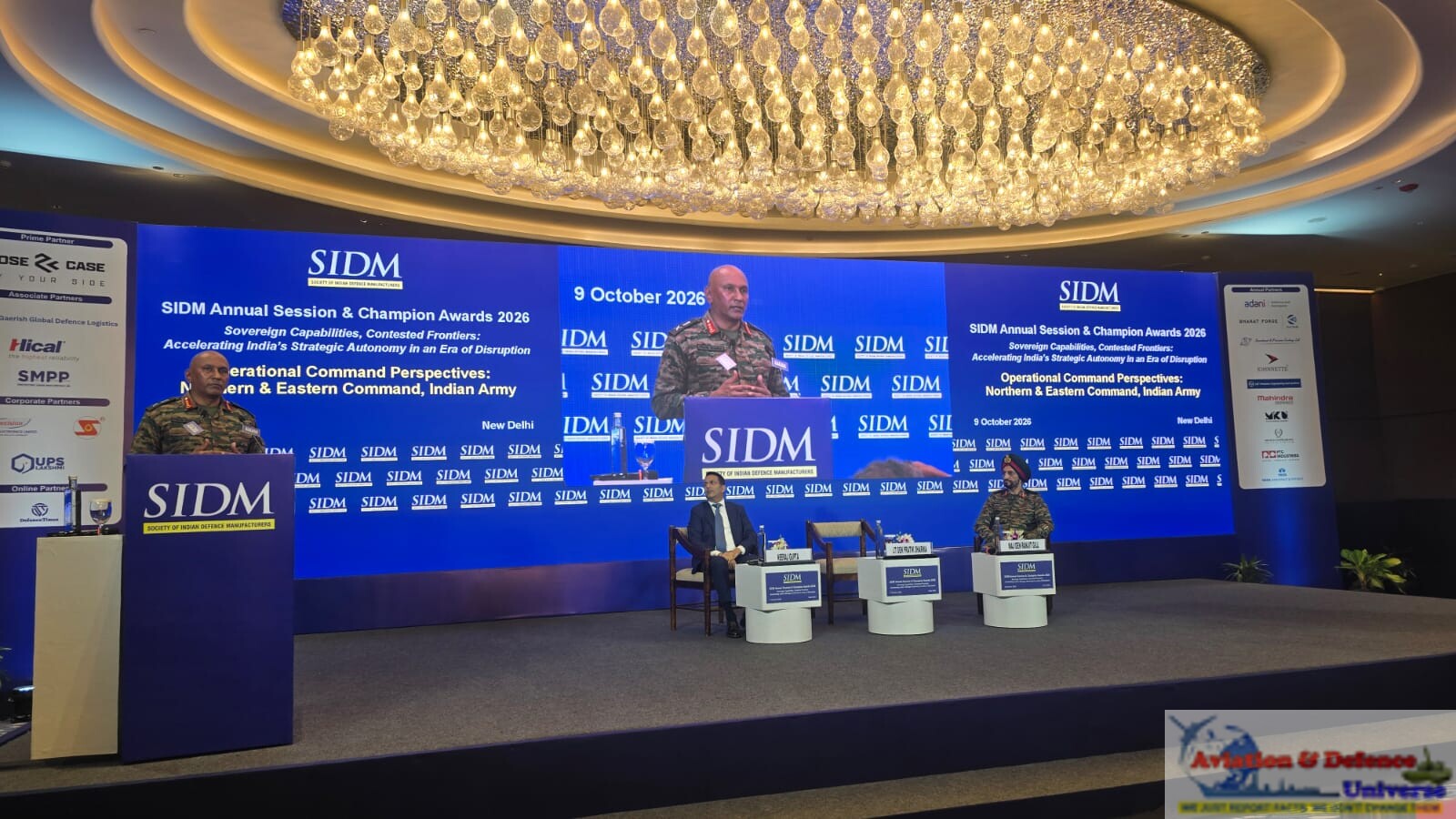
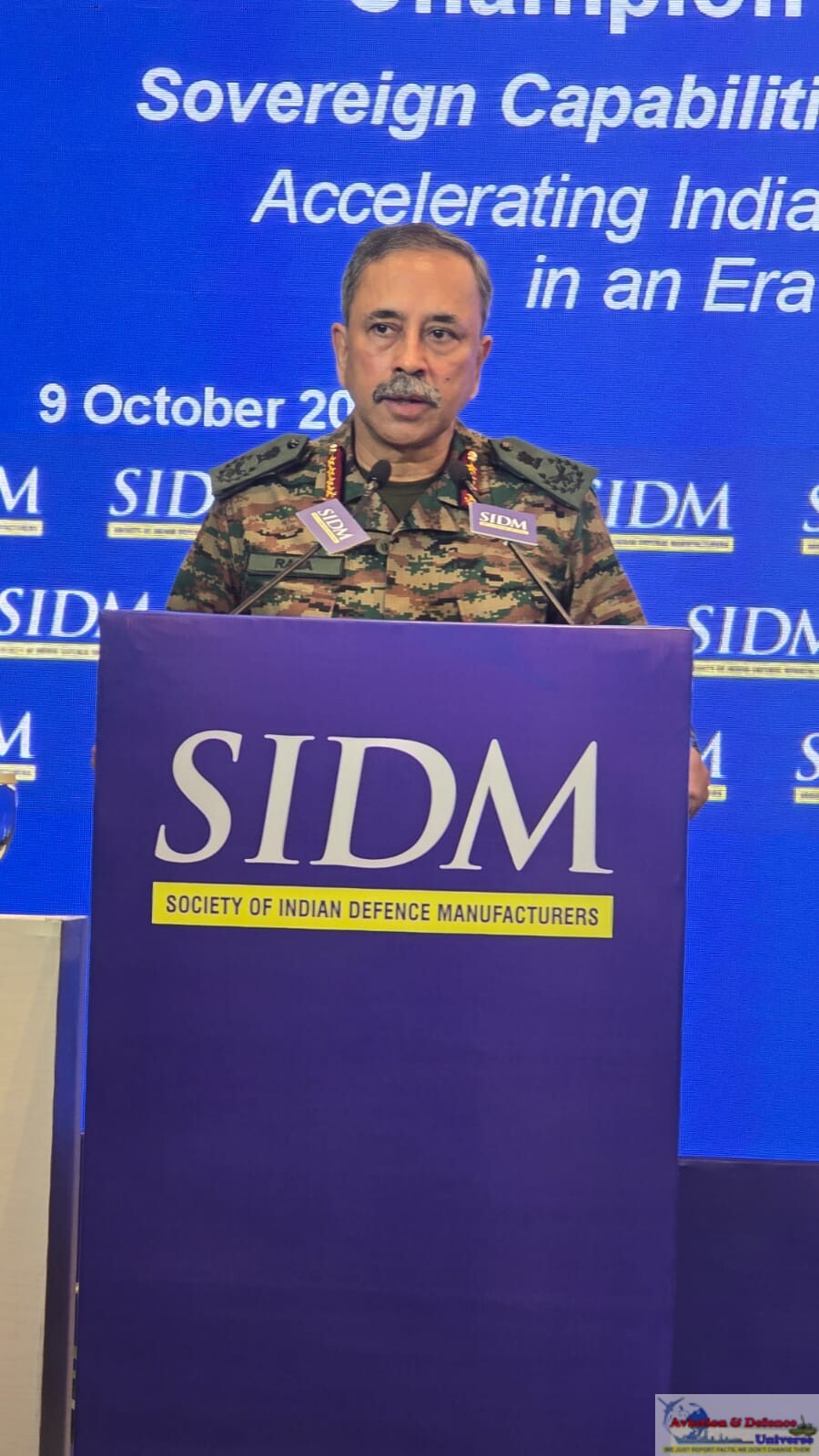
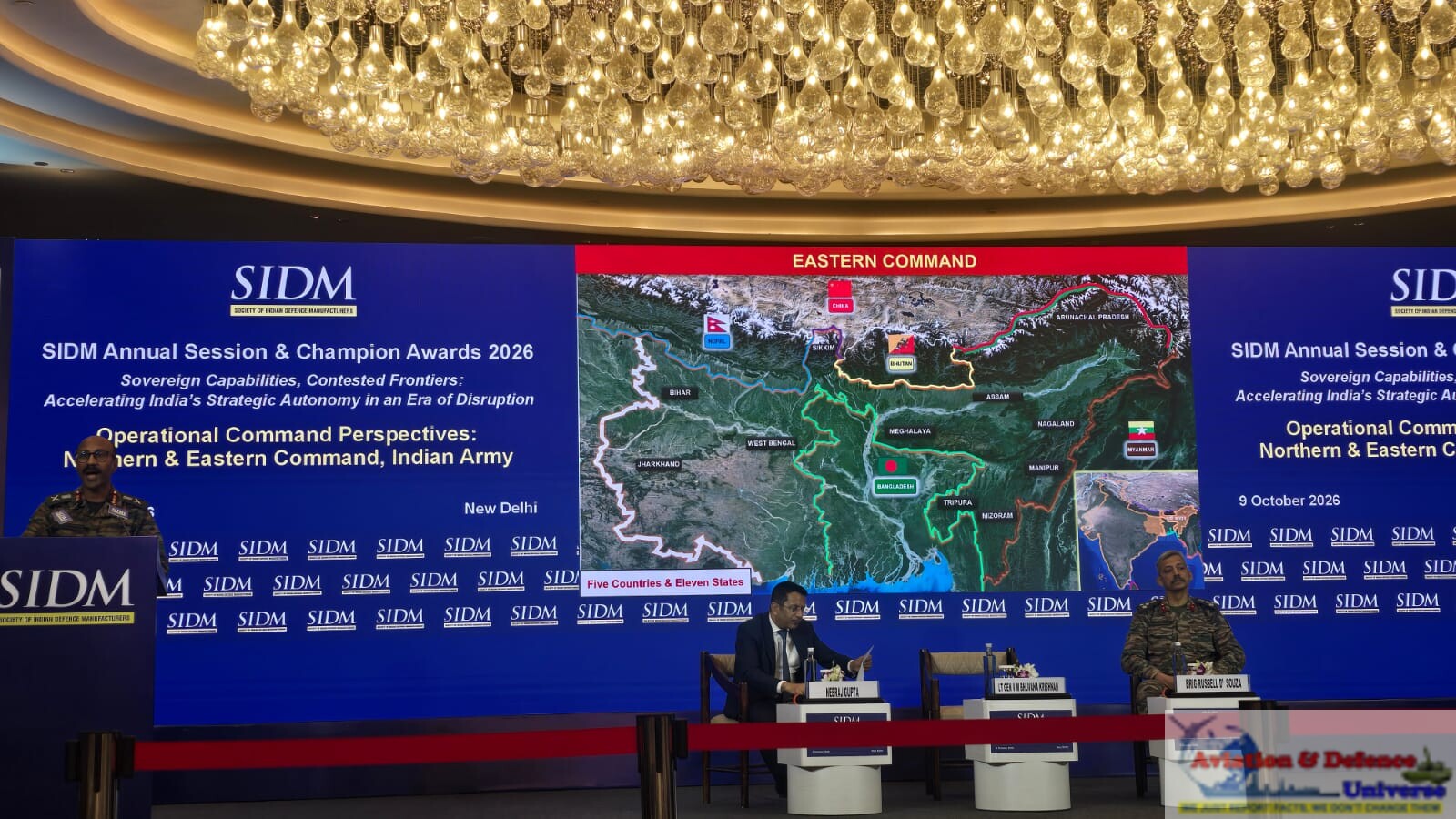
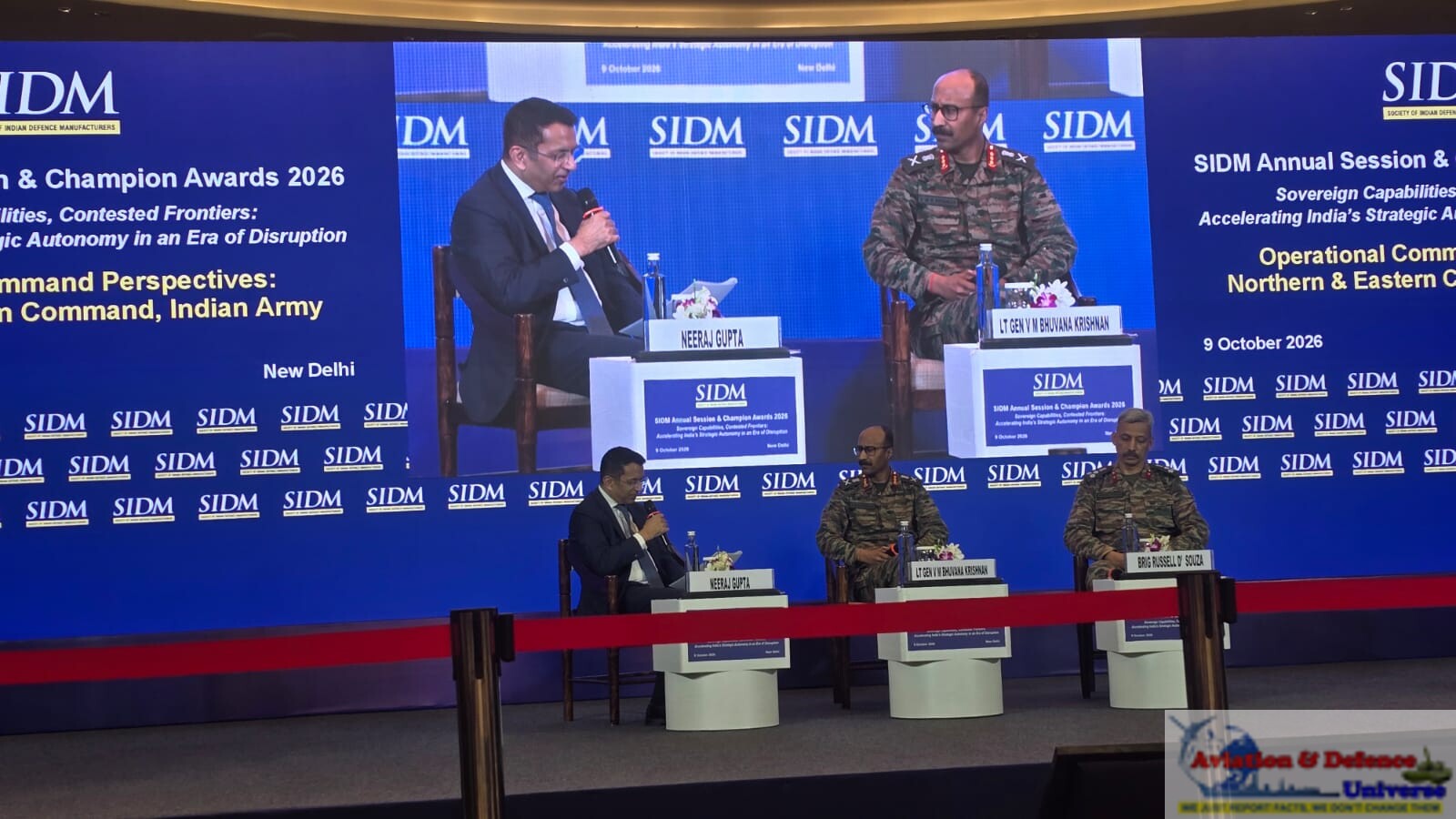
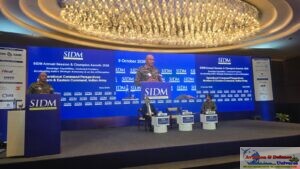
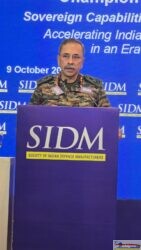
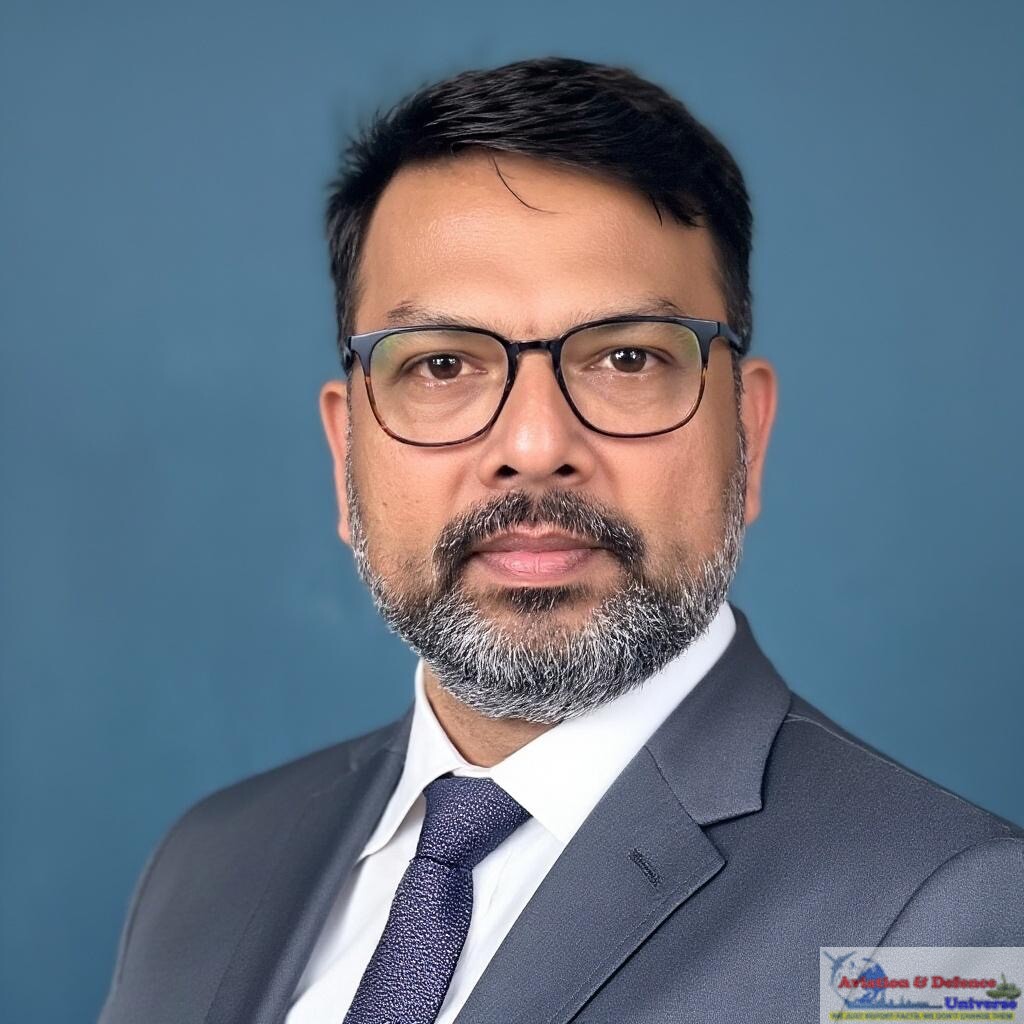
New Delhi. 09 October 2026. A defence product’s performance on a demonstration ground does not guarantee its effectiveness in a high-altitude post or a dense jungle. Bringing that distinction into focus at SIDM’s Annual Conclave and Awards, Lt General V. M. Bhuvana Krishnan, General Officer Commanding-in-Chief, Eastern Command, invited Indian manufacturers to work directly with soldiers, evaluate equipment in operational terrain and use their experience to refine designs before formal trials.
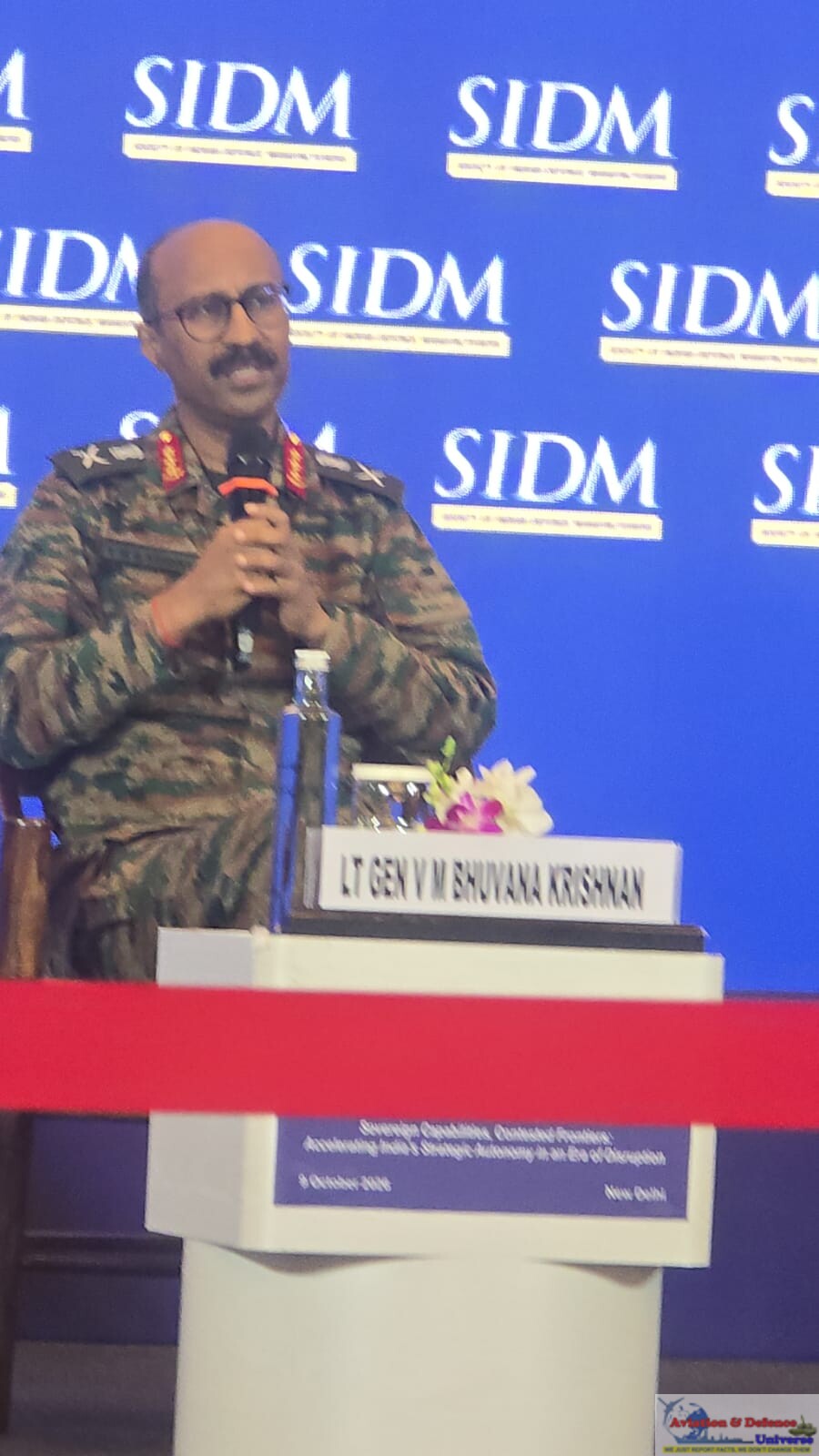 His message combined an offer of partnership with a clear expectation of preparation. Industry needed to understand the environment in which its equipment would serve, arrive with adequate engineering support and remain responsive to feedback. The Army, in turn, had a responsibility to understand the risks and challenges manufacturers faced.
The Commander also advanced a wider industrial proposition: SIDM and industry could champion an Eastern Defence Industrial Corridor, connecting manufacturing and innovation centres across eastern and northeastern India. He presented the idea as a proposal for policy advocacy, rather than an approved government project.
Bringing operational users and innovators together
Lt Gen Bhuvana Krishnan described deeper engagement with industry and academia as an important complement to the Army’s central capability-development mechanisms.
Priority areas included unmanned aerial systems and counter-UAS capabilities, electronic warfare, weapons, force protection, intelligence, surveillance and reconnaissance, mobility and counter-mobility, communications and training aids.
The objective was to connect technological development with requirements emerging from formations and troops. Regular interactions, industry visits and command-level initiatives helped manufacturers understand what soldiers needed, while exposing operational users to the capabilities Indian companies could offer.
He acknowledged the progress made over the past decade, while emphasising that the relationship could become more effective through sustained, transparent engagement.
East Tech: building understanding beyond major industrial centres
Reflecting on the inaugural East Tech symposium in Kolkata in 2022, organised in partnership with SIDM, the Commander recalled initial questions about the need for a separate command-level technology event.
At the time, his formation had been tasked with organising it. By the end of the two-day event, he said, its value had become apparent: officers and troops gained a clearer understanding of industry’s offerings, and manufacturers learned more about the Army’s requirements.
Subsequent editions took the engagement to Guwahati and Ranchi, providing opportunities for MSMEs, start-ups and academic institutions in other cities to demonstrate their technologies.
This wider geographical reach mattered. It brought potential suppliers closer to users and allowed troops outside the principal exhibition centres to see emerging solutions firsthand.
Moving from exhibitions to field evaluation
Eastern Command followed the symposiums with no-cost, no-commitment demonstrations at different locations. However, the experience highlighted a need for more centralised demonstrations and preliminary evaluation.
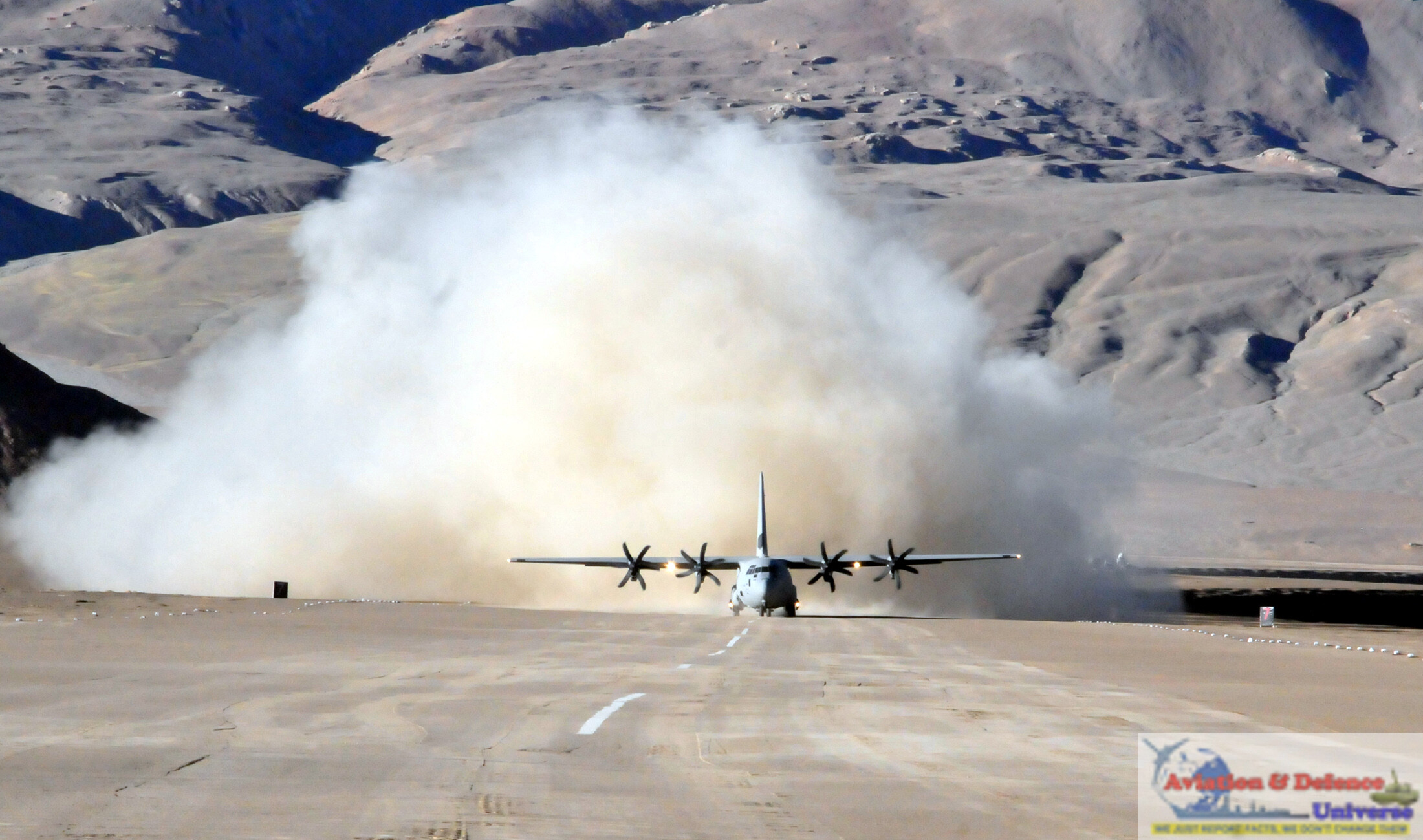
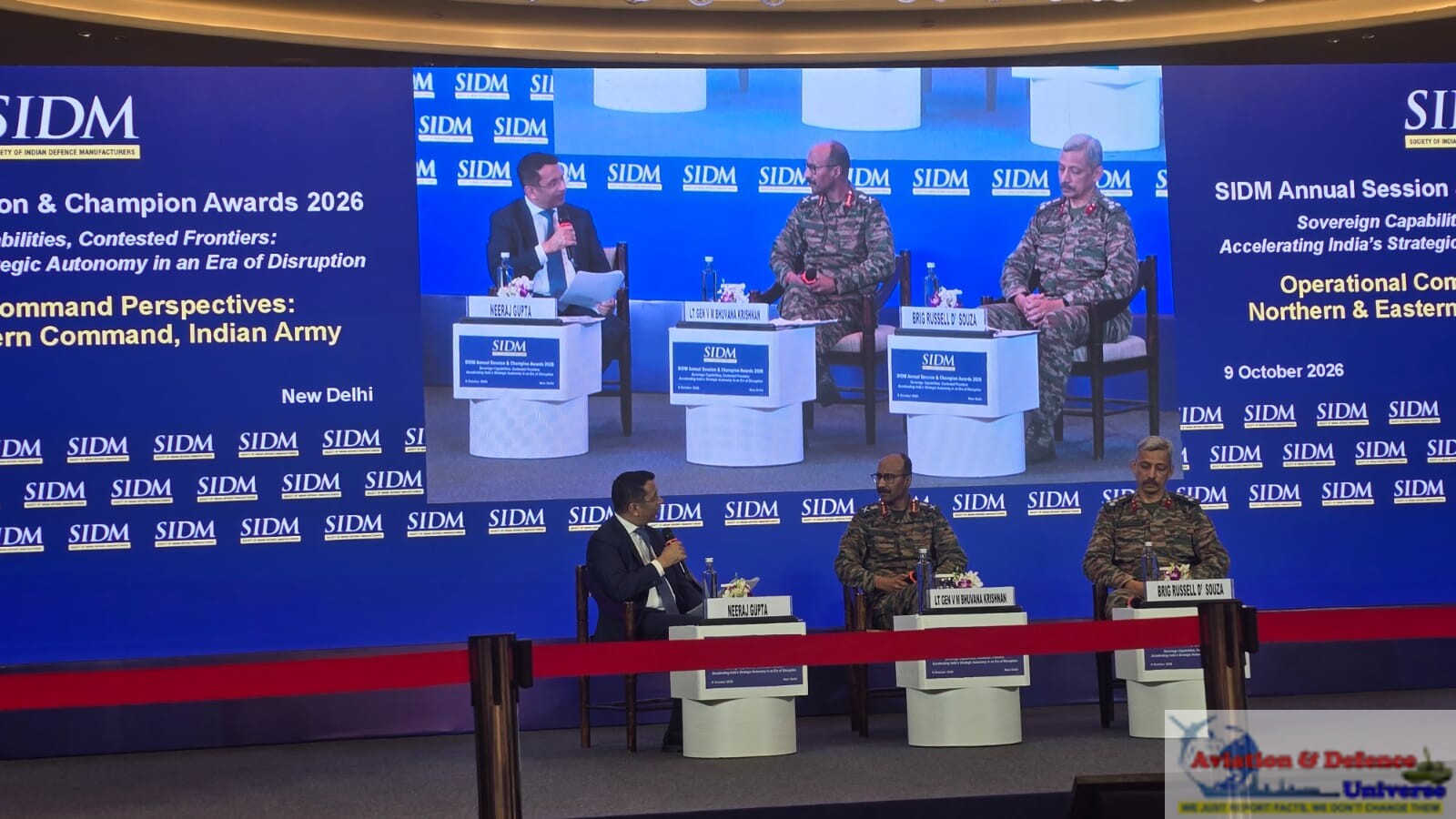 The Commander described a high-altitude evaluation initiative conducted in East Sikkim in early winter in 2025, involving 51 firms and 102 products. Its purpose was to move beyond an exhibition setting and assess equipment under more demanding conditions.
He also outlined an ongoing operationally oriented evaluation exercise in Arunachal Pradesh, involving 75 industry partners and 103 products across multiple domains.
These platforms, he explained, allowed manufacturers to identify shortcomings and improve their products through contact with the environment and its users.
The ultimate measure of success was tangible: procurement orders for industry, enhanced capability for the Army, employment for skilled young people and growth of India’s defence manufacturing base.
A practical invitation to industry
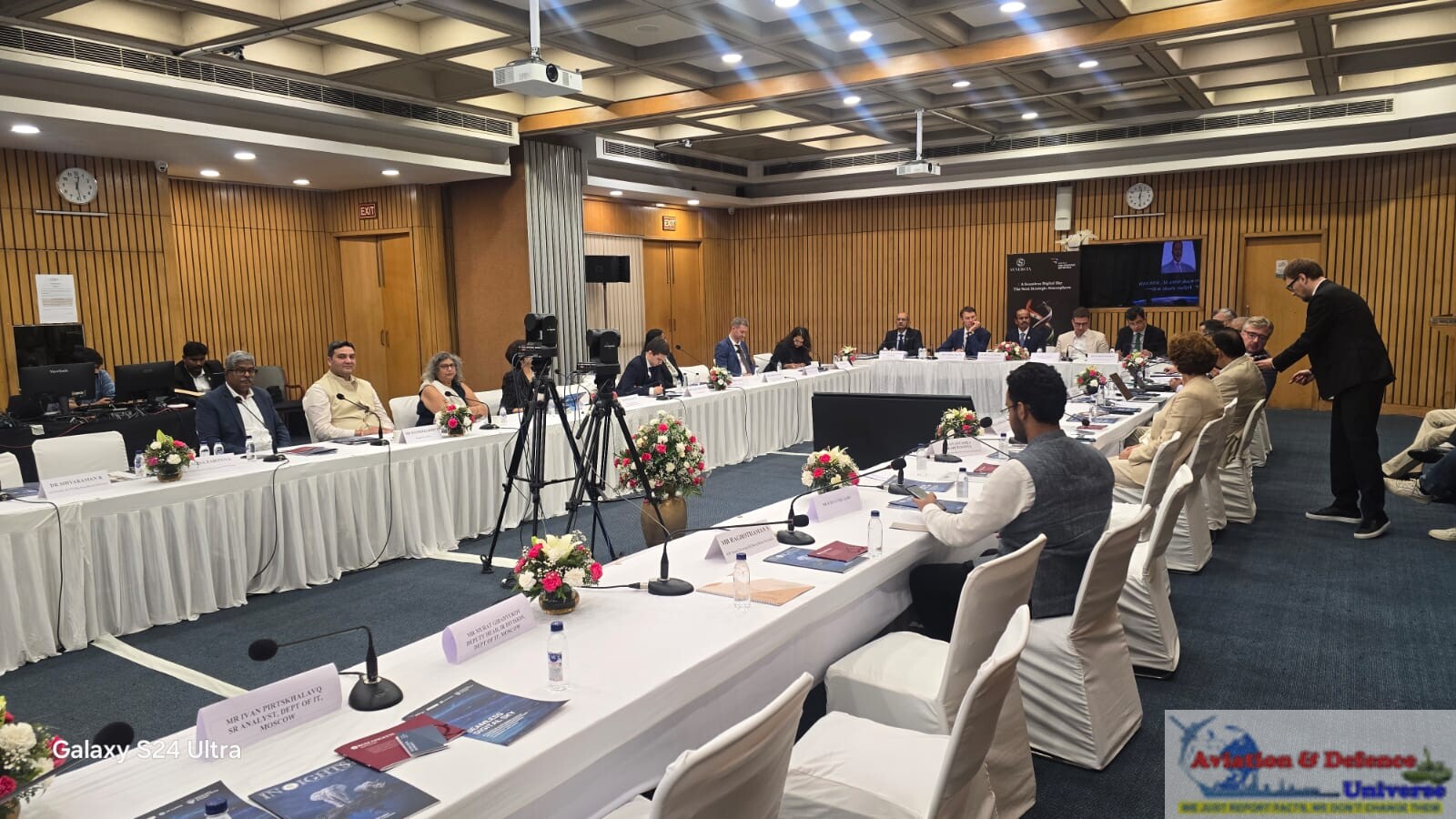
During the discussion, the moderator raised a difficulty faced by manufacturers: meaningful preliminary testing of military equipment often required access to Army terrain and facilities.
The Commander responded with an open invitation to coordinate with Eastern Command’s capability-development staff and identify suitable locations for evaluation.
He referred to the variety of environments available within the command—from counter-insurgency and 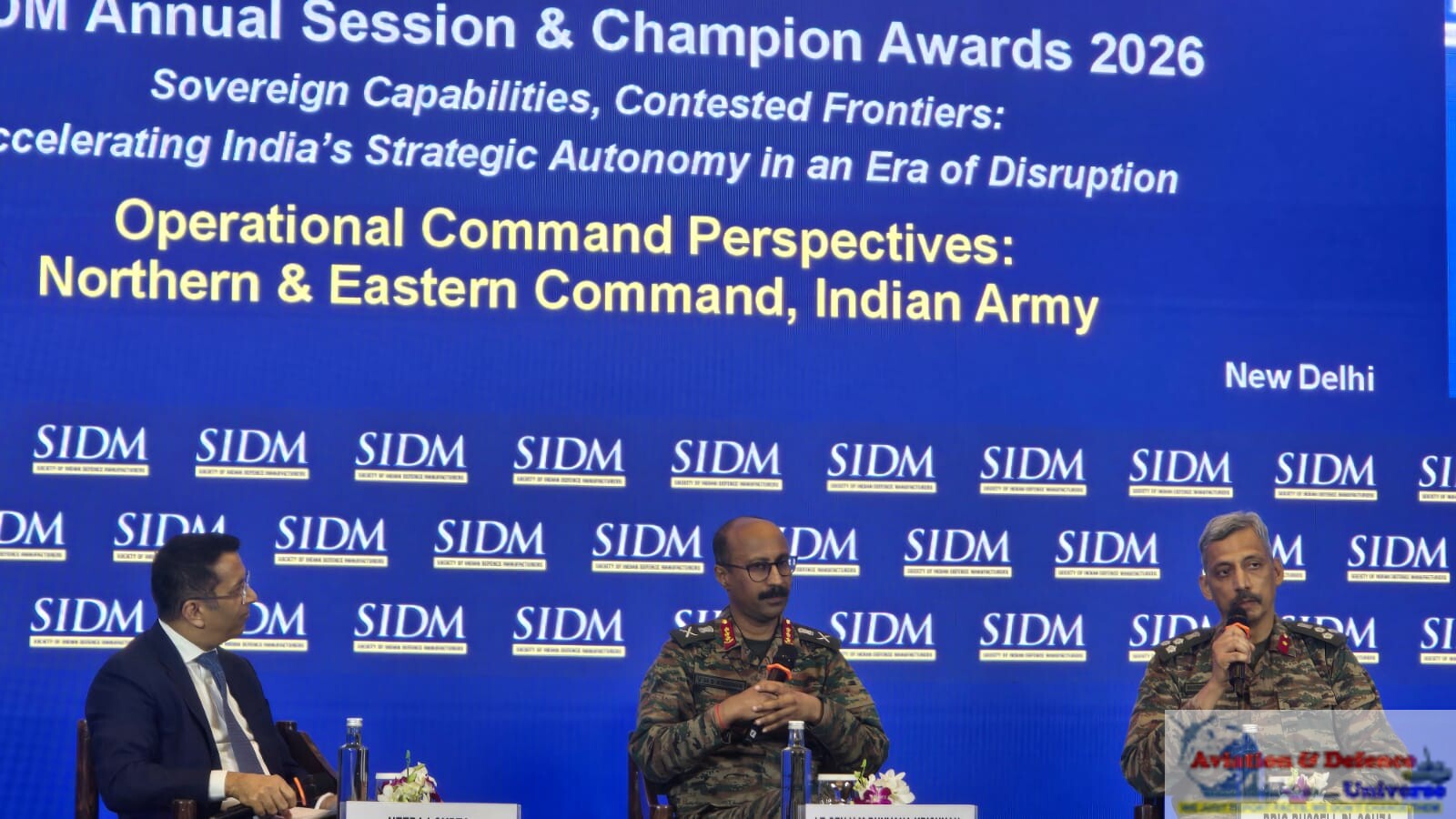 counter-terrorism operating areas in Manipur and Nagaland to the high-altitude sectors of Sikkim and Tawang, and the dense jungles of Arunachal Pradesh.
Equipment proven in the plains of Ukraine or the urban environment of Gaza, he cautioned, might not deliver the same results in India’s mountains and forests. Lessons from foreign conflicts remained relevant, but products needed validation against local conditions.
His proposed approach was iterative: visit forward areas, conduct preliminary tests, interact with troops, collect feedback and return to modify, improve or redesign the equipment before formal evaluation.
Better preparation for trials
Asked what industry could do to improve trials, inspection and acceptance, Lt Gen Bhuvana Krishnan stressed the importance of a sound plan.
“Sufficient pre-trial testing is very vital before the industry comes over for trials,” he said.
Manufacturers should also bring an adequate technical team to the site. Engineers needed to observe performance, understand deficiencies and address problems as quickly as possible.
The combination of preparation and on-site support could make trials more productive. It would help companies learn from observations and reduce delays caused by arriving with equipment insufficiently tested for the conditions.
The capability-development representative participating in the discussion reinforced this point. Field demonstrations offered an opportunity to understand shortcomings and undertake product improvement, rather than merely showcase a finished system.
Maintaining a continuous channel of engagement
The session highlighted Eastern Command’s regional technology interface in Kolkata as a channel through which industry could engage with the Army.
Manufacturers were also encouraged to maintain contact with relevant technical directorates at Army Headquarters, including those dealing with signals, engineers and other equipment domains. Such engagement could help companies obtain technical guidance and improve their solutions.
The Commander emphasised that productive collaboration depended on repeated interaction. A single presentation or exhibition meeting could not substitute for understanding the user’s requirement and 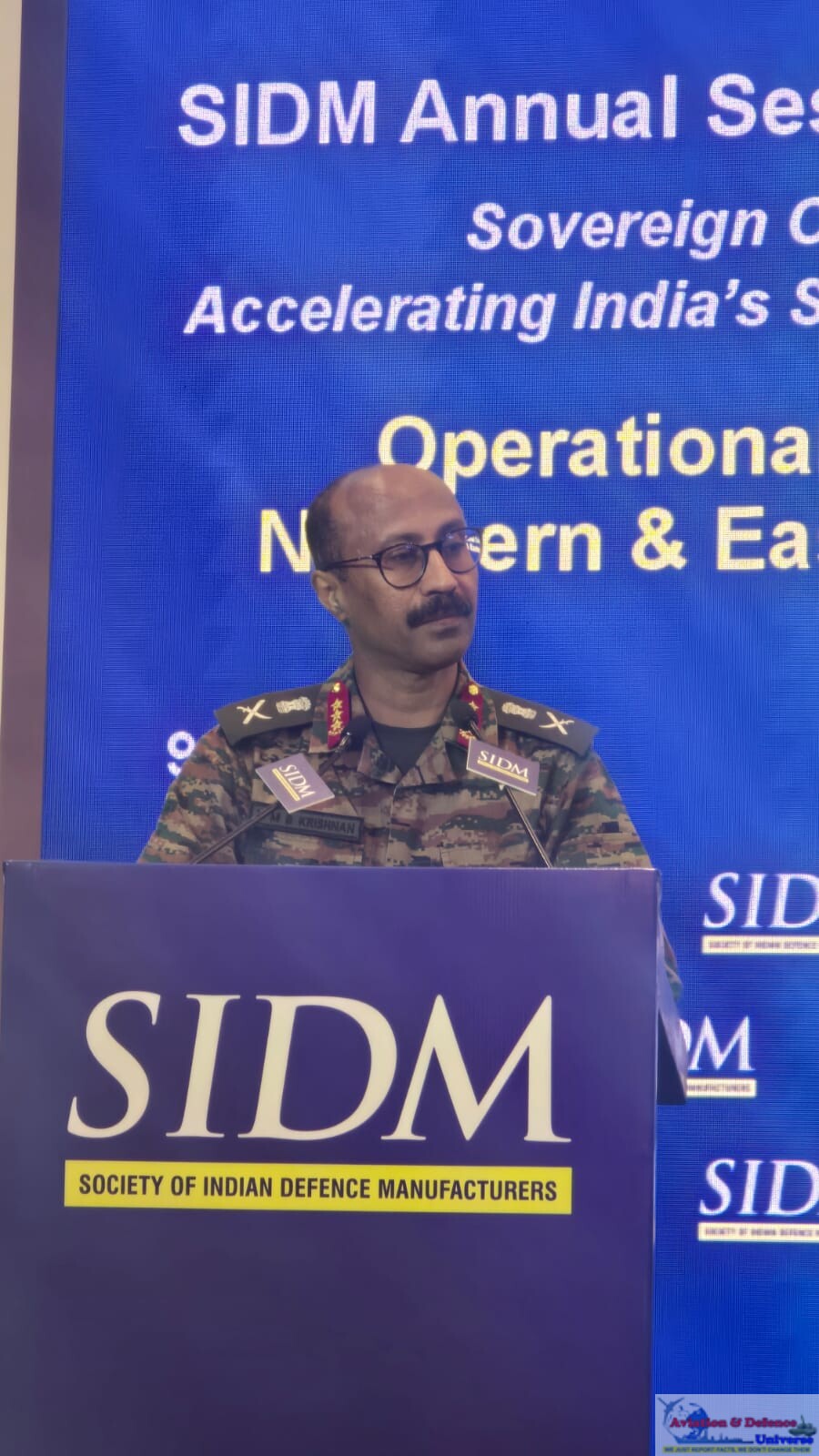 following through on feedback.
He also recognised the commercial uncertainty involved. Industry invested money, time and effort without any guarantee of success or orders. The Armed Forces, he said, needed to appreciate those challenges just as manufacturers needed to understand operational demands.
Greater transparency and closer dialogue would benefit both sides.
Showcasing Indian technology to foreign partners
Lt Gen Bhuvana Krishnan pointed to multinational military exercises as another opportunity for Indian manufacturers.
He cited Exercise Pragati, held at Umroi near Shillong in May, which he said involved 15 friendly foreign countries and 415 foreign military personnel. Participants had opportunities to see Indian technologies demonstrated by industry.
Senior military representatives from participating countries also witnessed the exercise, providing an additional platform for engagement.
Such exposure allowed companies to demonstrate their products to international military users in a practical setting. It complemented the domestic objective of strengthening the Army’s capabilities while creating opportunities for broader interest in Indian equipment.
Citizen-soldiers and niche innovation
The Commander also referred to the Territorial Army 2.0 symposium held in Kolkata in August.
He described the Territorial Army’s evolving contribution to innovation and niche capabilities through partnerships connecting citizen-soldiers, industry and the military.
The initiative illustrated a wider theme running through his address: capability development could draw on expertise across the national ecosystem, including businesses, academic institutions and professionals serving through the Territorial Army.
An industrial vision for eastern India
One of the session’s most significant proposals was the call for industry and SIDM to advocate an Eastern Defence Industrial Corridor. The Commander outlined a network encompassing Ranchi, Patna, Bhubaneswar, Kolkata, Durgapur, Siliguri, Guwahati, Jorhat and Dibrugarh.
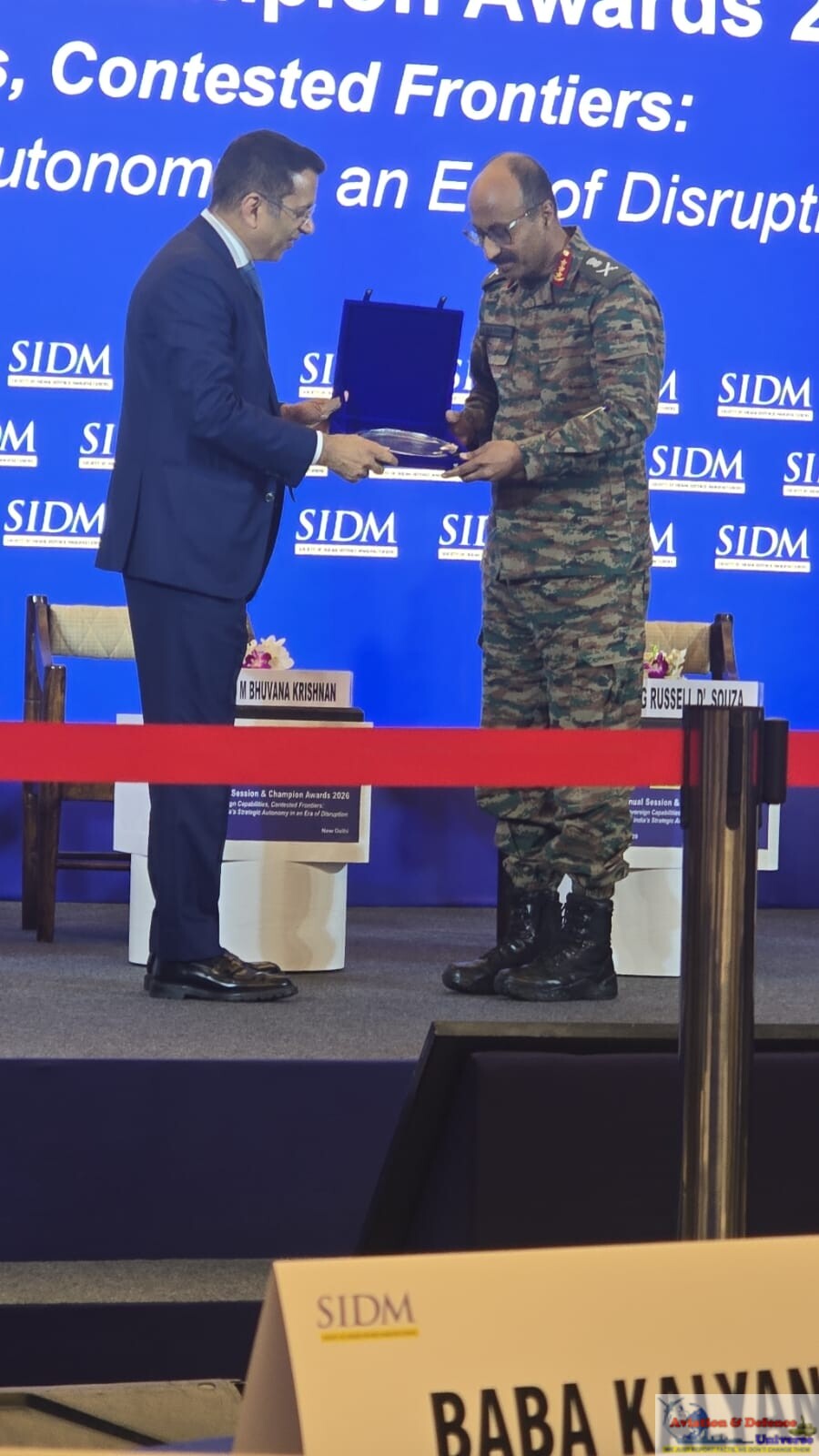 The eastern part of the country, he suggested, could become a major centre of industrial and defence manufacturing growth. His proposal sought to connect the region’s potential with the operational demand and opportunities for collaboration available through Eastern Command.
The idea remained an advocacy proposal. Nevertheless, it broadened the discussion from individual equipment requirements to the geographical development of India’s defence industrial base.
Partnership measured through performance
Concluding his address, Lt Gen Bhuvana Krishnan called for deeper synergy, stronger partnerships and greater investment by industry and academia to help the Army remain ahead of technological change.
Eastern Command, he said, was ready to partner with manufacturers and provide opportunities to evaluate products in actual operational terrain—supporting the ambition to design, develop and manufacture for the Indian Army and the world.
The Commander’s invitation was practical and direct: come to the terrain, learn from the soldier and improve the product. For industry, the opportunity extends from field evaluation to a larger role in building eastern India’s defence manufacturing capacity. Its success will depend on sustained engagement and equipment that earns the user’s confidence through performance.
 The Indian Army’s Eastern Command stands at a strategic crossroads where border defence, regional diplomacy and connectivity converge. China’s claims over Arunachal Pradesh and the security challenges along the eastern Himalayan frontier demand vigilance, credible deterrence and dependable logistics. Developments around Bhutan, particularly Doklam, carry implications for the approaches to the Siliguri Corridor, while Nepal’s proximity forms part of the wider regional setting in which India must preserve cooperative relations and secure connectivity. Along Myanmar—formerly Burma—instability and a difficult, porous border complicate security in the Northeast, requiring coordination with other security agencies. These neighbours present distinct relationships and challenges, making Eastern Command’s role broader than guarding territory: it must sustain operational readiness, support regional stability and help safeguard the lifelines connecting the Northeast with the rest of India.




































































-A4-Size-(2)_page-0001.jpg)