













- 700 Companies, 400 Startups: India’s Space Industry Eyes Deeper Russia Connect
- Launch Together, Build Together: Anil Prakash’s Vision for India-Russia Space Cooperation
- Old Trust, NewSpace: Calls for a New India-Russia Space Compact
By Sangeeta Saxena
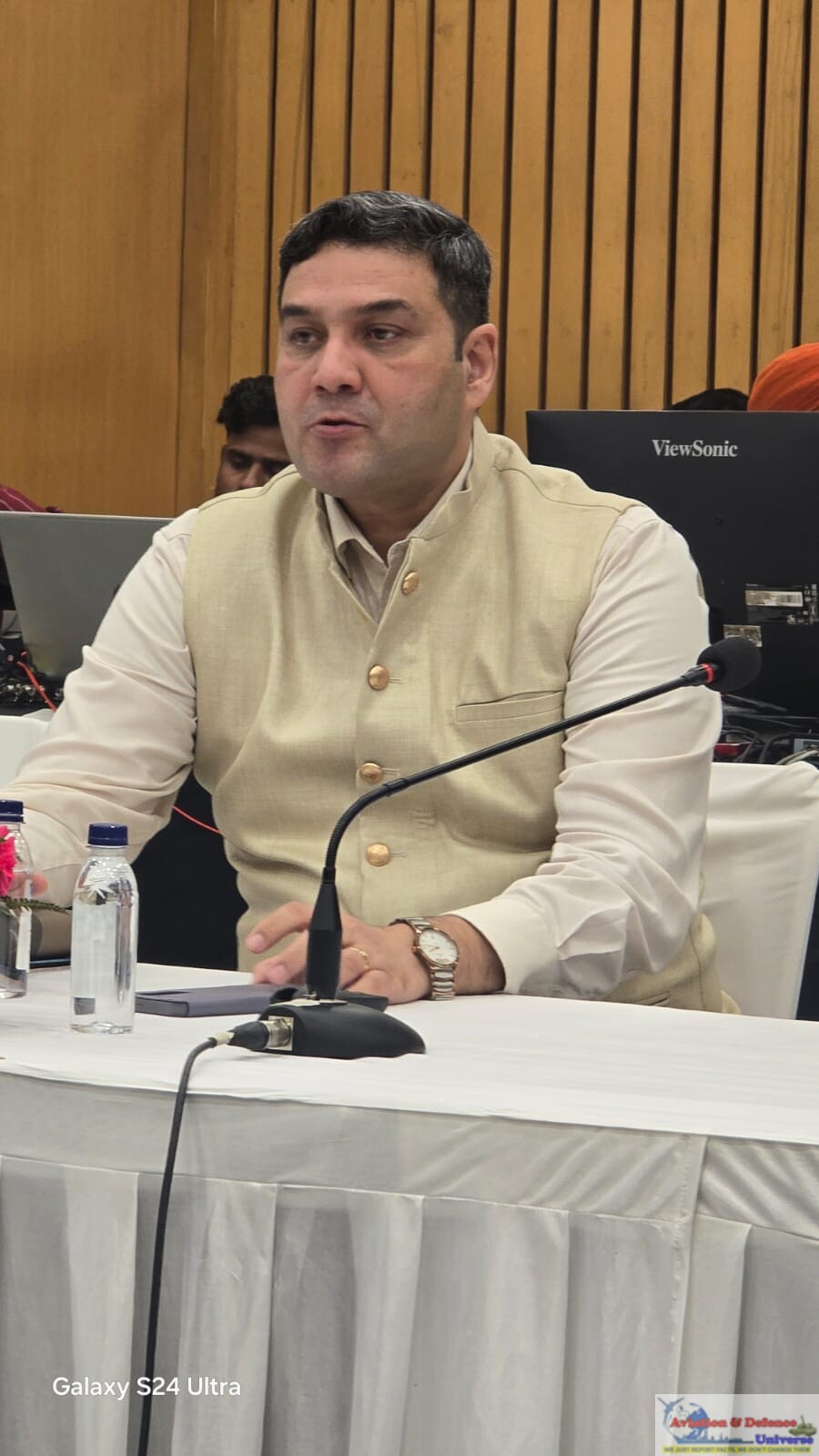
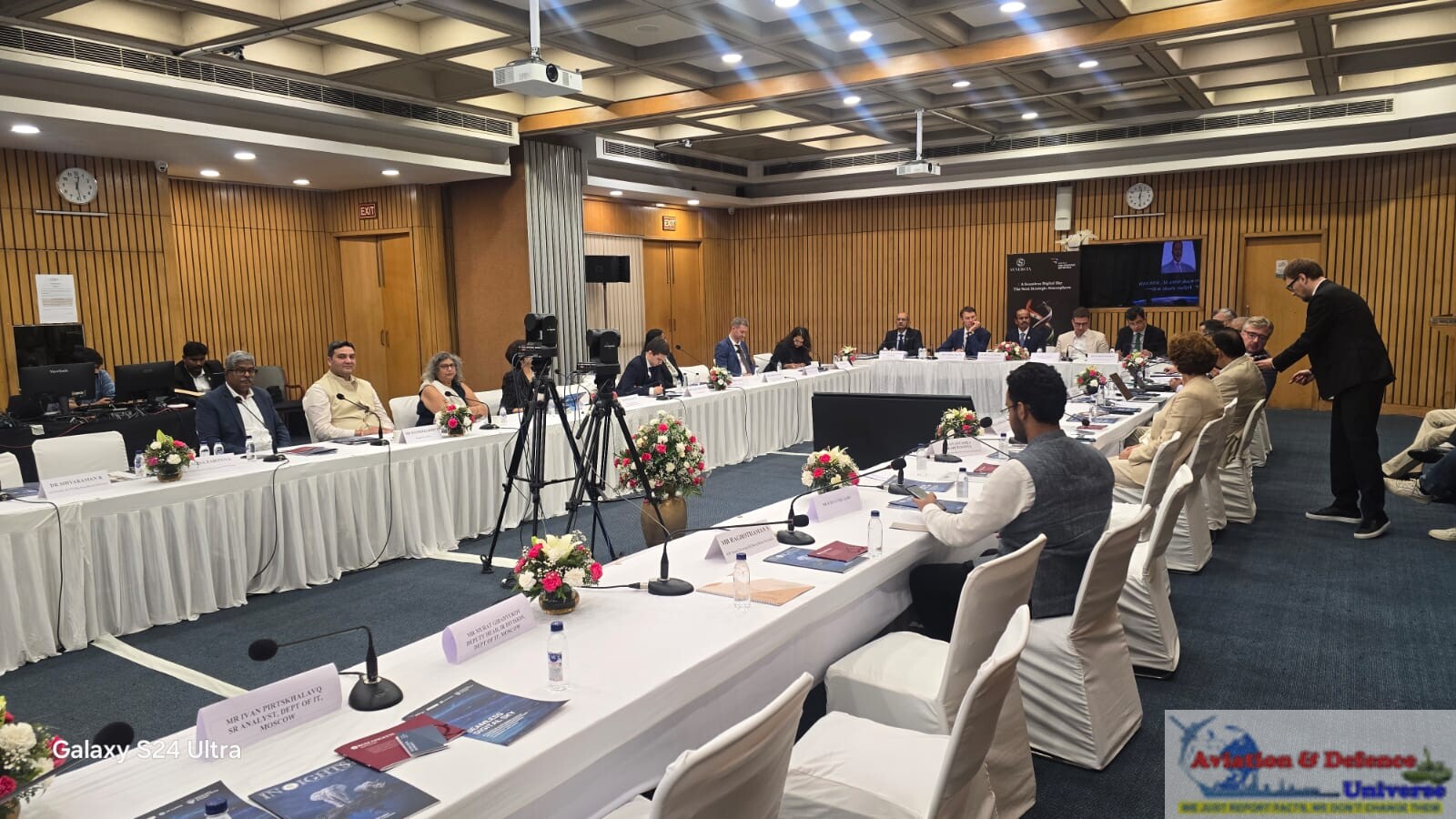
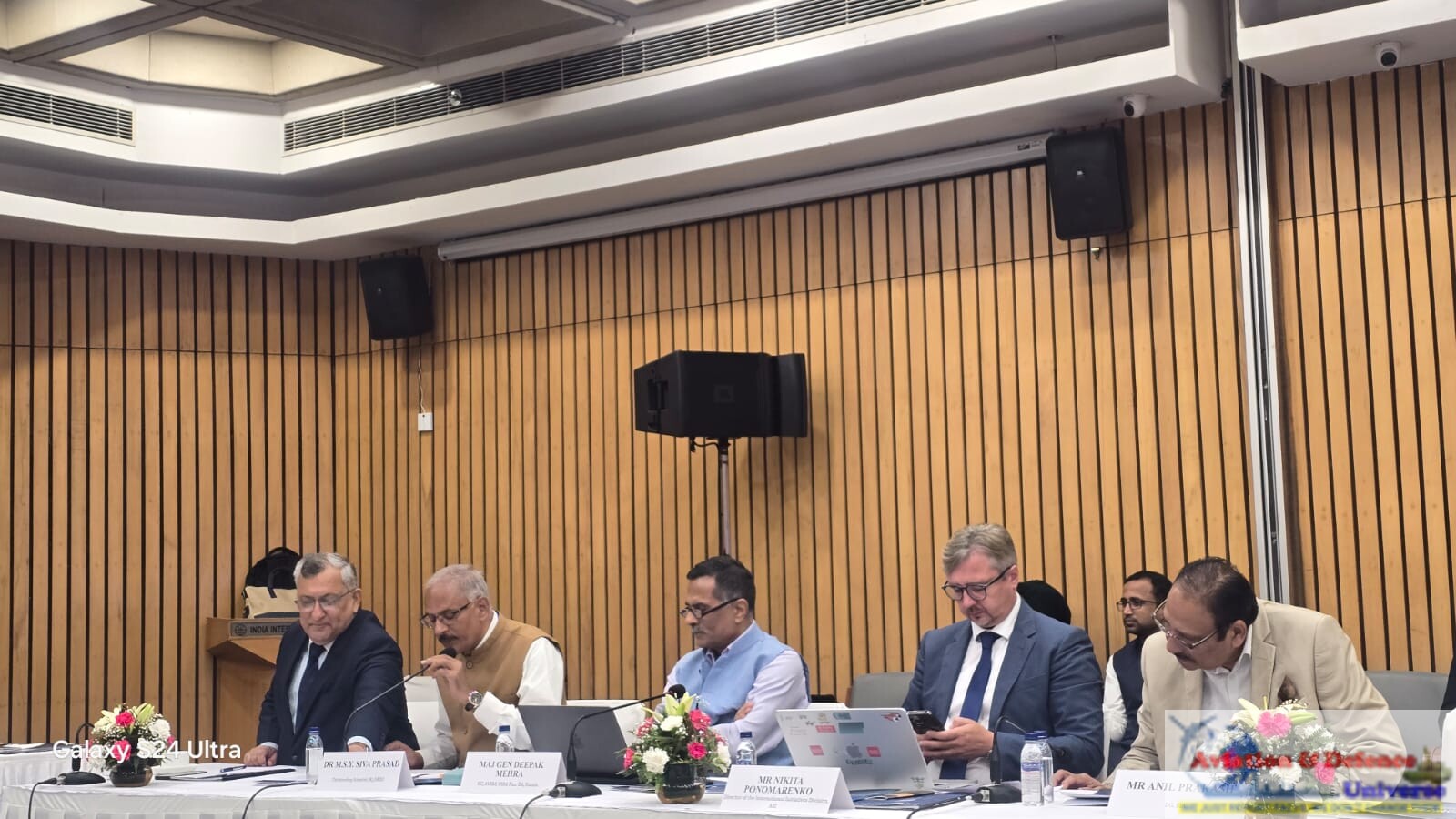
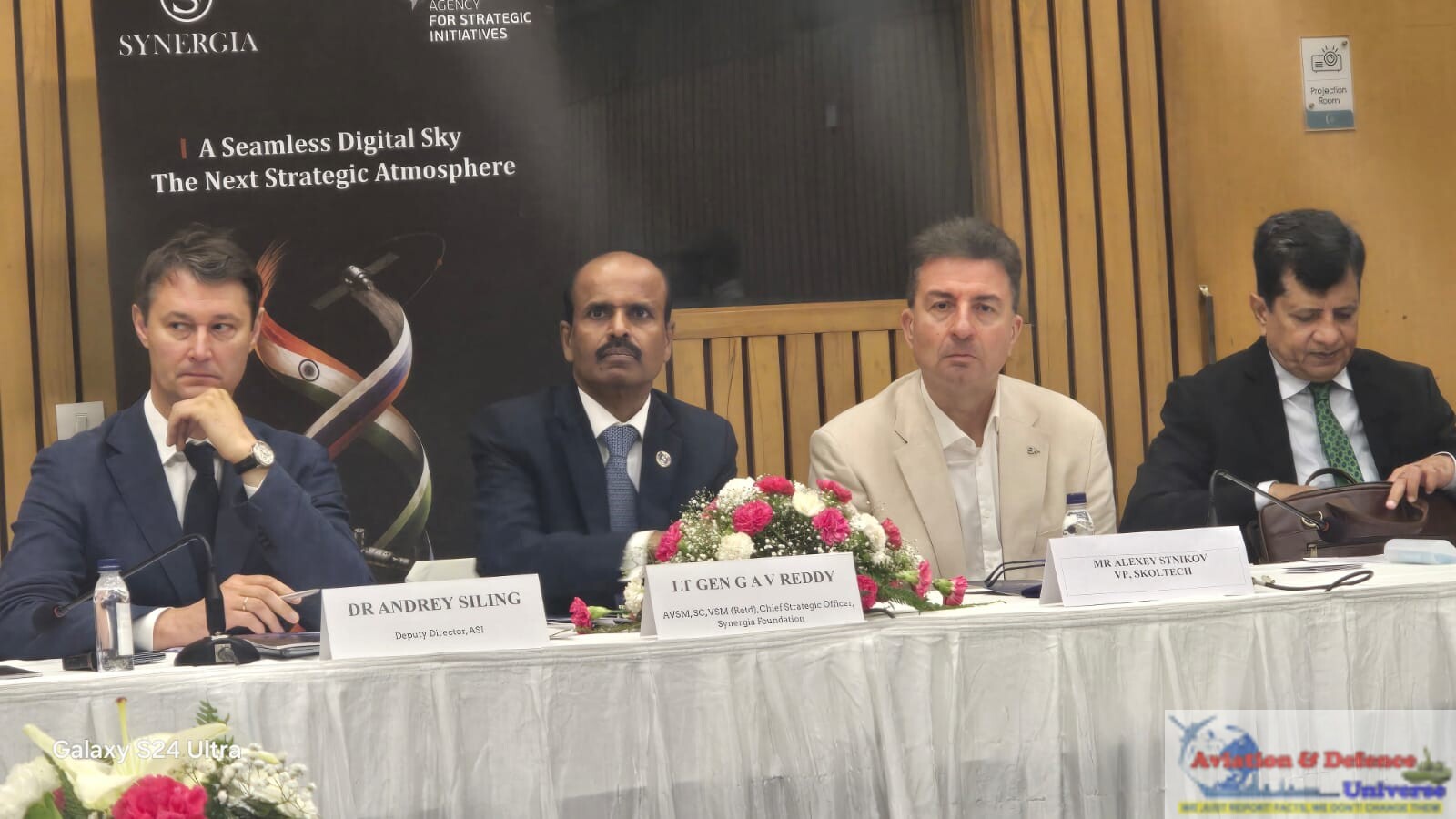
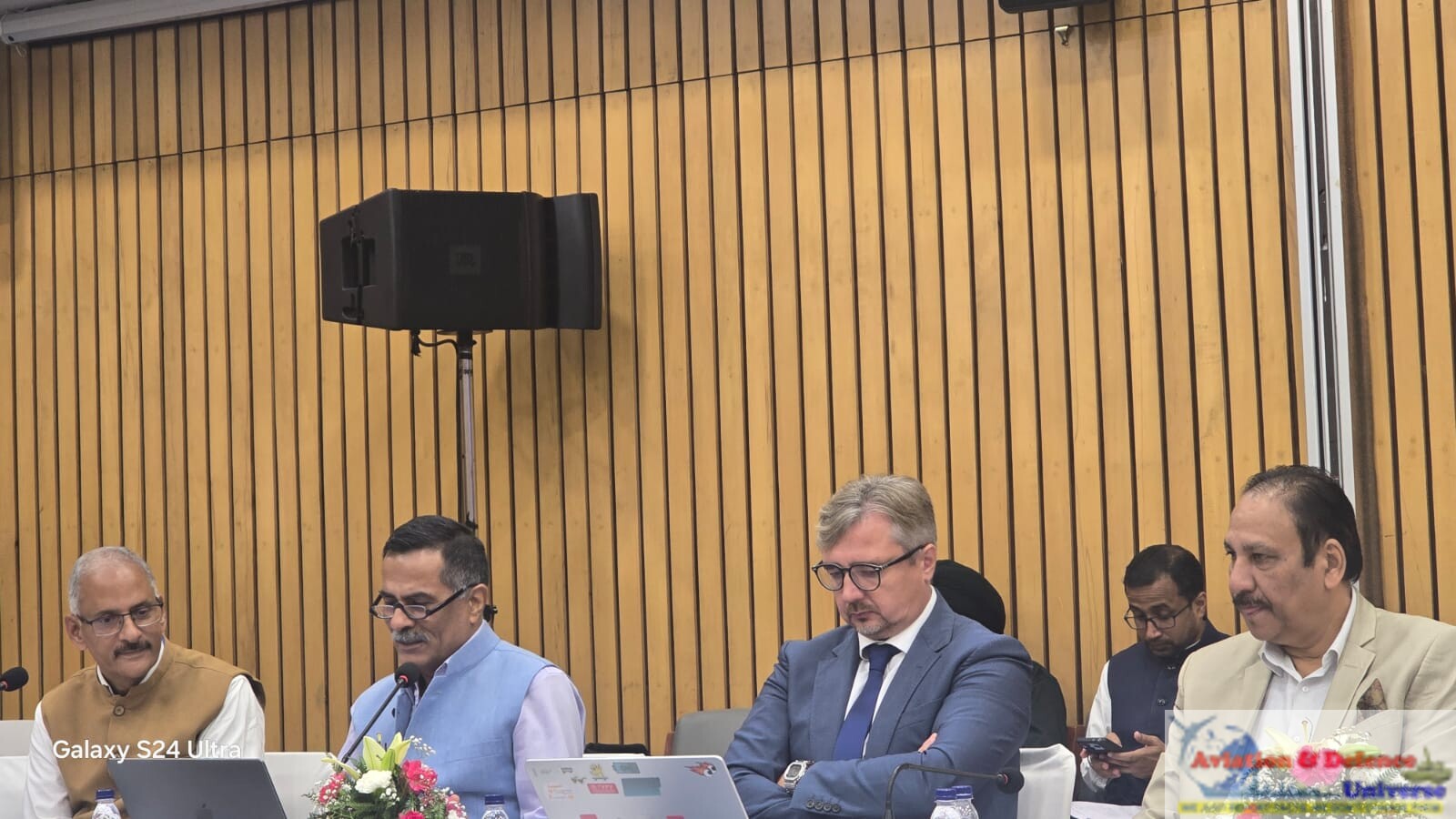
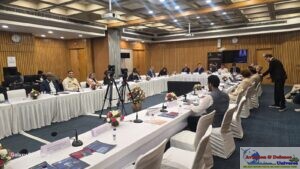
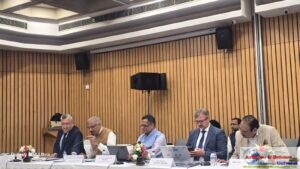
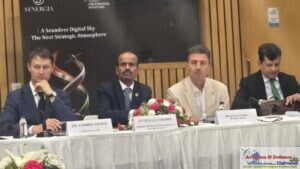
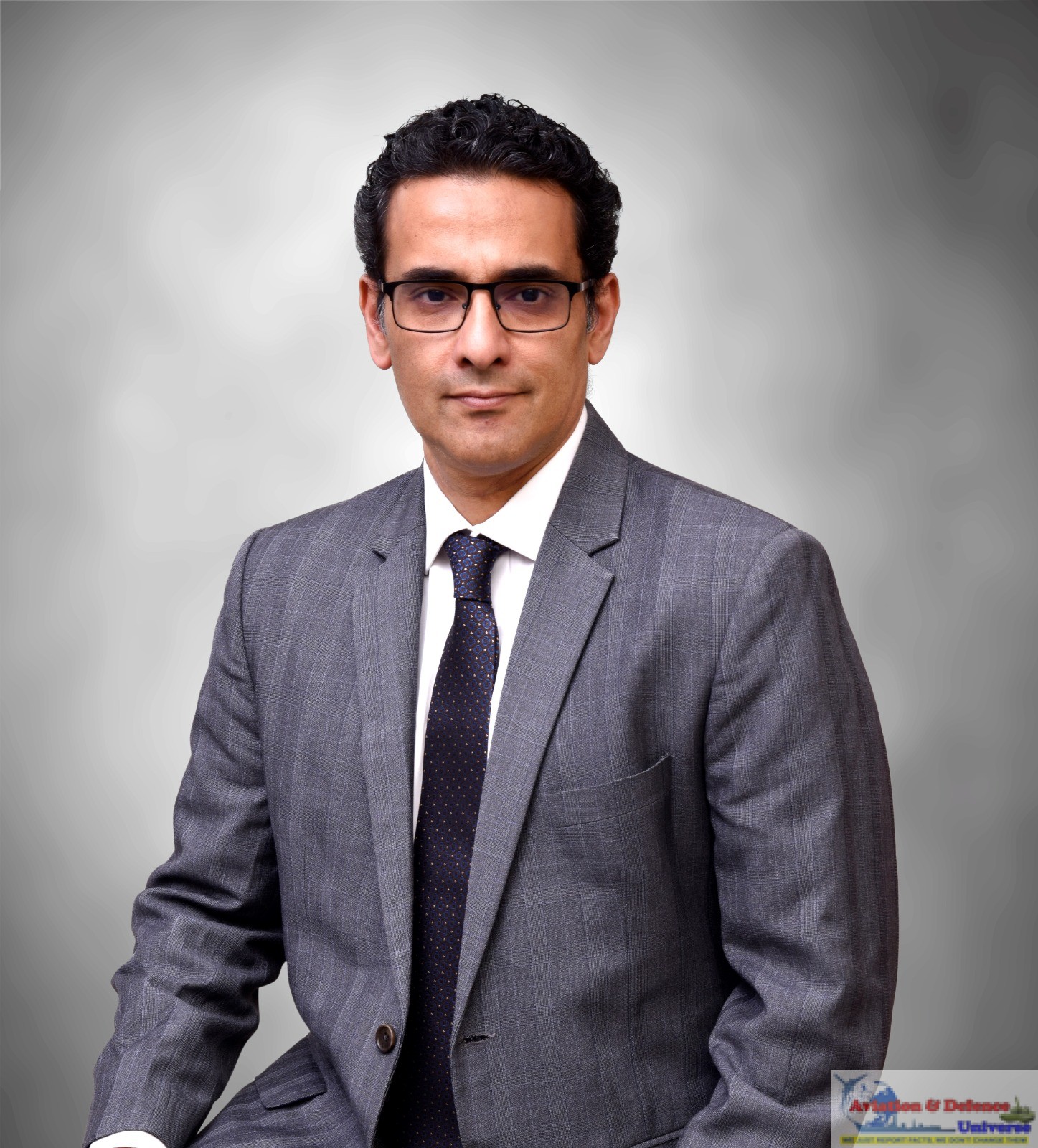
New Delhi. 13 September 2026. India and Russia have decades of trust in space; now industry needs to enter the orbit. That was the central message from Anil Prakash, Director General, Space Industries Association of India (SIA-India), at the Indo-Russian Space Roundtable on the sidelines of BRICS 2026 in New Delhi. Representing an ecosystem of around 700 companies, including nearly 400 ambitious startups, Prakash made a strong case for transforming the traditional government-to-government space relationship into a vibrant industry-to-industry partnership. From shared launch capabilities and technology protection frameworks to co-development, manufacturing, skilling and disaster management, his pitch was clear: the trust already exists, the capabilities are there, and India’s private space sector is ready—the next step is to connect it with Russia’s formidable space heritage.
Addressing the gathering after listening to the deliberations through the morning, Prakash described the dialogue as timely and stressed that the next stage of India-Russia space relations must bring their respective industries much closer together. Representing an association whose ecosystem, he said, extends to around 700 companies, including nearly 400 startups, Prakash placed India’s rapidly expanding private space sector at the centre of his intervention. His primary concern, he explained, was how this large and increasingly ambitious industry base could be effectively engaged in the next phase of bilateral space cooperation. “I basically worry about how we can engage 700, especially the 400 startups, which are very aggressive and they are looking to come to deliver,” he said.
Build the Future on Decades of Trust
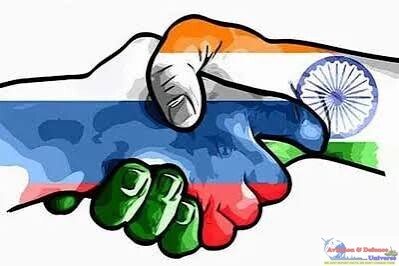
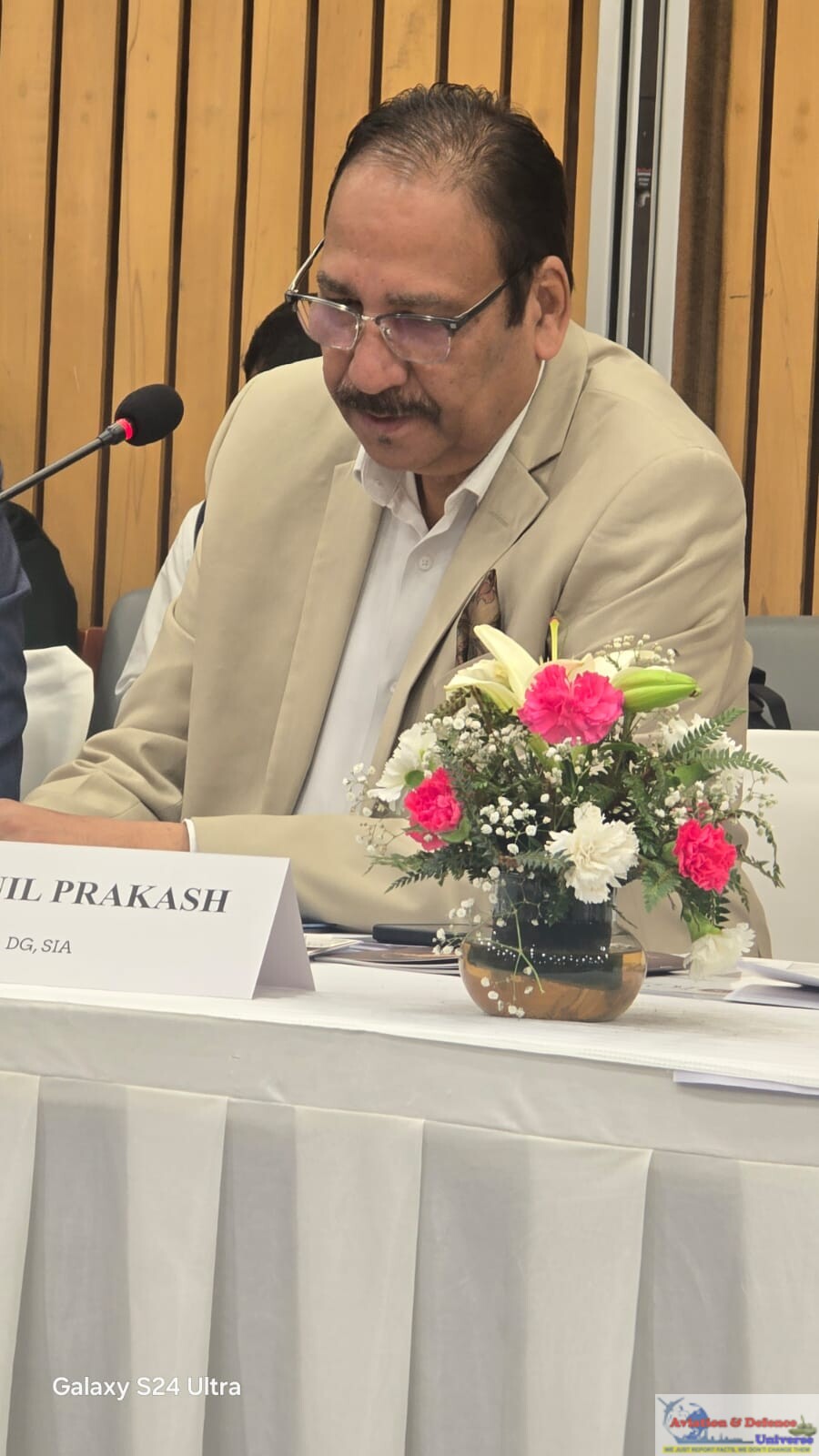 Prakash identified the longstanding trust between India and Russia as the natural foundation upon which a new commercial and industrial space relationship could be constructed. “There is a long-standing trust,” he said, pointing out that the space programmes of the two countries have cooperated repeatedly at the government-to-government level.
The task now, he suggested, is to translate this historical relationship into opportunities for the new generation of private space enterprises emerging in India. With India’s space reforms creating a larger role for private companies in satellite services, launches and manufacturing, Prakash said the institutional architecture governing India-Russia cooperation also needs to evolve accordingly.
Launch Capability Becoming Strategically Critical
One of the strongest themes of Prakash’s address was the growing strategic importance of independent access to launch infrastructure. He cautioned that launch capacity internationally is becoming increasingly constrained and cannot always be assumed to be freely available when required. “We must strengthen the launch capabilities, because slowly, slowly, what we see, the launchers are being controlled or are not freely available,” he said. This creates a significant opportunity for India and Russia to pool their respective strengths.
Prakash pointed to the expansion of launch infrastructure within India and the emergence of private launch capabilities. Combining these developments with Russia’s established expertise, he argued, could give the two countries greater autonomy in putting their own satellites into orbit.
“If our home-grown satellites were to be launched, we have to wait and watch for years to get them launched from other spaceports,” he said. For Prakash, therefore, launch cooperation is no longer simply a commercial proposition. Reliable access to launch services is becoming an important element of strategic space autonomy.
Time to Revisit the Technology Protection Framework
Prakash also drew attention to the institutional mechanisms governing sensitive technology cooperation between the two countries. He recalled the earlier Technology Protection Agreement (TPA) framework associated with cooperation between Russia and ISRO and argued that it should now be examined in the context of India’s transformed space ecosystem.
 The introduction of IN-SPACe and the growing participation of private companies have fundamentally changed the structure of the Indian space sector, he said. “I think this needs to be looked at,” Prakash observed, arguing that a renewed framework should recognise the private sector’s emerging role. He suggested that IN-SPACe should become an important institutional interface for enabling future private-sector engagement with Russian partners under an appropriate technology-protection mechanism.
The objective would be to ensure that the architecture created during the era of predominantly government-to-government cooperation evolves to accommodate industry-to-industry partnerships as well.
From Buying Technology to Co-Development
Prakash said one message emerging “loud and clear” from the roundtable was the importance of co-development and manufacturing. Indian companies, he said, are eager to collaborate with Russian enterprises not merely as customers but as partners in developing components and technologies.
“Our industries are very eager to work,” he said, adding that some Indian companies were already engaging with Russian partners and others were actively exploring opportunities for co-development. This shift towards joint development could allow India and Russia to create stronger supply chains while combining Russia’s accumulated technological experience with India’s expanding private-sector manufacturing and startup ecosystem.
Private-Sector Delegation Begins Delivering Results
 Prakash highlighted what he described as an important step towards institutionalising this industry relationship: the first Indian private-sector space delegation to Moscow, undertaken on 18–19 March 2026. The delegation comprised 12 companies, he said. More significantly, Prakash told the gathering that the engagement had already begun producing tangible outcomes. “Out of 12 companies, five are already advanced in their cooperation with Russian companies there,” he said.
For Prakash, this demonstrated the underlying compatibility between the two industries and the appetite for deeper engagement. “I think that’s the kind of synergy between Russia and India which is very good. So, we would like to build upon that,” he said. He also acknowledged the support being extended by the Indian Embassy in Moscow, particularly its space-related representation, in facilitating engagement between companies from the two countries.
Russia’s Space Heritage Can Help Bridge India’s Skills Gap
Beyond technology and manufacturing, Prakash identified human capital as another promising area for bilateral cooperation. Russia’s universities, technical institutions and space organisations, he noted, possess a technological heritage accumulated over six to seven decades. That experience represents an important resource at a time when India’s fast-growing private space industry needs significantly more specialised manpower.
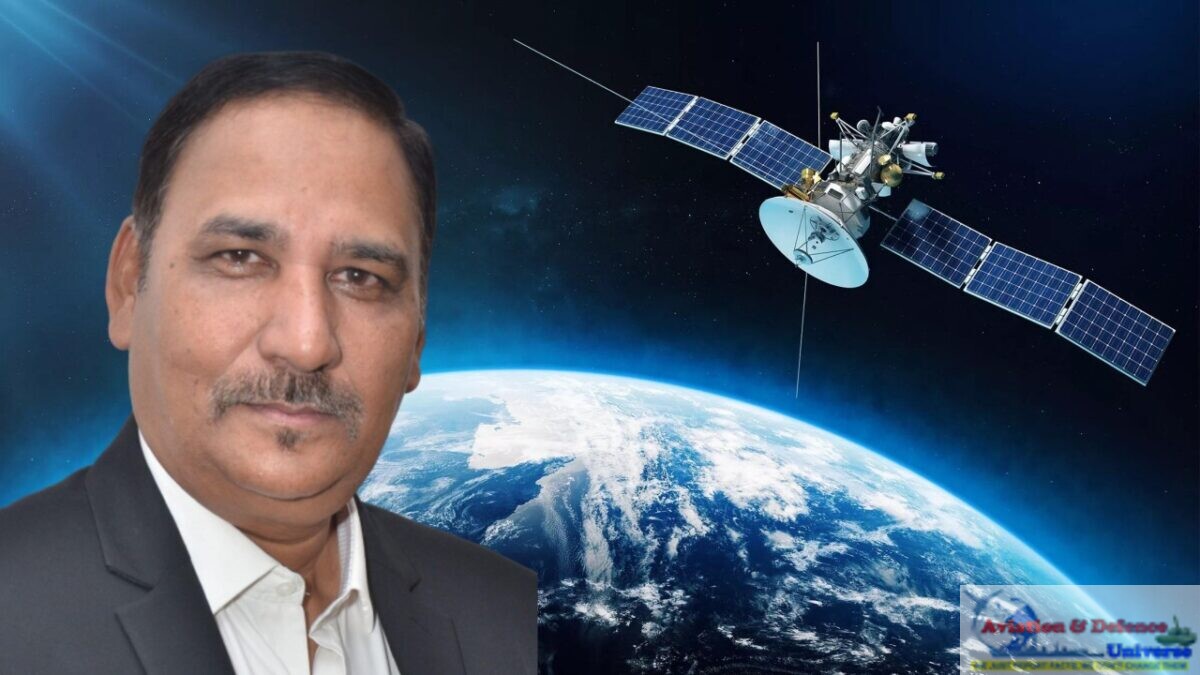 Prakash suggested that cooperation with Russian academic and technical institutions could provide Indian industry access not only to specialised facilities but also to highly trained engineers and domain expertise. He linked this directly to one of India’s emerging challenges—the space-sector skills gap.
“I see that right now the gap, which is a skilling gap, could be resolved to some extent, and also the next supply chain can be built up,” he said. Such cooperation could therefore simultaneously address workforce development and strengthen the industrial supply chain required to support India’s expanding space economy.
Building India’s Space-Tech and Entrepreneurship Ecosystem
Prakash also outlined initiatives being undertaken to develop a stronger domestic space innovation ecosystem. He referred to the establishment of what he described as a privately held centre for space technology in Bengaluru, with a vertical dedicated to international cooperation, industry innovation and acceleration towards entrepreneurship.
He also spoke about plans for a Centre for Space Entrepreneurship in Guwahati, following a two-day workshop held in August. The objective, he indicated, is to take India’s space opportunity beyond its traditional centres and build a broader ecosystem capable of nurturing startups, developing technologies and connecting Indian enterprises with international partners. For an association representing hundreds of companies and startups, such centres could act as bridges between innovation, industry requirements and global collaboration.
India-Russia Space Cooperation for Disaster Management
 Prakash broadened the discussion beyond launchers and manufacturing to highlight the potential role of India-Russia space cooperation in tackling natural disasters and climate-related challenges. He referred to floods, glacier melting and other natural calamities as areas where Russian expertise and Indian capabilities could be combined. The emphasis, he said, should be on using space technologies for early warning, detection and disaster mitigation.
“There is cooperation required from Russia into those natural calamities—how we can work in advance on the alarming disaster, early warning detection, and also how we can do disaster mitigation,” he said. Such cooperation would add an important societal dimension to the bilateral space relationship, using satellite technology not only for strategic and commercial objectives but also to protect populations and infrastructure.
A New Industrial Chapter for an Old Space Partnership
Prakash’s address reflected a larger transformation underway in India-Russia space relations. The historic relationship was built primarily through governments and national space agencies. India’s changing space policy and the rapid rise of its private sector are now creating room for a second track—industry-to-industry collaboration. For the hundreds of companies and startups represented by SIA-India, Russia’s accumulated technological expertise, infrastructure and human capital could complement India’s entrepreneurial energy, manufacturing ambitions and expanding domestic space market.
But Prakash’s proposition was not simply to preserve an old partnership. It was to re-engineer it for the new space economy. Launch capability, technology protection frameworks, co-development, manufacturing, skilled manpower, resilient supply chains, startup engagement and disaster-management applications could together form the building blocks of this next phase.
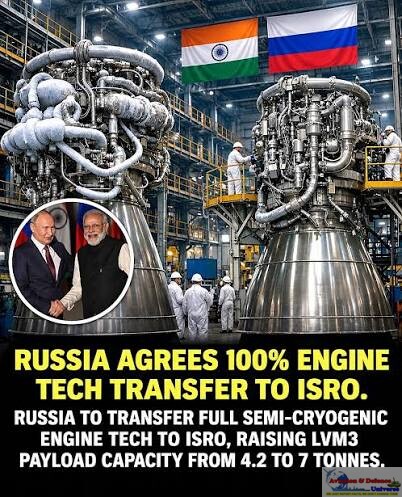 The numbers he presented perhaps told the story most clearly: 12 Indian private space companies travelled to Moscow, and five, according to Prakash, are already advancing cooperation with Russian counterparts. For a relationship traditionally defined by government-to-government space cooperation, that emerging private-sector connect could well become the launch pad for its next orbit.
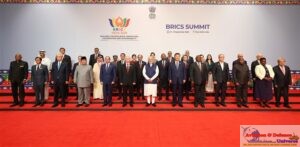
India and Russia do not have to build their space partnership from scratch—they have decades of trust to launch from. What Prakash envisages now is a change in trajectory: from agency-to-agency cooperation to companies collaborating, startups innovating, technologies being co-developed, launch capabilities being strengthened and talent being shared. His statistic from the first private-sector space delegation to Moscow perhaps captured this emerging story best: 12 Indian companies went, and five, he said, are already advancing cooperation with Russian counterparts. That is more than diplomatic intent; it signals industry beginning to move. If the old India-Russia space relationship was written by governments, its next chapter could well be written by entrepreneurs, engineers and enterprises—with BRICS providing a larger orbit in which that partnership can grow.



































































-A4-Size-(2)_page-0001.jpg)