

 18th BRICS Summit














- Satellites, Drones and Data: India and Russia Connect the Dots
- One Sky, Two Space Powers, New Possibilities
- Beyond BrahMos: India and Russia Chart a Shared Space Future
By Sangeeta Saxena
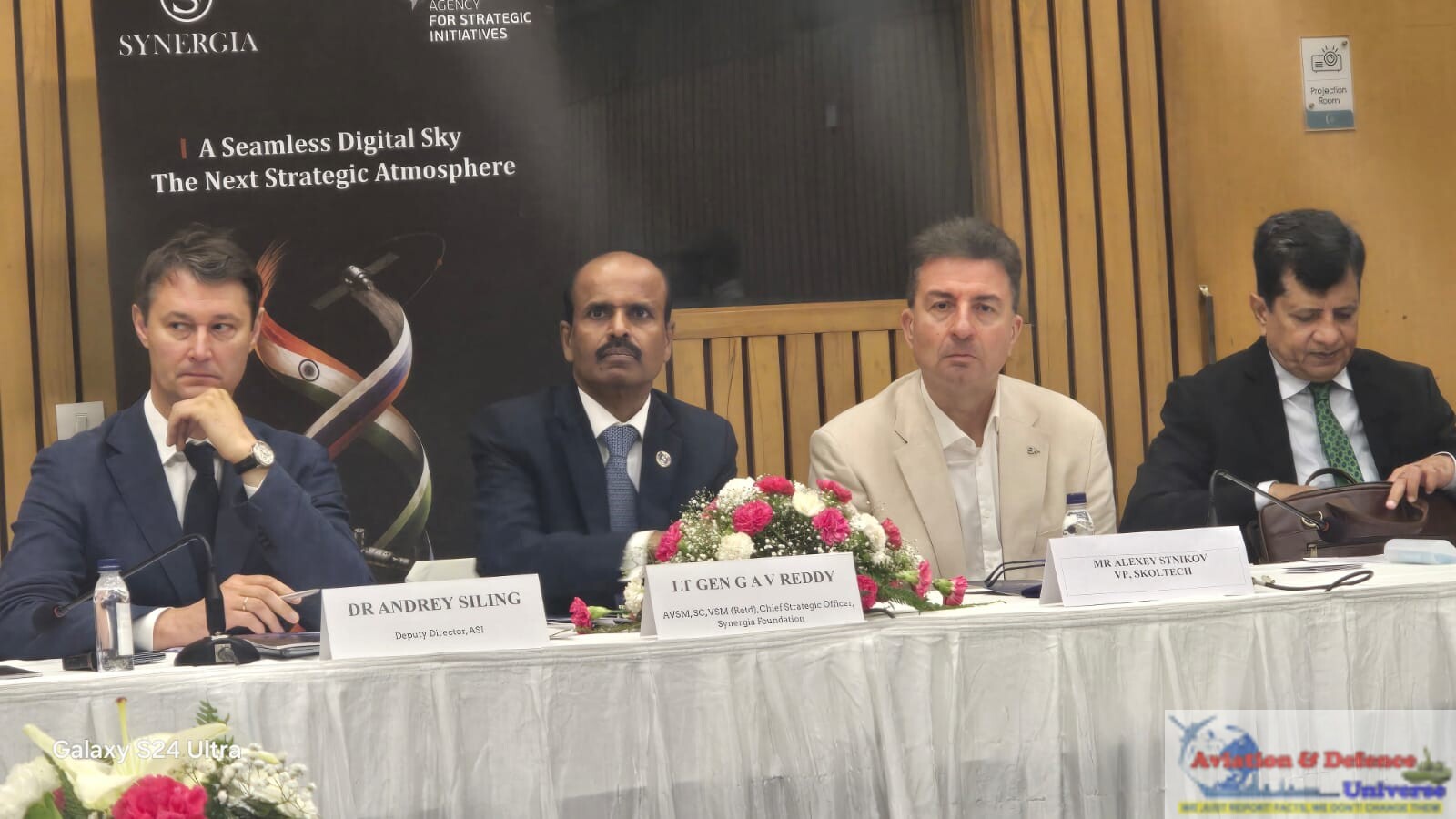
Bengaluru. 12 September 2026. A Russian instrument on an Indian Venus mission. Joint research on satellites flying closer to Earth. Control systems that turn data from space and drones into decisions on the ground. These were among the possibilities put forward at the Synergia Foundation–Agency for Strategic Initiatives roundtable, “A Seamless Digital Sky: The Next Strategic Atmosphere.” The India–Russia conversation moved quickly from a shared space legacy to a sharper question: which projects can the two countries build together now?
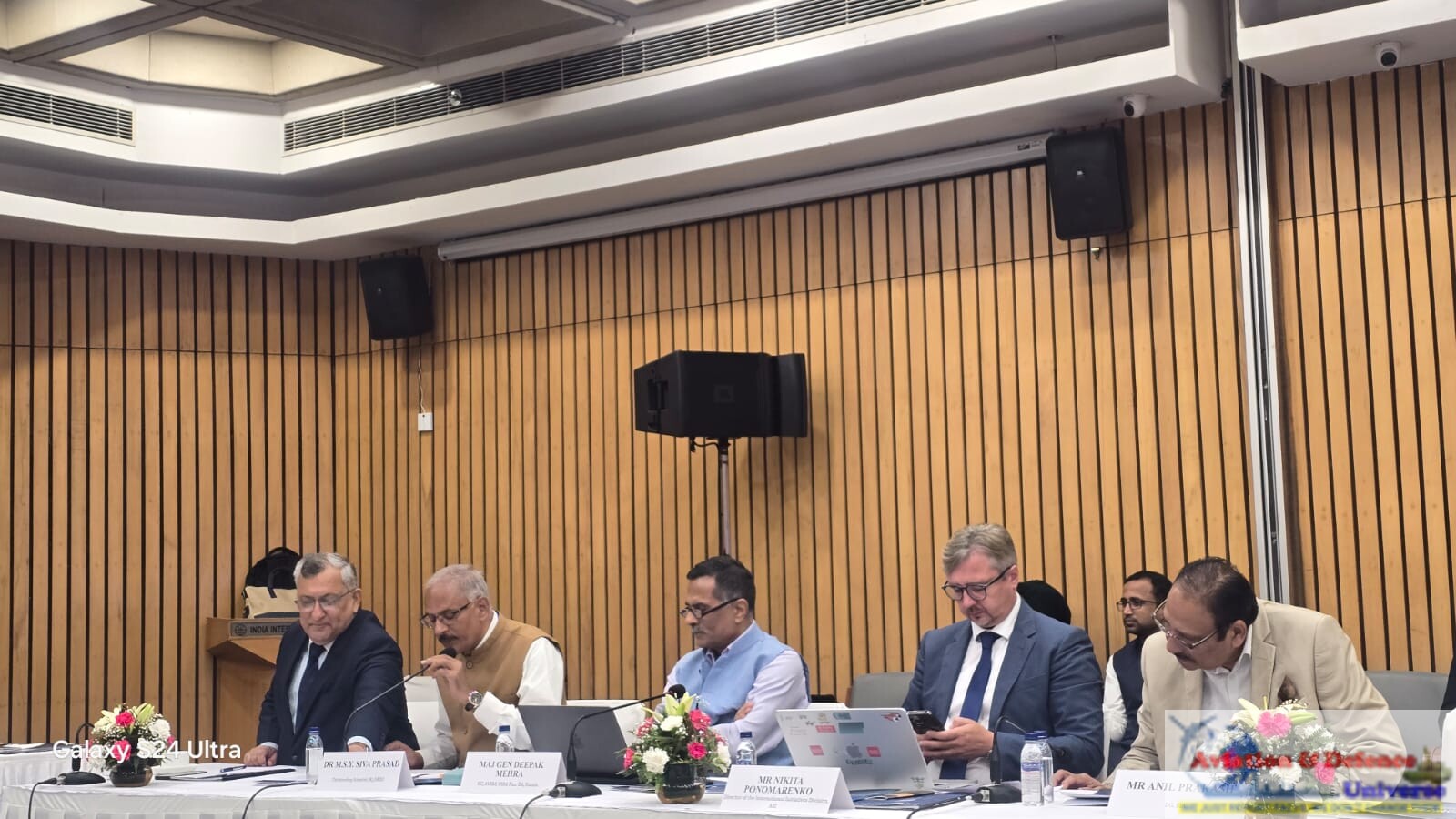
India and Russia have a long history of working together in space. At the Synergia Foundation–Agency for Strategic Initiatives (ASI) roundtable, “A Seamless Digital Sky: The Next Strategic Atmosphere,” the question was what they should build together next. Across two sessions of the BRICS+ bilateral event, speakers proposed scientific payloads, sovereign satellite capabilities, ground stations, human–machine interfaces and private industry partnerships. Their shared challenge was to connect activity in orbit with drones, infrastructure and decisions on the ground.
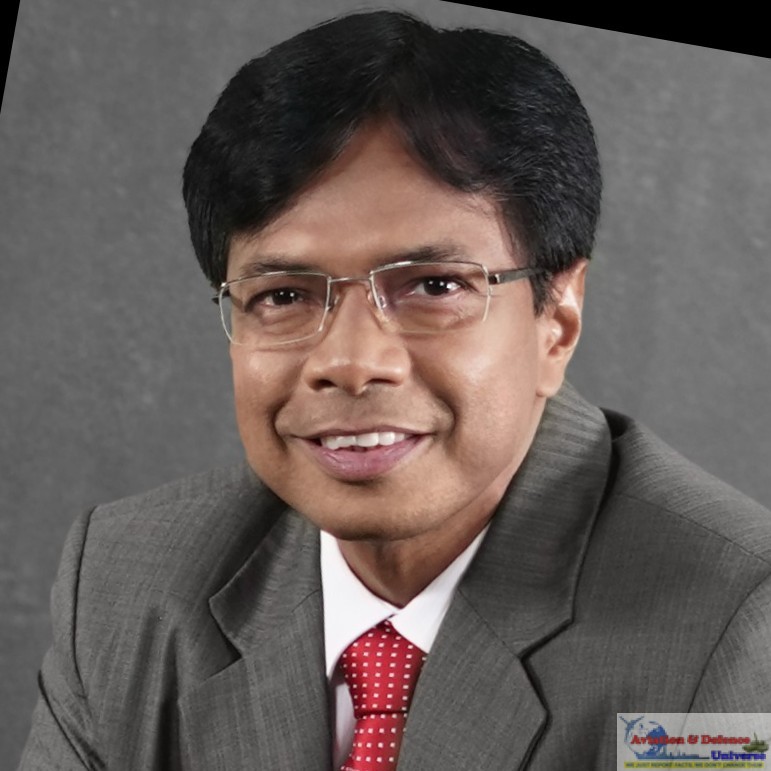
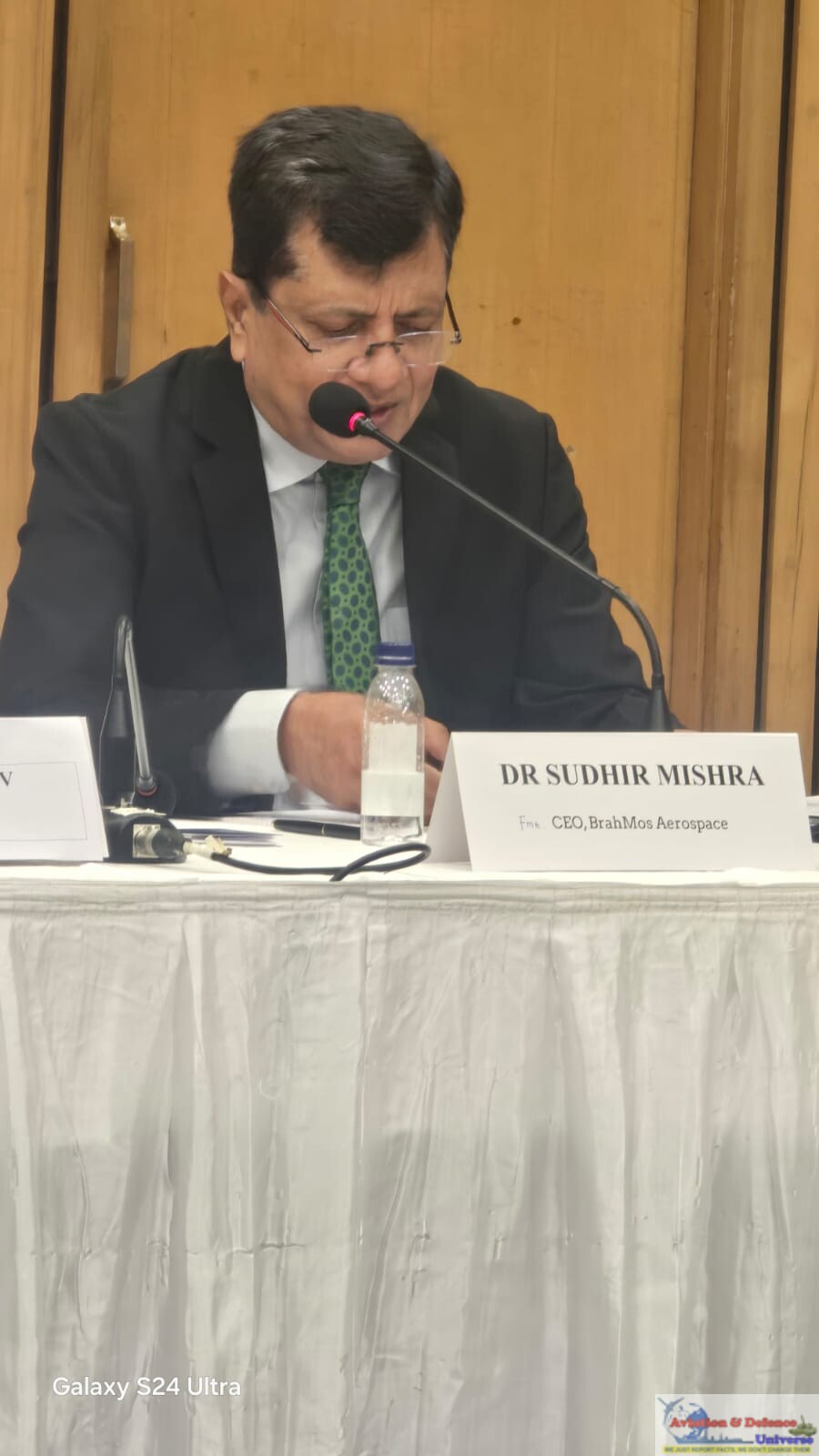 Dr Sudhir Mishra, former CEO of BrahMos Aerospace, argued that space systems and unmanned platforms operating across air, land and sea need a common digital infrastructure. He held up BrahMos as an example of what India–Russia cooperation can achieve when it progresses beyond procurement to co-development. The next phase, he said, should bring private enterprise into that relationship while addressing the financing, regulatory and technology-transfer difficulties that can slow joint projects.
One of the session’s most specific scientific possibilities came from a representative of Russia’s Space Research Institute. He said Russian and Indian specialists were holding technical talks on placing a Russian atmospheric spectrometer aboard a future Indian Venus mission. No payload agreement was announced. He proposed exchanging instruments on national missions as a practical first step: it would give engineers experience of one another’s standards and working methods before they attempt larger joint systems.
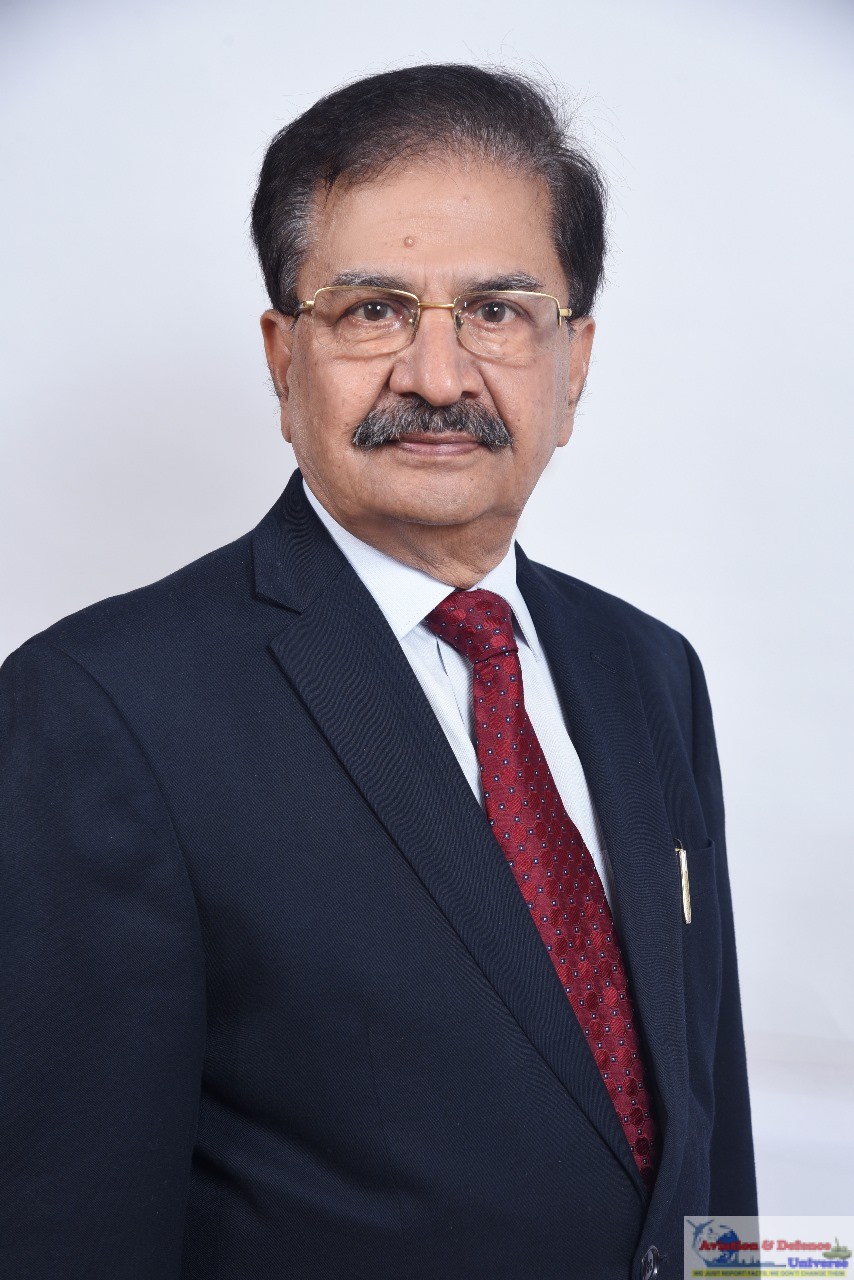
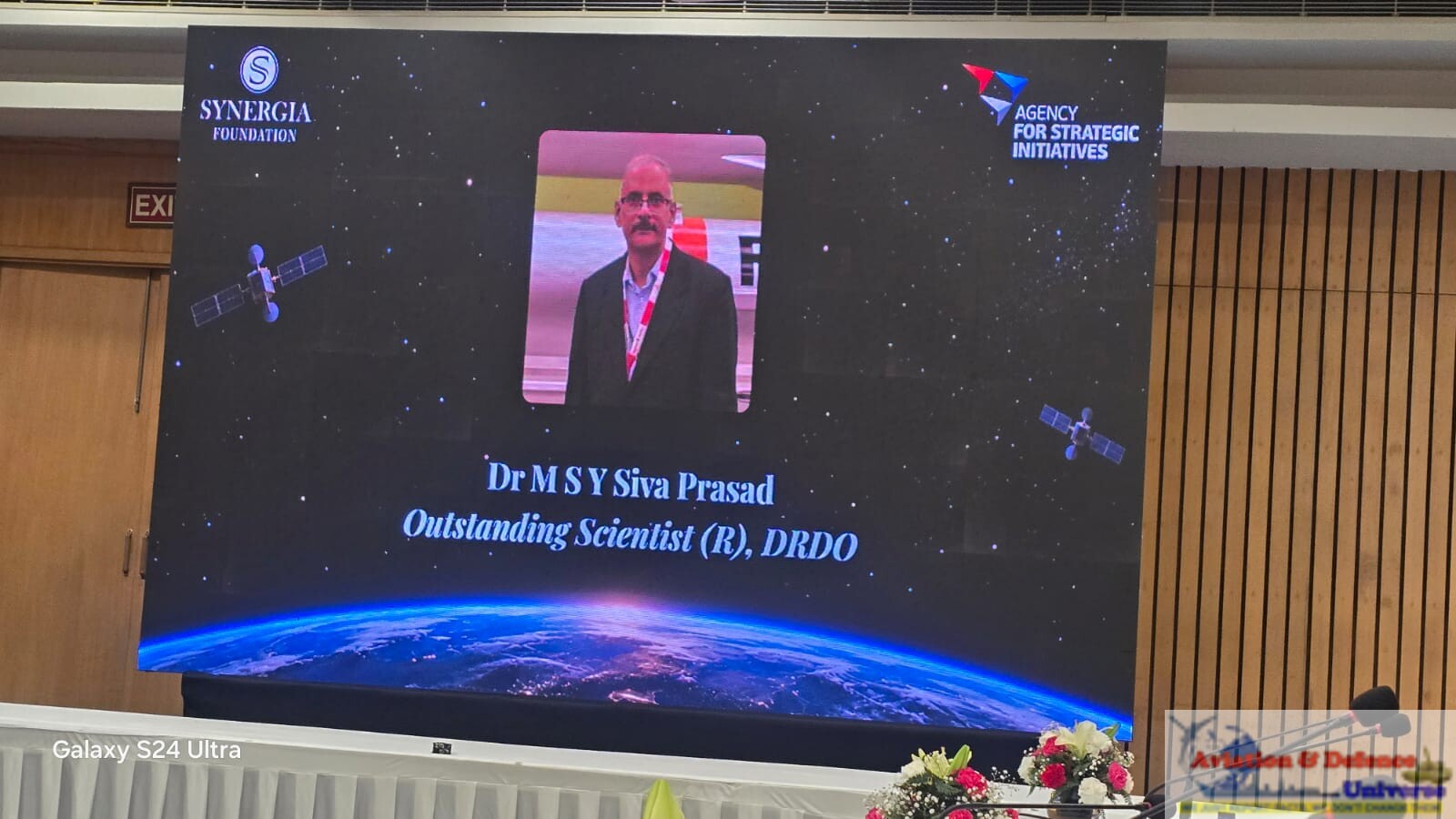 The strategic case for cooperation came with a warning about dependence. A former Indian national security official said the shift towards smaller, lower-cost satellites could accelerate deployment, but commercial components also demand careful attention to cybersecurity and supply chains. Dr M S Y Siva Prasad, a retired DRDO scientist, raised the risks of interrupted navigation signals, gaps in satellite coverage and critical services controlled outside a country. He suggested two areas for India–Russia research: interpreting space-based infrared observations for early warning, and developing propulsion for satellites operating in very low Earth orbit. In both cases, he proposed drawing on Russian research experience while India develops and controls its own spacecraft.
Skoltech’s vice-president turned the discussion towards universities and laboratories. Research collaboration, he argued, should produce technologies that can be applied in space and on Earth. He expressed interest in a consortium with Indian partners to work across digital systems, hardware and space robotics.
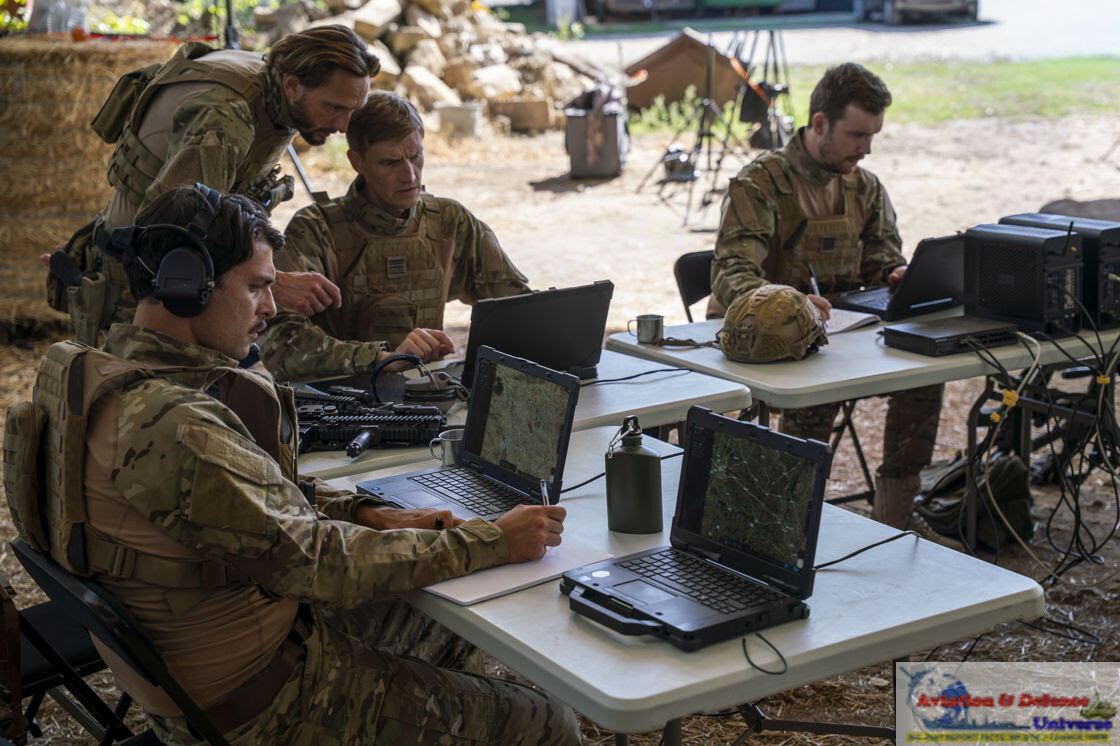
A Russian representative working on human–machine interfaces offered a different way to think about the “seamless” sky. Satellites and drones can collect enormous amounts of data, he said, but an operator must still be able to understand and act on it. He proposed combining Russian display hardware with Indian software and artificial intelligence to develop an interface for a control centre, followed by production in India. It was a proposal for a joint project, not a product already under development by both sides.
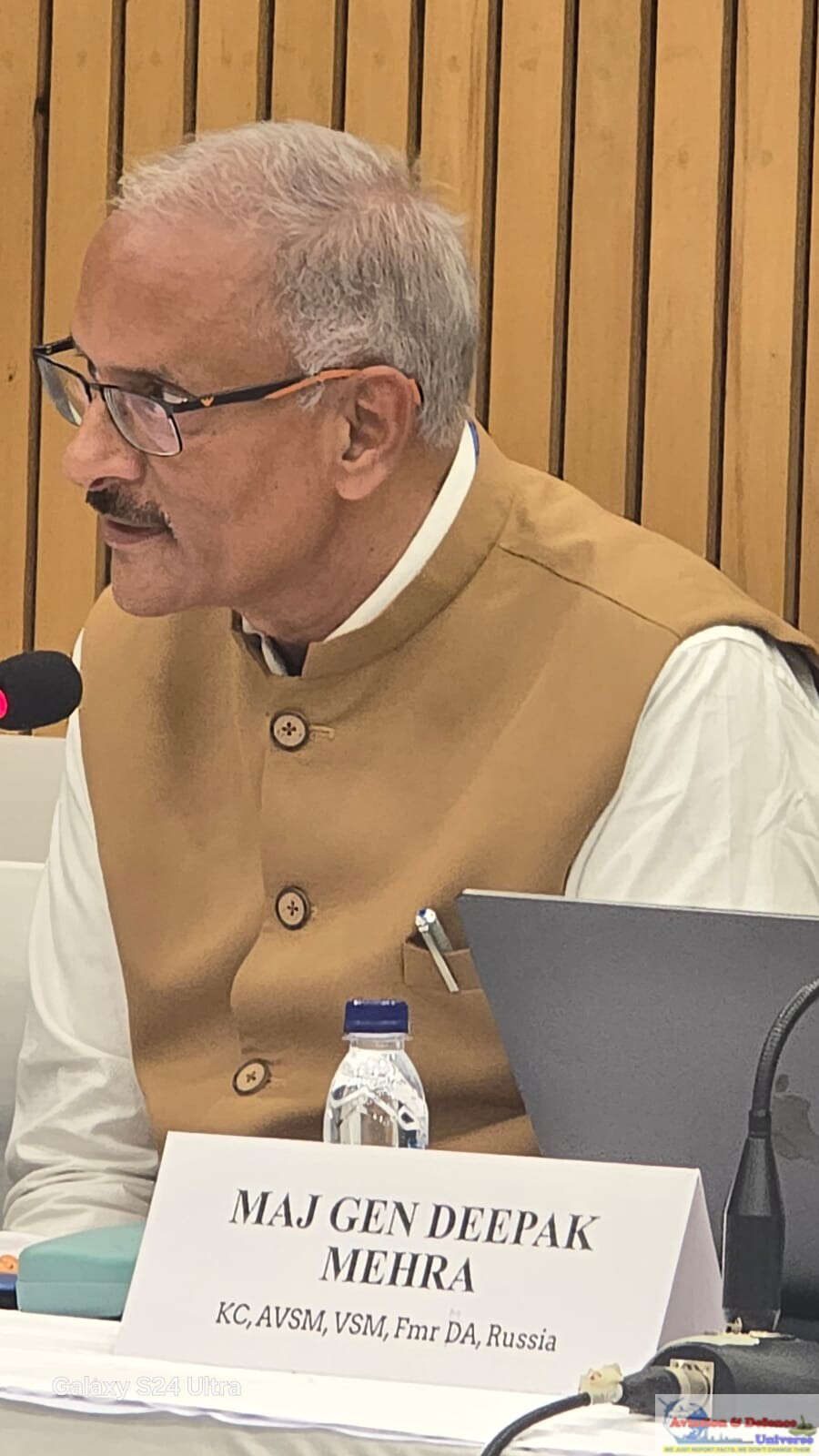 Industry speakers pushed for a faster route from meetings to partnerships. An Indian space industry representative urged stronger links between Russian companies and India’s growing base of startups and manufacturers, particularly for components and launch capability. Maj Gen Deepak Mehra argued that Russian organisations should engage directly with India’s emerging space industry rather than wait solely for government-to-government opportunities. Joint intellectual property, local production, alternative supply chains and access to other markets, he said, could give the relationship a broader industrial base.
Russian companies described possible entry points. A ground-station and geospatial-data firm offered cooperation in receiving satellite imagery, supplying data services for agriculture and disaster monitoring, and training students with equipment that lets them receive and process live satellite data. Another commercial Earth observation operator proposed linking satellite imagery with closer drone inspection and ground-sensor readings. It suggested exploring shared analytical services and data-processing centres with BRICS partners.
The discussion also reached the classroom and the control room. A Russian education and robotics representative invited Indian companies to collaborate on training and practical robotics projects. An Indian digital engineering speaker stressed that connecting equipment from different organisations would require careful work on system requirements, interfaces and testing. During the closing exchange, participants called for workshops and better ways to assess potential partners’ technical capacity before committing to joint work.
The round table produced no single agreement tying these proposals together. It did, however, identify a practical path: start with achievable research and industry projects, test whether systems and teams can work together, and build towards a multi-year roadmap. For India and Russia, a seamless digital sky will be measured by what their scientists, companies and institutions can make function together.The round table gave India and Russia more than a vision of a connected sky. It offered possible starting points: an instrument on a future mission, shared research, industry partnerships and systems built to work together. The next step is to choose the projects, bring the right teams to the table and test their ideas. That is where the seamless digital sky will begin to take shape.







































































-A4-Size-(2)_page-0001.jpg)