

 18th BRICS Summit









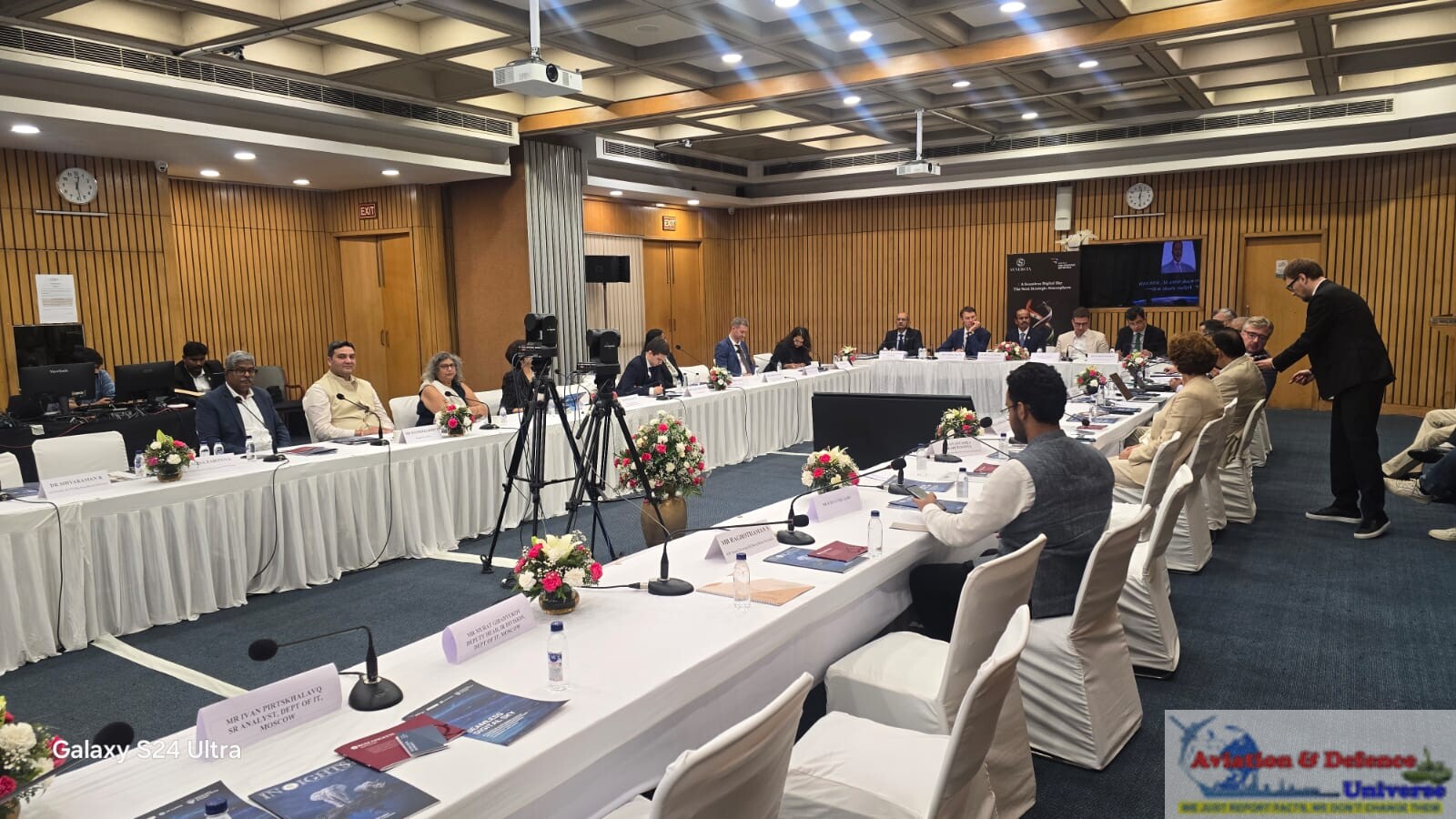
- Synergia Foundation and Russia’s Agency for Strategic Initiatives bring foresight tools, company pitches and an AI-assisted cooperation model to the table
By Sangeeta Saxena
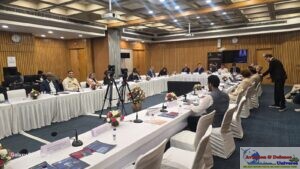
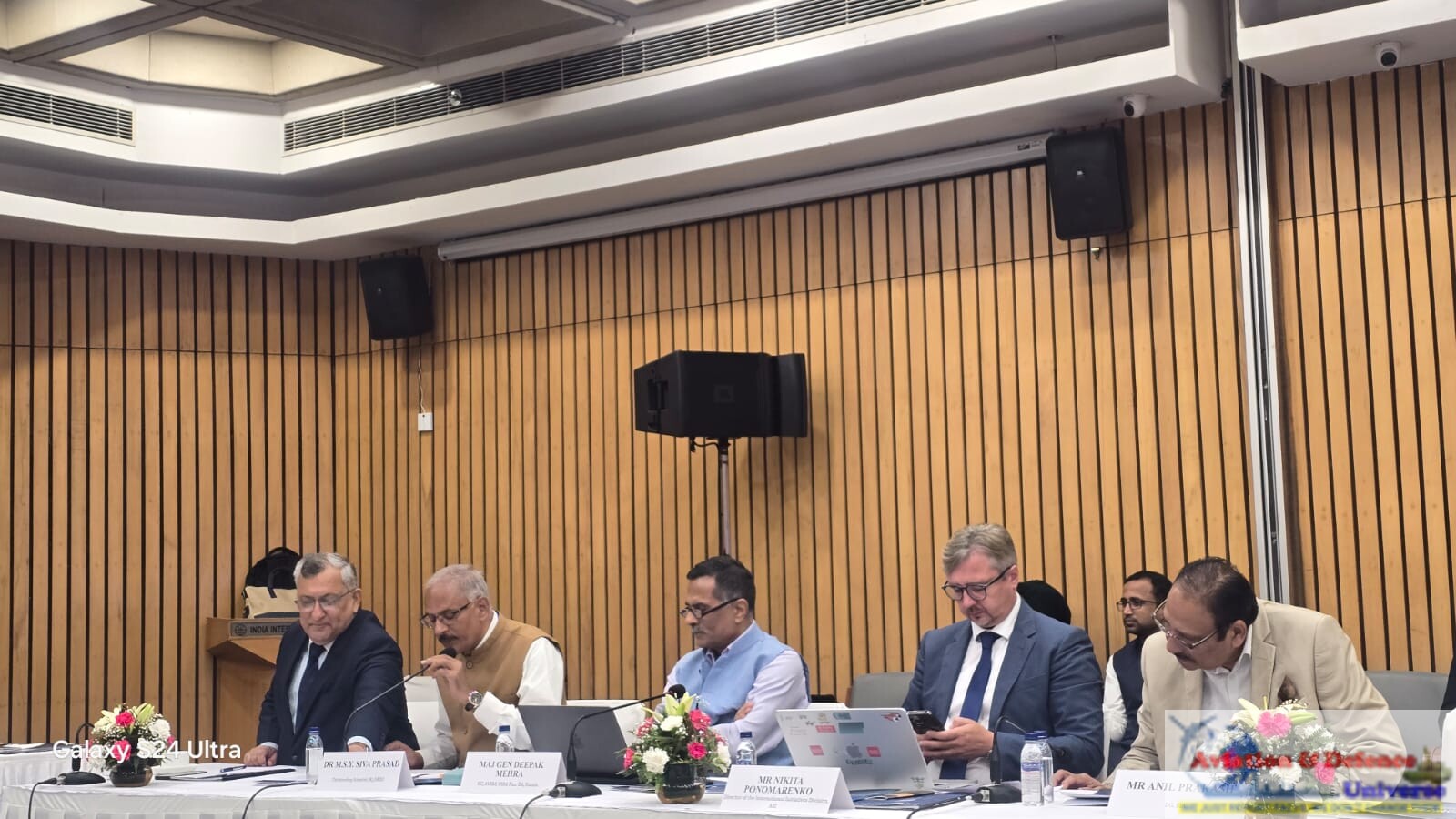
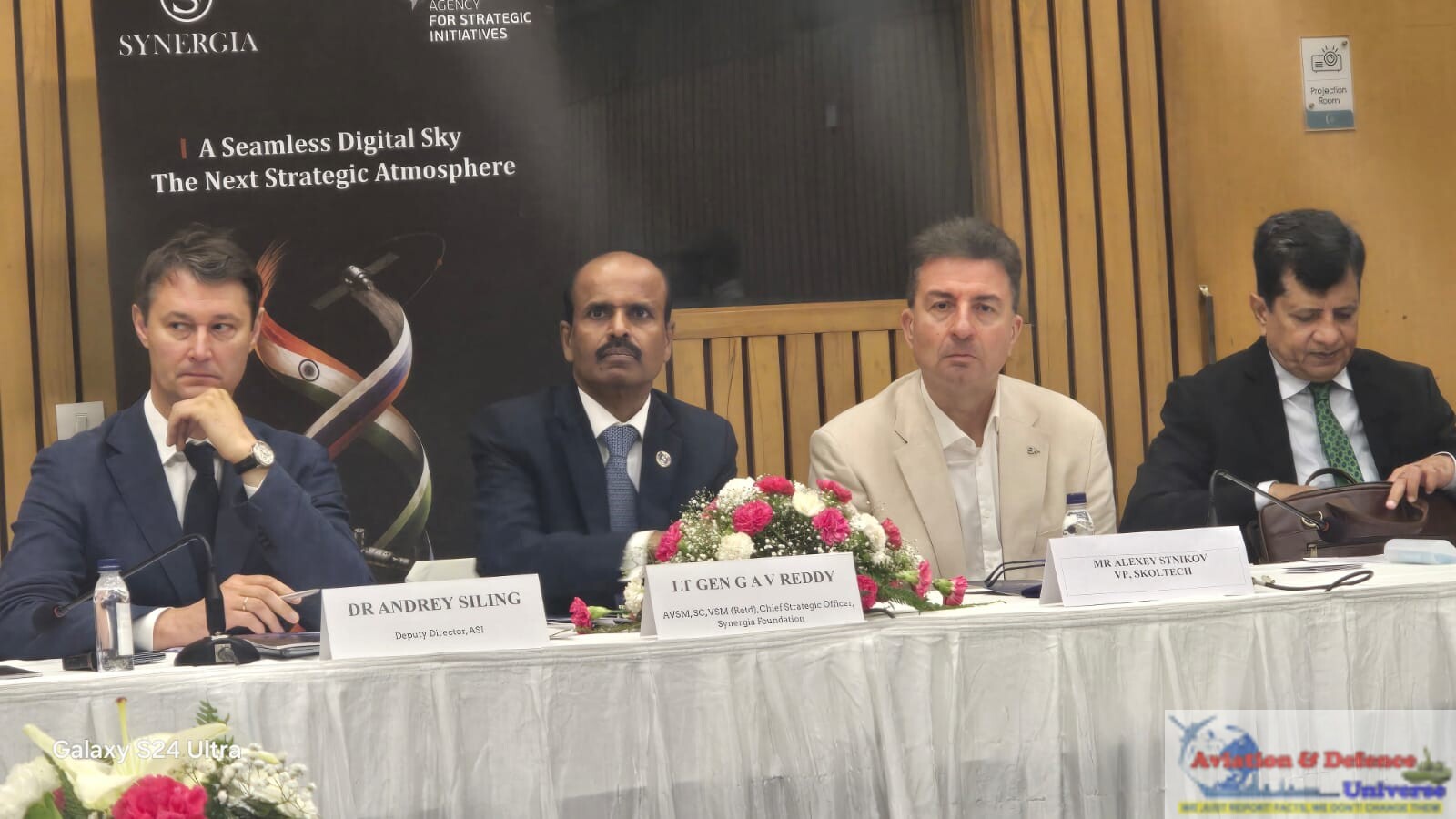
New Delhi. 13 September . The question at the Synergia Foundation–Agency for Strategic Initiatives (ASI) workshop was direct: what god is advanced artificial intelligence if it cannot help governments and companies make better decisions? Following the India–Russia discussion on a seamless digital sky, the second session widened the conversation to BRICS+ cooperation. Speakers examined how AI could identify critical technology gaps, connect potential partners and shorten the time between recognising a problem and acting on it.
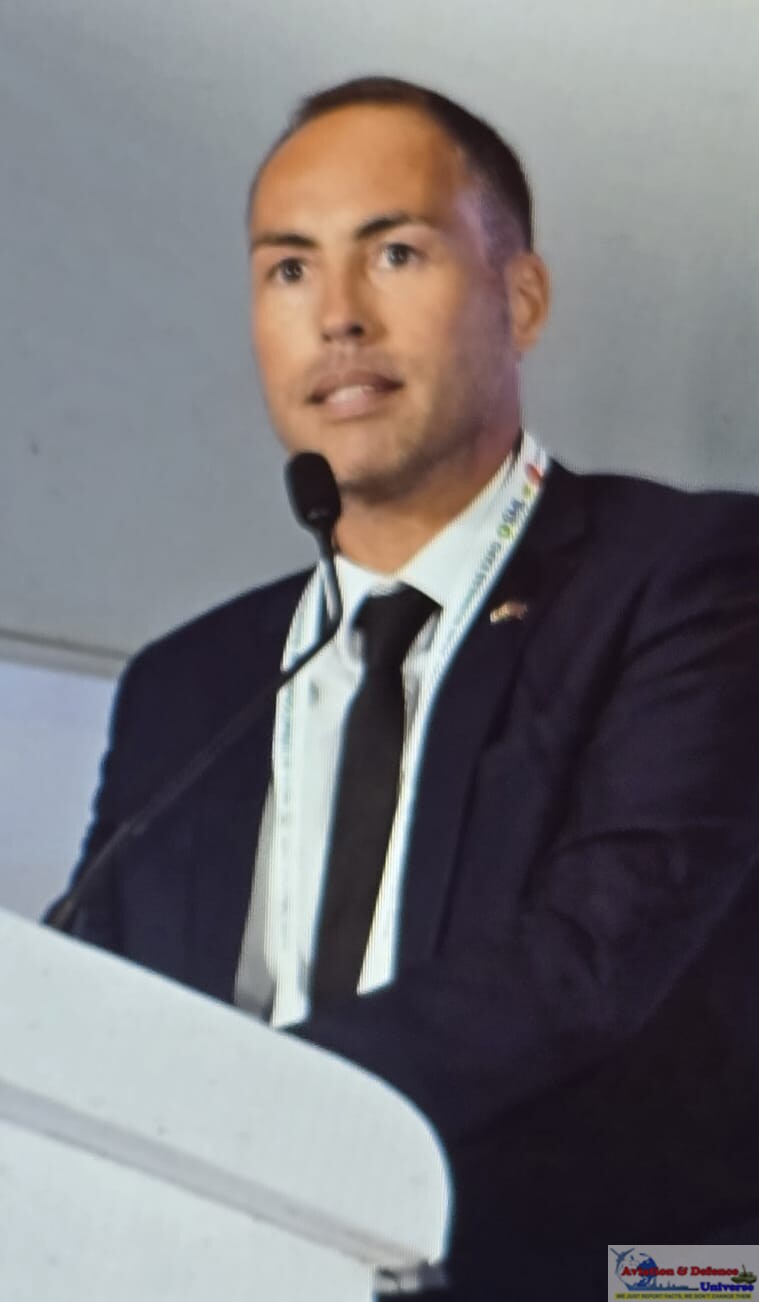
A Synergia representative opened by distinguishing AI capability from AI implementation. Technological sovereignty, she argued, does not require a country to produce everything within its borders. It requires an understanding of critical dependencies, control over essential capabilities and the freedom to make strategic choices. AI could help map those dependencies, provided its findings remained open to human scrutiny.
Nikita Ponomarenko, head of ASI’s International Initiatives Division, introduced the agency’s technological sovereignty platform as the framework for the workshop. An ASI colleague said preparing an initial Russian technology model had taken about a year, while a joint India–Russia model took roughly three months. The proposed AI Lens approach, she said, could produce draft analyses and cooperation roadmaps much faster, including for projects involving several countries. Participants were invited to bring real problems to future exercises, rather than discuss AI only in general terms.
For Synergia, that work begins with the gap between having information and knowing what it means. Presenting SAPIEN—the Synergia Anticipatory Platform for Intelligence, Emergence and Navigation—the foundation’s team described a system intended to detect early signals, connect developments across sectors and test how disruptions might spread. A drought, for example, could become an energy problem, a food shock and a fiscal burden at different speeds. SAPIEN aims to help decision makers see those connections early, while retaining a record of the evidence, assumptions and uncertainty behind its assessments.
The Synergia presentation placed human judgement at the centre of that process. AI can scan large volumes of information and reveal patterns, the speakers said, but people must decide which risks matter and what response is appropriate. They invited BRICS+ participants to bring forward their “blind spots” for analysis and stress testing—a form of cooperation that could begin before a developing problem becomes a crisis.
One such practical challenge came from Indonesia. A representative of its AI and cybersecurity research community described work on AI-assisted malaria diagnosis, including the collection and expert labelling of microscopic images from remote areas such as Papua. Limited datasets and the difficulty of gathering representative field images remain major obstacles, he said. A representative from Iran also expressed interest in using AI Lens to examine technological needs and opportunities for cooperation.
The workshop then gave the floor to companies recognised at the BRICS Solution Awards. Georgiy Valiev of Robo argued that technological sovereignty starts with people who can design and build systems. He described the company’s robotics and coding programmes for children, its teacher-training model and its educational engagement in India. The goal, he said, is to move students from using ready-made robots towards designing hardware, software and working projects of their own.
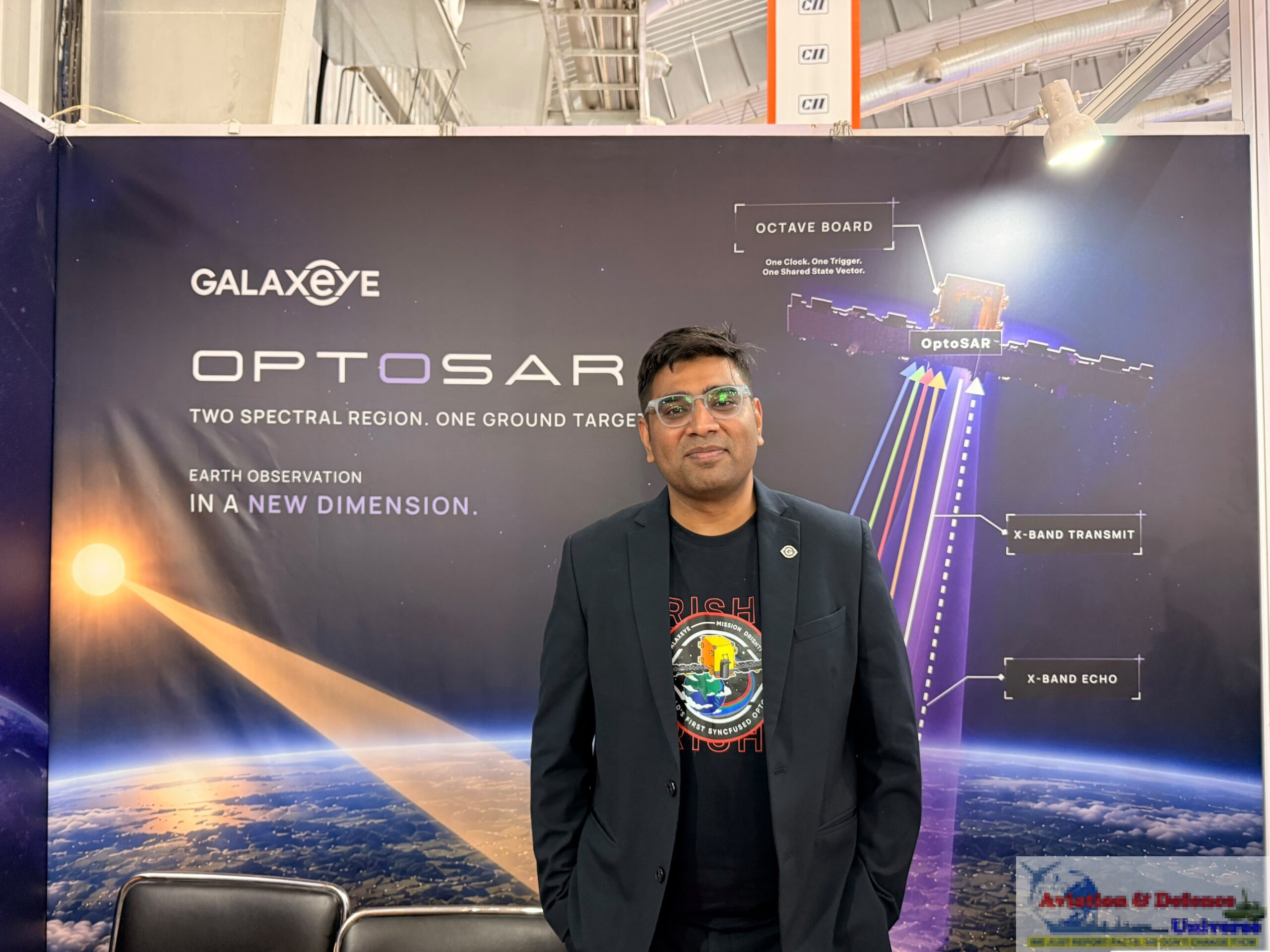
Anatoly Kopik of Sputniks presented another link between training and industry. He described the Russian company’s work on small satellites, onboard systems, ground stations and services using space data. Sputniks also works with universities and schools on educational spacecraft projects. Kopik invited cooperation with Indian partners across satellite hardware, software, data services and education.
Water security brought a different set of technologies into the room. The head of a Russian water-treatment company described a proposed treatment process and said her team was ready to conduct site-specific tests and feasibility studies with potential Indian users. Lev Maksimov, presenting a separate project, explained how waste from groundwater treatment could be used to produce magnetic particles for industrial inspection. His team is also exploring machine vision to help detect defects in metal components. Both presentations showed how the BRICS+ technology conversation extends well beyond space and AI software.
Ponomarenko closed the recorded presentation by explaining how ASI’s technological sovereignty model is meant to turn such interests into partnerships. Its technology maps classify capabilities according to whether they are available, need development or are absent. ASI then seeks to identify companies and research partners that could address the gaps. He said the India–Russia work had already led to business meetings and several active negotiation tracks.
AI Lens is intended to help assemble draft maps from large collections of technology and company information. Human verification remains a stated step in the process. The transcript ends as ASI moves from explaining the tool towards workshop cases; it does not record the outcomes of those exercises.
The session’s message was clear nonetheless. For the Synergia–ASI partnership, technological sovereignty is a working question: what capabilities are needed, where are the gaps, who can help close them, and how can the result be tested? The value of AI Lens and SAPIEN will lie in how well they help people answer those questions—and turn the answers into projects.





































-A4-Size-(2)_page-0001.jpg)