

 18th BRICS Summit














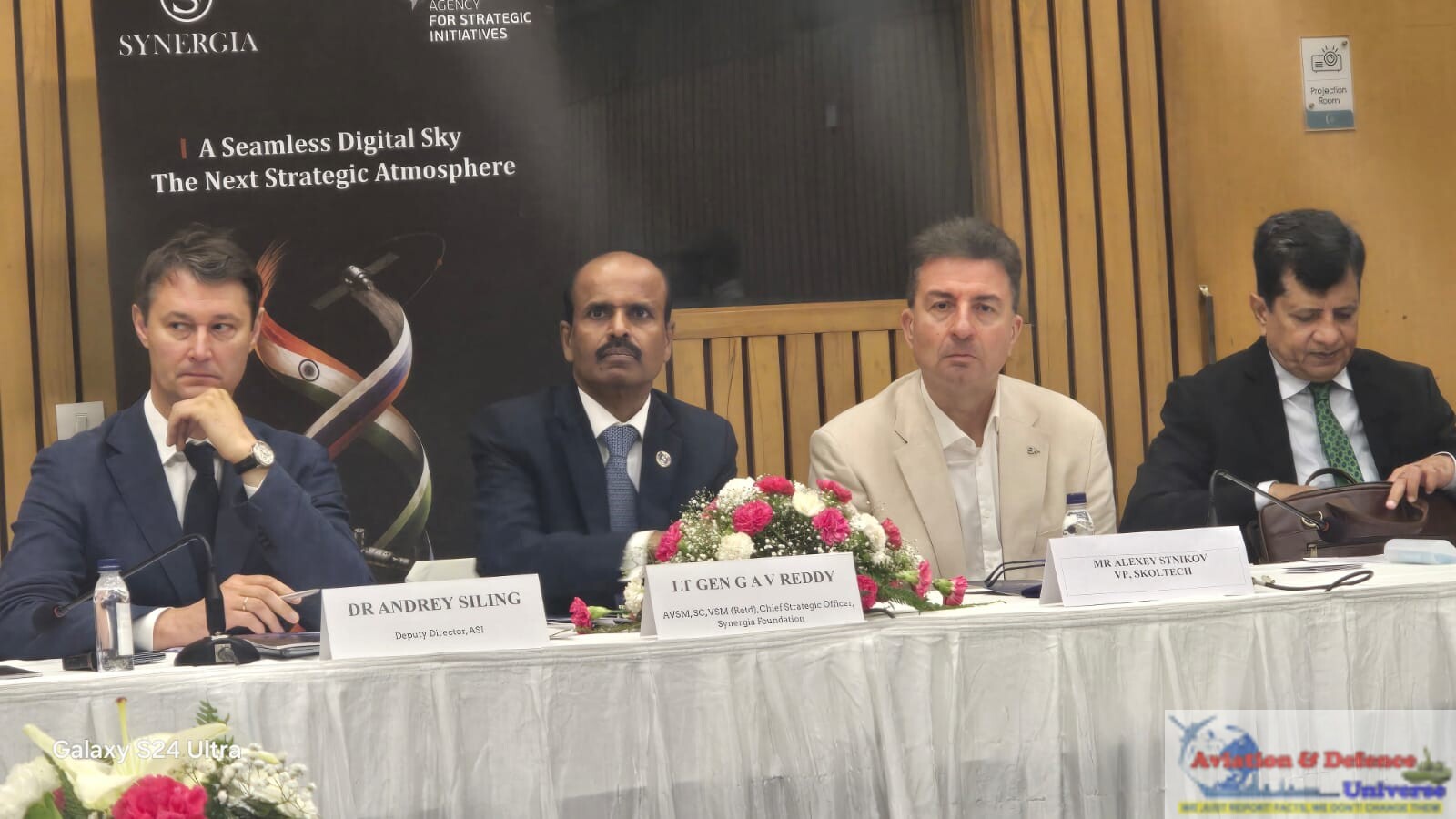
- Synergia Foundation–ASI roundtable calls for joint projects linking satellites, drones, navigation and ground infrastructure
- The Next Strategic Atmosphere: India and Russia Plan a Connected Sky
- From Satellites to Smart Cities: India and Russia Map the Next Frontier
By Sangeeta Saxena
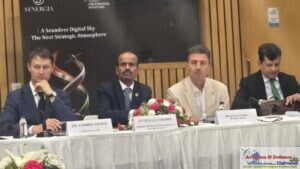
New Delhi. 12 September 2026. India and Russia have launched satellites together, trained astronauts and built a space relationship spanning decades. Now they are looking at a new challenge: connecting satellites, drones, navigation networks and ground infrastructure so they can work as one system. At the Synergia Foundation–Agency for Strategic Initiatives roundtable, “A Seamless Digital Sky: The Next Strategic Atmosphere,” strategic and technology leaders explored how that vision could become a programme of joint research, common standards and pilot projects.
 What happens when satellites, drones, aircraft and ground systems begin to work as one connected network? That question drove “A Seamless Digital Sky: The Next Strategic Atmosphere,” an India–Russia roundtable convened by the Synergia Foundation and Russia’s Agency for Strategic Initiatives (ASI) as a BRICS+ bilateral event. The discussion brought space cooperation down to practical questions: how systems will exchange data, who will set the rules, and which projects the two countries could build together.
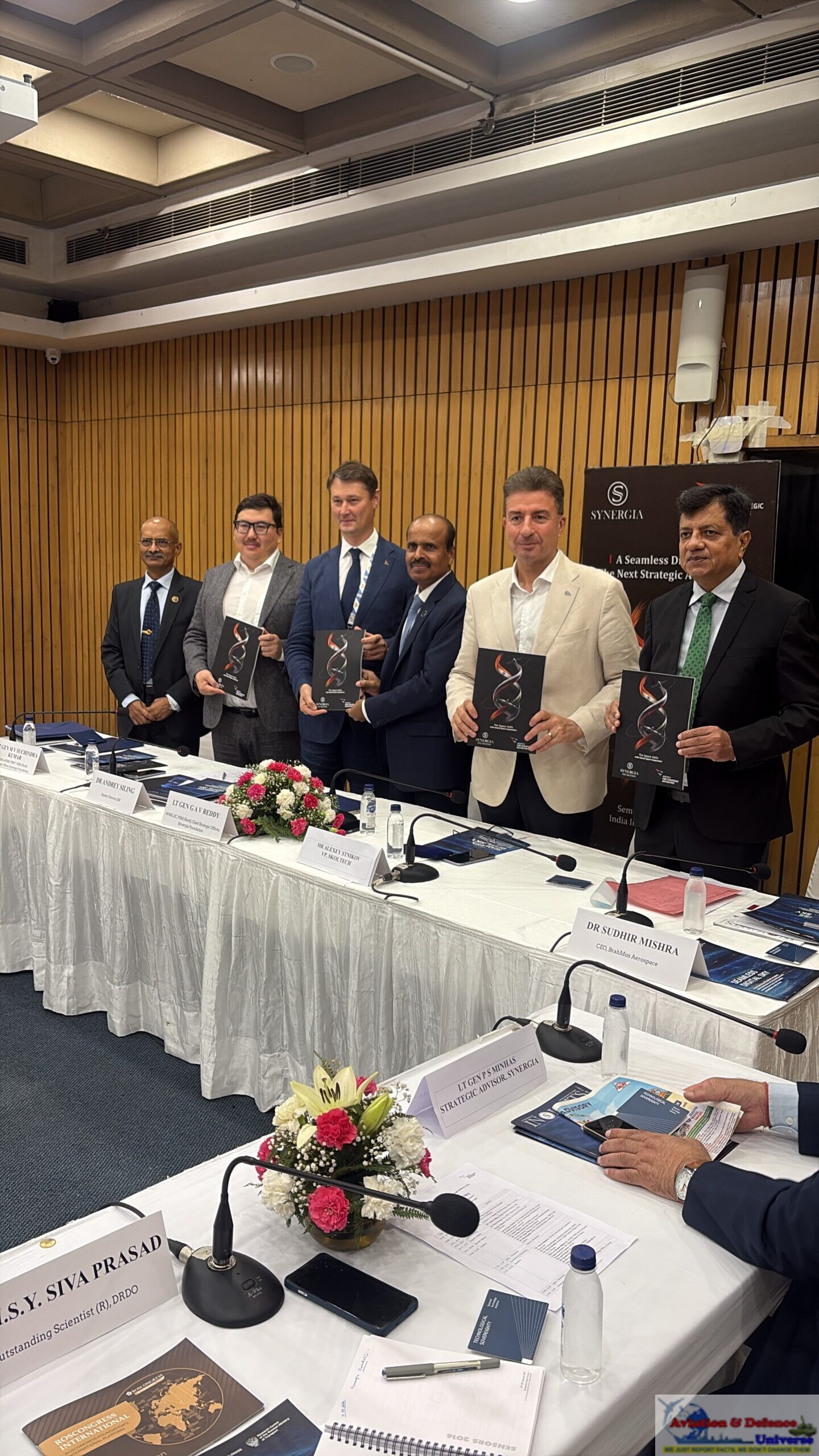
The event opened with the launch of a joint Synergia–ASI report, The Space Helix: India–Russia Space Cooperation. Introducing it, a Synergia representative said the study examines future cooperation across space, autonomous systems and the emerging digital environment. The aim, she said, was to consider technological possibilities alongside the geopolitical and commercial realities that would shape them.
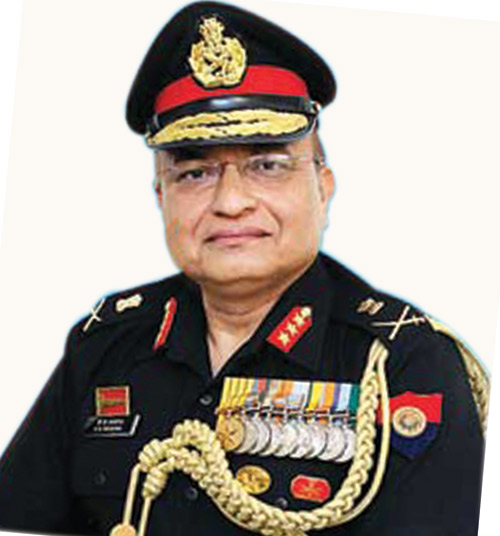
Lt Gen G A V Reddy, Synergia’s chief strategic adviser, called for a stronger connection between Indian space startups and Russian enterprises. He proposed a space industry forum to help potential partners find one another and argued that private participation would be essential to expanding the space ecosystem. The opportunity, he said, stretches across satellites, launch vehicles, subsystems, communications and tracking—not simply headline missions.
 Speaking for ASI, a Russian representative gave the roundtable’s central idea a clear form: satellite communications and navigation, drones, ground infrastructure, data and artificial intelligence should operate as a connected system. For users, the service should work without requiring them to know which platform is supplying information at any given moment. Making that possible would require compatible rules for identifying objects, granting permissions, exchanging data and maintaining safety, he said.
He proposed joint research, pilot projects and interoperable standards as the route from concept to deployment. India and Russia could begin by identifying companies and technologies for a consortium, then test how their systems work together. Technological sovereignty, he argued, should allow each country to retain control of critical infrastructure while cooperating on shared systems.
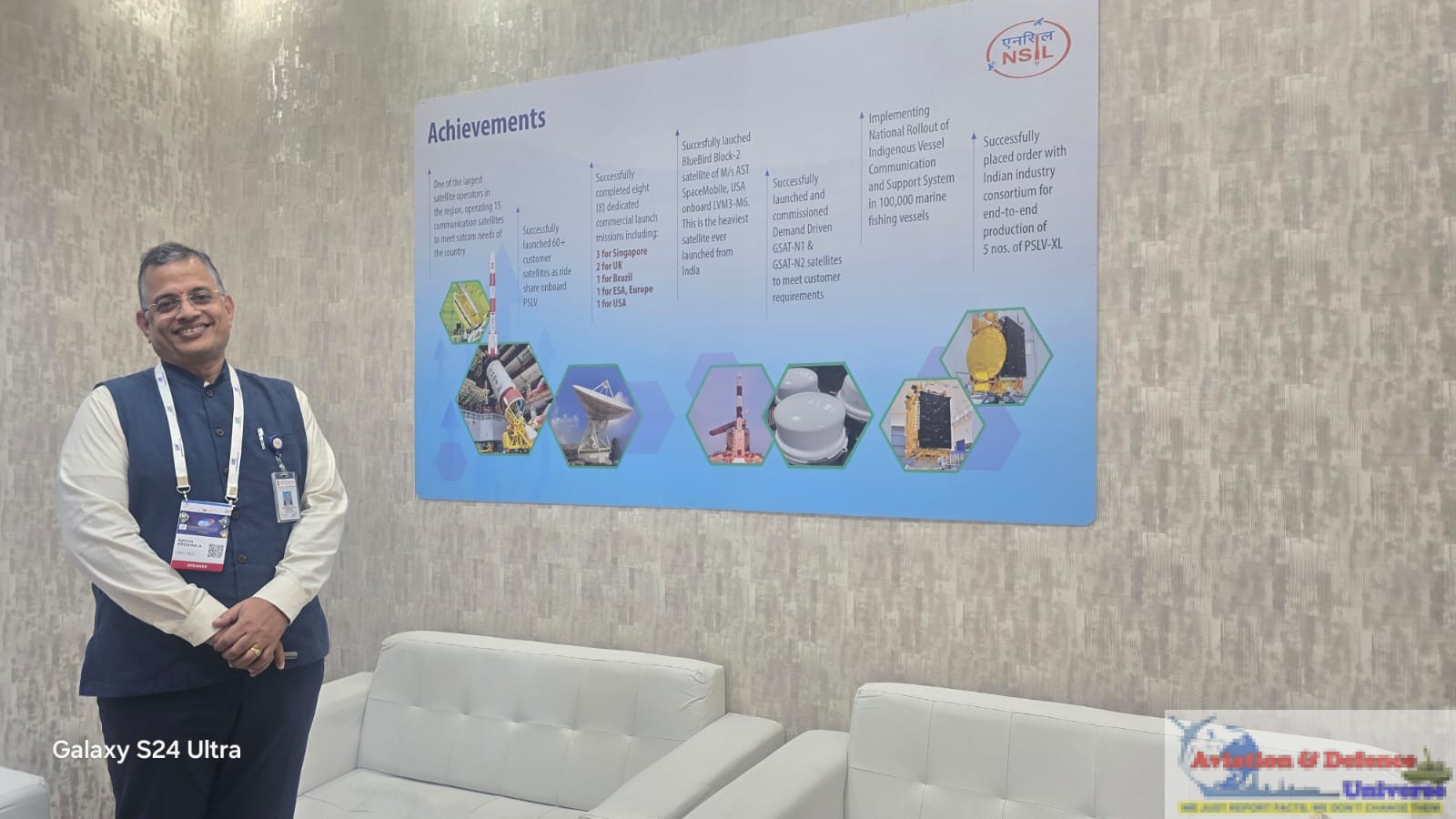
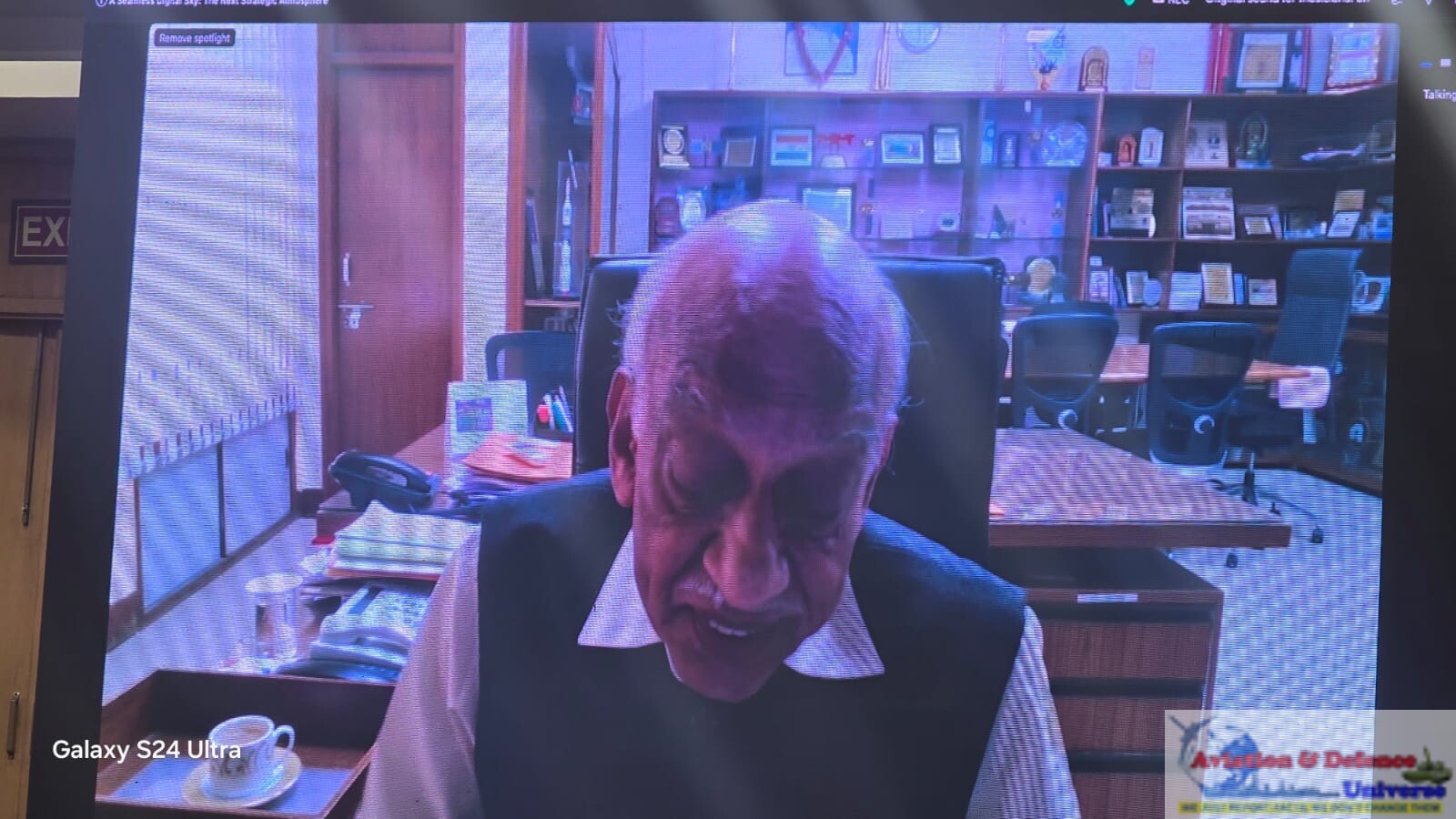 Delivering the keynote, former ISRO Chairman Dr A S Kiran Kumar placed the proposal in the context of a rapidly changing space sector. Satellites already support communications, navigation, banking, agriculture, disaster response and national security, he noted. As dependence on those services grows, so does the need to make space infrastructure resilient, secure and accessible.
Dr Kumar recalled the long history of India–Russia space cooperation, from India’s early satellite missions to Russian support for the training of Indian astronauts. But he urged participants to look ahead. Smaller satellites, reusable launch systems, artificial intelligence and new commercial ventures are changing the industry, creating scope for cooperation that goes beyond established government programmes. The roundtable, he said, should help turn that relationship into practical collaboration.
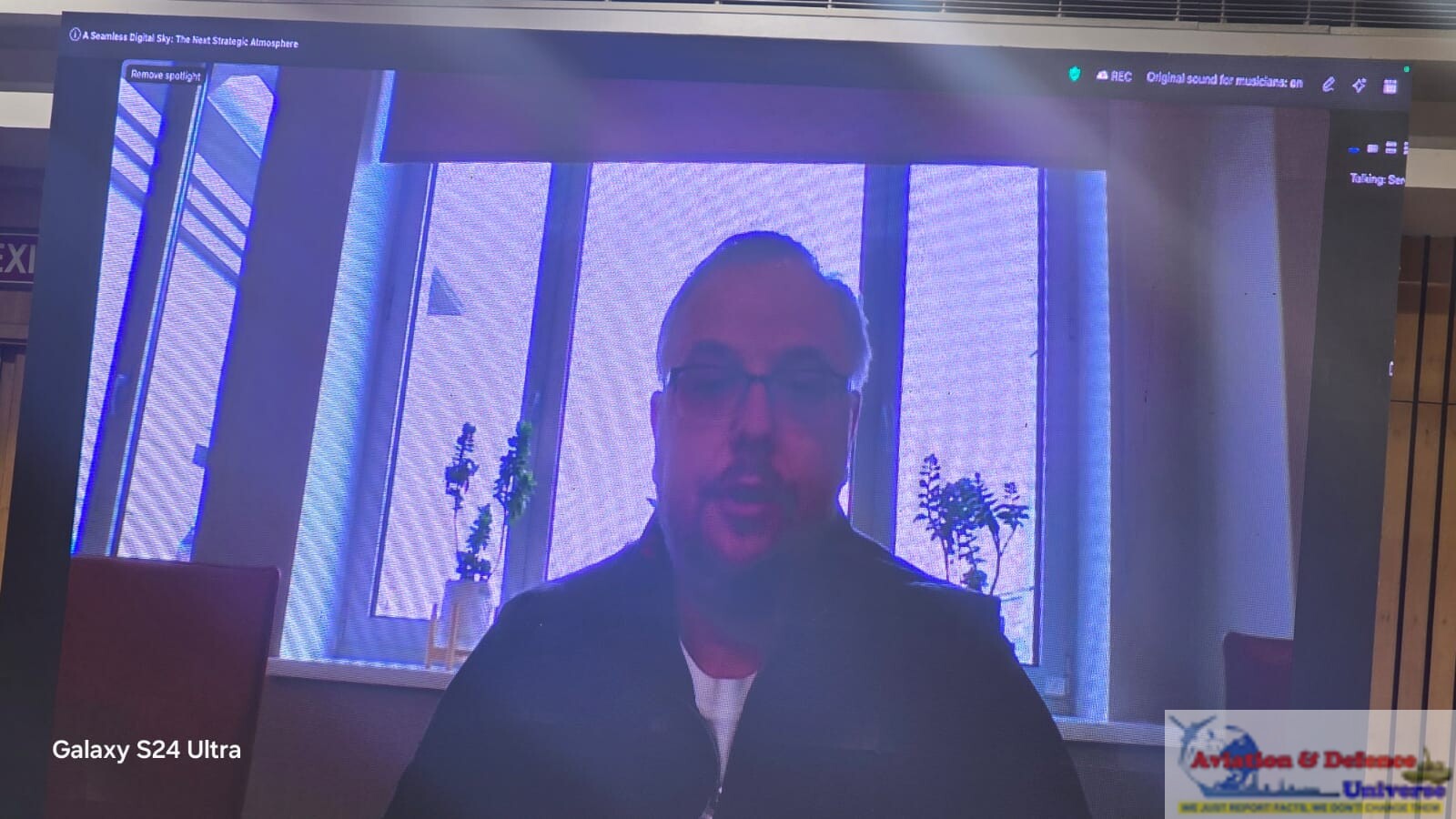
 A speaker from GLONASS, joining virtually, connected the digital sky concept to unmanned transport. He pointed to Russia’s work on an identification system for unmanned vehicles and India’s “no permission, no take-off” approach to drones as possible starting points for technical cooperation. Secure satellite communications, navigation resistant to interference, AI and autonomous systems were among the other areas he identified.
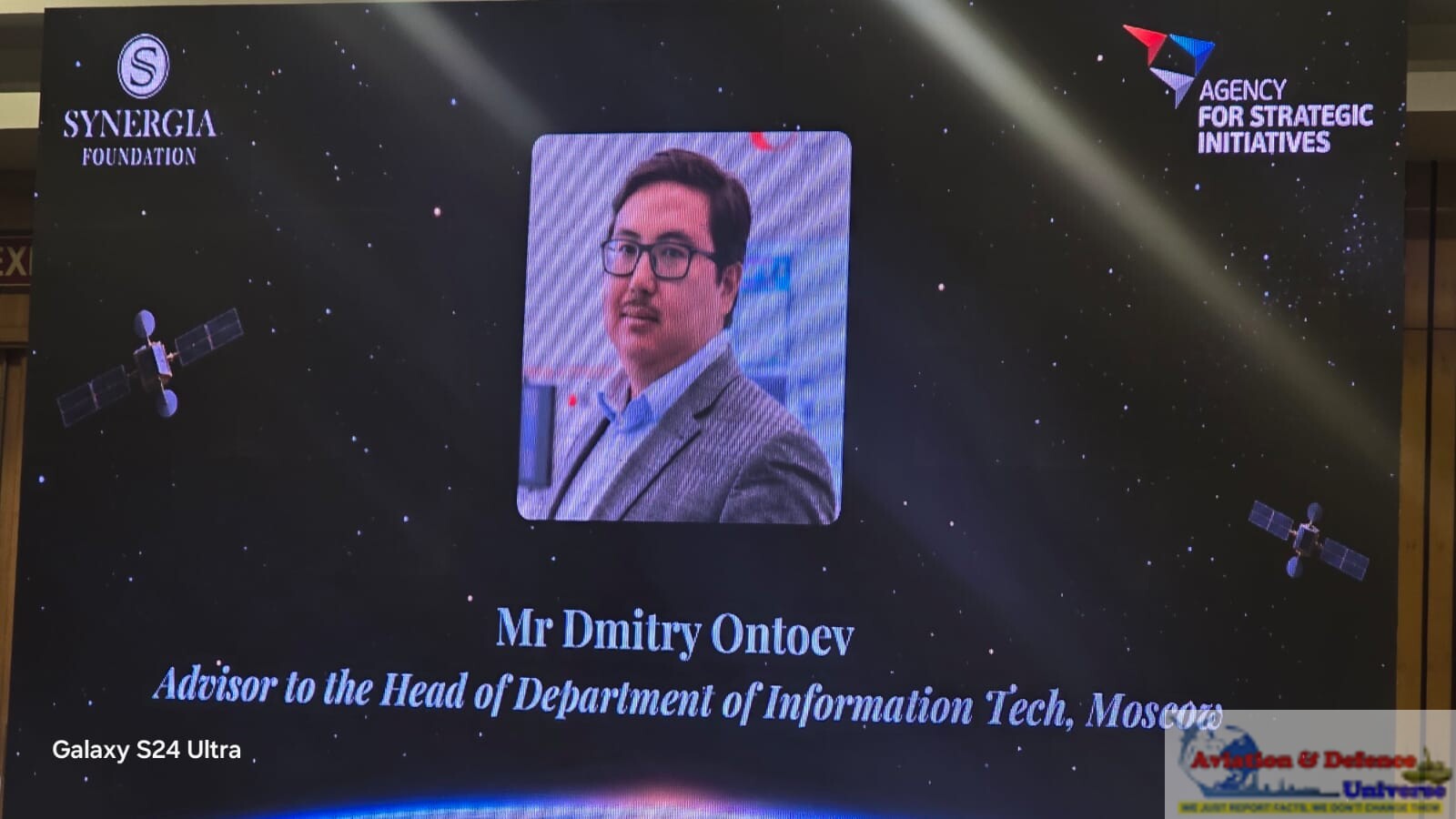
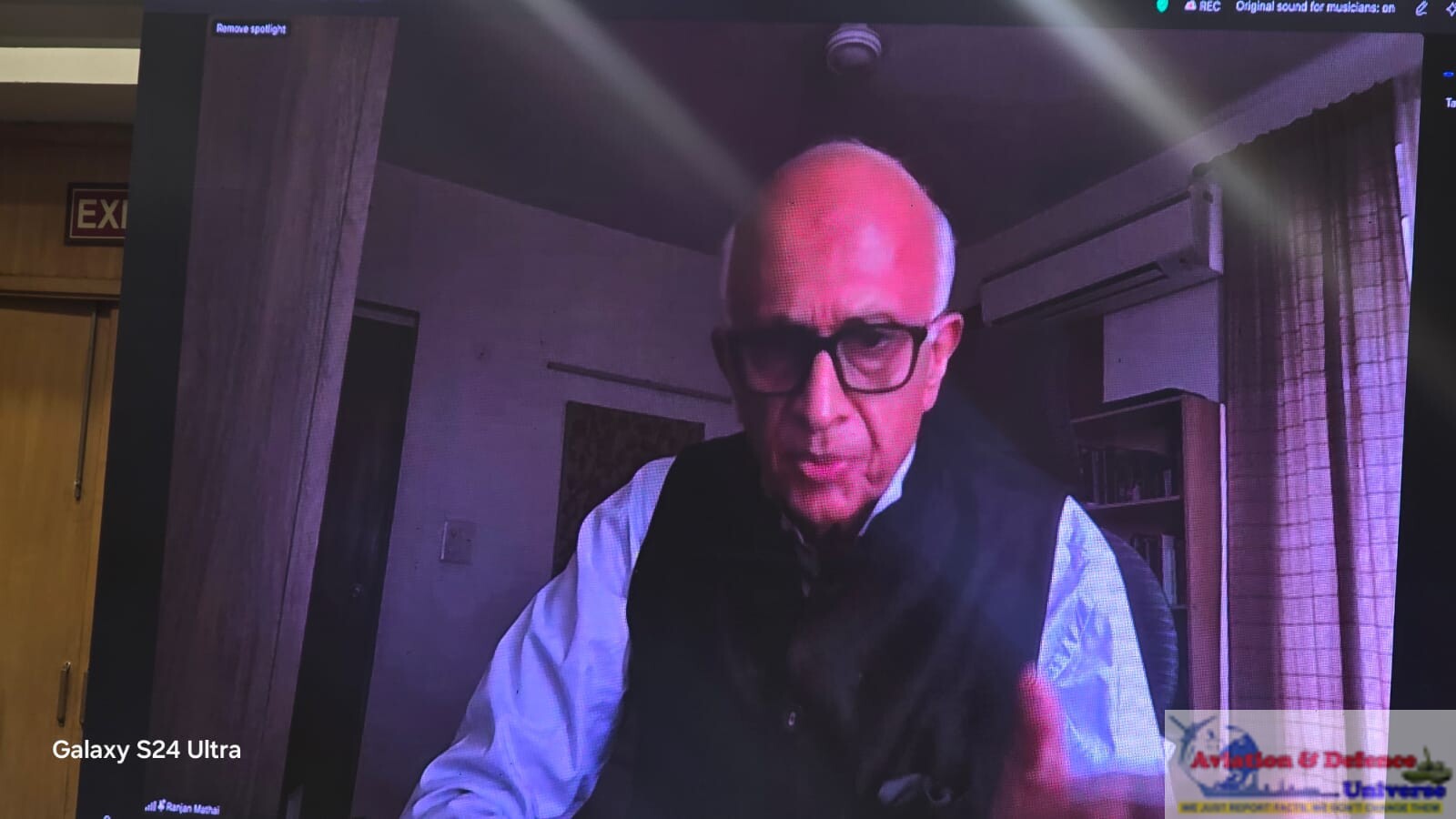 Former Foreign Secretary Ambassador Ranjan Mathai brought a geopolitical perspective to the discussion. He argued that India’s goal should be strategic autonomy in space and said India–Russia cooperation could help advance it. As the number of satellites in orbit grows, international coordination over access and safety will become more pressing, he said. Mathai also identified launch capability and the critical technologies behind it as priorities for future cooperation.The final presentation in the recorded session showed what a connected digital sky could mean for a city. An adviser to Moscow’s information technology administration described how the city combines satellite imagery, drone data and ground sensors in a digital twin used for planning and municipal decisions. He said the model helps officials assess how proposed construction could affect traffic and infrastructure, and offered to share Moscow’s experience with Indian counterparts.
The roundtable left a concrete test for the India–Russia partnership: whether its participants can turn the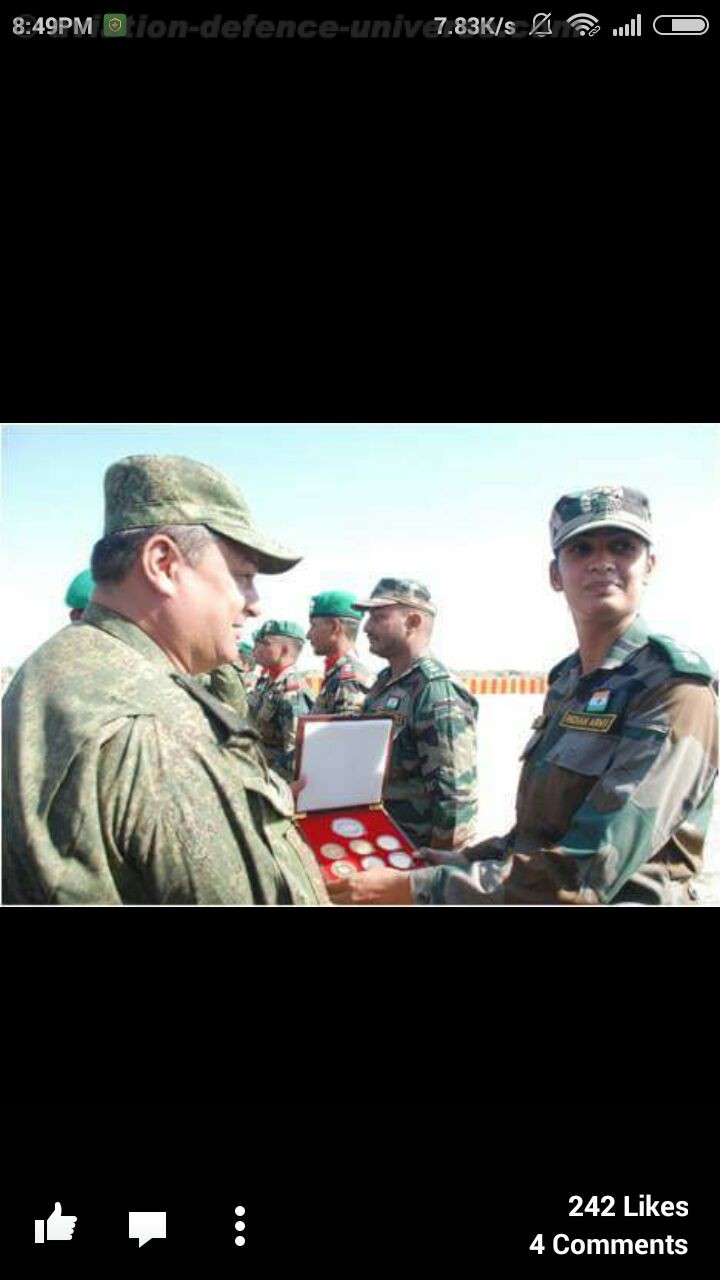 shared vision into pilot projects, compatible rules and systems that work across the sky and on the ground. As the speakers made clear, the next strategic atmosphere will depend as much on trusted connections and usable data as it does on spacecraft.
India–Russia space cooperation has a history that gives this conversation unusual depth. From Soviet support for India’s early satellite missions and Rakesh Sharma’s 1984 spaceflight to Russian involvement in training Indian astronauts for Gaganyaan, the partnership has crossed generations of technology and expertise. Former ISRO Chairman Dr A S Kiran Kumar reminded the roundtable of that legacy while urging both countries to shape its next chapter around today’s needs: commercial space activity, resilient infrastructure and practical cooperation between industry and government.
The roundtable’s strongest message was that a seamless digital sky cannot be built through satellites alone. It needs secure links to drones and ground systems, rules that let those systems work together, and projects that prove the technology in use. For India and Russia, the opportunity is to turn a trusted space relationship into a connected network that delivers results on Earth.




































































-A4-Size-(2)_page-0001.jpg)