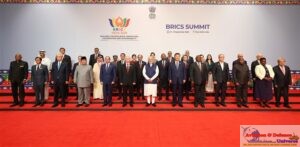
 18th BRICS Summit











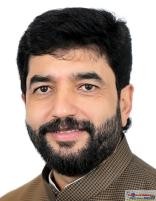

- 7,500 Satellites, Direct-to-Cell & Sea Launch: An India-Russia Space Vision
- Space Sovereignty Begins with Data Sovereignty: Manish Kukreti, Founder Vyom Aerospace Spells Out
- Sovereignty in Orbit: Calls for an India-Russia Space and Data Alliance
By Sangeeta Saxena
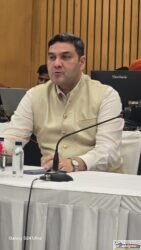
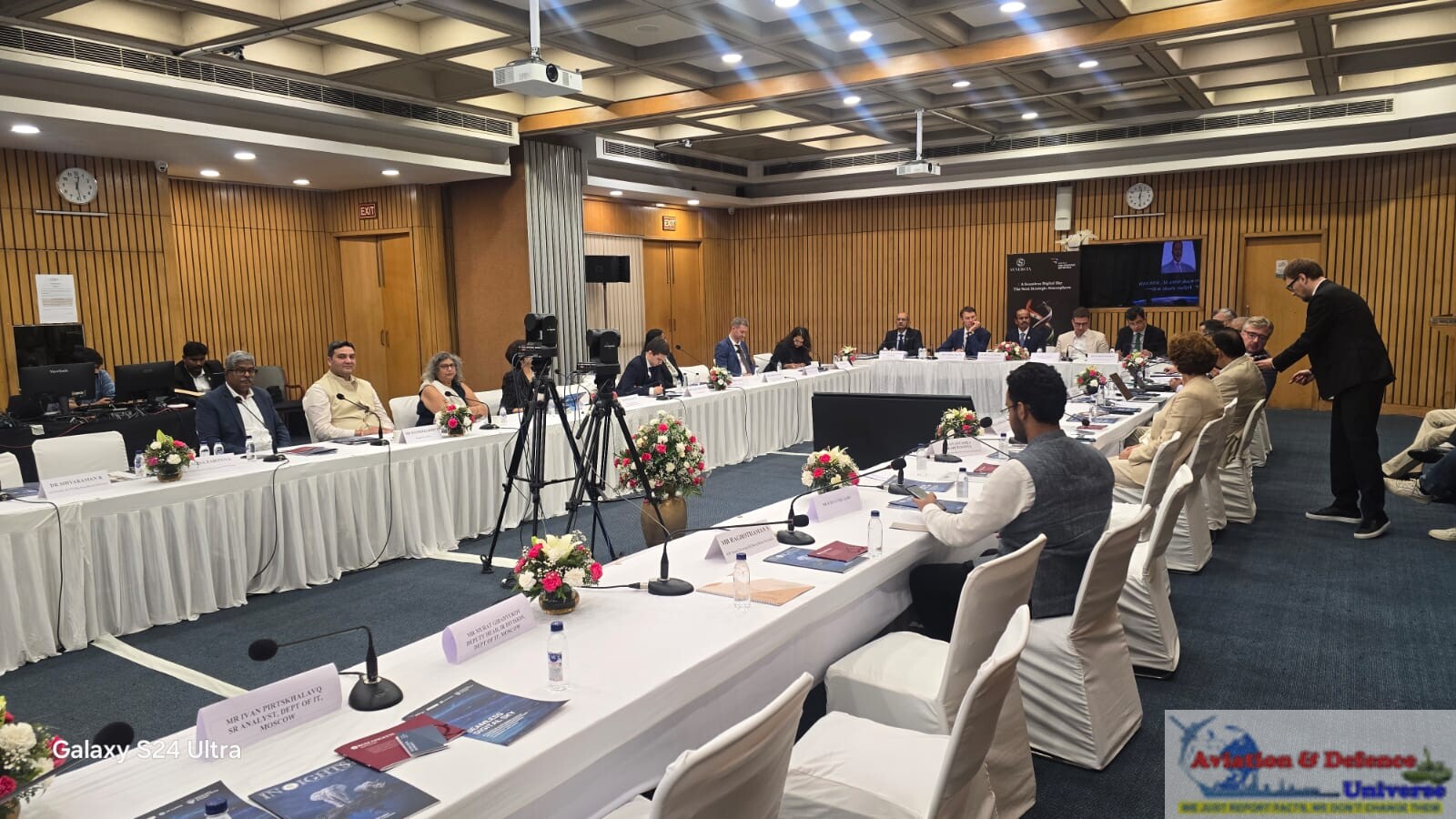
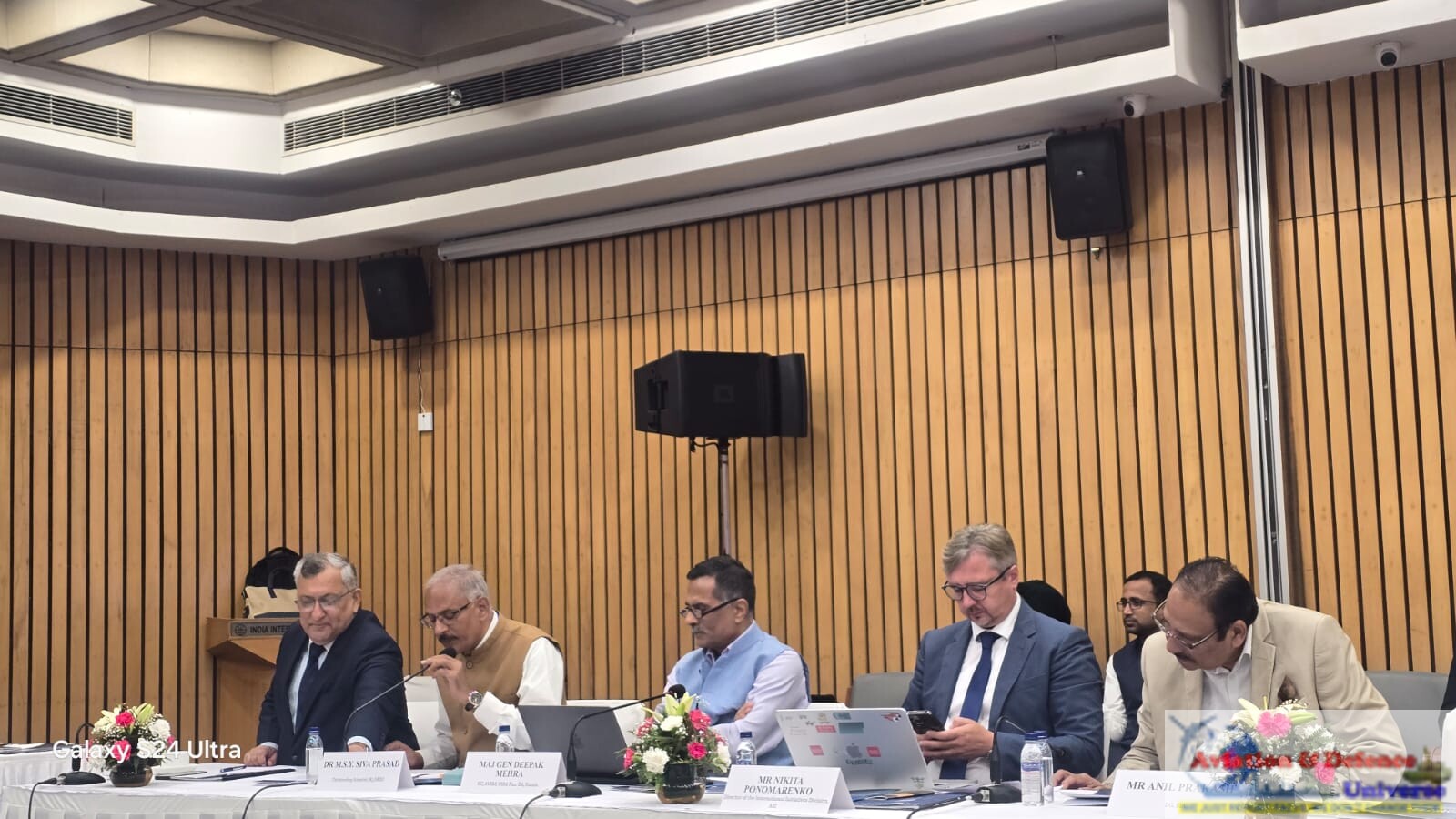
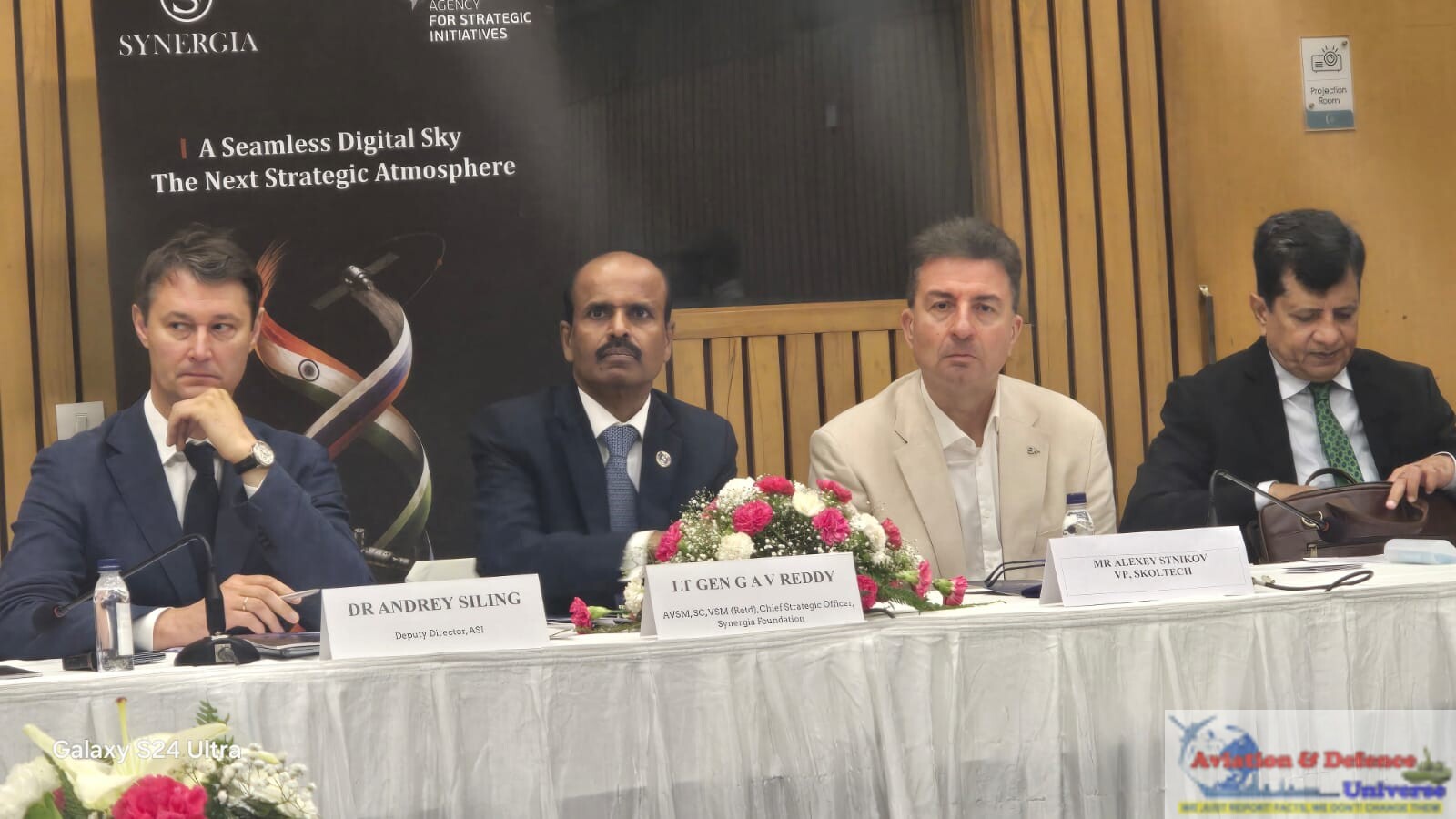
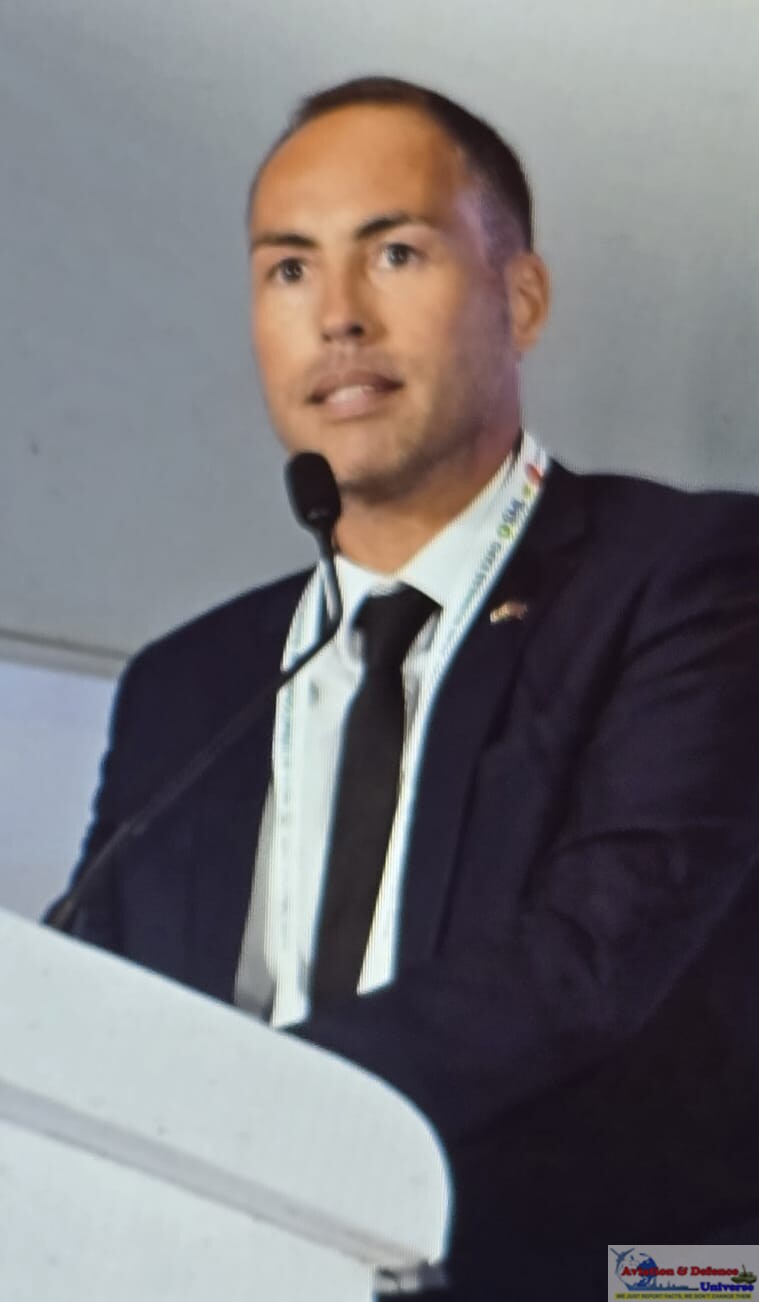
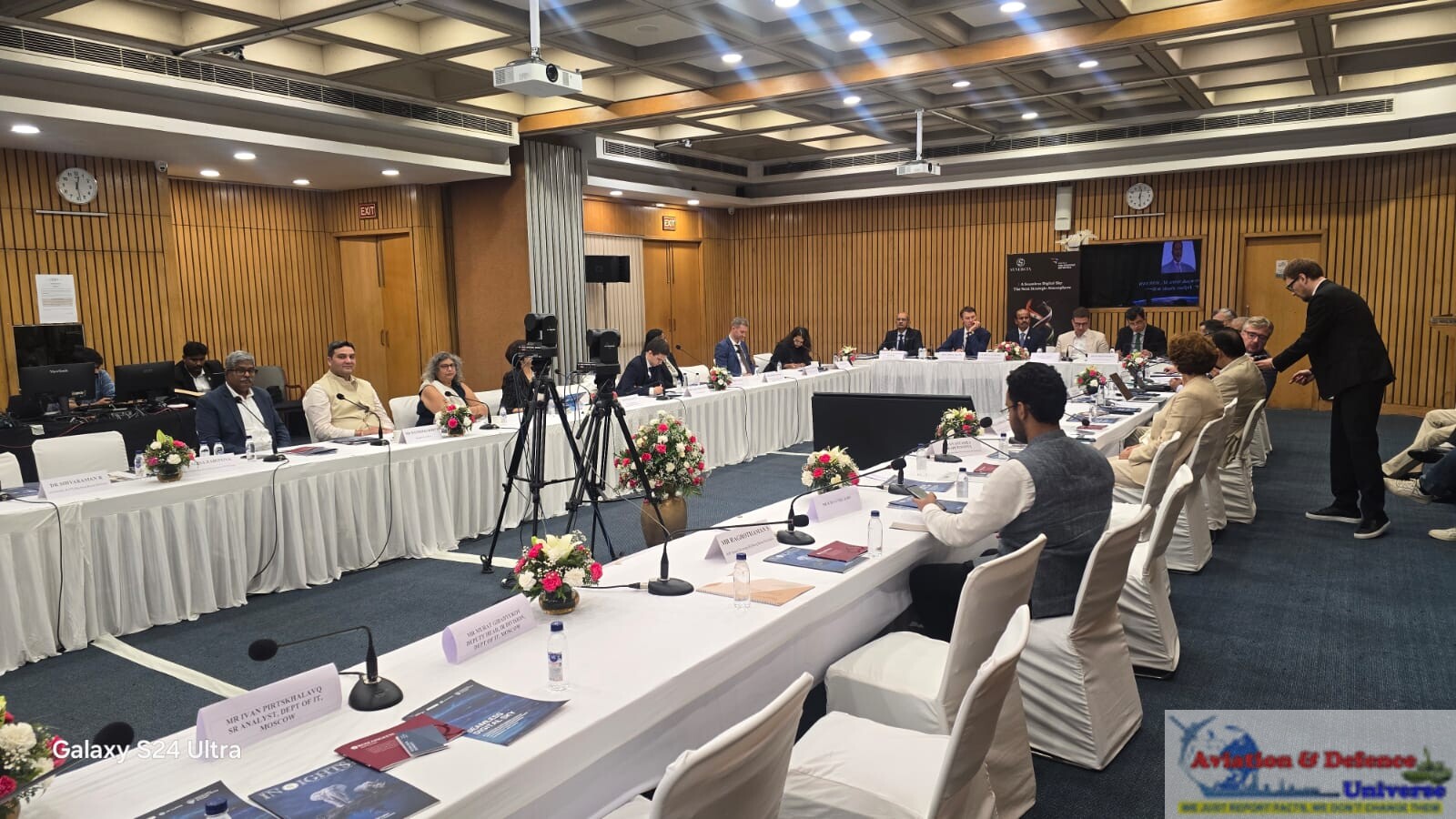
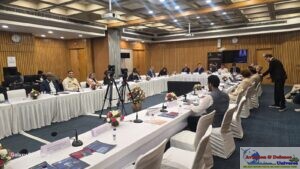
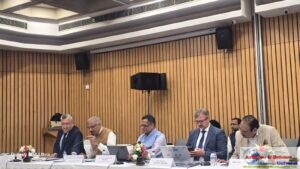
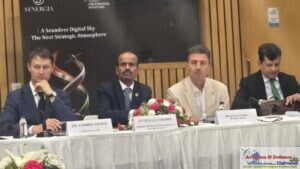
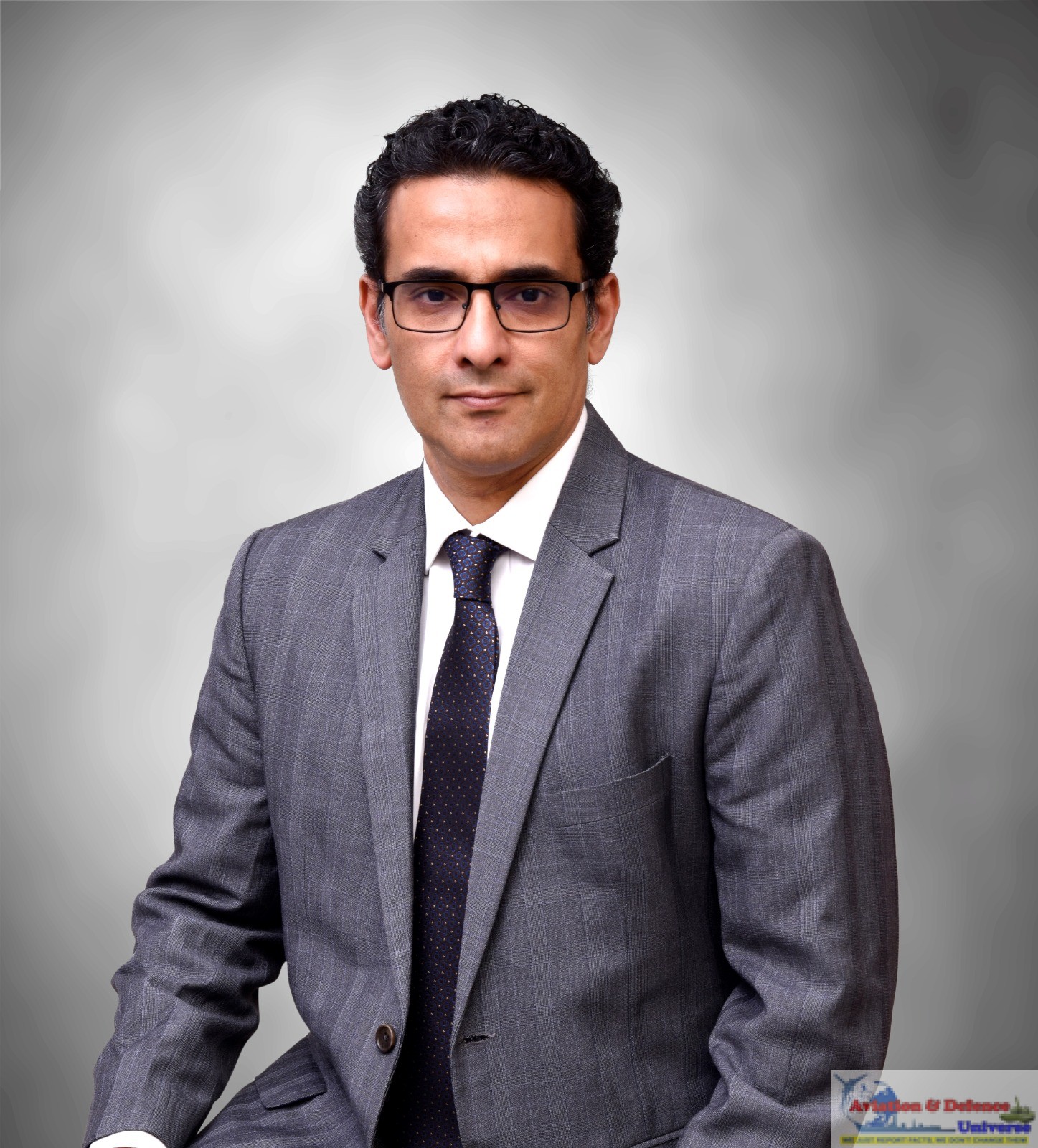
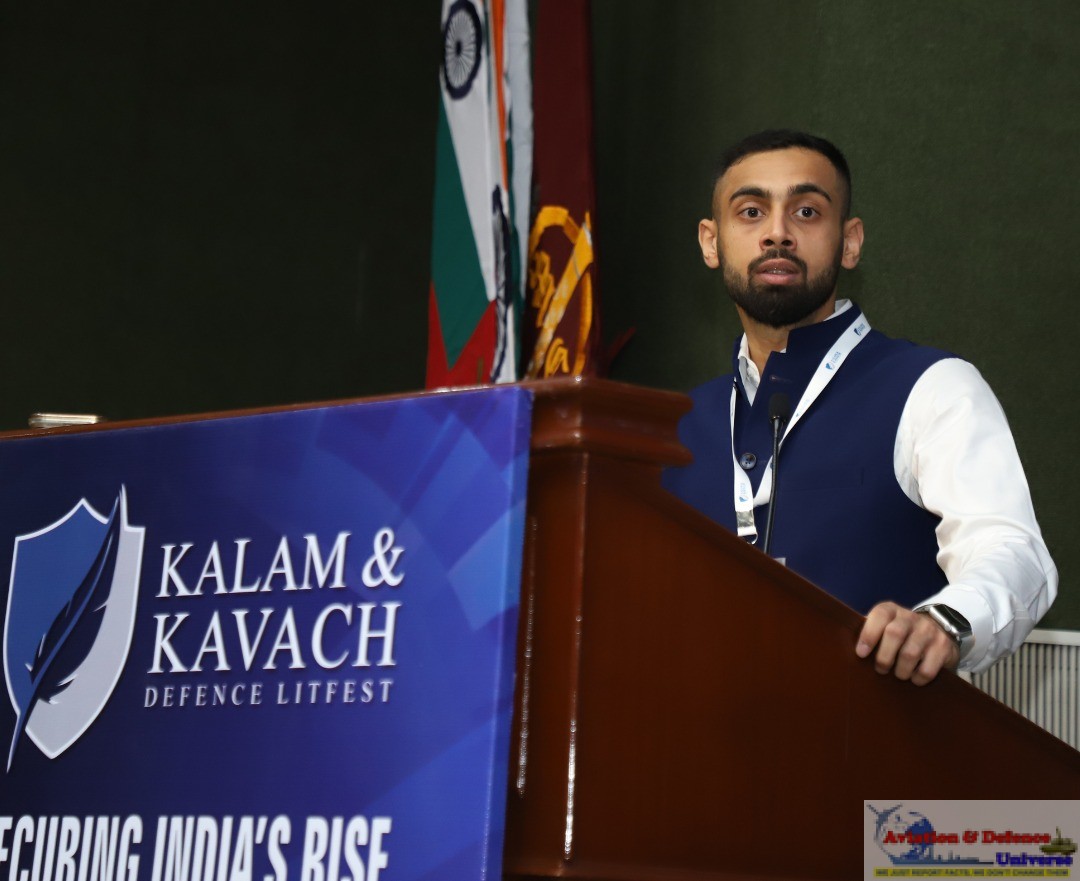
New Delhi. 14 September 2026. What if the next big chapter of India-Russia cooperation is written not on Earth, but in orbit—and its most valuable asset is not a rocket or satellite, but data? At the Indo-Russian Roundtable organised by Synergia on the sidelines of the BRICS Summit in New Delhi, Manish Kukreti, Founder, Vyom Space Exploration & Services, laid out an ambitious vision connecting satellites, launch vehicles, direct-to-cell connectivity, sea-launch platforms and sovereign data infrastructure. His proposition was sharp: India and Russia already possess complementary strengths; bringing them together could create an end-to-end space ecosystem where the two nations not only generate and transmit data, but process it, own it and control it. “Sovereignty and ownership and independence of data is the key,” he declared, placing data sovereignty firmly at the heart of the next frontier of Indo-Russian strategic cooperation.
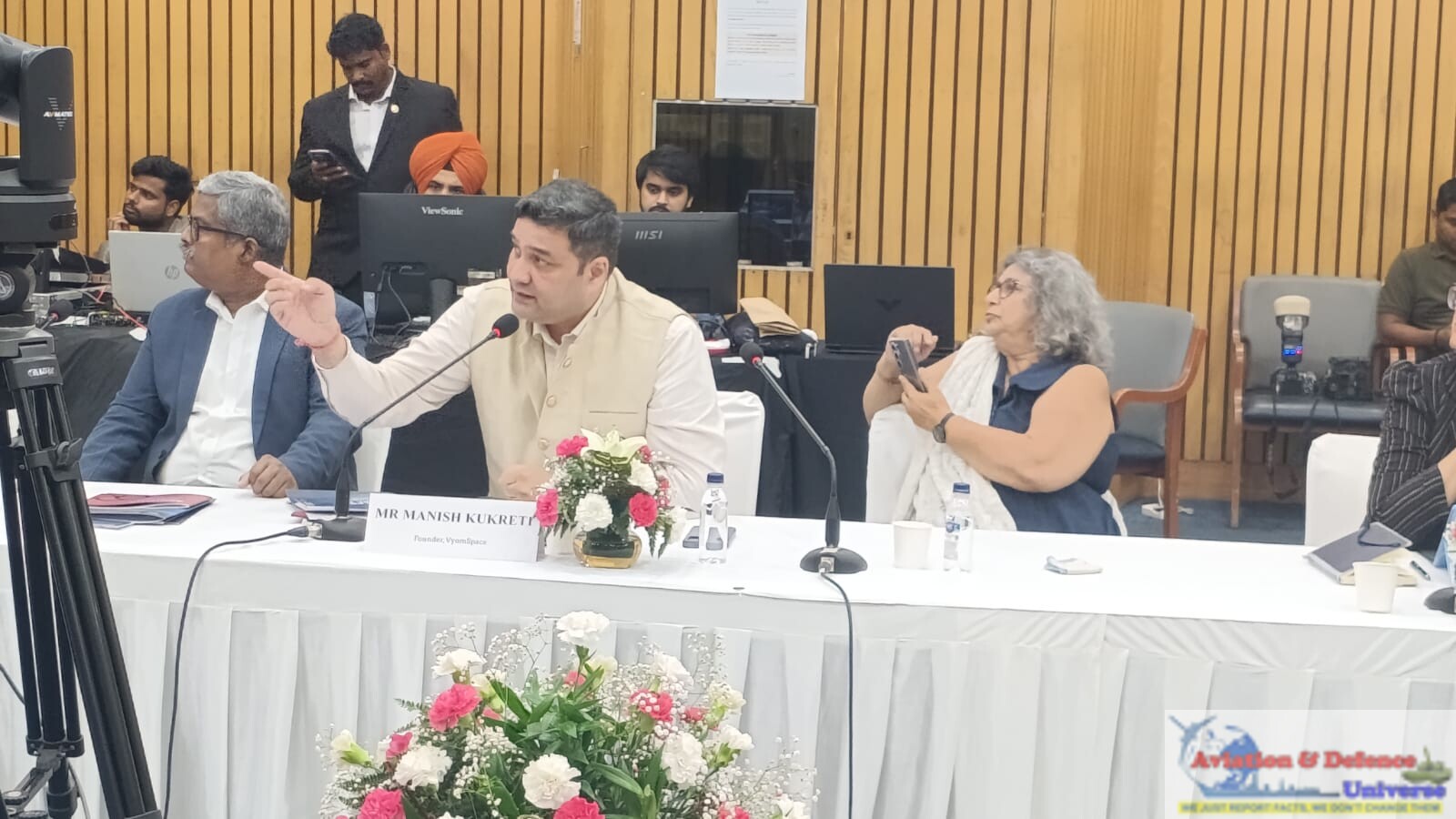 India and Russia have the technological heritage, engineering capabilities and strategic complementarity to jointly build an end-to-end sovereign space and data ecosystem capable of competing with Western-controlled infrastructure, said Manish Kukreti, Founder, Vyom Space Exploration & Services, while addressing the Indo-Russian Roundtable organised by Synergia on the sidelines of the BRICS Summit in New Delhi.
Making a strong pitch for deeper India-Russia collaboration across satellites, launch vehicles, direct-to-cell connectivity, sea-based launch infrastructure and data processing, Kukreti argued that the next phase of strategic autonomy will be determined not simply by access to space but by who controls the data generated through space-based infrastructure.
“Data is the new oil,” he said, stressing that India is among the world’s largest generators of data but still lacks sufficient indigenous capacity to convert the volumes it generates into processed, commercially and strategically valuable products. “We need to control the data. India is the number one data generator in the world,” Kukreti said. “What we do not have the capability [for] is to process it and make it as a product and own it.”
He argued that combining Indian and Russian strengths could help address this gap. “By combining both the countries’ capabilities, whether it is India’s or Russia’s, both the countries can actually capture the world market and become completely data sovereign.”
A Vertically Integrated Space Ecosystem
Presenting Vyom Space’s vision, Kukreti said the company had spent the past five years working towards a vertically integrated architecture encompassing space and data. He outlined an ambitious ecosystem involving a 7,500-satellite AI-enabled, military-grade, dual-use hybrid constellation, last-mile connectivity through aerostats and aeroships, dedicated launch vehicles integrated with satellites and independent launch infrastructure.
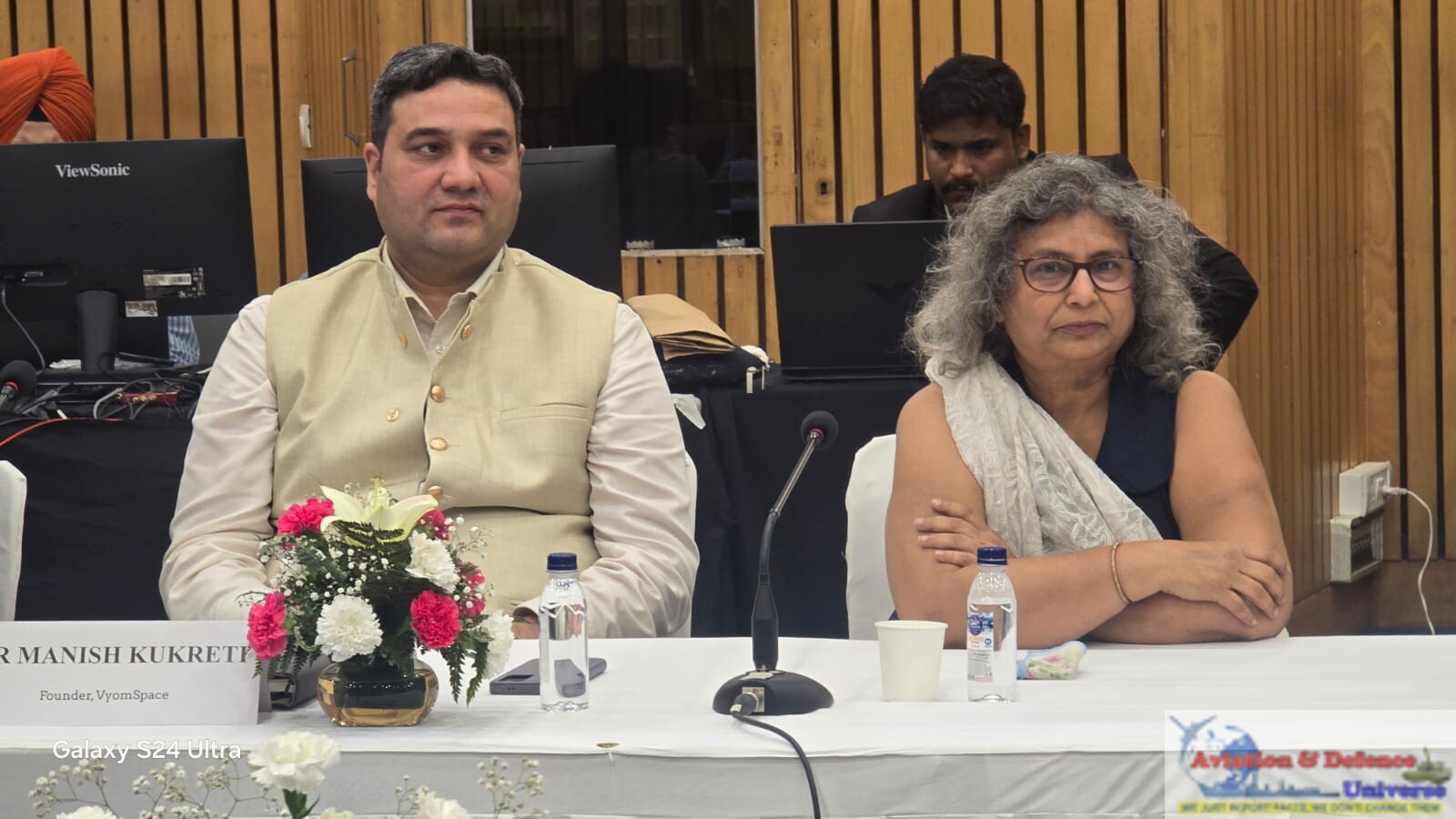 The objective, he explained, is to create an entire chain under sovereign control rather than developing individual components in isolation. Kukreti said such an ecosystem would allow India and Russia to reduce dependence on foreign infrastructure while developing an alternative capable of competing internationally. “Unless we don’t achieve all these things together as one, we will not be able to compete with the Western control, which is primarily SpaceX as of today,” he said, referring to the company’s dominant role in the commercial launch market. For Kukreti, therefore, the challenge is not simply to manufacture satellites or rockets. It is to integrate launch capability, spacecraft, connectivity and data processing into a single sovereign architecture.
India-Russia Cooperation on Space Propulsion
Kukreti highlighted Vyom Space’s existing engagement with Russian space organisations and referred specifically to cooperation involving the RD-191 rocket engine. “We are the ones who actually signed it in 2023,” he said, adding that the company had worked on integrating Russian propulsion capabilities with Indian launch architecture.
He also referred to work surrounding Pushpa, which he described as a cargo-oriented programme connected with India’s broader human-spaceflight ambitions. Kukreti told the gathering that some of the material being presented had not previously been shown publicly, saying he was sharing it because the gathering consisted of Indian and Russian participants.
He also referred to collaboration with Indian public-sector entities for serial rocket production and the company’s engagement with the Andhra Pradesh government on a proposed Space City programme. Cooperation with IIT Roorkee, he added, was aimed at advancing direct-to-cell connectivity.
Direct-to-Cell Connectivity: The Strategic Objective
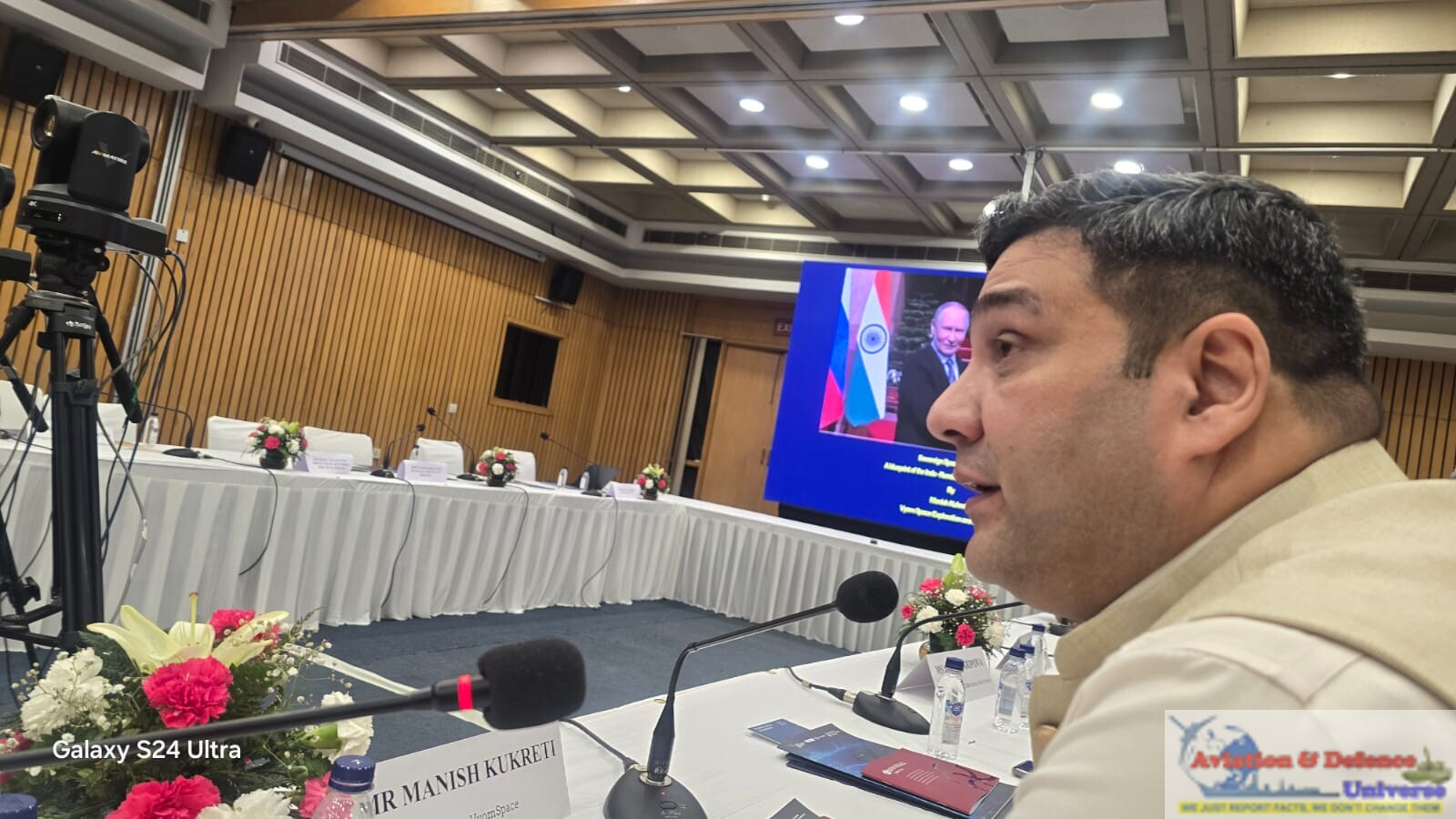 At the heart of Kukreti’s proposition lies a simple but potentially transformative objective: enabling a mobile phone to communicate directly with a satellite without dependence upon conventional terrestrial infrastructure. “Can I give last-mile connectivity on my phone directly from a satellite? And that too at an affordable rate, so that I am not dependent on any foreign data company to tell us you can do this and tomorrow you cannot do this?” he asked.
For Kukreti, this capability has strategic implications extending well beyond telecommunications. If connectivity infrastructure and the resulting data remain dependent upon foreign corporations, national autonomy can potentially become vulnerable to commercial decisions, geopolitical pressures or denial of services.
“If we bring our synergies together between the two countries, we will be the world leaders in data,” he said. The proposed 7,500-satellite hybrid constellation, he argued, could therefore serve not only Indian or Russian requirements but potentially offer sovereign connectivity solutions to other countries seeking alternatives to existing commercial satellite networks.
An Indo-Russian Alternative Through BRICS
Kukreti placed this proposed cooperation within the wider BRICS framework, arguing that India and Russia could create an independent space-based connectivity architecture accessible to friendly countries. As satellite constellations expand and launch costs decline, he warned that countries face an increasingly stark technological choice.
 “India and the whole world have to either compete or follow it. There are no third ways out of it,” he said. He therefore proposed developing a competitive India-Russia solution around hybrid satellite constellations and sovereign launch infrastructure. “How do we achieve a solution which will get every friendly country across the world to come and say, we can rely on an independent collaboration with Indo-Russia through BRICS?” he asked. Such a framework, in his assessment, could provide countries with an alternative model of space-based digital infrastructure without depending exclusively upon Western commercial networks.
Reviving the Sea Launch Opportunity
A particularly significant component of Kukreti’s proposal was the revival and adaptation of sea-based launch capability. He pointed to Russia’s historical expertise in designing and developing sea-launch infrastructure and argued that India’s geographical proximity to the equator could provide an important advantage if this capability were jointly developed.
“Seventy to seventy-five per cent of the communication satellites in the world need to come on the equator. India is hardly far away from the equator,” he said. Launching closer to the equator can offer performance advantages for missions to certain orbits. Kukreti contrasted this with launch locations at higher latitudes, arguing that additional energy is required for some missions.
He proposed integrating a sea-launch platform with a dedicated rocket and satellite architecture to create what he described as an efficient, independent and responsive launch system. “You will be able to integrate your capabilities and be the most efficient launch solution in the world in terms of cost, in terms of independence and in terms of launch on demand without any dependency from any foreign partners,” he said.
Benchmarking Against SpaceX
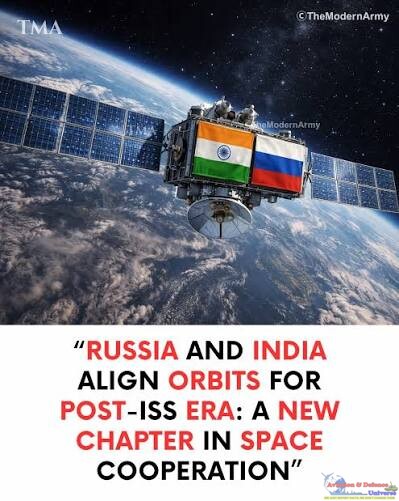
Kukreti repeatedly used SpaceX as the benchmark against which an Indo-Russian ecosystem should measure itself—not necessarily to replicate the American company’s model, but to understand the scale and economics required to compete globally. He said his team’s calculations had examined the potential payload capability of an upgraded Indian launch architecture incorporating the RD-191 engine and sea-launch infrastructure against Falcon-class capabilities.
“We have always calculated with Falcon because we must compete and benchmark it with the best in the world,” he explained. But he cautioned against allowing competition with SpaceX to become the objective in itself. “Now we don’t need to compete with SpaceX. We need to be as optimum as our capabilities bring us to,” he said. India and Russia, he argued, possess a different strategic strength: their combined ability to generate, utilise and potentially control vast quantities of data.
Space Cooperation Must Begin at the Design Stage
Kukreti also linked the proposed ecosystem to future India-Russia cooperation in human spaceflight and space-station development. He argued that interoperability cannot be introduced as an afterthought. Indian and Russian standards must be harmonised from the planning and design stages if spacecraft, launch vehicles, satellites, cargo systems and future orbital infrastructure are ultimately expected to work together.
“Unless we have the integrated system where the standards of Russia and India combine together as one and we don’t start it from the planning stage, neither the human capsule cargo programme, the rocket, the satellite and the space station can come together,” he said. He added that this integrated approach had been central to the work his organisation had pursued over several years.
Data Sovereignty is the End Goal
Despite the breadth of technologies discussed—from rocket engines and satellites to sea-launch platforms and direct-to-cell connectivity—Kukreti repeatedly returned to one fundamental objective: ownership of data. “Sovereignty and ownership and independence of data is the key. If we achieve that, every other solution will follow it,” he said.
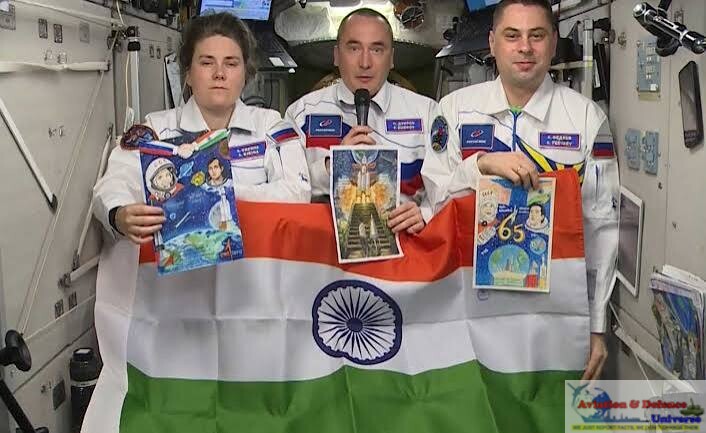 He also linked data sovereignty to the ownership structures of technology companies. Kukreti said Vyom Space had deliberately avoided Western investment because, in his assessment, external equity can create obligations concerning access to company information and intellectual property.
His larger argument was that strategic technology companies working in sensitive sectors must consider not only where their infrastructure is located but also who owns the enterprise, its intellectual property and the information generated by it. For India and Russia, he suggested, this creates an opportunity to build a technology partnership founded upon sovereign ownership rather than technological dependence.
From Bilateral Cooperation to a BRICS Space-Data Architecture
Kukreti’s address ultimately presented a vision extending far beyond conventional India-Russia space cooperation. His proposition was to connect Russian expertise in propulsion and launch technologies with India’s geographical advantages, engineering talent, growing space ecosystem and massive digital economy to create an integrated alternative in the global space-data market.
The architecture he envisaged stretches from rocket engines and launch vehicles to satellites, sea-launch infrastructure, direct-to-cell communications and ultimately sovereign data processing. At its heart lies a strategic proposition: the countries that control the infrastructure carrying tomorrow’s data will wield enormous economic and geopolitical influence.
India-Russia space cooperation is one of the oldest pillars of their strategic and technological relationship, stretching back to the formative years of India’s space programme. The Soviet Union launched India’s first satellite, Aryabhata, in 1975, followed by the Bhaskara experimental Earth-observation satellites in 1979 and 1981, while Russian cooperation later contributed to India’s development of cryogenic propulsion capabilities. The partnership has subsequently expanded into human spaceflight, with ISRO and Roscosmos signing an MoU in 2018 on joint activities for the Gaganyaan programme; ISRO continues to describe Gaganyaan as a major area of bilateral space cooperation.
The relationship is also evolving into newer technological domains: ISRO’s 2025–26 annual report records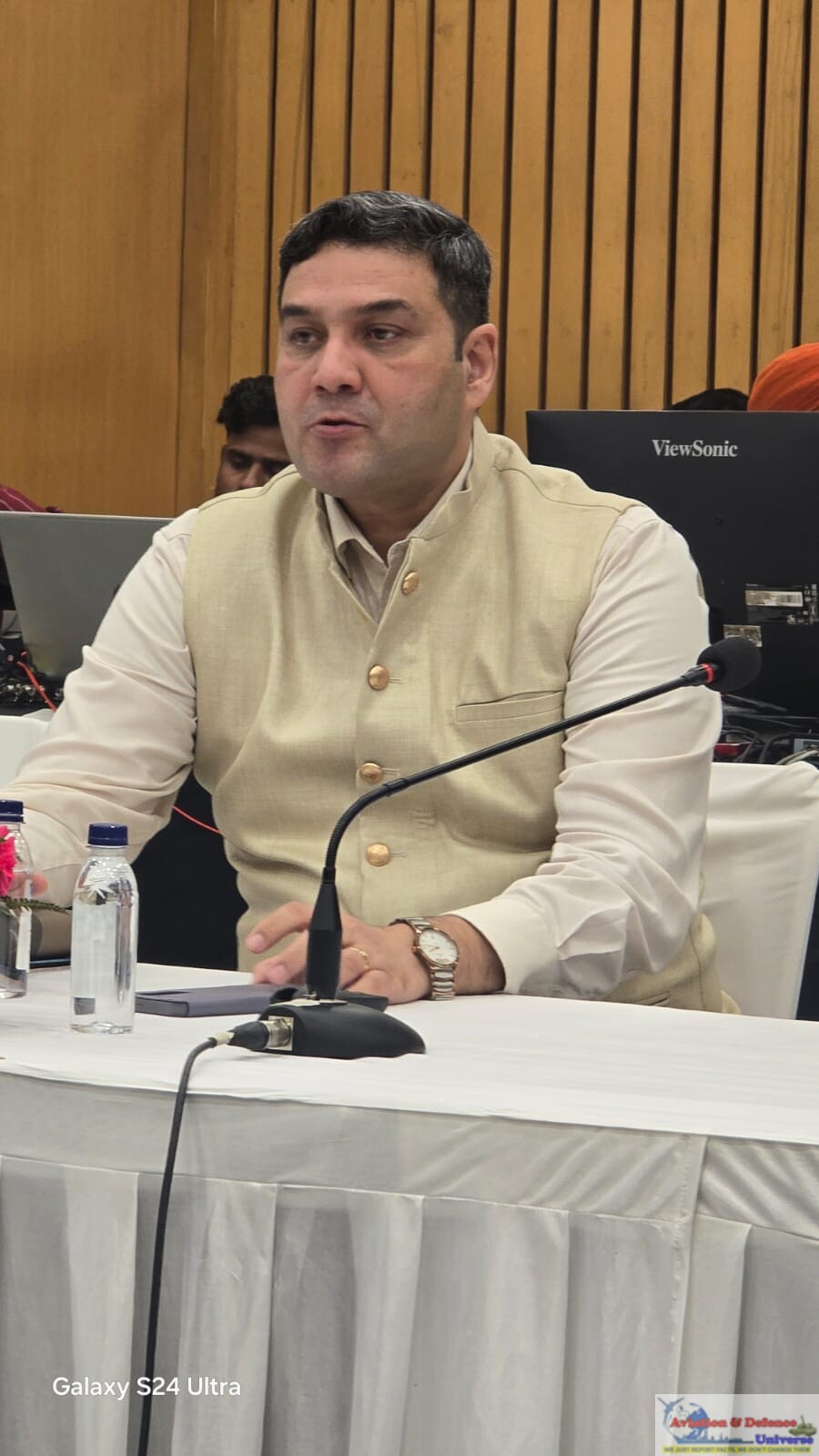 ongoing technical discussions with Roscosmos concerning semi-cryogenic engines and the selection of a Russian Academy of Sciences instrument for India’s Venus Orbiter Mission. Against this historical backdrop, proposals for deeper cooperation in propulsion, satellite constellations, launch infrastructure, direct-to-cell connectivity and sovereign data systems represent a potential new chapter—one in which the long-standing India-Russia space partnership could increasingly extend from individual missions and technologies towards interconnected space and digital ecosystems.
For Kukreti, therefore, India-Russia collaboration in the BRICS era should move beyond individual technology transfers or isolated projects towards jointly owned, interoperable systems capable of serving both nations—and potentially other partner countries. His thought ultimately went beyond rockets, engines, constellations or launch platforms. It was about ownership. In a world where strategic power is increasingly shaped by who owns the infrastructure, controls connectivity and processes the data flowing through it, he sees India and Russia standing before an opportunity to build rather than depend, collaborate rather than follow, and own rather than merely access. From the RD-191 and sea-launch platforms to a 7,500-satellite constellation and direct-to-cell connectivity, his blueprint envisages an Indo-Russian ecosystem stretching from the launch pad to the smartphone. And perhaps the most memorable takeaway from his address was also the simplest: space may be the new strategic frontier, but data will be the power that decides who commands it.



































































-A4-Size-(2)_page-0001.jpg)