















- From Widebody Hangars to Composite Repairs : India’s MROs Set Out Their Expansion Plans
- Can India’s MROs Keep Pace With Its Airlines’ Expansion Drive? The Hangar Plans Are Taking Shape
- Indian MROs Chase the Next Wave of Work as Airlines Ask for Turnkey Service
By Sangeeta Saxena
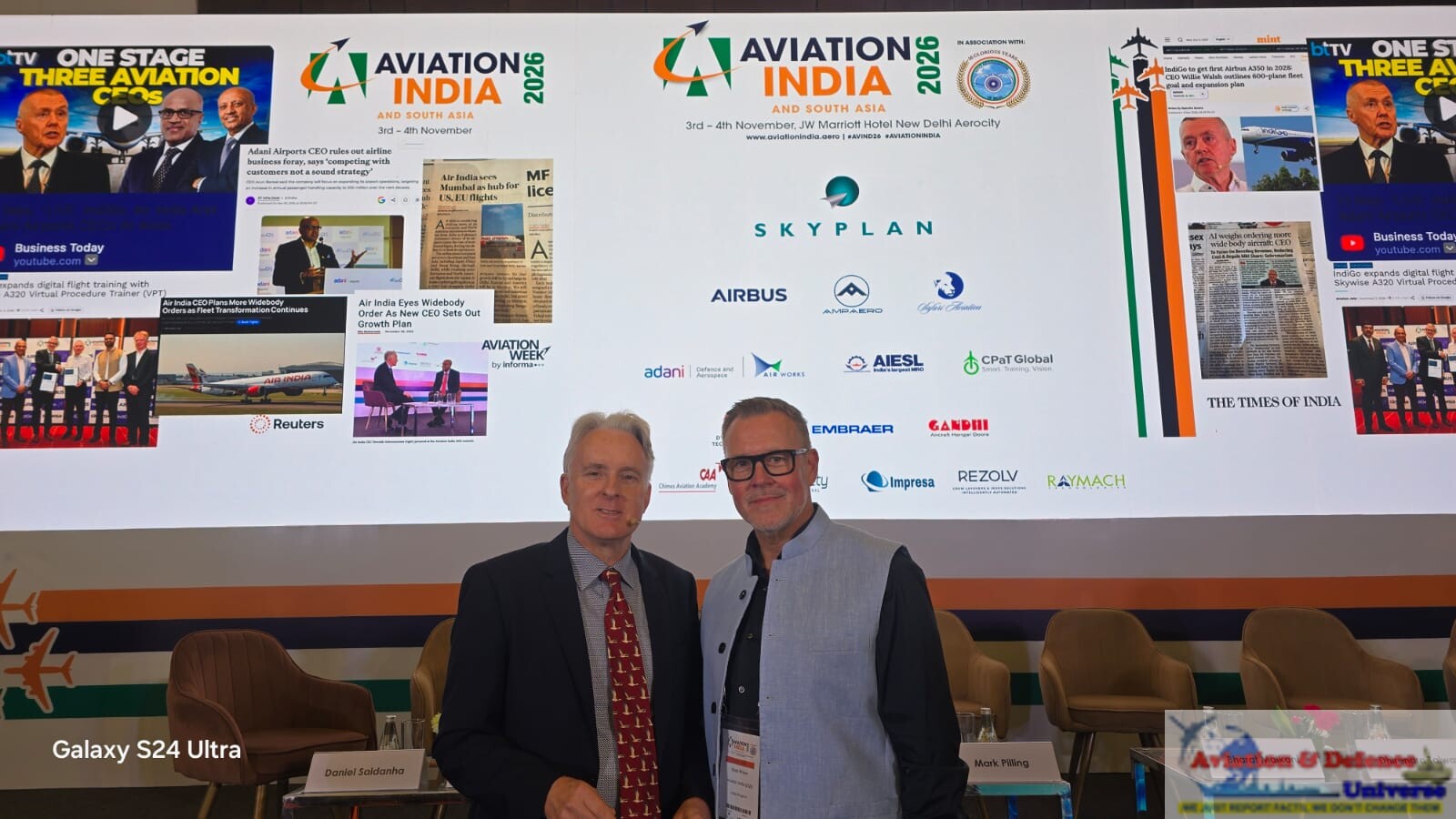
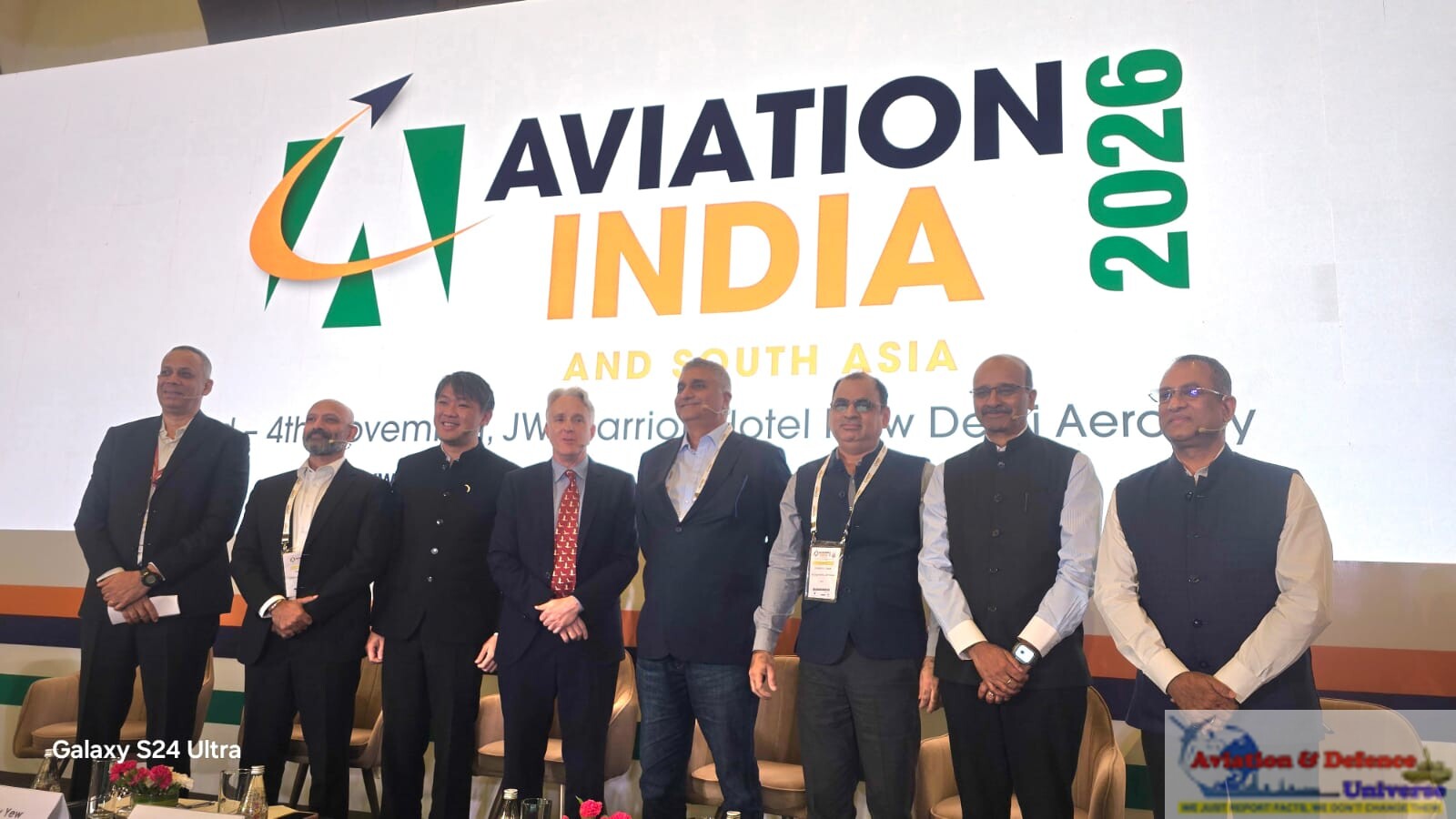
New Delhi, 4 November 2026. India’s airlines can tell maintenance providers when their next aircraft will arrive and when those aircraft will need their first major checks. The question is how much of that work Indian shops will be equipped to handle. At Aviation India 2026, maintenance providers outlined plans for widebody hangars, specialist repairs and a larger engineering workforce. Airlines asked for more capacity and a wider range of services under one roof. MRO industry was once more under the scanner, as airlines tried to justify their foray into the establishment of their own MRO facilities.
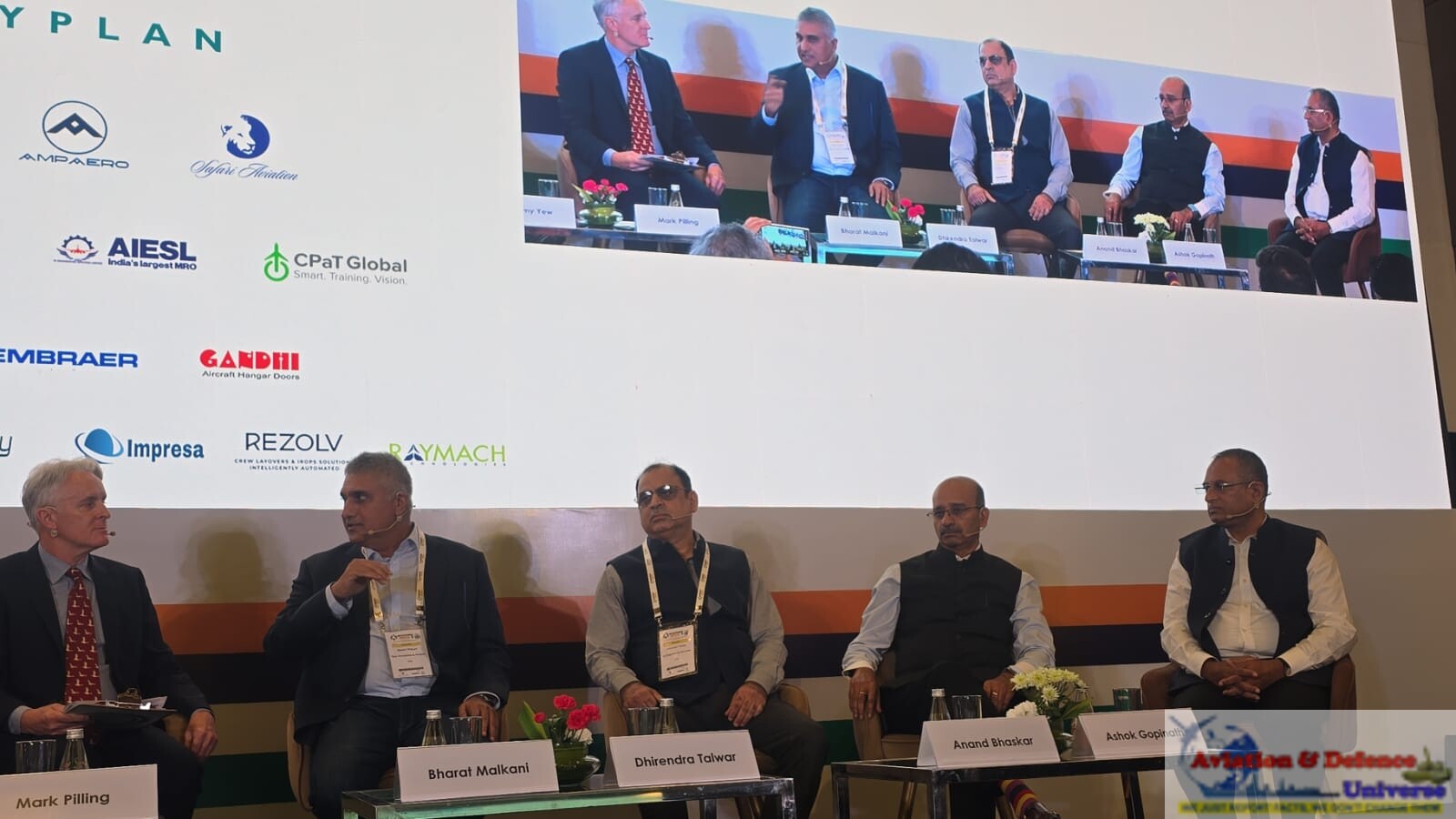 In the second part of a panel moderated by Mark Pilling at the Aviation India & South Asia Summit & Exhibition 2026, executives from Ashok Gopinath from GMR Aero Technic, Anand Bhaskar from Air Works which is now an Adani company, Dhirendra Talwar from AI Engineering Services Limited (AIESL) and Bharat Malkani from Max Aerospace, set out to explain what they were building and where they needed airlines to commit work. Their plans ranged from widebody painting and composite repairs to new hangars and technical training. These gentlemen head the organisations they belong to and looking at the problem their industry faces from the helm gave a wide and genuine perspective.
Widebody work needs more than a bigger hangar
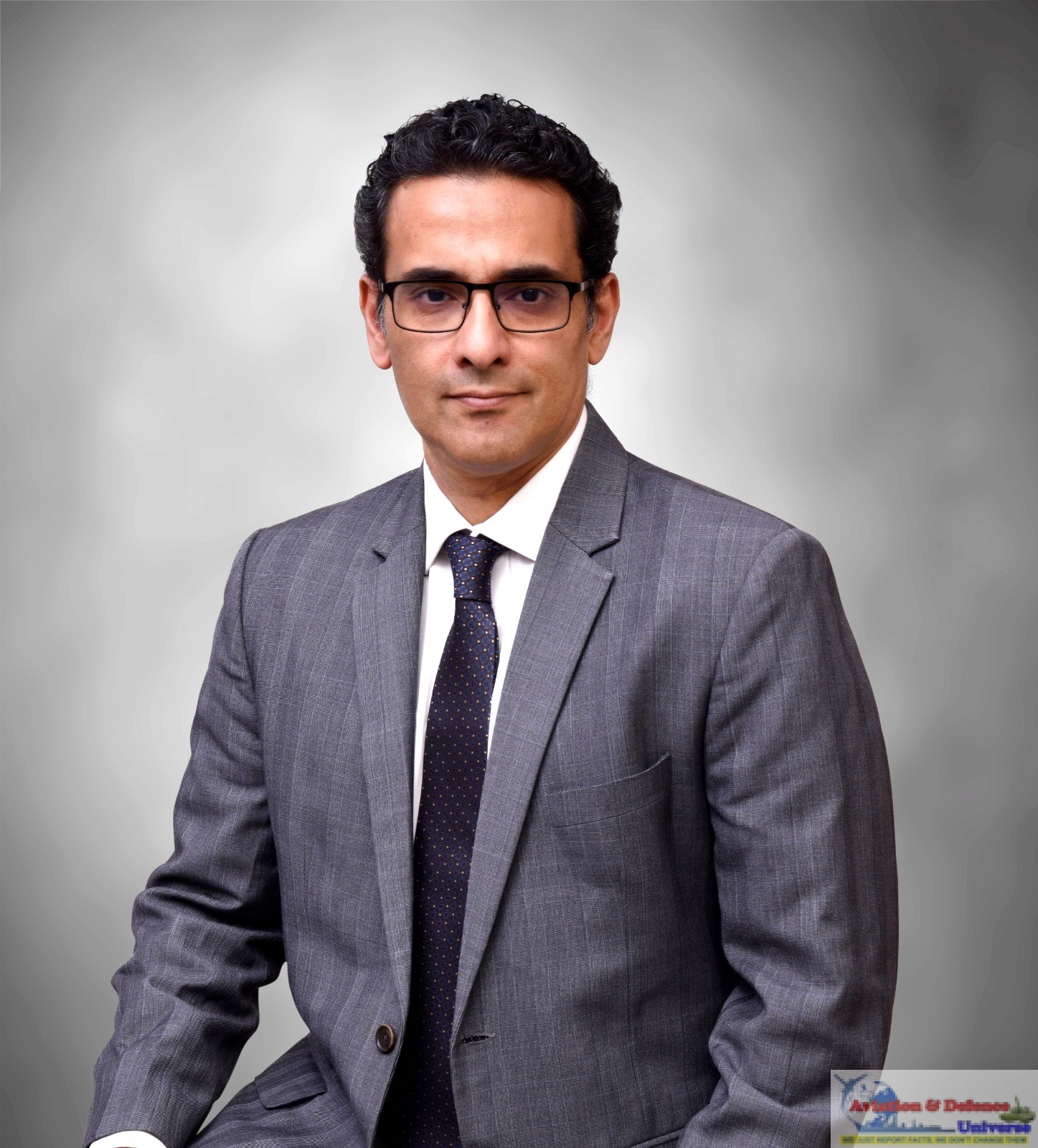
Ashok Gopinath President & Accountable Manager at GMR Aero Technic said that their MRO had moved towards heavier narrowbody work, including structural repairs, airframe checks and entry-into-service work. The company is now developing deeper capability for the Airbus A350, Boeing 787 and Boeing 777, with early 2029 as its target for inducting the first aircraft under the expanded widebody programme.
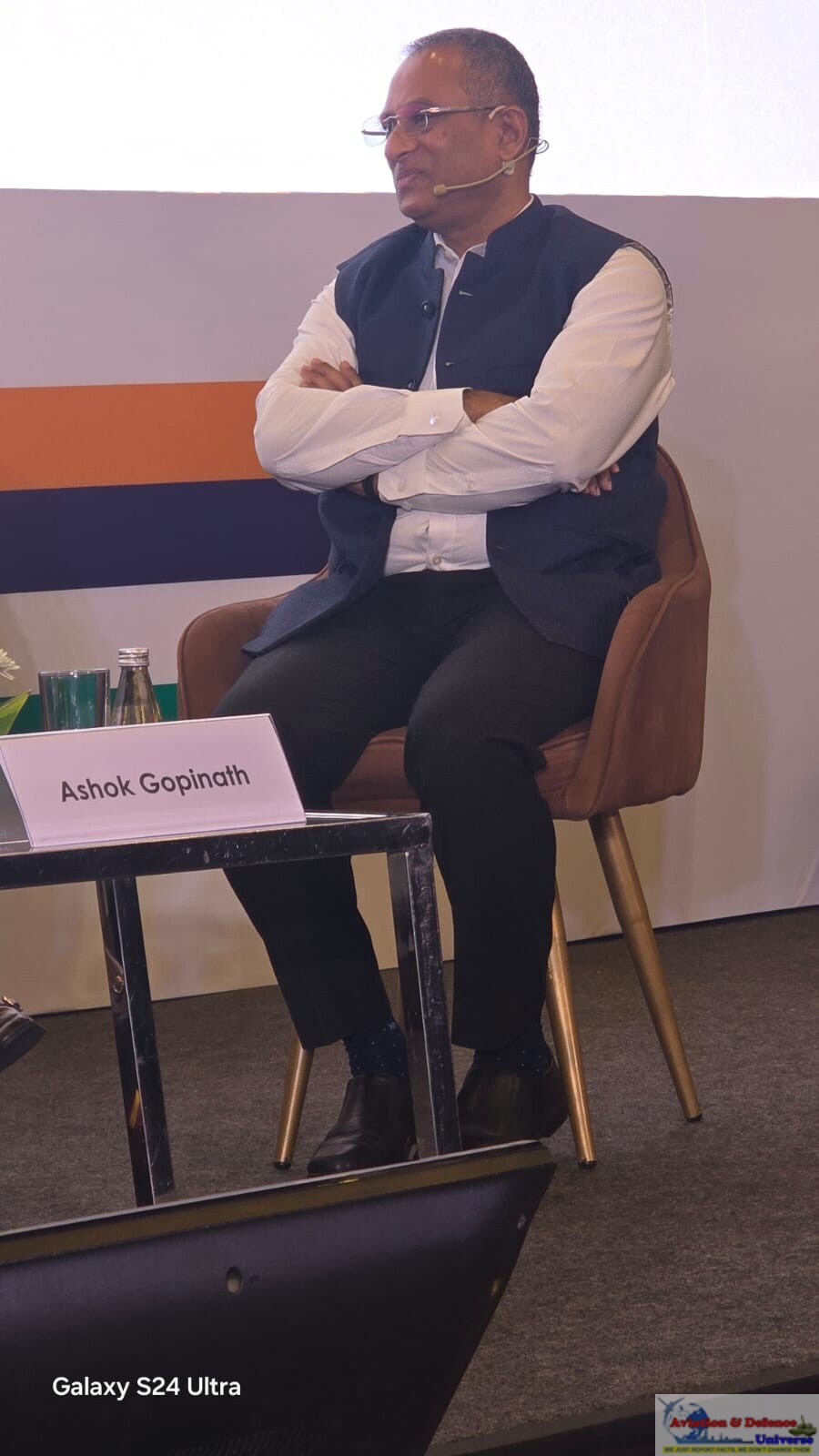 In a follow-up exchange with Pilling, Gopinath put GMR’s existing capacity at 10 lines and its 2029 target at 17 to 18 lines, including three for widebody aircraft. The expansion also includes a widebody painting facility. Gopinath said aircraft were going overseas for that work and that supporting larger jets would require investment in cabin maintenance, modifications, in-flight entertainment systems and composite repairs. “So we’re building the capability for a composite shop facility, also for cabin maintenance and cabin upgrades,” he said.
He added that an independent MRO had to plan for customers well beyond India. He put the domestic share of GMR’s work at 30 to 40 per cent, with overseas customers accounting for the rest. “MRO is an infrastructure industry. It’s a long-term view.” That international customer base matters as GMR moves into component repairs, where a shop needs enough work to stay busy after the initial investment. Gopinath referred to a licensing arrangement with Honeywell and discussions with manufacturers about bringing more specialist work, including landing gear support, into the Hyderabad ecosystem.
Hangars need people to make them productive
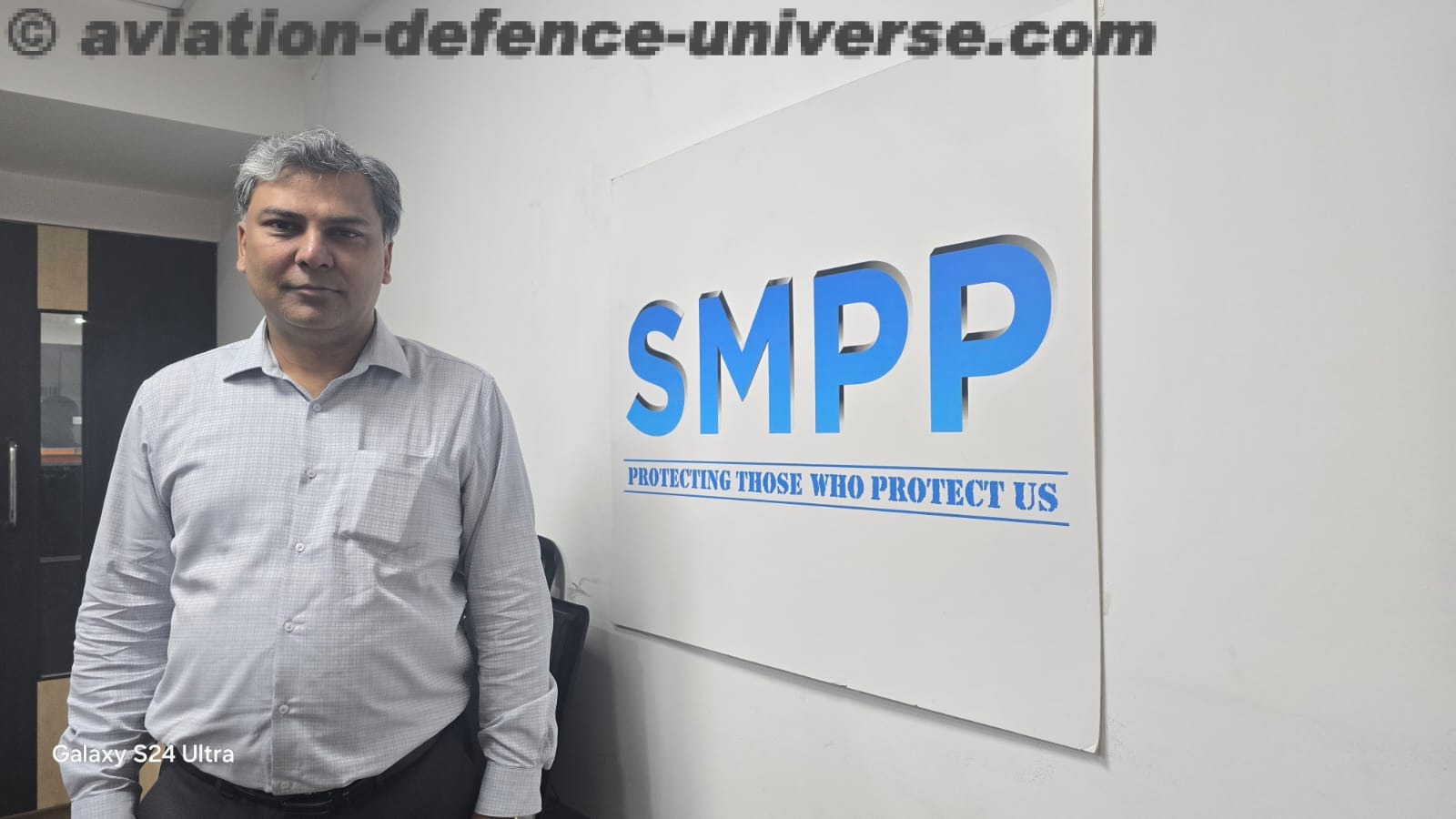
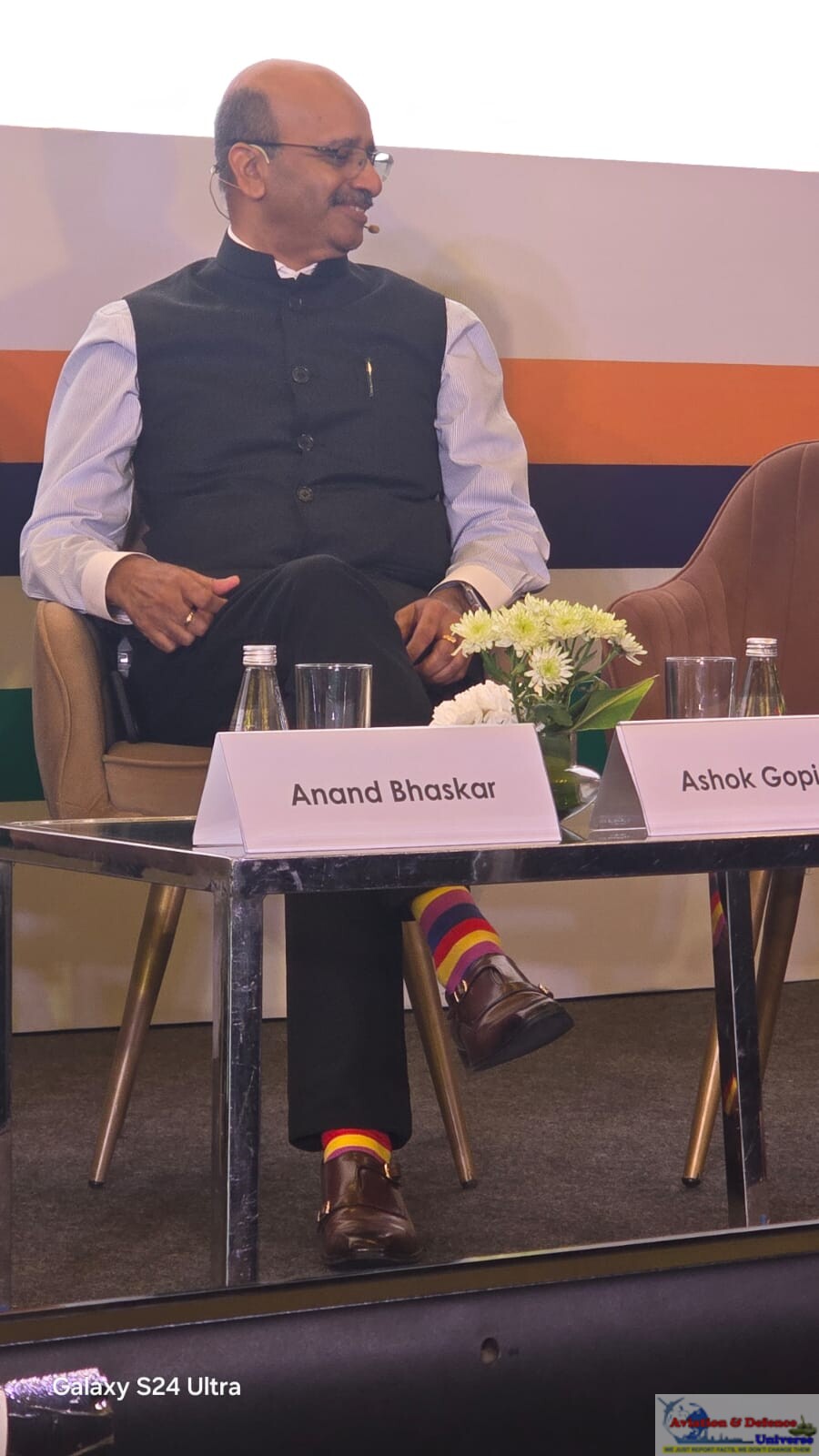 Anand Bhaskar CEO of Air Works informed that expansion plan called for doubling its footprint in three years and increasing it fivefold in five years. He also identified 2027 as the target year for putting widebody capacity in place. He placed particular emphasis on the people needed to turn those investments into working maintenance lines. “So our focus is also on building that talent pool and getting ready for the growth which all of us are talking about.”
Bhaskar described widebody maintenance and related capabilities as part of a second phase of growth. He said closer collaboration between operators and providers would help convert the demand into work for Indian shops. He also pointed to changes in the legal and regulatory framework over the past decade and said consolidation could give providers the scale they need to invest. “Being a beneficiary of consolidation, I feel this is a very good thing to happen.”
Technical experience underpins expansion
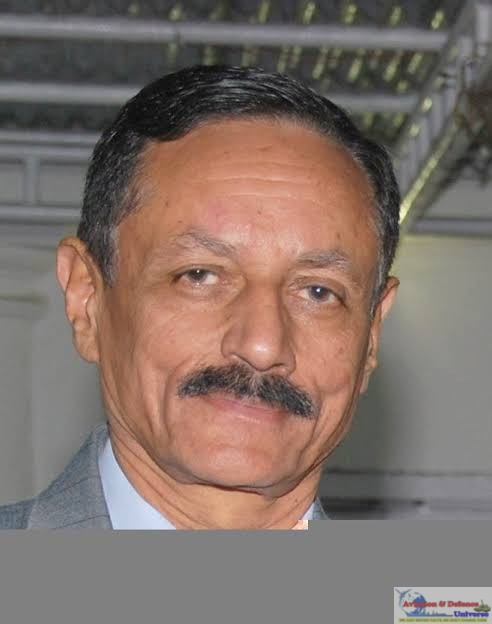
Dhirendra Talwar, CEO of the government-owned AI Engineering Services Limited (AIESL), said the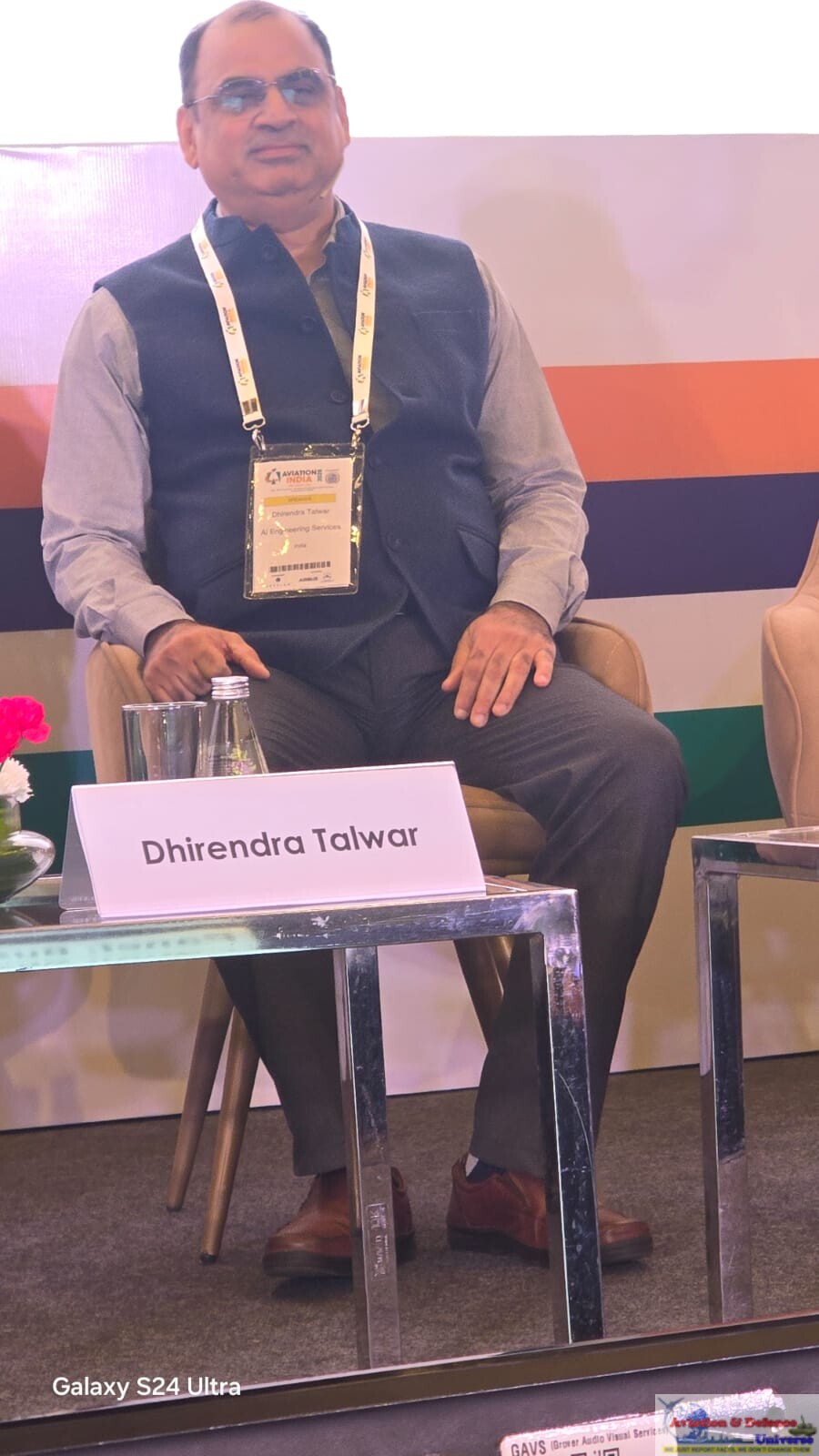 company had several investment proposals under consideration. He identified its experienced technical workforce as a central asset and said the company was reinvesting part of its profits in infrastructure. He also expressed confidence that upgraded facilities could attract more international customers alongside domestic airlines.
“We have got a lot of investment proposals around the table and we are processing them.” Talwar argued that the cost of sending aircraft overseas for maintenance made domestic facilities essential to an airline’s long-term plans. Asked whether India could build a provider comparable in ambition to Delta TechOps, he gave a direct answer. “India has to be the next Delta Tech Ops.”
Expansion is already under way
Bharat Malkani CMD Max Aerospace informed that he was finishing a facility and expected to put into operation in January, with a second facility expected to follow in about a year. He stated that the work was already under way. “So we have actually built this. This is not a plan, this is not a future projection. Physically we are finishing it out,” he said.
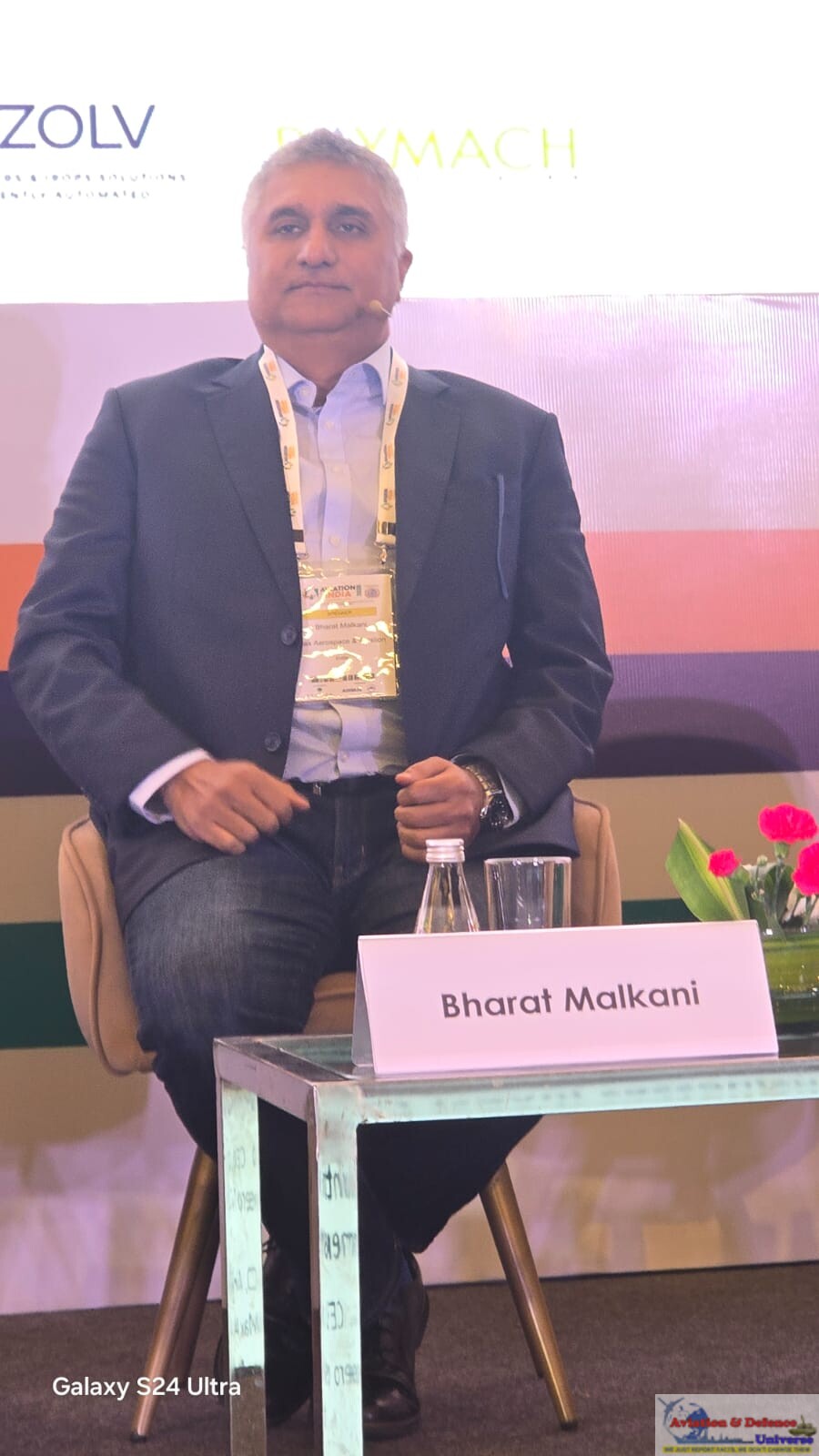 He analysed the status of the MRO industry in the country, “India’s MRO industry has grown, largely because its airlines have grown. As carriers expand their maintenance programmes, there is scope for them to work more closely with independent MROs in India. I estimate India’s MRO bill at around three billion, so there is room for both maintenance and manufacturing to grow. Yet some of the regulatory barriers receive too little attention. Take a power-by-the-hour component pool. The duties an Indian MRO faces when setting up a pool here can put it at a disadvantage compared with a provider serving the same airlines from a pool overseas.”
“Licensing is another hurdle. Airlines and Airbus have helped Indian MROs work through some of these challenges, but some original equipment manufacturers are still more willing to grant a repair licence to an airline than to an independent shop. Look at Lufthansa Technik, Air France Industries and SIA Engineering Company. They show how maintenance can operate as a business in its own right. Indian airlines go overseas when they cannot find the capacity they need at home, even as some local shops operate below capacity. In my view, regulatory and licensing requirements account for much of that gap. The demand, capital, talent and technical capability are already here, ” he continued.
He added, “Airlines and independent MROs need to work together more closely. If an airline commits to sending work to an Indian shop, that gives the equipment manufacturer more confidence to license the shop and gives the shop a firmer basis for investing. I have no doubt that Indian MROs will continue to grow and that more manufacturers will become comfortable working with them. The government can help by reviewing duties and compliance requirements that put Indian providers at a disadvantage against overseas competitors.”
Share delivery schedules and plan maintenance together
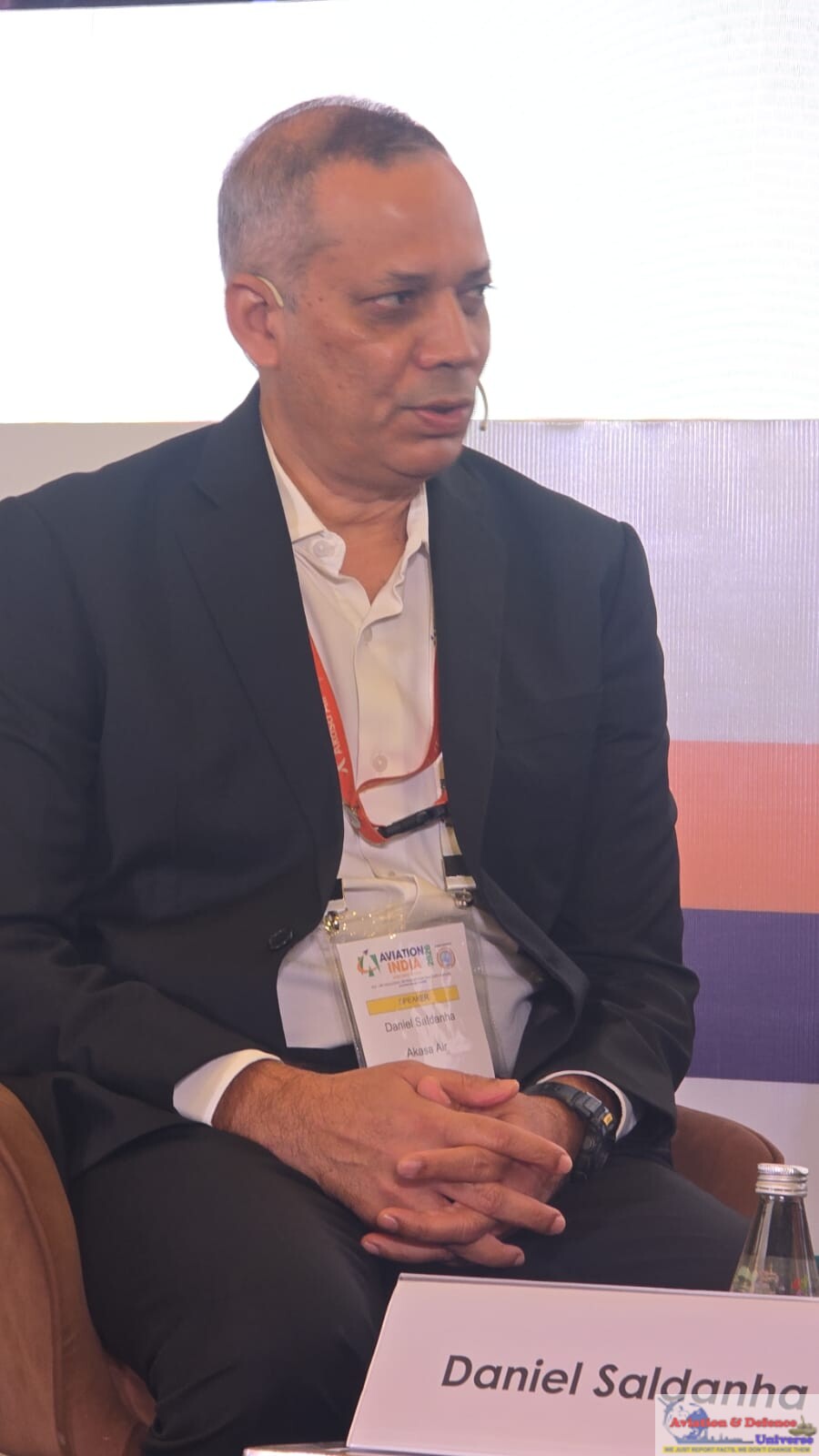 Daniel Saldanha Vice President – Maintenance and Engineering , Akasa Air welcomed the providers’ expansion plans and said the next step was to compare them directly with the airlines’ maintenance schedules. Akasa could share when aircraft on order were due to arrive and when the related work would fall due, giving providers a basis for planning facilities, hiring engineers and allocating shop slots.
“We have a schedule when it’s going to happen. And aircraft maintenance is visible.” Saldanha said discussions in smaller groups could help airlines and MROs establish where their plans matched and where more capacity would be needed. “In Akasa, we are planning, so we’re planning far ahead of where we are right now. And like Jeremy said, the capacity that is going to be available in this, and we’re looking at our fleet and the fleet of the others, five, six years from now, where you have 100 B2B checks plus per year, 150 each B2B checking, two months each. If you do the maths, you need another 100 more hangars to just do that job. And that capacity is not visible today here in the country. So as an airline, we need to secure that capacity five years from now and see where the road will take us,” he exclaimed.
“So we are open, talking to the MROs or partnerships, on securing that capacity, because in five years from now, that capacity will just not be there. Capability, I’m sure, can be developed, but we have as many hangars, workshops, air showroom shops, the gears and so on. Our landing gears are due to fall in about four 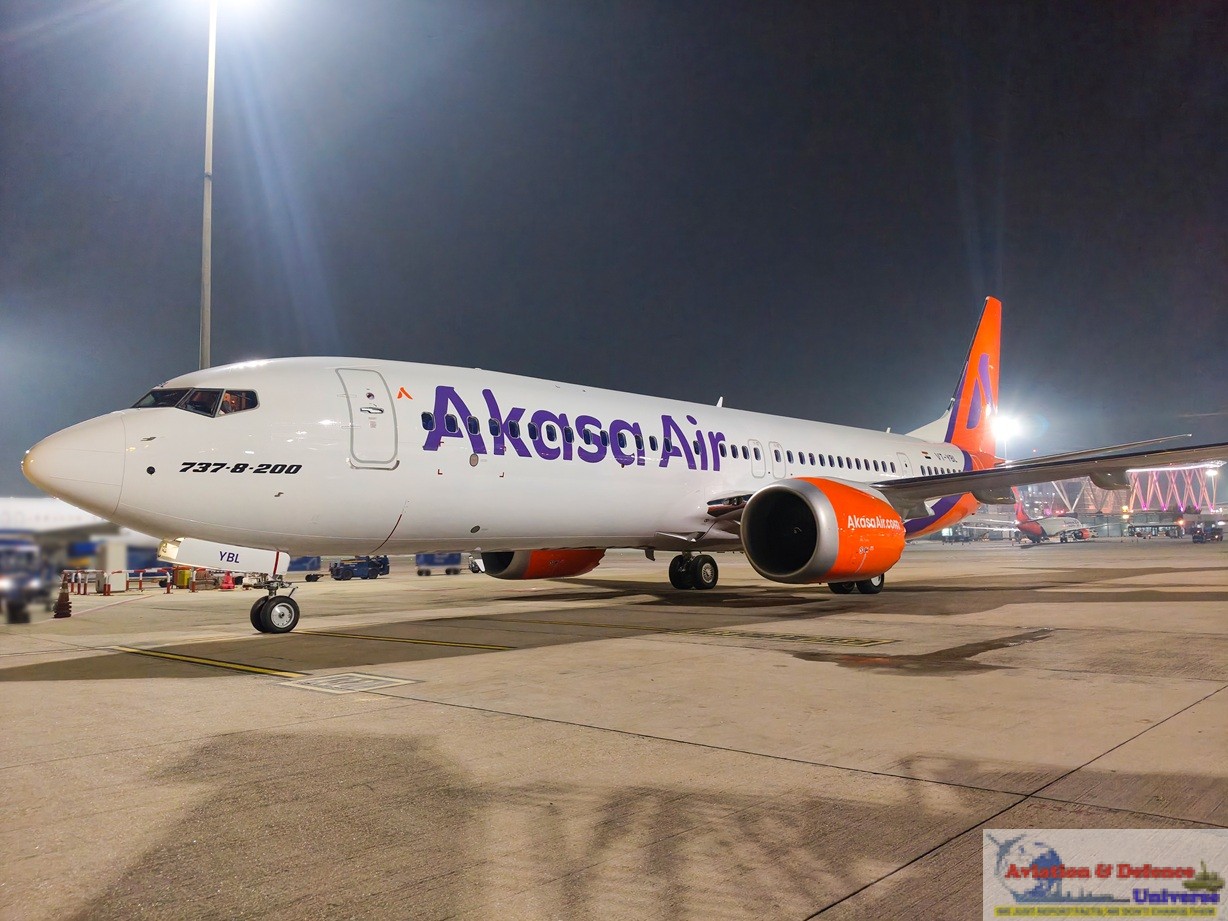 years’ time. We are already planning to secure that capacity because we’ve got a heap of landing gears that are going to be munched in together, and we know that one shop cannot handle it. So we’re looking out. So this is the type of diagram that we are looking to solve, and definitely partnership talks and close coordination with the local MROs and their plans. We are willing to partner with MROs because we can bring in a base load that supports a new shop or will be able to commercially keep things viable. But some of these shops take time to develop, it takes two, three years to build a landing gear shop or something. So if we don’t start now, we’re going to miss the boat,” he informed.
Airlines need more complete maintenance packages
Parichay Datta Senior Vice President – Engineering, Indigo said airline investment in hangars reflected the shortage of available capacity. He also described a gap in the breadth of service. An overseas MRO can often coordinate most of a maintenance visit as a single package, while an airline may need to arrange several services separately in India.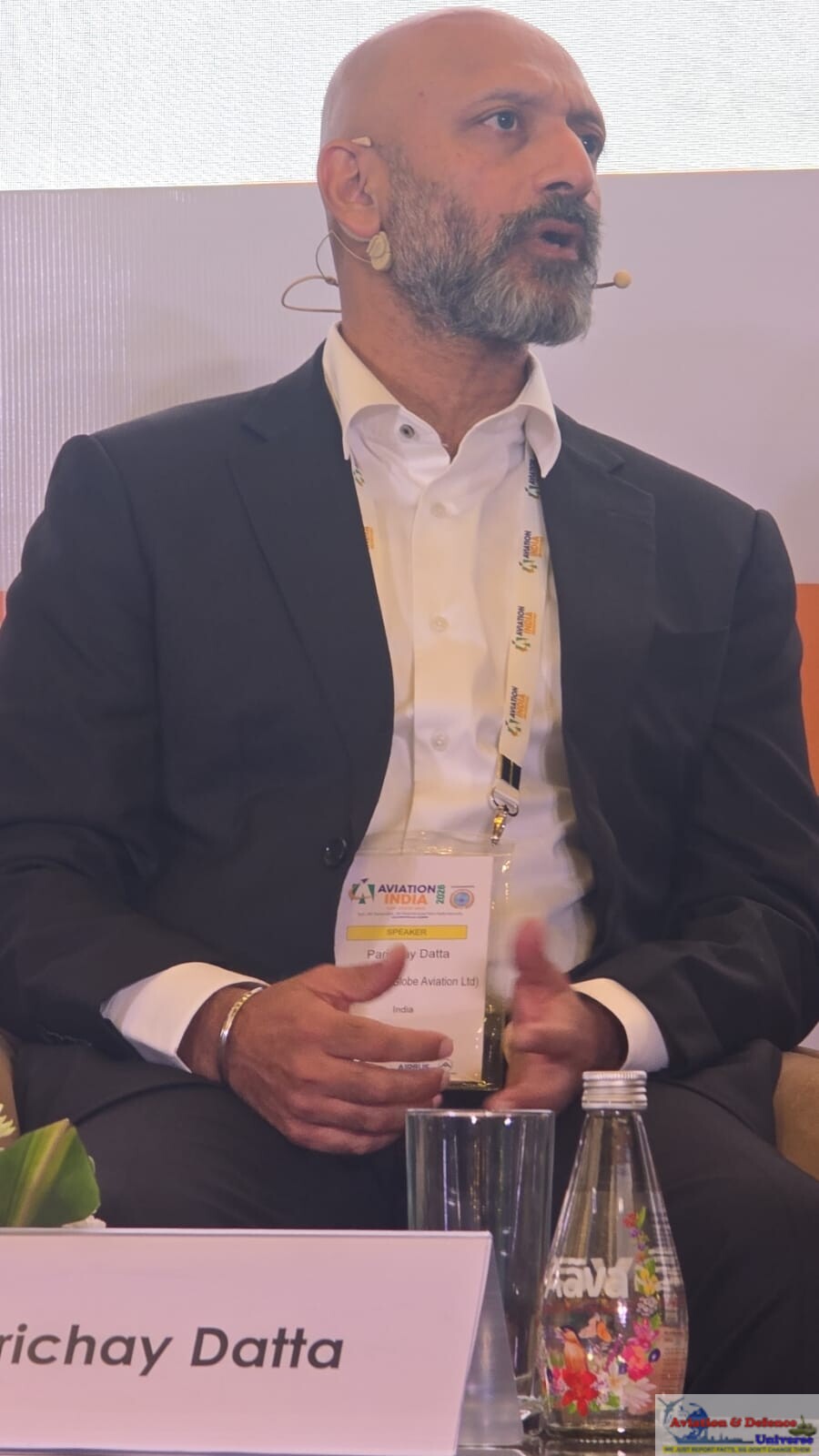
“But inspite of the great engineering minds that we have, we are still far behind in many places who have that turnkey MRO value.” Datta acknowledged the work IndiGo had already done with domestic providers. He said the industry could have moved earlier and expressed confidence that closer collaboration would help Indian shops offer more complete services. “I personally feel we should have probably done that earlier. But it’s never too late.”
“IndiGo faces the same operational complexities as the other airlines on this panel. We have about 439 aircraft flying each day, and we expect that to rise to 444 by the end of next week. That gives you a sense of how quickly we are growing and what India’s aviation sector will need to support. MRO capacity has not expanded at the same pace. Our core business is running an airline and getting passengers from A to B on clean, safe aircraft that operate on time. To do that as the fleet grows, we have had to become more self-reliant in airframe maintenance. We still need support for engines, auxiliary power units, landing gear and other components. The new shop in Andhra Pradesh is welcome, and it will meet a small part of the overall requirement.”
“We built our own maintenance capability because the capacity we needed was limited. We have held discussions with Indian and overseas MROs about long-term partnerships. Those arrangements have to go beyond finding a slot for an airframe check. The provider has to offer the right technical capability, enough capacity and consistent quality on terms that make commercial sense. In some of our discussions, overseas providers offered a stronger combination of those factors. We have been open about that with Indian MROs. If we are paying comparable rates, we need comparable quality. I believe the facilities already operating in India can and should do more.”
Give providers a clearer view of future demand
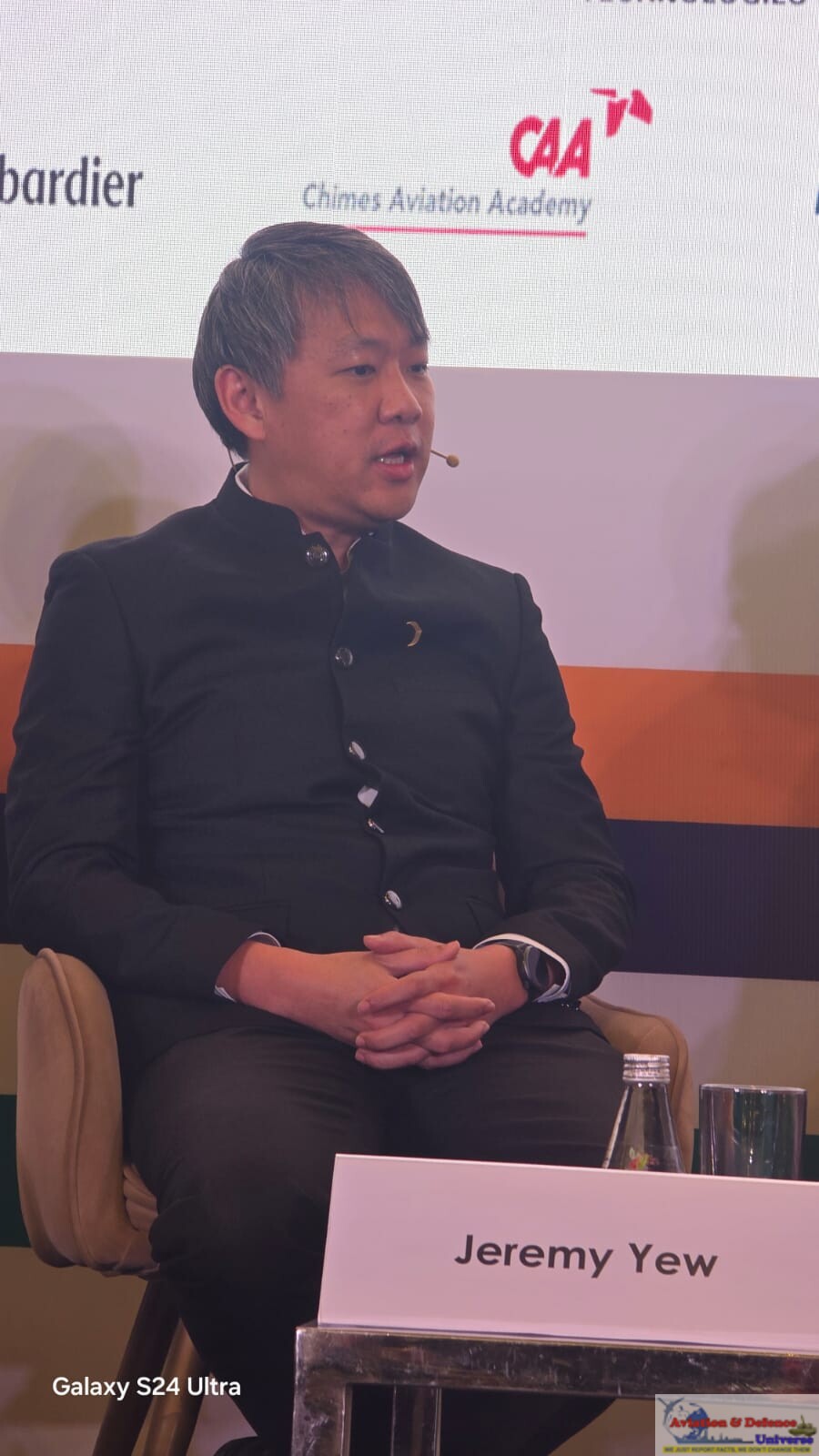 Jeremy Yew said airlines could do more to share long-term maintenance forecasts. A clearer picture of which aircraft, engines and components would need work over the coming years could help providers decide where to invest. He also pointed to the need for cooperation on licensing, tooling, test facilities, training and regulatory support.
“We need to lend them a helping hand, we need to help them up the bus or the train, you know, that they are running after.” Asked whether that conversation was already happening across the industry, Yew said there was scope for more. He described much of the engagement over the preceding year as bilateral and saw value in bringing more of the industry together to discuss what the airlines would need. “Personally, I think it can be more.”
“We have used a mix of Indian and overseas MROs for our aircraft checks. When the crisis in the Middle East broke out earlier this year, we had checks scheduled with providers in the region and had to look for capacity elsewhere. We eventually found alternative slots, but it was difficult to secure them at short notice. Rising costs and the challenges of flying aircraft to some of those facilities made us look at how quickly we could build more capacity of our own. Having that capability gives us greater control over costs, turnaround times and the flying schedule when plans change, ” Jeremy said.
“The case for self-sufficiency is stronger than it was a year ago. At our Bengaluru MRO hub, we plan to start with a five-bay hangar and expand to 13 bays over the next few years. We are also developing hangars in Delhi. We hope to get the Bengaluru facility up and running by the end of the year and bring in the first aircraft for a maintenance check within 12 months, ” he informed.
Yew hoped, “Our MRO partners will be central to building the capabilities that support those hangars. The turnaround time for an aircraft check in India can still depend on how quickly a component, landing gear assembly or engine comes back from a shop overseas. We need to develop more of that specialist capability in India alongside our partners, so we can complete more of each maintenance visit here and get aircraft back into service sooner.”
Has the Indian MRO Industry Missed the Bus?
Mark Pilling, moderator, put the question to India’s independent maintenance, repair and overhaul providers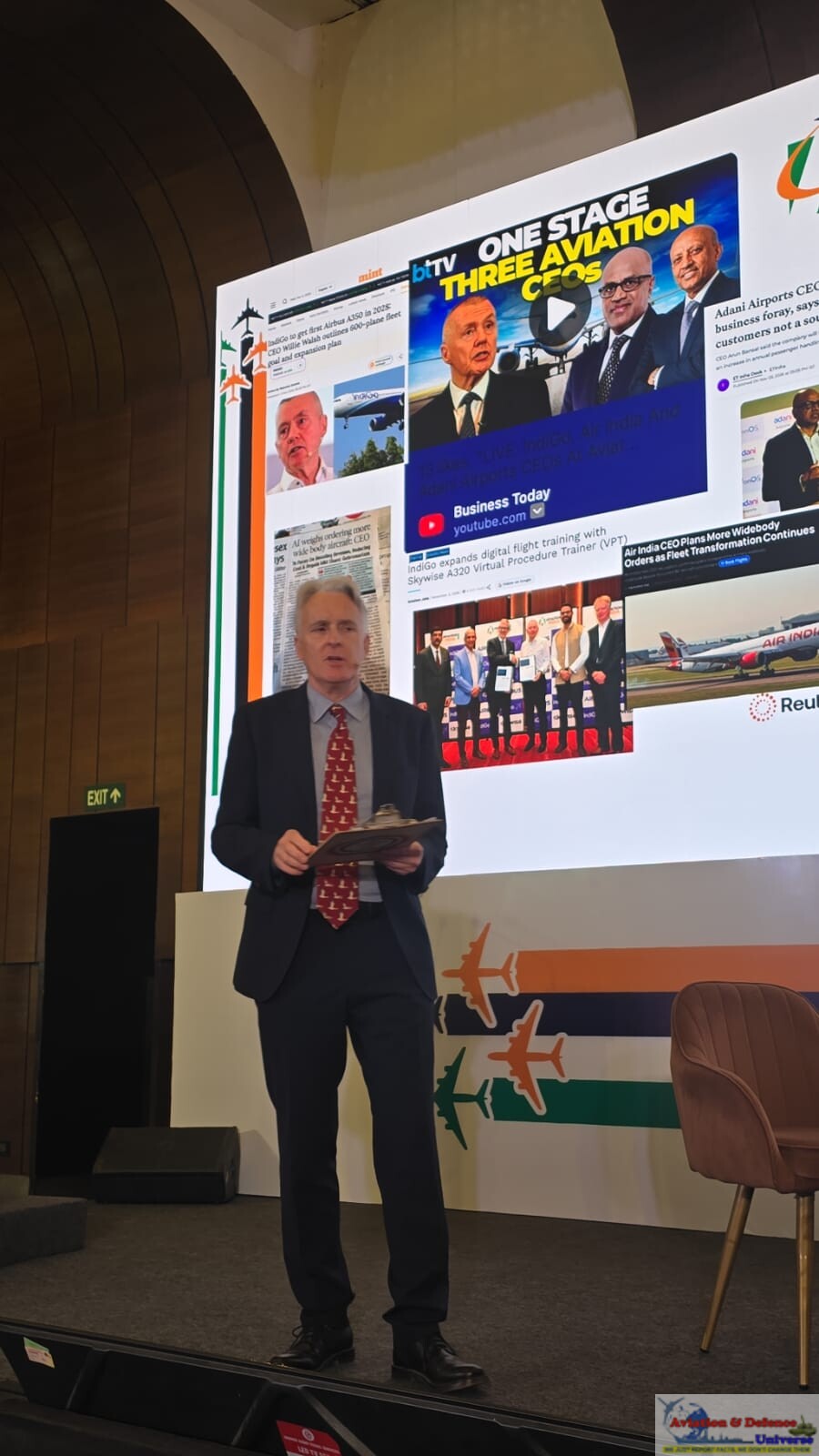 after hearing airlines outline their fleet expansion plans and their willingness to partner. He then turned back to the airline executives for their response.
His question about a missed opportunity drew different answers, but it also put a practical task in front of both sides. Airlines have delivery schedules and can forecast when major work will fall due. Providers have to decide which capabilities they can staff, equip and bring into service by those dates. When the first widebody rolls into an expanded Indian facility, the measure of progress will be how much of its maintenance visit, from structural inspection to cabin work and component repair, can be completed there
Ashok Gopinath, GMR Aero Technic — Independent MROs build for a global market
“So, I would take this like this. MRO is an infrastructure industry. It’s a long-term view. You don’t take a view for one year, two years, and all. When we talk about building a hangar or capacity building, we talk about, and especially being independent MRO, we have a global view. So, when I say global view, it means we don’t build capacity or depth just for the domestic purpose. Our domestic consumption is only 30% to 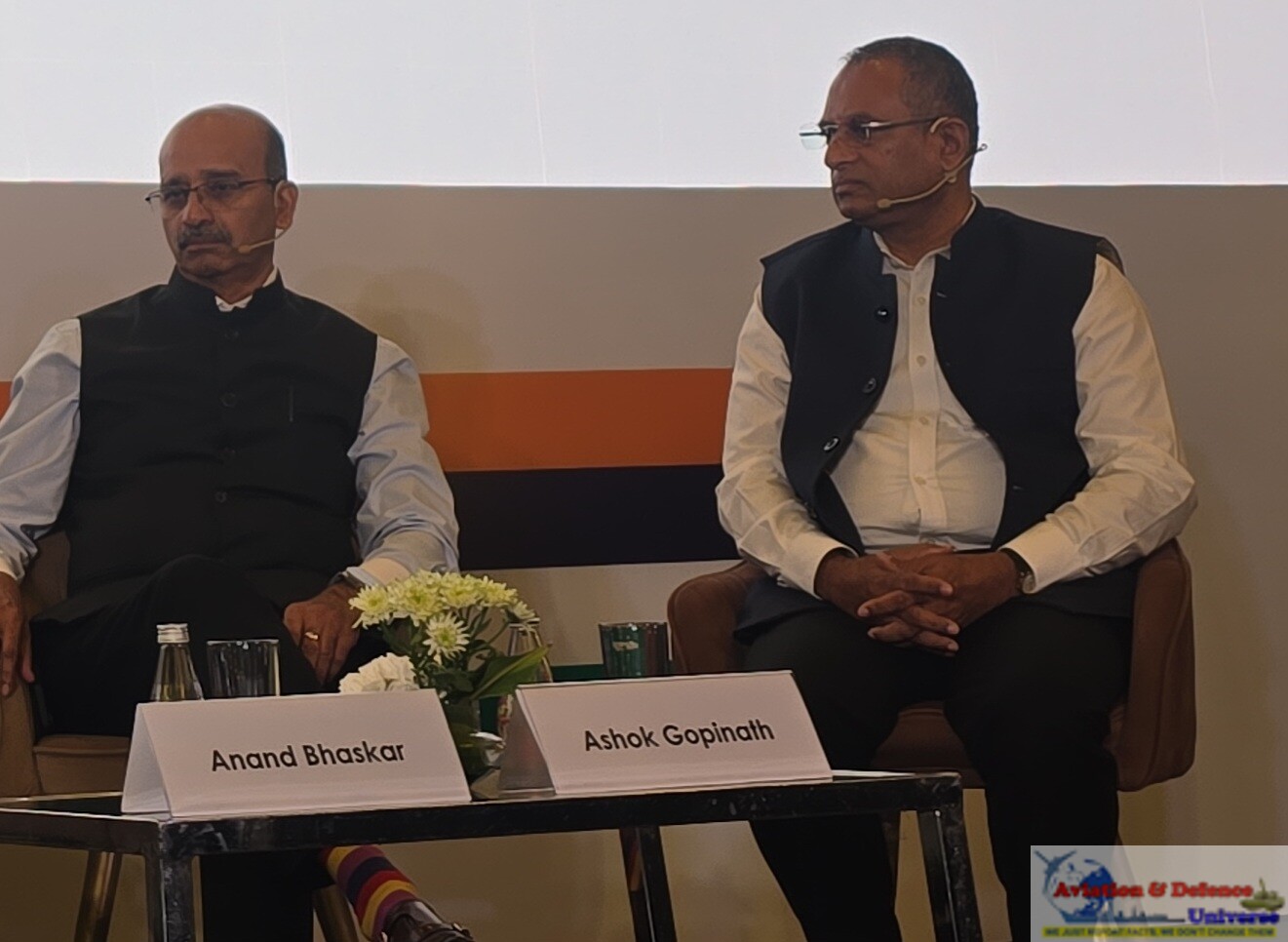 40%. The rest actually comes from overseas customers. We have a big customer base right from Middle East to Far East, ” he stated.
“So, that’s where our customers are. We have a global view. So that’s where our strategy has been, collaboratively. We don’t think that you can grow something on your own, standalone today. The model has changed. Today, there’s an intense competition with OEMs. Because they also control the licencing part of it. So we are looking to grow in a collaborative way. We have tied up Honeywell. We have not missed the bus. We are constantly looking for opportunities and getting them. Someday we may even have a facility outside of India . So as I said, we have a global vision.”
Anand Bhaskar, Air Works — “We don’t want to miss the aircrafts”
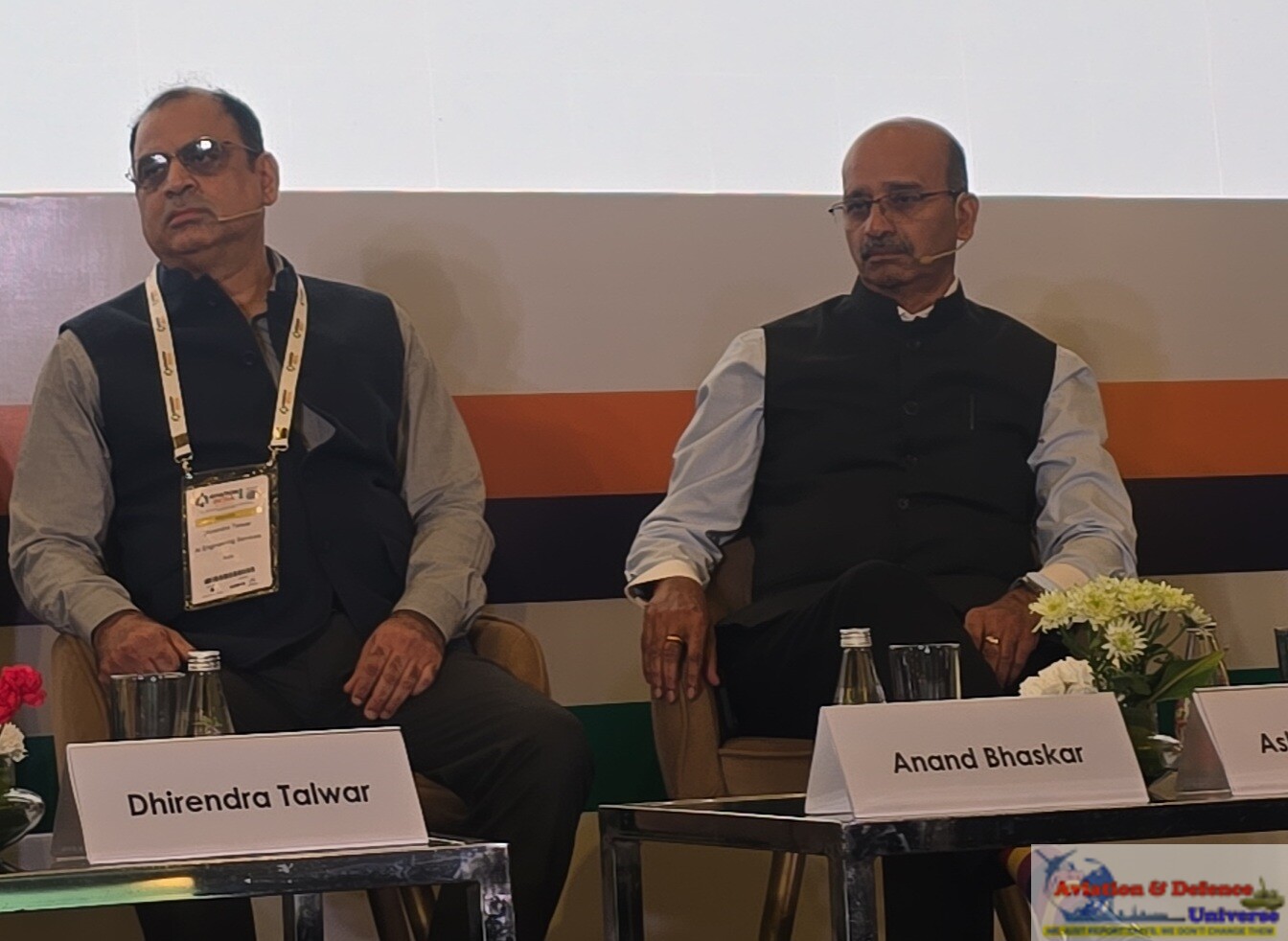 “Have we missed a golden opportunity or are we just trying to scramble back in again to get to that golden opportunity? “No, no. Let me clarify. Let me elaborate. Getting them into the country was a big challenge. So, it’s your conviction on long-term growth. It’s what you believe where this industry might go. And your ability to take risks. So, it’s not about just taking risks. And now we are entering phase two of the risk phase, where we are talking about wide bodies, we are talking about propellants, we are talking about manufacturing of aircraft,” he expressed.
Continuing Bhaskar said, “And it will be more about not just doing MRO for India, but doing MRO in India first of all. That’s what will drive the growth here. Yesterday also I heard people not talking about demand, but a need to deliver on that demand. So, it’s a great opportunity for all of us. And I don’t think we have missed the bus. And by the way, we don’t believe in buses anymore. We believe in aircrafts. So, we don’t want to miss the aircrafts.”
Dhirendra Talwar, AIESL — “There’s no question of missing the bus”
“There’s no question of missing the bus. We are working hard, so we are fully prepared. As far as the area is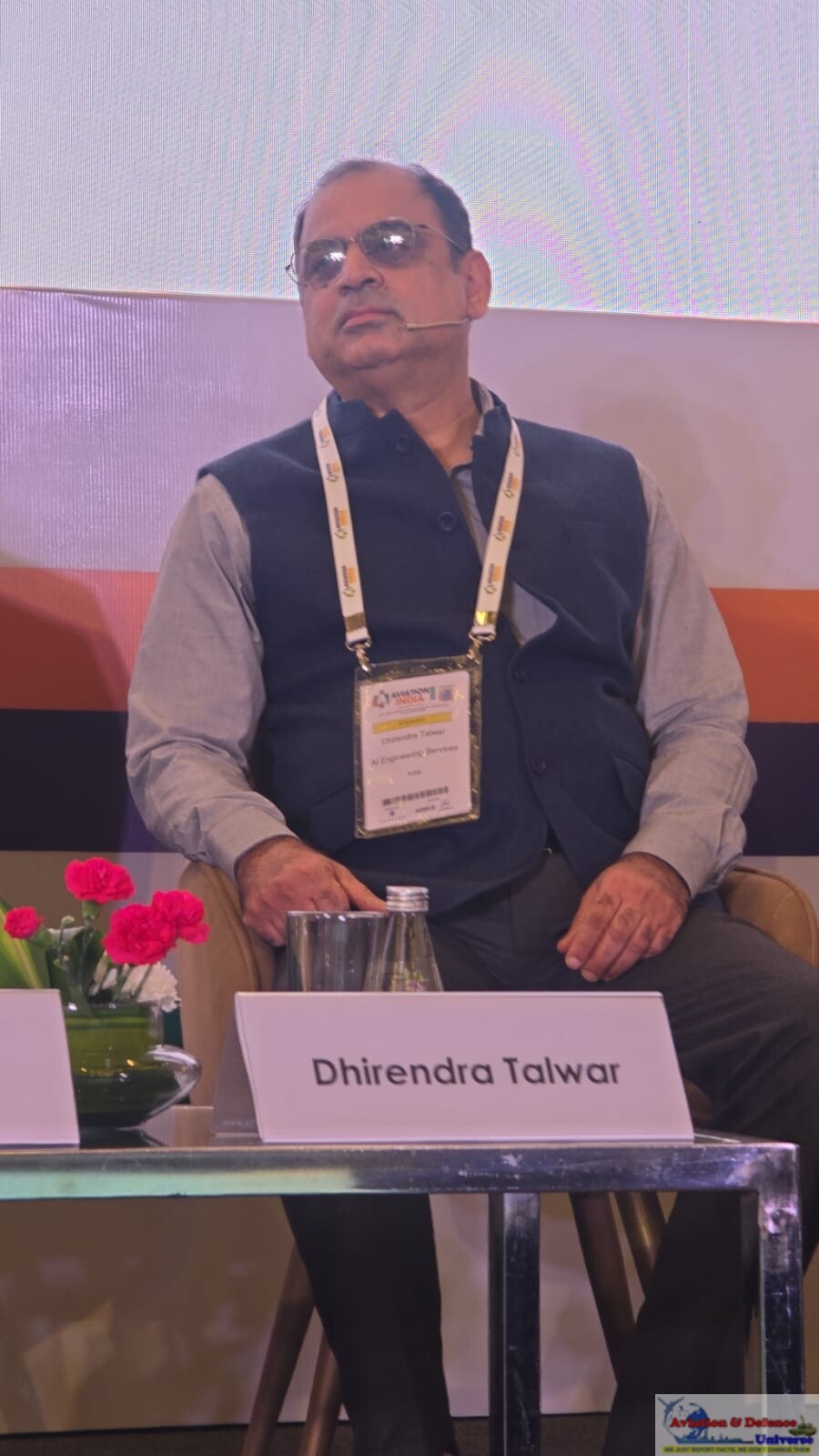 concerned, because today also we are not able to produce. We are working hard. It takes an average of two years for the bus to be delivered to India. And now it takes four, five years for real-time sort of business to happen in India. So, we are fully prepared. And then there’s no question of missing the bus because we have given far more emphasis on the bus than the distance between us. There’s no question of missing the bus. We have got very, very fantastic passengers.”
Bharat Malkani, Max Aerospace – “As a nation, we’ve missed many buses”
“As a nation, we’ve missed many buses. I don’t think I’m going to give such an optical answer to say we have not missed them. We have missed multiple.” Malkani took a more candid view of the industry’s past when Pilling asked whether India had missed an opportunity. He said earlier waves of airline growth had offered openings for local maintenance providers and that the industry could still capture more of the work now coming through. He used Mumbai’s commuter trains as an analogy to describe the pace at which the industry was trying to catch up. “We run after a running train and then we hop on. And that’s what we’re doing now.”
At the heart of Malkani’s argument is a compelling proposition: India already possesses the market, talent and strategic geography needed to become a major global MRO destination. What will determine whether it succeeds is the speed with which aircraft components, technology, skills and partnerships can move through the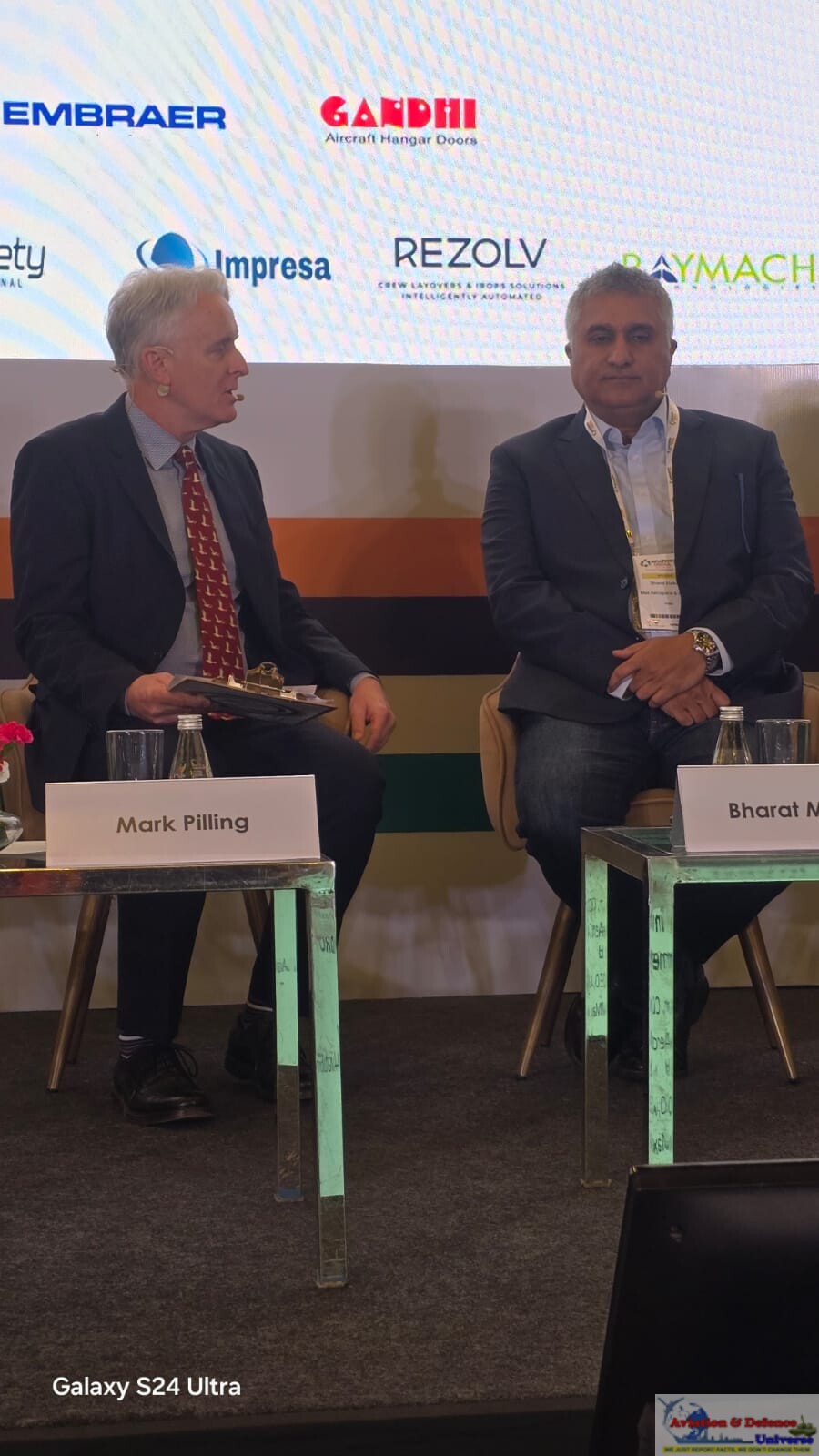 ecosystem.
Globally, the MRO industry is experiencing double-digit growth due to ageing fleets, supply chain realignments, and increasing digitalisation. Airlines are outsourcing more maintenance, shifting to predictive analytics, and demanding cost-efficient turnaround solutions. As OEMs tighten control over IP and aftermarket services, independent MROs are collaborating worldwide to stay competitive. The global MRO market, estimated at USD 90 billion and projected to cross USD 125 billion by 2030, is being shaped by sustainability pressures, manpower shortages, and the emergence of South East Asia and Gulf as new power centres.
Mark Pilling – Turning the question back to the airlines
“You’ve heard some expert witness here. What’s your response? Have they missed the bus? Or have they not grabbed the golden opportunity that you were talking about? What’s your feedback?”
Daniel Saldanha, Akasa Air – Match MRO expansion with aircraft delivery schedules
“It’s interesting to know that the capacity and the capability is on a steep growth path. And it’s good to see the commitment that has been made. They have realised the requirement. They have understood the business that is available. And just the confidence with which they expect to have their business is encouraging for us. And share our plans, we have always done. Our plans are out there. We have 126 aircraft in order. We have a schedule when it’s going to happen. And aircraft maintenance is visible. 10 years ahead of time is what’s going to happen. If we can meet those needs and they meet us, they can support us. It’s good. It’s great. I’m sure we can do some work which is beneficial. Selfishly, I should say.”
Parichay Datta, IndiGo – India could have moved earlier and can still close the gap
“We probably wouldn’t have gone that way if there was adequate capacity available. I am a fan of the capability in India in terms of people, their enthusiasm. But in spite of that, in spite of the great engineering minds that we have, we are still far behind in many places who have that turnkey MRO value. But it’s never too late. My perspective is we should have been one of the first to do it. That’s the only answer.”
“But I am very, very certain with the vision that the MROs hold, the airline hold, the collaboration, the potential collaboration that are coming their way, our way, we are going to be getting there. We will get on the bus. I personally feel we should have probably done that earlier. But it’s never too late.”
Jeremy Yew, Air India – The answer depends on where the clock starts
“Mark, the question is where are you looking at the starting line and saying you missed the bus or not? If I go back 30 years then, yes, we missed the bus. 40 years then, yes, we missed the bus. So, I think maybe we can keep that debate aside. We are the market. We are the people. It’s most important that people are willing to do it. I can tell you that’s one of the reasons why I invested so much in the school also, to develop the technical capability and technical quality. ”
 “We need to lend them a helping hand, we need to help them up the bus or the train, you know, that they are running after. And that’s probably, I think, where, maybe on the airline side, we can do better, do long-term planning, so that I think that’s the ecosystem.”
When Pilling asked whether that dialogue was already happening, Yew replied, “ Personally, I think it can be more. At least over the last 12 months, I think it’s more on the bilateral basis.”
Mark Pilling’s panel concluded with a discussion on what it would take for independent Indian MROs to secure a larger share of the work generated by growing airline fleets. The unanimous decision was that duties could put domestic component pools at a disadvantage against overseas providers. They also pointed to the difficulty independent shops faced in obtaining repair licences from original equipment manufacturers. In their view, firm commitments from airlines could give manufacturers greater confidence to license local shops and give those shops a clearer basis for investment. Whether an airline was scheduling its next C-check or planning a landing gear overhaul four years ahead, those commitments could help build capacity in India. The practical test would come when an aircraft was grounded and its operator needed a hangar slot, a replacement part and a firm date for its return to service.
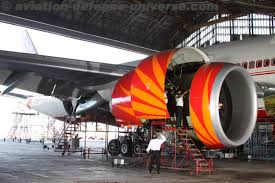
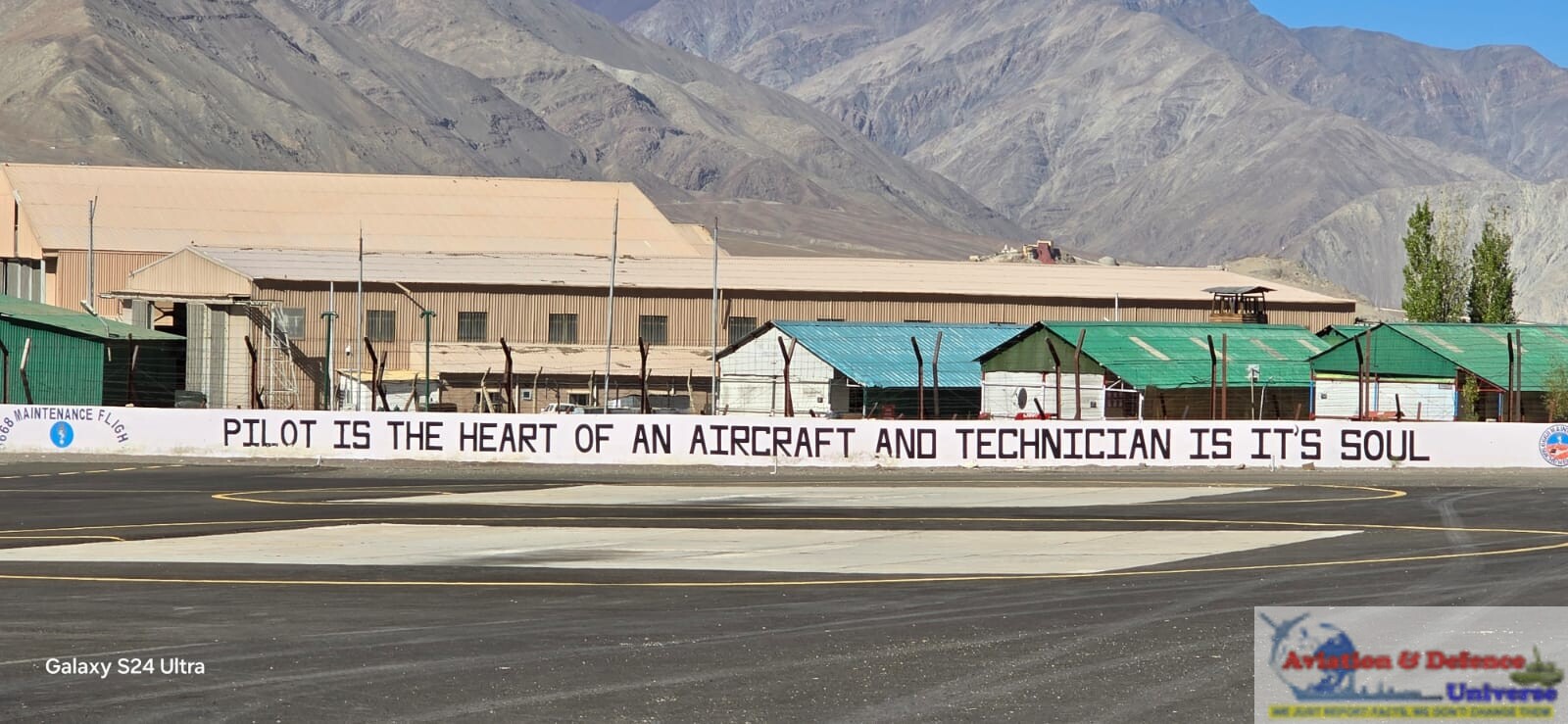 The pilot is the heart of an aircraft, and the technician is its soul. From an aircraft’s entry into service to its final flight, maintenance, repair and overhaul (MRO) teams keep it airworthy through routine inspections, structural checks, engine overhauls and component repairs. A technician who spots a hairline crack or traces an intermittent fault can prevent a small defect from becoming a serious problem in flight. That work depends on skilled people, approved procedures, traceable parts and records that show what was done and when the next check is due. Done well, maintenance protects passengers and crew, keeps flights on schedule and helps an aircraft serve safely for decades. The pilot takes responsibility for the aircraft in the air. The technician’s care and judgement on the ground help make every take-off possible.
The discussion moderated by Mark Pilling at Aviation India 2026 was necessary because every aircraft joining an Indian airlines’ fleet brings years of maintenance commitments with it. Airlines can forecast when major checks, engine overhauls and landing gear repairs will fall due, but maintenance, repair and overhaul (MRO) providers need that information early enough to invest in hangars, tooling and technician training. Bringing both sides to the same table helped clarify which work airlines could handle in-house, where independent Indian MROs could step in, and what still stood in their way, from access to manufacturers’ repair licences to the duties that affect domestic spare-parts pools. Those decisions are best made years before an aircraft is on the ground waiting for a part, a qualified technician or a hangar slot.