






















- Brisbane Eyes Non-Stop India Link as 2032 Games Approach
- Olympic Ambitions, Indian Connections: Brisbane Builds Its Aviation Pitch
- Delhi Tops Brisbane Airport’s India Route Priorities
By Anna Jordy
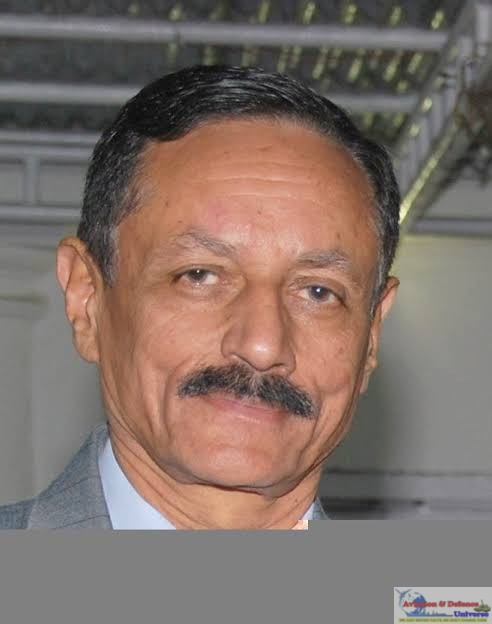
New Delhi. 01 November 2026. Brisbane Airport is working with airline partners to bring a direct service to India closer to reality. Anthony Cicuttini, the airport’s SVP and Head of Aviation Business Development, Brisbane Airport; says Delhi offers the strongest opportunity, and that India is among the markets the airport is investing in most heavily as Brisbane heads toward the 2032 Olympic and Paralympic Games.
Cicuttini explains the logic. Delhi is the largest origin-destination market between India and Brisbane, and also a major hub that can feed India’s domestic network. “Air service development is about connecting a ready market with a ready airline,” he says, and Brisbane is talking to a number of carriers about when a direct service might become feasible. No launch date has been announced, and no airline has been named.
The airport is not waiting for a route to appear. It already has in-market representatives in India, alongside China, Southeast Asia and North America, who promote Brisbane to the local aviation and tourism ecosystem. For Indian carriers and trade partners, that gives them a local point of contact. Brisbane’s reported target is 50 destinations, which Cicuttini calls “ambitious, but also realistic.”
India’s growing outbound market is one reason for the interest. Another is the economy Brisbane offers as a source of demand. Cicuttini says it is diversifying beyond mining and services into medical technology, defence, advanced manufacturing and quantum computing. He notes that Brisbane will soon host what the airport describes as the world’s first scalable quantum computer, built by Psi-Quantum. For Indian aerospace and defence readers, that points to an economy with growing technology links.
Recent events show how exposed long-haul routes are to geopolitics. Closures of Gulf Cooperation Council airspace hit Brisbane directly, suspending four daily overnight services. Through the efforts of Emirates and Qatar Airways, three of them have been restored: two Emirates frequencies and one Qatar Airways frequency. Cicuttini says the airport is working to restore the fourth over the coming Northern Winter and Northern Summer seasons.
This matters for India because Gulf carriers are among the main one-stop options for travel between India and Australia. Their capacity affects pricing, connectivity and demand. It also strengthens the argument for a direct service, which would remove that dependence on Gulf hubs.
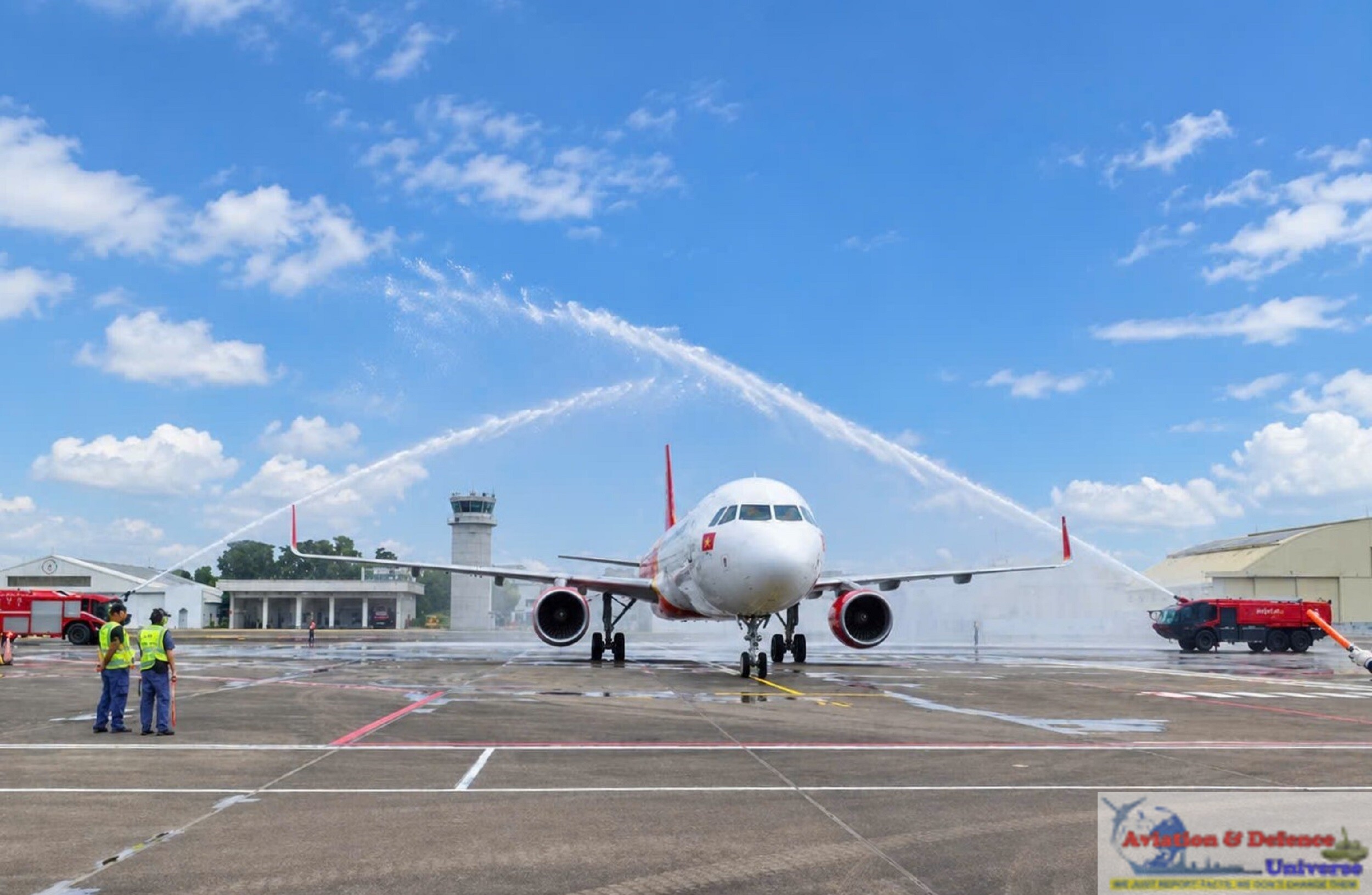
Aircraft technology is another factor. Cicuttini says fleet renewal is influencing route development discussions, especially the Airbus A321XLR. The aircraft opens up markets that could previously be reached only by widebody jets but could support only narrowbody demand. Qantas already operates the type on its Brisbane–Manila route, and Cicuttini sees Southeast Asia and parts of the Pacific as well suited to it. Whether it could ever serve India is a question for the airlines.
The 2032 Games are adding weight to these discussions. Cicuttini says the event is opening doors with carriers that were previously closed, and that “street-cred” is perhaps the best way to describe the effect. The airport is using the Games as a beacon to build destination awareness before the event and to build on its legacy afterwards, with the aim of securing long-term sustainable capacity.
Infrastructure is the supporting argument. The airport operates around the clock and is midway through its FutureBNE programme, which Cicuttini says will invest more than $5 billion in new terminal and airport infrastructure over the next five years. For an airline weighing a new route, 24/7 operations and new facilities reduce risk.
For Indian airlines and investors, Brisbane’s message is clear: the market is ready, the airport is investing, and conversations are already happening. As Cicuttini puts it, the task is matching a ready market with a ready airline.