























- From Peak Demand to Lasting Routes: Frankfurt Sets the Connectivity Agenda
- Routes World Signs Off in Frankfurt with a Year-Round Growth Challenge
- Building Routes That Last: Seasonality and Expansion Shape Routes World Finale
By Anna Jordy
Frankfurt, Germany. 23 October 2026. A packed summer departure board told only half the story. The harder question was what happened when the holiday crowds disappeared. On its final day in Frankfurt, 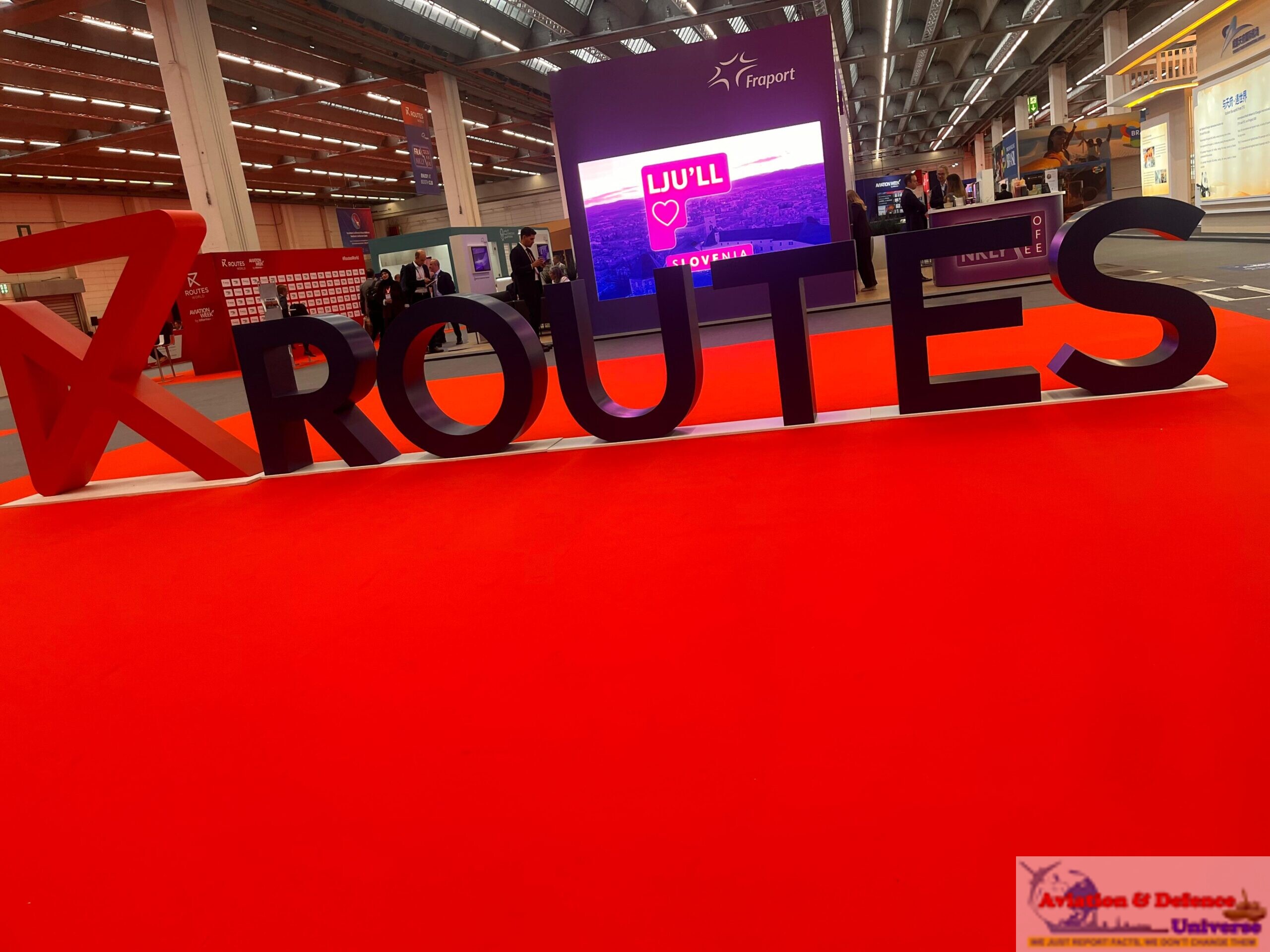 Routes World 2026 turned its attention to that commercial challenge: how airlines, airports and destinations could build connections that remained viable beyond the busiest months.
Seasonality, winter demand and the economics of international expansion shaped the closing programme. Alongside discussions on sustaining services throughout the calendar, airline briefings and airport growth plans highlighted the need to match ambition with credible demand, infrastructure and commercial support.
The final day also looked ahead to Barcelona, which was named as the host city for Routes World 2027.
The Cost of Chasing the Peak
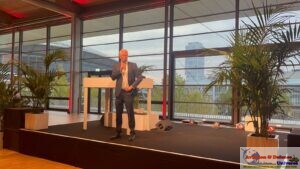
Ged Brown, Founder and Chief Executive Officer of Low Season Traveller, opened the conference programme with The Cost of Seasonality: Building Year-Round Route Networks.
His keynote addressed the imbalance between heavily concentrated summer flying and weaker winter schedules. The underlying problem extended beyond fluctuations in passenger numbers: aircraft, crews and airport infrastructure represented substantial commitments whose productive use became more difficult when demand contracted.
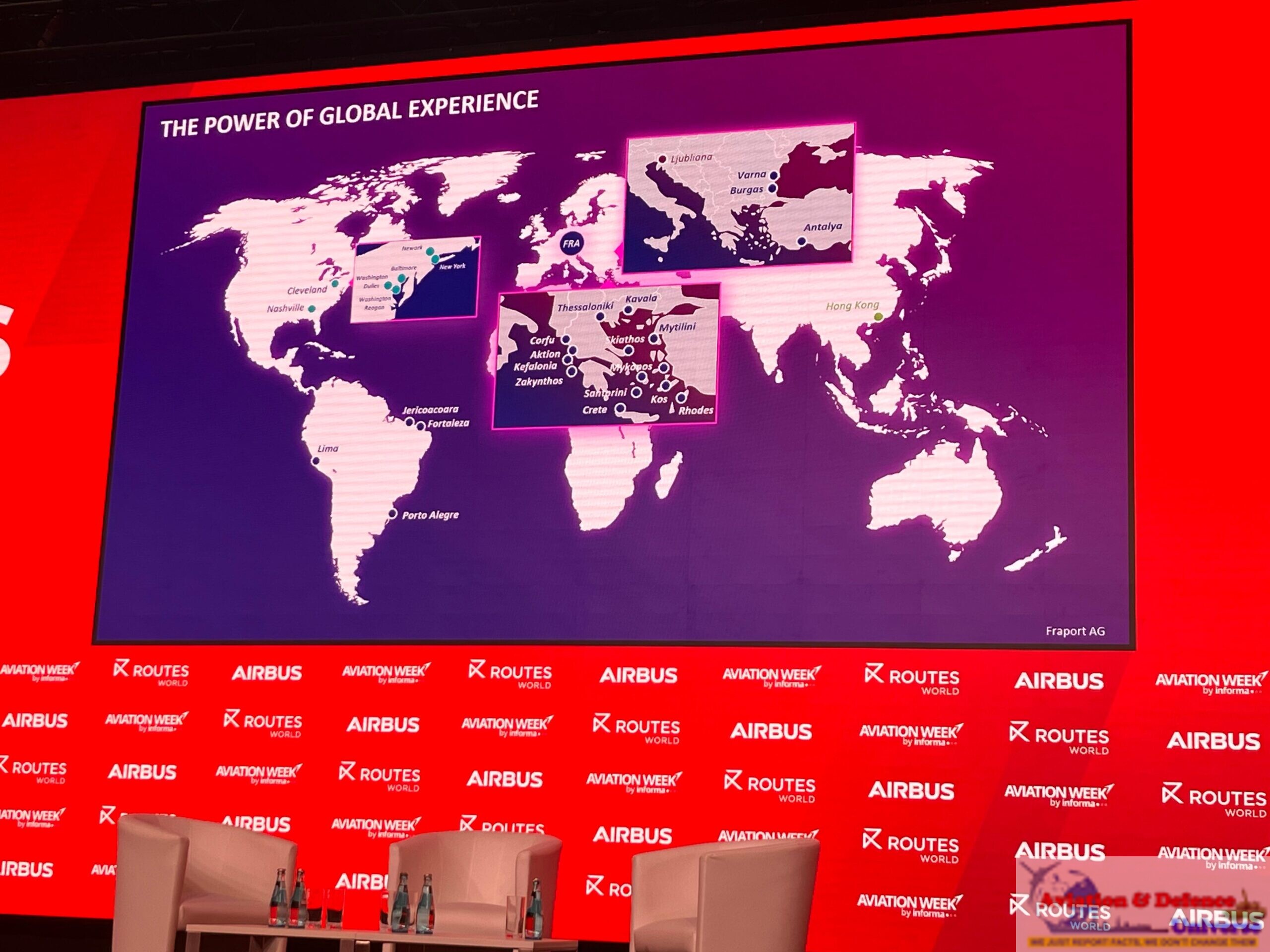 The session’s central proposition placed the quieter months within the growth conversation. Rather than concentrating additional capacity into already crowded peak periods, route planners and destinations needed to examine how demand could be developed across a longer operating season.
That approach carried implications for airports as well as airlines. A seasonal route could deliver a valuable summer boost, but dependable connectivity across the year offered a different proposition for businesses, residents and the wider visitor economy.
Who Carried the Risk of Winter Flying?
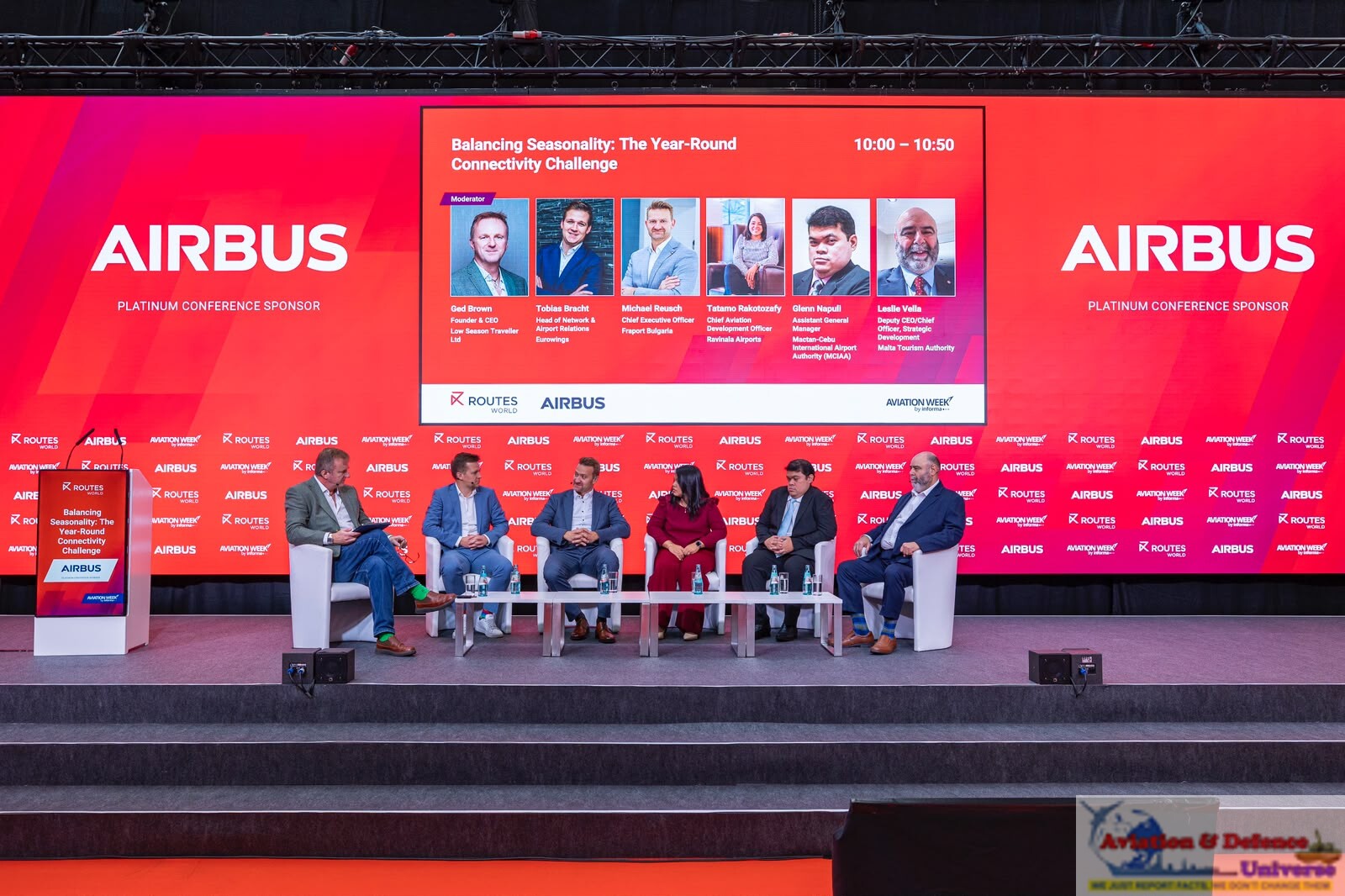
Brown subsequently moderated Balancing Seasonality: The Year-Round Connectivity Challenge, bringing together airline, airport and tourism perspectives.
The panel featured Michael Reusch, Chief Executive Officer of Fraport Bulgaria; Tobias Bracht, Head of Network and Airport Relations at Eurowings; Tatamo Rakotozafy, Chief Aviation Development Officer at Ravinala Airports; Leslie Vella, Deputy CEO and Chief Officer Strategic Development at the Malta Tourism Authority; and Glenn Napuli, Assistant General Manager of Mactan-Cebu International Airport Authority.
The discussion examined what it took to sustain a route beyond a short peak season. Among the questions were how marginal winter services could become commercially viable, who should absorb the risk during their early development, and whether airport incentives encouraged lasting connectivity or principally rewarded summer additions.
Demand generation during the shoulder months formed another important part of the discussion. Extending a season required coordination between the organisations selling the destination, providing the flights and operating the airport.
The issue exposed a shared dependency. Airlines required sufficient traffic and revenue to maintain services; destinations needed reliable flights to attract visitors and investment. Addressing either side in isolation offered an incomplete solution.
Airline Briefings Connected Strategy with Route Economics
Following the networking break, the programme featured an airline briefing by John Pepper, Chief Commercial Officer of BermudAir, followed by Manuel Moreno Lagos, Director of Network Planning at Aeroméxico.
Aeroméxico’s presentation provided a detailed view of the considerations behind international network development. Its assessment of opportunities across the United States, Europe, Asia and Latin America went beyond identifying destinations with apparent passenger potential.
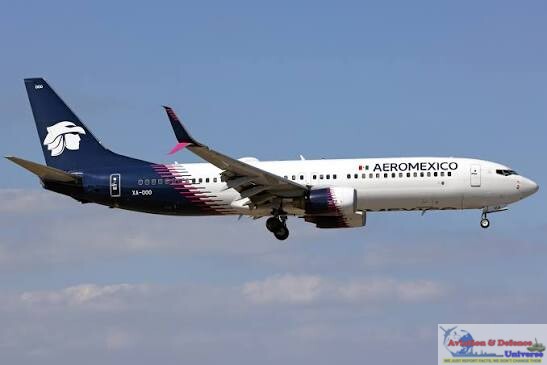 The airline considered underserved demand, achievable yields, the balance between business and leisure traffic, cargo opportunities and airport operating conditions. Capacity, facilities and commercial incentives also influenced the strength of a proposal.
Its expansion plans included Milan in 2027, following the introduction of Mexico City–Barcelona services. Caribbean additions were scheduled to connect Mexico City with Montego Bay from 18 March 2027 and Nassau from the following day. Its partnership with Delta Air Lines had supported 26 route launches since 2023.
The broader lesson was practical: a route proposal had to demonstrate how a service would earn its place in an airline’s network. An attractive destination helped open the conversation; a sustainable operating case moved it forward.
Different Markets, a Shared Connectivity Challenge
Developments highlighted in the Day 3 coverage showed how the same growth question appeared in different markets.
Swedavia identified North America and India as priorities for strengthening Sweden’s international links. Cyprus focused on extending operating seasons and increasing winter services, connecting its route-development ambitions directly with the challenge of reducing dependence on peak-period demand.
Edinburgh Airport outlined ambitions for additional long-haul connections to the Middle East, Africa and Asia, supported by a £500 million investment programme. Condor targeted 20 per cent growth as aircraft deliveries supported expansion, although high German operating costs remained a constraint.
Singapore Changi’s plans linked network development with technology and infrastructure, including artificial intelligence, automation and Terminal 5. Together, these examples illustrated the different tools available to airports and airlines pursuing growth: market development, operational improvements, investment and closer commercial cooperation.
They also reinforced a common limitation. Additional infrastructure or aircraft could create capacity, but capacity alone could not guarantee demand.
India Featured in the Search for New Connections
Swedavia’s identification of India as a priority market added an Indian dimension to the final day’s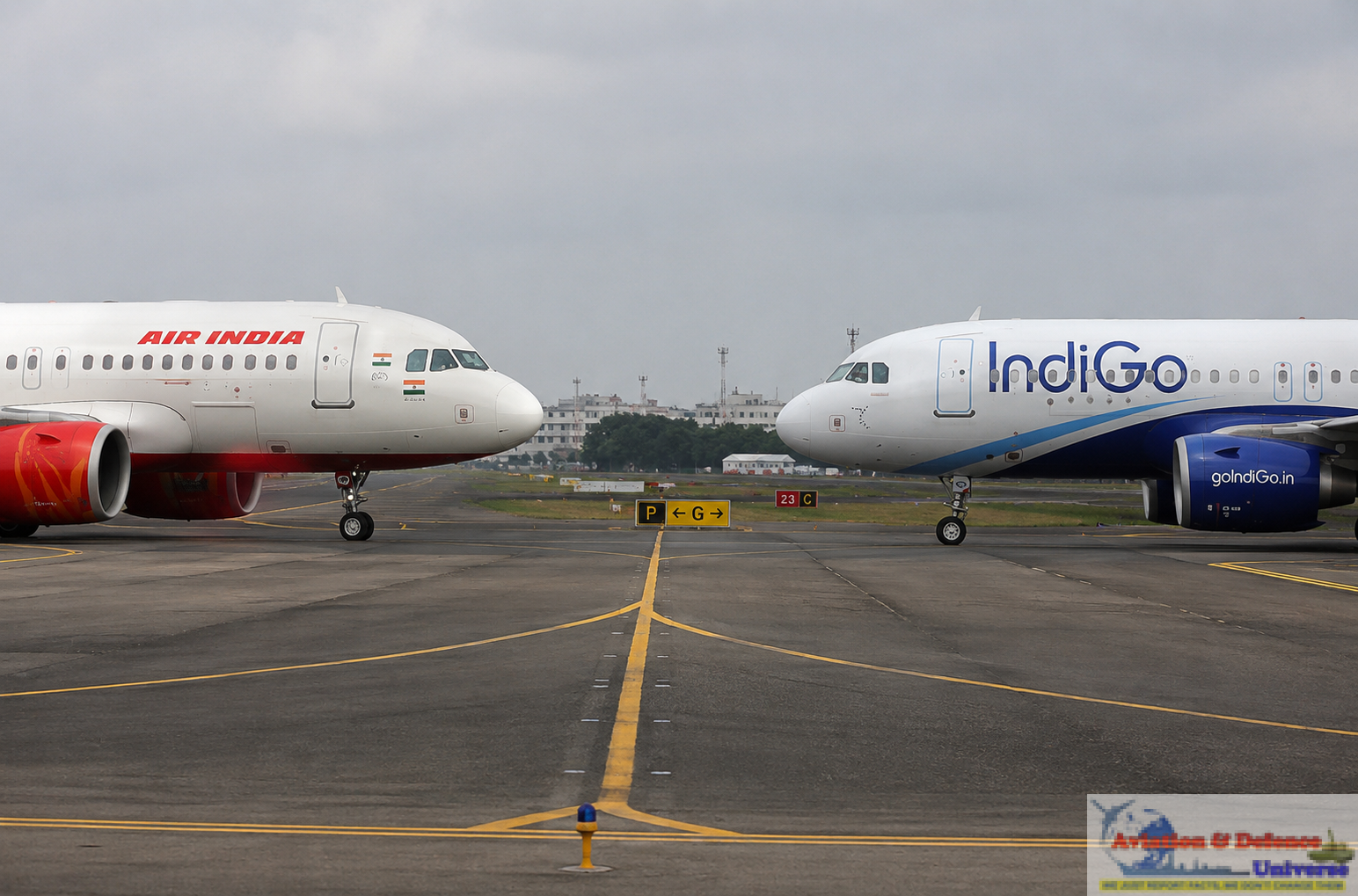 international connectivity agenda.
For airlines and airports considering links with India, the wider seasonality discussion offered a relevant framework. Sustainable services depended on understanding the mix of business travel, leisure demand, family visits and onward connections rather than relyin on a single peak travel period.
The commercial challenge was to translate interest in a market into a route with sufficient depth and resilience to support continued operation.
Barcelona Took the Next Turn
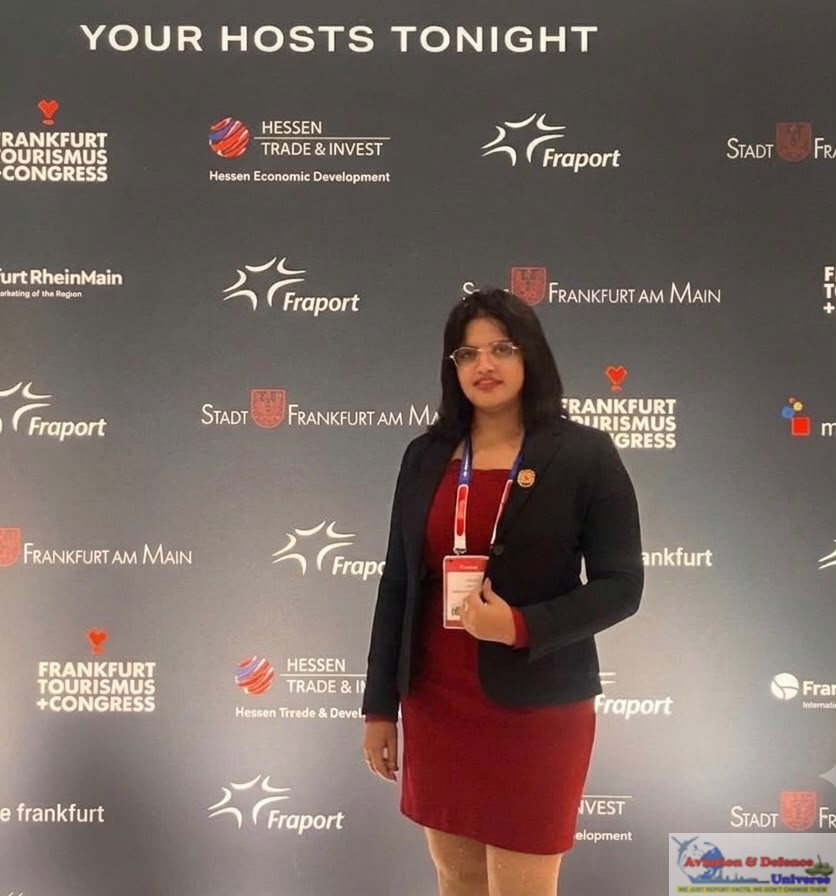
The closing day marked the handover to Barcelona for Routes World 2027, returning the gathering to the city a decade after its 2017 edition. The next event was set to continue the dialogue between airlines, airports and destinations on international connectivity and network development.
Frankfurt’s final programme left delegates with a challenge that would outlast the exhibition: growth had to be measured through the durability of connections as well as the number of launches.
As Routes World 2026 concluded, the strongest route-development proposition reached beyond a busy summer. It was the service that kept flying when demand softened, the partnership that shared the early risk and the destination that gave travellers reasons to return throughout the year. Frankfurt closed the conversation with a clear commercial test: build connections that could last beyond the peak.