










- Four Dhruv Helicopters, Seaplane Ambitions and SPRINT: Pawan Hans Charts Its Next Flight
- Pawan Hans at 42: Celebrating the Past, Reinventing the Future, Connecting India
- Safety, Innovation and Nation First: Pawan Hans Unveils Its Transformation Agenda
By Sangeeta Saxena
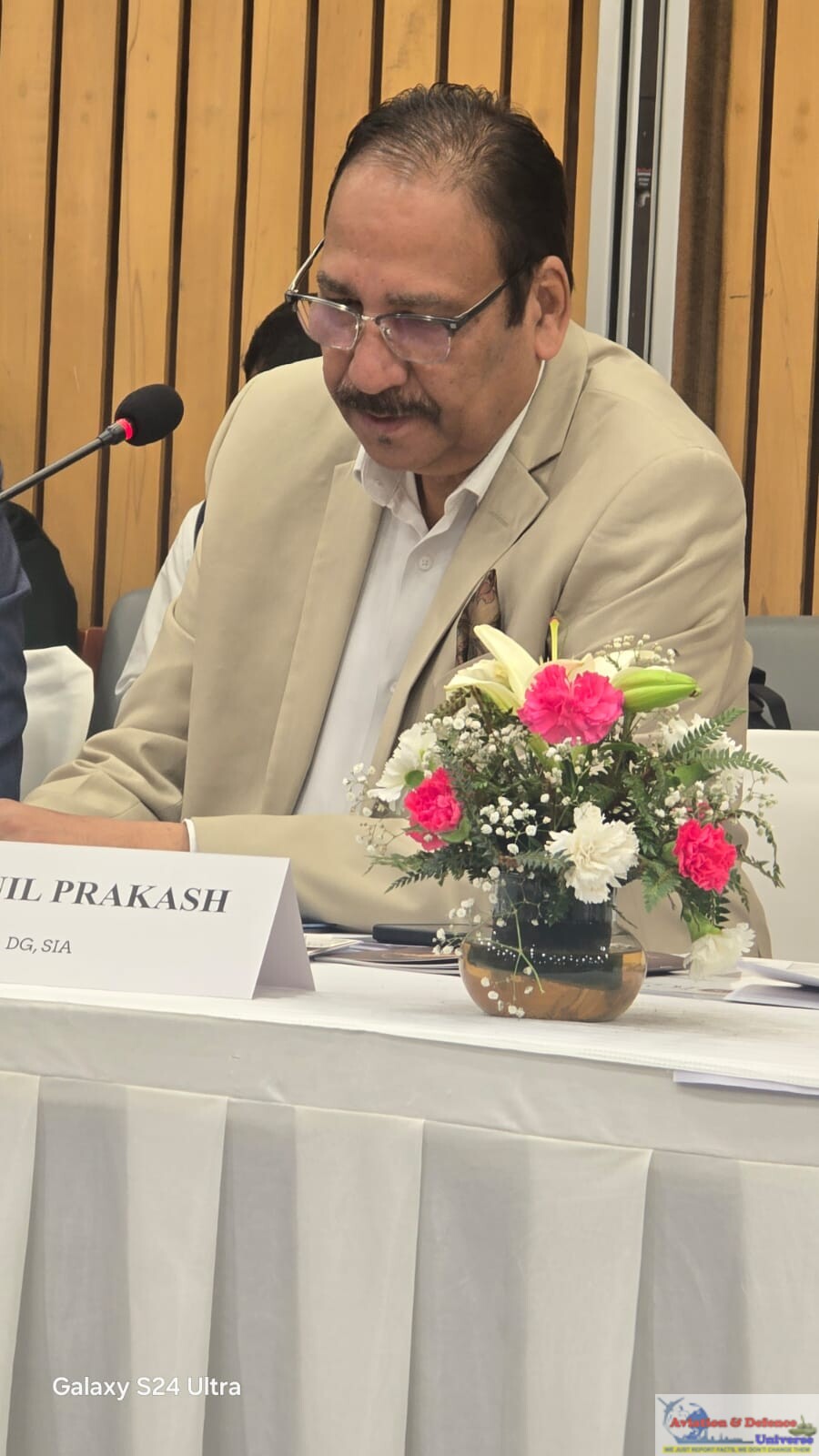
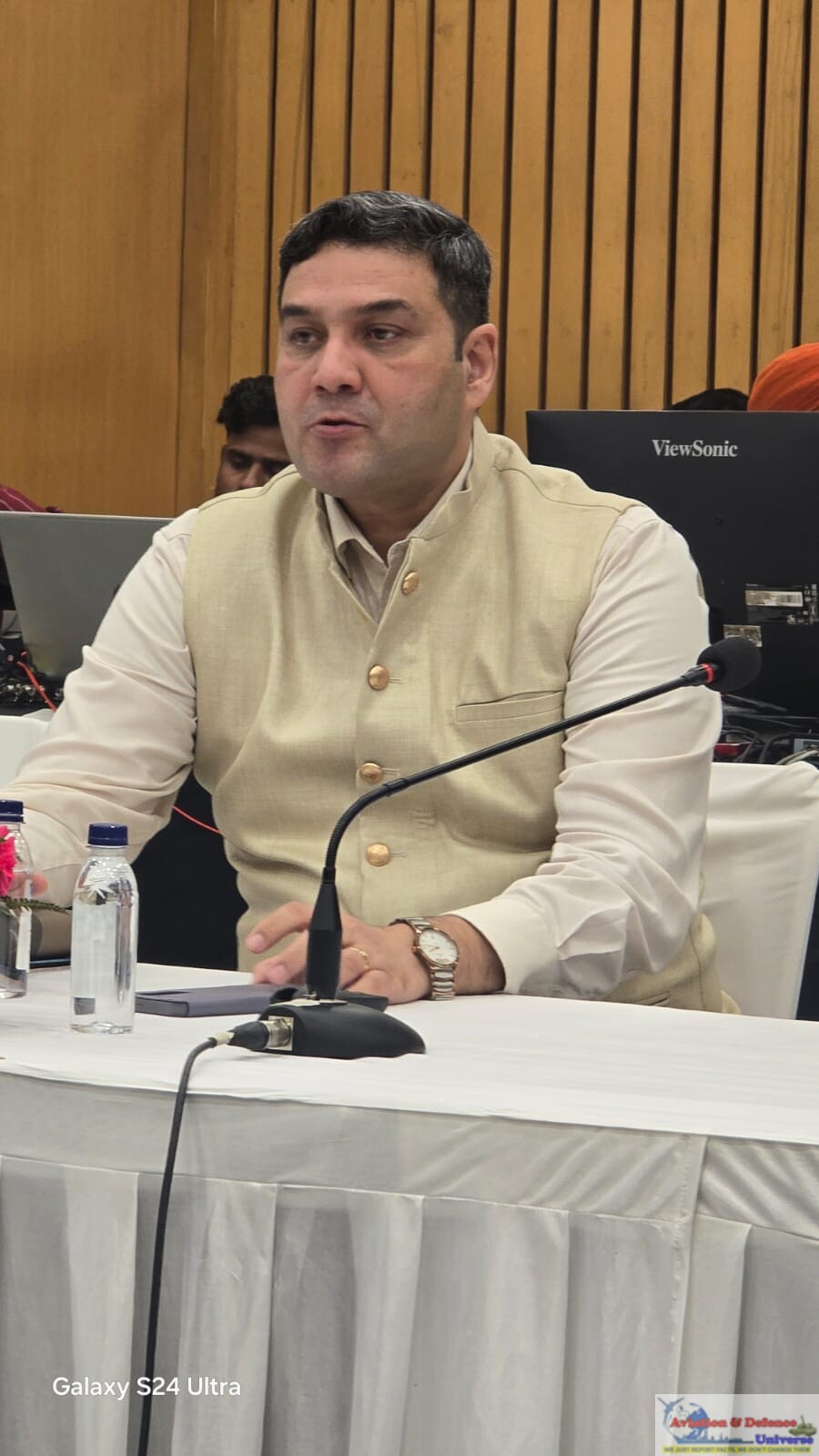
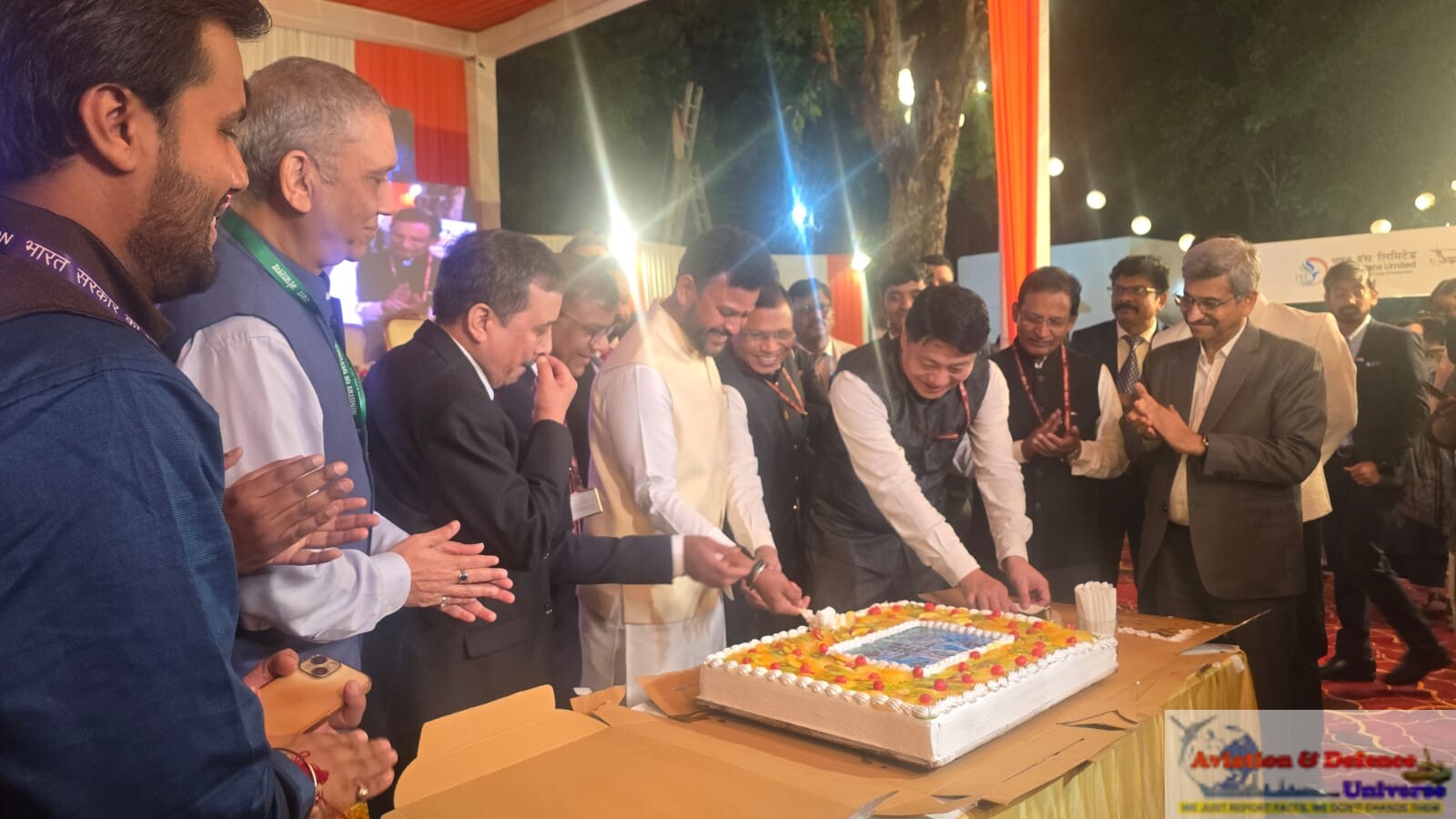
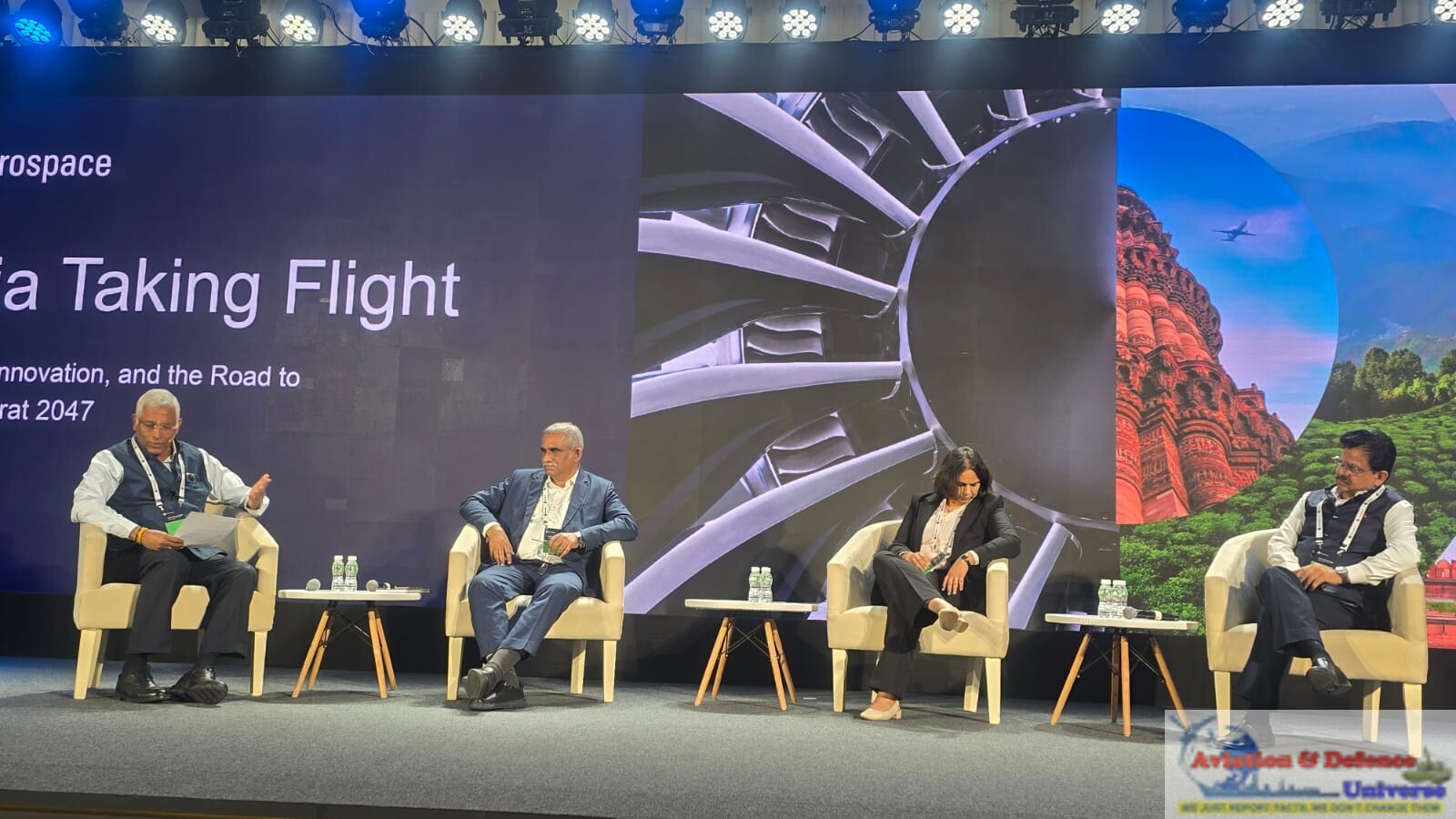
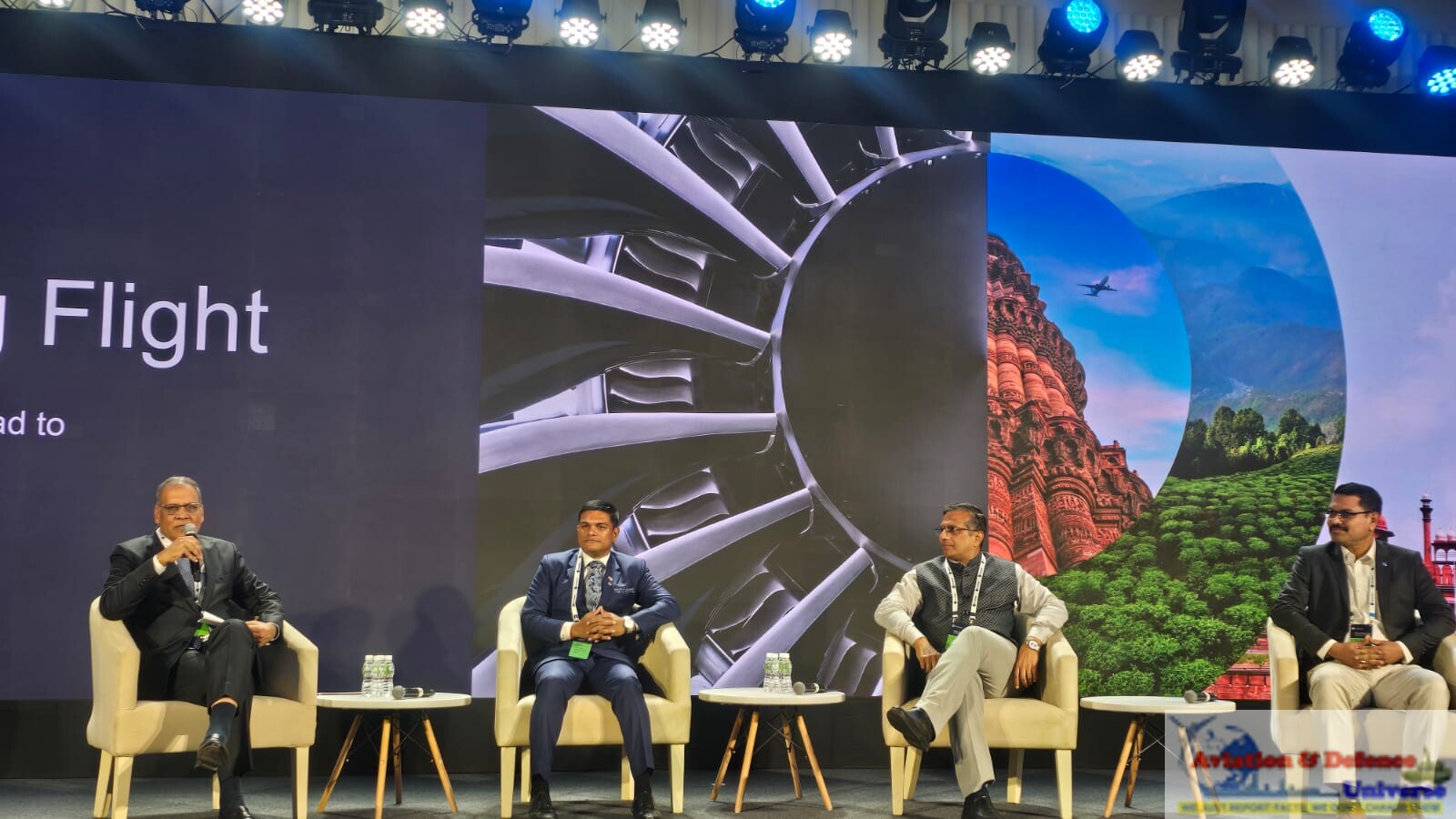
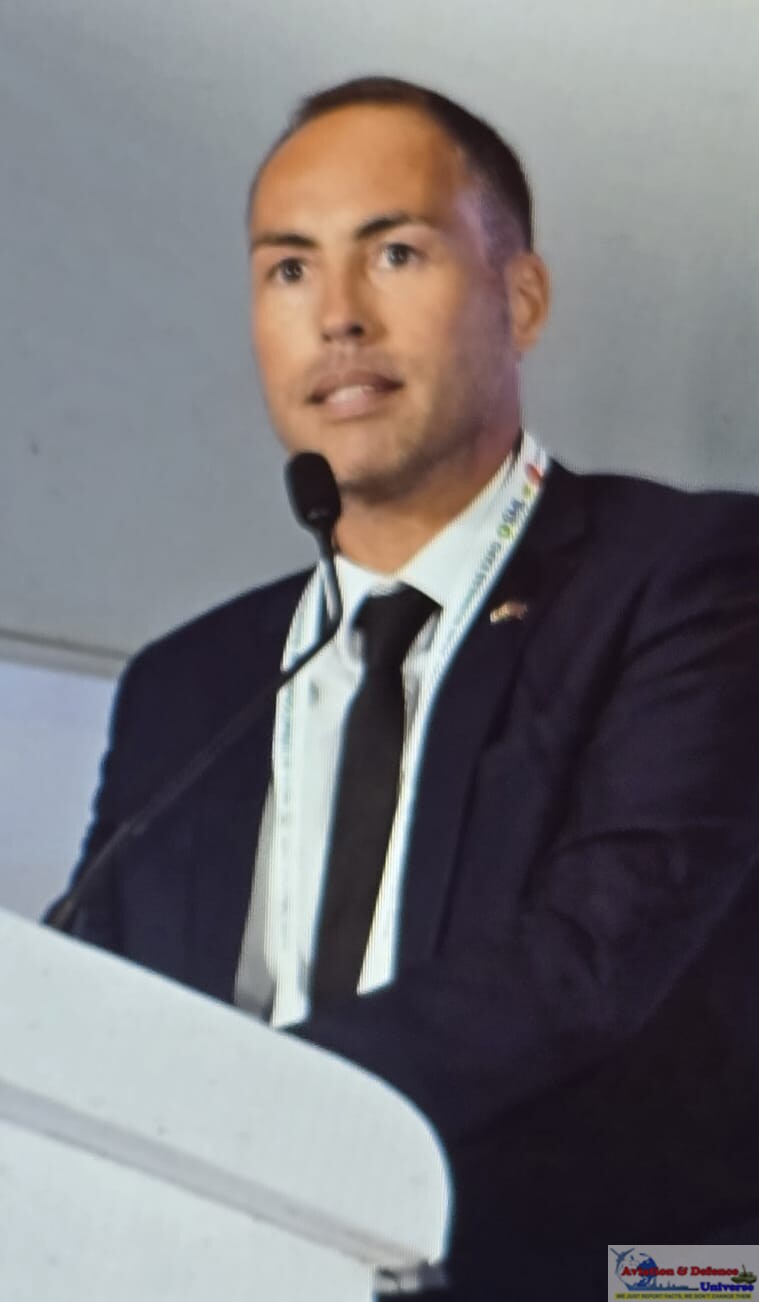
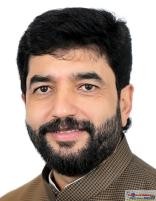
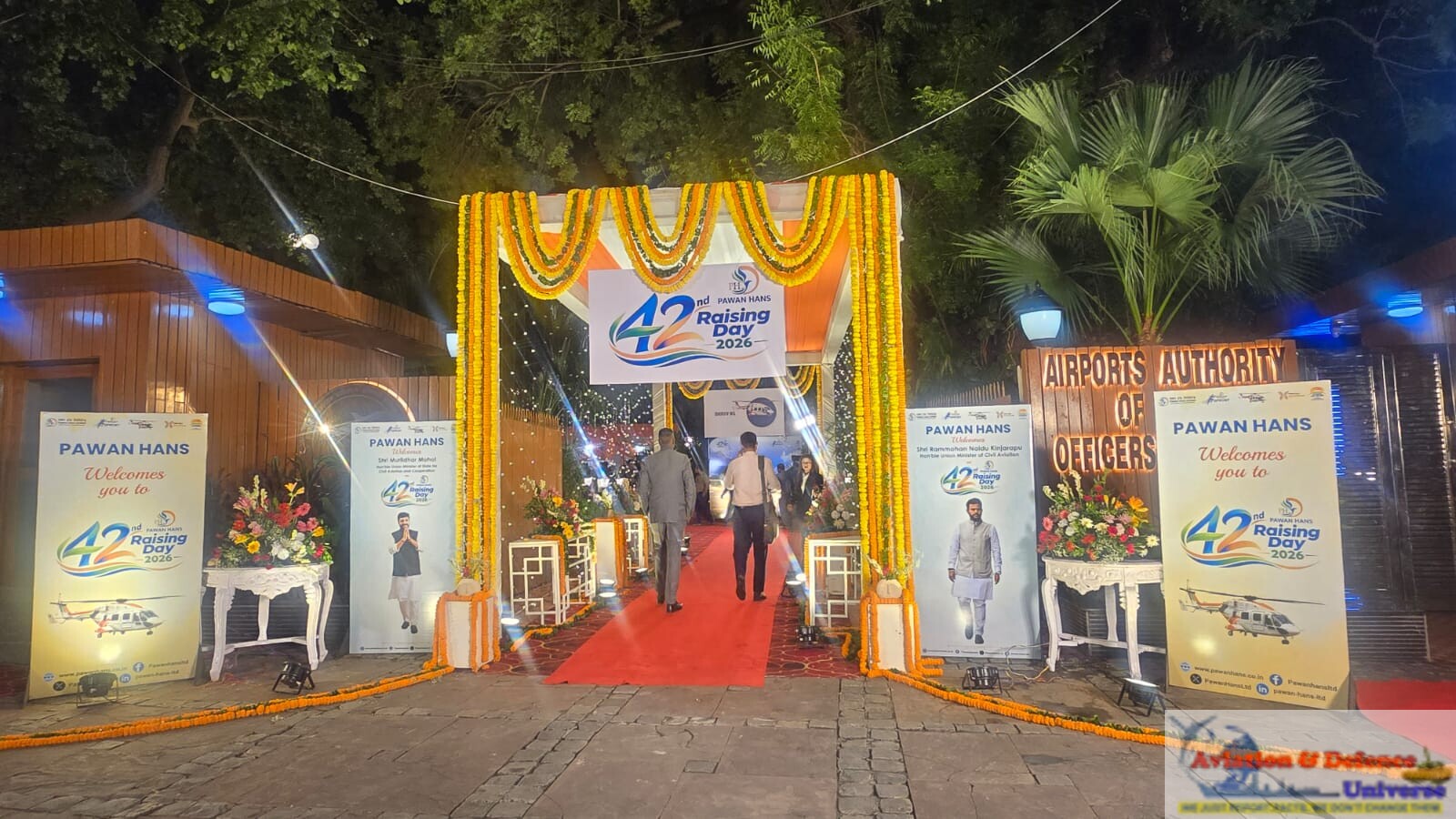
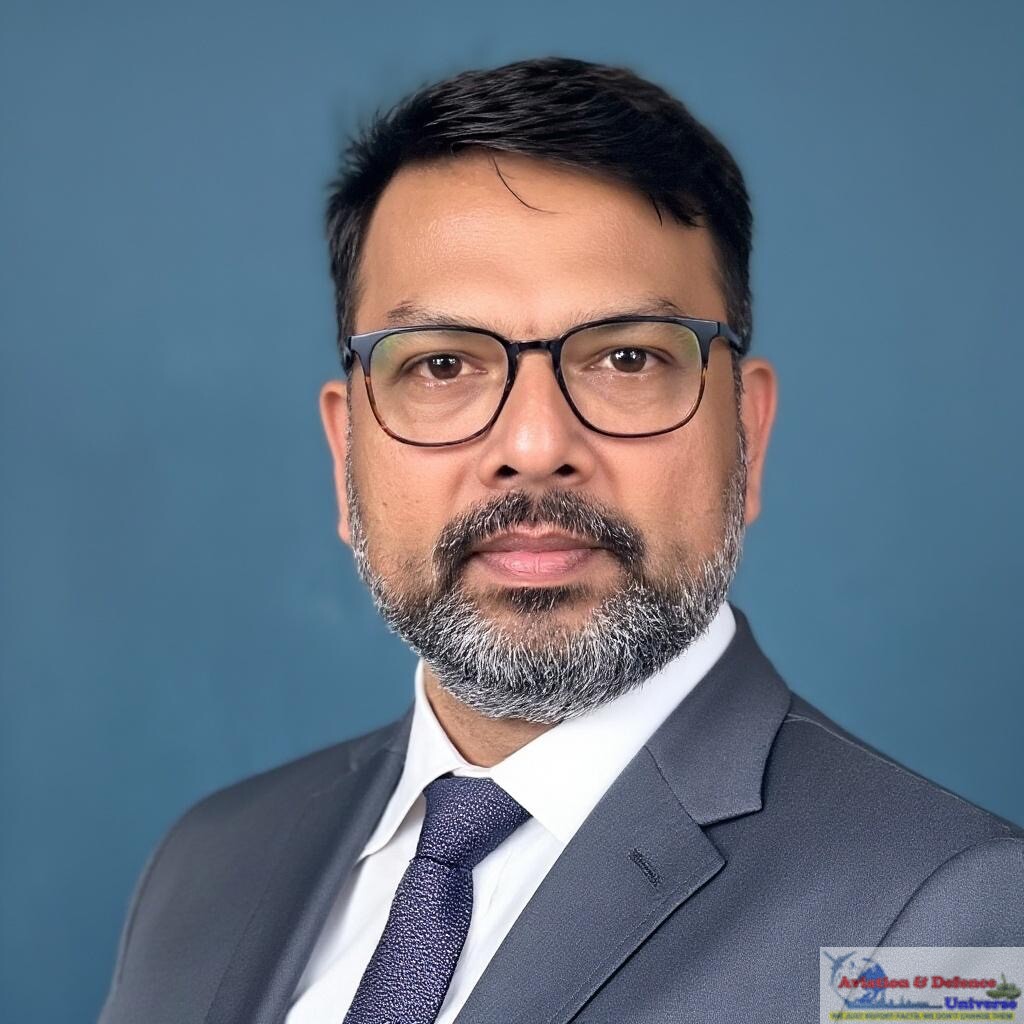
New Delhi. 15 October 2026. Forty-two years of connecting difficult terrains, supporting offshore operations, carrying pilgrims and serving national priorities have given Pawan Hans Limited a distinctive place in India’s civil aviation history. But its 42nd Foundation Day celebrations at the Airports Authority of India Club in New Delhi were as much about the future as they were about the past. With indigenous helicopter induction, renewed operational ambitions, a new organisational transformation programme and plans to enter emerging aviation technologies, the occasion reflected a company preparing to redefine its role in India’s expanding aviation landscape. Union Minister of Civil Aviation Kinjarapu Ram Mohan Naidu joined the celebrations, while Chairman and Managing Director Sunil Kumar Nagdawne presented an ambitious roadmap for strengthening the organisation’s operational, financial and technological capabilities.
The celebrations also featured the release of a commemorative First Day Cover by the Department of Posts, marking Pawan Hans’ contribution to India’s aviation journey and recognising its four-decade legacy of public service. Delivering the welcome address, Sunil Kumar Nagdawne, Chairman and Managing Director, Pawan Hans Limited, greeted the Civil Aviation Minister, distinguished guests, aviation professionals, employees and their families.He described the occasion as an opportunity to celebrate the organisation’s legacy, recognise its achievements and reaffirm its commitment to national service.
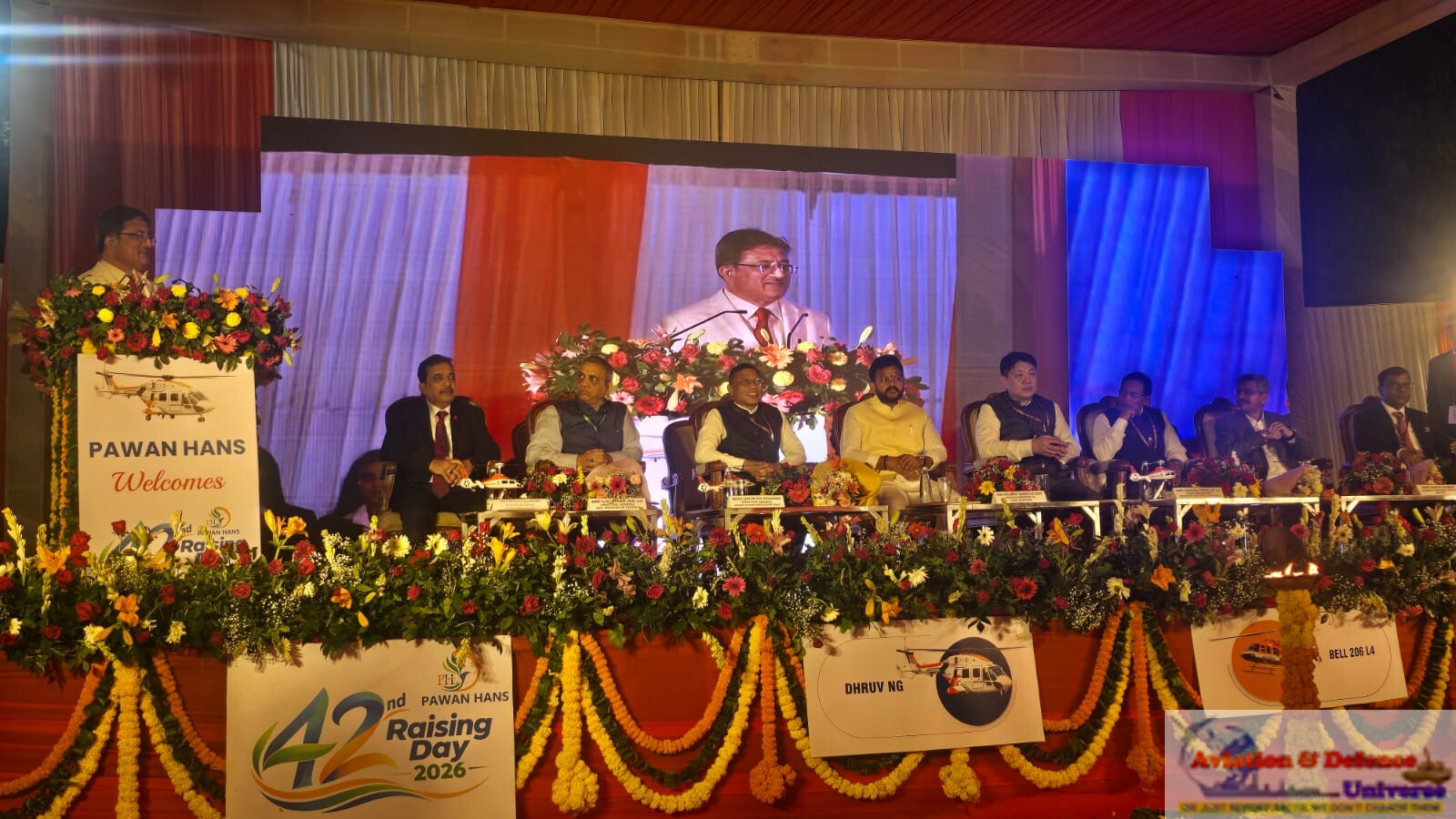 Reflecting on the company’s journey, Nagdawne recalled how Pawan Hans had connected remote regions, supported offshore operations and provided essential aviation services across the country for more than four decades. He paid tribute to the generations of leaders, pilots, engineers, technicians and employees who had built the organisation and sustained its operations through changing aviation requirements.
His address combined an appreciation of the company’s history with an emphasis on institutional renewal. For Nagdawne, the 42nd Foundation Day was not merely a ceremonial milestone. It was an opportunity to articulate a new direction for Pawan Hans, with safety, financial discipline, technological advancement and employee development at its centre.
A Hundred Days of Renewed Momentum
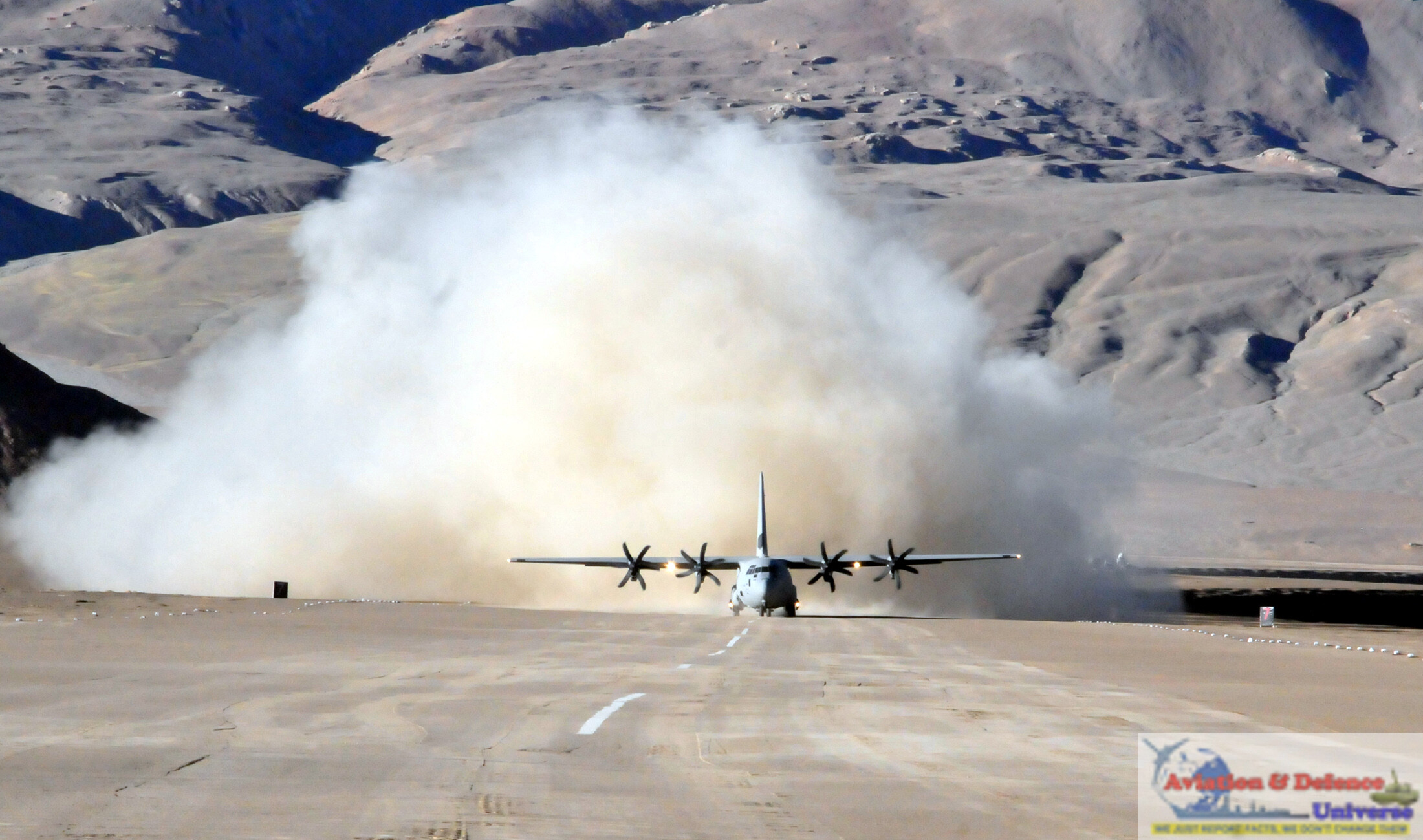
Highlighting developments during his first 100 days at the helm, Nagdawne outlined several initiatives undertaken to strengthen the organisation’s operational capabilities. Among the most significant was the 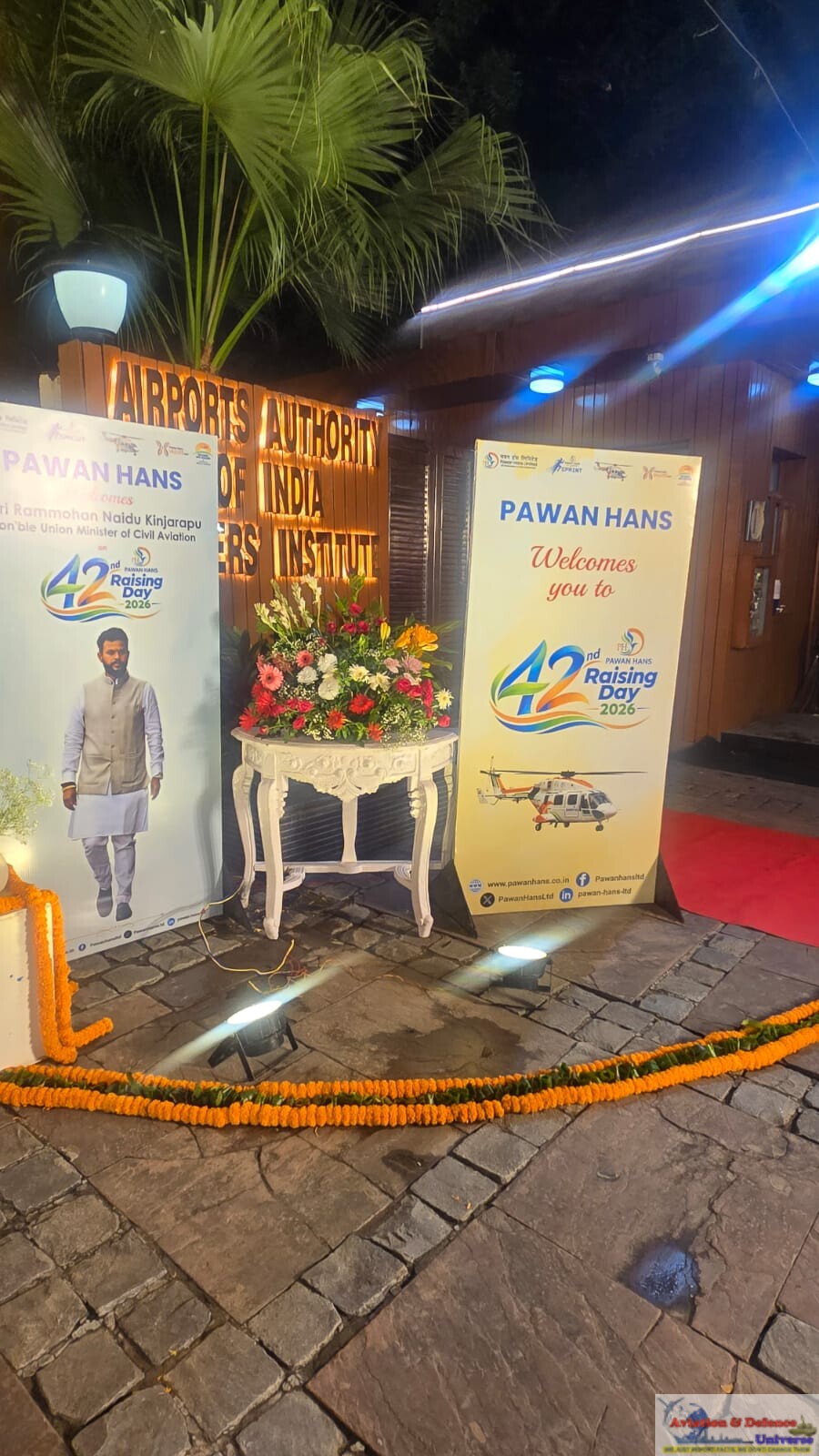 induction of four indigenous Dhruv helicopters, reflecting the company’s commitment to modernising its fleet through Indian-manufactured aviation platforms. The CMD also referred to the opening of a new operational base, the recommencement of helicopter services and steps towards reviving aircraft and helicopter assets. He spoke of efforts to attract experienced aviation professionals, strengthen financial discipline, improve cost management and prepare the organisation for new commercial opportunities. The message was that Pawan Hans intended to move beyond incremental improvements and pursue a broader organisational transformation.
The CMD also referred to discussions and agreements aimed at developing seaplane operations, identifying this as a future growth area. Although some names and project details in the recorded transcript require confirmation, the direction of his remarks was clear: Pawan Hans intends to diversify its aviation services while improving the efficiency and competitiveness of its existing operations.
SPRINT: The New Transformation Mantra
A major highlight of Nagdawne’s welcome address was the introduction of SPRINT, a proposed organisational transformation initiative intended to guide Pawan Hans’ next phase of development.
The programme, as explained by the CMD, brings together six priorities:
- S — Safety: Strengthening safety management systems and working towards world-class operational safety standards.
- P — Profitability: Improving cost optimisation, cash flow, collections and financial accountability.
- R — Business development: Expanding into new markets and exploring emerging opportunities, including eVTOL aircraft and drones.
- I — Innovation: Integrating digitalisation, artificial intelligence and new technologies into organisational operations.
- N — Nurturing talent: Developing employees through technical training, professional skills and capability building.
- T — Transformation: Preparing Pawan Hans for a wider role in India’s future aviation ecosystem.
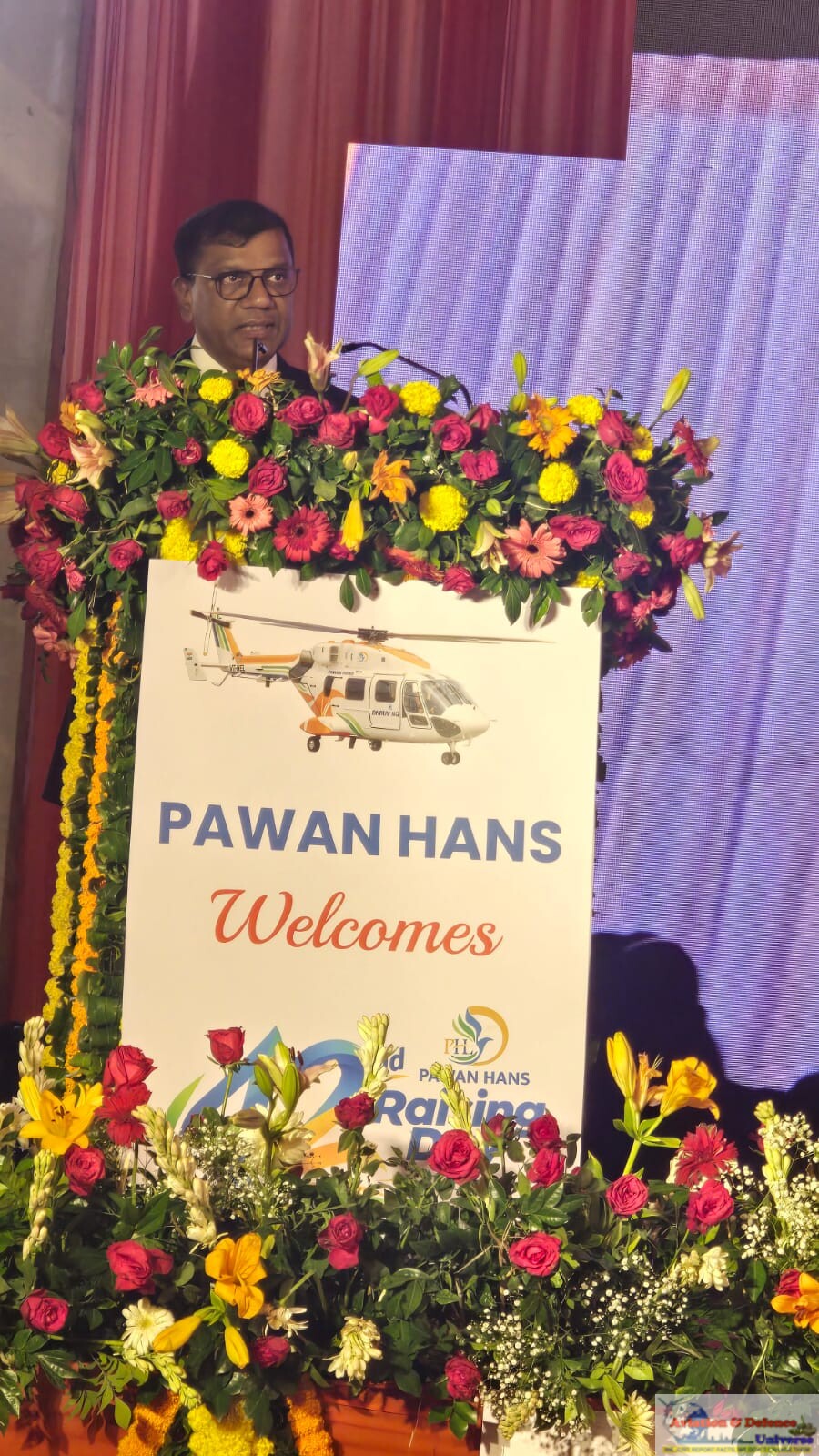 Nagdawne placed particular emphasis on safety, describing it as the foundation of the organisation’s future. He said Pawan Hans would strive to establish world-class safety systems and minimise operational incidents. Financial discipline was another major focus. The CMD stressed the need to control costs, improve collections and strengthen accountability within the company. On business development, he expressed the ambition to pursue opportunities across emerging aviation segments rather than remain restricted to conventional helicopter operations. Digitalisation and artificial intelligence also featured in his vision, with Nagdawne emphasising that Pawan Hans must keep pace with technological change. The initiative reflected his determination to create a more agile, competitive and future-ready aviation organisation.
Employees First: The People Behind the Machines
One of the most personal elements of Nagdawne’s address was his emphasis on employees. He reminded the gathering that aircraft and machines alone do not build successful organisations. The real strength of Pawan Hans, he emphasised, lies in its pilots, engineers, technicians, administrative personnel and other employees who deliver its services. He articulated a management philosophy of “employees first and customers second,” explaining his belief that a motivated and capable workforce is essential to delivering quality services.
The CMD described employees as partners in the company’s transformation and expressed confidence that collective effort would take Pawan Hans to greater heights. His remarks placed human-resource development alongside fleet modernisation and technological investment as a central pillar of the company’s future.
Five Core Values to Guide the Organisation
Nagdawne also outlined five fundamental values intended to shape the organisation’s culture and decision-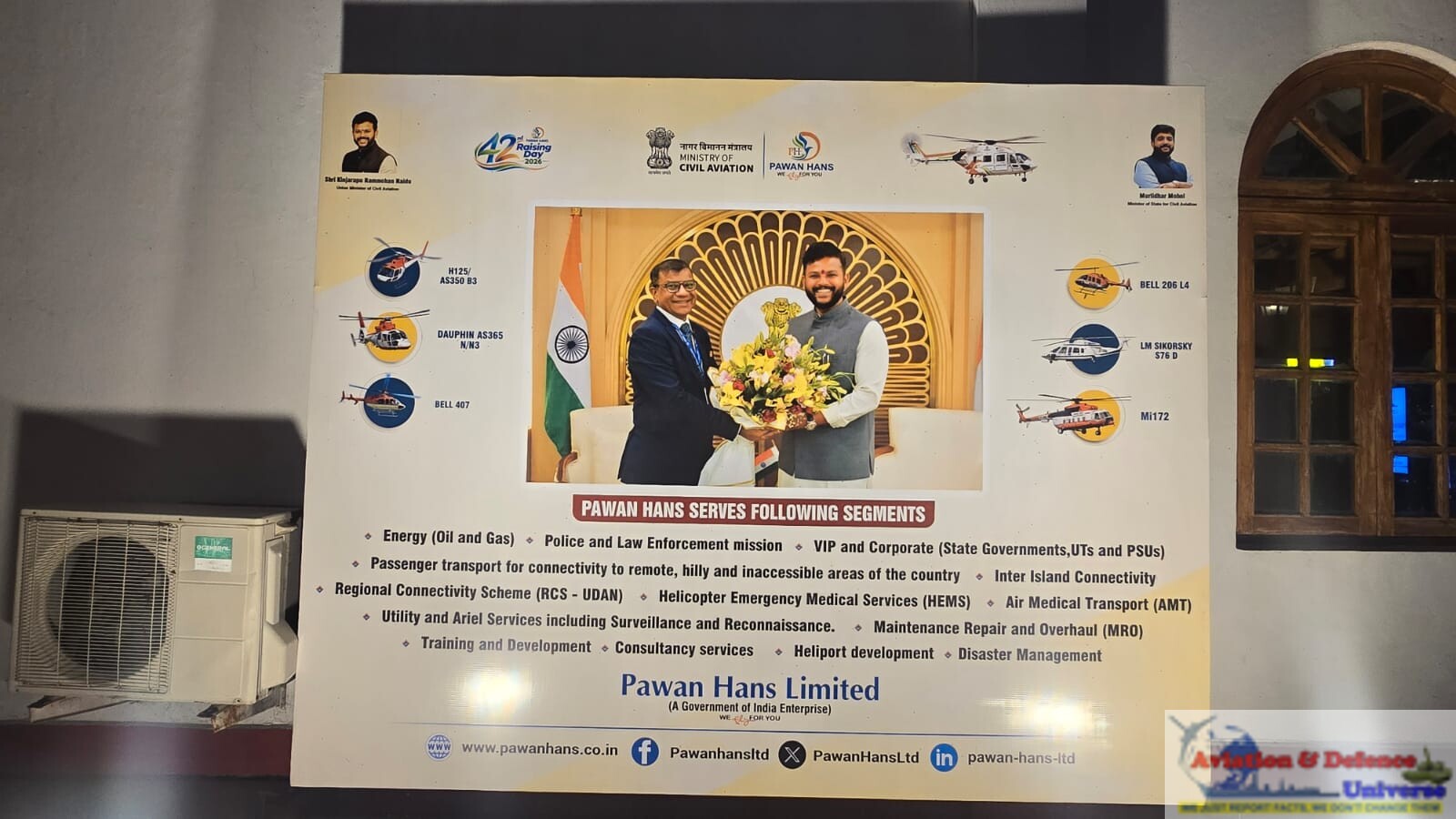 making. These were Nation First, Safety, Mission Accomplishment, Service and Integrity. He emphasised that Pawan Hans must continue to place national priorities at the forefront of its activities. Safety, he said, would remain fundamental to every operation.
Mission accomplishment would reflect the company’s determination to fulfil its commitments, particularly when called upon to undertake demanding assignments. Service would define its relationship with customers, stakeholders and the public, while integrity would guide professional conduct and institutional accountability.
Explaining the importance of integrity, he invoked the principle of doing the right thing even when nobody is watching. Together, these values were presented as the ethical and operational foundation for the company’s transformation journey.
Minister Ram Mohan Naidu Calls for a Larger Role for Pawan Hans
Addressing the celebrations, Civil Aviation Minister Kinjarapu Ram Mohan Naidu congratulated Pawan Hans on completing 42 years of service. He described the company as one of India’s strongest and most important helicopter operators, recognising its contribution to offshore exploration, oil and gas operations, religious tourism and other specialised aviation requirements.
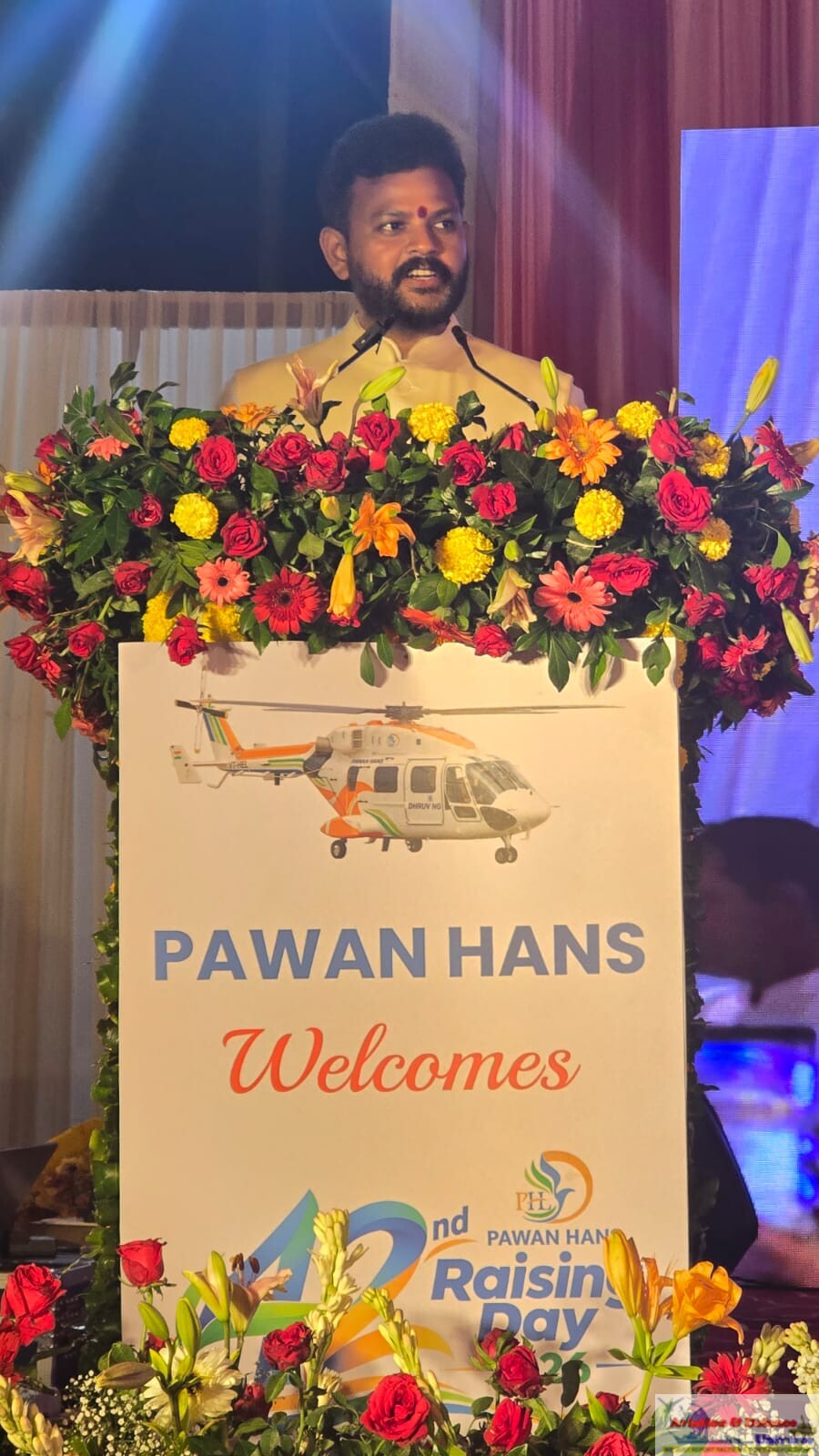 The Minister said that India’s aviation growth over the past decade had been reflected in the expansion of airports, aircraft fleets and passenger numbers. However, he emphasised that future development must extend beyond conventional aviation.
“We just don’t want to focus on the aircraft or the airports. We want to have more heliports in the country and we want to expand our helicopter fleet also,” he stated.
He urged Pawan Hans to take the lead in developing this emerging market. The Minister identified heli-ambulance services, pilgrimage connectivity, seaplane operations and advanced air mobility as promising opportunities. He also expressed confidence that Pawan Hans could play a significant role in India’s journey towards Viksit Bharat 2047.
200 Heliports and Indigenous Helicopters: Government Outlines Expansion Plans
Highlighting government support for helicopter aviation, the Minister said that 200 modern heliports were envisaged under the new UDAN framework. These would serve aspirational districts, mountainous regions 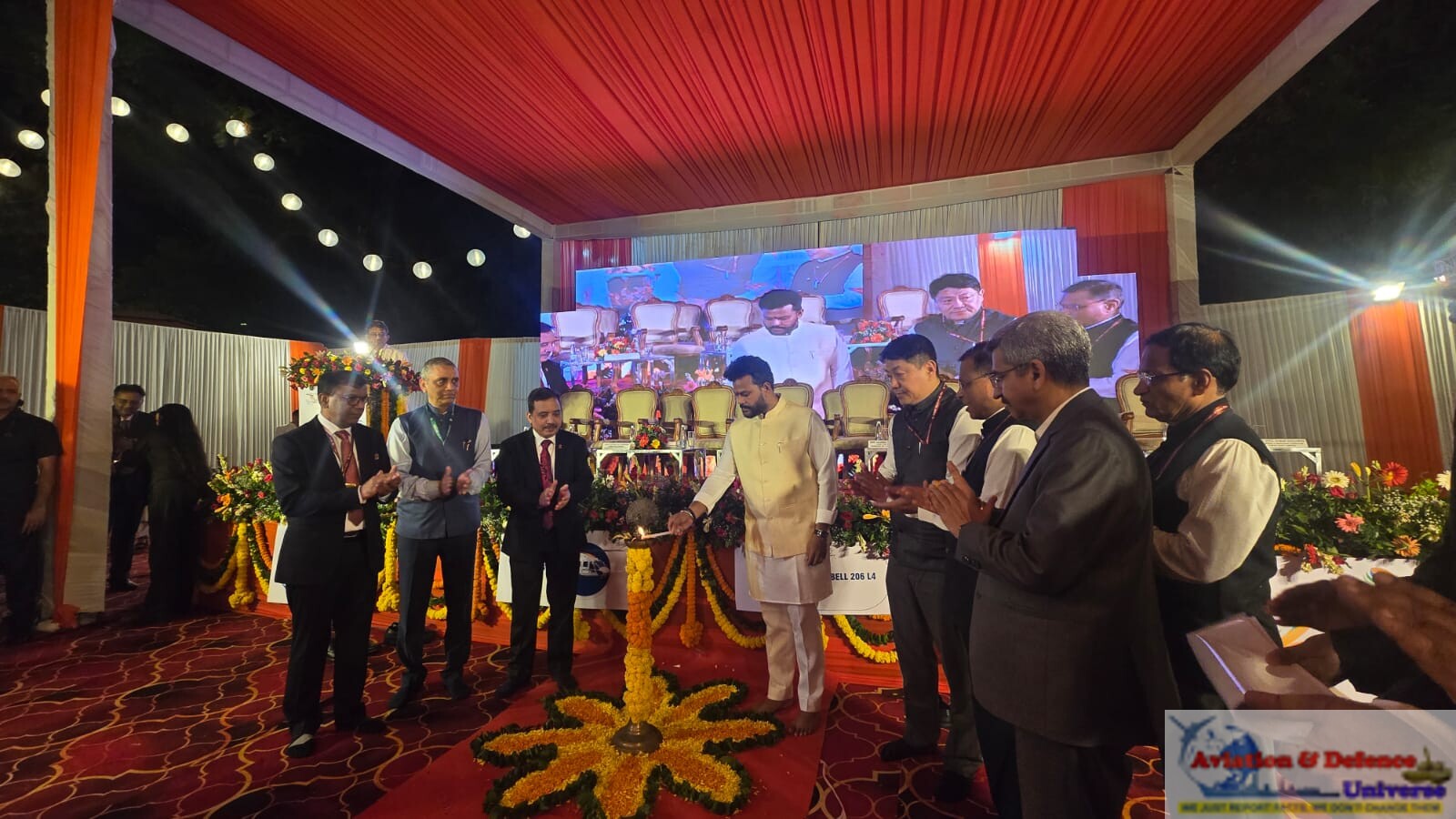 and island destinations. He also stated that four made-in-India civilian helicopters manufactured by Hindustan Aeronautics Limited had already been provided to Pawan Hans, with another six expected.
The Minister referred to plans to procure two additional civilian helicopters under the UDAN framework. The emphasis on indigenous rotorcraft induction reflected the growing relationship between domestic aerospace manufacturing and civilian helicopter operations.
For Pawan Hans, the expansion of heliport infrastructure could create opportunities to develop additional regional services, improve remote connectivity and strengthen its public-service role.
From Seaplanes to eVTOLs: Preparing for the Next Aviation Revolution
The Minister encouraged Pawan Hans to revisit seaplane operations, recalling its early involvement in the sector around 2010. He noted the potential for water-based aviation in island territories and inland locations with suitable water bodies. State government participation, he said, would be important in identifying destinations and developing viable operations.
Looking further ahead, he identified electric vertical take-off and landing aircraft, or eVTOLs, as another opportunity. The Minister expressed the expectation that these technologies could begin becoming operational realities within the next two years and encouraged Pawan Hans to explore the sector.
His remarks complemented Nagdawne’s own emphasis on business diversification and emerging aviation technologies. Together, the two addresses presented a future in which Pawan Hans could potentially operate across conventional helicopters, seaplanes, drones and advanced air mobility platforms.
Department of Posts Releases Commemorative First Day Cover
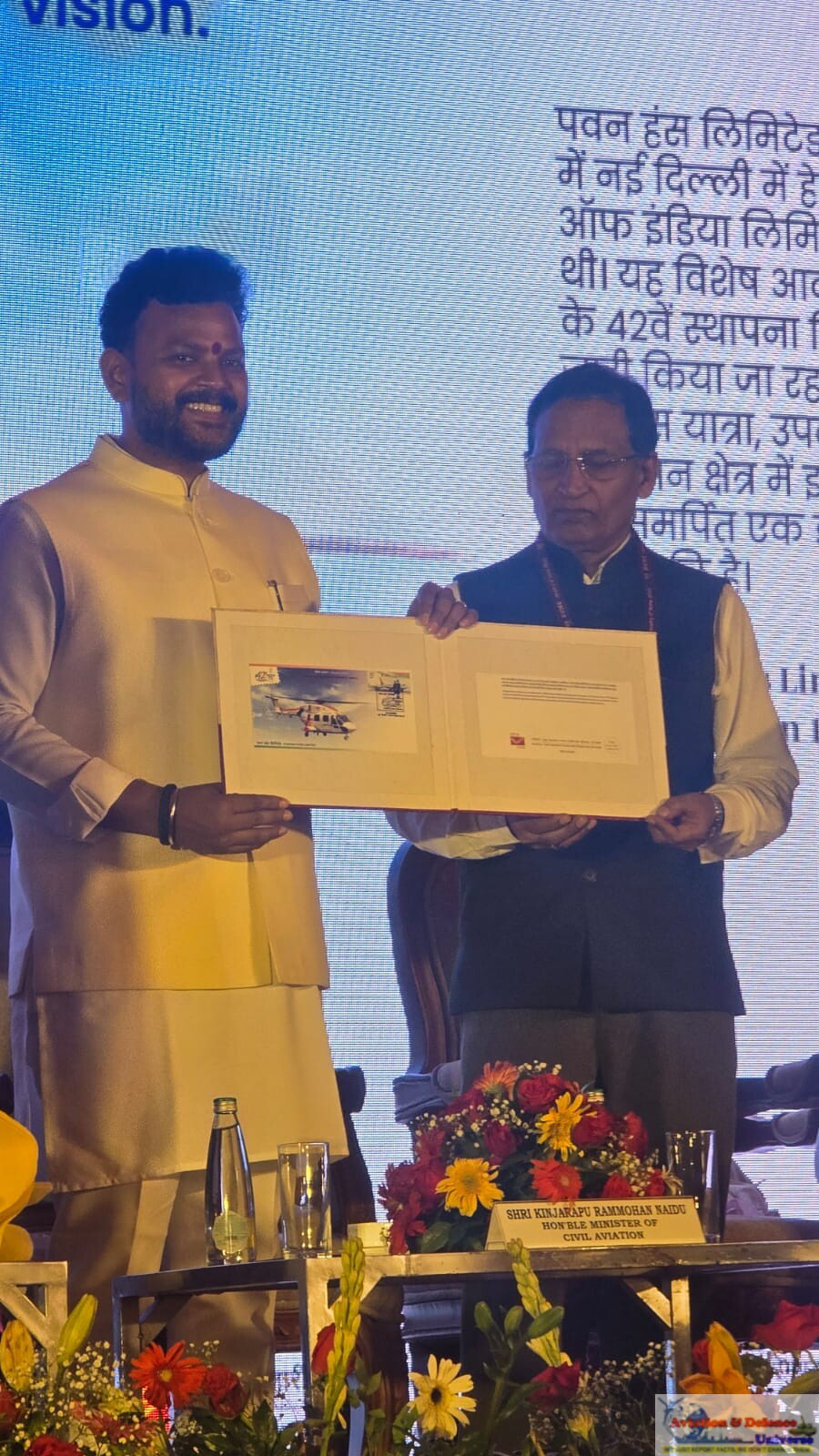 A tribute to four decades of aviation service, an important ceremonial highlight of the Foundation Day celebrations was the release of a commemorative First Day Cover by the Department of Posts in honour of Pawan Hans Limited. The release marked the company’s 42-year journey and acknowledged its contribution to India’s aviation sector. Beyond its commemorative value, the First Day Cover symbolised the recognition of an organisation that has supported essential connectivity, offshore operations, pilgrimage travel and services in geographically challenging regions.
For Pawan Hans, the occasion provided an opportunity to celebrate its institutional legacy while presenting its ambitions for the future. The release added a distinctive historical dimension to the celebrations, linking the organisation’s achievements with the broader story of India’s civil aviation development.
Pawan Hans: A Legacy of Service in Indian Civil Aviation
Established in 1985, Pawan Hans Limited has been a significant contributor to India’s helicopter aviation ecosystem.
Originally developed to meet the requirements of offshore oil and gas operations, the company subsequently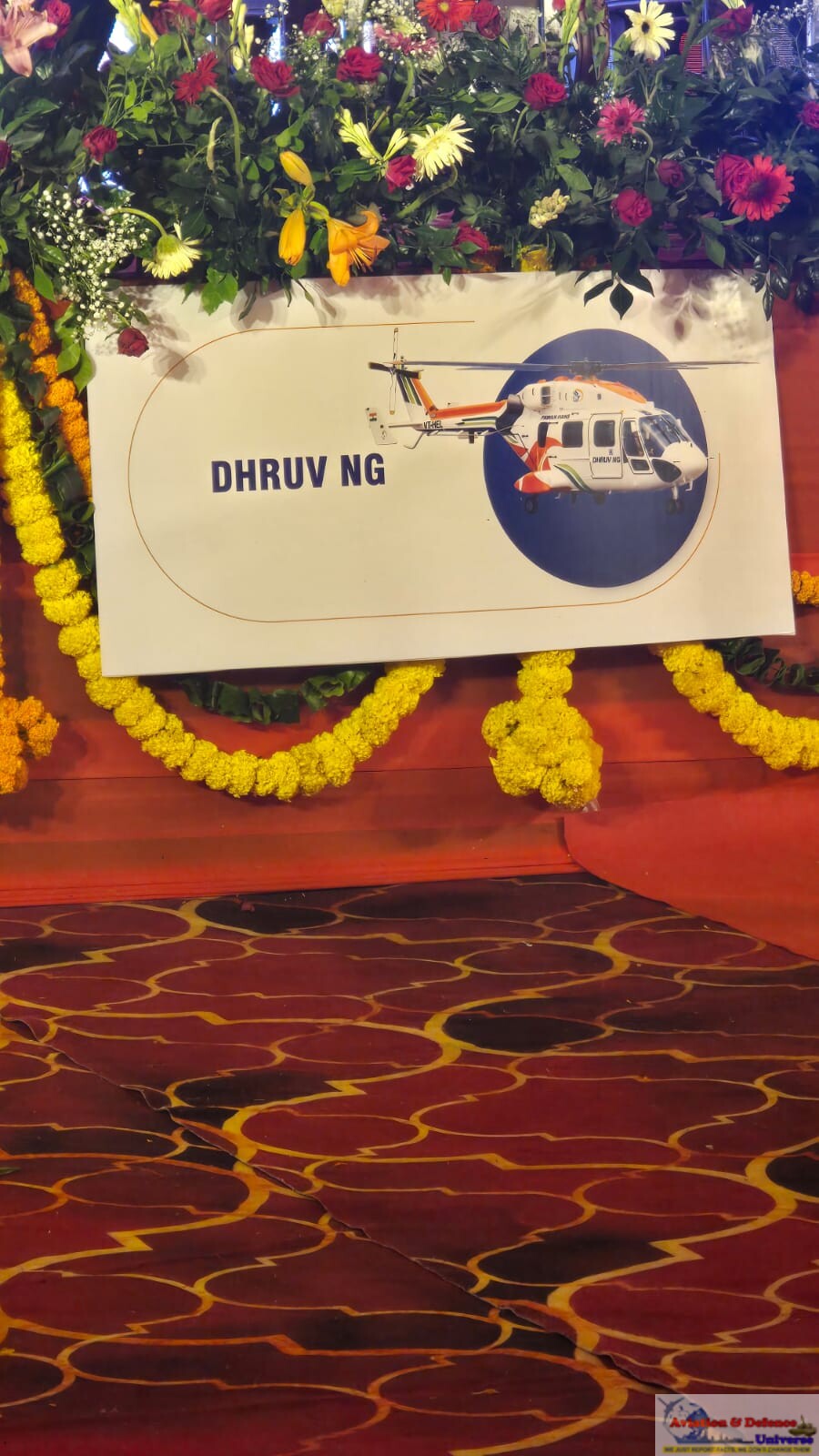 diversified into passenger transportation, tourism, pilgrimage services, charter operations and connectivity to remote regions. Its services have been particularly important in areas where challenging terrain or limited infrastructure restricts conventional air transport.
Over the decades, the organisation has developed operational experience in helicopter services, maintenance and specialised aviation missions. Its role in connecting remote communities and supporting essential activities has given it a distinctive place in the country’s civil aviation infrastructure. As India expands regional connectivity and explores new forms of vertical aviation, Pawan Hans’ established experience could provide a foundation for future growth.
A New Chapter for Pawan Hans
The 42nd Foundation Day celebrations demonstrated a convergence between the government’s ambitions for helicopter aviation and Pawan Hans’ own plans for institutional renewal.
While Minister Ram Mohan Naidu outlined opportunities involving new heliports, indigenous helicopters, air ambulances, seaplanes and eVTOLs, CMD Sunil Kumar Nagdawne presented an organisational roadmap built around safety, profitability, business development, innovation, workforce development and transformation. The induction of indigenous helicopters and the proposed expansion of services reflected a determination to connect modernisation with national priorities. The release of the commemorative First Day Cover added a symbolic acknowledgement of the company’s historical contribution to India’s aviation landscape.
The Next Flight Begins Now
For Pawan Hans, 42 years represent more than an anniversary; they represent the accumulated experience of an organisation that has connected people, supported national missions and operated where aviation is often a necessity rather than a luxury. As the company looks towards its next chapter, the challenge will be to transform that experience into renewed competitiveness, technological capability and sustainable growth. 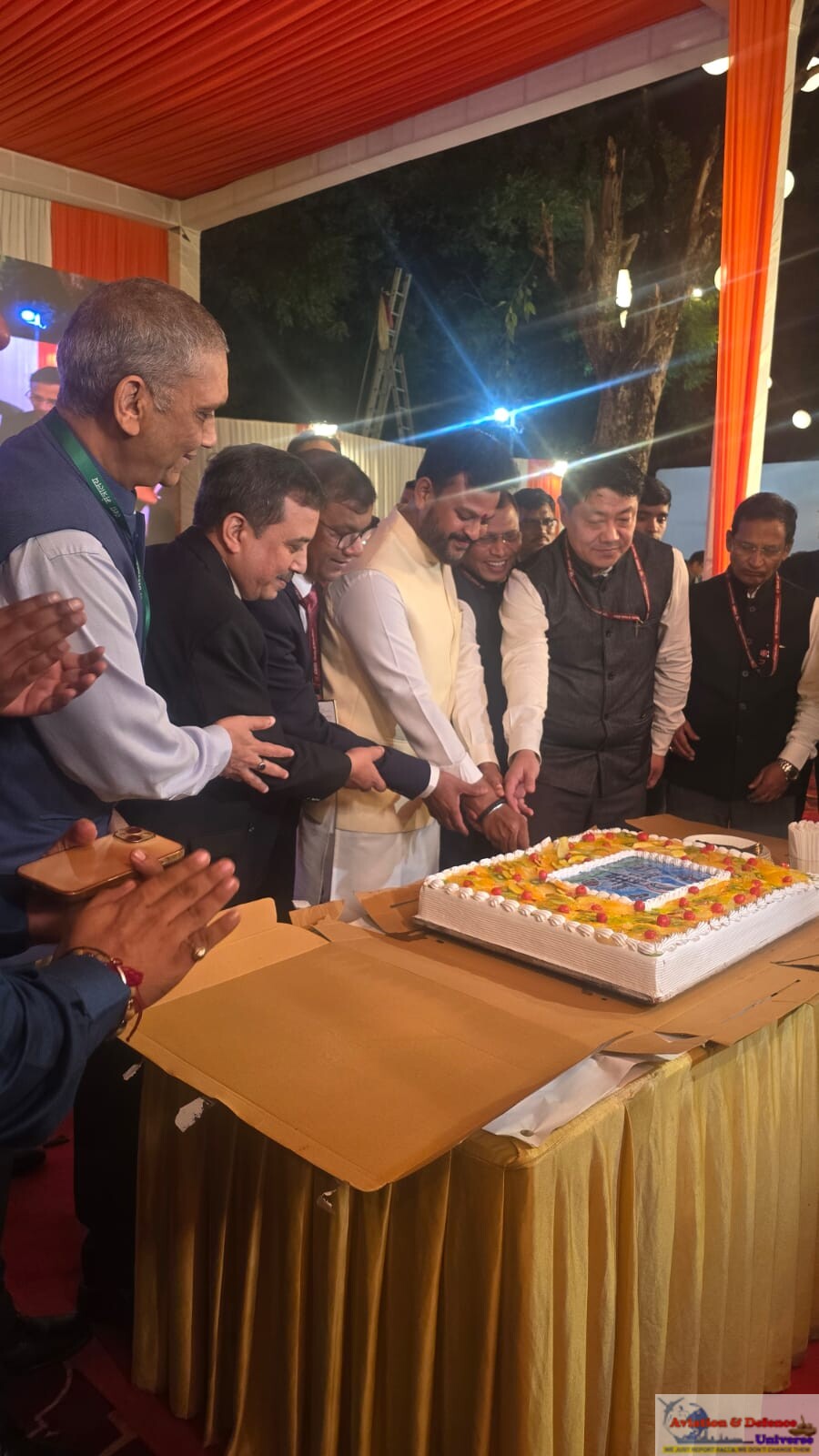 Sunil Kumar Nagdawne’s SPRINT initiative seeks to provide the organisational framework, while the Civil Aviation Ministry’s expanding ambitions for helicopter connectivity could create new opportunities. The commemorative First Day Cover celebrated the journey already undertaken, but the larger message of the Foundation Day was unmistakably forward-looking. From Dhruv helicopters to digital innovation, from remote connectivity to futuristic electric flight, Pawan Hans is preparing to spread its wings once again. The legacy has been honoured. The roadmap has been outlined. Now comes the responsibility of turning ambition into altitude.
The Minister urged Pawan Hans to take the lead in expanding helicopter services, particularly heli-ambulance operations and connectivity to religious destinations that remain difficult to access. He also called for renewed efforts to develop seaplane services, recalling that Pawan Hans had operated seaplanes in the Andaman and Nicobar Islands in 2010. He said the company should re-enter the segment and explore opportunities at new destinations. Government support for fleet expansion. Make this into a single quote paragraph of the Minister for Civil Aviation on the occasion Naidu said the Ministry of Civil Aviation was extending support to Pawan Hans, including through the induction of domestically manufactured helicopters. He stated that four Made-in-India civilian Dhruv helicopters manufactured by Hindustan Aeronautics Limited (HAL) had been provided to Pawan Hans as part of its fleet renewal

programme, with six more expected to be inducted. The Minister also announced plans to develop 200 modern heliports across the country under the new UDAN scheme. The proposed facilities will cover aspirational districts, hilly regions and island destinations. Two additional civilian helicopters will also be procured under the scheme, he said. Seaplane connectivity and emerging technologies The Minister said the government was assessing potential locations for seaplane operations beyond Lakshadweep and the Andaman and Nicobar Islands. Inland destinations with suitable water bodies are also being considered. He emphasised the need for state governments to participate in identifying viable routes and destinations, adding that discussions with states were underway. Referring to Skyhawk, an existing operator in the sector, Naidu said the government wanted Pawan Hans to enter the market as well. He expressed confidence that seaplane operations could expand once suitable destinations and agreements with state governments were finalised. The Minister also urged Pawan Hans to prepare for emerging aviation technologies, including electric vertical take-off and landing aircraft, which could open up new possibilities for urban and regional mobility.
For Pawan Hans, 42 years is not merely a celebration of aviation milestones; it is a celebration of lives connected, distances conquered and hope delivered where roads end and conventional aviation cannot reach. From the remote Himalayan heights to isolated islands, from offshore installations to sacred pilgrimage destinations, Pawan Hans has been more than a helicopter operator. It has been a lifeline for Indians where few alternatives exist, bringing connectivity, essential services and reassurance to some of the country’s most inaccessible regions. As it embarks on a new journey of indigenous fleet modernisation, technological innovation and expanded operations, its greatest strength remains its commitment to national service. For millions, Pawan Hans is not just about taking to the skies; it is about reaching the unreachable, connecting the disconnected and ensuring that no Indian is too far away to be reached. At 42, its wings carry not just passengers, but the promise of an India where geography is no barrier to opportunity, assistance or hope.


































































-A4-Size-(2)_page-0001.jpg)