









- Vicenza Comes Calling: Italian Industrial Excellence Eyes India’s Growth Story
- From Aerospace to AI: India and Italy Chart a New Business Roadmap
- Beyond Buyers and Sellers: India–Italy Partnership Eyes Co-Production and Innovation
By Sangeeta Saxena
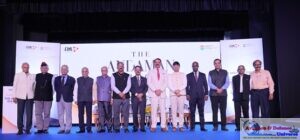
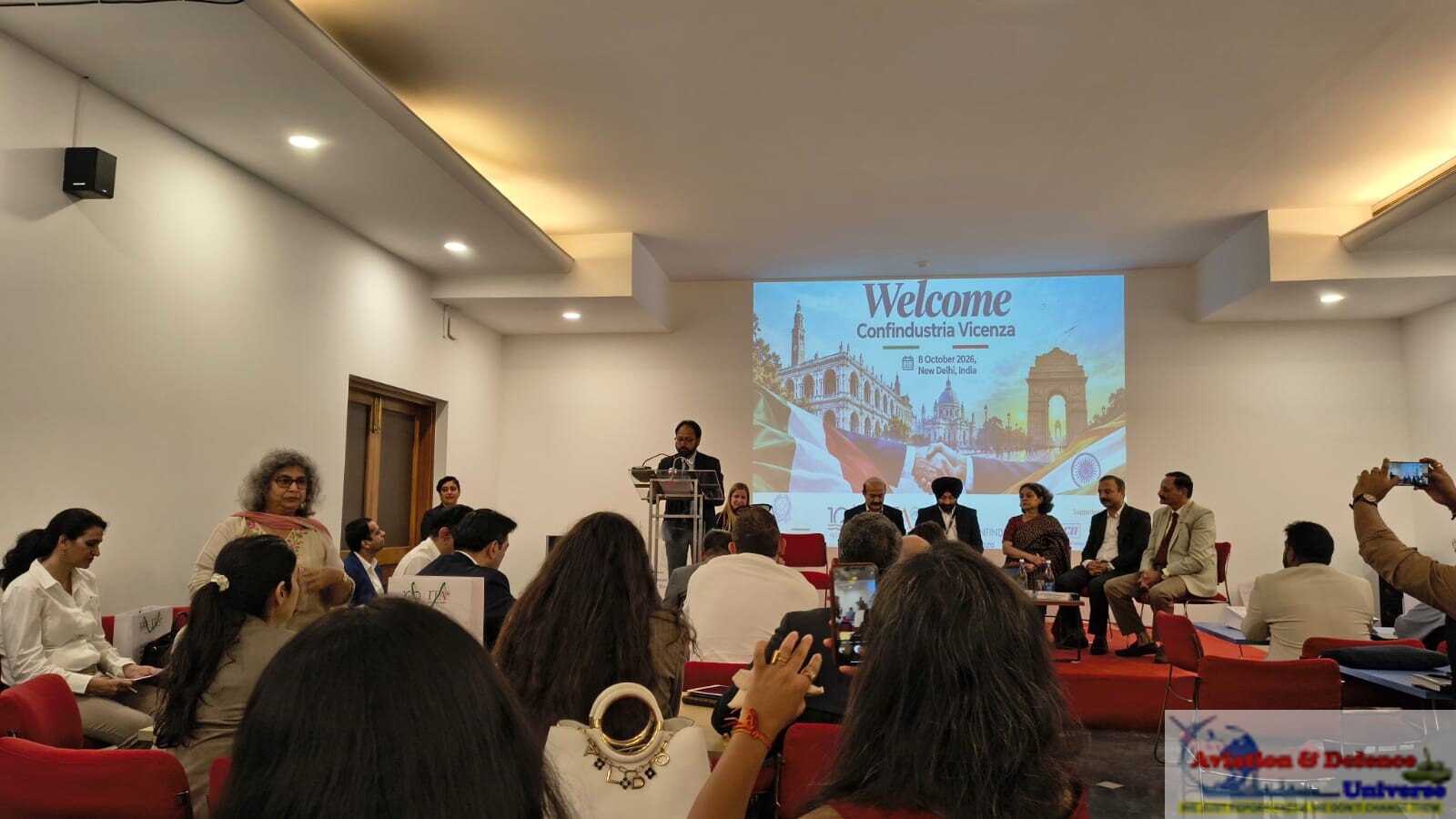
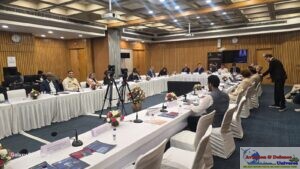
New Delhi. 13 October 2026. When Italian precision meets Indian scale, the possibilities extend far beyond conventional trade. From aerospace and defence to artificial intelligence, energy, agricultural machinery and infrastructure, the India–Italy industrial partnership is finding fresh momentum. The Embassy of Italy in New Delhi became the meeting ground for Italian entrepreneurial ambition and India’s expanding manufacturing ecosystem, as a business delegation from Vicenza explored opportunities for technology transfer, joint ventures, industrial investment and collaborative production. Organised with the involvement of the Italian Trade Agency and supported by Indian industry bodies, the interaction delivered a clear message: the future of India–Italy economic relations lies not merely in selling to one another, but in designing, manufacturing, innovating and competing together in global markets.
Vicenza’s Industrial Strength Meets India’s Manufacturing Ambitions
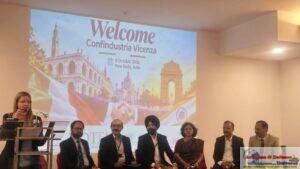
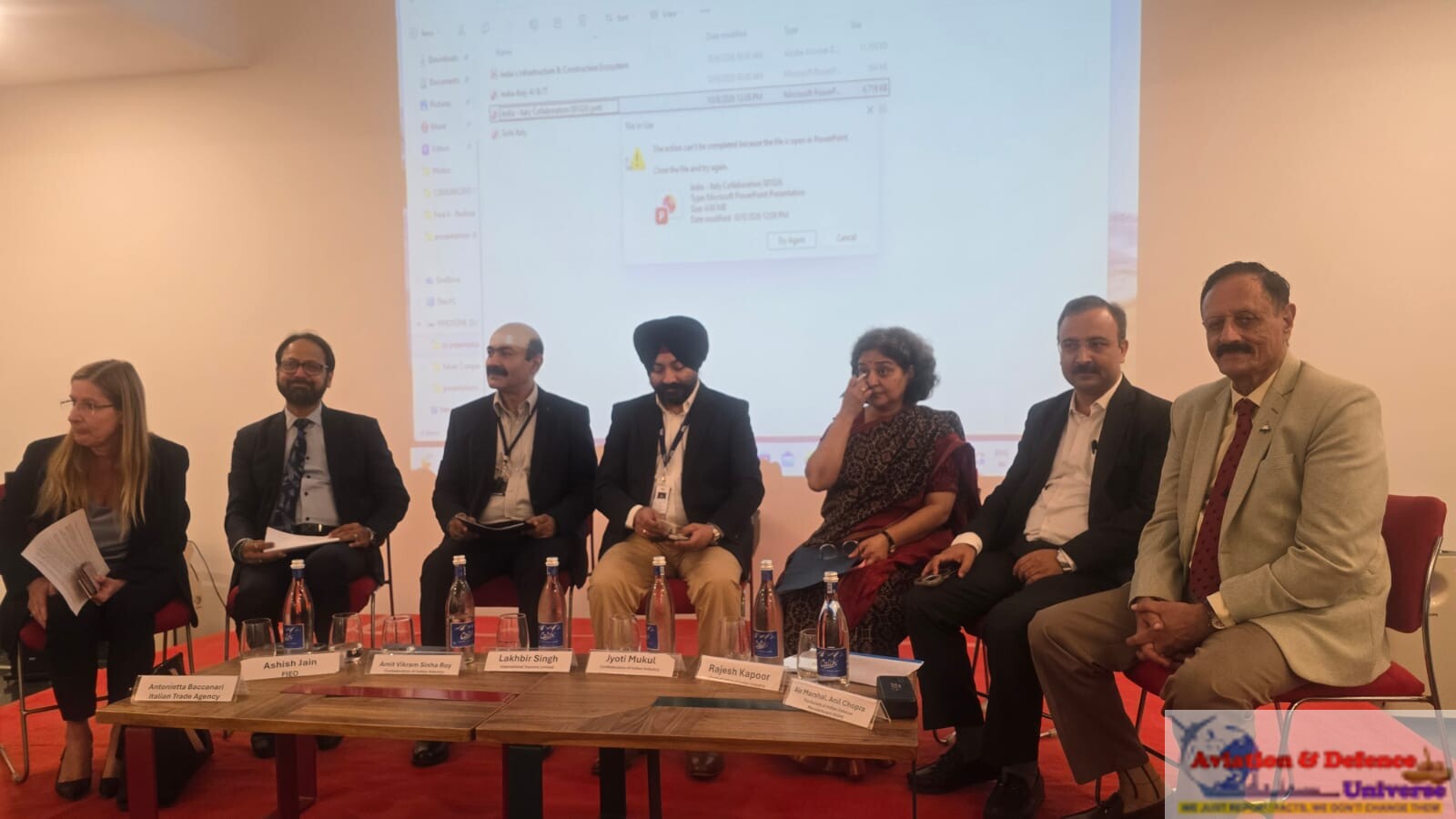
The business interaction brought together representatives of the Italian Trade Agency, Confindustria Vicenza, the Confederation of Indian Industry (CII), the Federation of Indian Export Organisations (FIEO), Invest India and representatives of several industrial sectors.
The gathering formed part of a wider visit by Italian entrepreneurs from Vicenza, one of Italy’s most industrially dynamic regions, renowned for precision engineering, mechanical manufacturing, electronics, jewellery, industrial machinery and export-oriented small and medium enterprises.
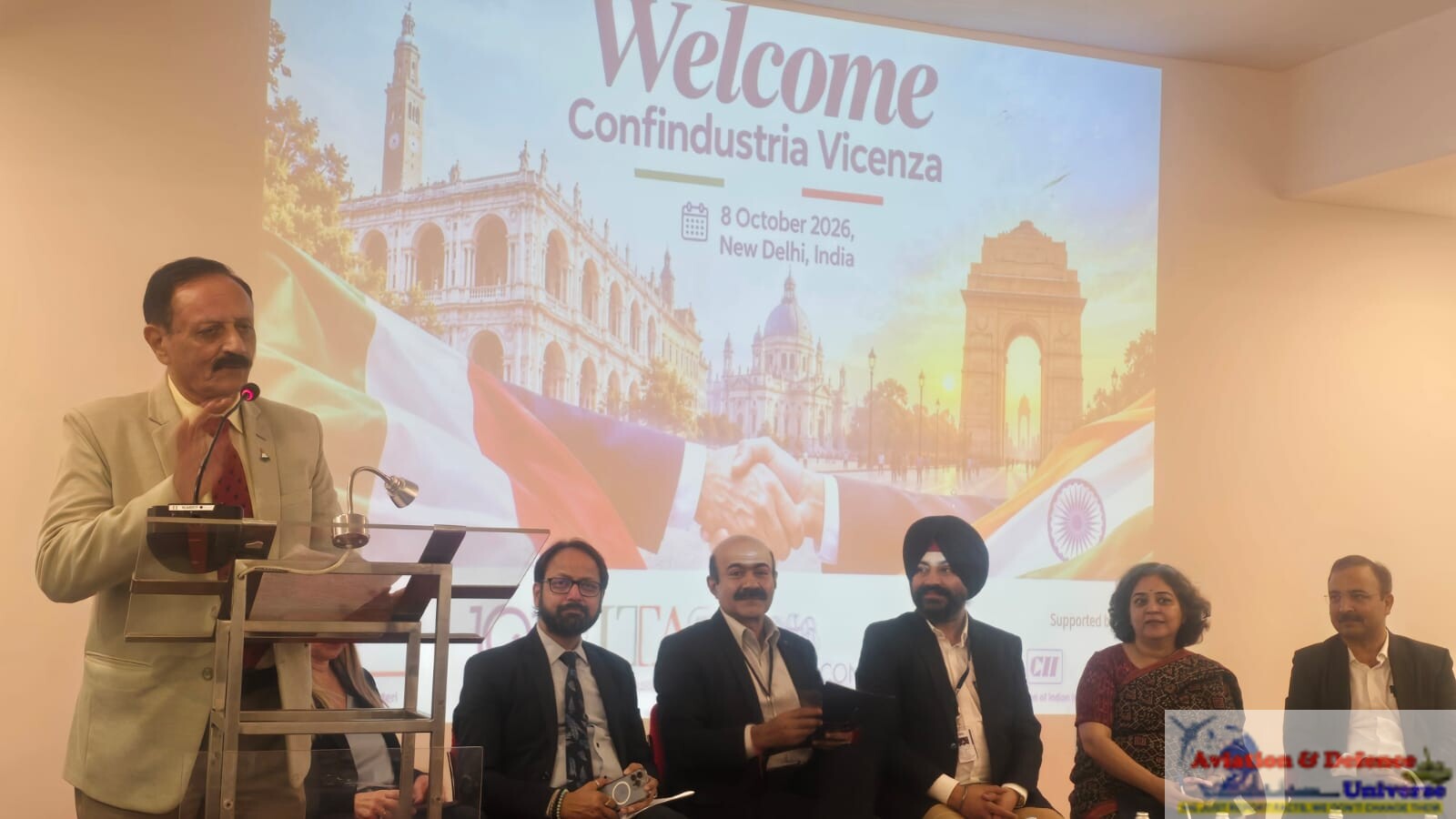
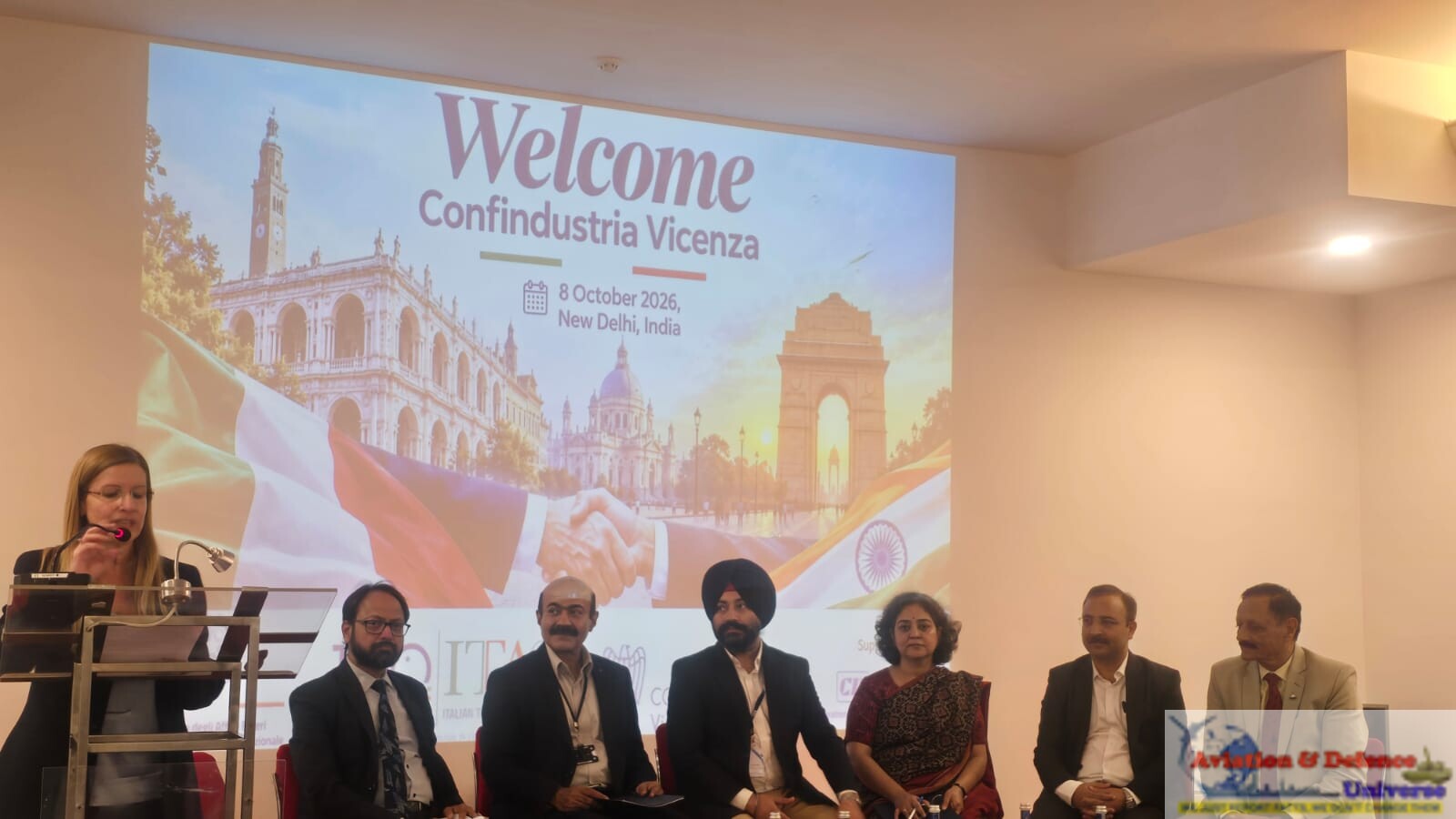 In the opening address, the Italian Trade Commissioner Antonietta Baccanari emphasised that the delegation’s visit represented much more than a conventional business mission. It reflected the growing strategic economic partnership between India and Italy and their shared ambitions in industrial machinery, mechatronics, infrastructure and sustainable energy.
She described Vicenza as a globally recognised centre of manufacturing excellence, with more than 1,600 companies and annual exports approaching €22.5 billion. Importantly, the mission’s objective was to encourage deeper industrial cooperation rather than transactional trade alone. Technology transfer, secure supply chains, industrial collaboration and long-term economic partnerships were identified as central priorities.
The Italian Trade Agency acknowledged the contributions of CII and FIEO in arranging sector-specific discussions, business meetings and opportunities for the visiting delegation to understand India’s industrial landscape.
The itinerary included engagements in New Delhi, Bengaluru, Pune and Mumbai, giving Italian businesses an opportunity to examine India’s manufacturing capabilities, investment environment and potential industrial partners.
The emphasis throughout was on building relationships capable of translating diplomatic goodwill into commercial partnerships and long-term industrial cooperation.
FIEO: India and Italy Must Become Partners in Global Value Chains
Ashish Jain, Deputy Director General, Federation of Indian Export Organisations (FIEO), welcomed the delegation and described Vicenza as an excellent example of Italian entrepreneurship, craftsmanship, design, technological capability and manufacturing excellence.
He observed that India was no longer simply a large consumer market but was emerging as a major global centre for manufacturing, services, technology and innovation. Highlighting the transformation of India’s export economy, he pointed to growing capabilities in engineering goods, pharmaceuticals, chemicals, electronics, automobiles, agricultural products, renewable energy and services.
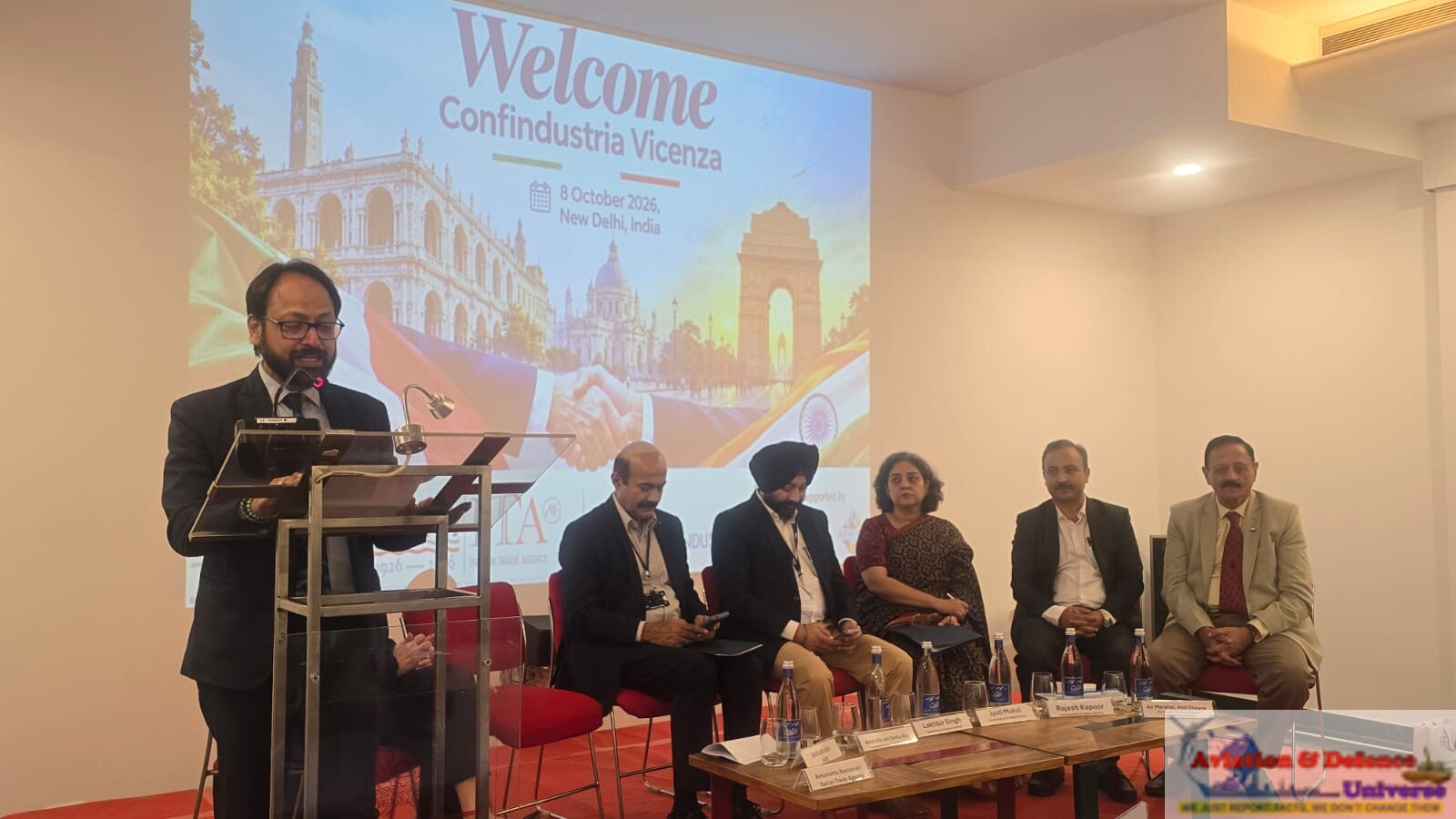 According to figures presented by Jain, India’s combined merchandise and services exports had reached approximately US$860 billion in the preceding financial year. Discussing bilateral economic relations, he stated that India–Italy trade stood at approximately US$14.41 billion in 2025–26, comprising around US$7.7 billion in Indian exports and US$6.62 billion in Italian exports to India.
He referred to an ambition to increase bilateral trade to US$20–25 billion over the next three to four years, describing this target as a milestone rather than the ultimate limit of economic cooperation. Jain stressed that Italian expertise in precision technology, specialised manufacturing, design and global markets complemented India’s manufacturing scale, digital capabilities, growing domestic demand and international commercial reach.
He advocated stronger cooperation through joint ventures, technology partnerships, contract manufacturing, research and development, design collaboration and investment. Particular attention was given to small and medium enterprises, which form the backbone of industrial ecosystems in both countries.
The next stage of cooperation, he suggested, should enable Indian and Italian SMEs to participate jointly in international supply chains rather than treating one another exclusively as customers or suppliers.
This approach could open opportunities for Italian companies to use India as a platform for production, innovation and international expansion, while Indian companies could leverage Italian expertise and access to European markets.
CII: Institutional Partnerships Can Translate Opportunity into Investment
Amit Vikram Sinha Roy, Executive Director, Confederation of Indian Industry, outlined CII’s role in strengthening international business engagement and facilitating cooperation between Indian and overseas enterprises. He described the organisation’s work in policy advocacy, industrial capacity building, sharing best practices, investment facilitation and representing industry concerns to government.
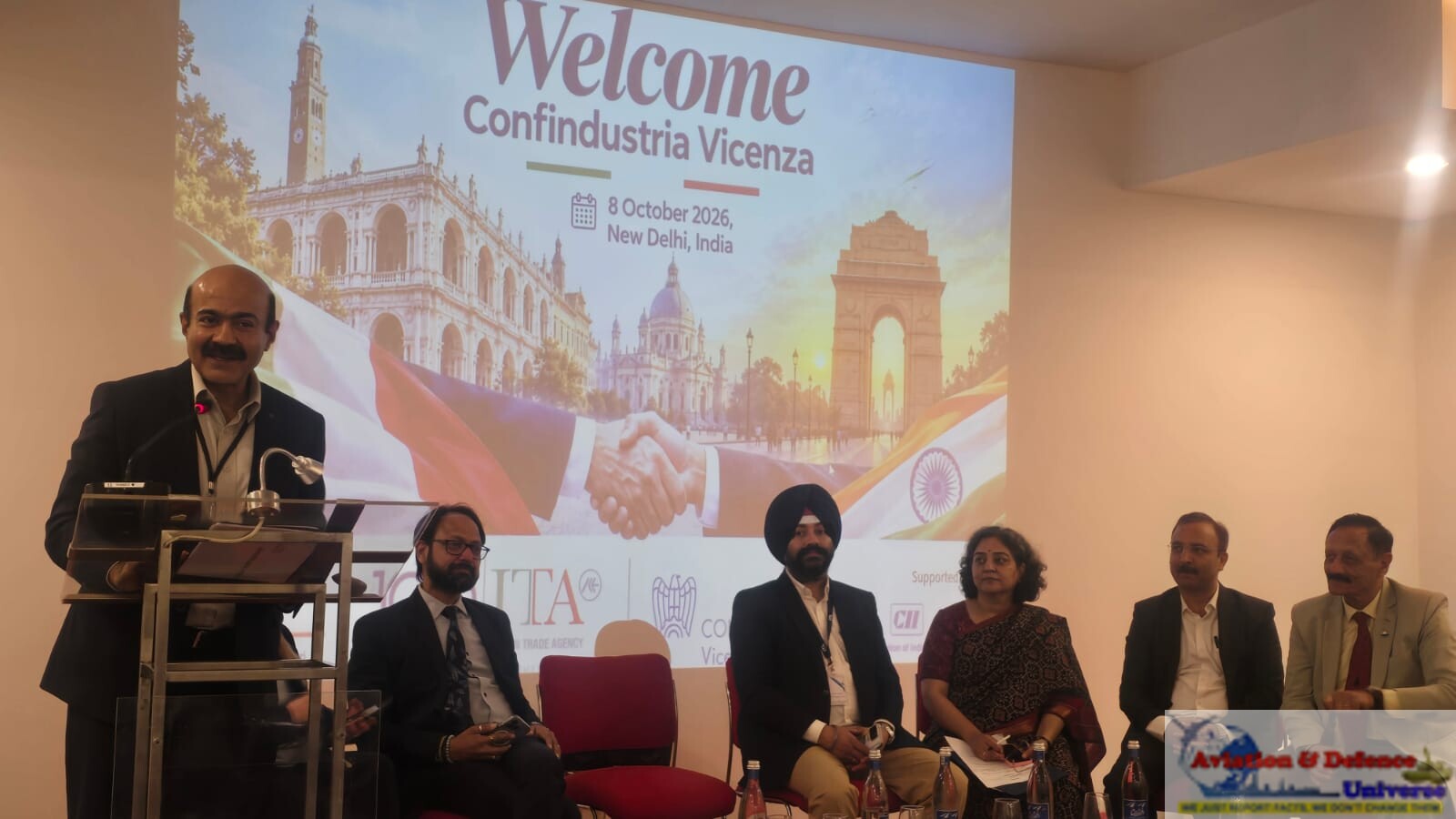 CII’s network of domestic and international offices, centres of excellence and institutional partnerships provides a framework for developing commercial relationships across sectors. Roy highlighted the organisation’s continuing engagement with Italian institutions and industry associations, including Confindustria, as well as its cooperation with the Italian Trade Agency.
He recalled recent business delegations, institutional engagements and discussions aimed at expanding India–Italy commercial ties. He emphasised that international cooperation must go beyond creating additional trade volumes to generating value through shared expertise, industrial partnerships and investment.
For the visiting delegation, CII’s role was particularly relevant in identifying suitable Indian partners, navigating sectoral opportunities and facilitating meaningful business-to-business discussions.
Agriculture and Farm Mechanisation: A Growing Field for Cooperation
Lakbir Singh, representing the Tractor and Mechanisation Association and International Tractors Limited, discussed the expanding possibilities for cooperation in agricultural machinery and farm mechanisation. He highlighted the presence of Indian-manufactured tractors in Italy under the Solis brand and explained that Indian manufacturers were increasingly developing products for European agricultural requirements.
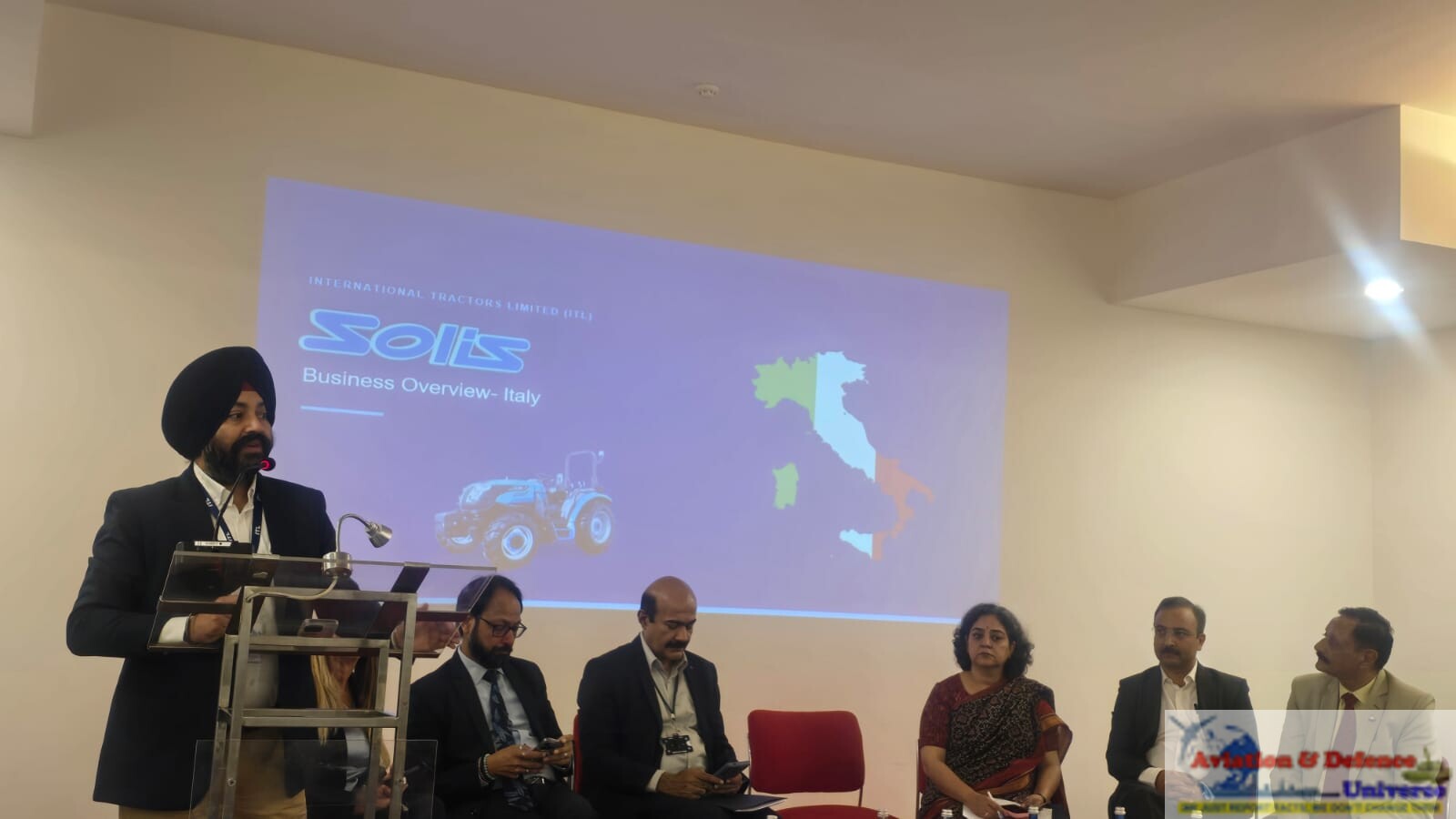 International Tractors Limited, he stated, offered tractors ranging from 16 HP to 90 HP and was developing additional products and agricultural implements for overseas markets. Singh pointed out that India’s agricultural mechanisation level was approximately 47%, with considerable scope for expansion.
He identified opportunities for Italian manufacturers in agricultural implements, harvesting equipment, mechanised farming solutions and crop-residue management. The latter was particularly relevant to northern India, where agricultural residue burning contributes to seasonal air pollution. He also highlighted opportunities for technology partnerships, product development and cooperation in machinery adapted to Indian farming conditions.
Infrastructure: India’s Expansion Offers Opportunities for Italian Industry
Rajesh Kapoor, Executive Director for Infrastructure and Construction at CII, presented India’s expanding infrastructure requirements as a significant opportunity for international industrial partnerships. He described infrastructure development as a major engine of economic growth and anticipated substantial investment over the coming decades.
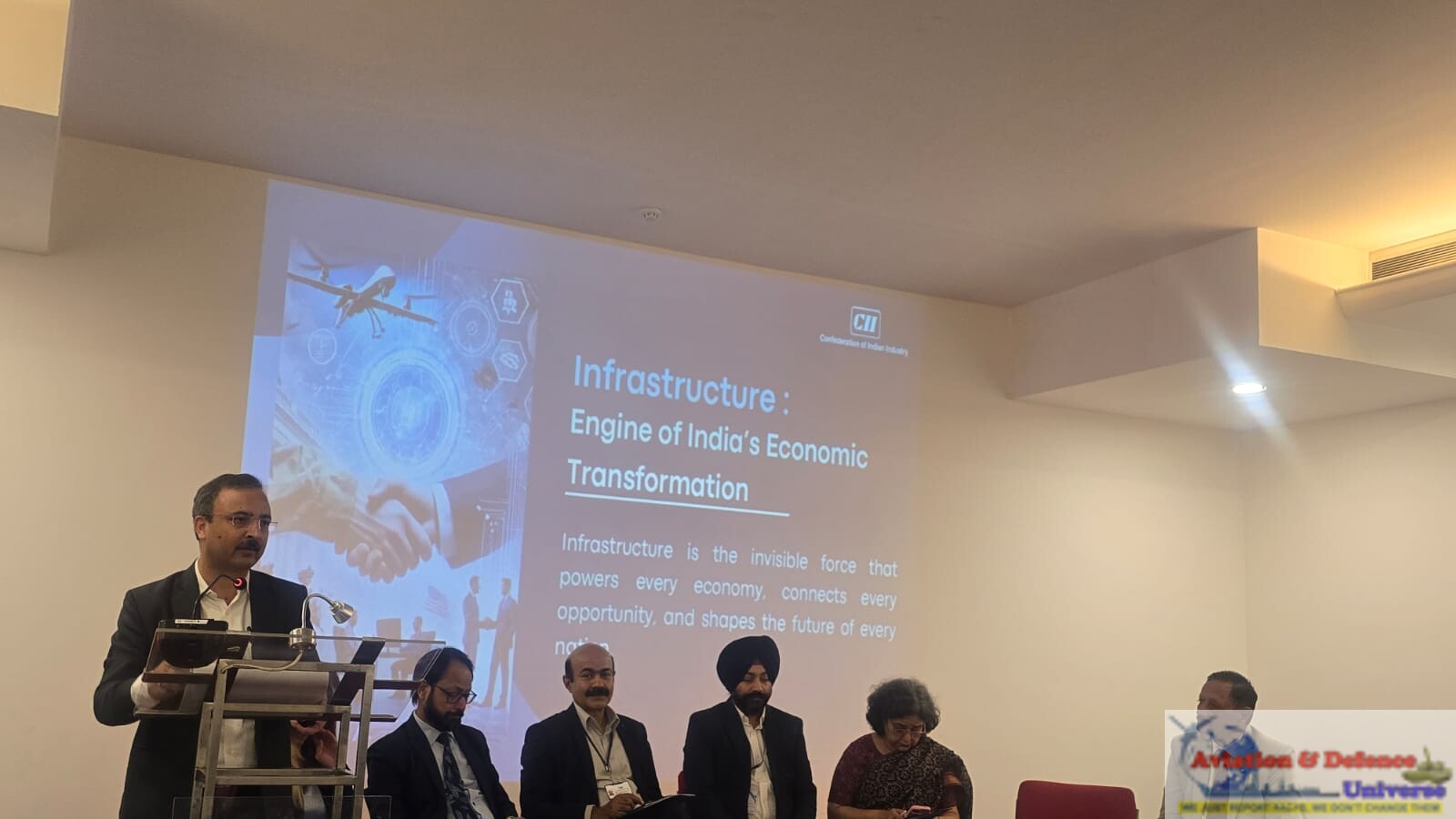 Kapoor discussed the government’s infrastructure pipeline, asset monetisation initiatives and the increasing importance of public-private partnerships. He identified opportunities in highways, railways, metro systems, airports, maritime infrastructure, shipbuilding, industrial parks, construction equipment and urban development.
India’s infrastructure expansion, he suggested, was not limited to the creation of physical assets. It also required advanced engineering, project management, automation, equipment manufacturing, technology and operational expertise.
Italian companies with capabilities in specialised machinery, industrial engineering, infrastructure technology and precision manufacturing could therefore find opportunities across multiple segments.
He also highlighted the importance of integrated logistics infrastructure, industrial corridors and the PM Gati Shakti initiative in improving connectivity and industrial competitiveness.
The growing emphasis on private-sector participation could create further opportunities for Italian businesses seeking long-term investment and operational partnerships in India.
Energy and Oil & Gas: Italian Technology Can Support India’s Energy Security
Jyoti Mukul of CII’s Energy Department presented India’s evolving energy landscape, covering conventional and renewable power, nuclear energy, bioenergy, sustainable mobility, green hydrogen and oil and gas.
The presentation highlighted India’s dependence on imported crude oil and natural gas and the resulting need to strengthen domestic energy production and diversify energy sources. Particular attention was given to opportunities in offshore exploration, deepwater drilling, subsea engineering, specialised equipment, offshore infrastructure and technology deployment.
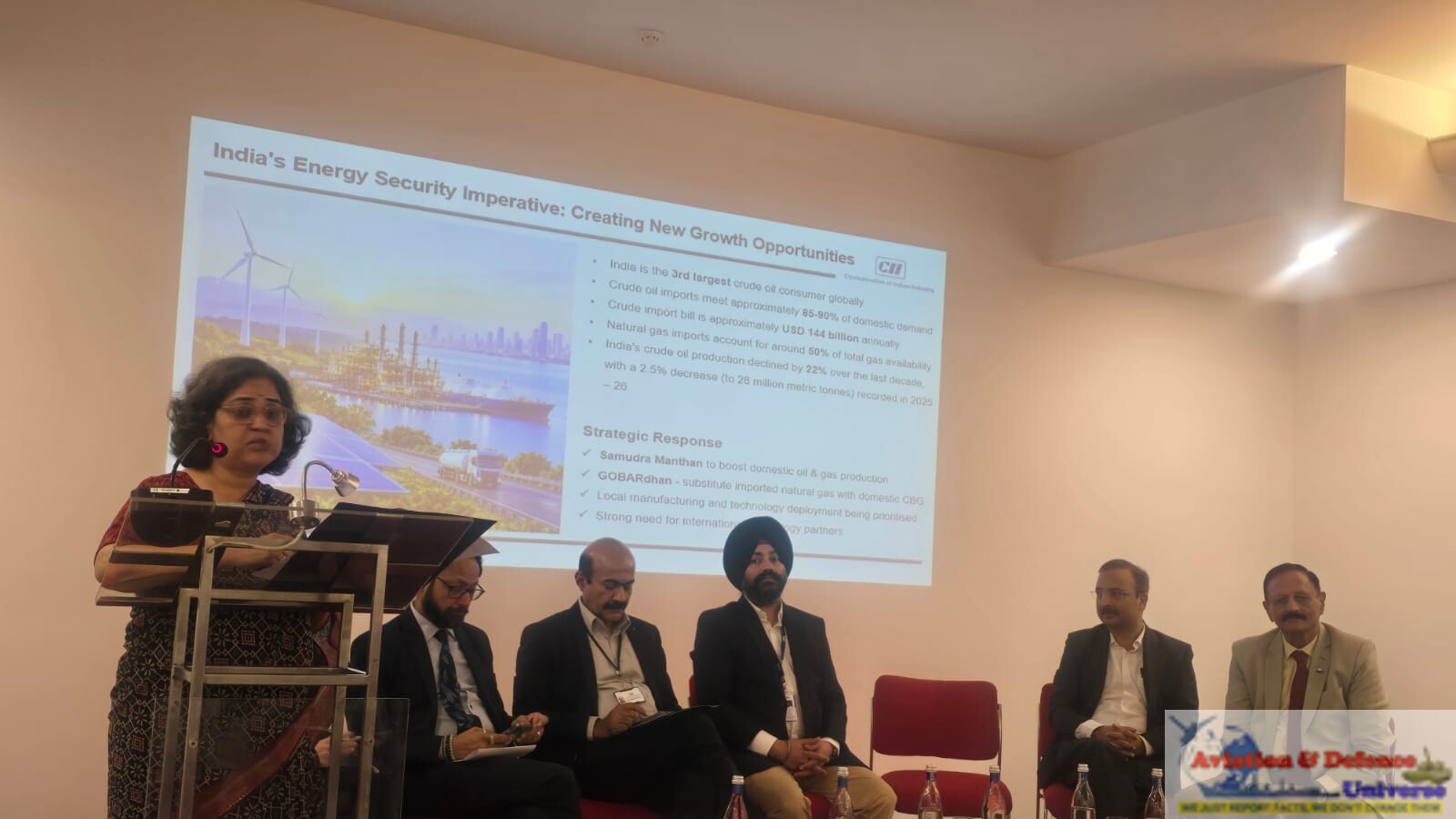 She discussed the Samudra Manthan programme and identified Italian industrial expertise as particularly relevant to offshore and deepwater exploration. Another important area was compressed biogas, where India is encouraging the conversion of agricultural and other organic waste into energy.
Opportunities were identified in biomass collection, gas purification, compression systems, feedstock management, processing equipment and storage infrastructure. The presentation also examined the expanding electric vehicle charging ecosystem and the convergence of conventional fuel retailing, alternative fuels and connected mobility solutions.
Technology-driven fleet management, supply-chain visibility, industrial automation and digital monitoring were identified as potential areas for collaboration. The wider message was that India’s energy transition required international technology partners capable of contributing equipment, engineering expertise and innovative solutions.
Aerospace and Defence: Air Marshal Anil Chopra Calls for Co-Development and Co-Production
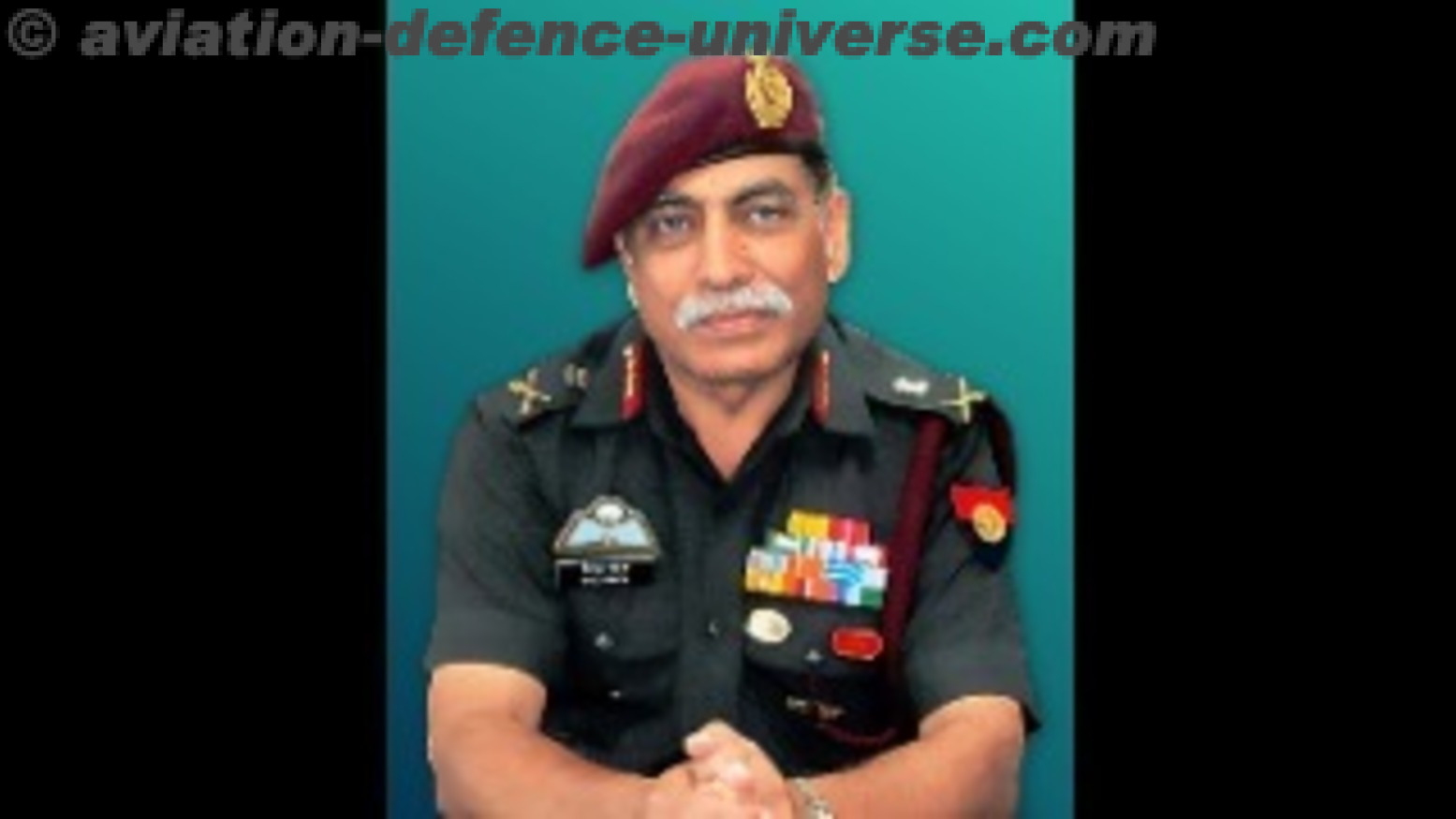
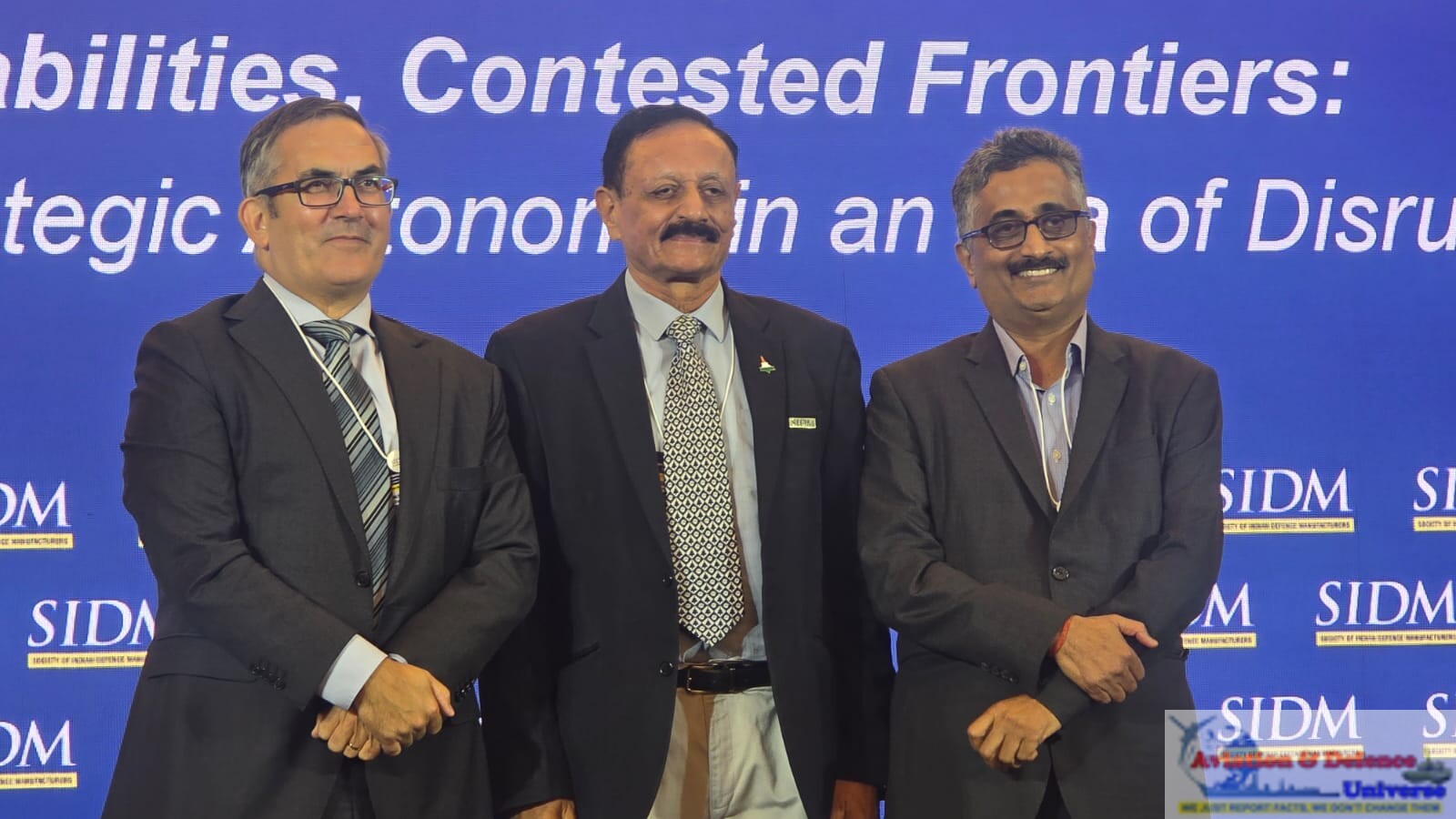
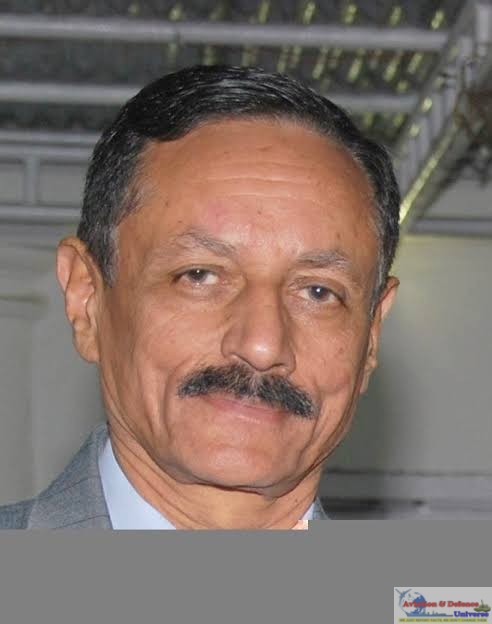
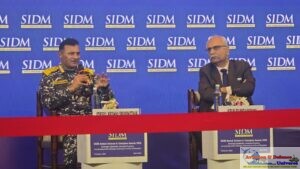
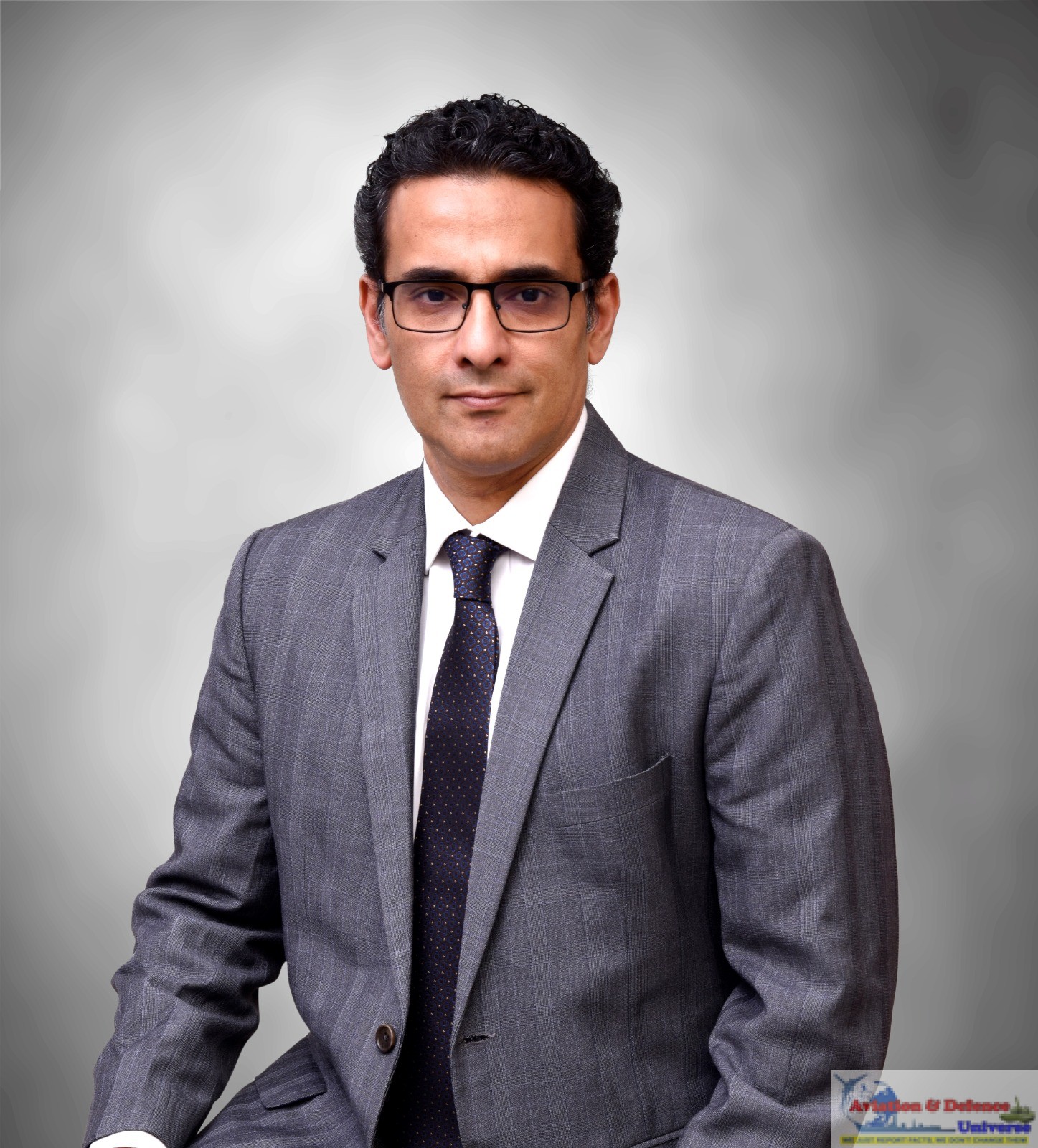
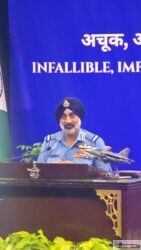
One of the strategically significant presentations came from Air Marshal Anil Chopra (Retd.), Strategic Advisor for Aerospace at the Society of Indian Defence Manufacturers (SIDM).
Addressing the gathering on Indian Air Force Day, he placed India’s aerospace and defence requirements within the broader context of national security, regional challenges and defence industrial self-reliance. He noted that India maintained one of the world’s largest armed forces and defence budgets but continued to depend significantly on imported military equipment.
 However, he emphasised that this dependence was gradually being addressed through indigenous defence production, private-sector participation, exports and international industrial partnerships. According to the figures presented by Chopra, India’s defence production was approaching US$21 billion, while defence exports stood at approximately US$4 billion. He highlighted the growing contribution of private industry, MSMEs and startups to defence manufacturing and exports.
Explaining SIDM’s role, Chopra said the organisation served as an important interface between the defence industry, the government and the armed forces. Its activities included policy advocacy, industry engagement, business-to-business meetings, government-to-business interactions and international cooperation.
Discussing India–Italy relations, he referred to the growing strategic partnership between the two countries and the expanding framework for defence industrial collaboration. He highlighted SIDM’s institutional relationship with the Italian aerospace, defence and security industry association AIAD.
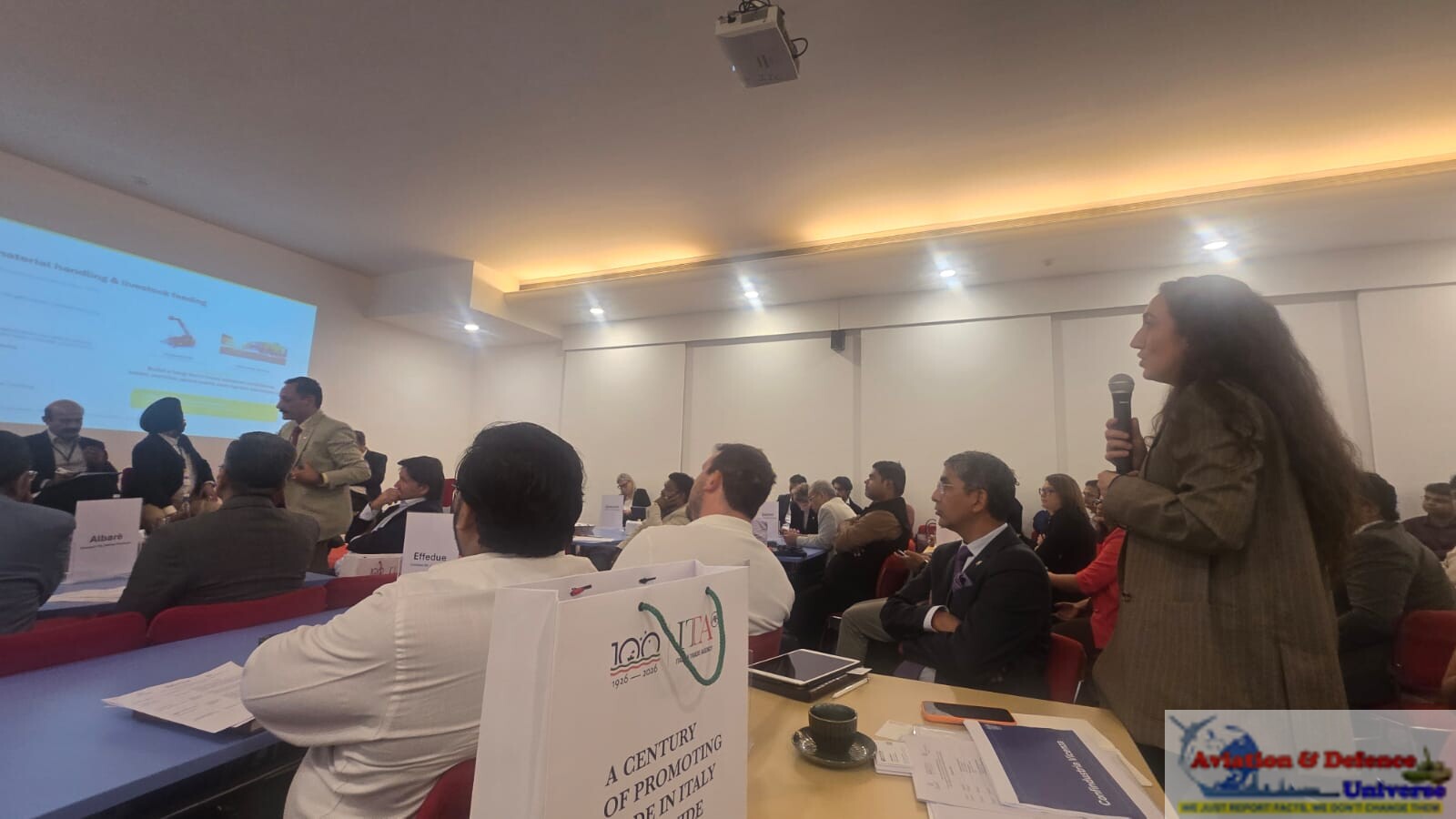 Chopra argued that future defence cooperation must move beyond the traditional buyer-seller relationship towards technology partnerships, joint production and manufacturing for global markets. He identified opportunities in helicopters, naval systems, ammunition, aerospace components, defence equipment and specialised technologies.
India’s growing aerospace manufacturing ecosystem, including aerostructures and components produced for international aircraft programmes, demonstrated the possibilities for global supply-chain integration. He also referred to recent Indian defence industry delegations to Italy and reciprocal engagements as evidence of increasing institutional interaction.
His central message was that Italian defence companies could benefit substantially by partnering with Indian manufacturers, transferring technology, establishing production capabilities and jointly serving domestic and international markets.
For the aerospace and defence sectors, the discussion reinforced the possibility of converting a strengthening diplomatic relationship into long-term industrial cooperation.
Artificial Intelligence and Digital Transformation: A New Frontier
Returning for a sectoral presentation, Amit Vikram Sinha Roy outlined India’s growing capabilities in artificial intelligence, information technology and digital transformation.
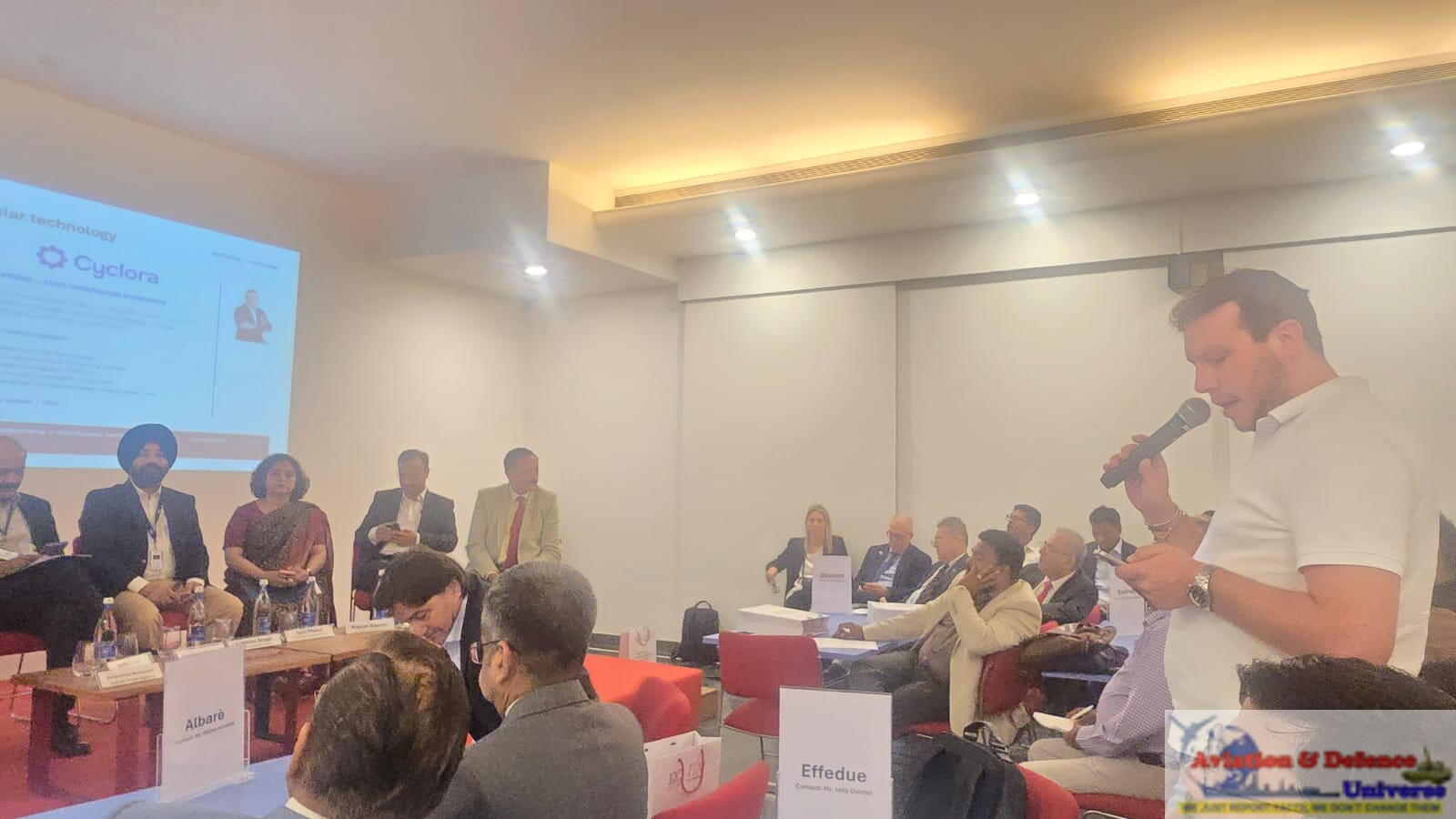 He highlighted the country’s large technology workforce, expanding network of global capability centres and growing emphasis on research, product development and intellectual property creation.
He discussed the IndiaAI Mission and government efforts to strengthen domestic AI capabilities, computing infrastructure and advanced technology development. Italy’s strengths in supercomputing, he suggested, could provide a promising area for bilateral cooperation.
Roy identified opportunities in smart manufacturing, industrial automation, computer vision, digital twins, cybersecurity, advanced mobility, semiconductors, cloud infrastructure and AI-driven applications. He also highlighted regulatory reforms and single-window approval systems intended to make India more attractive to foreign investors.
For Italian manufacturing enterprises, India’s digital technology capabilities could complement their traditional strengths in precision engineering and industrial design. The possibility of combining Italian manufacturing expertise with Indian software, AI and digital engineering capabilities emerged as a promising avenue for future cooperation.
Confindustria Vicenza: Italian Entrepreneurs Look Towards India
Giulia Fadizi, Vice President of Confindustria Vicenza, spoke on behalf of the visiting delegation and explained the motivation behind its mission to India. She recalled that the decision to visit India followed an interaction with the Indian Ambassador to Italy, who had encouraged greater engagement with the Indian market.
Fadizi described the present period as particularly favourable for strengthening bilateral economic cooperation, given the alignment of political leadership and growing economic engagement between India and Europe. She introduced Confindustria Vicenza as an industrial association representing approximately 1,600 companies employing around 90,000 people.
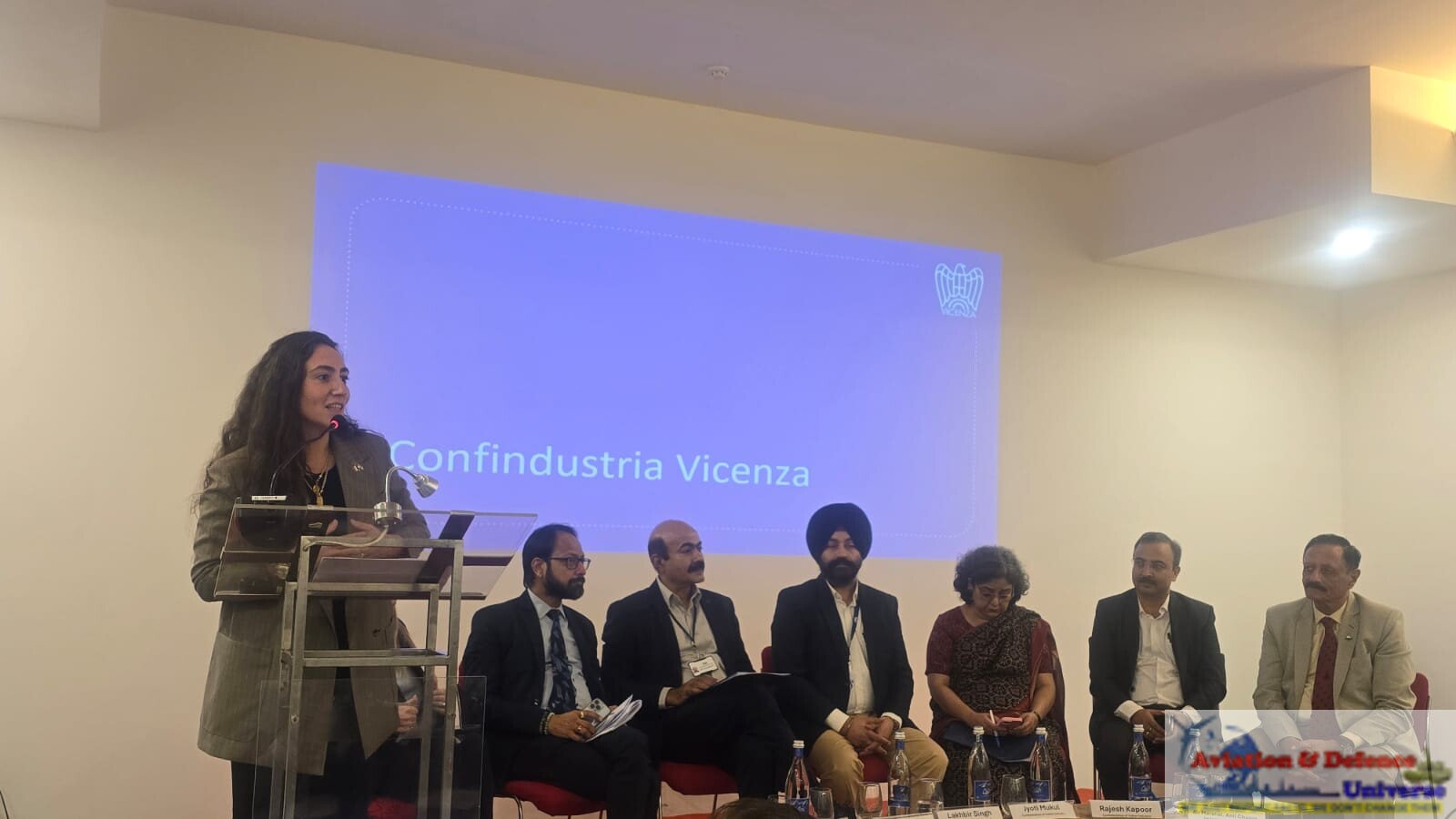 The association’s membership included enterprises specialising in mechanical engineering, electronics, chemicals, jewellery, plastics, packaging and other manufacturing activities. She highlighted Vicenza’s strong export orientation, with annual exports of approximately €22 billion.
Discussing existing commercial relations with India, she noted that around 30 companies from Vicenza already had a presence in the Indian market through manufacturing, sales or representative operations.
The visiting delegation, she explained, was interested in understanding India’s business environment, identifying suitable partners and exploring opportunities for medium- and long-term cooperation.
Rather than pursuing immediate transactions alone, the entrepreneurs were seeking to build relationships that could support sustained industrial engagement.
Italian Companies Showcase Their Capabilities
The concluding segment brought the discussion from broad industrial opportunities to the capabilities of individual Italian companies. Representatives from Vicenza introduced their businesses and outlined specific interests in the Indian market.
The presentations covered high-precision CNC machining, recycling technology, agricultural and construction machinery, industrial software, aerospace navigation systems, gas detection equipment, packaging, industrial surveillance technology, chemical products and specialised manufacturing.
 Among the aerospace-related presentations, a representative of a company whose name is transcribed as Qascom discussed navigation technology and work connected with international space agencies, including lunar applications.
Another company specialising in industrial software described opportunities to introduce Italian manufacturing solutions to Indian enterprises through local distribution and engineering partnerships.
Technovideo presented specialised industrial surveillance cameras designed for challenging environments, including offshore oil installations, refineries, marine facilities and high-temperature industrial plants. Its representative expressed interest in both expanding sales and identifying Indian suppliers for specialised stainless-steel components.
A gas-detection and industrial safety equipment manufacturer discussed applications in combustible-gas detection, hydrogen safety, combustion analysis and emissions monitoring, while expressing interest in Indian business partnerships.
Agricultural machinery manufacturers identified India as a potentially important market for distribution and local production. Other presentations covered industrial paper products, luxury packaging, textile and leather chemicals, and opportunities for sourcing and distribution. A tourism company, Girolibero, also introduced its cycling and barge-based holiday products and discussed possibilities for expanding commercial engagement.
The presentations demonstrated the diversity of Vicenza’s industrial ecosystem and its interest in exploring India not only as a destination for exports but also as a source of suppliers, technology partners and manufacturing opportunities. The formal discussions concluded with business-to-business networking, allowing Italian delegates and Indian industry representatives to explore potential partnerships directly.
From Diplomatic Warmth to Industrial Partnerships
The message from the Italian Embassy was unmistakable: India and Italy have the opportunity to turn a longstanding friendship into a future-ready industrial partnership. Italian precision engineering, specialised manufacturing and technological expertise can complement India’s industrial scale, digital capabilities, expanding infrastructure and growing demand for advanced technologies. From defence production and aerospace innovation to energy security, artificial intelligence and agricultural mechanisation, the possibilities are both diverse and strategically significant. The challenge now is to transform promising conversations into joint ventures, technology transfers, manufacturing partnerships and enduring supply-chain relationships.
As the Vicenza delegation takes its engagement beyond New Delhi, the real measure of success will not be the number of business cards exchanged, but the partnerships created. Made in Italy and Make in India may be two powerful industrial identities, but their greatest opportunity could lie in making for the world—together.








































-A4-Size-(2)_page-0001.jpg)