












- From Demonstrations to Deployment: Northern Command’s Push for Faster Capability
- “We Are Short on Time”: Northern Army Commander Sets Industry an Urgent Mission
- Build for the Battlefield: Lt Gen Prateek Sharma Calls for Technology That Delivers
- Precision, Protection and Production: Northern Command’s Message to Defence Industry
By Sangeeta Saxena
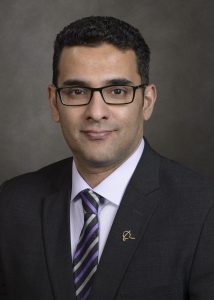
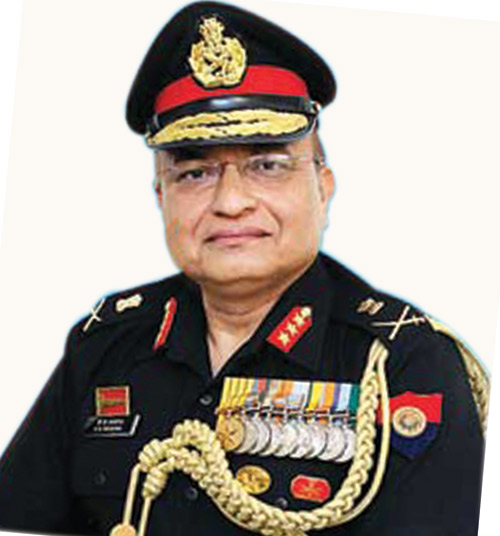
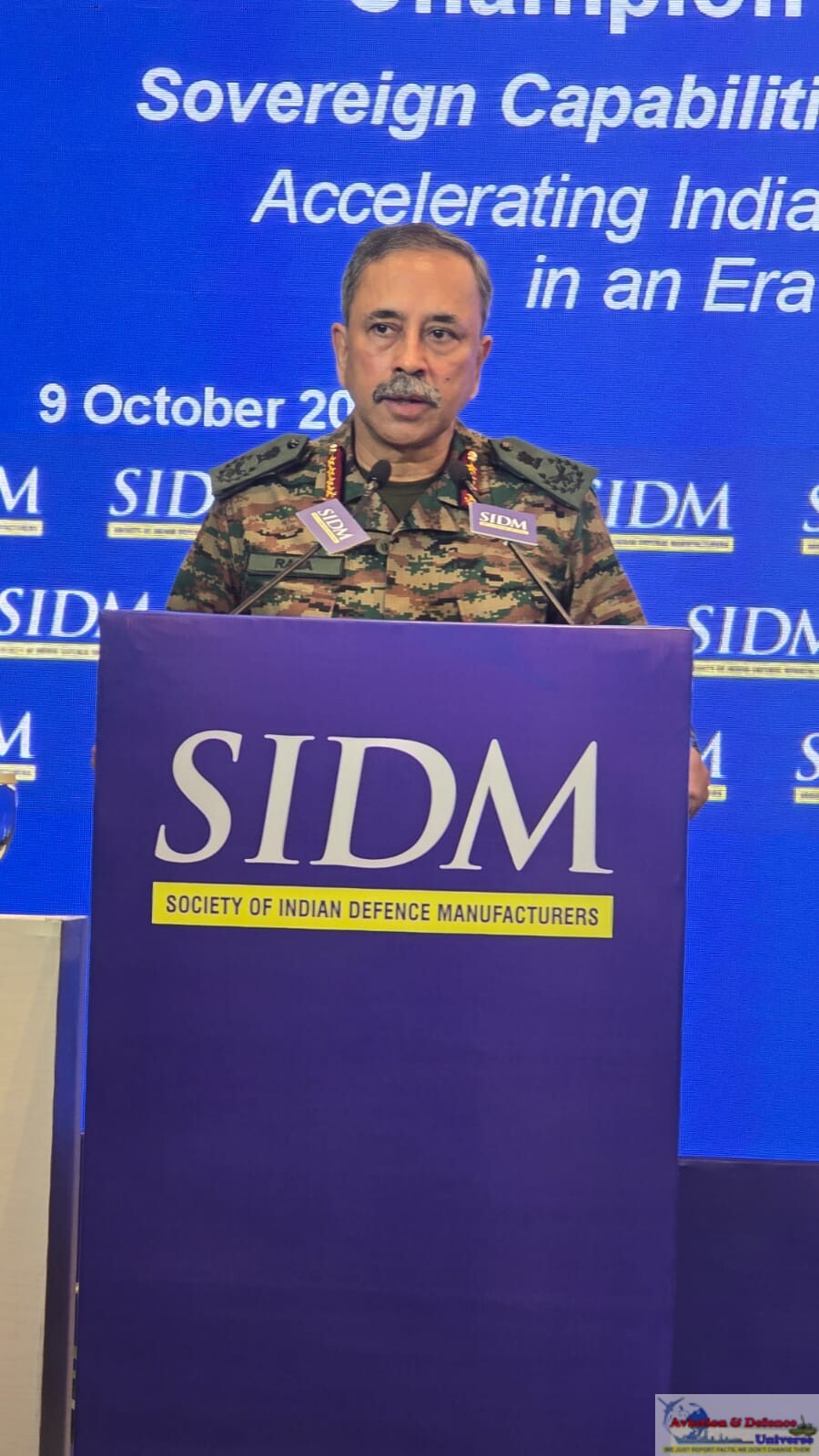
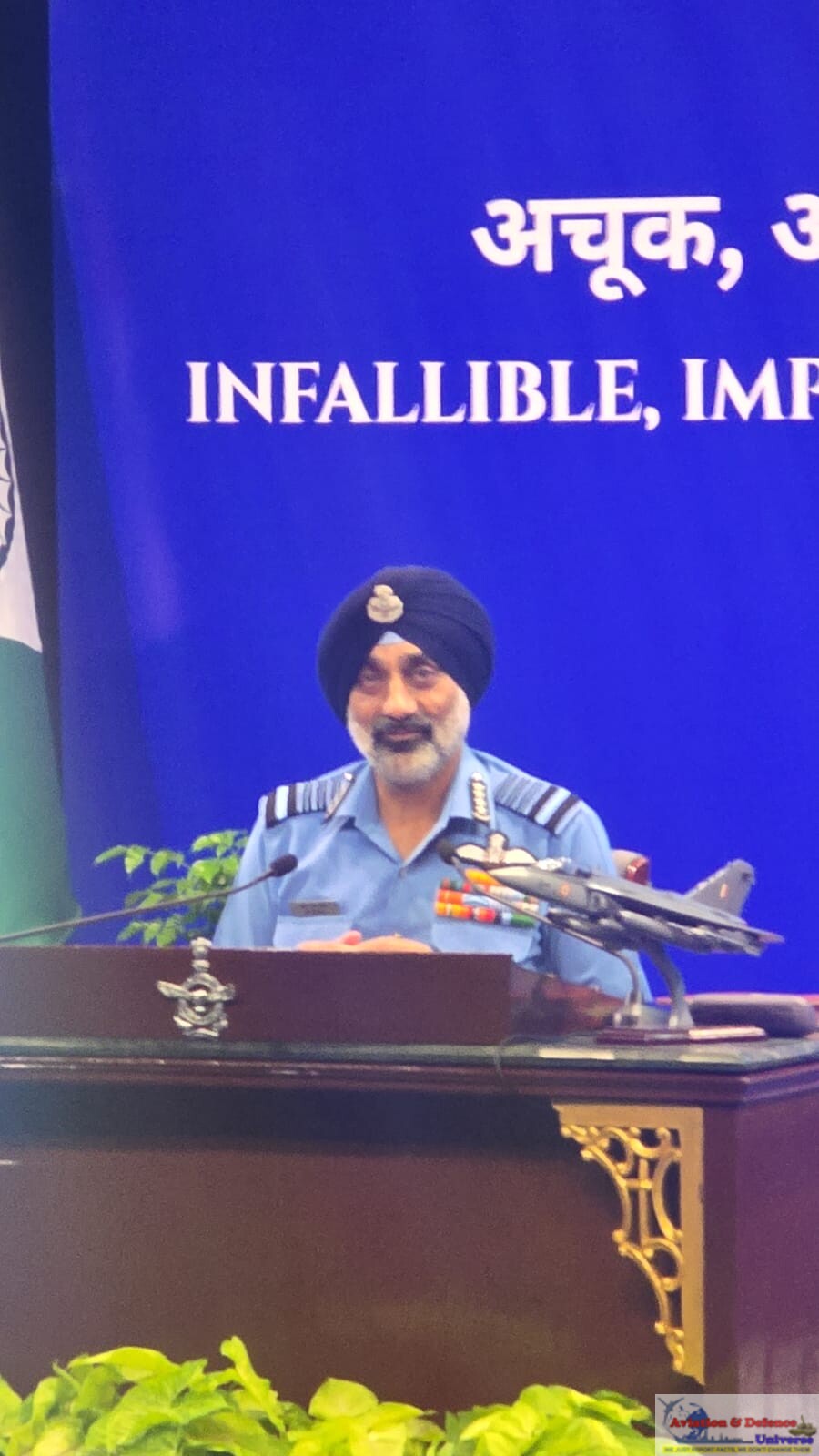
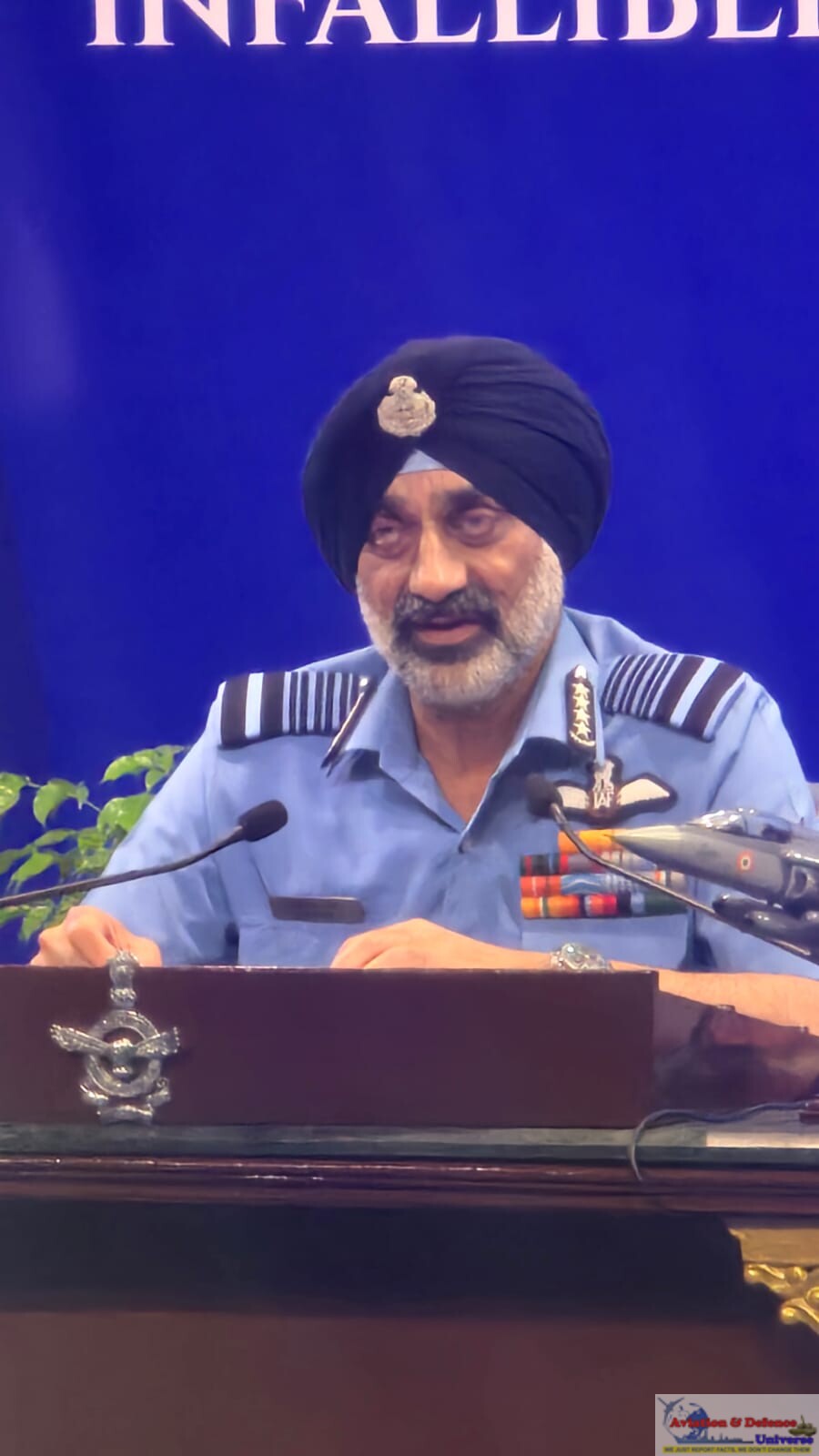
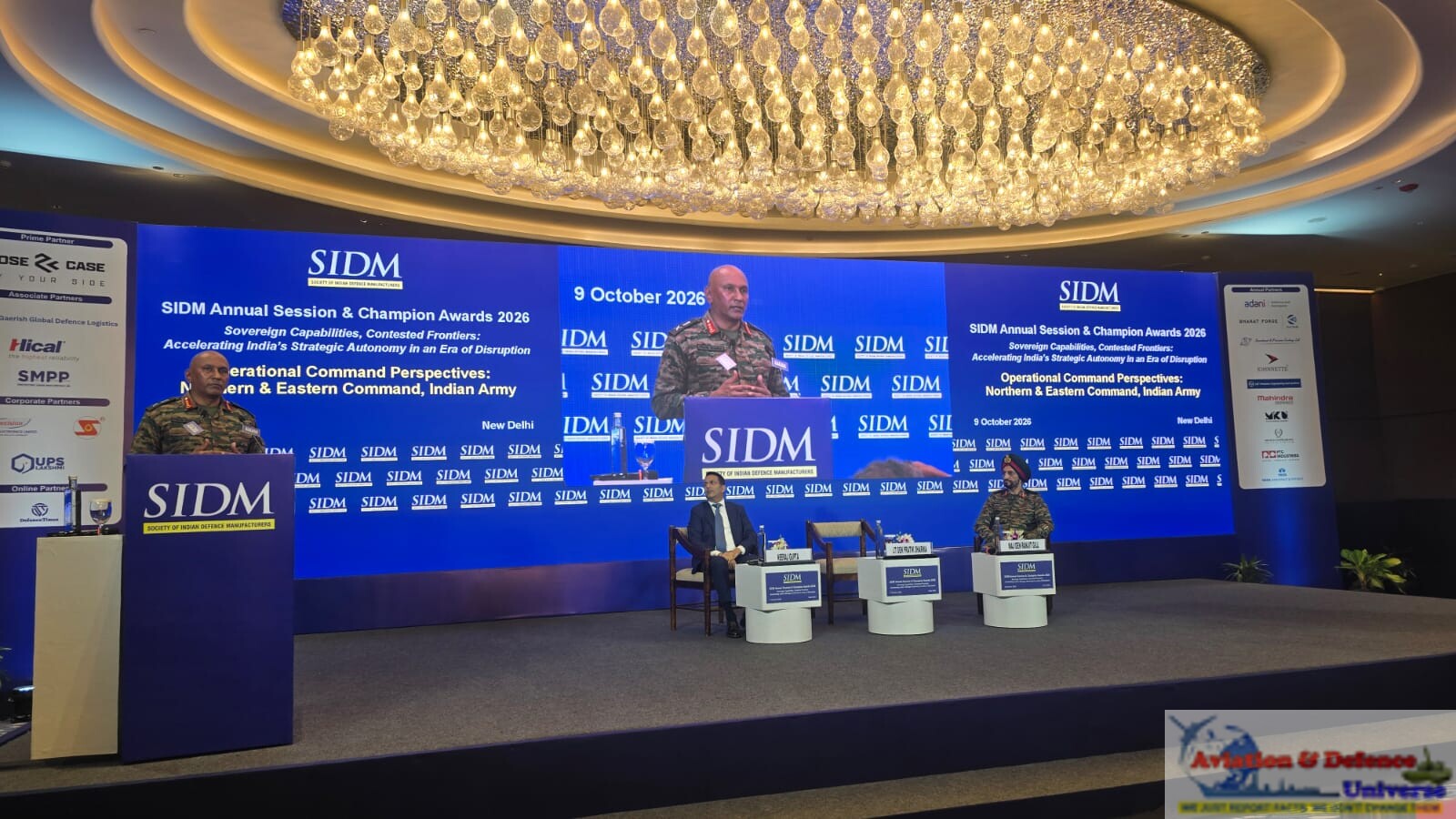
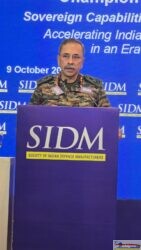
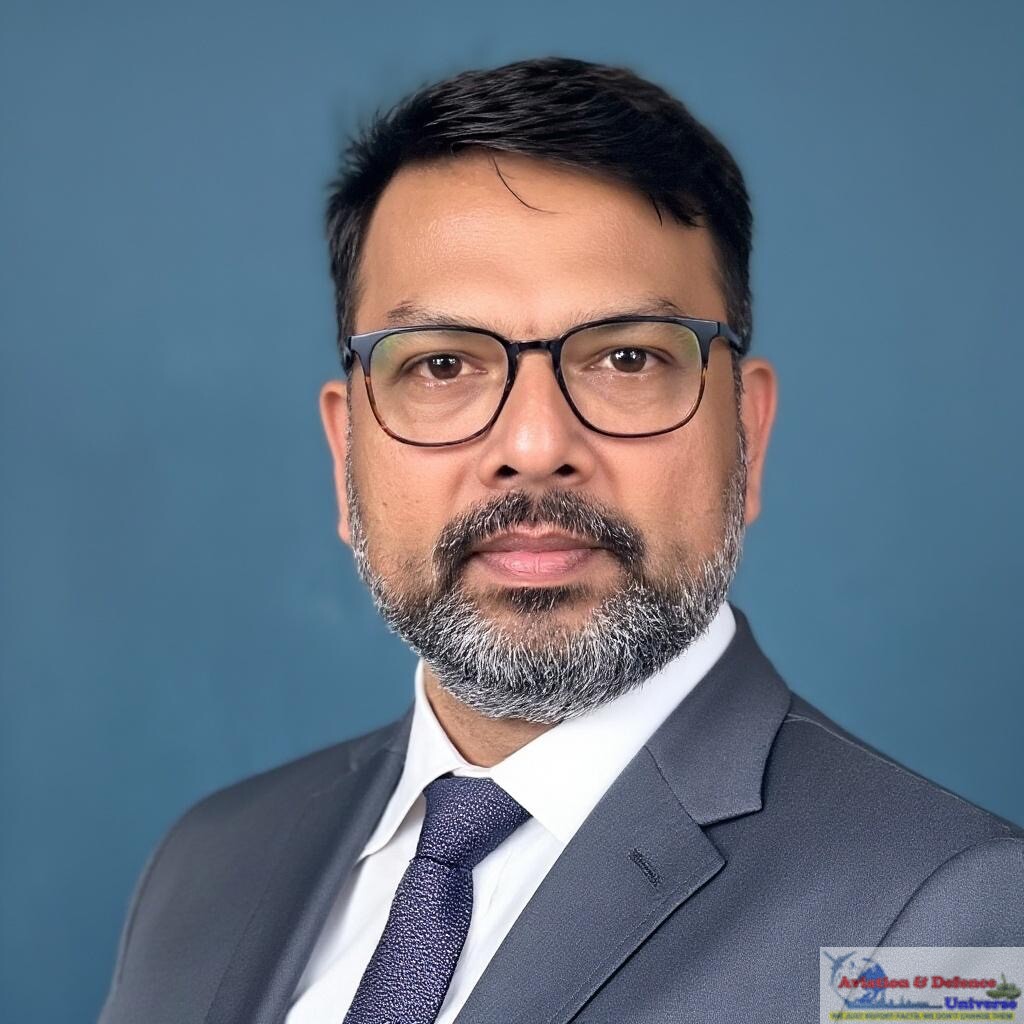
New Delhi. 09 October 2026. For Northern Command, technology must prove its worth where the soldier needs it most—in thin air, extreme cold, contested electromagnetic conditions and active operations. Addressing SIDM’s Annual Conclave and Awards, Lieutenant General Prateek Sharma, General Officer Commanding-in-Chief, Northern Command, delivered an urgent message to Indian defence manufacturers: understand the operational requirement, demonstrate performance in the field and deliver equipment that can be sustained, upgraded and produced at scale.
“I need my industry partners to be operationally fully responsive because we are short on time,” he said. His presentation outlined a command working continuously to accelerate capability development, supported by a five-year plan, sustained industry engagement and closer monitoring of procurement cases.
The Army Commander also outlined a substantial opportunity ahead. Over the next six months, he said, Northern Command expected to issue requests for proposals worth approximately ₹2,000 crore under the operational capability procurement stream and ₹1,000 crore under Army Commander’s Special Financial Powers. He identified 47 cases in the former and 107 in the latter, presenting industry with a broad pipeline of operational requirements.
These were prospective procurement opportunities, rather than contracts already awarded. Their significance lay in the command’s intention to move rapidly from identified needs to fielded capability.
A demanding theatre, a demanding customer
Lt Gen Sharma described Northern Command as an organisation “always in combat”, with responsibilities 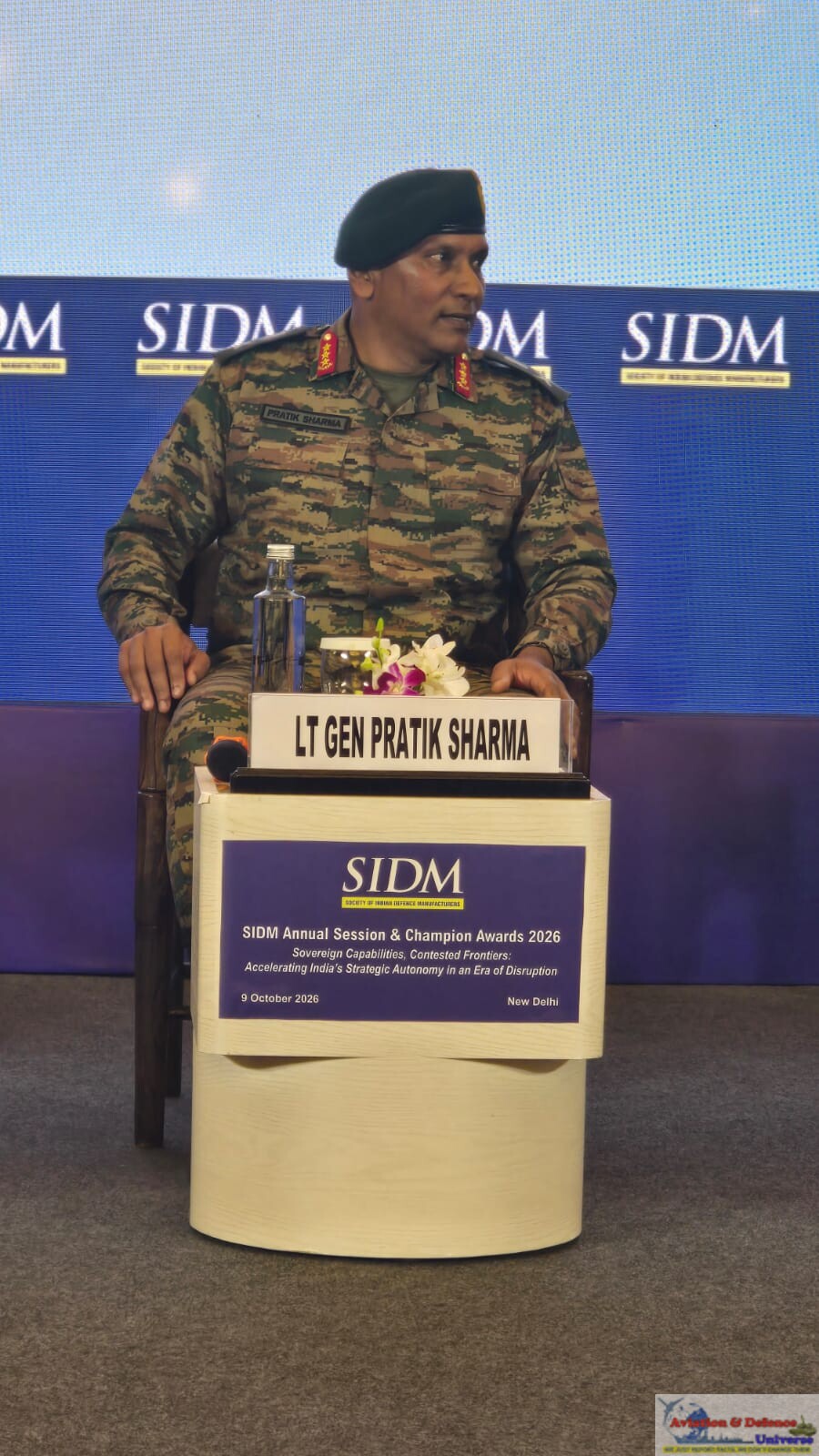 encompassing the Line of Control, Eastern Ladakh, the Siachen Glacier and counter-terrorism operations in Jammu and Kashmir.
Each environment imposed distinct demands. Equipment suitable for one sector could require substantial adaptation for another. High-altitude deployments challenged mobility, endurance and performance, while dense vegetation complicated detection during counter-terrorism operations. Glaciated terrain placed exceptional demands on both personnel and the systems supporting them.
His message was that manufacturers must understand these differences before offering solutions. Operational relevance depended on equipment working reliably in the conditions for which it was being procured.
“Whatever can operate in these areas of Northern Command, I think it can operate anywhere in the world,” he said, presenting the theatre as a demanding environment for validating Indian technology.
Precision and lethality remain central
The Army Commander identified precision strike and lethality as foremost priorities, extending from long-range systems to artillery.
He highlighted the need for accurate ammunition, improved weapon-locating radar capability and efficient control of fire. Adversary protection measures made locating firing positions more difficult, increasing the importance of reliable detection and precise engagement.
Terrain added another layer of complexity. Artillery and other systems had to achieve the required effects despite high-altitude conditions, intervening ridgelines and demanding firing geometries. Industry therefore needed to address accuracy, mobility and equipment endurance together.
Drones demand a faster innovation cycle
Unmanned systems and counter-drone capabilities featured prominently in the presentation. Lt Gen Sharma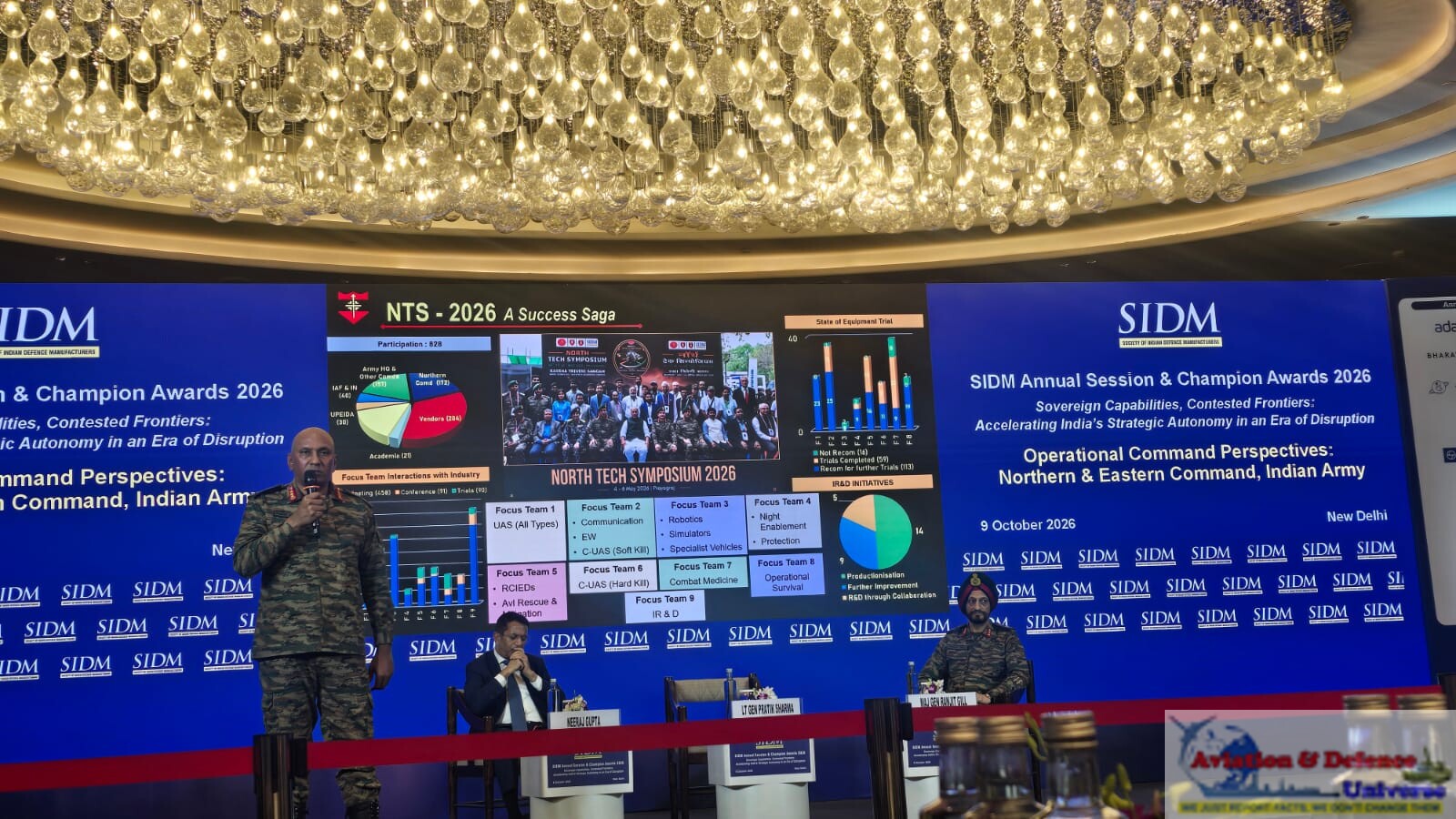 distinguished between requirements at tactical, operational and strategic depths, emphasising that different missions demanded different capabilities.
Counter-drone systems needed to detect small signatures and provide appropriate electronic and kinetic responses. He cautioned that the pace of innovation and manufacturing had to accelerate to match the speed at which battlefield challenges were evolving.
The proliferation of drones also complicated airspace management. Fixed-wing aircraft, helicopters, unmanned platforms and air-defence systems had to operate within an increasingly crowded and contested environment. Better identification, coordination and integration of command-and-control systems were necessary to preserve freedom of action for commanders.
Secure communications and technological ownership
Reliable communications in an electronic warfare environment were another major concern. Software-defined radios, frequency-hopping systems and satellite communications needed resilience against interference, alongside robust encryption.
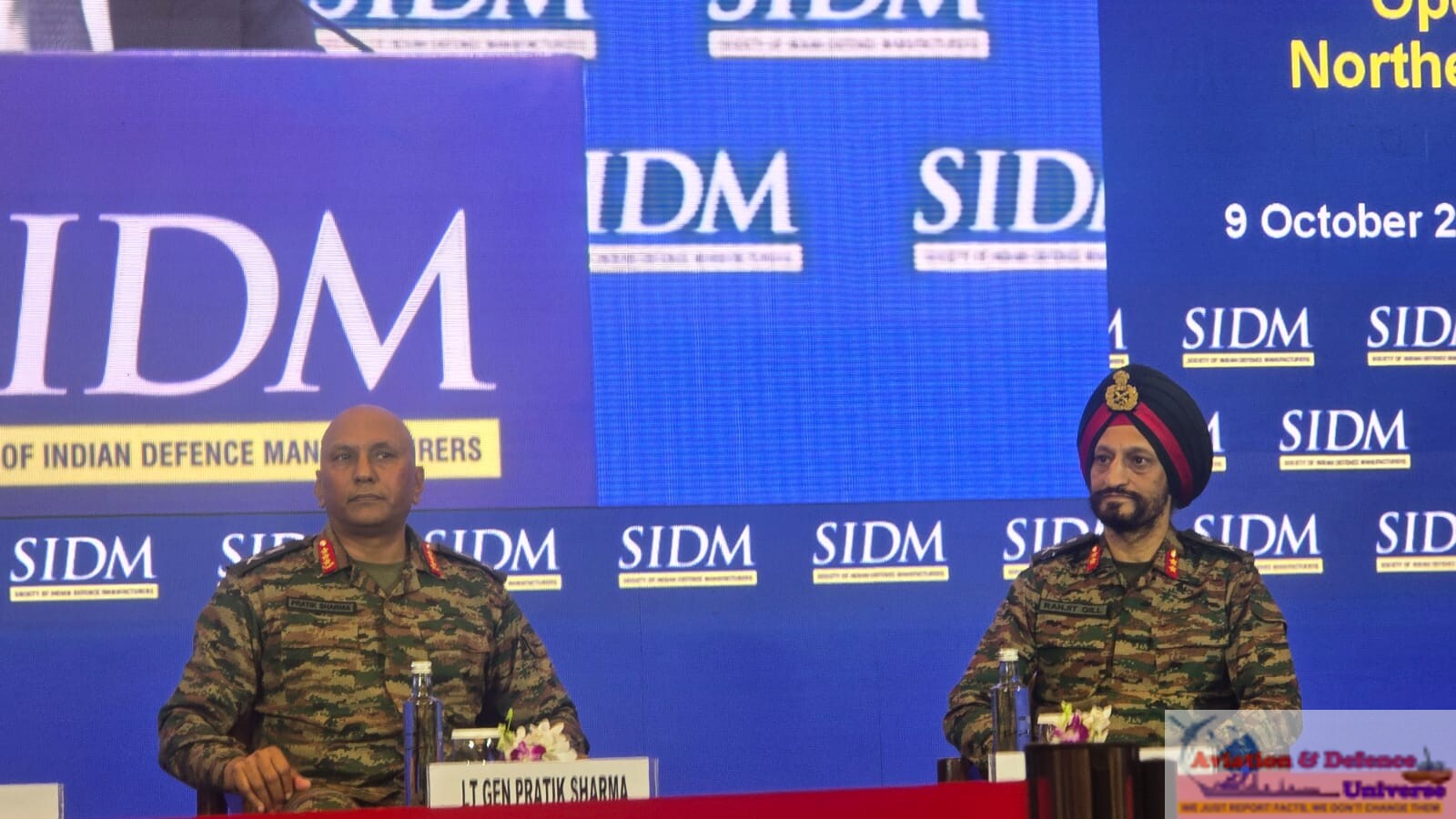 Lt Gen Sharma connected these requirements with a wider expectation of technological ownership. Manufacturers investing in research and development, he said, should possess the relevant designs, source codes and control over critical components.
Upgrade ability had to be incorporated from the outset. Operational needs could change rapidly, and suppliers needed the ability to respond without restarting development from scratch.
Supply-chain disruptions and dependence on critical materials and semiconductors also affected the speed of capability development. Strengthening indigenous capacity would help address these vulnerabilities over time.
Survival and protection are capability requirements
The presentation placed considerable emphasis on the soldier’s living conditions and survivability.
Recalling his service in Siachen in 1993, the Army Commander said accommodation in parts of the glacier environment had changed too little. He called for fresh thinking on billeting and protection, alongside continuous improvements in clothing, boots and other equipment.
His argument was straightforward: the ability to endure difficult conditions should not become a reason to accept inadequate improvement. Force protection likewise required a broader approach. Command-and-control facilities, communications, ammunition, logistics and surgical support all needed greater protection against modern threats.
Lt Gen Sharma said Northern Command had a ₹1,080-crore share of force-preservation measures for the western front, covering 19 projects. These included protected underground facilities and modular structures informed by discussions with industry.
He intended to place supply orders by December 2026, describing progress that he aimed to keep ahead of the prescribed schedule. These projects represented work moving through procurement, rather than completed infrastructure.
NorthTech: keeping engagement alive after the exhibition
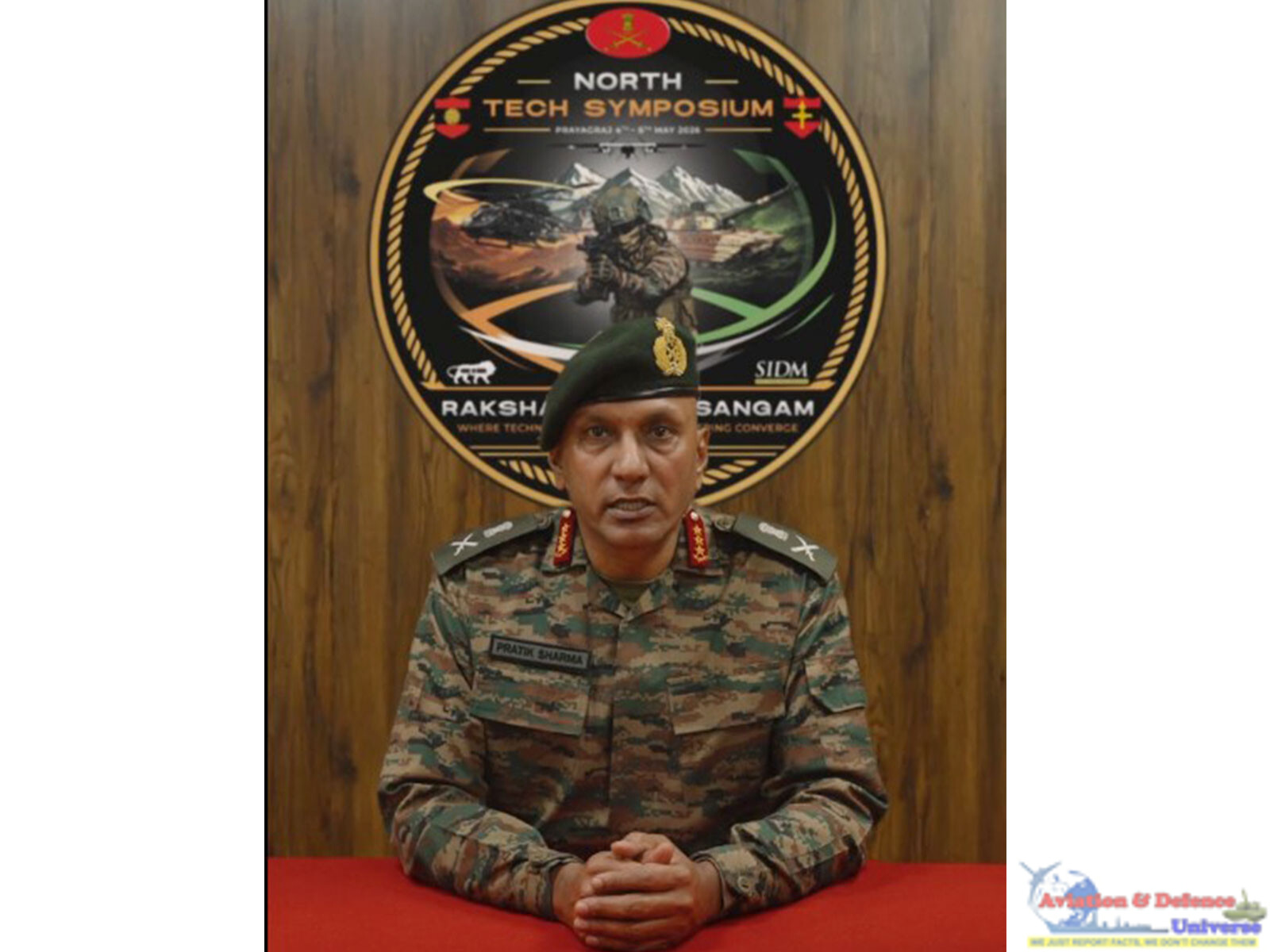
A central element of the session was the Army Commander’s account of the NorthTech Symposium held in Prayagraj in May. He described its purpose as bringing together the Armed Forces, industry and academia to address real operational problems.
Crucially, the engagement continued after the event. Northern Command established nine focus teams led by Major Generals, each addressing a capability domain. These teams remained active, enabling manufacturers to seek clarification and work through development and procurement challenges.
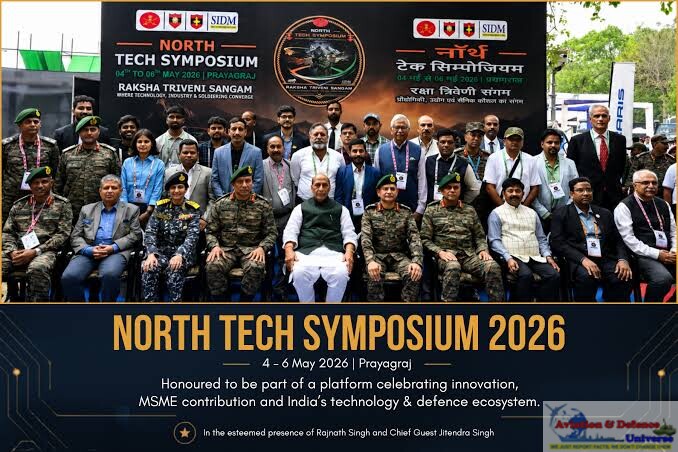 The Commander reported that 36 of the 43 problem statements presented to industry had received solutions. Of these, 21 had been listed for procurement, while the remaining 15 had undergone no-cost, no-commitment demonstrations and had been recommended for procurement. He also said that 144 supply orders had been placed during the intervening period, including 44 with firms that participated in the symposium. The figures illustrated his broader point: a successful industry event must lead to continued evaluation, decisions and equipment reaching soldiers.
A five-year plan backed by continuous monitoring
Northern Command’s capability-development strategy was organised around a five-year plan covering what it could achieve within its delegated powers and available funds, alongside larger procurement undertaken through higher headquarters.
A harmonising committee led by the Chief of Staff coordinated priorities, expenditure and timelines. Designated formations provided environments for demonstrations across different terrain and equipment categories.
Lt Gen Sharma said the command was conducting approximately 60–70 industry interactions a month. He personally reviewed progress regularly, while officers dealing with procurement remained available to engage with manufacturers.
He also supported improving the sharing of demonstration reports across commands, reducing the need for useful evaluations to remain confined to a single formation or theatre.
Industry working alongside operational users
The Commander praised the energy and responsiveness of industry and academia, including examples of companies supporting soldiers during operations.
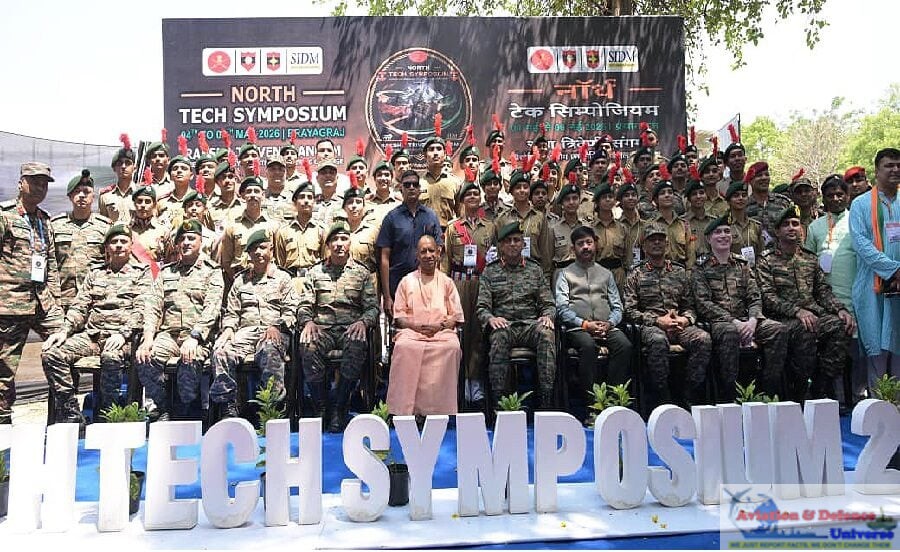 He recounted a drone supplier remaining with troops during an operational deployment after bringing equipment for trials. In another example, a young start-up representative worked alongside the Army during a month-long counter-terrorism operation to address detection challenges in dense foliage.
These experiences showed the value of direct contact between developers and users. Field interaction exposed limitations quickly and allowed solutions to evolve against actual requirements.
However, he also urged manufacturers to examine the gap between commitments and delivery. Promising a capability was only the beginning; producing it on time and sustaining its performance were equally important.
Combat medicine needs greater attention
Lt Gen Sharma identified combat medicine as an area requiring a stronger effort. Reviewing expenditure, he had found medical capability receiving comparatively limited investment within the command.
He announced plans for a focused symposium in Jammu on 25–26 October, aimed at identifying equipment for casualty evacuation, treatment and life-saving support.
The initiative would provide medical-equipment manufacturers with an opportunity to engage directly with operational users and address needs not sufficiently covered during the broader technology symposium.
Procurement begins with clear requirements
During the discussion, the moderator asked how procurement could recognise the value of advanced technology within a lowest-bidder framework.
 The Army Commander’s response centred on transparency and clarity of operational requirements. Commanders had to articulate precisely what they needed, recognising that requirements in Eastern Ladakh differed from those along the Line of Control or in counter-terrorism operations.
Northern Command had shared its problem statements with industry in advance, while the continuing focus teams provided a channel for further interaction.
His answer emphasised the importance of well-defined requirements and informed evaluation; it did not announce a change to the procurement framework.
Beyond the prototype
The Commander concluded with expectations extending well beyond a successful demonstration. Industry  needed to provide:
- Scalability and surge production when demand increased.
- Repair, maintenance and spares support as part of the original offering.
- Rapid upgrades as operational requirements evolved.
- Interoperability across Army formations, the other services and relevant security agencies.
- Reliable delivery matched to the urgency of operational needs.
He recognised SIDM’s role as an effective interface between the Army and manufacturers, helping communicate challenges and sustain engagement before, during and after the symposium.
Lt Gen Sharma’s message made the measure of success unmistakable: technology must work in the field, arrive when required and remain supportable after induction. Northern Command’s procurement roadmap offers industry an opportunity to turn that principle into capability. The next step is delivery—moving proven ideas from demonstration grounds into the hands of soldiers who cannot afford to wait.

































































-A4-Size-(2)_page-0001.jpg)