












- Towards 100: Building an IAF India Can Sustain
- Aircraft Today, Aerospace Sovereignty Tomorrow: India’s Air Power Test
- Beyond the Flypast: The Next Battle Is for Industrial Capacity
By Theertha Panachoor
Hyderabad. 08 October 2026. The flypast showcases what India can fly. The factory floor determines how long it can fight. As the Indian Air Force marks 94 years, its next chapter will depend on the country’s ability to turn operational ambition into dependable industrial capacity. Aircraft numbers matter, but so do engines delivered on time, weapons integrated, crews trained and fleets kept mission-ready. Against an Asian backdrop of expanding combat capabilities, India faces a demanding task: sustain the force it has while building the aerospace ecosystem that can renew it. The journey towards the IAF’s centenary will be measured in both aircraft inducted and the national capacity behind every sortie.
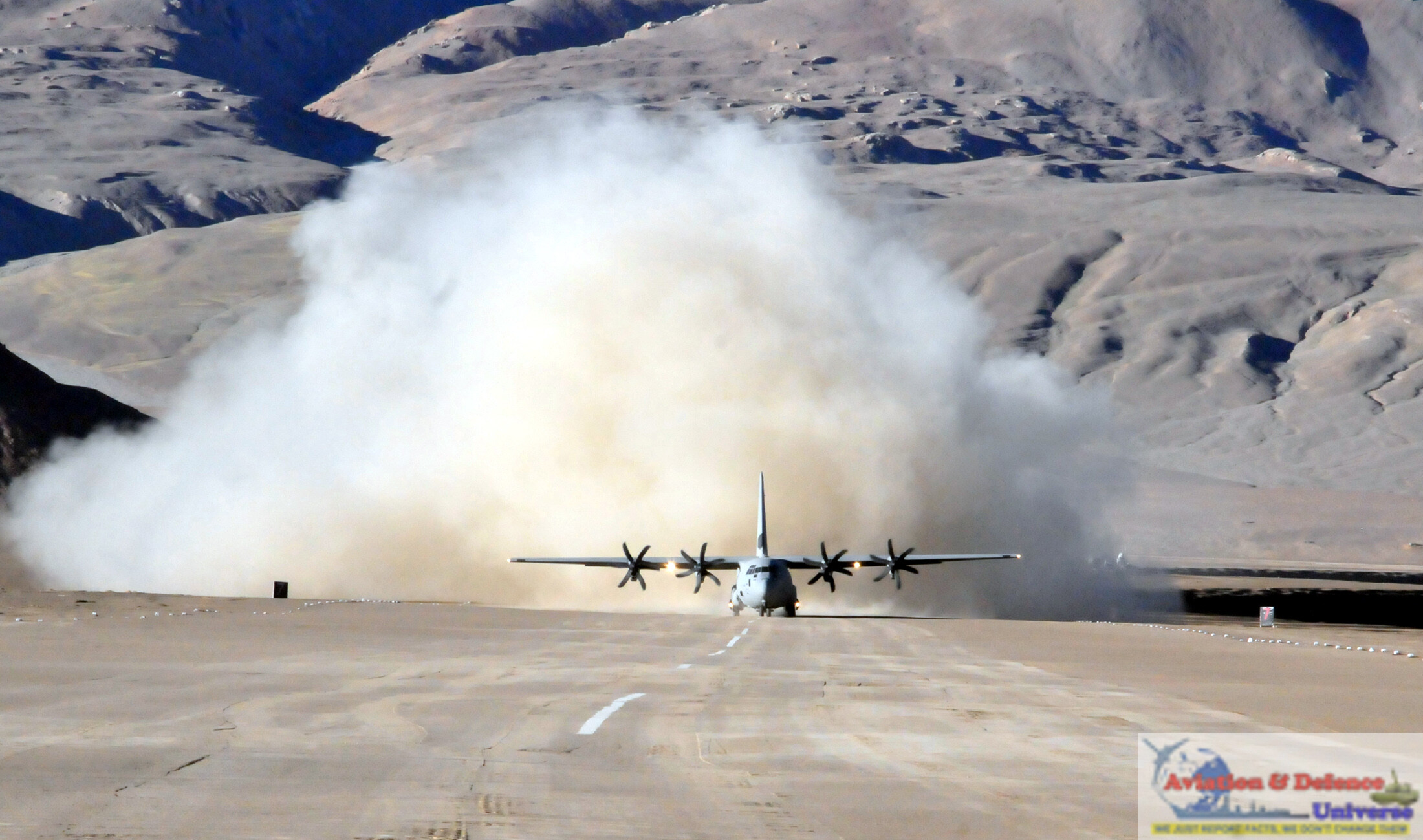
On 8 October 1932, the Indian Air Force formally came into being. Today, ninety four years later, it operates in one of the most demanding strategic environments in the world, with responsibilities that run from the Himalayan frontier to the Indian Ocean. Its fighters have flown in high-altitude areas, desert sectors and maritime spaces, while its transport and helicopter fleets have supported operations across difficult terrain.
The IAF begins its 95th year with considerable operational experience and a wide range of combat and support capabilities. The primary question now is whether India can replace ageing platforms and sustain a technologically advanced force at the speed its security environment demands. A list records what a country acquired in the past and says little about how quickly replacements can be produced, new systems integrated, crews trained, aircraft maintained or the force expanded in a crisis.
Thus, capacity is the better measure: design, manufacturing, engines, radar, weapons, testing, maintenance, finance and the supplier network that links them. A country with a dependable chain from design to deployment has more freedom of action than one with a large fleet and little control over how it is renewed.
It’s important because modern air power is expensive to build but even more expensive to sustain. A fighter bought today is a commitment to decades of engines, software, weapons, training and maintenance. The industrial system behind the aircraft can therefore matter almost as much as the aircraft itself.
Asia’s air forces in numbers
Five of the world’s seven largest military aircraft forces are in Asia: China, India, South Korea, Japan and Pakistan. FlightGlobal’s 2026 directory counts 52,231 active military aircraft worldwide and the five together account for just over 10,000 of them, close to a fifth of the total. China leads with 3,529 aircraft, of which 1,443 are fighters and interceptors. India follows with 2,183 and 476, South Korea with 1,540 and 242, Japan with 1,429 and 217 and Pakistan with 1,397 and 331.
These totals include army and naval aviation and helicopters, so the second figure in each pair says more about frontline strength than the first. Fighters make up about two-fifths of China’s fleet, between a fifth and a quarter of India’s and Pakistan’s and about a sixth of Japan’s and South Korea’s. China alone holds more than half of the fighters across the five.
Those figures describe strength as it stands today. They say little about how quickly any of these fleets can be renewed and that is where the five separate. China is expanding through several aircraft programmes at once. Pakistan is seeking rapid modernisation through its partnership with China. Japan and South Korea are building future industrial control through multinational cooperation and indigenous production. India is attempting to keep a large and diverse operational fleet flying while developing the domestic capacity to design, manufacture and sustain the next generation of aircraft.
China: the benchmark for scale
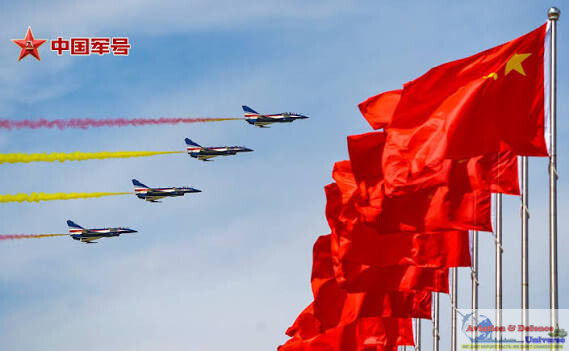
China’s air arm is the largest in the region by every measure in the table above and its fighter fleet is the second largest in the world. Its advantage lies in the continuity of its production system. Open-source assessments place the J-20 fleet above 300 aircraft and estimates of annual output range from about 70 to 120. China has published no official figure, so these remain assessments. What matters is that it has continued producing the J-20 while developing the J-35 family and testing more advanced designs, allowing new capability to arrive while existing programmes remain active.
Chinese and specialist reporting describes the J-35A as entering service in 2025, though no detailed official release confirms the date or its operational status. The aircraft commonly called the J-36 remains developmental and its designation, mission and generation are officially unestablished.
Numbers alone do not reveal pilot proficiency, aircraft availability, weapons effectiveness or command quality. They do provide some depth: A country producing advanced aircraft at a high rate can replace losses faster, hold larger reserves and cover more theatres. That makes China the benchmark against which Pakistan has chosen its own route.
Pakistan: speed through a partner
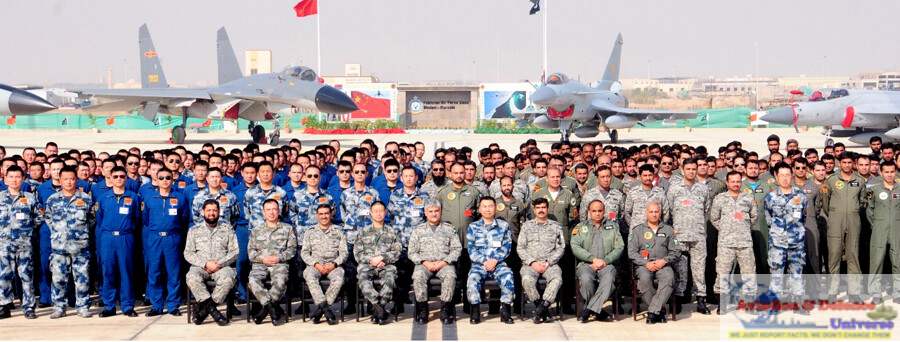
Pakistan operates 1,397 aircraft, including 331 fighters, a proportionally larger fighter fleet than India’s. The Pakistan Air Force is the world’s largest operator of the JF-17 Thunder, developed jointly with China’s Chengdu Aircraft Corporation, with over 140 in service. Its modernisation rests on the same partnership.
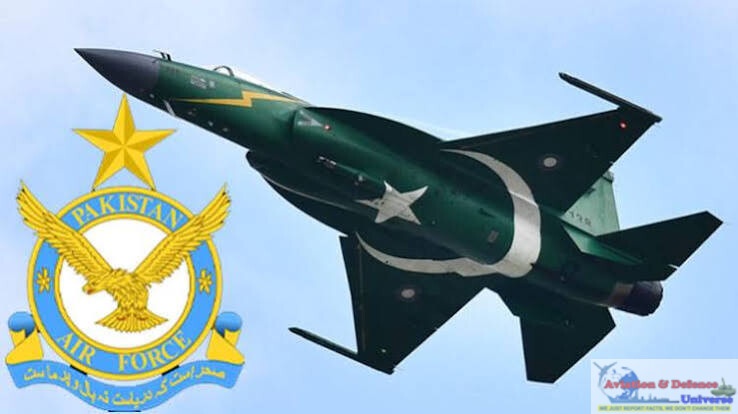
The J-10CE entered service in 2022. In 2025, reports described a Chinese package of up to 40 J-35A fighters, KJ-500 airborne early-warning aircraft and HQ-19 air-defence systems. The Pakistan Air Force has denied reports that the first aircraft had arrived. The package is a planned acquisition and not yet an operational capability.
The approach has a clear advantage: Pakistan can obtain advanced aircraft and supporting systems without first creating a fighter design bureau, an engine industry or a large production line, which is a rational choice under financial and technological constraints. The cost is that spares, upgrades and export approvals remain in Beijing’s hands, so the speed of Pakistan’s modernisation is set by its supplier.
Japan and South Korea: fewer fighters, a chosen path
Japan and South Korea fly fewer fighters than Pakistan despite larger overall fleets. Japan has 1,429 aircraft and 217 fighters, South Korea 1,540 and 242. A large share of each sits outside the air force proper: the Japan Air Self-Defence Force operates over 750 aircraft and the ROKAF nearly 800. Both countries have put their effort into where the next fighter comes from.
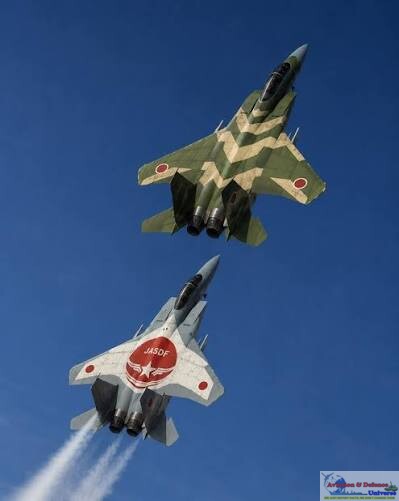 Japan is developing its next fighter with the United Kingdom and Italy under the Global Combat Air Programme, aimed at around 2035, which is a programme target and not a guaranteed service-entry date. South Korea has moved from development to production with the KF-21 Boramae. The first production aircraft was handed to the ROKAF on 22 September 2026, with a reported plan for 40 Block I and then 80 Block II aircraft. Those figures rest on specialist sources until DAPA or the defence ministry confirms them.
Neither country matches China’s scale but what they have built is a route to producing their own aircraft, which gives them a say in design, upgrades and sustainment.
India: experience and breadth
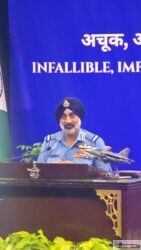
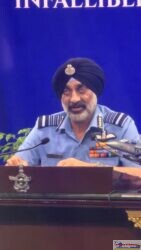
India operates 2,183 aircraft, including 476 fighters and interceptors, and 1,716 of those belong to the Indian Air Force itself. That makes it the fourth-largest fleet in the world by total aircraft, consistent with the Chief’s description of the IAF as the world’s fourth-largest air force.
The IAF’s advantage is not simply its size. It has decades of experience in high-altitude, desert and maritime operations, doctrine for multiple theatres and a culture built around long-distance deployment, air defence, transport operations and complex weapons employment. That gives India an operational depth that a fleet table cannot capture.
But breadth also creates a problem. The IAF operates a mixed fleet built around different aircraft, helicopters, transport platforms, surveillance systems and weapons. Each aircraft ecosystem requires its own training, spares, maintenance procedures, software support and weapons integration. A diverse fleet gives commanders more options, but it also makes the force harder and more expensive to sustain. India’s challenge is therefore not simply to add aircraft, but to reduce the industrial and logistical complexity that comes with operating them.
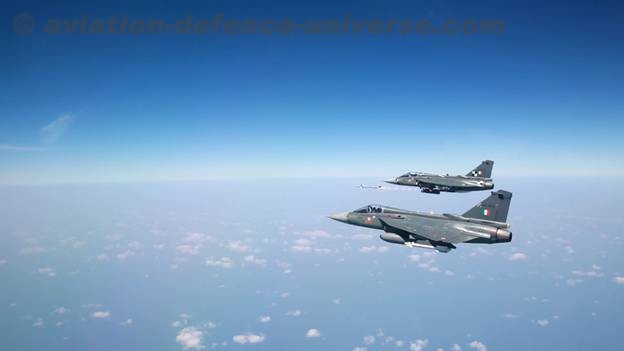 Operation Sindoor in May 2025 added a recent operational test. The Chief of Air Staff attributed the destruction of four to five Pakistani fighters to Indian operations; Pakistan disputed the account and offered its own. Public evidence cannot independently settle the number, so it remains an attributed claim. The more defensible conclusion is that the operation tested intelligence, planning, command and control, air-defence coordination and the use of aircraft and stand-off weapons under pressure. Those capabilities accumulate over time and cannot be bought with a new fighter.
The fleet also shows why replacement matters. The Su-30 MKI remains the principal heavy fighter, the Rafale adds modern multirole capability and transport aircraft, helicopters, surveillance assets, air-defence systems and unmanned platforms widen the options. But a force can only draw on that breadth if it can keep its platforms available. For India, the real test is whether its industrial base can sustain a large mixed fleet while replacing older aircraft quickly enough to prevent experience and capability from being lost through declining numbers.
The MiG-21’s retirement in September 2025 showed the transition. PIB recorded its decommissioning after more than six decades of service, closing an era and highlighting the need to replace the squadrons the type had continued to support. The next phase will require India to turn its operational experience into production capacity, so that the IAF can renew its strength rather than simply manage the decline of older fleets.
What the numbers show
Media reports citing the Chief of Air Staff put fighter strength at about 28 or 29 squadrons against a sanctioned 42 or 42.5. No PIB or Ministry of Defence release confirms these figures. The same applies to the 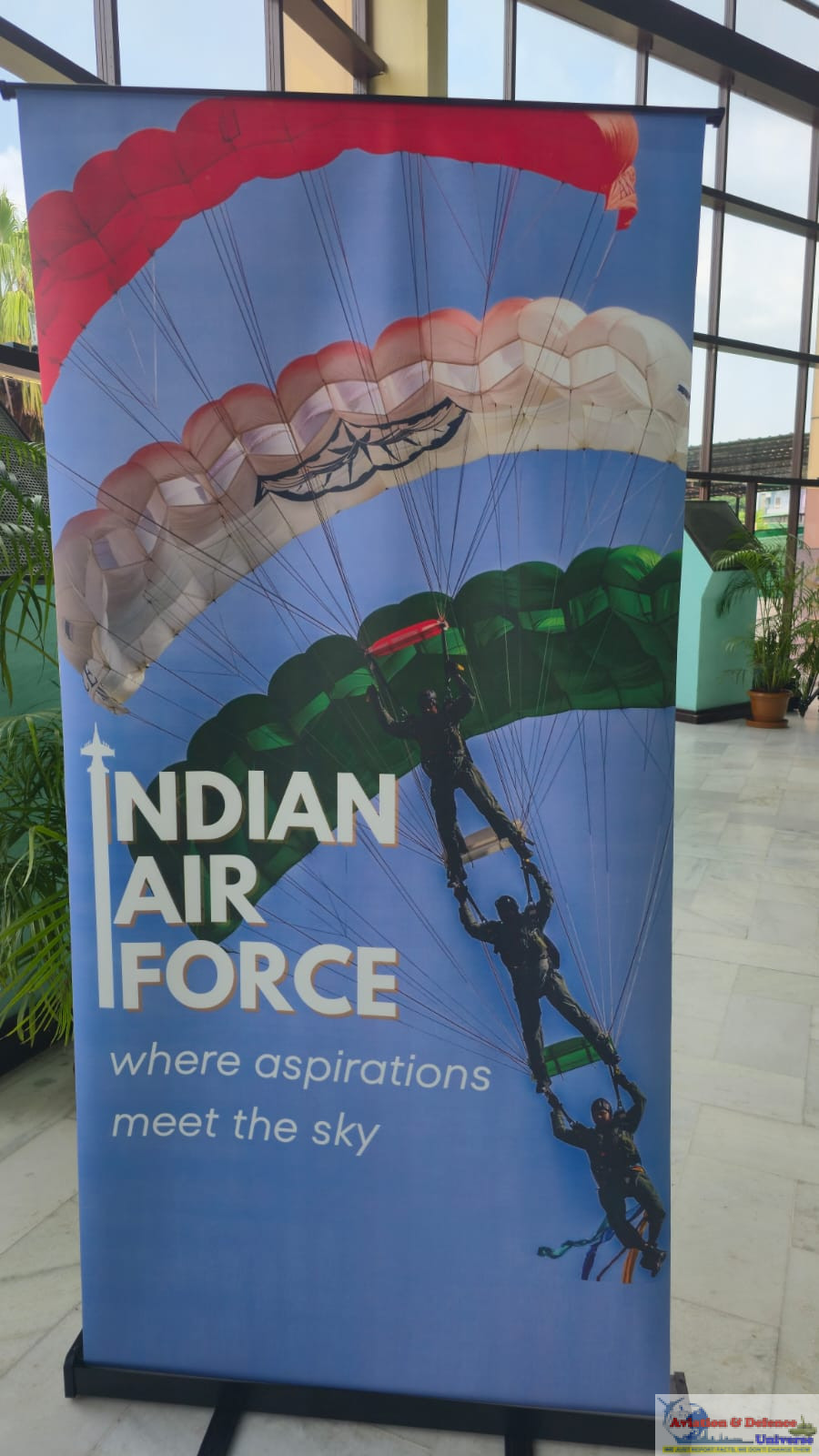 reported requirement of 36 to 40 new aircraft a year, which reflects the service’s stated concern and is not an official government statistic.
A squadron count is an important indicator and an incomplete one. Availability, pilot training, maintenance, weapons, airborne early warning, tankers, drones and electronic warfare all affect combat performance. Fighter numbers still set the outer limit of sustained operations: how many sectors can be covered, how long aircraft stay available and how much reserve remains after maintenance and attrition. A shortfall in fighters cannot be solved by one successful acquisition if production, training and maintenance cannot keep pace.
The foundations of renewal
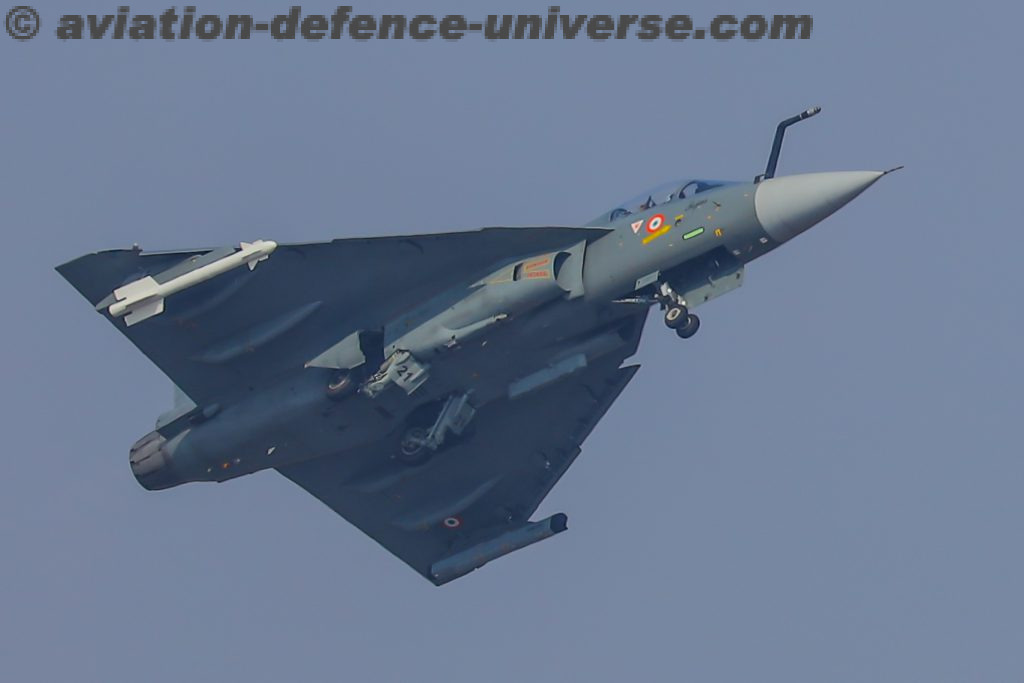
Recent government decisions show a plan with the Tejas Mk1A as the immediate bridge. On 25 September 2025, the Ministry of Defence signed a contract for 97 aircraft, 68 single-seat fighters and 29 twin-seaters, at more than ₹62,370 crore before taxes. HAL’s third Mk1A line has raised its stated annual capacity to 24 aircraft.
That is manufacturing capacity and not a guaranteed delivery rate, since engines, suppliers, testing, certification and acceptance will decide how many aircraft are handed over. It still marks a move from limited-rate production towards a steadier industrial rhythm.
The Ministry puts indigenous content in the 97-aircraft contract above 64 per cent and credits nearly 105 Indian companies with manufacturing detailed components. Deliveries begin in 2027-28 and run over six years, which evenly spreads to about 16 aircraft a year from this contract alone, below the 24 a year the lines are stated to be able to build. The public record does not explain the gap.
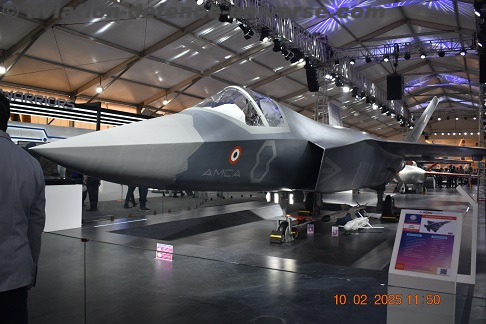 The AMCA is the longer-term element. The government has approved an execution model that brings public and private industry in through independent bids, joint ventures or consortia, with prototype development followed by series production.
The programme’s value reaches past one aircraft, into stealth design, materials, propulsion integration, flight control, radar and mission systems, and a base for later combat aircraft. The industrial return from such a programme therefore depends on what India learns to produce along the way, not only on when the first operational AMCA enters service.
The Rafale MRFA proposal covers the nearer requirement. The Defence Acquisition Council has granted Acceptance of Necessity and stated that most of the aircraft will be manufactured in India. AoN is not a contract and negotiations, cost, production arrangements and delivery schedules will determine its effect on IAF strength.
Taken together, the pathway has layers: Tejas adds numbers as production stabilises, Rafale gives proven capability while indigenous programmes mature and the AMCA builds long-term control over advanced combat-aircraft design and production.
The test ahead
The test is whether India can turn operational experience into a reliable industrial system. The foundations exist: a large domestic requirement, an experienced air force, a public-sector aerospace enterprise, growing private participation and a policy emphasis on indigenous production.
Execution remains; production lines must deliver consistently, engines and critical components must arrive on time and approvals must become contracts without avoidable delay. Indigenous aircraft must receive sustained support after induction and foreign purchases must keep domestic factories busy rather than simply add another imported fleet.
China shows the advantage of scale, Pakistan the speed a close supplier offers and Japan and South Korea the value of controlling future production. India’s route is harder because it must modernise while keeping a large force operational. Yet the direction is clear. More Tejas have been contracted, production capacity has expanded, the AMCA execution model has been approved and domestic manufacturing now sits at the centre of the MRFA decision.
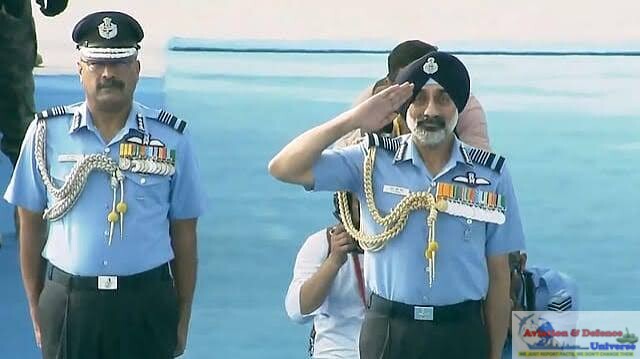
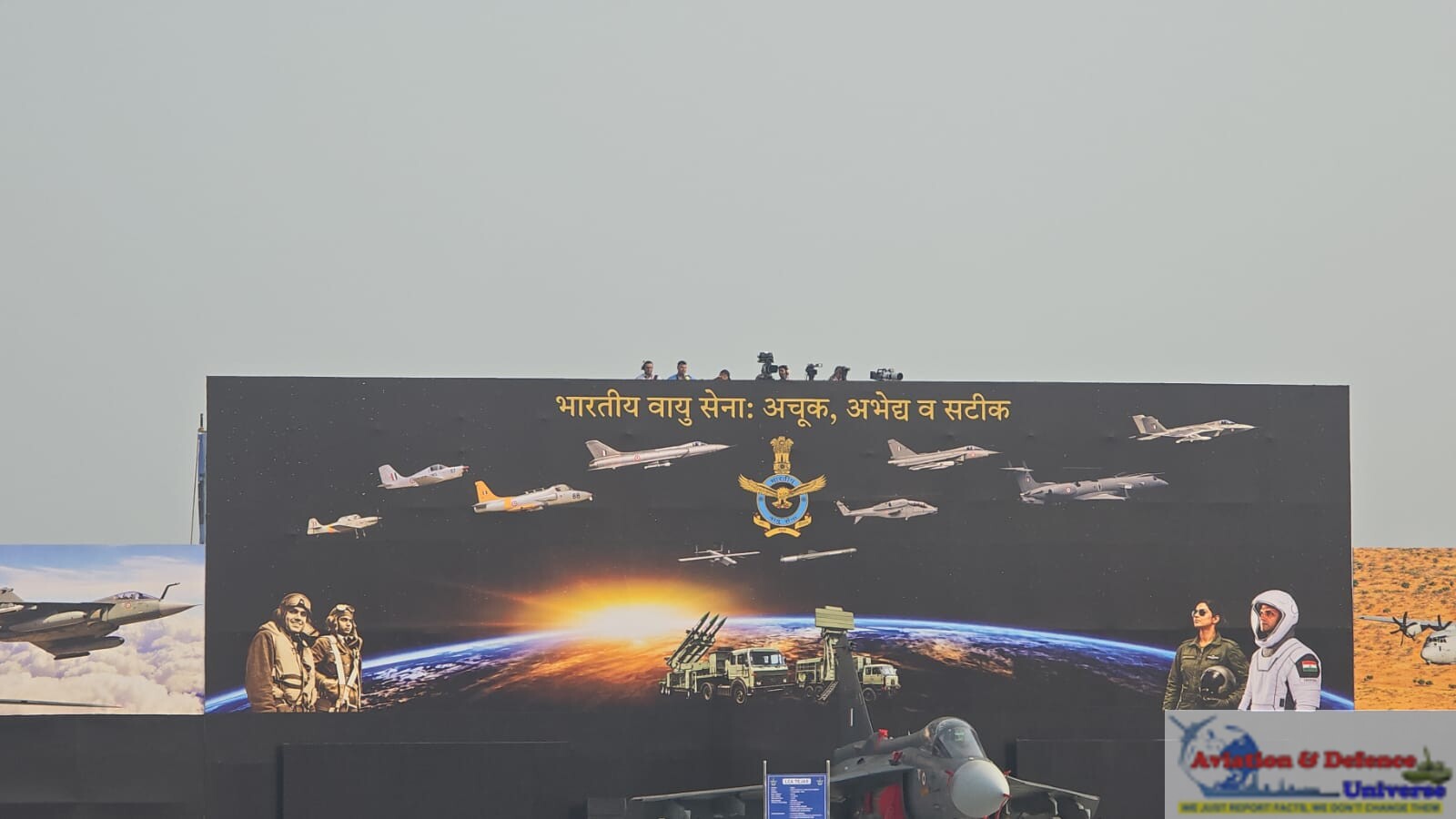
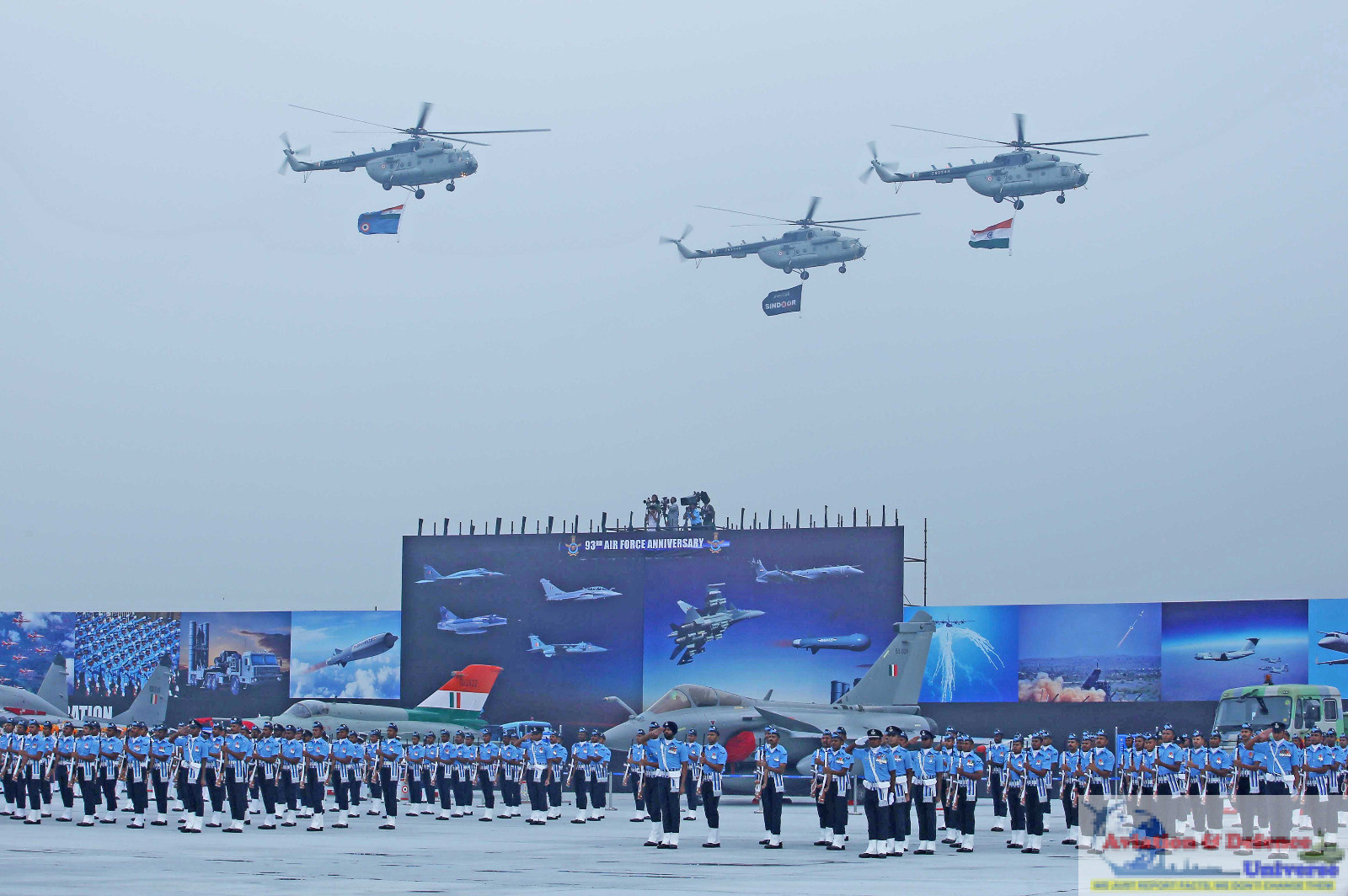
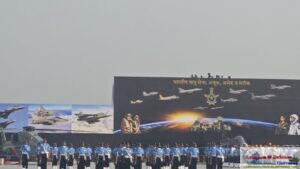
The aircraft shown on Air Force Day represent the capability India has built over nine decades. The factories, suppliers, testing agencies and engineering programmes taking shape today will determine how much further that capability can go. By the IAF’s centenary in 2032, India can aim for an air force that does more than operate advanced aircraft. It can build, maintain and renew them at the scale its strategic responsibilities demand. That is the foundation of lasting air power.
The IAF’s operational experience is a formidable inheritance; sustaining it demands an industrial system equal to India’s strategic responsibilities. Tejas production, the proposed Rafale acquisition and AMCA development offer different routes towards that goal, but their value will depend on execution—consistent deliveries, reliable engines, rigorous testing and support that lasts throughout an aircraft’s service life. As 2032 approaches, the centenary ambition should be clear: an India that can build, maintain, upgrade and replenish its air power at the required scale. The parade celebrates the wings. The nation must strengthen everything that keeps them flying.






































































-A4-Size-(2)_page-0001.jpg)