
 Israel and Morocco Deepen Defense Cooperation: Israel MOD Director General Leads Delegation to Morocco to Strengthen Defense Ties











- A World at War, Not a World Order: CLAWS Panel Warns India to Prepare for Permanent Disruption
- Disorder Is Here to Stay: Can India Turn Global Turbulence into Strategic Advantage?
- Beyond Borders and Battlefields: CLAWS Calls for a Whole-of-Nation Security Mindset
By Sangeeta Saxena
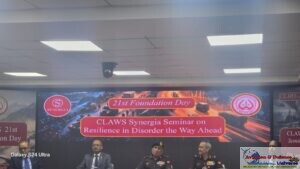
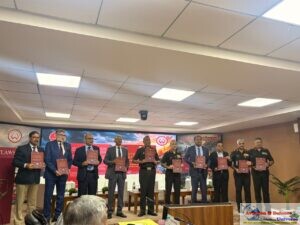
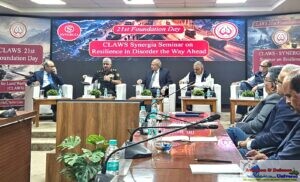
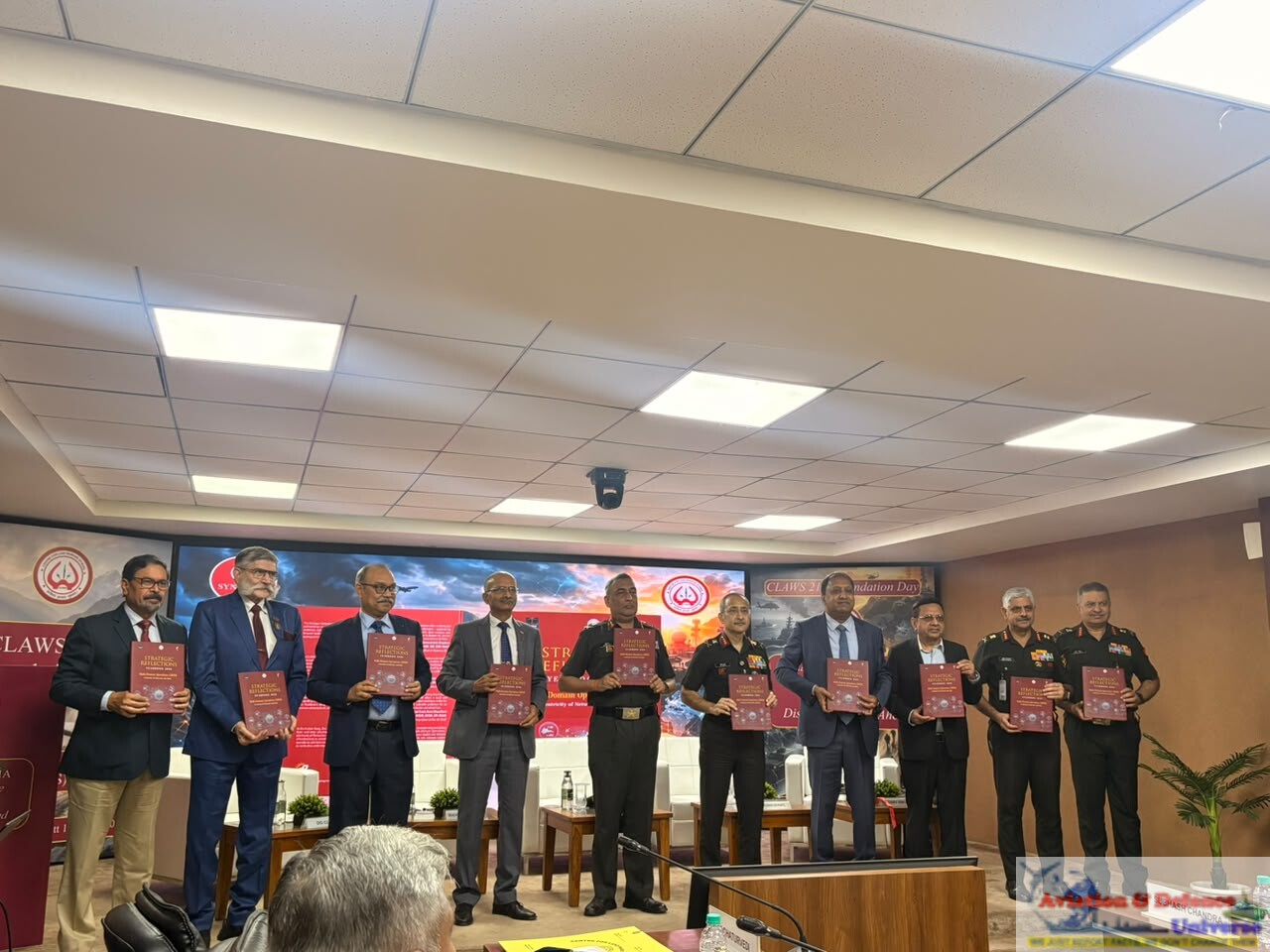
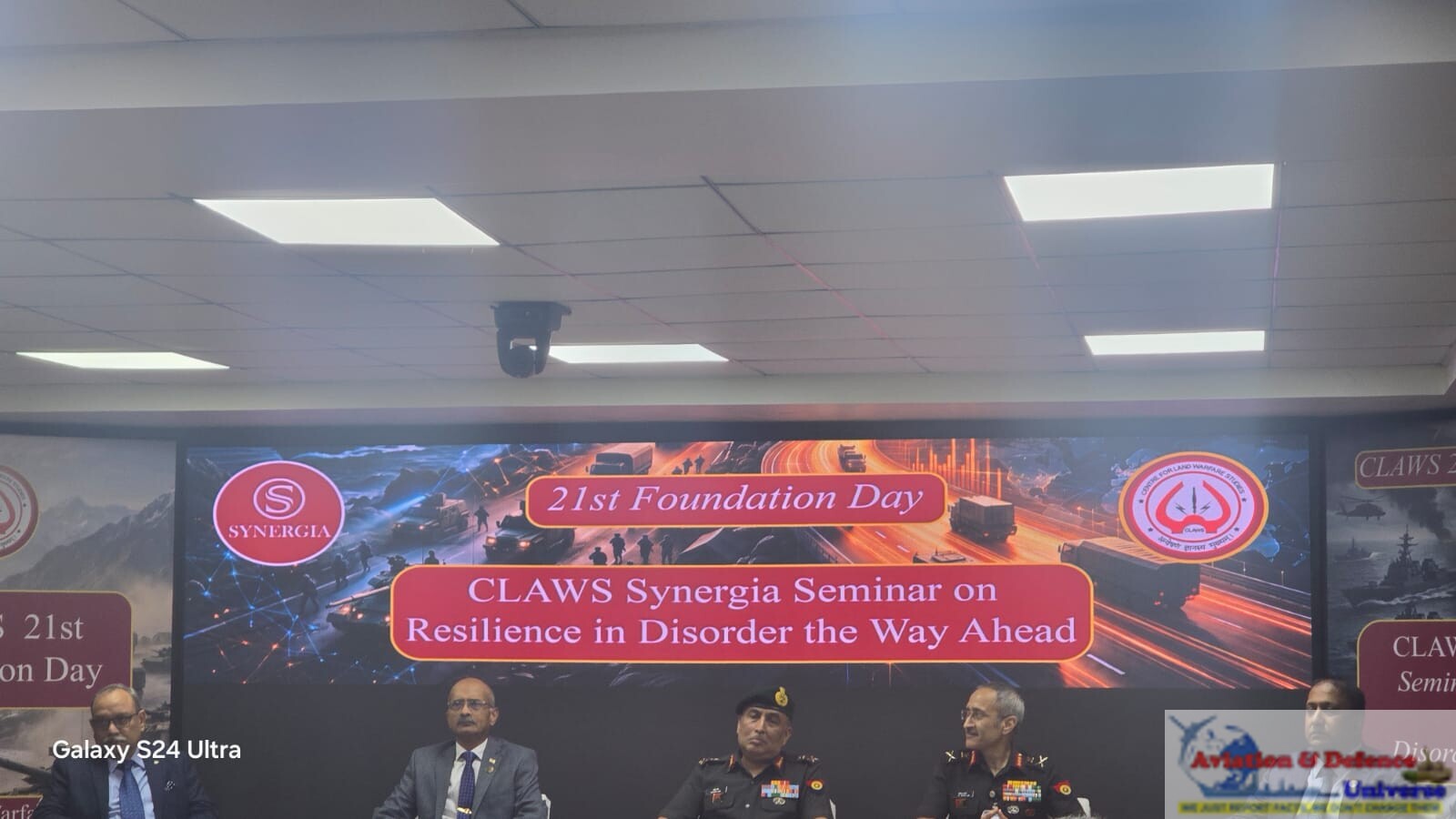
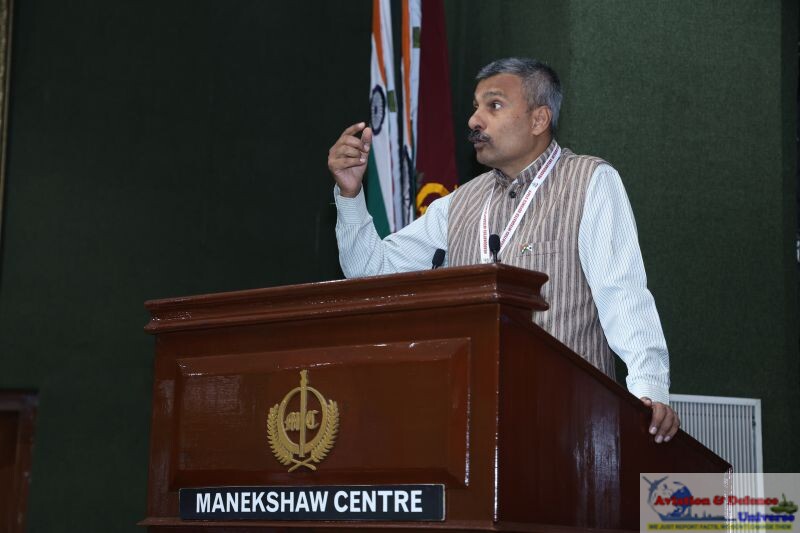
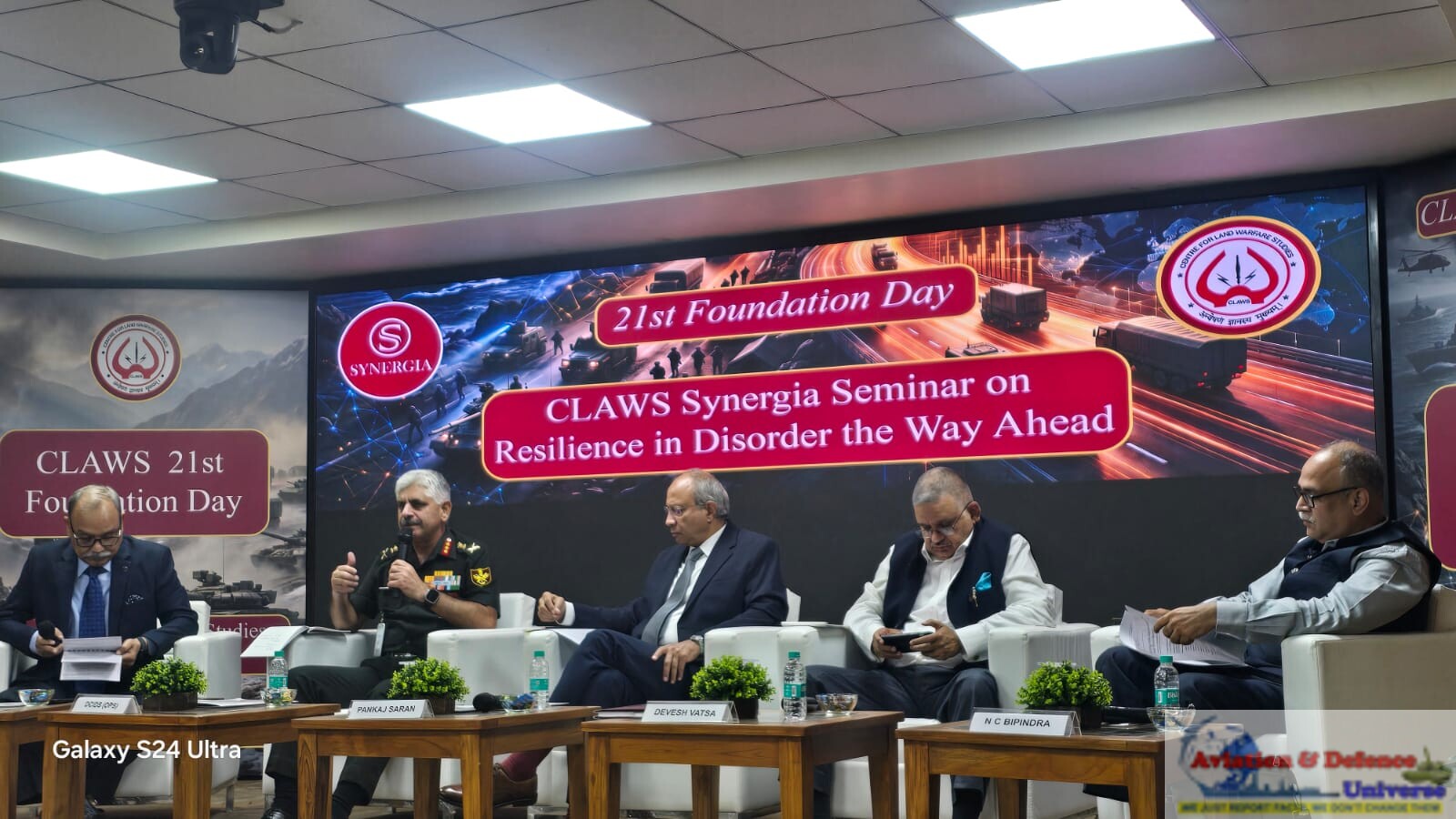
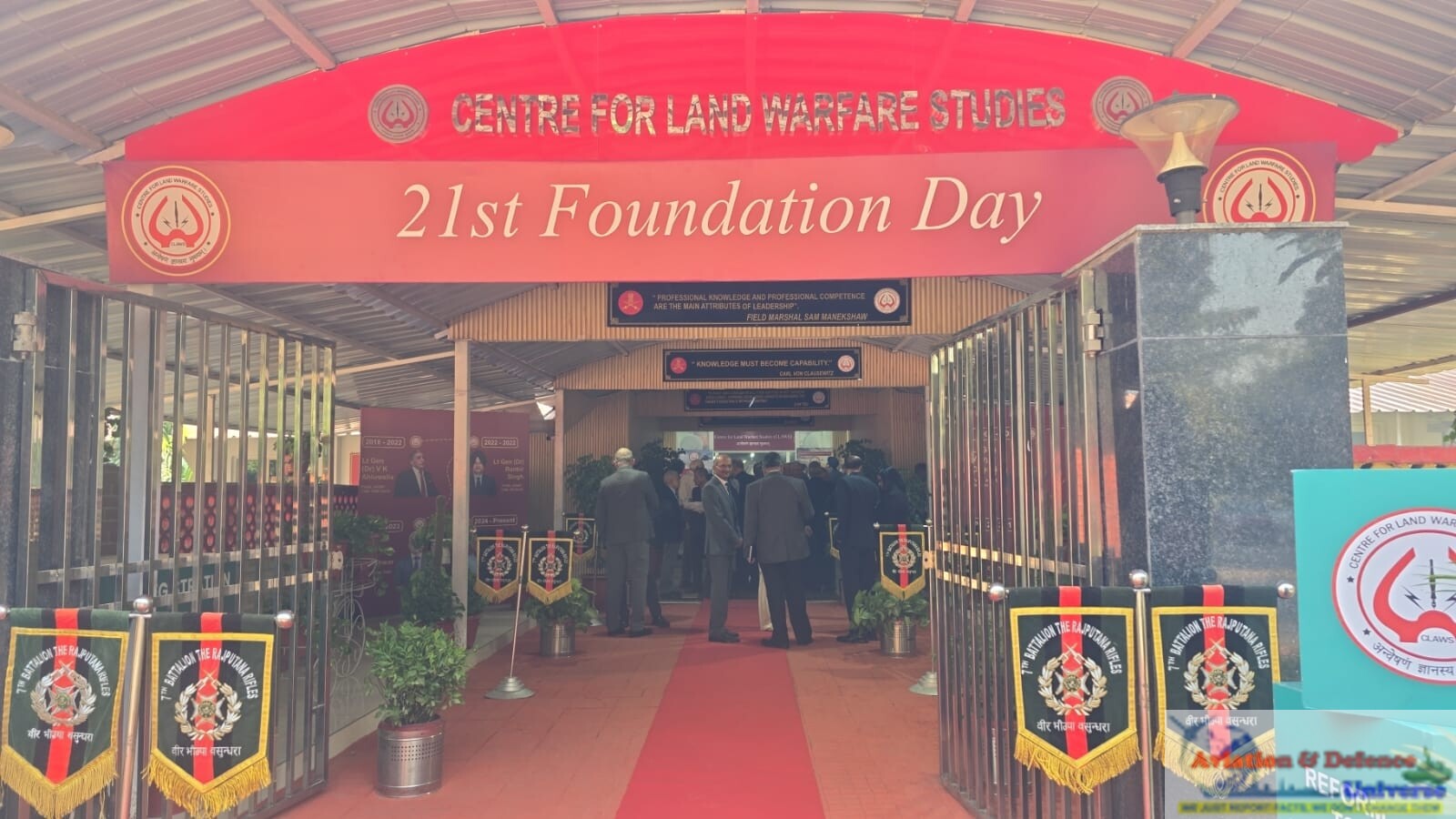
New Delhi. 18 November 2026. The next war may not begin with a missile launch, a tank crossing a border or an aircraft violating sovereign airspace. It could begin with a semiconductor supply chain being severed, a satellite communication network being disabled, a financial system being paralysed or a critical technology being switched off remotely. And when the shooting finally starts, the battle may already have been lost in the invisible domains of economics, information and technology. This unsettling reality dominated the panel discussion at the 21st Foundation Day Seminar of the Centre for Land Warfare Studies (CLAWS), where military commanders, a former senior diplomat, an air power expert and a defence journalist examined whether global disorder was becoming permanent and whether India possessed the strategic, economic, technological and military resilience to navigate it.
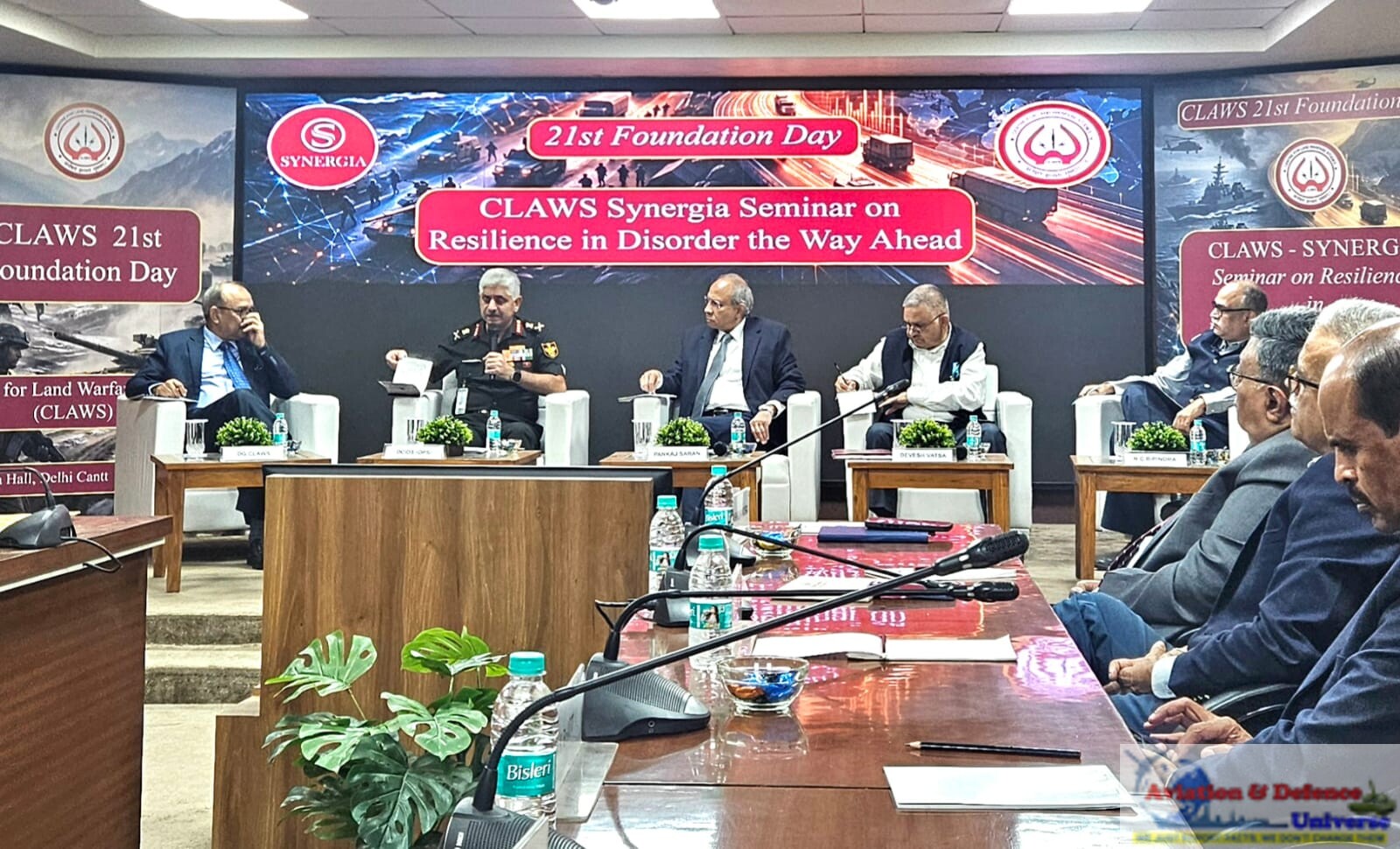 The discussion was not merely about preparing for the next conflict. It was about understanding a world in which conflict no longer necessarily begins or ends, deterrence is increasingly contested, interdependence can be weaponised and military power alone cannot guarantee national security. The panel questioned long-held assumptions about short wars, sequential threats, reliable international partnerships and the distinction between military and civilian targets. It also confronted an uncomfortable proposition: India’s rise as a major power will depend as much on the strength of its economy, control over critical technologies and coherence of its national security architecture as on the combat capability of its armed forces.
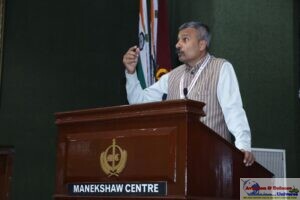
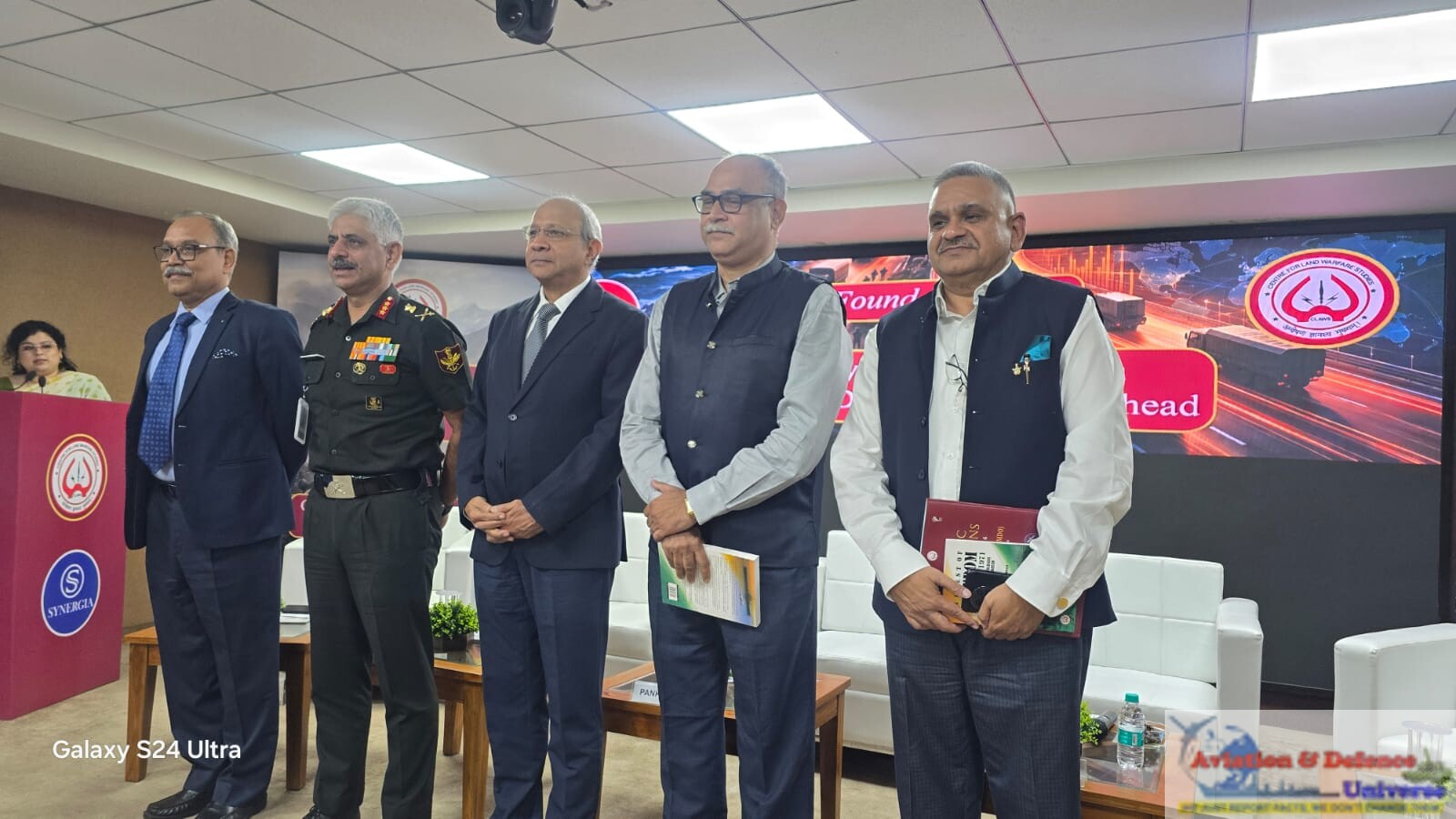
Moderated by Lt Gen Dushyant Singh (Retd.), Director General, CLAWS, the discussion brought together Lt Gen Zubin Minwala, Deputy Chief of Integrated Defence Staff (Operations); Ambassador Pankaj Saran, former Deputy National Security Advisor; Air Marshal Devesh Vats; and defence journalist N. C. Bipindra. The panel was part of the seminar’s larger examination of living with global disorder and building resilience in a world where strategic competition, military coercion and economic confrontation increasingly overlap.
Multipolarity Does Not Automatically Mean Multilateralism
Setting the context, Lt Gen Dushyant Singh described the contemporary international environment as deeply fractured, with competing pressures pulling the world towards unipolarity, bipolarity, multipolarity and multilateralism. He questioned the assumption that the emergence of several centres of power would necessarily produce a more cooperative international system. “Being multipolar doesn’t mean that you are naturally multilateral,” he observed.
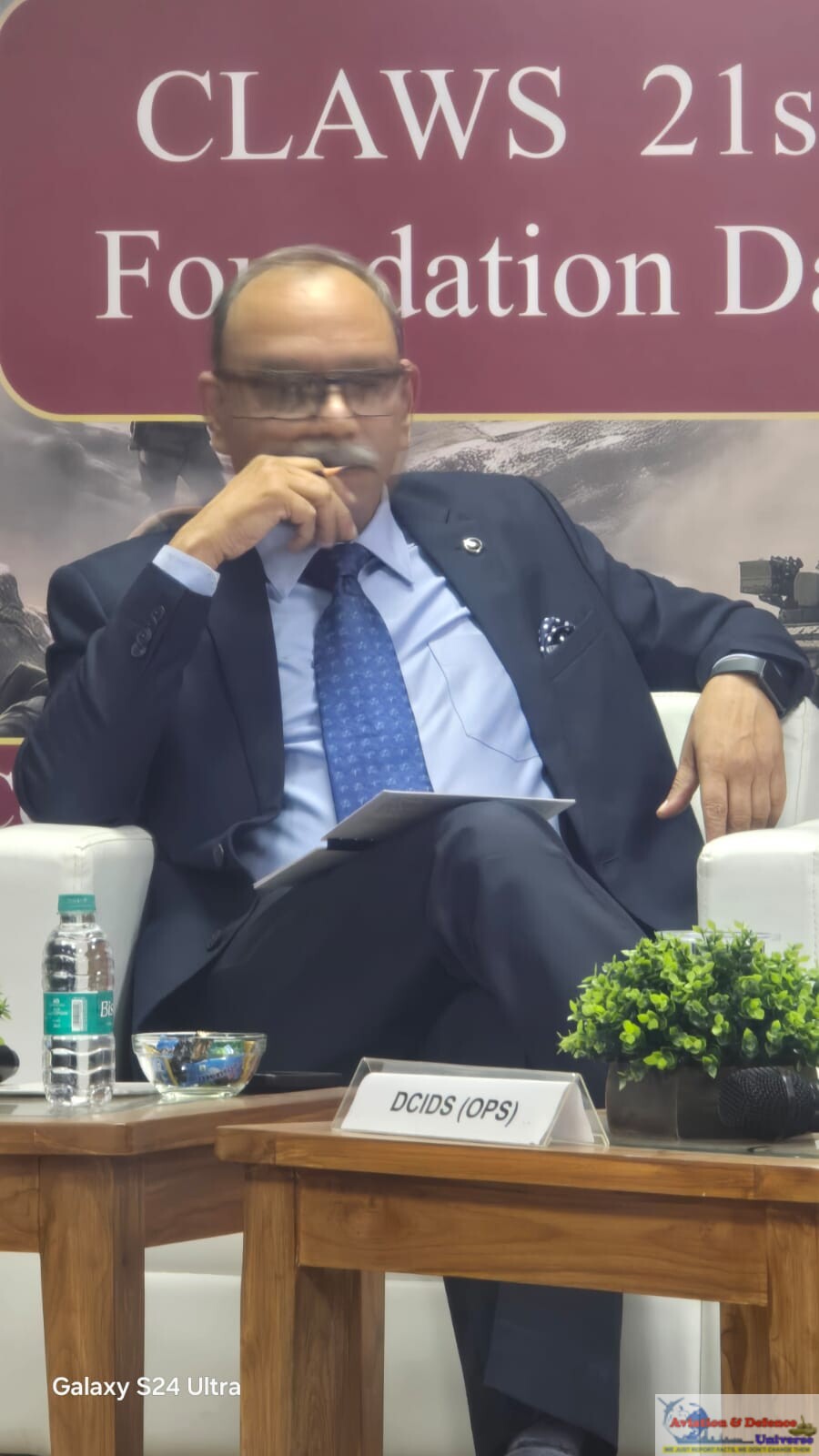 The distinction was significant. While power was becoming more widely distributed, international institutions were weakening, relationships were becoming increasingly transactional and major powers were pursuing their own strategic and economic interests. He pointed to the contradictions confronting India as it attempted to maintain strategic autonomy while engaging with competing global powers.
Countries were increasingly turning towards bilateral and regional trade arrangements even as established multilateral institutions faced challenges.He questioned whether India could maintain productive relationships with the United States, Russia, China and other important international partners without compromising its national interests.
The moderator also drew attention to the growing importance of economic security, technological dependence, military preparedness and the changing character of deterrence. He suggested that the traditional assumption of short, swift and decisive wars was becoming increasingly difficult to sustain. The emerging strategic environment demanded a reassessment of how India understood conflict, planned its military operations and protected its economic and technological foundations.
Stop Waiting for the World to Return to Normal
Ambassador Pankaj Saran challenged the very premise that the international system was passing through a temporary period of disorder before settling into a new equilibrium. He questioned which historical period could legitimately be described as an era of international order.
Was it the period following the Second World War? Was it the post-Cold War international system? Or was the idea of a stable global order itself an oversimplification? He argued that policymakers should seriously consider the possibility that the present geopolitical turbulence could continue for a prolonged period. His assessment was shaped partly by recent interactions in Washington, where he had observed deep political divisions between Democrats and Republicans.
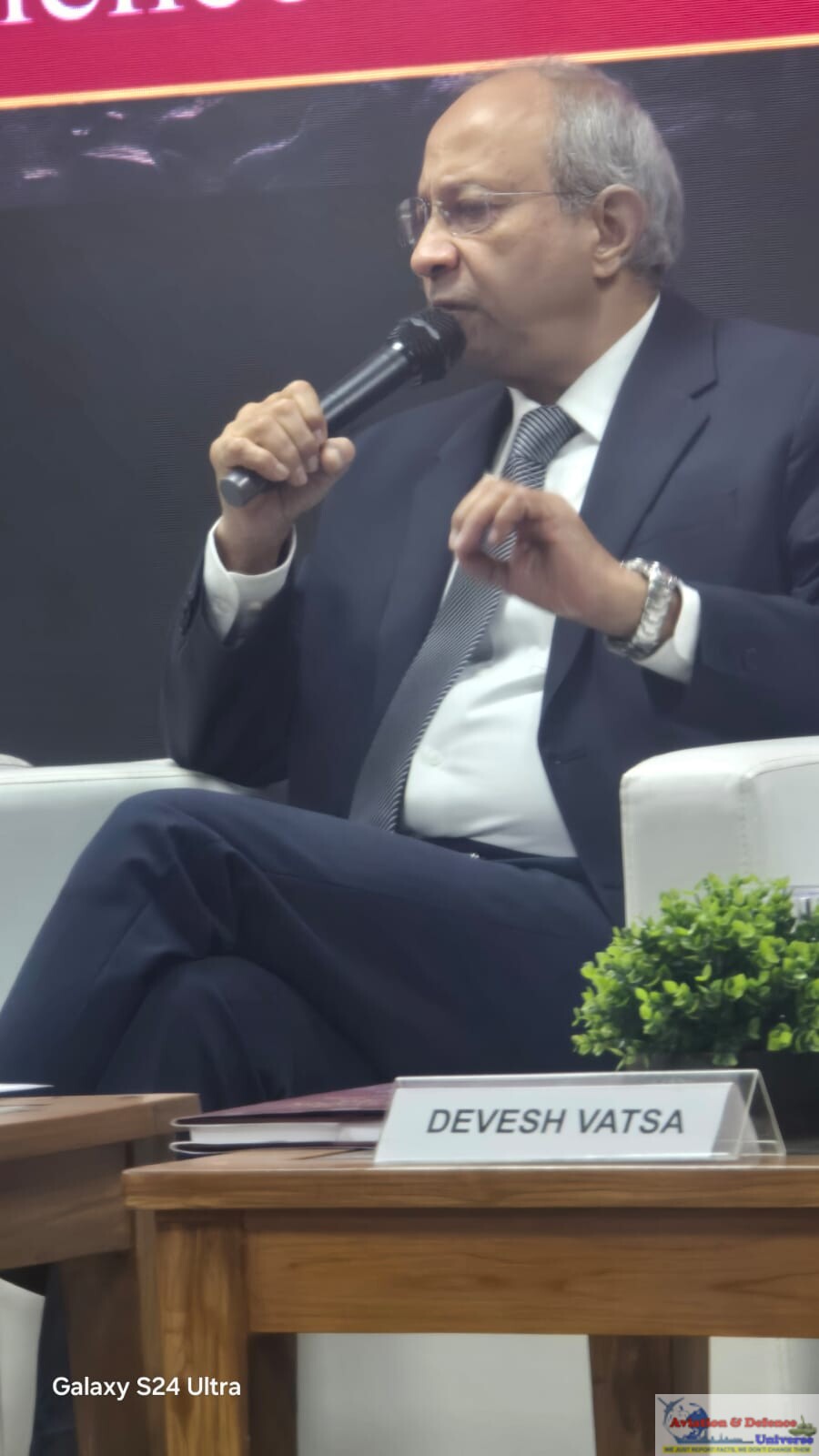 He noted that American foreign policy could change significantly depending on the outcome of future elections, particularly in relations with Europe, Russia and China. For India, the danger lay in building long-term strategies around the personality or policies of any single American president. Instead, he advocated preparing for several possible international scenarios.
“Do we just sit and wait for what Trump is going to do tomorrow? Or do we prepare ourselves for different scenarios with different probabilities about how the world will arrange itself?” he asked. India, he argued, needed to avoid becoming permanently reactive to developments in Washington, Beijing or Moscow.
Ambassador Saran defended India’s practice of maintaining relationships with competing powers. What might appear from outside as ambiguity or an unwillingness to choose sides was, in his assessment, a rational response to international uncertainty. He acknowledged that different observers might describe this approach as hedging or multi-alignment. However, the essential principle was that India could not afford to discard valuable international relationships when the future behaviour of major powers remained uncertain.
We Are Living in a World at War
Lt Gen Zubin Minwala offered a distinctly military interpretation of global disorder. He rejected the idea that the world was simply moving through a transitional corridor towards a more stable international system. Instead, he argued, countries were already operating within an environment of persistent disorder. “We are sitting in a room which is a world of disorder, and it’s not going to reorder very soon,” he stated. Referring to international conflict data, he highlighted the large number of ongoing armed conflicts and the increasing normalisation of military force as an instrument of state policy.
He characterised the present environment as a shift from the era of world wars towards a condition resembling a world at war. His central argument was that force was becoming routine, established safeguards were weakening, interdependence was being weaponised and technological developments were making lethal capabilities more accessible.
Conflict was no longer necessarily an isolated event with a clearly defined beginning and end. It was increasingly a continuum involving military pressure, economic coercion, cyber operations, information warfare and other instruments of national power.One of Lt Gen Minwala’s most important contributions was his distinction between deterrence and resilience. Traditional deterrence seeks to persuade an adversary not to undertake a hostile action and Resilience, by contrast, demonstrates that even if the adversary acts, the intended result will not be achieved.
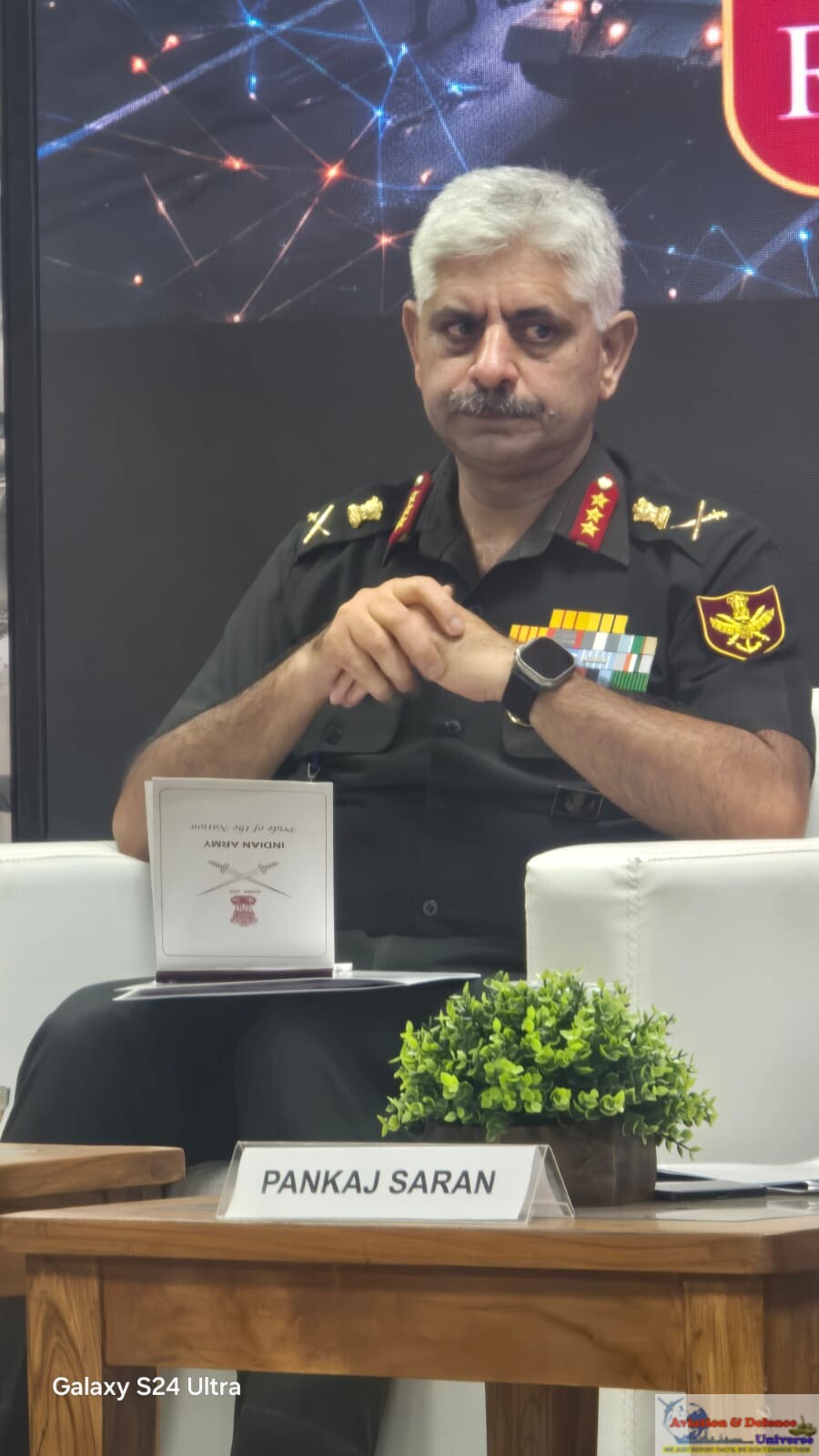 He explained, “Deterrence basically is when you try to persuade the enemy not to try anything funny. And resilience is when you persuade the adversary that what you try will not succeed.” This distinction had major implications for India’s defence planning. The armed forces could no longer assume that deterrence would always prevent conflict or that military confrontation would remain confined to a single theatre. Instead, the country needed the ability to absorb disruption, continue functioning and regenerate military and economic capabilities.
He emphasised that resilience involved not only military stockpiles but also the capacity of domestic industry to increase production rapidly when required. “Today, resilience is not about how much ammunition you store in your bunkers. It is about what is the industrial surge you can produce to create that when it is required,” he stated. The implication was that industrial capacity had become an integral component of military preparedness.
Lt Gen Minwala warned that India’s military planning needed to account for the possibility of coordinated threats from China and Pakistan. He argued that the northern and western security challenges could no longer be treated as entirely independent or sequential. “Threat is collusive, continuous, and it is in a multi-domain environment,” he observed. Importantly, he explained that collusivity did not necessarily mean Chinese and Pakistani soldiers simultaneously appearing on India’s borders. It could involve intelligence sharing, surveillance, targeting assistance, technological support and coordinated pressure across different operational domains.
He referred to Pakistan’s access to Chinese space-based intelligence, surveillance and reconnaissance capabilities as an example of the wider implications of strategic cooperation between India’s adversaries. Such cooperation could strengthen Pakistan’s military capabilities without requiring direct Chinese participation in a conventional conflict. For Indian planners, the danger was assuming that one front would remain inactive while the other became operational. Lt Gen Minwala questioned the assumption that wars would necessarily remain short or that multiple security challenges would emerge one at a time.
He also cautioned against assuming that international partners would automatically provide meaningful assistance during a crisis. Diplomatic statements and expressions of support might not translate into operational capabilities or material assistance. The military therefore needed to plan for simultaneous contingencies while maintaining the capacity to sustain prolonged operations.
Theatre Commands: An Operational Necessity, Not an Administrative Exercise
 Lt Gen Minwala placed military integration and theatre commands at the centre of India’s future preparedness. He argued that the increasingly interconnected nature of conflict required unified planning and coordinated operational command. “Integration is the future,” he stated, emphasising the importance of jointness and theatre-level command arrangements.
During the subsequent discussion, he returned to the subject when asked whether changes in military structure were sufficient to address India’s emerging challenges. His response was categorical about the need for integration but more nuanced about structural reform. “Is theatre command and integration required? 100% yes. It is a need of the hour,” he said. He described theatre commands as an operational necessity rather than merely an administrative requirement. Simultaneous crises across multiple domains demanded a coherent operational chain of command. However, he also warned that restructuring alone would not automatically produce effective military integration.
Investment, technological development, self-reliance, common training, mutual trust and shared operational procedures were equally important. “Structures alone don’t guarantee synergy,” he cautioned. The message was that theatre commands had to be accompanied by genuine operational integration and institutional cooperation.
Protecting the National Core: Warfare Is No Longer Confined to the Frontiers
Lt Gen Minwala also expanded the discussion beyond traditional border defence. He argued that the armed forces needed to help ensure that the country’s essential systems continued functioning during conflict. Protecting national security meant safeguarding the economy, critical infrastructure, communications, logistics and other essential services.
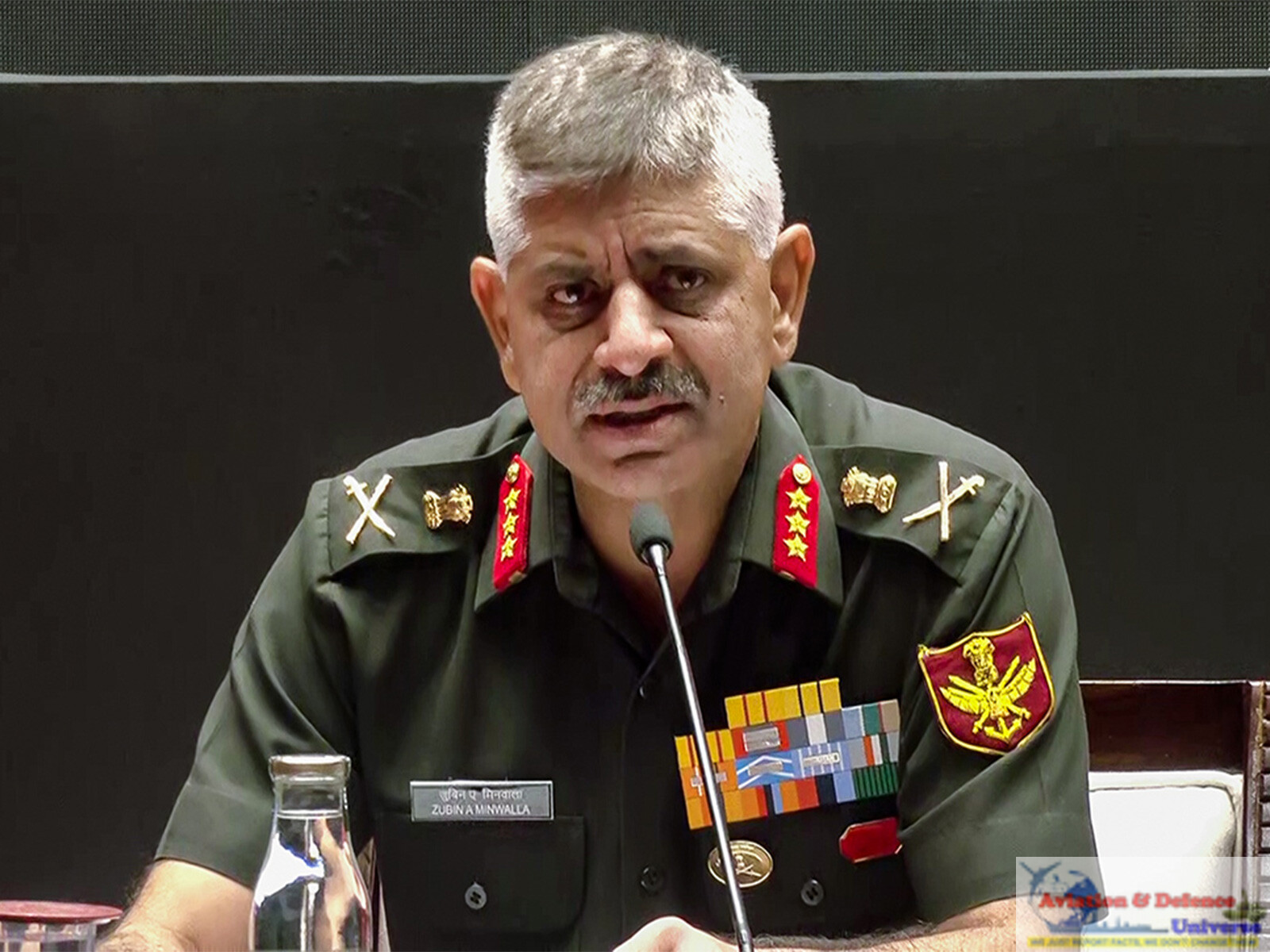 The military’s responsibility could no longer be understood solely in terms of defending the territorial perimeter. It also involved contributing to the protection of the nation’s core functions. He linked this requirement to the concept of a whole-of-nation approach to security. In an era of multidomain warfare, military operations, industrial production, civilian infrastructure and economic continuity were increasingly interconnected. The country’s ability to sustain normal functioning during a crisis could itself become an important determinant of strategic success.
Technology Is No Longer Just a Force Multiplier
Air Marshal Devesh Vats examined the transformation of technology from a supporting instrument of military operations into a central target of warfare. Today, he argued, technology itself had become a battlefield. He drew attention to attacks against satellite communications, power grids, financial networks, data centres and other critical infrastructure.
These systems were attractive targets because they supported both civilian life and military operations. Disrupting them could weaken a country’s ability to conduct military operations before conventional hostilities even began. He observed that the objective of attacking critical technological infrastructure was often to reduce a country’s capacity to make decisions, mobilise resources and sustain operations. The cognitive domain was also under attack, he warned. By undermining public confidence, disrupting essential services and creating uncertainty, adversaries could weaken national resilience without necessarily engaging in direct conventional warfare.
The War Could Be Decided Before the First Bullet Is Fired
Air Marshal Vats argued that the timing and selection of attacks on critical infrastructure could produce consequences far beyond the immediate military environment. He referred to attacks on Ukraine’s energy 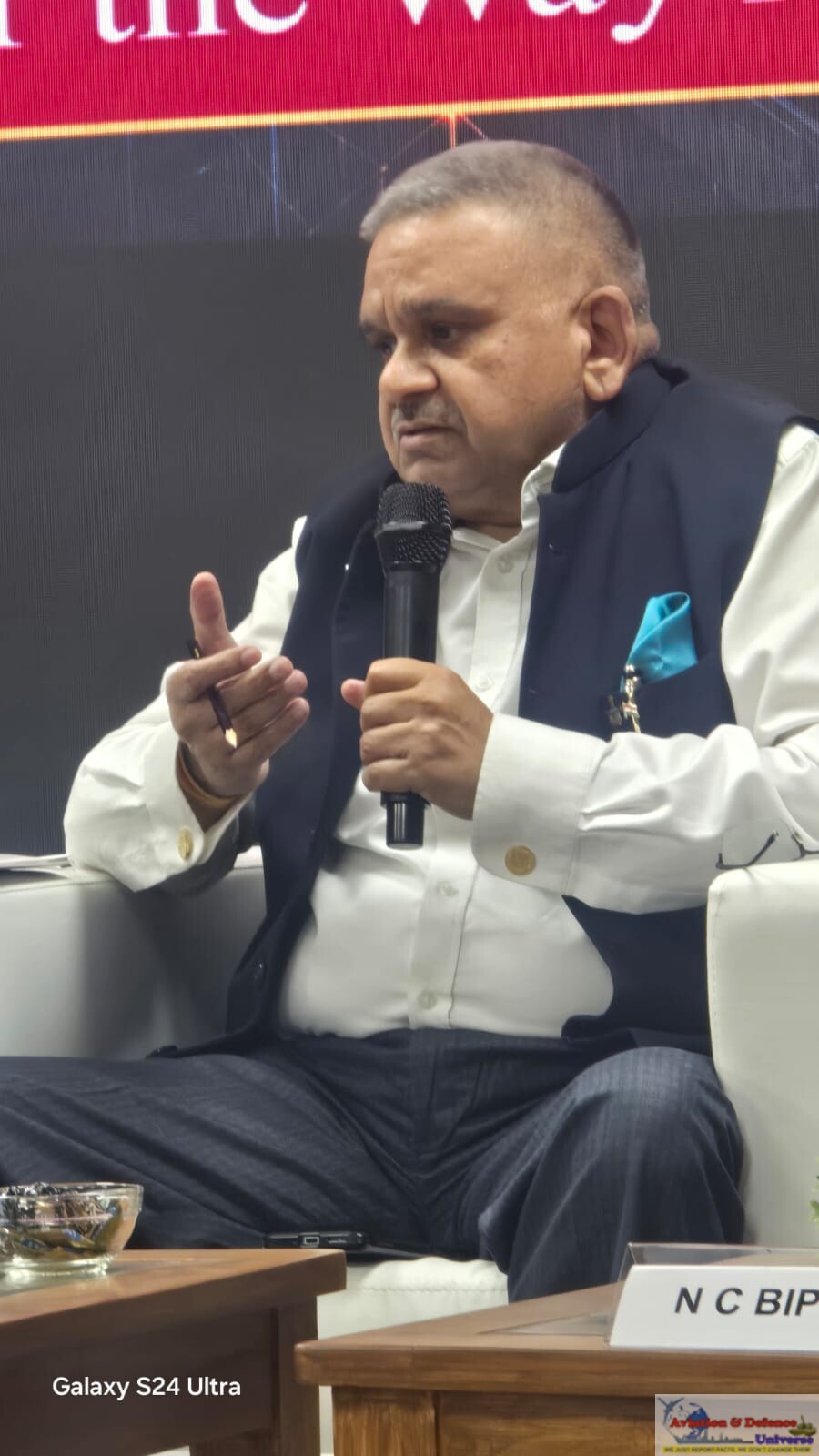 infrastructure and the difficulties created when electricity supplies were disrupted during winter. Such attacks affected civilian populations, public confidence and the ability of governments to maintain essential services. The strategic objective was not simply physical destruction. It was also to undermine morale, disrupt decision-making and weaken the state’s ability to function. “Before the first bullet is fired in the war, the capability of the country to go to war itself is reduced,” he observed. His remarks illustrated how the distinction between civilian and military infrastructure was becoming increasingly blurred.
Electricity networks, satellite systems, telecommunications infrastructure and financial services could all become strategically important targets. Consequently, national preparedness needed to include the protection and rapid restoration of these systems.
Air Marshal Vats also highlighted the risks arising from dependence on foreign-controlled technologies. He referred to semiconductors, communication systems, software and satellite-based services as examples of critical capabilities whose availability could be influenced by external actors. The issue was not merely whether a country possessed advanced technology. The more important question was whether it controlled that technology.
The China Rare Earth Challenge: When Dependence Becomes Leverage
N C Bipindra used China’s dominance in rare earth processing and export controls to illustrate how economic dependencies could become instruments of strategic pressure. He referred to China’s export restrictions introduced in 2025 and their impact on international economic negotiations.
 He argued that the concentration of critical mineral processing capacity in China had created vulnerabilities for countries dependent on these materials. India, too, faced significant dependence on Chinese rare earth supplies and processing capabilities.
He referred to estimates indicating a high level of Indian dependence and highlighted government initiatives intended to strengthen domestic capabilities, including schemes relating to rare earth permanent magnets. The challenge was not simply access to raw materials. It also involved processing capacity, manufacturing technology, industrial investment and the development of secure supply chains.
Bipindra summarised his argument by distinguishing ordinary interdependence from excessive reliance on a single supplier. “The problem is asymmetric and concentrated dependence on one country,” he explained. He argued that dependence on a single market or strategically hostile supplier could become a serious national security vulnerability. His intervention reinforced the wider panel’s conclusion that economic security required diversification, industrial capability and careful management of international relationships.
India Must Build the Power to Say No, the Capacity to Endure and the Freedom to Choose
The CLAWS panel discussion delivered a warning that was as uncomfortable as it was necessary. India’s future security challenges will not arrive neatly labelled as military, economic, technological or diplomatic crises. They will overlap, reinforce one another and test the country’s ability to respond simultaneously across several domains. A border confrontation could coincide with economic coercion. A diplomatic crisis could trigger supply-chain disruption. A cyberattack could weaken military communications. And a conflict thousands of kilometres away could threaten India’s energy security, industrial production and economic stability.
 Their arguments converged on one fundamental principle: strategic autonomy cannot be sustained by diplomatic declarations alone. It must be underwritten by military capability, economic strength, technological control, industrial resilience and coherent national decision-making. For India, the challenge is therefore not simply to acquire more weapons, sign more partnerships or develop more technologies. It is to build a national security ecosystem in which these capabilities reinforce one another and remain available when they are needed most. The future battlefield may begin long before the first shot is fired. The decisive vulnerability may lie not at the border but in a factory, a satellite link, a semiconductor supply chain or a financial network. And the greatest danger may not be an adversary’s ability to strike India, but India’s inability to act independently when the strike comes.
In a world where economics is ammunition, technology is terrain and information is a weapon, India’s strongest defence will be the resilience of the nation itself. The message from CLAWS was clear: India must prepare not merely to fight the next war, but to remain strong, sovereign and operationally independent before, during and long after it.