
 Israel and Morocco Deepen Defense Cooperation: Israel MOD Director General Leads Delegation to Morocco to Strengthen Defense Ties







- Disorder Is the New Normal: Indian Army Calls for Resilience in a Weaponised World
- Two Unsettled Borders, One Turbulent World: CLAWS Debates India’s Strategic Autonomy
- Resilience Is the New Deterrence: Indian Army’s Strategic Thinkers Look Beyond Global Disorder
By Sangeeta Saxena
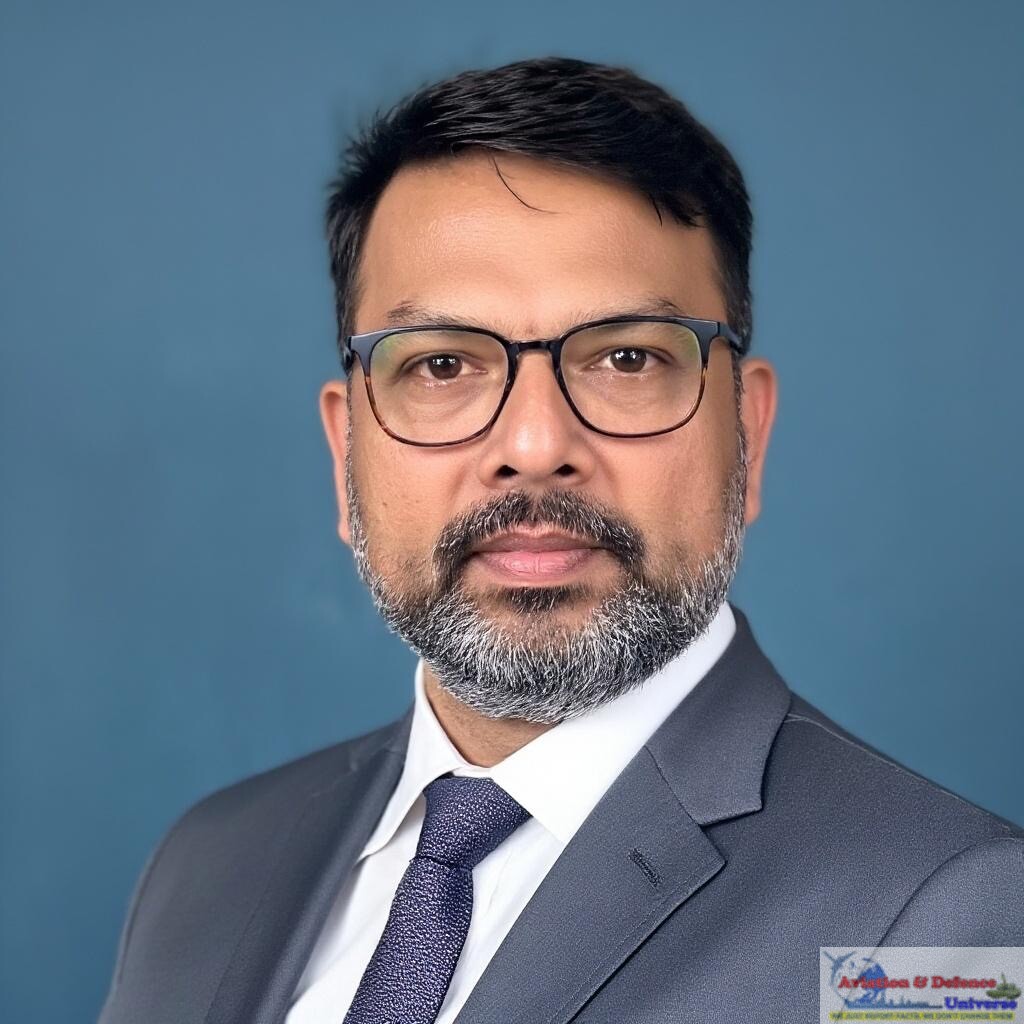
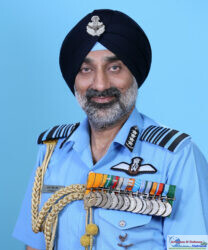
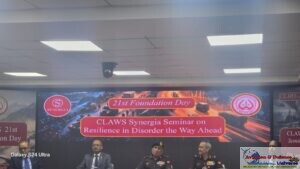
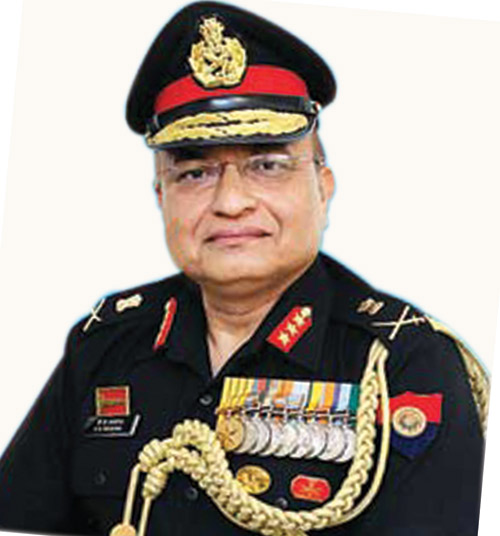
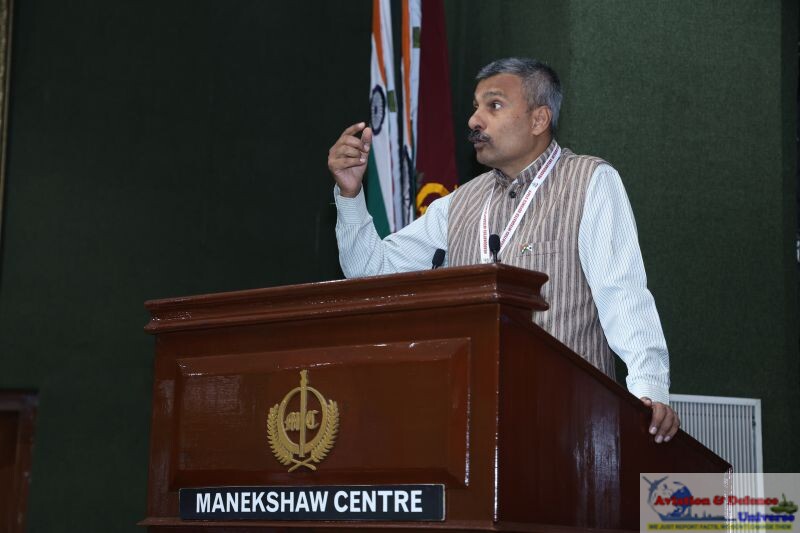
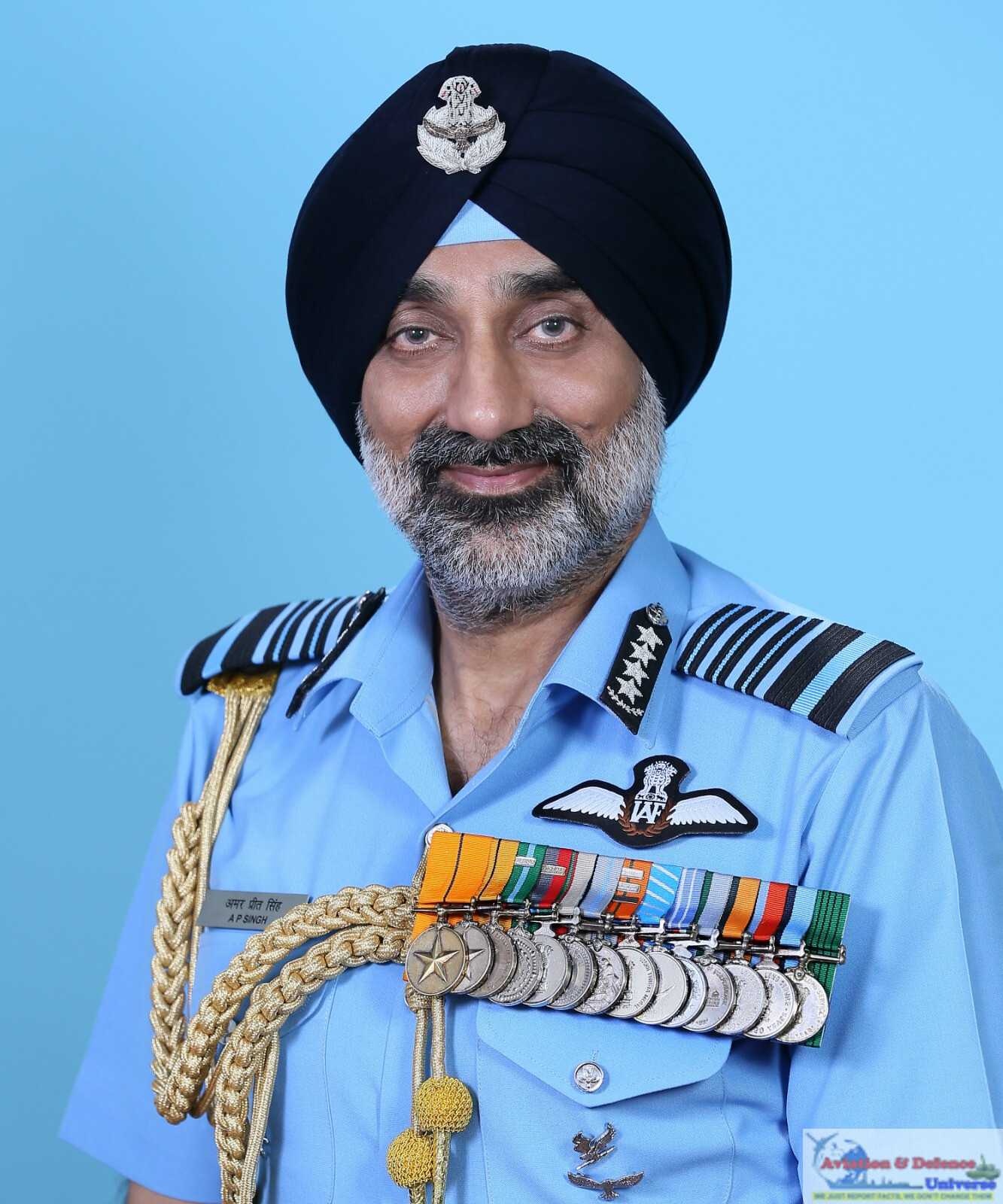
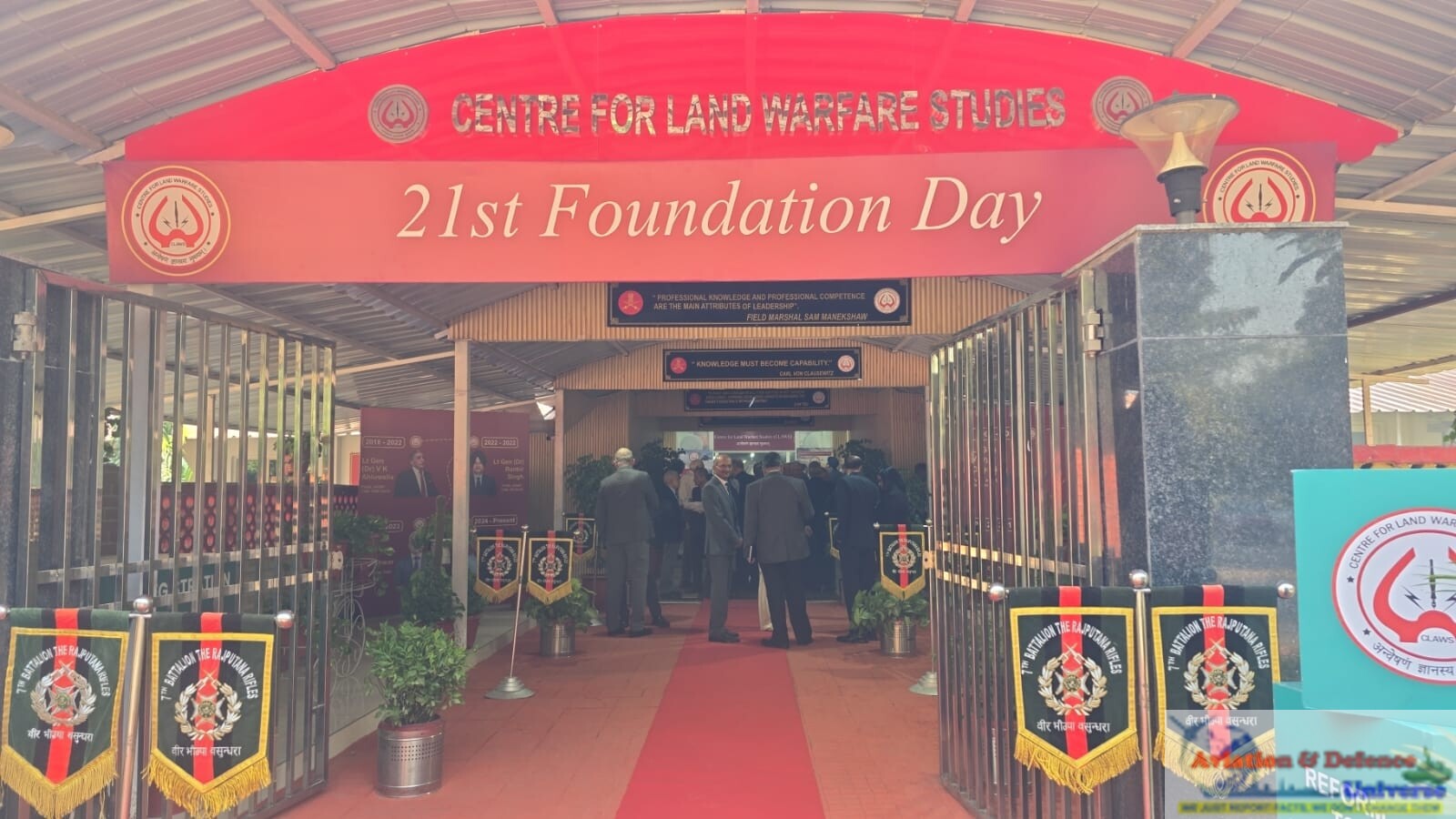
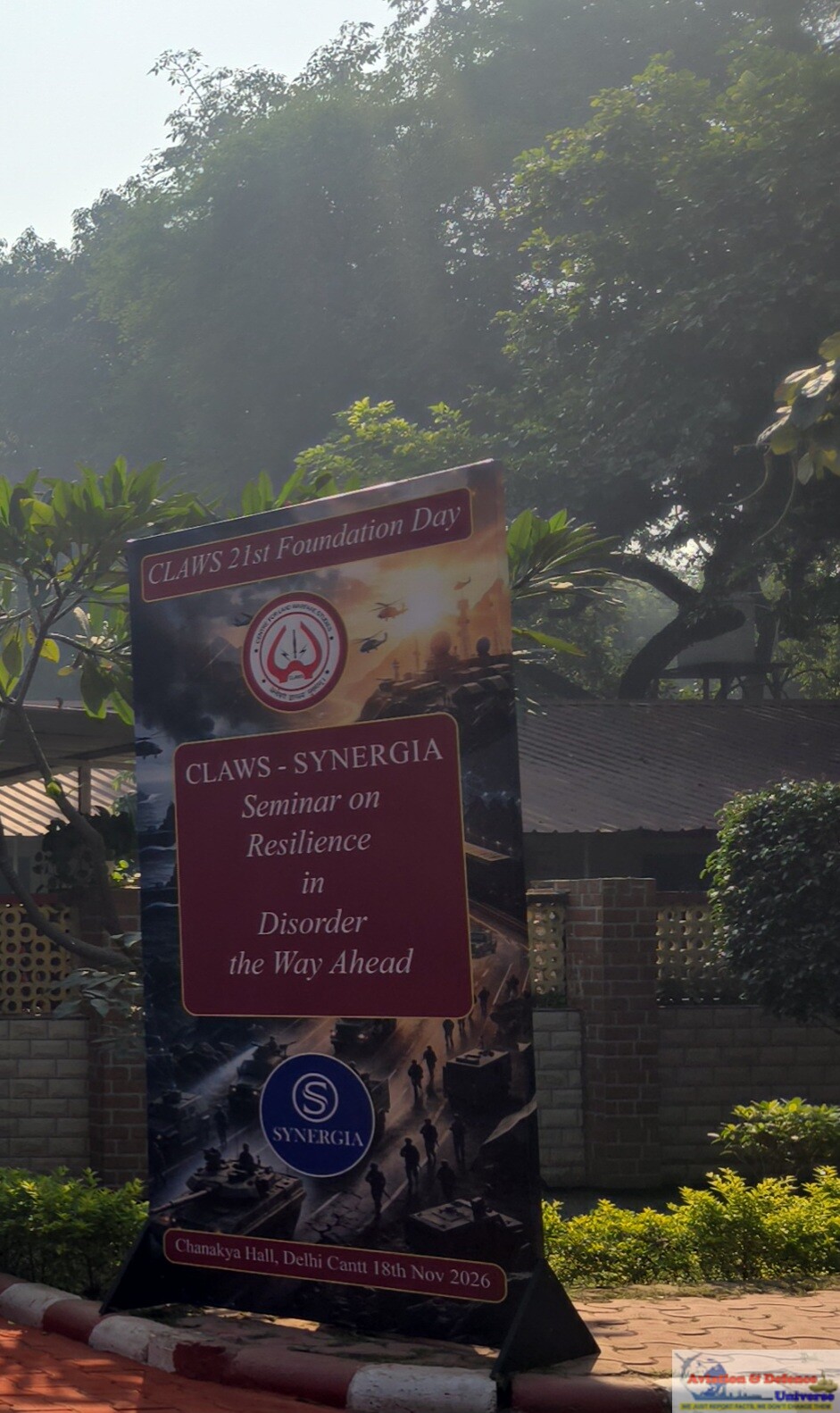
New Delhi. 18 November 2026. “We cannot wait for calm, we must be able to function through disruption for as long as it lasts.” With this stark assessment, Vice Chief of the Army Staff Lieutenant General Sandeep Jain delivered a defining message at the inaugural session of the 21st Foundation Day seminar of the Centre for Land Warfare Studies (CLAWS). His warning was unmistakable: the world is no longer moving from one crisis to another in search of stability. Instability itself is becoming the operating environment, and nations that cannot withstand, adapt to and shape this disorder risk surrendering their strategic choices to others.
What happens when trade becomes a weapon, technology becomes a vulnerability, information becomes a battlefield and wars thousands of kilometres away threaten a nation’s energy lifelines? How does India secure its rise in a world where international guarantees are increasingly conditional, adversaries operate across multiple domains and the distinction between peace and conflict is steadily disappearing? And can strategic autonomy survive without domestic industrial capability, diversified supply chains and a military prepared to fight prolonged, multidomain conflicts?
These questions framed the inaugural session of the CLAWS seminar, organised in collaboration with the Synergia Foundation, under the overarching theme of navigating global disorder and building resilience for an uncertain future.
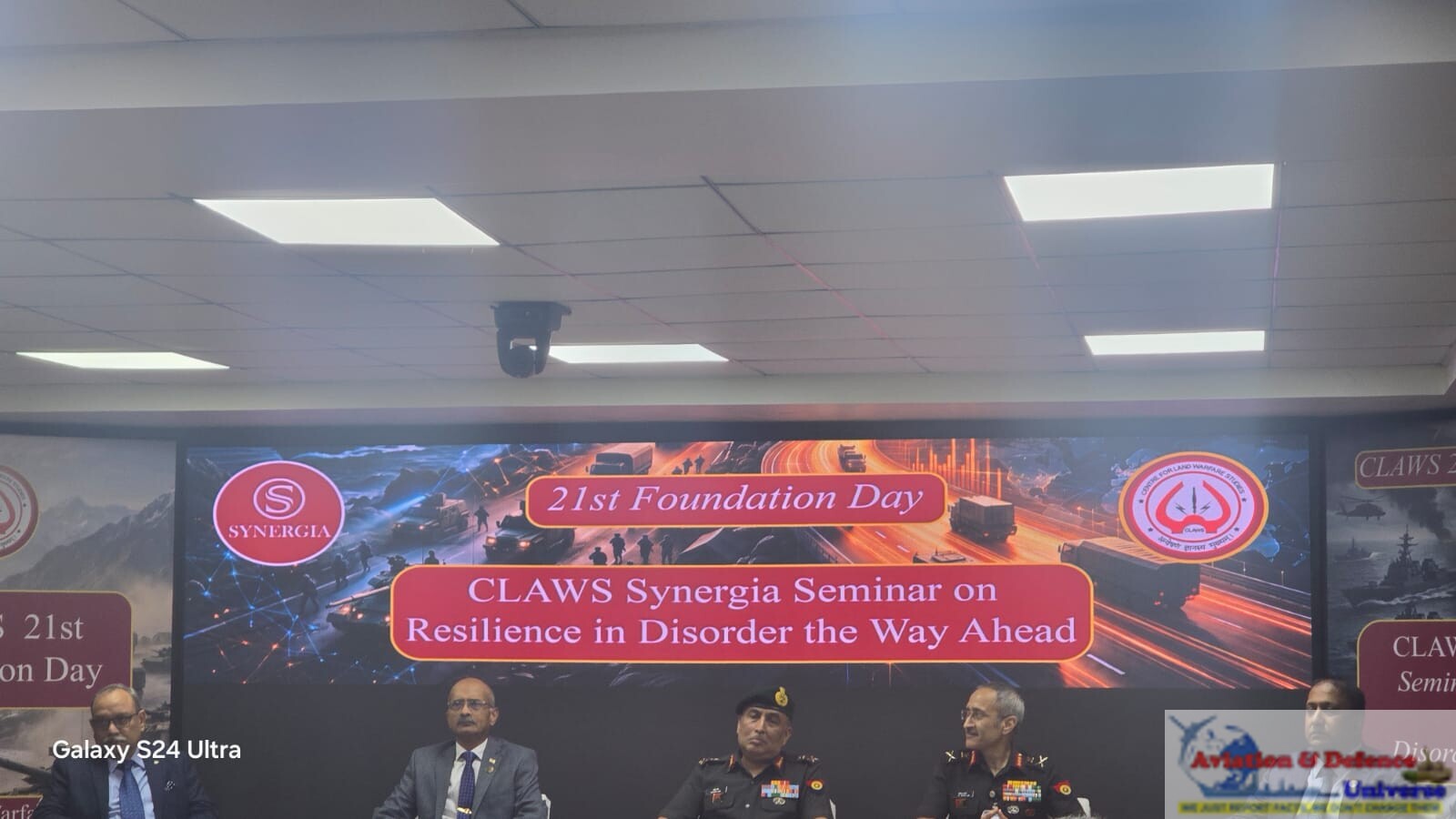
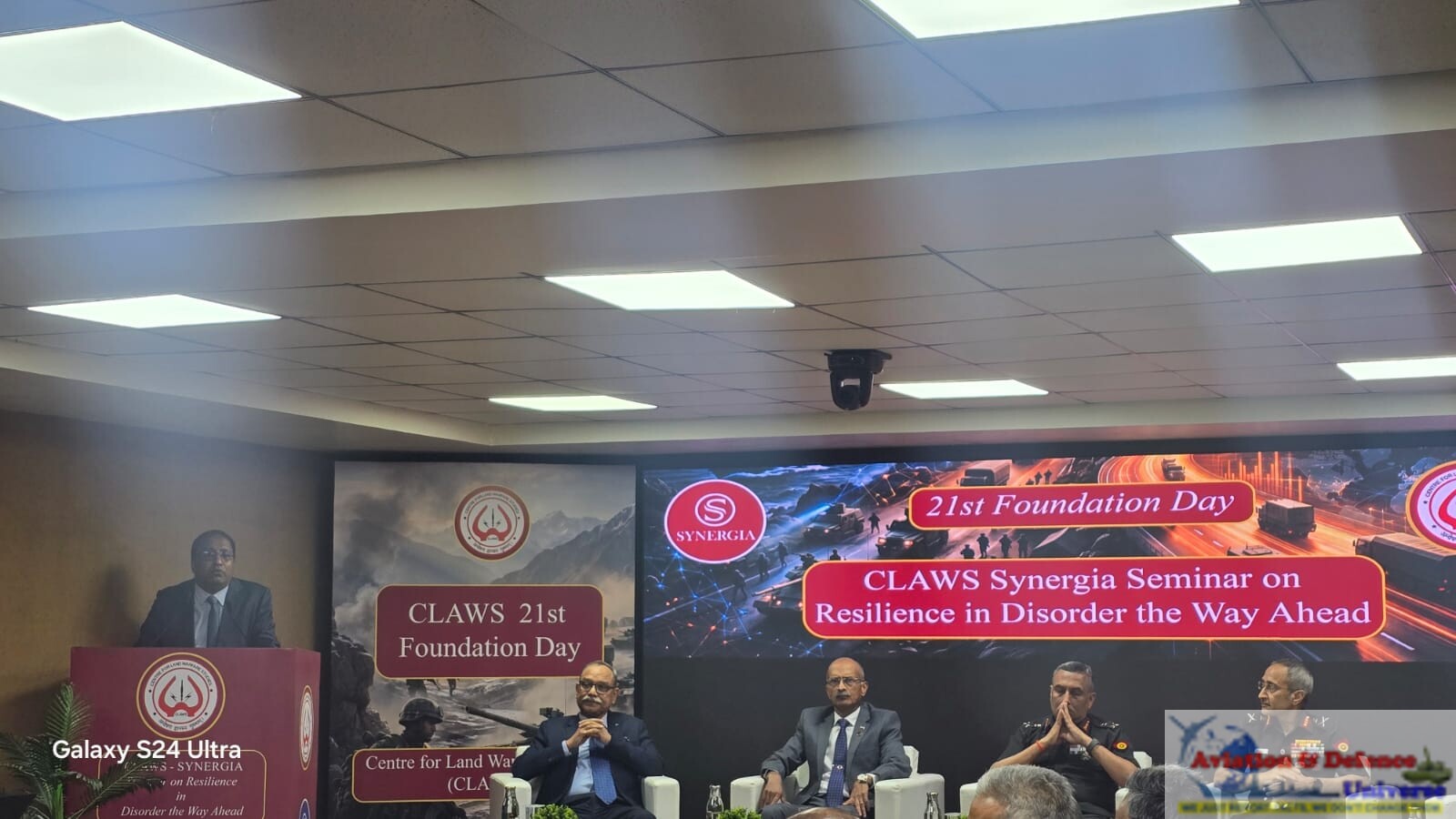
 The session brought together Lt Gen Sandeep Jain, Vice Chief of the Army Staff; Lt Gen Dushyant Singh (Retd.), Director General, CLAWS; Lt Gen Rashim Bali, Deputy Chief of Army Staff (Strategy); Tobby Simon, Founder and President, Synergia Foundation; and Lt Gen M. V. Suchindra Kumar (Retd.), Strategic Advisor to Synergia Foundation.
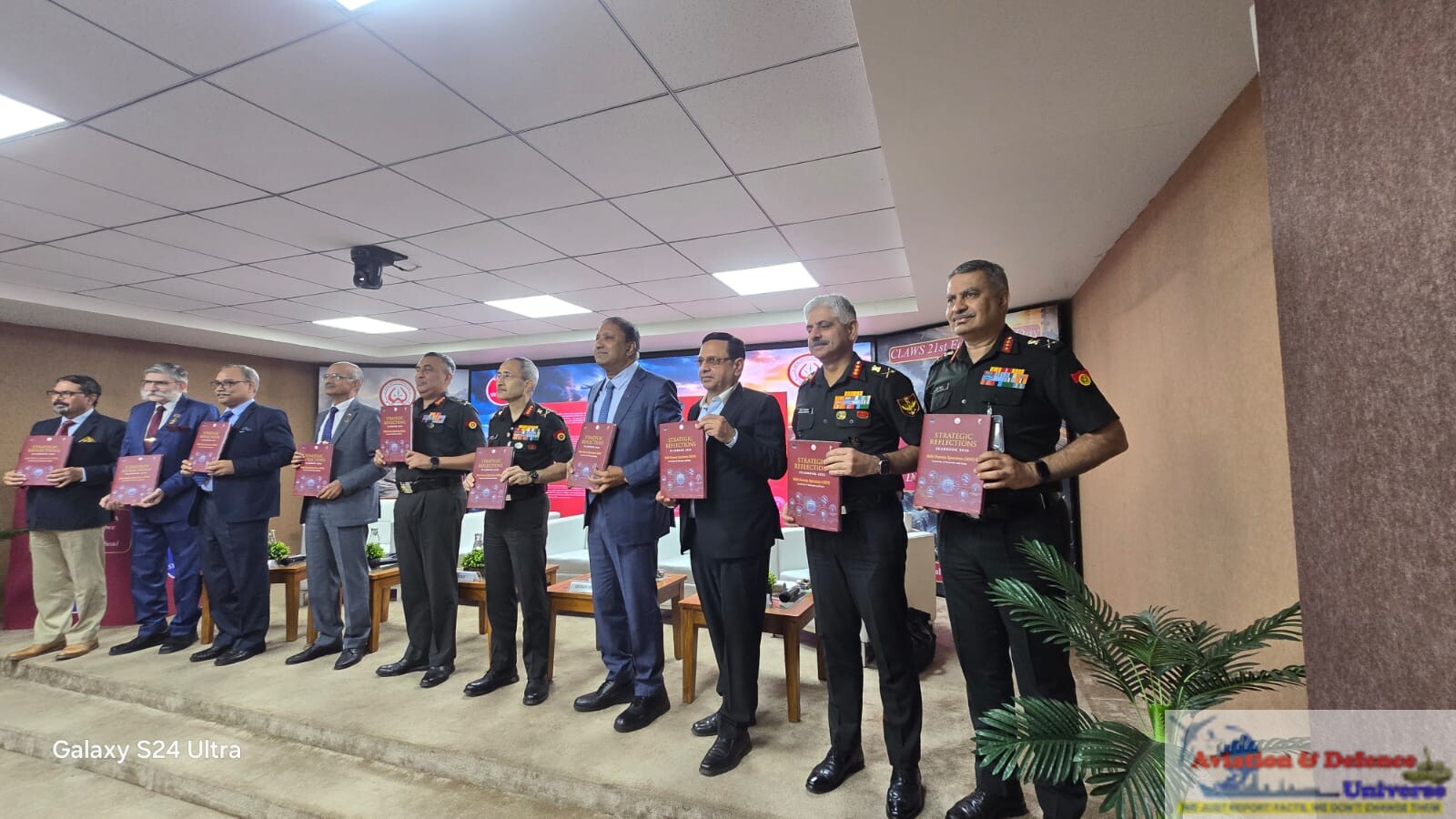
The proceedings included opening addresses by Lt Gen Dushyant Singh and Tobby Simon, followed by the keynote address by Lt Gen Sandeep Jain. A commemorative presentation traced CLAWS’ institutional journey, while the unveiling of the third edition of Strategic Reflections Yearbook 2026 published by Pentagon Press , focusing on multi domain operations, networks and data, marked another milestone.
The discussion went beyond conventional military preparedness. It examined the foundations of national power itself — diplomacy, information, technology, economics, energy security, defence manufacturing and the ability to retain freedom of action in an increasingly unpredictable international system.
Lt Gen Sandeep Jain: Resilience Is No Longer About Recovery
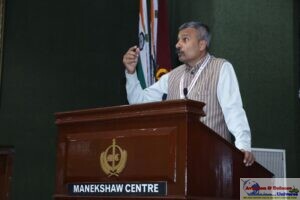
Delivering the keynote address, Lt Gen Sandeep Jain argued that the traditional understanding of resilience had become inadequate for the contemporary strategic environment. In the past, resilience was largely understood as the ability to absorb a shock and return to normal. Today, he suggested, the more important question was whether the old normal would ever return.
The Vice Chief identified three defining characteristics of the present international environment: conflicts that spread beyond their original geography, the prolonged nature of disruption and the weaponisation of national dependencies. A conflict in which India had not fired a shot could nevertheless affect its energy supplies and economic security within weeks. Similarly, trade, technology, finance, energy and essential goods could all be used as instruments of coercion.
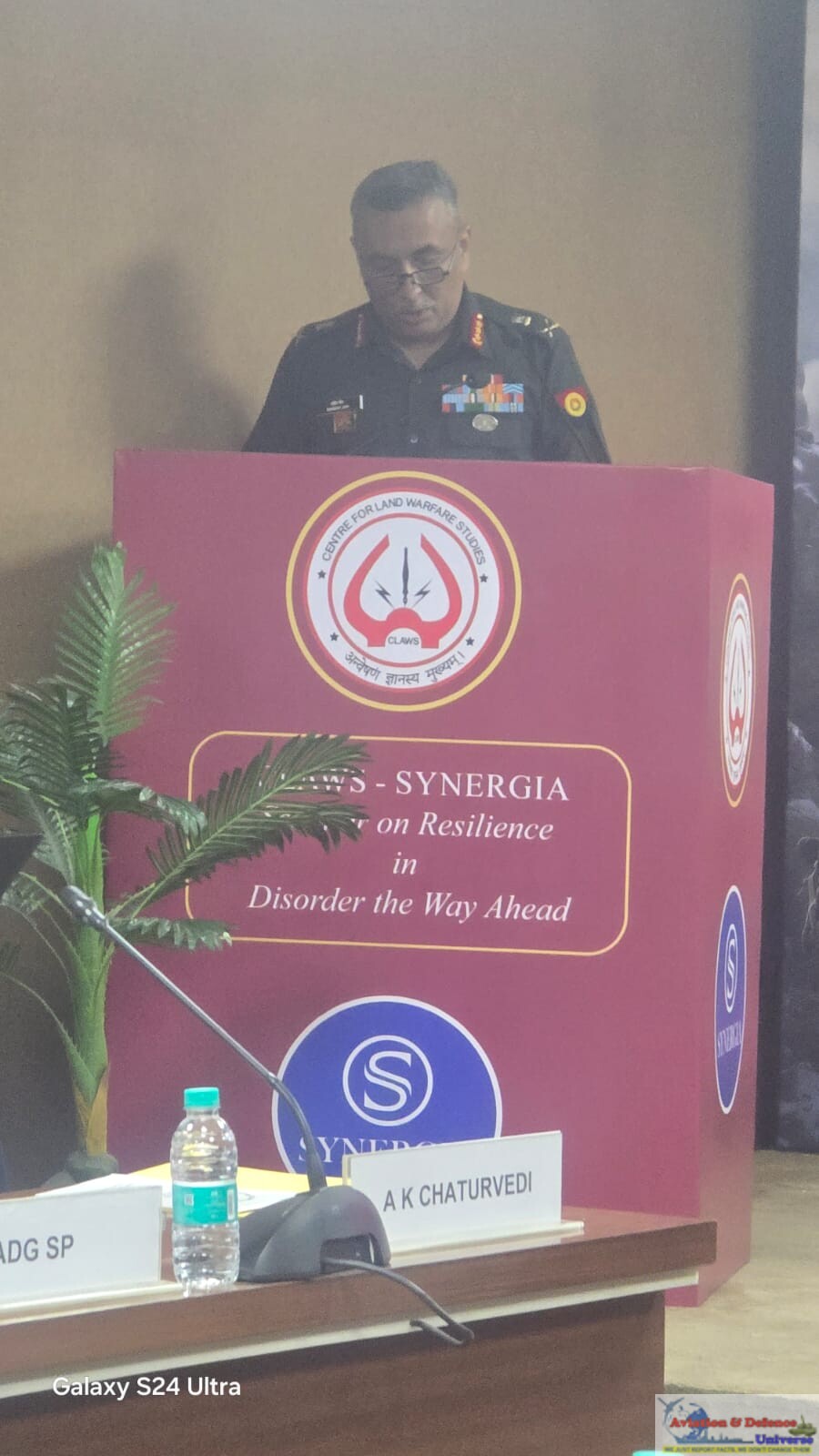 “The demand is that we cannot wait for calm, we must be able to function through disruption for as long as it lasts,” he emphasised. For India, these challenges were particularly significant because of its unsettled borders, the possibility of coordinated adversarial action, the persistent threat of terrorism and its dependence on international supply chains. Referring to External Affairs Minister Dr S. Jaishankar’s observation about India’s rise during an exceptionally turbulent era, Lt Gen Jain argued that the question was no longer when the turbulence would end. The challenge was how India could continue rising within it.
Strategic Autonomy Means Preserving Choices
One of the most significant elements of the Vice Chief’s address was his reinterpretation of strategic autonomy. He explained that resilience had changed across the principal instruments of national power — diplomatic, informational, military and economic.
In diplomacy, resilience had traditionally depended on alliances and security guarantees. Today, he argued, those guarantees could become conditional or be reconsidered as geopolitical circumstances changed. Consequently, diplomatic resilience increasingly depended on the ability to maintain multiple partnerships and preserve strategic options.
“Strategic autonomy is not distance from the world, it is resilience in diplomatic form,” he stated. He pointed to India’s ability to maintain relationships with countries that themselves had competing interests, including the United States and Russia, and Iran and Saudi Arabia. Such flexibility was particularly valuable in a world where rigid geopolitical alignments could restrict national choices. The ability to work with different partners without surrendering independent decision-making was, in his assessment, a practical expression of strategic autonomy.
Information Warfare: Credibility Is the New Defence
Lt Gen Jain then examined the transformation of the information domain. Earlier, information security had largely involved protecting secrets and controlling communication. In the digital era, however, information travelled almost instantaneously, while misinformation could spread faster than factual corrections.
“A false story travels faster than its correction,” he observed. He emphasised that information resilience now depended increasingly on credibility and timely, factual communication that people trusted.
The challenge was no longer simply to prevent information from escaping but to ensure that reliable information could compete effectively with manipulation, misinformation and cognitive warfare.
His observations were particularly relevant to modern military operations, where narratives, perceptions and information flows could influence public confidence and the strategic environment.
The Vice Chief also connected information security with technological sovereignty. A military system might be assembled domestically but still depend on foreign-controlled electronics, software or critical components. He used the example of a drone whose hardware was assembled at home but whose software or electronic systems remained vulnerable to external control.
Such a platform could potentially be disabled, misdirected or compromised. He stressed the need to examine critical technologies down to their components and underlying systems rather than equating domestic assembly with genuine technological independence.
Military Resilience: From Withstanding Attack to Regenerating Combat Power
Turning to the military instrument of national power, Lt Gen Jain explained that the nature of battlefield resilience had changed fundamentally. Traditionally, military resilience was measured by how much punishment a force could absorb while continuing to hold its ground. That approach was increasingly inadequate in an era of persistent surveillance, precision strikes, drones and long-duration conflicts.
“Military resilience has moved from withstanding to regenerating,” he stated. Modern armed forces needed the ability to replace losses, restore combat effectiveness, replenish equipment and adapt rapidly to new adversarial technologies and tactics. The battlefield was becoming increasingly transparent, and areas previously considered secure rear zones could come under attack from the opening stages of a conflict.
He referred to the lessons emerging from contemporary conflicts, including Ukraine, to illustrate the importance of sustaining operations over extended periods. For India, with more than one potential front to monitor, regeneration and adaptability were particularly important. The ability to sustain a conflict could no longer be separated from industrial capacity, technological innovation, logistics and national resilience.
Economic Resilience: The Real Question Is Not What India Can Afford, But What Can Reach It
Lt Gen Jain argued that economic strength could no longer be measured merely by the size of a nation’s economy or its financial resources. Recent disruptions had demonstrated that purchasing power was of limited use if critical supplies could not physically reach the country.
 He referred to the vulnerability of international shipping routes and energy supply chains, observing that disruptions in the Strait of Hormuz had exposed the strategic consequences of dependence on particular routes and suppliers. “Economic resilience now also means diversification. Many sources, many routes and capacity at home in what is critical,” he explained.
He highlighted India’s efforts to diversify crude oil sourcing, referring to an expansion from 27 supplier countries to 41. However, he acknowledged that such measures involved financial costs, including pressure on defence expenditure.
The Vice Chief also referred to the role of the Indian Navy in safeguarding maritime energy supplies and the contribution of diplomacy in maintaining access to essential resources. These examples demonstrated that national security was not confined to military operations along India’s borders. It extended to maritime trade, energy transportation, economic relationships and the resilience of critical supply chains.
Atmanirbharta and India’s Defence Industrial Transformation
Lt Gen Jain connected the changing meaning of resilience with India’s efforts to strengthen indigenous defence capabilities. He referred to the Prime Minister’s emphasis on jointness, self-reliance and innovation as an important direction for military transformation.
Recalling his earlier experience in defence capability development, he acknowledged that there had initially been concerns about whether Indian industry could meet the armed forces’ requirements. However, he expressed confidence in the progress achieved by the domestic defence ecosystem.
He cited defence production rising from approximately ₹46,000 crore in an earlier period to ₹1.78 lakh crore in the previous year. He also referred to the substantial growth in defence exports and the expanding international reach of Indian defence manufacturers. The larger significance of this transformation, he argued, was not simply economic.
Domestic manufacturing, indigenous technology and reliable supply chains gave India greater freedom to make independent strategic decisions. “We are, as a nation, at an inflexion point,” he observed, expressing optimism about the country’s future trajectory.
He also discussed the Indian Army’s ongoing decade of transformation, including organisational restructuring, faster absorption of technology, improved dispersal and the ability to sustain prolonged conflict. Nevertheless, he cautioned against drawing simplistic conclusions from contemporary wars. Every conflict offered lessons, but India’s operational requirements, geography and threat environment demanded careful assessment before adopting new concepts or technologies.
The Future Battlefield Requires a Whole-of-Nation Response
The Vice Chief’s address repeatedly returned to the idea that national resilience could not be built by the armed forces alone. The security of critical minerals, semiconductors, rare earth magnets, digital infrastructure and advanced technologies was becoming inseparable from military preparedness. He referred to India’s national missions in these sectors as important efforts to reduce strategic dependencies. The underlying objective was to ensure that India retained sufficient options to act independently during crises.
Summarising his argument, Lt Gen Jain offered one of the most significant observations of the session, “A resilient nation is not one that is never hit. It is one that after being hit, still decides its next move for itself.” He argued that countries succeeding in the emerging international order would not be those waiting for stability to return. They would be those capable of functioning through turbulence while developing the strength to influence what followed. “Our task is to rise within the turbulence and to help shape the order that follows,” he concluded.
Lt Gen Dushyant Singh: The World Is Entering an Era of Prolonged Disorder
Earlier, welcoming the gathering, Lt Gen Dushyant Singh (Retd.), Director General, CLAWS, placed the seminar within the context of a rapidly changing global strategic landscape. He explained that the deliberations were structured around two interconnected themes: living with disorder and developing resilience for a world moving beyond the current geopolitical flux.
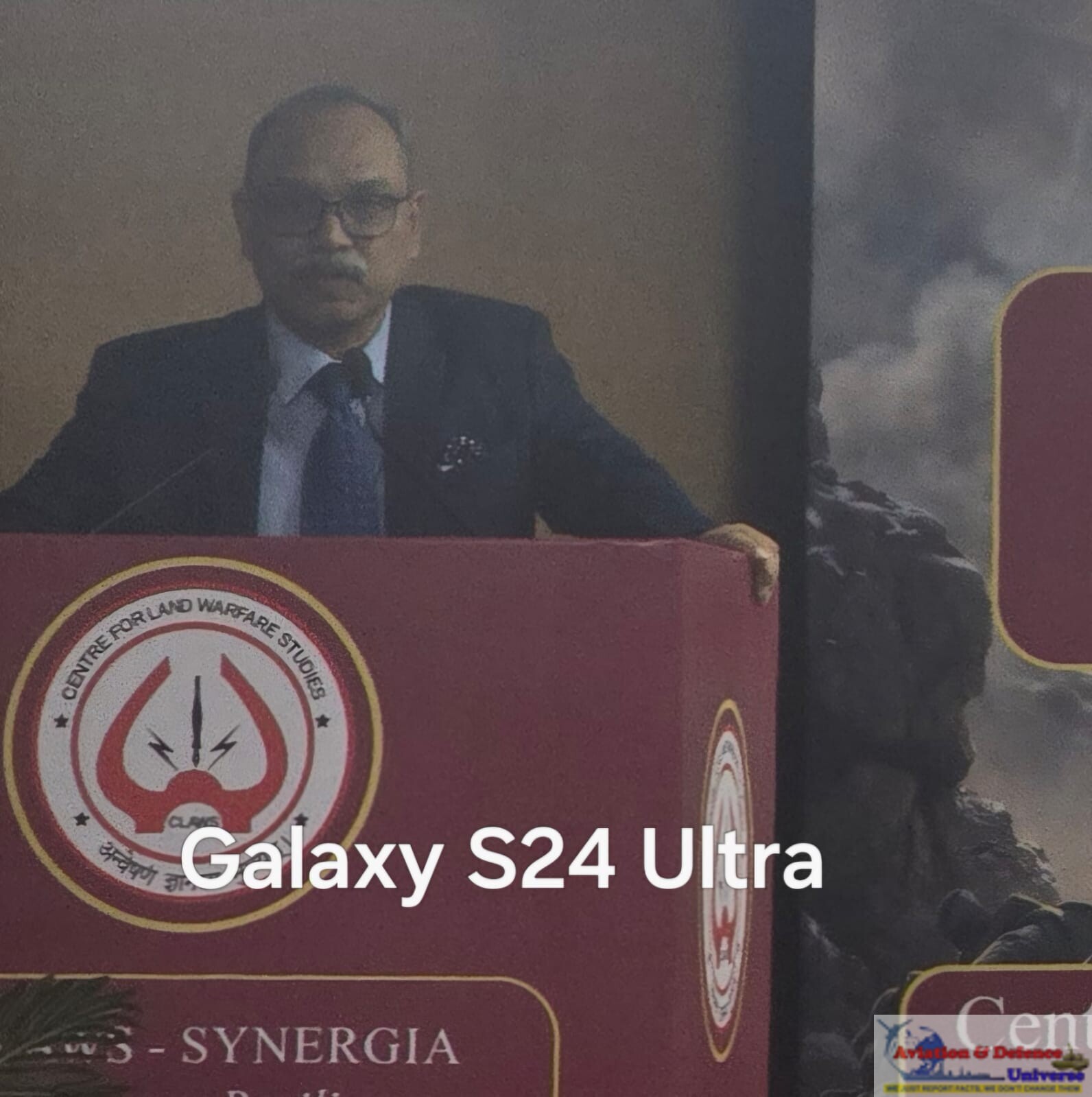 According to him, the international system was witnessing more than a transition towards multipolarity. It was experiencing a deeper contest over the distribution of power, the legitimacy of international institutions and the rules governing global affairs. Established powers were seeking to preserve their influence, revisionist powers were challenging existing arrangements, and emerging countries such as India were attempting to secure a greater role in shaping global governance.
He identified China’s rise, Russia’s determination to retain great-power status, the relative erosion of Western dominance and the growing assertiveness of middle powers as important drivers of this transformation. The resulting environment was characterised by nationalism, economic protectionism, weakening multilateral institutions and intensifying strategic competition.
Lt Gen Singh also referred to the large number of armed conflicts worldwide as evidence of the scale of global instability. His central concern was the expanding weaponisation of the instruments of national power. “Economics, trade, energy, geography, information, technology, you name anything,” he observed, warning that virtually every instrument could be used for coercive purposes.
Artificial intelligence, cyber capabilities and space technologies were further blurring the boundaries between peace and conflict.He suggested that prolonged competition and disorder could remain defining characteristics of international relations for more than a decade. For India, the challenge was to develop sufficient resilience to operate effectively within such an environment.
India’s Strategic Choices Must Be Backed by National Capabilities
Lt Gen Dushyant Singh posed several questions for the seminar’s subsequent deliberations. Could India maintain national cohesion on security issues despite domestic political differences? Could free trade coexist with strategic self-reliance? Could India diversify defence procurement, particularly its dependence on Russia, while strengthening domestic defence manufacturing?
Could the country secure critical minerals and energy supplies while developing indigenous capabilities in aero engines, semiconductors and advanced materials? Could the armed forces maintain operational readiness through intelligent upgrades of legacy platforms while simultaneously investing in next-generation systems?
And could India reconcile food security, water security, environmental commitments and economic development? These questions illustrated the competing pressures confronting policymakers. Lt Gen Singh emphasised that strategic ambition had to be supported by national capabilities. “India cannot afford to be merely a spectator,” he argued.
The important issue was not simply which strategic choices India wished to make, but whether it possessed the capabilities necessary to exercise those choices. He described this relationship between capabilities and strategic options as central to national resilience. His address established a framework for the seminar: India needed to move beyond reacting to international developments and build the capacity to influence them.
CLAWS at 21: Building Bridges Between Military Experience and Strategic Scholarship
Lt Gen Dushyant Singh also reflected on CLAWS’ institutional journey.Over two decades, he said, the Centre had worked to combine military experience, academic scholarship and public-policy analysis in addressing India’s evolving national security challenges.
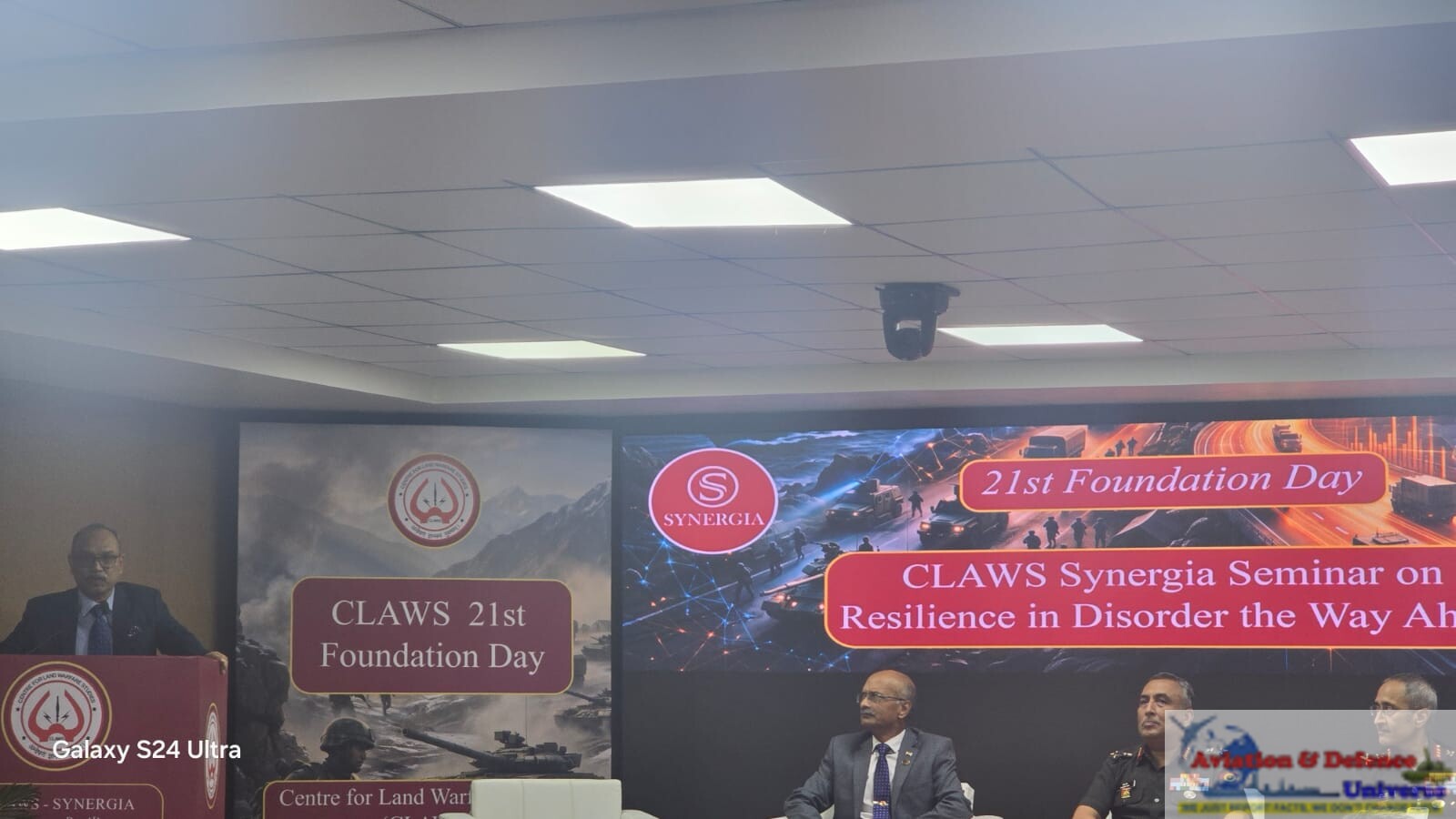 He emphasised the importance of cooperation between military and civilian think tanks, describing it as an effort to strengthen civil-military engagement within the national security discourse. He acknowledged the Synergia Foundation and its founder, Tobby Simon, for their collaboration in organising the seminar. He also paid tribute to former Directors General, veterans, scholars and members of the strategic community whose contributions had helped shape CLAWS.
Referring to institutional developments, he mentioned the forthcoming CLAWS building near the new Army Headquarters complex and its proximity to the Centre for United Nations Peacekeeping. These developments, he suggested, would strengthen interaction among military institutions, researchers and policymakers. The anniversary therefore represented not merely an occasion to celebrate CLAWS’ past but an opportunity to examine its future role in India’s strategic thinking.
Strategic Foresight Must Connect the Dots
Tobby Simon, Founder and President of the Synergia Foundation, brought the perspective of strategic foresight and interdisciplinary research to the inaugural session.He described Synergia’s work at the intersection of geopolitics, information, science, technology and security. Drawing on the Foundation’s experience in analysing international developments, he referred to its efforts to develop methodologies capable of anticipating future strategic challenges.
Simon stated that, of 30 predictions recorded since 2002, 21 had materialised, according to the Foundation’s own assessment. He explained that this experience had encouraged a more structured approach to understanding emerging global developments. The result was a strategic foresight initiative titled Global Futures 2035.
 Rather than treating geopolitical, technological and security developments as isolated subjects, the initiative sought to examine the relationships among them.Simon described the work as a framework that could help experts identify signals, assess connections and develop their own conclusions about possible futures.
He emphasised the importance of bringing together different areas of expertise to understand complex strategic developments. His remarks suggested that effective strategic forecasting required more than identifying individual threats. It required understanding how changes in technology, international politics, economics and security could interact to produce unexpected outcomes.
From the Seabed to Space: Synergia’s Vision of Emerging Threats
Simon also referred to Synergia’s work examining future military threats across an expanding range of operational domains. He highlighted the possibility that important threats could emerge from underwater environments, including critical infrastructure on the seabed.
The broader security environment, he suggested, needed to be understood across the spectrum extending from the seabed to outer space. This perspective reinforced the seminar’s central argument that conventional distinctions between military domains were becoming less adequate.
Undersea infrastructure, digital connectivity, satellites, artificial intelligence and other emerging technologies were increasingly connected to national security. Simon emphasised that the Foundation’s research was intended to encourage informed discussion and collaboration among experts. His contribution brought a long-term strategic forecasting dimension to a seminar otherwise dominated by the immediate consequences of global disorder.
Strategic Autonomy Will Belong to Nations That Can Sustain Their Choices
 The 21st Foundation Day seminar of CLAWS opened with a message that extended far beyond the battlefield. India’s national security can no longer be understood solely through the strength of its armed forces, the number of weapons in its inventory or the security of its territorial boundaries. It must also be measured by the resilience of its economy, the credibility of its information systems, the independence of its technologies, the security of its energy supplies and its ability to sustain military operations when international supply chains are disrupted. For the Indian Army, this meant building a force capable of adapting, regenerating and sustaining combat power. For India’s defence industry, it meant strengthening indigenous capabilities. For policymakers, it meant diversifying partnerships and reducing critical dependencies. And for institutions such as CLAWS, it meant anticipating challenges before they became crises.
As CLAWS completed 21 years of strategic thought, the message from its inaugural session was unmistakable: India must not merely prepare to survive the next crisis. It must build the military strength, industrial depth, technological independence and diplomatic flexibility to determine its own future through that crisis. Because in a world where everything can be weaponised, the greatest national strength is the freedom to choose — and the capability to defend that choice.