












 India can take defence exports to ₹75,000 crore by 2030 through public–private partnership: Anil K Agarwal at Army War College, Mhow
Proposes raising the export target by 50%, backed by joint R&D, incubation centres and close working between the armed forces and industry
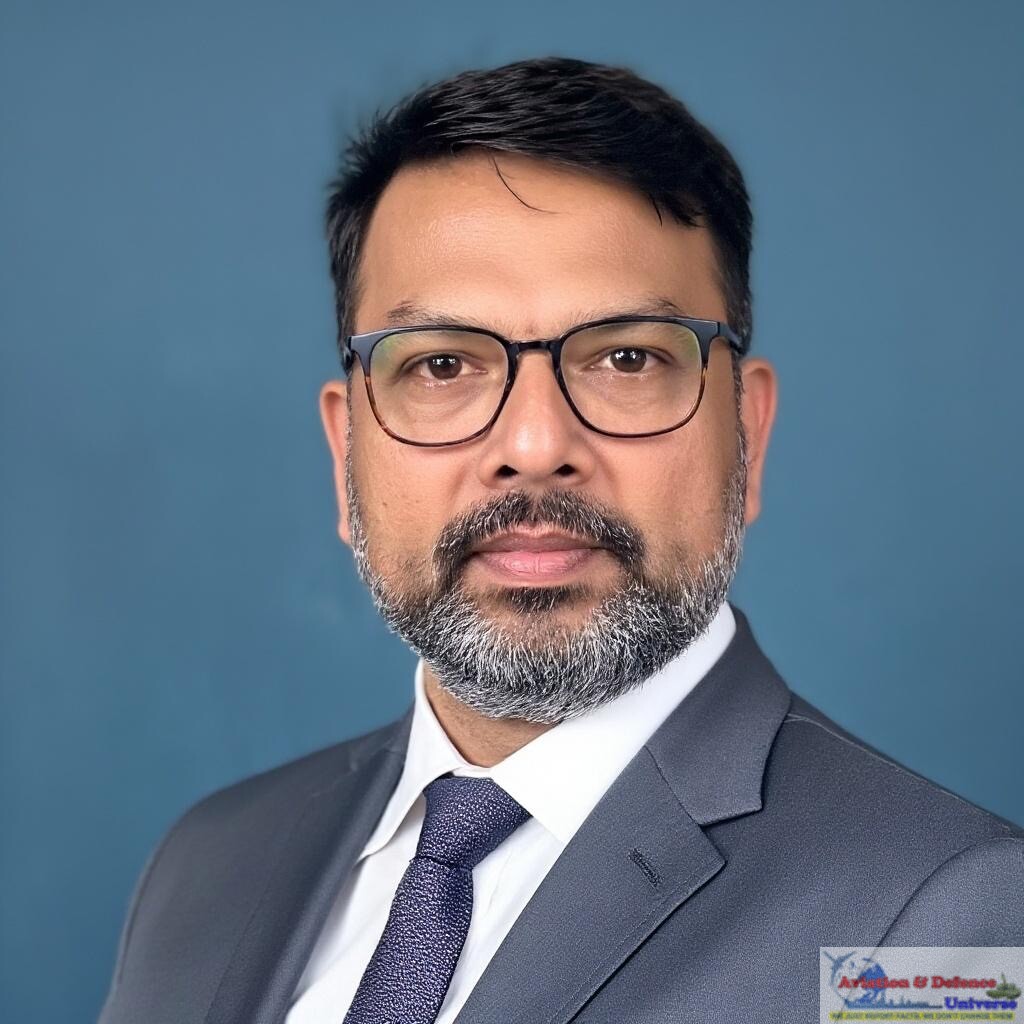
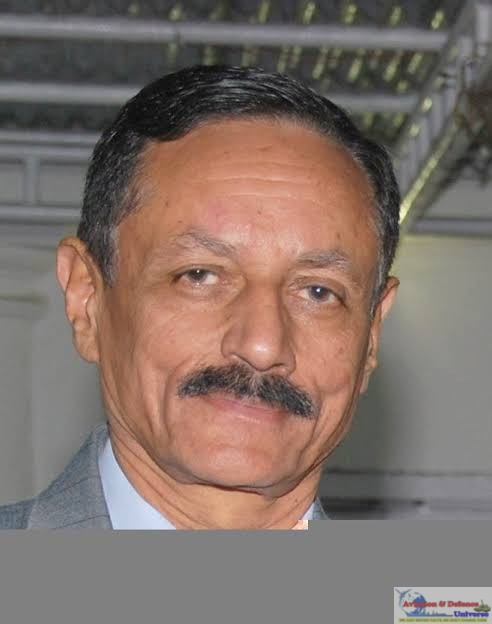
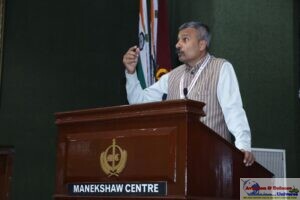
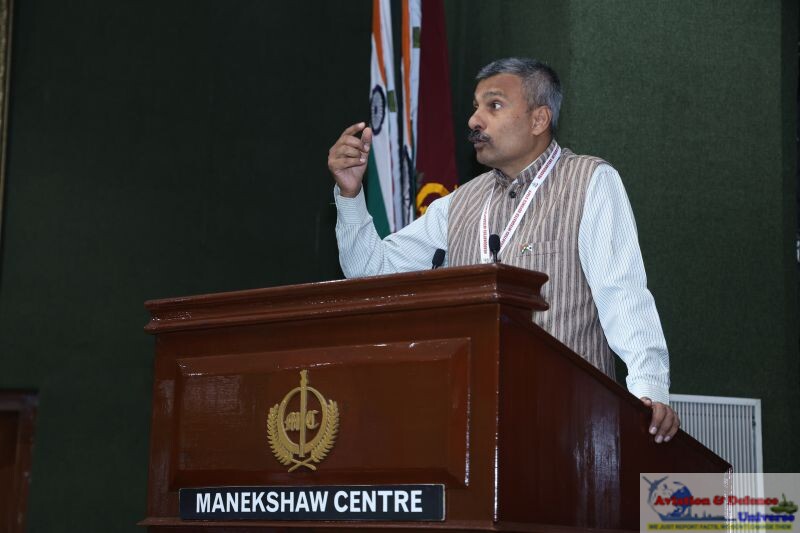
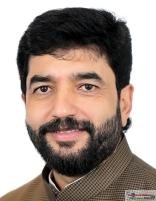
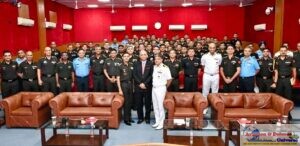
Anil K Agarwal, Chairman – International Affairs and Past President, ASSOCHAM, and President, Cosmos Group, today addressed officers of the Higher Command Course at the Army War College, Mhow. The Army War College is one of the Indian Army’s premier institutions for training senior officers for higher command.
The audience comprised more than 100 senior officers of the rank of Colonel and equivalent from the Army, Navy and Air Force. They were joined by Lt Gen Ajay Chandpuria, Commandant of the Army War College, and senior faculty including Maj Gen H S Gill, Brig R S Rana and Brig Ravi Shankar.
Speaking on “Transforming India into a Defence Export Hub”, Agarwal called for a strong partnership between the private sector and the defence establishment. He said that this partnership should bring together new technologies, joint research and development, product innovation, testing and large-scale production, both to meet India’s own defence needs and to export to the world.
From ₹686 crore to ₹38,424 crore
Agarwal traced India’s journey from importer to exporter. India’s defence exports have grown 56 times, from ₹686 crore in 2013-14 to a record ₹38,424 crore (about US$4 billion) in 2025-26 with Indian equipment now reaching more than 80 countries. Defence PSUs contributed 55% of these exports and private companies 45%. Defence production has reached an all-time high of ₹1.78 lakh crore.
He noted that exports have tripled in the last four years, growing at about 32% a year. At that pace, the government’s target of ₹50,000 crore by 2029-30, which needs only about 7% annual growth, will be crossed well ahead of time.
A bolder target: ₹75,000 crore by 2030
Agarwal proposed that the target be raised to ₹75,000 crore (about US$ 8 billion) by 2030. This would need about 18% growth a year, roughly half the pace of recent years. He said the target is achievable if the defence establishment and the private sector work closely together.
“India is a large country with huge requirements. When the armed forces, DRDO, defence PSUs, private industry, MSMEs and start-ups research and build together, we produce new and better products, at a scale that justifies the research. Scale brings down cost, and that opens the door to exports. A target of ₹75,000 crore by 2030 is well within our reach,” said Agarwal.
Lessons from today’s wars
Drawing on the conflicts in Ukraine and West Asia, Agarwal said that modern wars are fought increasingly with drones, missiles, satellites, air-defence shields, electronic warfare and data systems. Industry must be ready to produce these at speed and at scale.
The interaction with the Senior Officials resulted in below proposals :
- Incubation centres for defence start-ups and MSMEs, linked to the armed forces for quick testing and feedback.
- Focused research on future technologies, including artificial intelligence, quantum computing, cyber security, drones and counter-drone systems.
- Complete export packages, offering training, spares, finance and lifetime support with every sale, so that India stands by what it sells.
- The armed forces as a catalyst for exports: joint planning of future needs, support from Defence Attachés abroad, shared lessons from the field, and faster user trials.
He added that India’s trade agreements with Australia, New Zealand, EFTA and the United Kingdom, and the agreement with the European Union now being finalised, will bring in new technology, co-production and global certification, and open new markets for Indian defence products.
“The world now trusts Indian equipment because our own forces have proven it. With the forces and industry working as one team, India can rank among the world’s top ten defence exporters,” Agarwal said.
Lt Gen Ajay Chandpuria, Maj Gen H S Gill, Brig R S Rana and Brig Ravi Shankar appreciated the talk and the suggestions made by Agarwal.
ASSOCHAM welcomes the new openness in the Ministry of Defence and the defence establishment to work closely with industry, to build scale, to meet India’s future needs, to grow internationally, and to place India among the top ten global players in the defence sector.