


















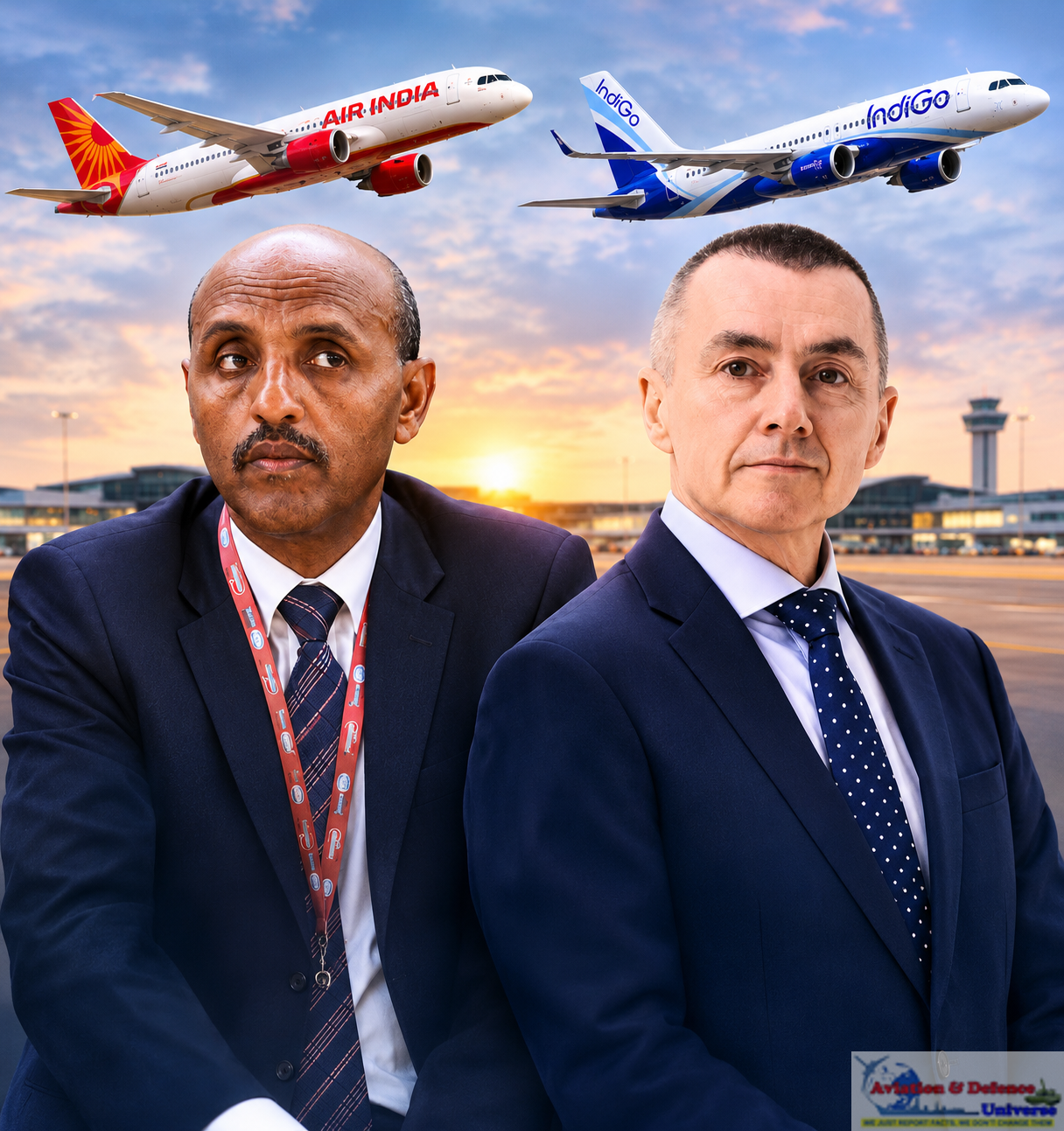
- Two New CEOs, Two Aviation Giants, One Big Bet on India’s Skies
- Unstoppable to Sustainable: Aviation Industry Puts Profitability in the Pilot’s Seat
- 600 Aircraft, More Wide-Bodies and Global Ambitions: Delhi Becomes Aviation’s Decision
- Airlines, Airports and Ambition: Aviation INDIA 2026 Charts the Road to Global Leadership
By Sangeeta Saxena
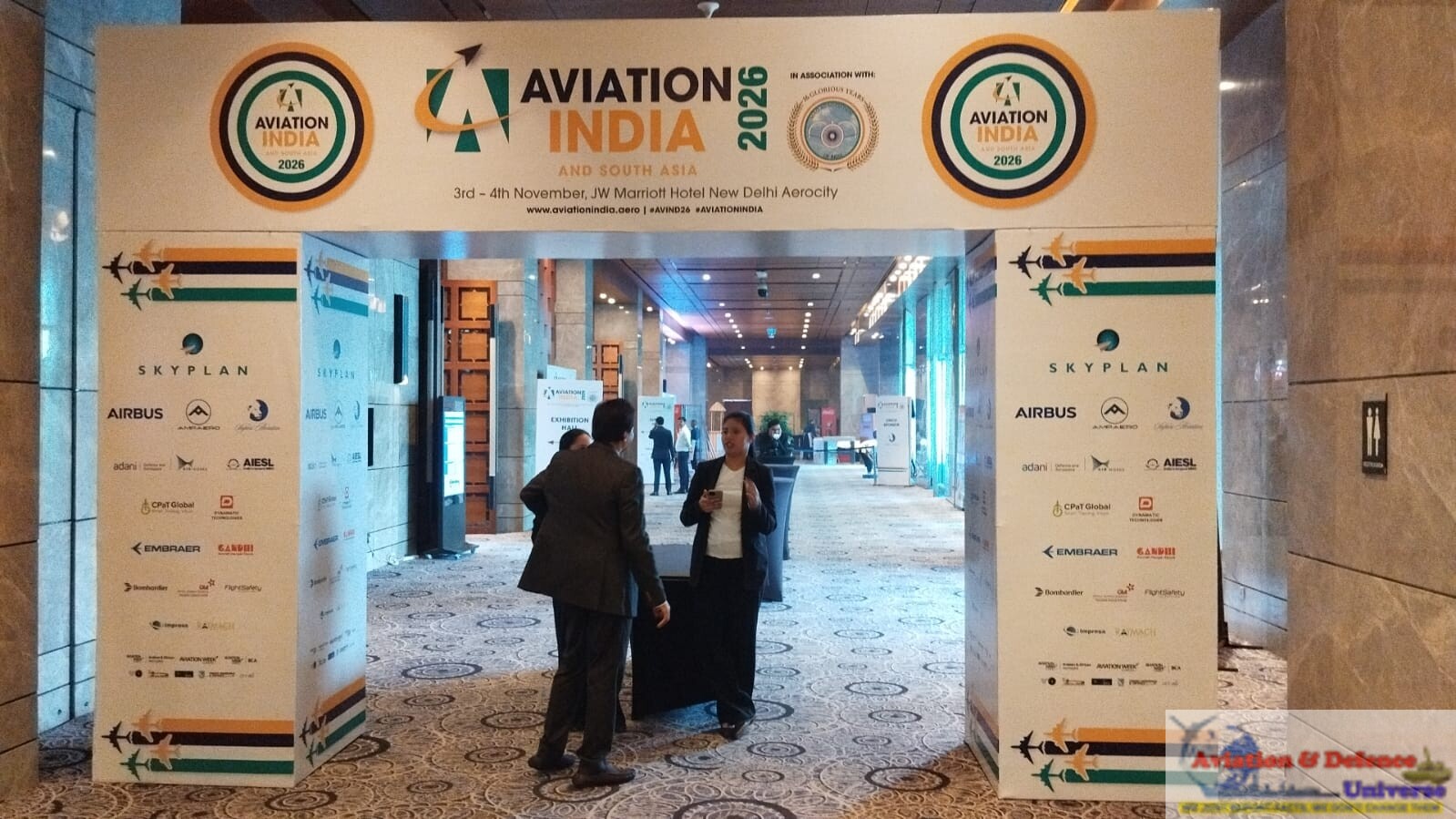
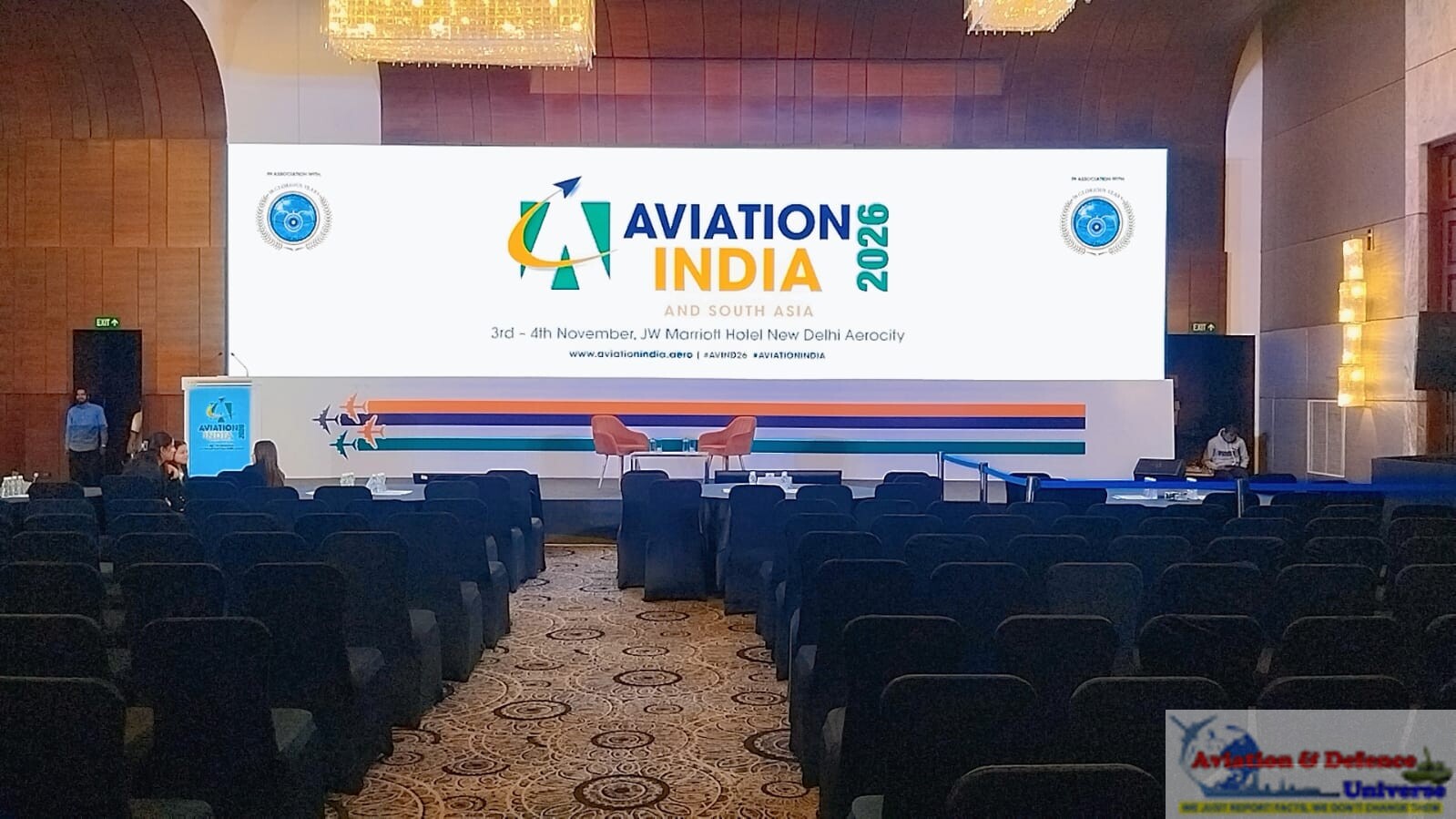
New Delhi. 03 November 2026. Two aviation giants, two new chief executives, hundreds of aircraft on the horizon and one compelling question: can India’s extraordinary aviation growth story translate into sustainable profitability? The third edition of the Aviation INDIA and South Asia Summit & Exhibition 2026 opened at JW Marriott, Aerocity, New Delhi, with the country’s commercial aviation industry confronting its biggest paradox. Demand continues to promise enormous opportunities, but fuel costs, airspace restrictions, operational pressures and financial challenges are testing the industry’s ability to convert ambition into enduring success.
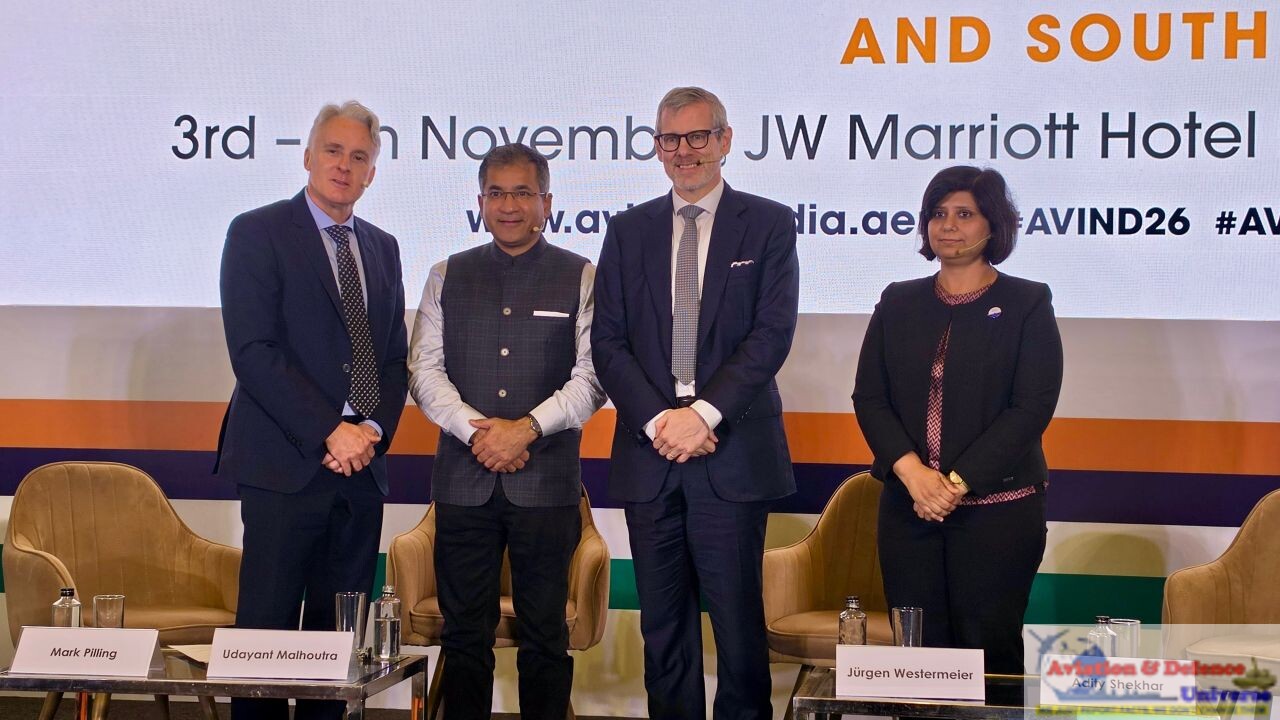 The opening day belonged to the leadership of India’s two largest airlines, Air India and IndiGo, whose newly appointed chief executives used their first major industry conference appearances to outline markedly ambitious strategies for the future. While Air India spoke of transformation, wide-body expansion and rebuilding profitability, IndiGo presented a roadmap of fleet growth, international network development and technological advancement. Together, their messages reflected an industry determined to grow, but increasingly conscious that growth without profitability cannot be the ultimate measure of success.
Organised by Times Aerospace Events in association with the MRO Association of India, the summit brought together more than 950 delegates from 33 countries, representing 91 airlines and operators. With 35 speakers, 245 airline personnel and 31 sponsors and partners, the gathering established itself as an important platform for conversations shaping the future of commercial air transport in India and South Asia.
The theme, “Opportunities / Challenges / Solutions,” captured the mood of an industry that remains optimistic about India’s long-term prospects but is no longer overlooking the economic and operational obstacles along the way.
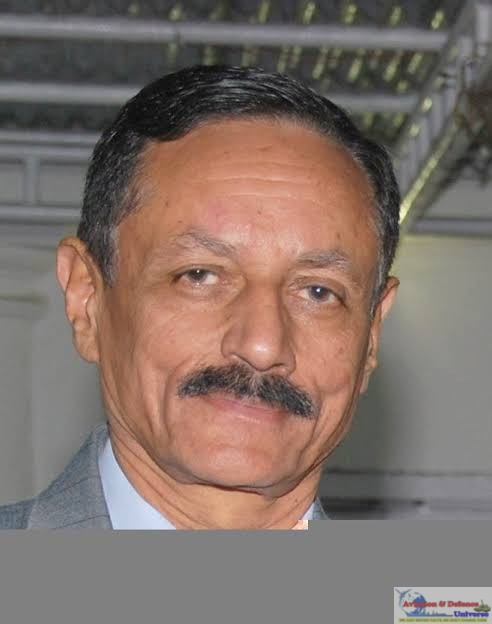
Mark Pilling: India’s Aviation Ambition Has Not Paused
Opening the summit, Conference Director Mark Pilling offered a candid assessment of the changing aviation environment. The Middle East conflict continued to affect the global economy, Indian airlines were navigating leadership transitions, and international long-haul flying had experienced a downturn.
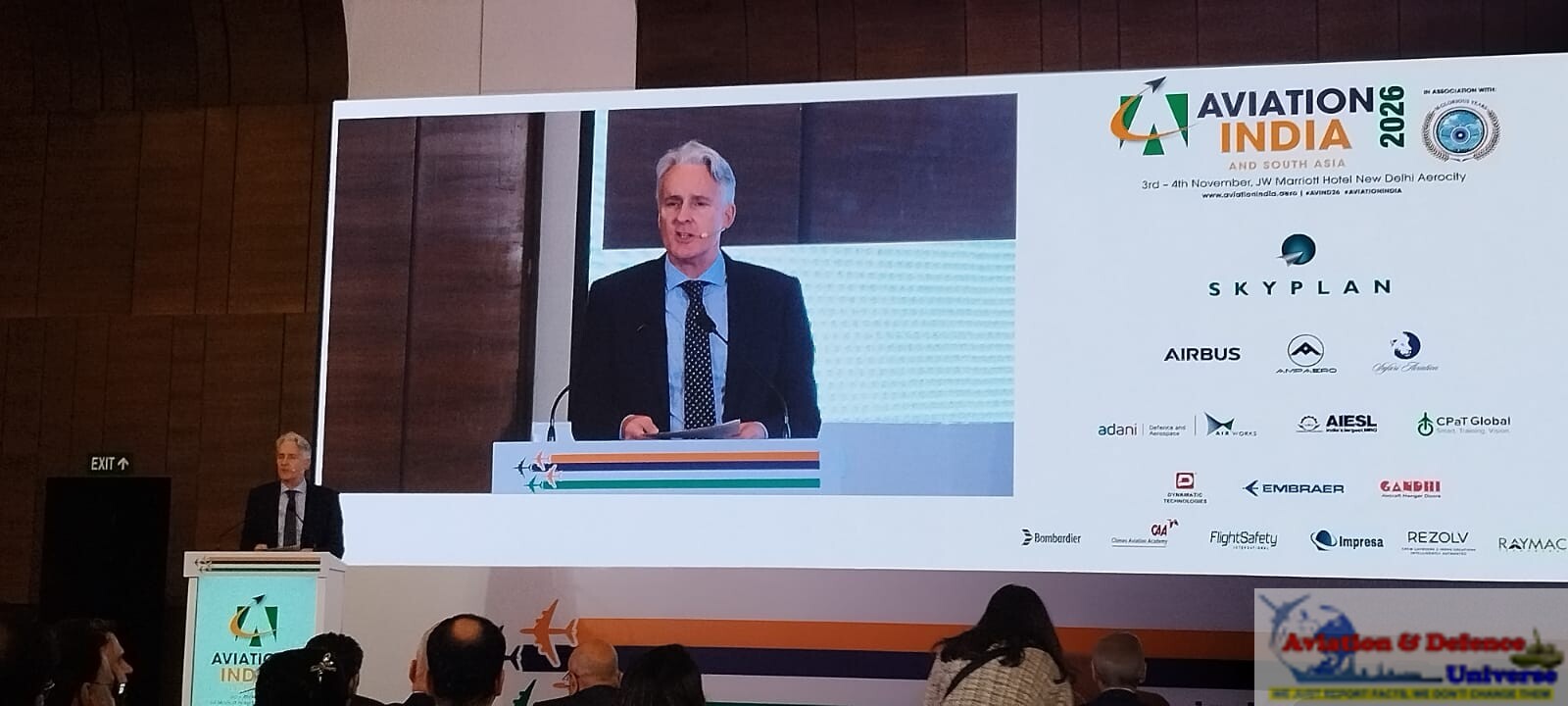 Against this background, Pilling contrasted the unbridled optimism of the previous year with the more cautious mood prevailing in 2026. “2025 was ‘unstoppable India.’ That remains true, but perhaps we’ve pressed pause in 2026. What is not paused is the belief in India,” he observed.
His message was not that India’s aviation growth story had weakened, but that its next chapter demanded greater financial discipline. Commercial sustainability, he emphasised, must mean profitability not merely at some distant point in the future, but this year, next year and the year after.
The observation set the tone for two days of discussions on the practical solutions needed to build a resilient, internationally competitive aviation ecosystem.
Air India: A New CEO, a Long Transformation and a Promise to Return to Greatness
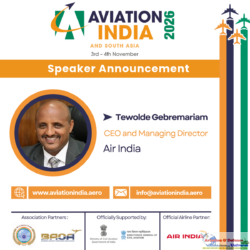
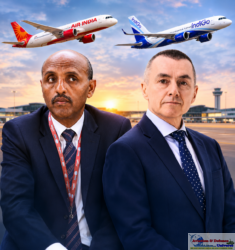
Air India commanded attention as its new chief executive, Tewolde Gebremariam, outlined a long-term transformation strategy for the airline in his first major industry platform since assuming charge.
His vision extended far beyond expanding the airline’s fleet. Air India was looking to increase its wide-body aircraft order, invest further in infrastructure, training and maintenance, and establish a stronger presence in international aviation markets. The ambition was to transform India into a global aviation hub, with Delhi, Mumbai, Bengaluru and Hyderabad emerging as major international gateways.
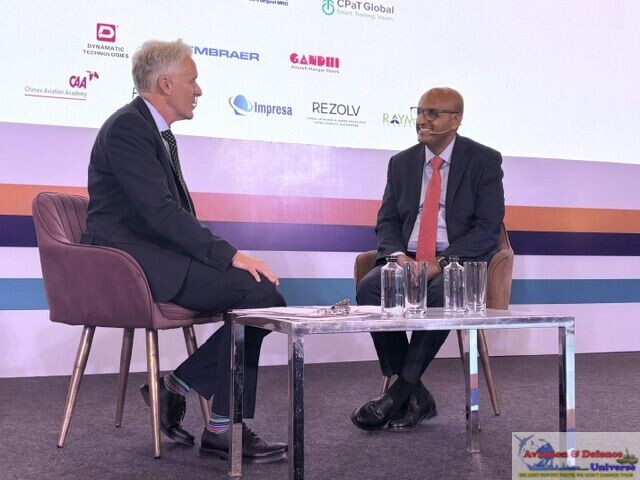 Gebremariam made clear that the transformation would not be an overnight exercise. He envisaged a timeline extending beyond 15 to 20 years, reflecting the scale of institutional, operational and infrastructural change required to create an airline capable of competing with established global carriers.
However, he also acknowledged the challenges confronting the airline in the immediate term. High aviation fuel prices continued to exert pressure on operating costs. The closure of Pakistani airspace had disrupted flight operations and network economics, while existing losses underscored the urgency of improving efficiency and financial performance.
Air India’s immediate priorities therefore included restoring profitability, reducing operating costs, rebalancing its route network, strengthening connectivity and improving its passenger product. The airline’s strategy reflected a dual challenge: fixing the economics of the present while investing in the infrastructure and capabilities required for the future.
Gebremariam concluded with an emphatic declaration of intent: “Together, we will make Air India great again.” The statement resonated as a commitment to restore Air India’s standing in international aviation, but the scale of the task ahead remained considerable.
IndiGo: 600 Aircraft by 2030 and a Bigger International Footprint
If Air India presented a story of rebuilding and transformation, IndiGo’s new chief executive Willie Walsh outlined a strategy centred on expansion, internationalisation and the continued strengthening of India’s largest airline network.
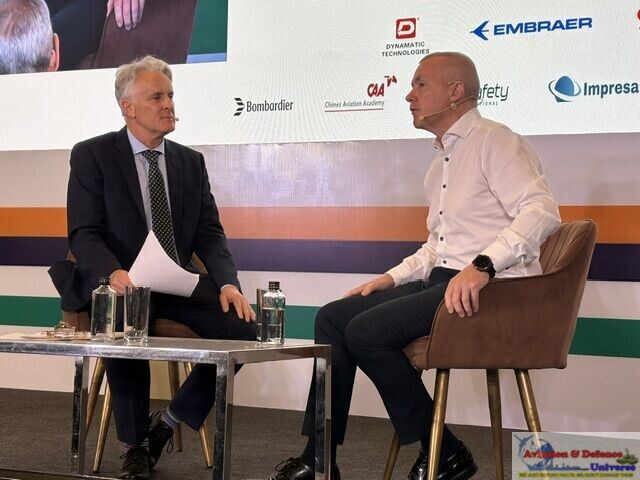 Walsh reaffirmed IndiGo’s confidence in the Indian aviation market while presenting a series of significant fleet and network milestones.The airline expected to have 14 Airbus A321XLR aircraft by the end of December 2027. These longer-range narrow-body aircraft would open opportunities for new international routes and enable IndiGo to serve markets beyond the conventional reach of its existing narrow-body operations. The airline’s first Airbus A350 was expected in the second quarter of 2028, marking another important step in its long-haul ambitions.
IndiGo’s broader target was to operate 600 aircraft by 2030, a figure that illustrated the scale of its confidence in future demand. The airline currently served 23 Indian airports with international services and intended to expand this footprint substantially. Yet Walsh did not overlook the pressures facing airline operations. High fuel prices, elevated jet-fuel crack spreads, airspace restrictions, airport charges and infrastructure investment costs continued to affect the industry’s economics.
His confidence in the market was nevertheless unmistakable. “We believe in India. We believe in the market here,” Walsh declared. For IndiGo, the strategy was clear: expand the fleet, increase international connectivity, introduce longer-range aircraft and position the airline to capture a greater share of India’s growing aviation demand.
Airbus on India’s Aviation Growth and the OEMs Commitment
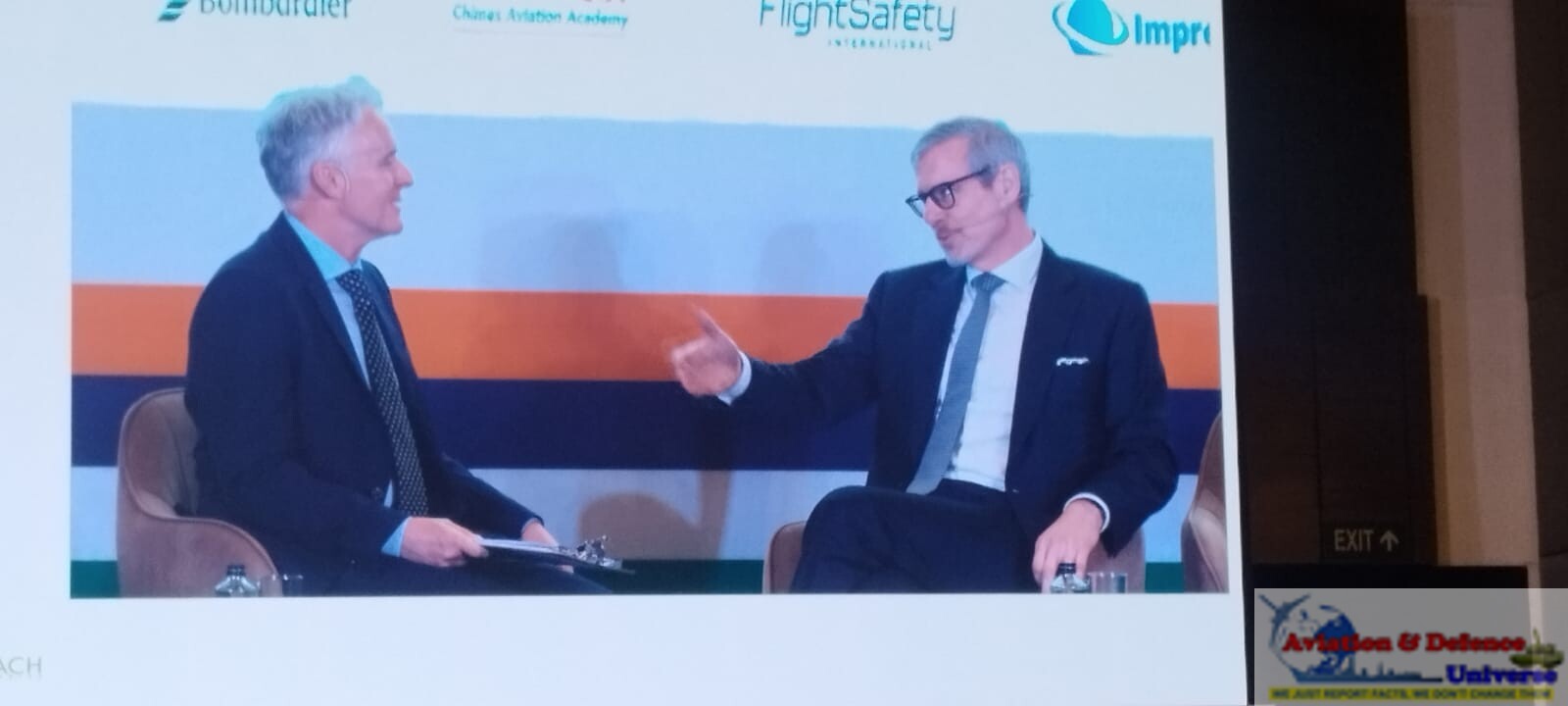 Addressing aviation leaders and key industry stakeholders , Jürgen Westermeier, President and Managing Director, Airbus India and South Asia, highlighted India’s extraordinary aviation growth potential and reiterated Airbus’ long-term commitment to building a comprehensive, self-reliant aerospace ecosystem in the country.
“India’s aviation growth story is truly remarkable. With air traffic increasing by more than 9% annually, the country’s aircraft fleet is expected to triple to approximately 2,400 aircraft over the next decade. This presents an enormous opportunity, but sustaining such growth will require much more than aircraft deliveries. India needs a complete and reliable aviation ecosystem comprising modern airports, a strong domestic maintenance, repair and overhaul (MRO) industry, resilient supply chains and a highly skilled workforce of pilots, engineers and technicians.
“At Airbus, we see ourselves as a strategic partner in building this ecosystem. We are committed to delivering approximately 1,200 aircraft to Indian airlines over the next ten years, but our engagement with India extends well beyond aircraft manufacturing and supply. We are actively contributing to India’s industrial sovereignty through two pioneering private-sector final assembly lines developed in partnership with Tata, one for the C295 military transport aircraft and the other for the H125 helicopter.
“Our industrial footprint in India continues to expand. Our annual procurement from India currently stands at USD 1.6 billion, and we are on track to exceed USD 2 billion well before 2030. At the same time, our engineering and digital hub in Bengaluru is undertaking mission-critical global research and technology activities, demonstrating India’s growing importance in Airbus’ worldwide innovation and engineering network.
“Human resource development is another critical pillar of our strategy. India’s aviation sector will require an additional 35,000 pilots and 34,000 technicians over the next decade. To help bridge this talent gap, Airbus is investing in 14 full-flight simulators and strengthening academic and skill-development partnerships with institutions such as Gati Shakti Vishwavidyalaya and Tata STRIVE. Our objective is to develop the skilled workforce required to support India’s rapidly expanding aviation industry.
IndiGo and Skywise: Digital Training Takes a New Flight Path
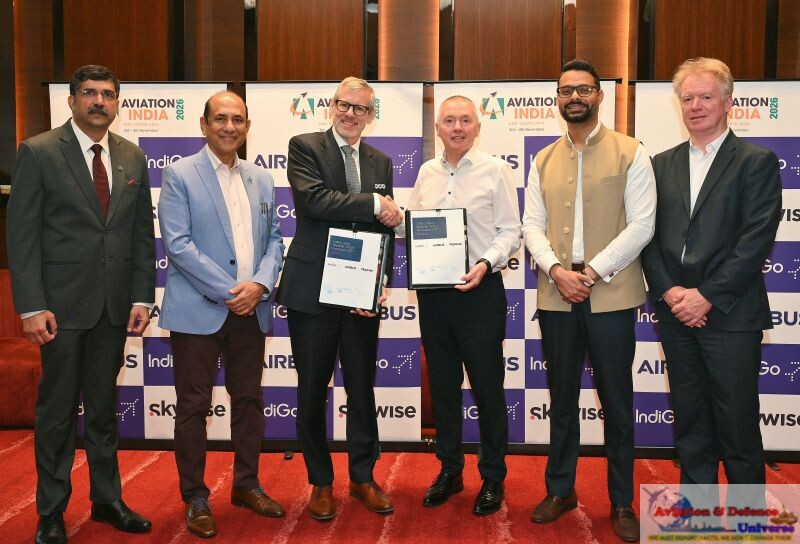 The opening day also witnessed a technological development for IndiGo, which became the first airline globally to adopt the A320 Virtual Procedure Trainer’s abnormal and emergency procedure package. The agreement with Skywise was signed at the summit in Delhi, making IndiGo the first customer for the Virtual Procedure Trainer in South Asia.
The initiative, developed through collaboration involving IndiGo and Airbus flight training solutions, now integrated into the Skywise digital portfolio, reflected the growing role of digital technology in airline training and operational preparedness.
As Indian carriers expand their fleets and recruit additional flight crews, digital training solutions are becoming increasingly important for standardisation, procedural familiarisation and training efficiency.
IndiGo’s adoption of the package demonstrated that its expansion strategy was not confined to aircraft acquisition and route development. It also encompassed investment in the systems and capabilities required to support a larger, more complex airline operation.
Airports: The Infrastructure Challenge Behind India’s Aviation Ambitions
While the airlines outlined their expansion strategies, the larger question of airport readiness remained central to the summit’s theme. India’s ambition to become a global aviation hub cannot be achieved through aircraft orders alone. It requires an equally ambitious transformation of airport infrastructure, international transfer facilities, passenger services, cargo handling, ground operations and connectivity between airports and surrounding economic centres.
Adani Airports Holding Ltd , which as a major private-sector participant in India’s airport infrastructure ecosystem, is an important stakeholder in this transformation. The airport operator’s role is particularly relevant to the discussion of how India can develop internationally competitive gateways while supporting the growth of domestic and regional aviation.
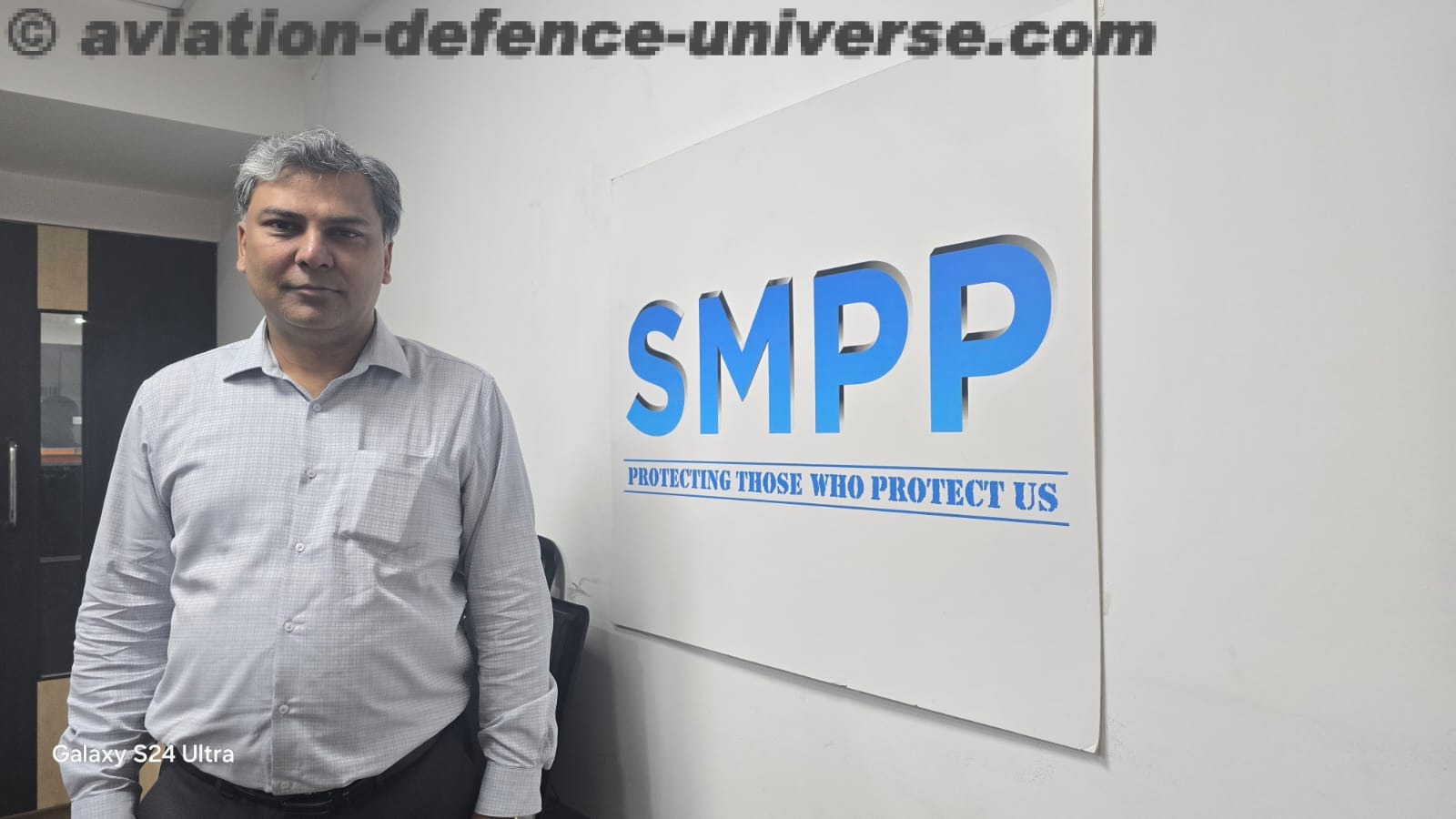
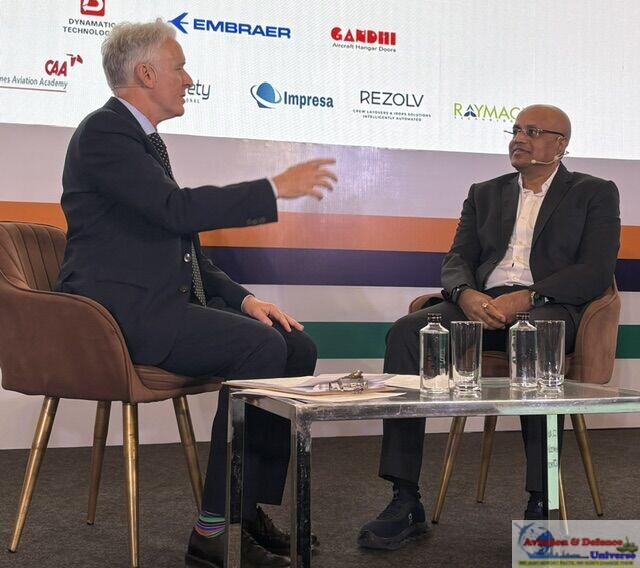 Arun Bansal, CEO, Adani Airports, at Aviation INDIA and South Asia Summit 2026 stated, “India deserves to have three national carriers. Today, we have IndiGo and Air India, but we need a third airline of equal size and scale to support the country’s rapidly expanding aviation market. India’s aviation growth story is extraordinary, and the numbers speak for themselves. From approximately 300 million air passengers today, we expect traffic to grow nearly fourfold to between 1.1 and 1.2 billion passengers by 2040–2045. Accommodating this phenomenal growth will require a significant increase in the number of aircraft, much larger and more efficient airports, and regulatory changes that facilitate expansion, encourage investment and enable the industry to operate competitively.
He added, “Airport infrastructure will be fundamental to India’s ambition of becoming one of the world’s three largest economies by 2047. We must create aviation capacity ahead of demand rather than allow infrastructure constraints to restrict growth. At Adani Airports, we are working towards this objective through major airport development projects, including the Navi Mumbai Greenfield Airport, where construction is being accelerated with a planned passenger-handling capacity of 50 million annually by 2030.
“India’s aviation future cannot depend on airlines alone. It requires a coordinated expansion of airline capacity, airport infrastructure and an enabling regulatory environment. If we are to realise the full potential of this market and position India as a major global aviation hub, we must think big, plan ahead and build for the next generation of air travellers, ” Bansal concluded.
The ambitions outlined by Air India and IndiGo make the relationship between airlines and airports increasingly significant. Larger fleets and expanding international networks will require sufficient runway and terminal capacity, efficient aircraft turnaround, improved passenger transfer facilities and long-term infrastructure planning.
The central challenge is ensuring that airport development keeps pace with airline growth without imposing unsustainable costs on operators or passengers. For India, the next phase of aviation development will therefore demand closer coordination among airlines, airport operators, regulators, air navigation service providers and the government.
MRO: A Critical Link in India’s Aviation Expansion
The involvement of the MRO Association of India in organising the summit also highlighted an essential component of the country’s aviation future. India’s expanding aircraft fleet creates enormous opportunities for maintenance, repair and overhaul services, component support, engineering, aviation training and technical employment.
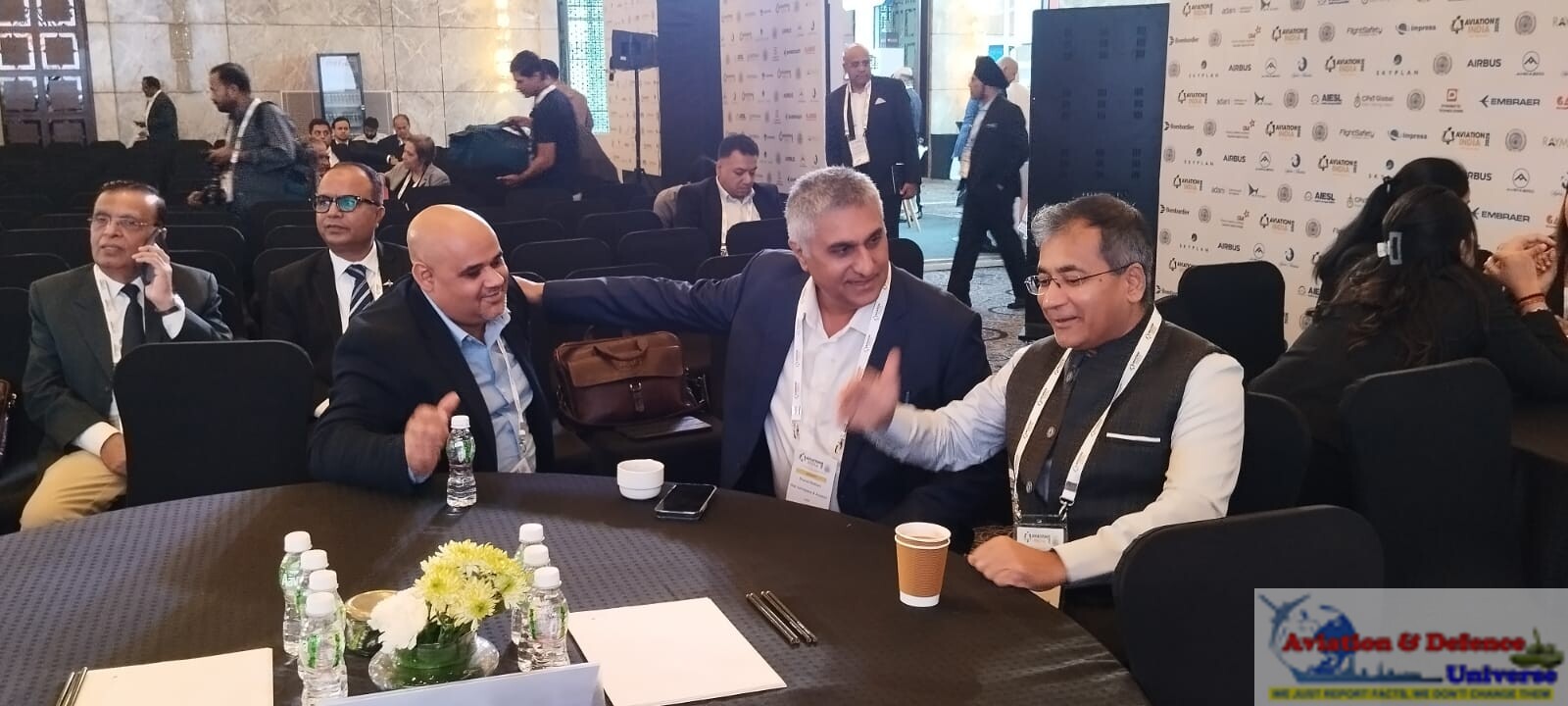 For Indian carriers, access to efficient domestic maintenance facilities can help reduce operational disruptions, improve aircraft availability and support long-term cost competitiveness. For the wider economy, developing a strong MRO ecosystem offers opportunities to attract international investment, strengthen aerospace supply chains and create highly skilled employment.
However, achieving these ambitions will require continued policy support, investment in infrastructure, access to specialised technical capabilities and internationally competitive operating conditions. The opportunity is considerable. As Indian airlines prepare to introduce hundreds of additional aircraft, the country must ensure that its aviation support ecosystem develops at a comparable pace.
Opportunities, Challenges and Solutions: A Reality Check for Indian Aviation
The opening day made one fact unmistakably clear: India’s aviation potential remains immense, but its next phase of growth will demand a different approach from the exuberance that characterised earlier expansion.
The opportunities are visible in growing demand, fleet acquisition plans, international route development, airport investment and the emergence of India as an increasingly important aviation market.
 The challenges are equally apparent. Fuel costs remain volatile, geopolitical developments are disrupting airspace access, infrastructure investment is expensive, and airlines must balance network expansion against the immediate requirement to restore or protect profitability. The solutions will have to emerge from greater operational efficiency, improved connectivity, digital transformation, stronger maintenance capabilities, commercially viable airport development and closer collaboration across the aviation ecosystem.
Perhaps the most significant takeaway from the inaugural day was the convergence of ambition and realism. Air India was looking towards a transformation spanning decades. IndiGo was preparing for a fleet of 600 aircraft by 2030. Both were investing in their future, yet both acknowledged the importance of managing today’s economic and operational realities.
The Runway Is Ready, but Profitability Must Power the Take-Off
As the third edition of Aviation INDIA and South Asia Summit & Exhibition opened in New Delhi, the industry’s message was neither one of unrestrained celebration nor of pessimism. It was a declaration that India’s aviation future remains promising, but its success must be built on sound commercial foundations.
 The presence of two new chief executives leading India’s biggest airlines gave the opening day particular significance. Their strategies may differ in emphasis, but their destinations are closely aligned: stronger airlines, wider international connectivity, better passenger experiences and a more competitive Indian aviation industry.
For Air India, the journey is about rebuilding a global legacy. For IndiGo, it is about expanding an already formidable aviation footprint. For airport operators, maintenance providers, regulators and the wider industry, the challenge is to build an ecosystem capable of supporting both.
India has the passengers, the ambition and the aircraft orders. What it must now demonstrate is the ability to turn aviation growth into lasting commercial success. And that was the defining message from Aerocity: India’s aviation dream is very much alive. The next challenge is ensuring that every take-off leads to a financially sustainable landing.