















- From Regional Runway to Diplomatic Gateway: Strasbourg Airport Maps Its Future
- Small Airport, Strategic Reach: Makes Its European Pitch
- Strasbourg Courts Legacy Carriers as It Targets Sustainable Expansion
By Anna Jordy
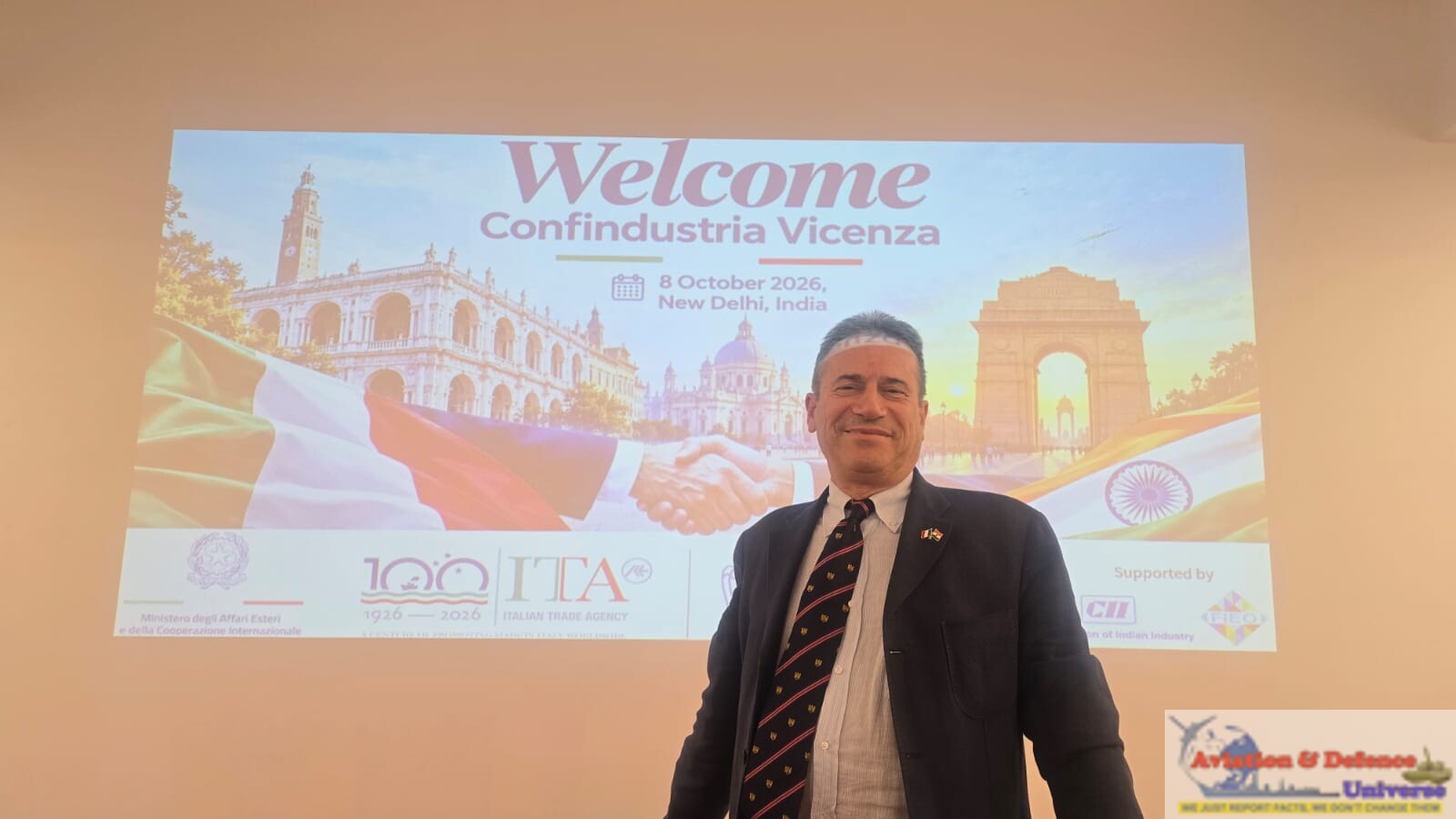
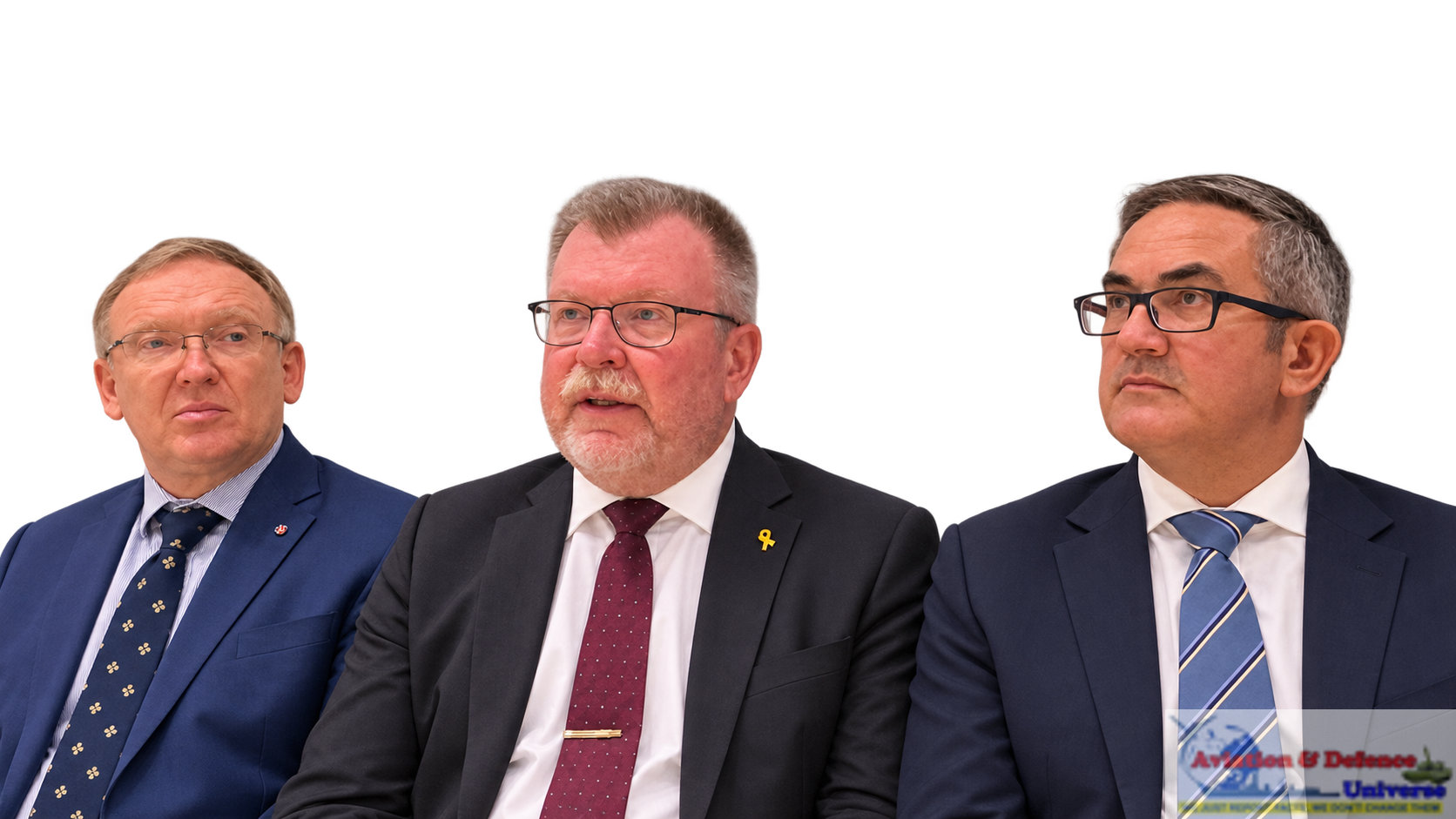
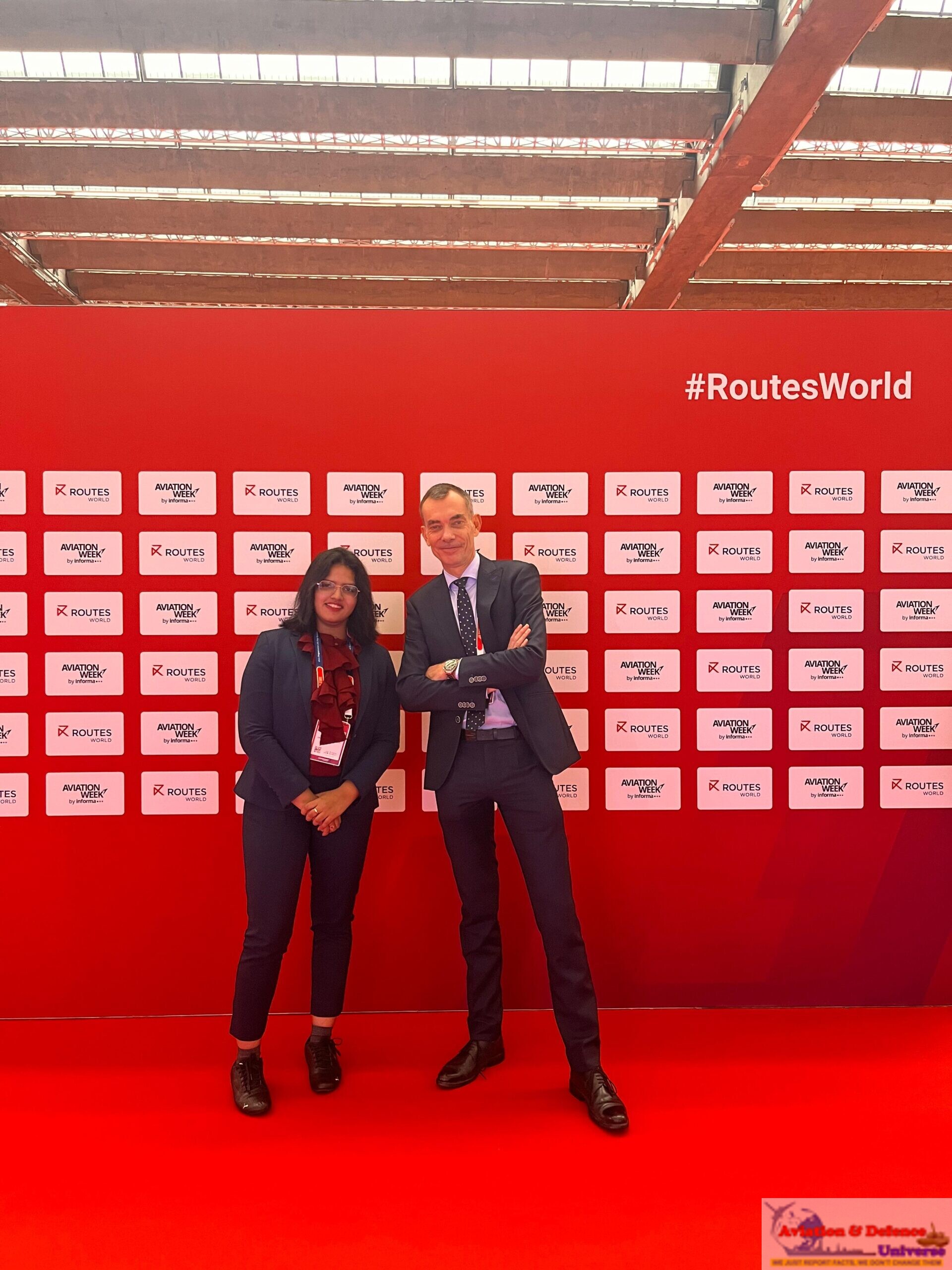
Frankfurt. 01 November 2026. At Routes World 2026 in Frankfurt, Gilles Tellier, CEO, Strasbourg Airport made a clear statement: a small regional airport can carry real strategic weight when it sits beside the institutions that shape European policy. The French airport’s profile is being built around diplomacy, resilience and regional connectivity while a difficult period is being encountered by the wider industry.
Strasbourg handles around 1.3 million passengers a year, a modest figure compared to Frankfurt, Stuttgart, Zurich and Basel-Mulhouse. However, the city is home to the European Parliament and the Council of Europe, giving the airport a passenger profile unlike that of most regional airports. Tellier estimates that each flight carries roughly one-third leisure travellers, one-third people visiting friends and relatives, and one-third business and institutional passengers, including officials and diplomats.
That institutional traffic explains the airport’s new Pavillon d’Honneur, a dedicated VIP terminal. According to Tellier, it has already welcomed the Prime Minister of Canada for a two-day visit and, last year, Ukrainian President Volodymyr Zelensky. “Europe is not only Brussels, it is also Strasbourg,” he said, describing the city as a calmer setting for dialogue between north and south, and with non-aligned countries such as India, on topics beyond energy and conflict.
Processing remains deliberately conventional. Fast-track arrangements serve parliamentary travellers, but the airport has not introduced AI-supported security screening. “We try to remain a classical airport” Tellier said, acknowledging that artificial intelligence will eventually reach every airport but stressing a back-to-basics approach. A rail shuttle running from inside the terminal to downtown in about eight minutes does much of the work in keeping the journey simple.
Tellier did not ignore the current pressures facing the industry. The airport, like the industry, is competitive with fuel pressures and disruption linked to the crisis in the Middle East. Yet he voiced confidence, recalling that he began his career in 1990 during the first Gulf War and has lived through repeated shocks since. He noted that a former colleague at Abu Dhabi Airports reports a return to normal there. The French government has also decided to grant Strasbourg a tax exemption from next year, a measure he expects to make the airport more competitive and more tempting for carriers that have never operated there.
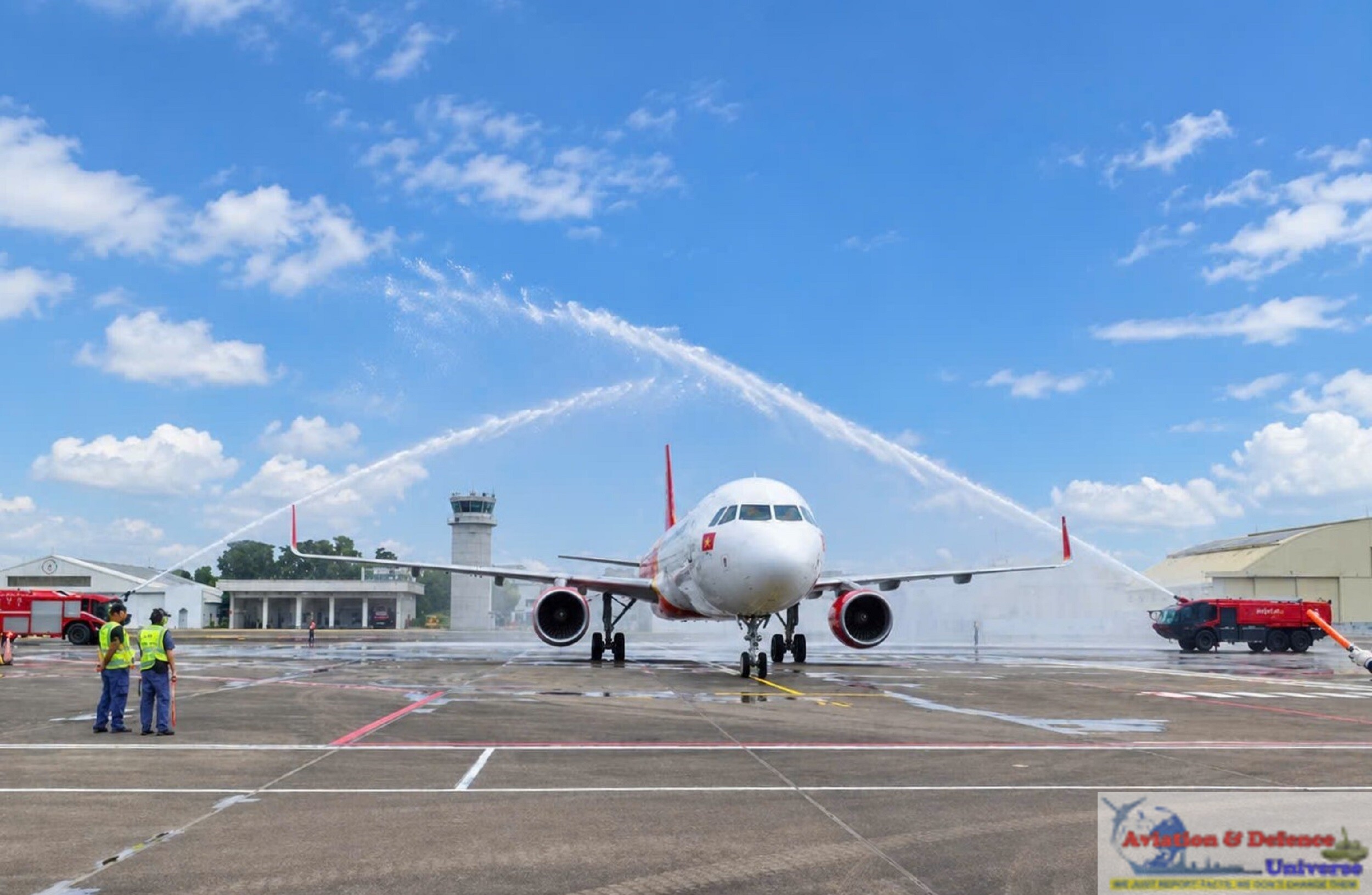
On the airline side, Volotea accounts for around 60 percent of traffic and has been a partner for a decade, while EasyJet has since added UK links. Tellier’s next target is legacy carriers, among them Aer Lingus, British Airways and KLM, along with feeder links into hubs, as Iberia already provides via Madrid.
Maintenance capability is a stated ambition. Aircraft are based at Strasbourg by Volotea and by the small French carrier Twin Jet. More based aircraft, Tellier argues, would justify a maintenance, repair and overhaul facility offering overnight and weekend checks, sparing operators costly ferry flights to distant hangars. He named eastern European low-cost carriers such as Wizz Air as potential customers and pointed out that space at Basel-Mulhouse is already tight.
He also made a wider case for a network of medium-sized airports, citing Lille, Brest and Biarritz alongside Strasbourg, as a counterweight to congestion at major hubs. France’s dense airfield map, he said, is a legacy of the Second World War, when German, American and British forces built airfields across the country for military use. Most now operate under a civilian flag.
Infrastructure is largely in place: a new runway, taxiway and apron are complete, and the terminal is due for refurbishment over the next decade. Tellier’s target is 2 to 3 million passengers in 10 to 15 years. “We don’t want to be 10 million,” he said, stressing the need to balance investment against safe operations.
Cargo is a niche rather than a core line. Major airports dominate freight, but Strasbourg hosts a logistics hub for pharmaceutical producers across Alsace, which could support air exports as EU-India trade procedures ease under the free trade agreement expected to take effect in 2027.
Whether a regional airport of this size can convince legacy carriers remains to be seen. But Tellier’s pitch is clear: in an era of congestion and geopolitical friction, smaller and closer can be a strategic advantage.