














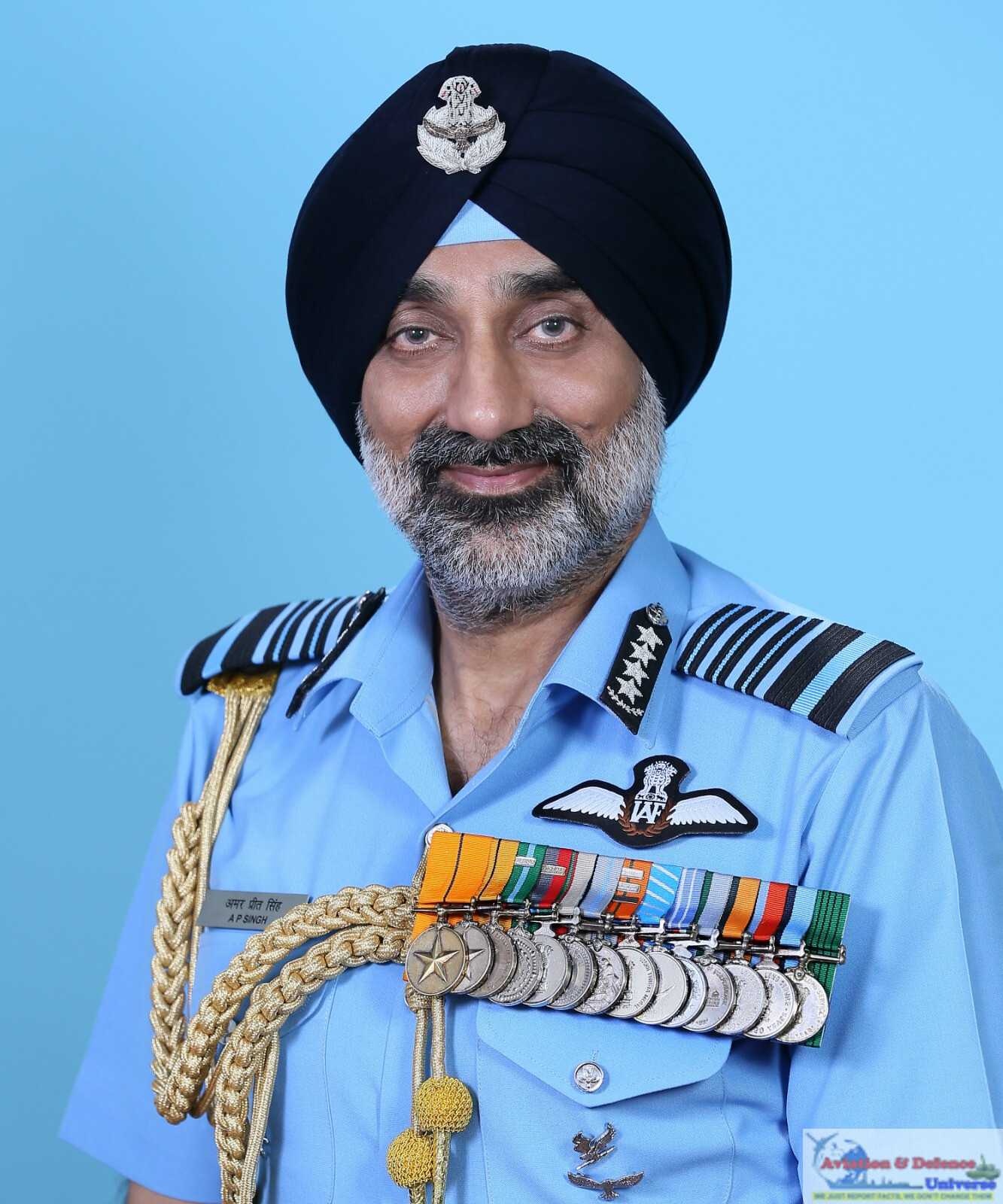
- From Operation Sindoor to Sixth-Generation Fighters: IAF Chief Maps the Future of Indian Air Power
- “Eyes in the Sky to Claws in the Sky”: IAF Chief on Drones, Fighters and Future Warfare
- India Must Fight Its Future Wars as One: IAF Chief on Jointness and Theatre Commands
- “Time Itself Has Become a Strategic Resource”: IAF Chief Calls for Faster Defence Innovation
By Sangeeta Saxena
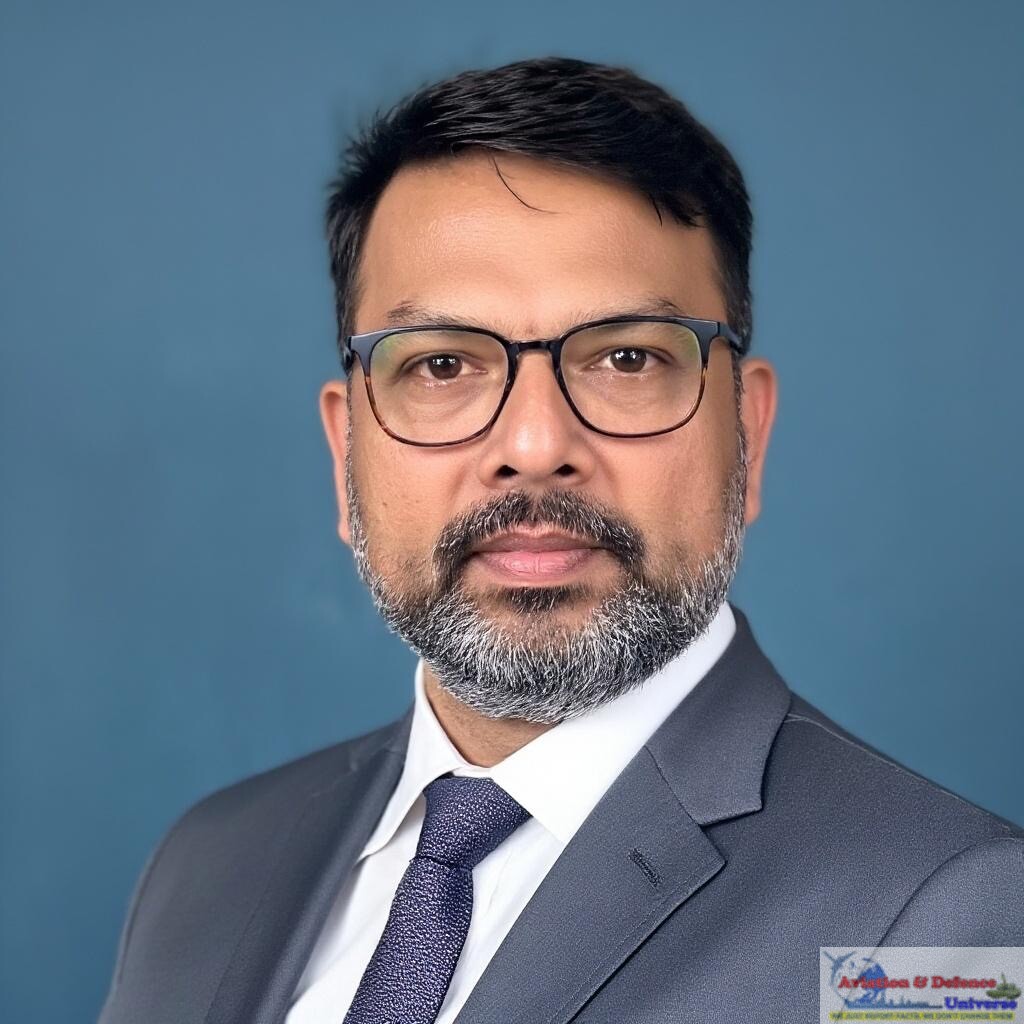
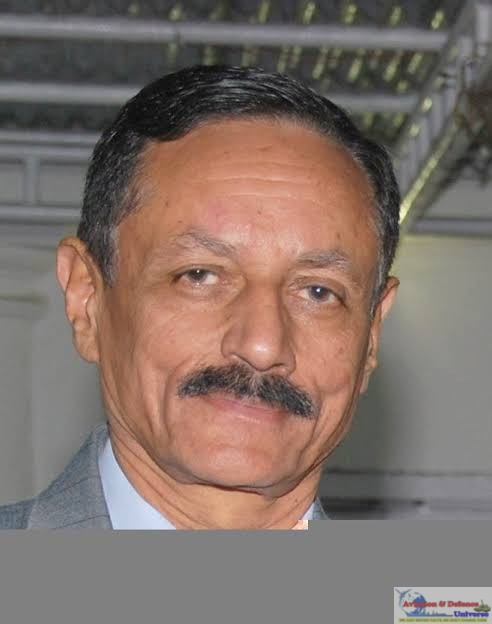
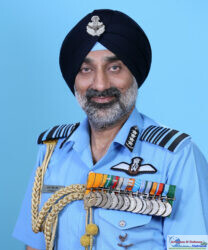
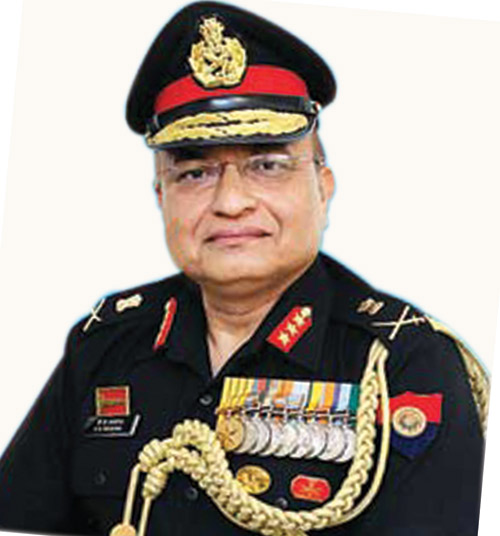
New Delhi. October 2026. As the Indian Air Force celebrates its 94th anniversary, the Chief of Air Staff, IAF, Air Chief Marshal AP Singh PVSM, AVSM in an exclusive interview with Aviation & Defence Universe (ADU) to commemorate the Airforce Day 2026, outlines the IAF’s evolving operational doctrine, its fighter modernisation roadmap, the urgency of accelerating indigenous defence innovation and the growing importance of autonomous systems. Equally significant is his perspective on jointness and theatre commands, where the distinctive flexibility and reach of air power must remain central to India’s future military architecture. From the combat lessons of Operation Sindoor to the promise of sixth-generation fighters, from rebuilding fighter squadron strength to transforming pilots into mission commanders of manned–unmanned combat teams, the Indian Air Force Chief is confident that the force is preparing for a battlespace where speed, technology, integration and decisive action will determine victory.
ADU. As the Indian Air Force celebrates its 94th anniversary, how would you describe the IAF of 2026? What, in your assessment, has changed most significantly in its operational capability, doctrine and strategic outlook over the past year?
ACM AP Singh.The IAF of 2026 is a force that is learning faster, integrating deeper and continuously adapting to the evolving character of warfare. Operation Sindoor tested it in combat and validated the direction we have taken. The most significant transformation has been the accelerated shift from platform-centric capabilities to networked, effects-based operations.
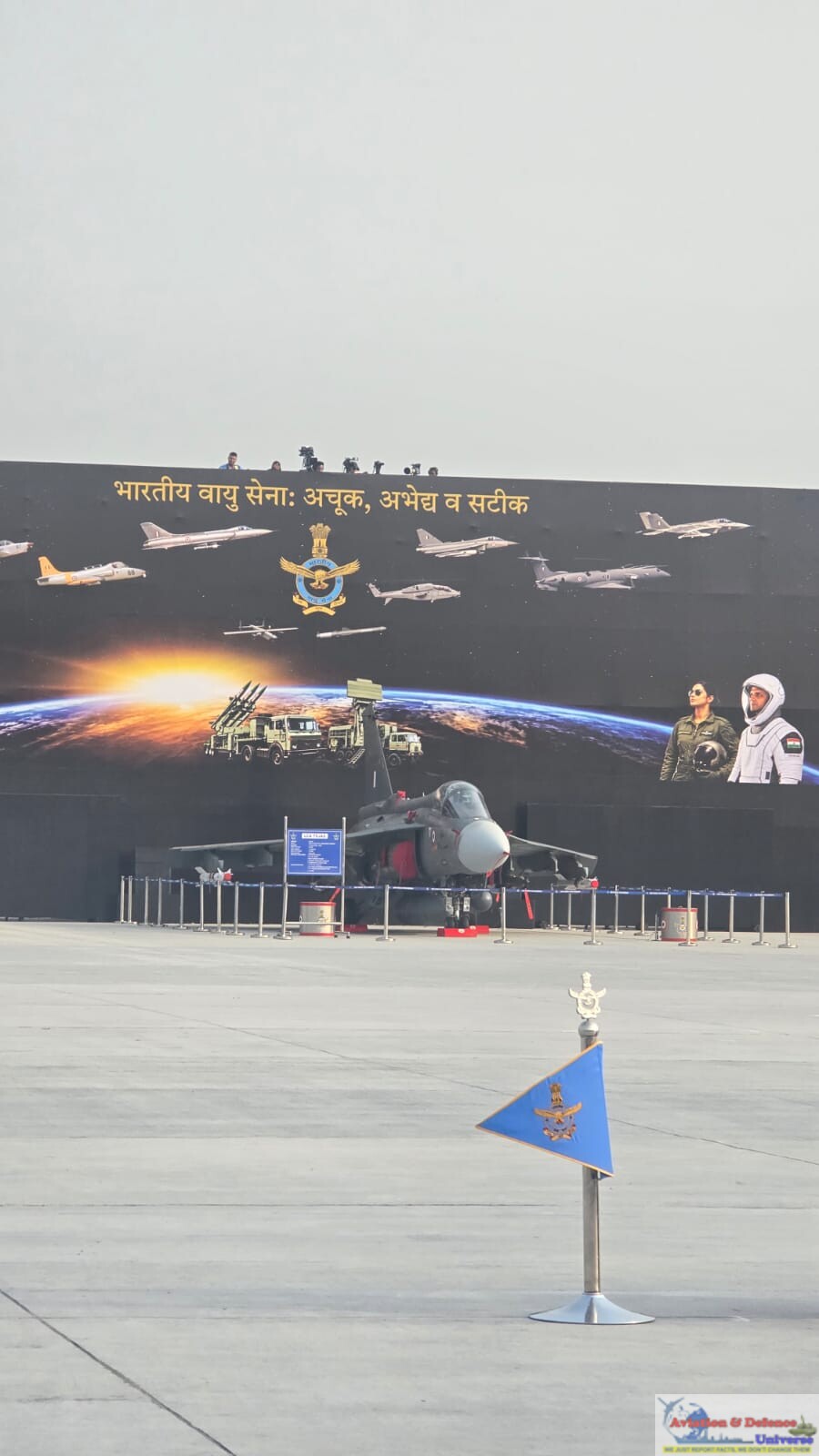 That shift is visible across doctrine, training and capability. Our doctrine and training are systematically evolving towards all-domain joint operations. The emphasis is now on sensor-to-shooter connectivity, electronic warfare, cyber and space integration, AI-enabled decision-making and decentralised execution. The all-domain Joint Operations framework and recent tri-Service initiatives directly reflect this progress. Concurrently, we have reinforced our commitment to self-reliance and operational resilience by integrating domestic platforms, weapons, sensors and robust supply lines into our frontline architecture.
Strategically, the IAF views air power not in isolation but as a primary enabler of integrated national power across Multi-Domain Operations. In short, the IAF of 2026 is a more joint, networked, agile and technologically adaptive force. It is focused on delivering decisive operational effects across the spectrum of conflict, and ready to do so whenever the nation calls.
ADU. Fighter squadron strength remains one of the most closely watched aspects of the IAF’s combat capability. How do you envisage balancing immediate operational requirements with the induction of LCA Tejas Mk-1A and Mk-2, the MRFA programme and eventually the AMCA?
ACM AP Singh. Fighter Fighter squadron strength is watched closely, and rightly so. Combat mass remains essential, because air power must be available simultaneously across geography, missions and time, with sufficient reserves to sustain operations. The IAF does face challenges arising from the draw-down of its legacy fighter squadrons, and I will not understate them. But we are addressing them through a deliberate, phased plan. It ensures that the nation’s deterrence never falters today, while every step moves us closer to a stronger, increasingly indigenous fleet tomorrow. Our aim is clear: to build up, progressively, the number of combat squadrons that our operational requirements demand. The key to this balance is thinking in time horizons rather than in terms of a single procurement.
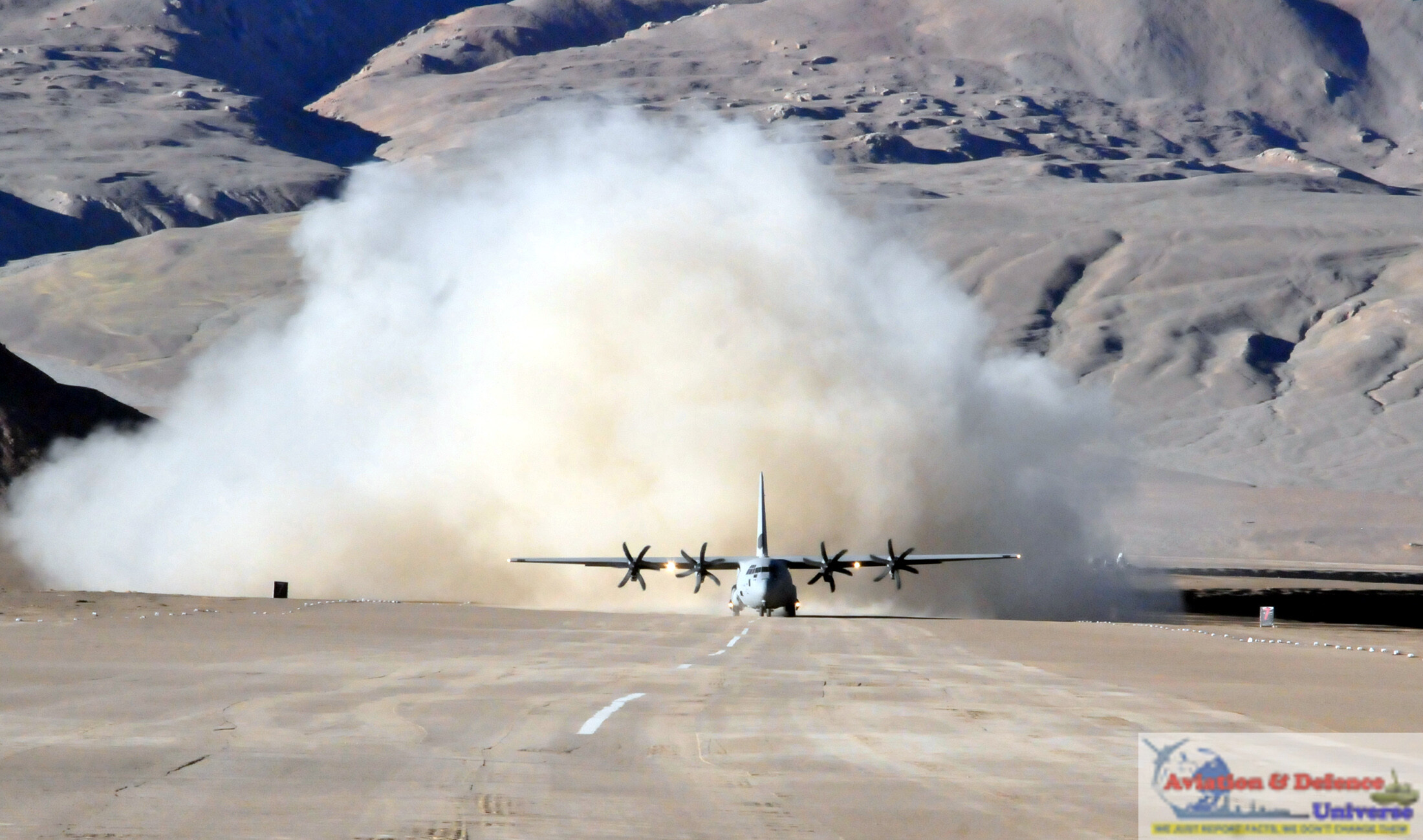
 The immediate horizon: sustaining strength now. Our current combat capability rests on the Su-30MKI, the Rafale and the indigenously developed LCA. We are making the most of the fleet we have. The upgrade of the Su-30MKI fleet, a design and development project with significant indigenous equipment, is being progressed. A contract for 12 additional Su-30MKI aircraft, signed in December 2024, is under execution. Fighter numbers are only part of the equation. A fighter’s value today depends heavily on the ecosystem around it: its weapons, sensors, electronic warfare support, airborne warning, aerial refuelling and networks. Investment in these force multipliers raises the combat effect of every squadron we already have.
The near-term horizon: rebuilding numbers. The LCA Mk-1A is central to rebuilding squadron strength. The IAF has signed two contracts with HAL, for 83 and 97 aircraft. Deliveries are yet to commence, and we are working in close coordination with all stakeholders to make them happen expeditiously. The supporting industrial base is being put in place, including arrangements for the supply of engines for the 97-aircraft programme. Alongside this, the Multi-Role Fighter Aircraft will bring a contemporary fighter into service in an early timeframe. The Defence Acquisition Council accorded Acceptance of Necessity for the MRFA in February 2026, with the majority of the aircraft to be manufactured in India. We are pursuing the programme so as to maximise technology transfer for local manufacturing and the use of indigenously developed weapons.
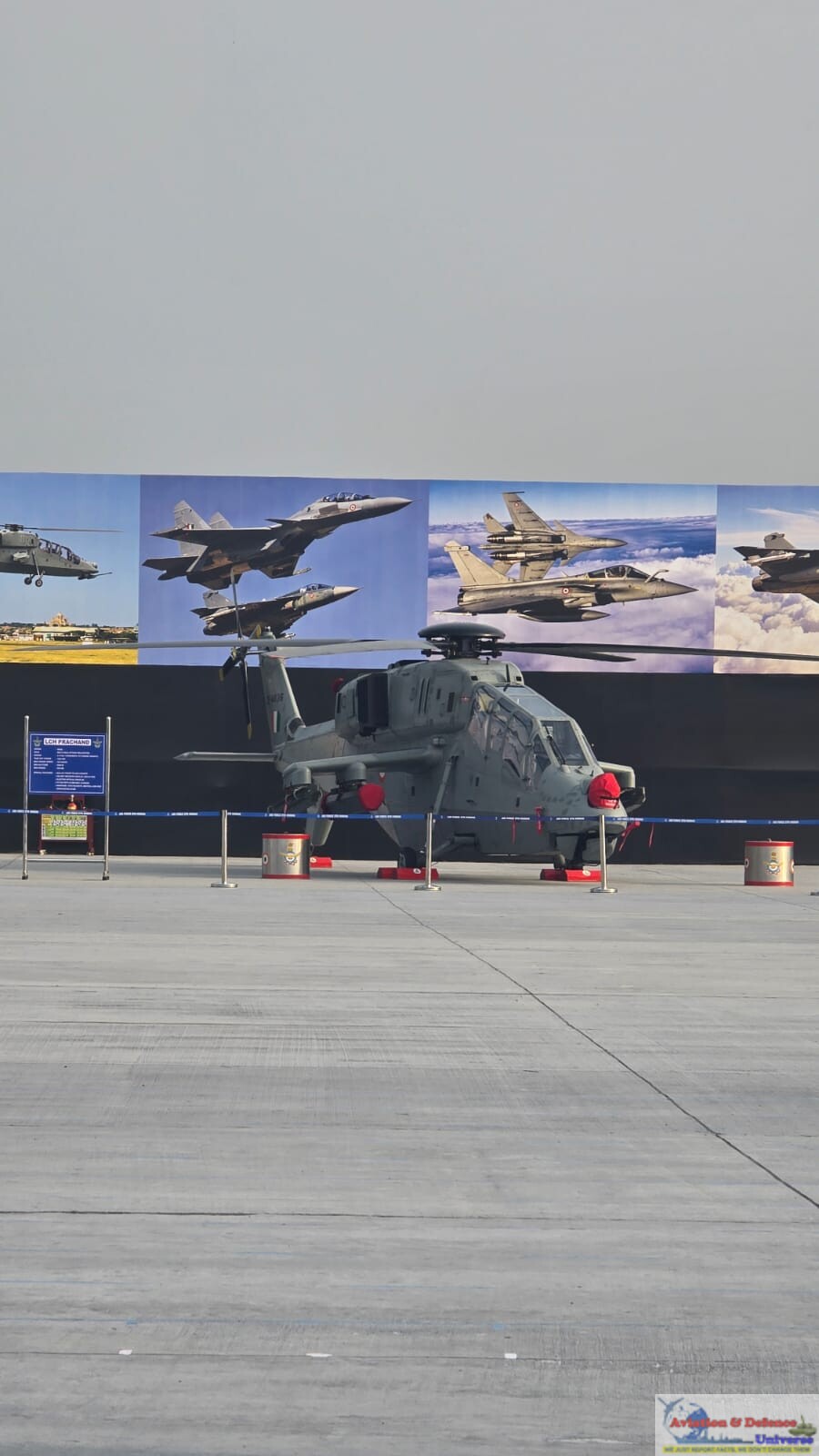 The 2030s: the next generation. DRDO is developing the LCA Mk-II and the Advanced Medium Combat Aircraft, our fifth-generation fighter. The IAF is actively involved in both programmes, and together they will boost our capability significantly in the 2030s. We are conscious that some global players, including our adversaries, have progressed in fifth-generation programmes, which is why the timely progress of the AMCA matters so much. Beyond: preparing for the sixth generation. The IAF is closely monitoring the emergence and evolution of sixth-generation combat aircraft technologies across the globe, with a view to assessing their operational relevance and potential integration into its future capability development roadmap.
Looking ahead, the LCA, the Su-30MKI, the MRFA and the AMCA will form the core of the IAF’s combat potential. A majority of these will be of indigenous design, and the others will carry significant indigenous contribution. Squadron numbers will be restored progressively, but more than that, every squadron will be more capable, more networked and more self-reliant than before. This in essence is the intent but ‘whole of nation’ approach is required for this plan to fructify.
ADU. You have repeatedly stressed that technology must reach the warfighter within relevant timelines. What changes would you like to see in India’s defence R&D, testing, certification and production ecosystem to reduce the time between identifying an operational requirement and fielding the capability?
ACM AP Singh. In a rapidly changing technological environment, time itself has become a strategic resource. A technologically superior solution that arrives after the operational requirement has changed may no longer deliver the intended advantage. Our goal is an indigenous capability that is operationally relevant and technologically current on the day it enters service.
We have made considerable progress in critical technologies that are among the most demanding in the world. These range from stealth, advanced sensors, data fusion and electronic warfare to Manned–Unmanned Teaming, swarm drones, hypersonic weapons and quantum communication. Maturing them is inherently iterative. The question is how to make that journey faster without making it riskier. In my view, the answer is to move from a largely sequential model of design, development, testing, certification and production to one that is concurrent and collaborative.
 That begins with defining problems early, after due interaction with industry, and in smaller, modular pieces that industry can solve within the user’s timeline. Testing and certification must stop being bottlenecks. We need more indigenous test infrastructure, simulation and digital engineering tools, and expanded, accredited certification capacity. The Defence Testing Portal, launched during Aero India 2025, is an important step. It gives domestic industry a single point of access to defence testing resources. Design, trials, quality assurance and contracting should run in parallel. Certification should be risk-based, so that a low-risk modification does not follow the same pathway as an entirely new, safety-critical system. Proven solutions should move automatically from prototype to limited user trial to production order, and every stage should have a clear owner and a defined timeline.
Production capacity matters just as much as development speed. DRDO-led projects now involve Development-cum-Production Partners supported by tier-2 sub-vendors, and MSMEs and start-ups are taking up a growing number of projects. DPSUs and major private players must also expand capacity, especially for weapon systems, so that surge requirements can be met in a contingency.
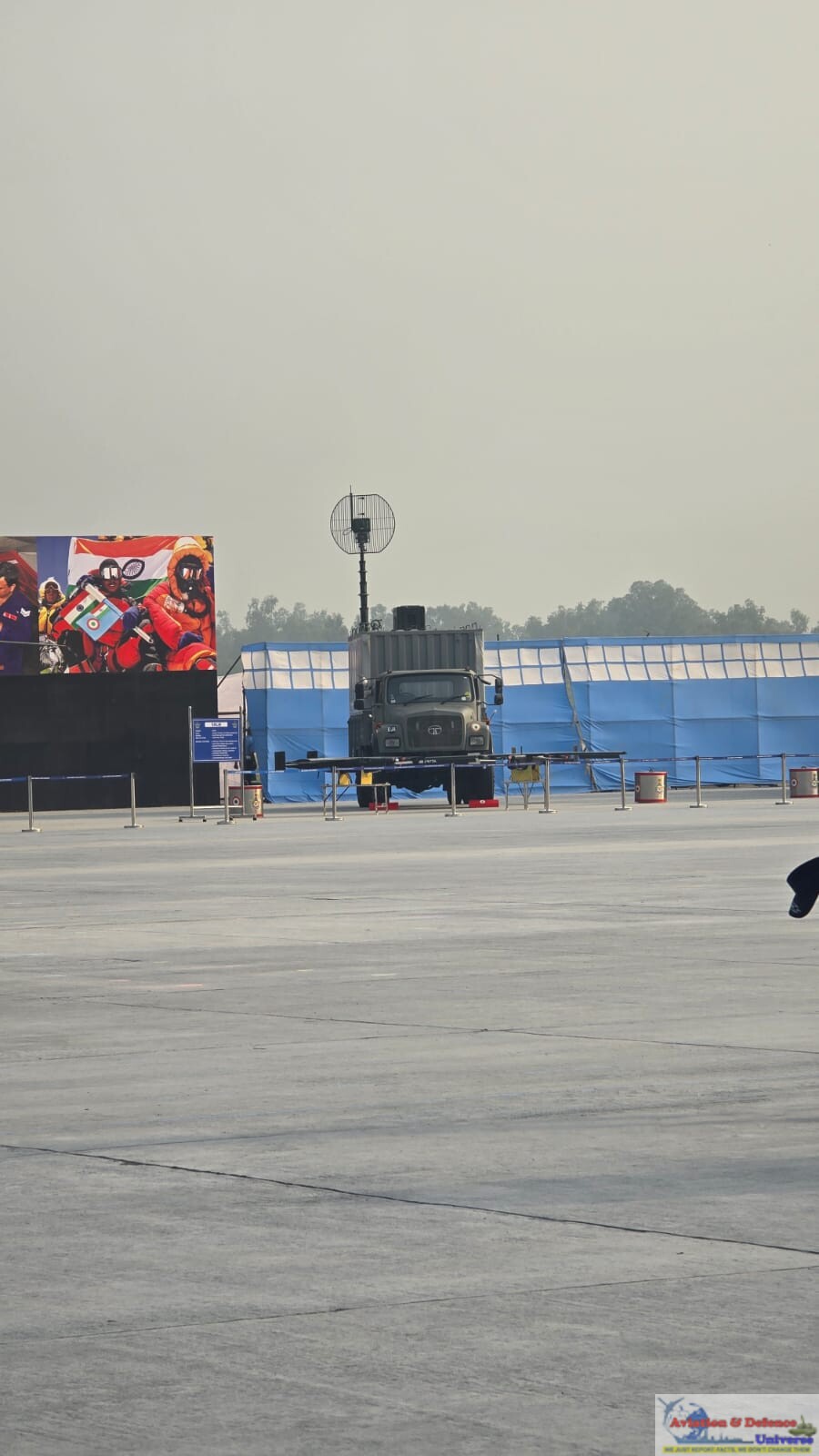 Equally, a capability is decisive only if it is available on the flight line when needed. The IAF is therefore moving from time-based and reactive maintenance towards condition-based, predictive maintenance built on digital twins. These are fed by on-board health monitoring, flight data and maintenance records, and analysed using AI. The results will be fewer unscheduled groundings, optimised spares, and higher aircraft availability and sortie rates, especially during surge. The same data can flow back to DRDO and industry to improve reliability and shape the next upgrade, provided common data standards and secure data-sharing are built into programmes from the outset.
At its core, the shift we need is from a slow “develop, then procure” model to a continuous pipeline from prototype to induction, with responsibility shared between the user, DRDO and industry, and with the understanding that some failures are part of innovation. The IAF is fully committed to building that cycle, compressed but robust. By the time a technology reaches the warfighter, it should be not merely indigenous, but decisive.
ADU. Unmanned systems have moved rapidly from being primarily ISR platforms to becoming offensive weapons and integral elements of air power. How does the IAF see the future mix of manned aircraft, remotely piloted aircraft, autonomous systems and collaborative combat aircraft?
ACM AP Singh. Unmanned systems have travelled a remarkable distance in a very short time. As I have often said, they have evolved from eyes in the sky to claws in the sky, and they are now integral elements of air power rather than accessories to it. But the IAF does not see the future as one in which unmanned systems replace manned aircraft. Our conviction is simple: every element of air power has a role to play, whether it is manned or unmanned, legacy or cutting edge. A modern multirole fighter, a legacy platform upgraded with new weapons and sensors, a long-endurance remotely piloted aircraft or a low-cost expendable drone each brings something the others cannot. The future, as we see it, is a layered, collaborative ecosystem. Manned aircraft, remotely piloted aircraft, autonomous systems, collaborative combat aircraft and expendable systems each contribute what they do best, and together they maximise combat effectiveness and survivability. The key is integration, not substitution.
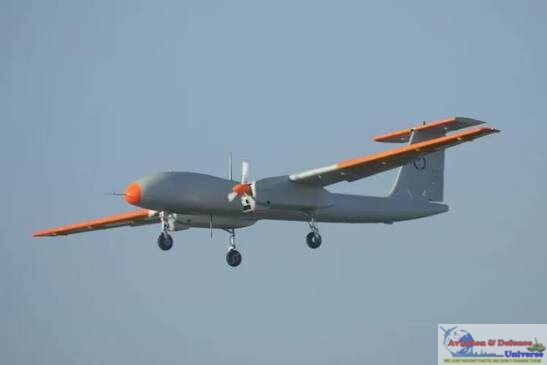 The manned fighter as mission commander. The manned fighter will remain the primary platform of our air combat strategy, supported by unmanned systems within an integrated air combat system. Manned aircraft provide command, adaptability and the ability to execute complex missions, qualities that rest on human judgement. What will change is the pilot’s role. In future conflicts, the pilot will no longer be just a stick-and-throttle operator but a Mission Commander, directing a team of assets around him. The world’s major sixth-generation programmes reflect the same conviction: at the heart of each is a manned fighter, working alongside unmanned systems rather than being replaced by them.
Collaborative combat aircraft. Collaborative combat aircraft represent the most critical evolution in our future mix. These are high-performance aircraft, autonomous or semi-autonomous, designed to fly alongside manned fighters. They extend the fighter’s sensor reach and weapon range, and take on the high-risk, high-attrition roles of the modern battlefield. This is where Manned–Unmanned Teaming will come into its own. The IAF has been articulating its operational requirements for it to HAL since 2019.
Remotely piloted aircraft for persistence and strike. Remotely piloted aircraft will provide the persistence that modern operations demand, and we are steadily building this layer. A contract for 31 MQ-9B Sky Guardian and Sea Guardian aircraft was finalised in October 2024. The IAF will operate eight of these aircraft which will be a significant boost to our surveillance capability. The IAF is also processing a tri-Service case for Medium Altitude Long Endurance RPAs, which is expected to give a major boost to Make in India in this class. At the same time, we are upgrading the existing RPA fleet for all three Services, which will enhance the capability of current platforms in a relatively short timeframe.
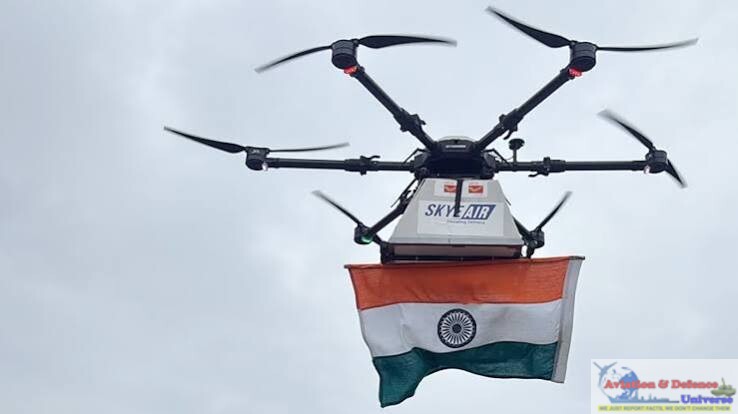 Persistent ISR across the aerospace domain. Unmanned platforms are part of a wider ISR architecture that brings together satellites, UAVs, RPAs, airborne platforms and ground-based systems. That architecture converts raw signals and imagery into actionable intelligence and builds a single operational picture in real or near-real time. To complement our existing signals and imagery intelligence capability, we plan to induct high-endurance airborne platforms. We are also working on design and development projects under Make-I for developing fixed-wing and air-ship based High Altitude Pseudo Satellites.
Expendable and autonomous systems for mass. Unmanned systems bring mass, persistence and risk tolerance at lower cost. The IAF is investing in smaller, low-cost autonomous swarms. It is also pursuing multiple cases for long-range loitering munitions, swarms and counter-UAS capability, which are at various stages of the procurement cycle.
What will determine the balance. The precise balance between these layers will depend on the mission, the threat, cost, persistence and, crucially, the level of human judgement each task requires. Making them work as one coordinated team will depend on AI-enabled mission management. That in turn requires common communications and secure data links, machine-readable mission intent, autonomous navigation and collision avoidance, distributed sensing, and robust fallback modes for when networks are contested.
The future IAF will be neither wholly manned nor wholly unmanned, neither wholly old nor wholly new. It will be a seamlessly teamed force in which every element, from the legacy platform to the newest autonomous system, has its place, with the human as commander and machines as trusted partners. We are building that force step by step, increasingly with Indian industry, so that it is ready to dominate the battlespace of tomorrow.
ADU. Jointness remains central to India’s ongoing military transformation. From the IAF’s perspective, what should be the fundamental principles governing integration and the future theatre command structure so that the flexibility and reach inherent in air power are optimally employed?
ACM AP Singh. For the Indian Air Force, jointness is not a new idea; it is an inherent part of our doctrine. The all-domain joint operations I spoke of at the outset build on a long tradition. Coordinated air operations with both the Indian Army and the Indian Navy have always been integral to how we plan and fight, and the IAF’s air operations are therefore joint by their very nature. That is why we are fully committed to the ongoing transformation. The objective must be a force that brings together the complementary strengths of the three Services to generate the desired operational effect in the most efficient manner.
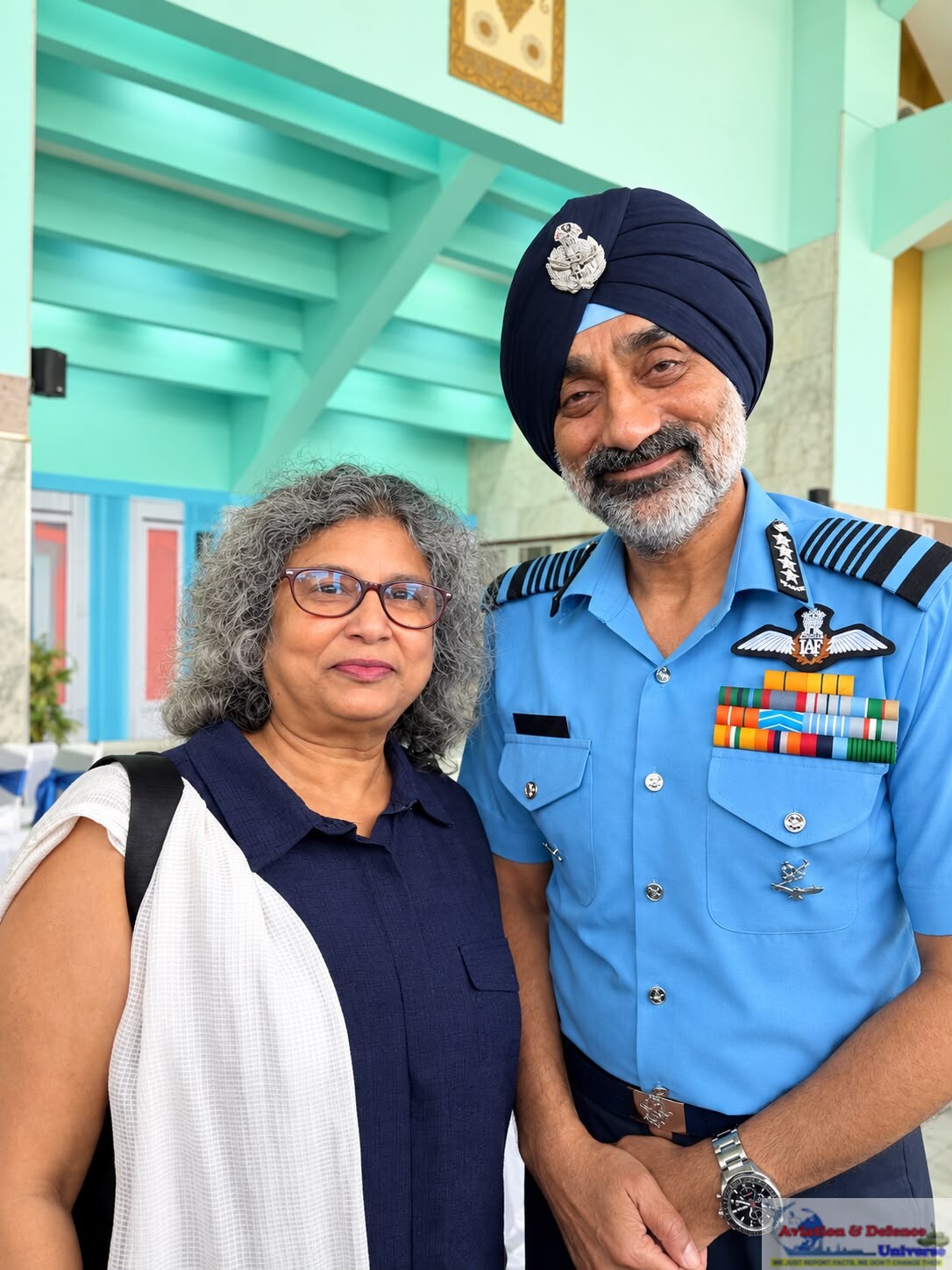
Any future structure must be designed for India. It should be evaluated against India’s specific security requirements, not built by replicating models from other countries, because each nation operates within its own strategic, geographical, technological and operational environment. Integration must also combine strengths rather than subordinate them. Jointness should never be confused with the subordination of one form of military power to another. In a genuinely joint force, each Service is valued for the unique effects it brings and is employed where it can make the greatest difference.
Equally, the inherent flexibility and reach of air power must be preserved. Its defining strengths are speed, reach, flexibility, precision and the ability to rapidly concentrate and redistribute combat power. A future structure must allow air power to be massed where it is needed most and shifted rapidly between sectors as the situation demands. Operation Sindoor showed why this matters: the centralised allocation and timely reallocation of critical resources proved decisive in the outcome. Finally, a transformation of this scale should be implemented in phases, with each step tested, validated and refined before the next is taken, so that operational readiness is never compromised during the transition.
Built on the networked, sensor-to-shooter architecture I described earlier, such a structure will give commanders decision superiority, so that they can employ the right capability at the right time. The IAF will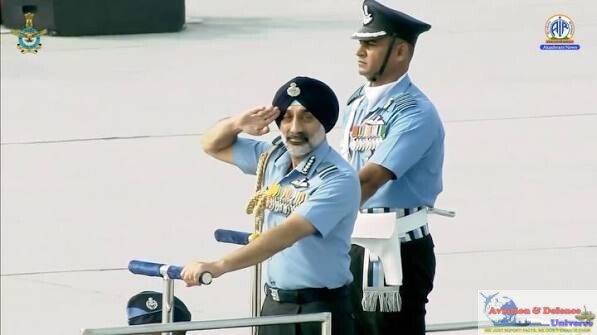 continue to contribute wholeheartedly to this national effort, working with our sister Services so that India fights its future wars as one.
The future of Indian air power will not be decided by fighter numbers alone, but by how effectively aircraft, weapons, sensors, autonomous systems and human judgement come together to deliver decisive combat outcomes. Through this exclusive interaction with ADU, the Chief of the Air Staff presents an Indian Air Force conscious of its immediate operational challenges yet determined to prepare for the next generation of warfare. From the urgency of rebuilding squadron strength to accelerating indigenous innovation, from manned–unmanned teaming to preserving the flexibility of air power within an integrated military structure, the roadmap is ambitious and the challenges substantial. Operation Sindoor provides an operational reference point; Tejas, MRFA and AMCA represent important elements of the journey ahead. The message is unmistakable: the IAF of tomorrow must be faster in decision-making, stronger in capability, smarter in technology and united in combat purpose. The ultimate objective is not merely to fly into the future, but to dominate its battlespace.
As Told to Sangeeta Saxena