
















- Built Together, Flying Higher: India–US Aerospace Partnership Enters a New Era
- From Buyer–Seller to Co-Creators: India and US Redefine Aerospace Cooperation
- Trust, Technology and Trade: India Emerges as America’s Strategic Aerospace Partner
By Sangeeta Saxena
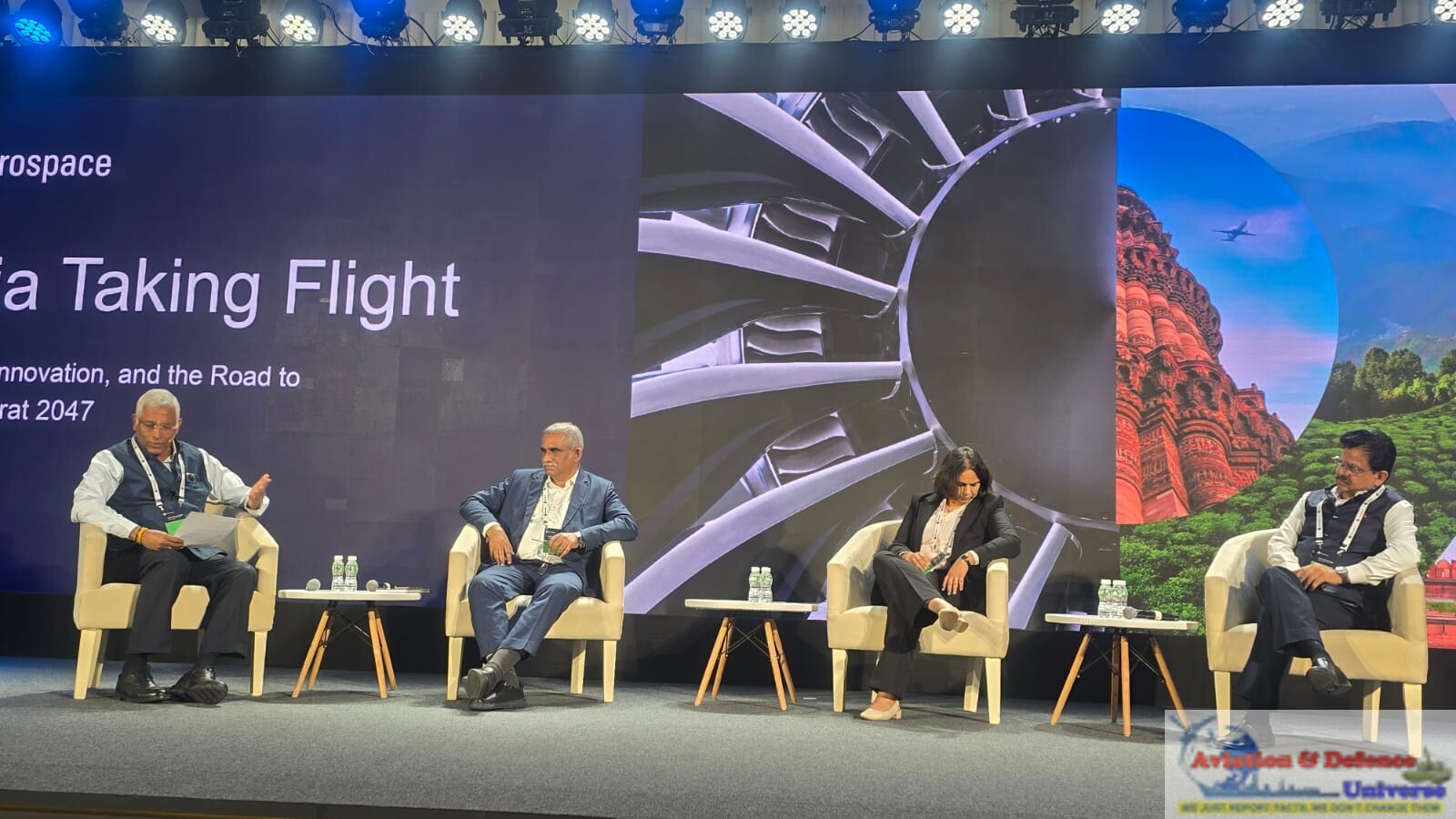
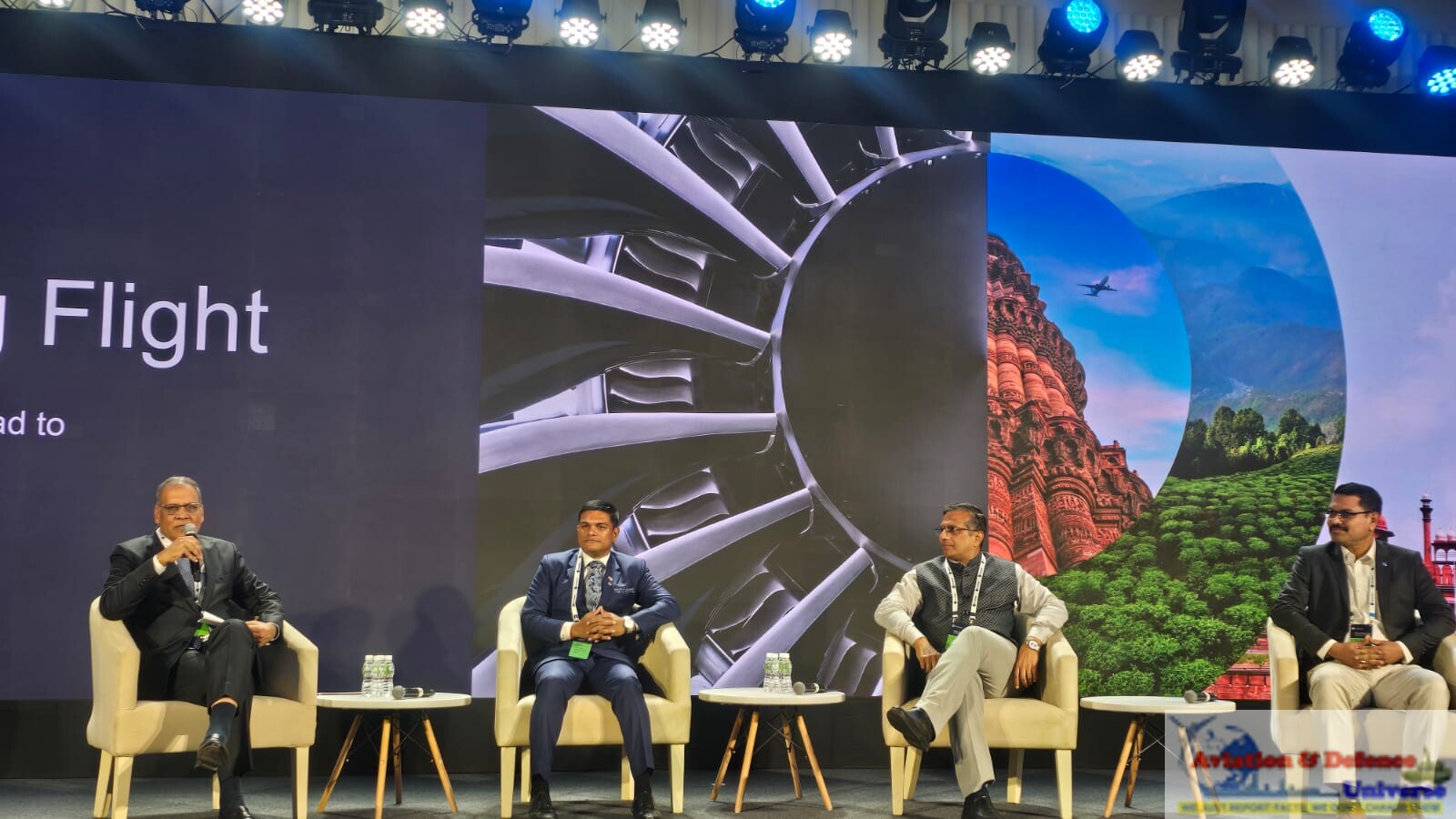
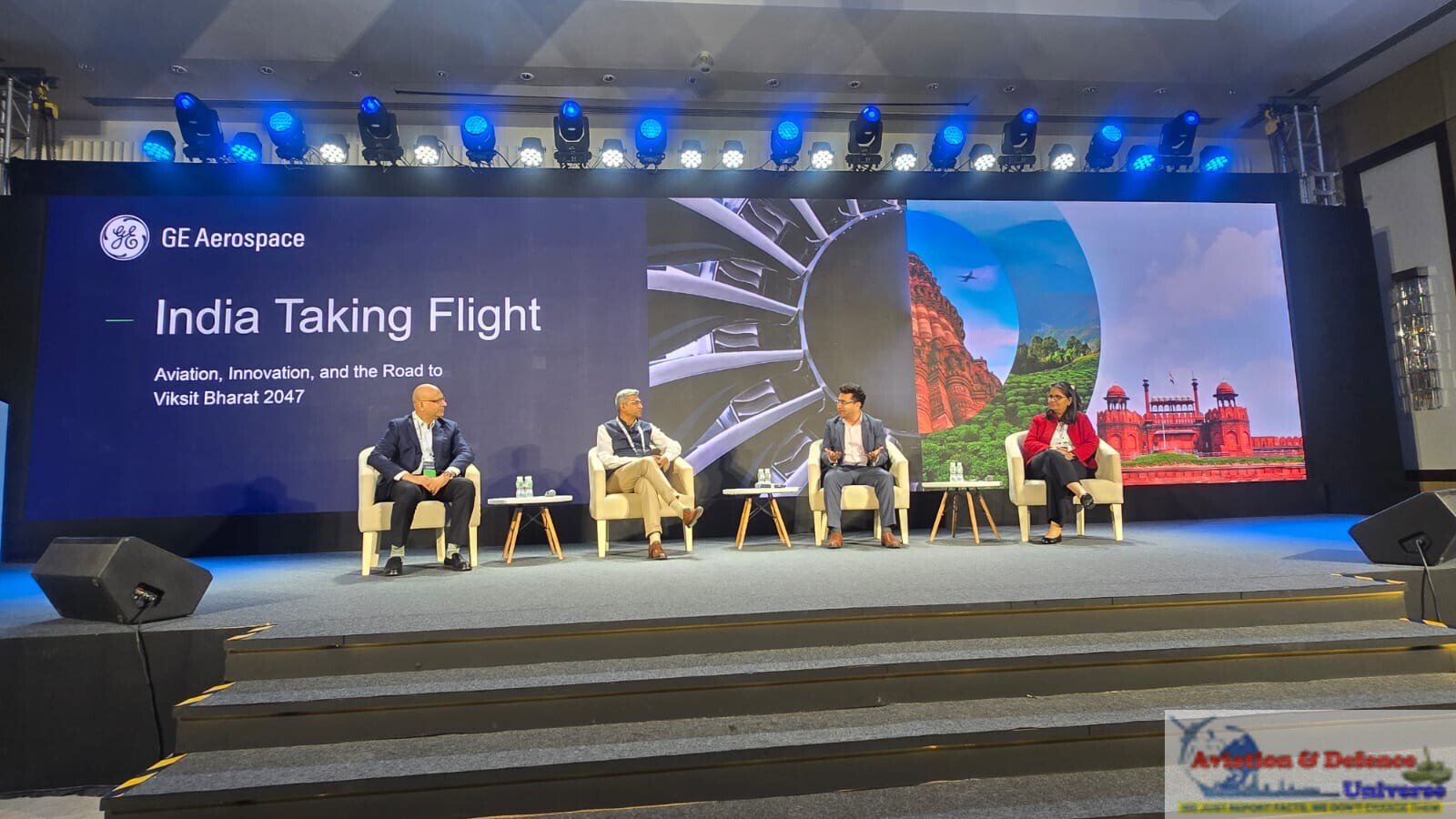
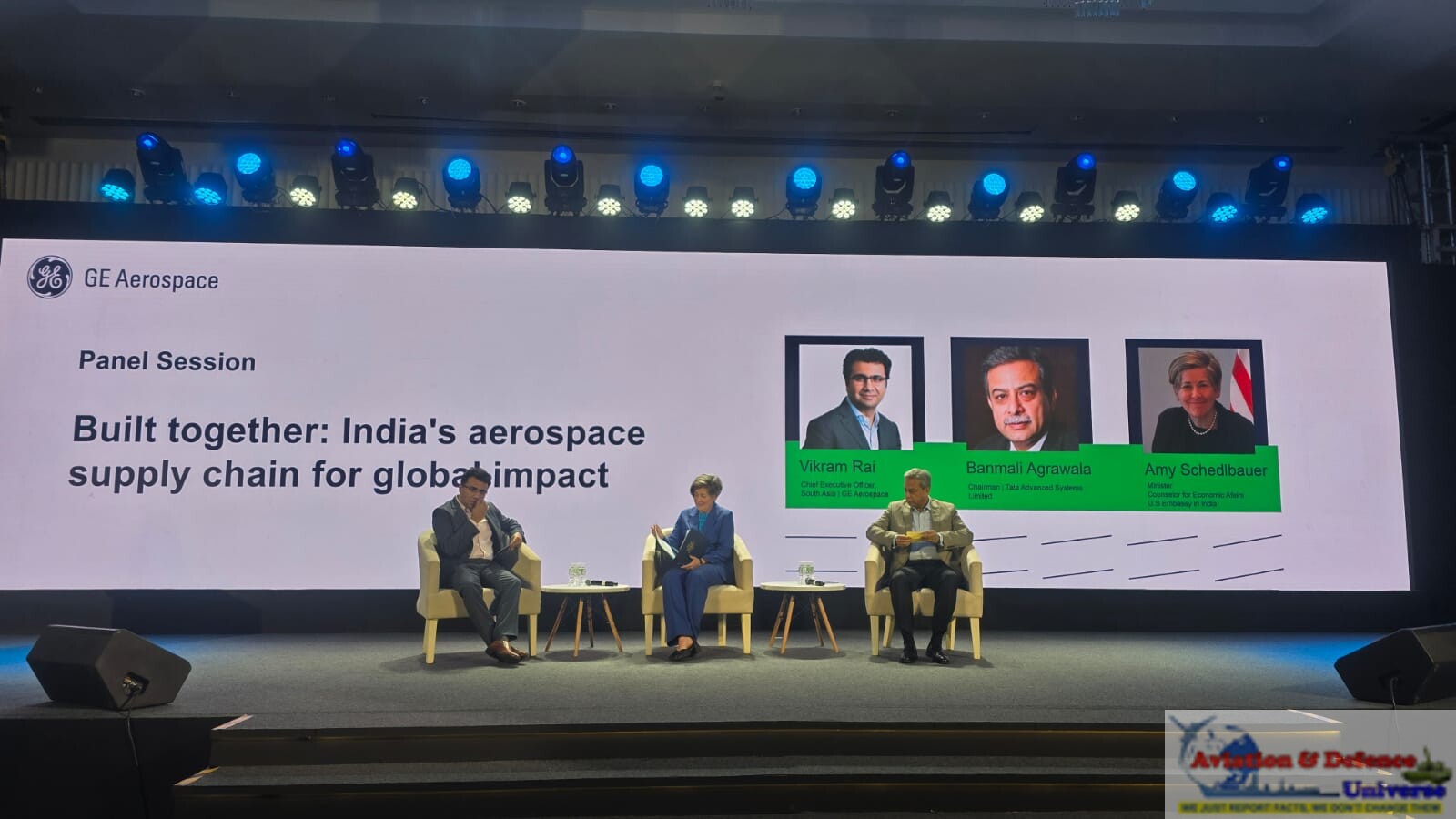
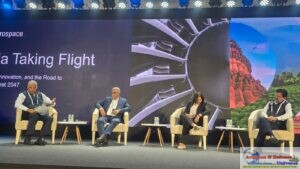
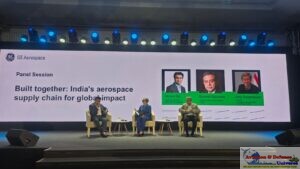
New Delhi, 12 October 2026. Aircraft engines may power the world’s skies, but trust, technology and strategic partnerships power the industry that builds them. As global aerospace manufacturers seek resilient supply chains, diversified production networks and dependable technological partners, India is emerging as an increasingly important player in the international aerospace ecosystem. The India–US relationship, once largely defined by defence purchases and technology imports, is evolving towards manufacturing collaboration, engineering integration and shared innovation. Against this backdrop, Panel 3, “Built Together: India’s Aerospace Supply Chain for Global Impact,” at GE Aerospace’s India Taking Flight: Aviation, Innovation, and the Road to Viksit Bharat 2047 event explored how the world’s two major democracies could transform industrial cooperation into a strategic advantage for both nations.
Moderated by Vikram Rai, CEO, South Asia, GE Aerospace, the panel featured Amy Schedlbauer, Minister Counselor for Economic Affairs, US Embassy in India, and Banmali Agrawala, Chairman, Tata Advanced Systems Limited.
The discussion examined the expanding India–US economic partnership, the strategic importance of trusted supply chains, India’s manufacturing potential, the role of technology transfer and investment, and the policy initiatives required to make India a globally competitive aerospace manufacturing hub.
A central message emerged: the next stage of India–US aerospace cooperation must go beyond commercial transactions to create a mutually beneficial industrial ecosystem capable of supporting technological innovation, economic growth and national security.
Amy Schedlbauer: India and US Are Building a Shared Technological Future
Setting the strategic context, Amy Schedlbauer described the India–US partnership as one that was moving well beyond conventional diplomatic and commercial cooperation. She highlighted the increasing convergence between the two countries in critical and emerging technologies, secure supply chains and advanced industrial development. She was speaking at the GE Aerospace India Economic Impact Report Launch.
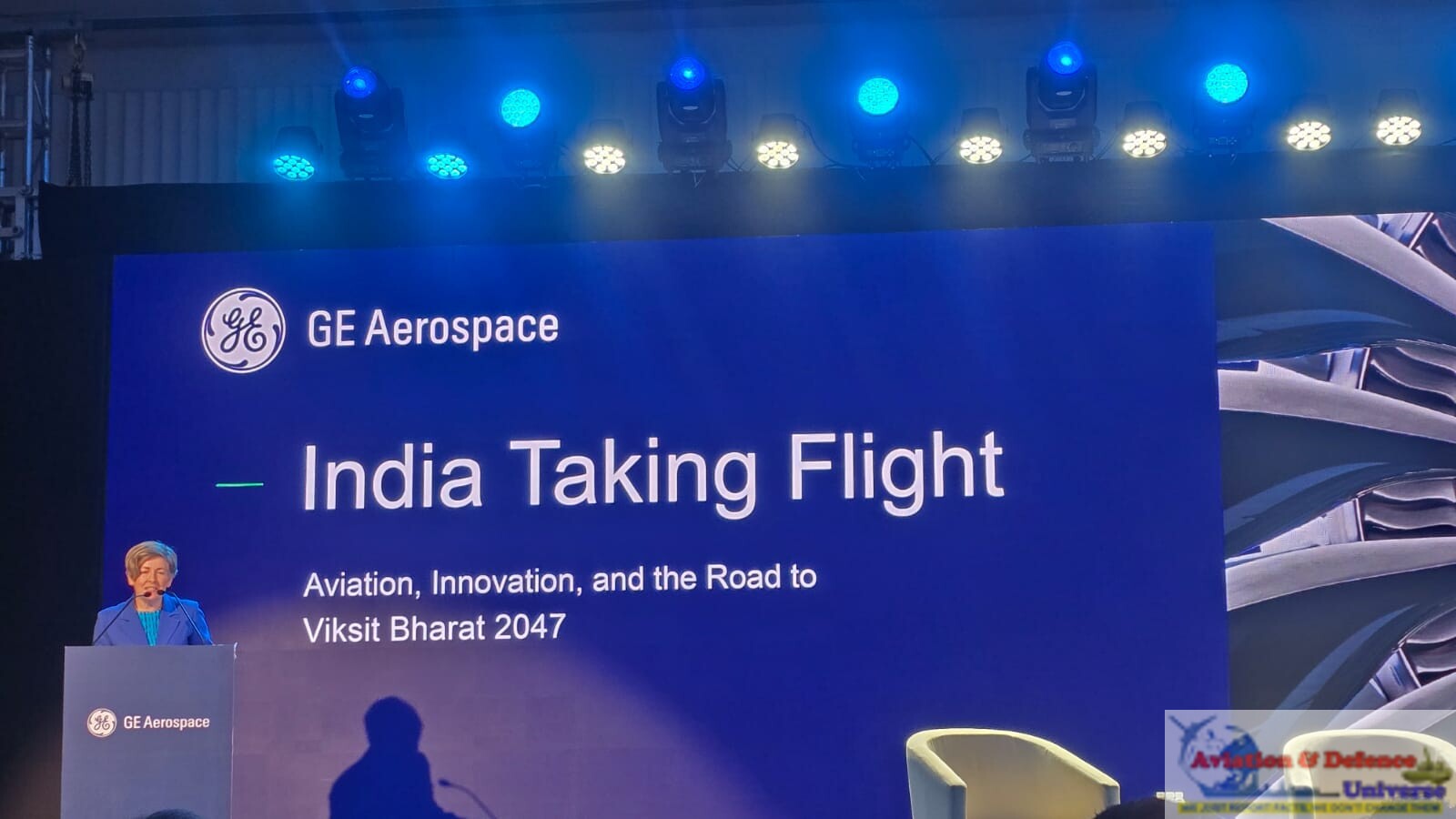 “From critical minerals to biopharmaceuticals, our two nations are building something that is well beyond traditional diplomatic cooperation,” she stated. “We are constructing the architecture of a shared and secure technological future.” Schedlbauer identified the Transforming the Relationship Utilising Strategic Technology (TRUST) initiative, launched in February 2025 by US President Donald Trump and Prime Minister Narendra Modi, as an important framework for advancing bilateral technological cooperation.
She explained that TRUST was intended to bring governments, academic institutions and private enterprises together to deliver practical outcomes in critical technologies. Rather than limiting cooperation to policy discussions, the initiative sought to encourage industrial partnerships, technological innovation and the development of trusted supply chains.
For Schedlbauer, aerospace was an important component of this vision. She emphasised that the United States regarded India as an essential partner in building secure and reliable technology ecosystems.”The aerospace industry is a major part of TRUST,” she said. Her remarks positioned aerospace cooperation not merely as an industrial opportunity but as an element of the wider India–US strategic partnership.
GE Aerospace: Four Decades of Industrial Partnership with India
Schedlbauer highlighted GE Aerospace’s longstanding presence in India as an example of how American investment could contribute to the development of local industrial capabilities. With more than four decades of engagement in the country, GE Aerospace had moved beyond selling products to supporting engineering, manufacturing and supplier development.
 She explained that the company’s Indian operations illustrated the potential of international partnerships to strengthen domestic capabilities while contributing to global aerospace programmes. “US investment isn’t just about entering the market, it’s about enriching the ecosystem, creating high-value supply chains and elevating global standards,” she observed.
The relationship between GE Aerospace and Indian industry demonstrated how technology partnerships could generate benefits extending beyond individual commercial contracts. These included workforce development, engineering expertise, precision manufacturing and the creation of internationally competitive suppliers.
Schedlbauer argued that building industrial capabilities together strengthened interoperability and created advantages for both countries. Such cooperation was particularly important in aerospace, where manufacturing processes, technology development and supply chains were deeply interconnected.
From F404 Engines to Commercial Aviation: GE’s Expanding Indian Footprint
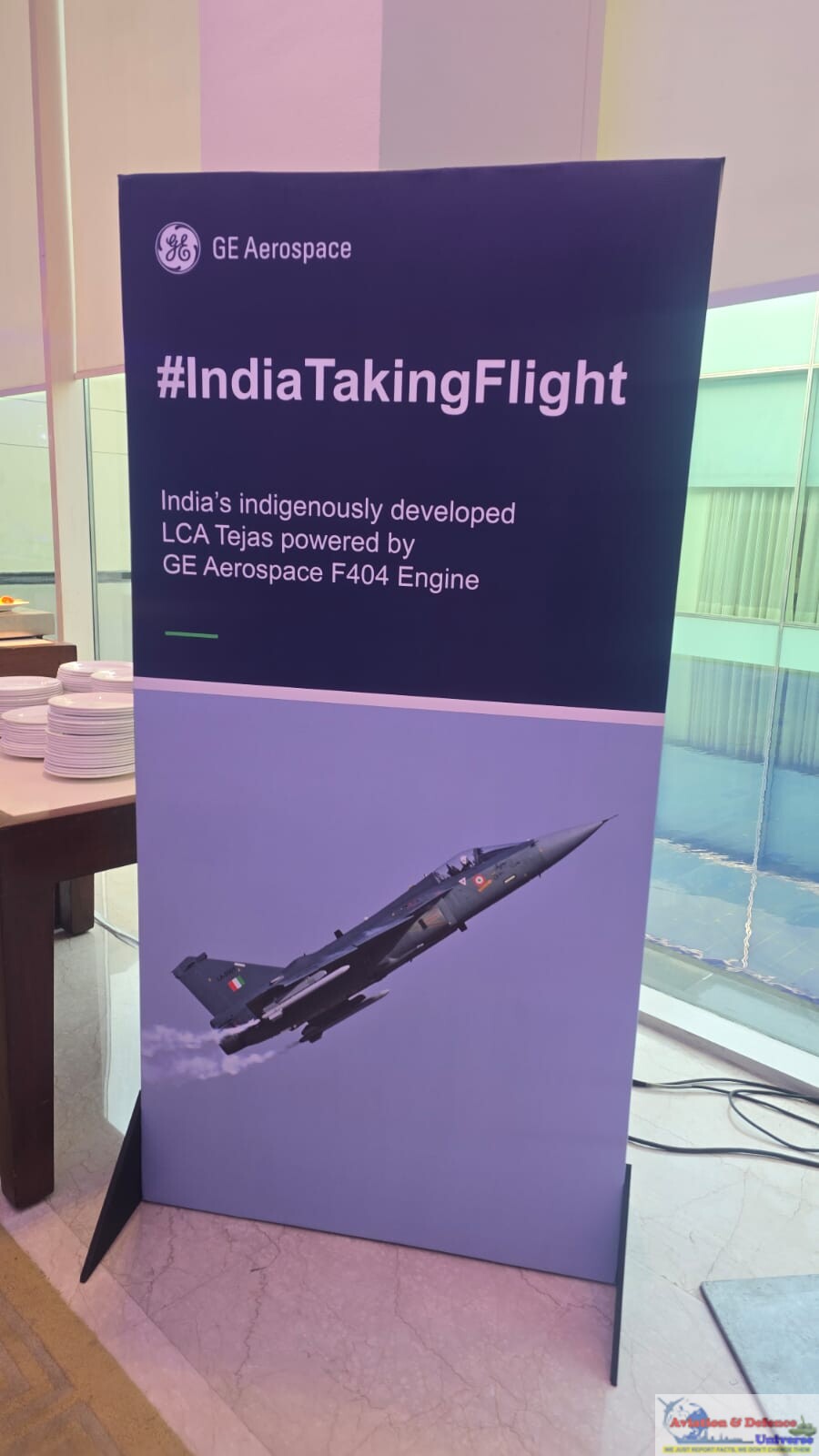
Schedlbauer drew attention to GE Aerospace’s contribution to both India’s defence and commercial aviation sectors. In defence aerospace, she referred to the company’s F404 engines, which power India’s indigenous Light Combat Aircraft, Tejas. The programme illustrated the longstanding technological relationship between Indian aerospace manufacturers and American propulsion specialists. In commercial aviation, she 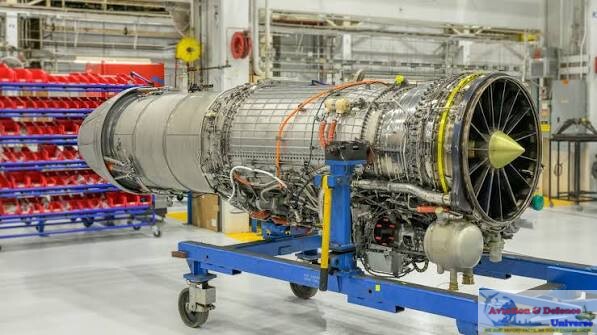 highlighted the expanding presence of GE Aerospace and its joint-venture engine technologies in India’s rapidly growing aviation market.
According to figures cited during her address, more than 1,400 engines supplied by GE Aerospace and its associated programmes were operating in India, with more than 3,200 additional engines on order for delivery over the coming decade. These numbers reflected the scale of India’s aviation expansion and the opportunities it presented for deeper industrial cooperation. The growing demand for aircraft engines could also support additional manufacturing, maintenance, engineering and supplier development activities. For India, the challenge was to convert this demand into lasting industrial capabilities.
Vikram Rai: GE Aerospace Plans to Double Indian Sourcing
Moderating the discussion which followed her address GE’s South Asia Head Vikram Rai placed emphasis on India’s expanding role within GE Aerospace’s international supply chain. He referred to the company’s announcement that it intended to nearly double its Indian sourcing from approximately US$200 million in 2025 by 2030.
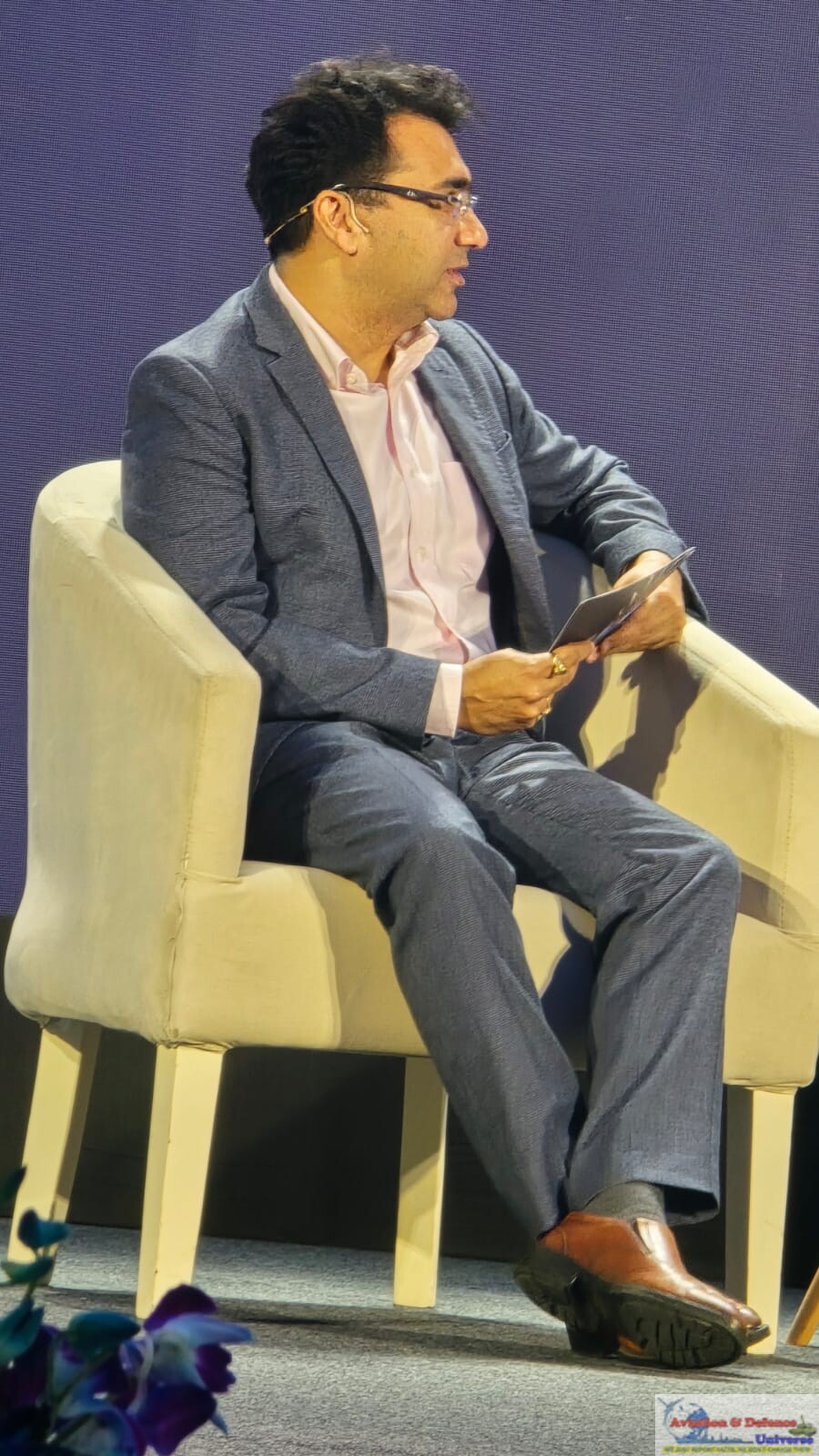 The commitment underscored India’s growing importance as a manufacturing and engineering partner. Rai invited the panellists to examine how international aerospace companies could expand their Indian supplier networks and create opportunities for domestic manufacturers.
He highlighted the importance of building an ecosystem capable of meeting the stringent quality, precision and reliability requirements of global aerospace production. The question was not simply whether India could manufacture more aerospace components. It was whether the country could establish the capabilities, industrial depth and competitive environment necessary to become an indispensable part of international aerospace supply chains.
Banmali Agrawala: India Must Create More Value-Added Manufacturing and Quality Employment
Banmali Agrawala, Chairman, Tata Advanced Systems Limited, approached the discussion from the perspective of India’s economic development and industrial competitiveness.He argued that India’s growth trajectory presented significant opportunities but that the country needed to rethink the drivers of its next phase of development. “What has brought us so far is not exactly what’s going to take us” into the future, he observed. Agrawala emphasised that India’s economic progress needed to be supported by greater value addition and the creation of high-quality employment.
He noted that manufacturing’s share of the Indian economy remained relatively modest compared with the level he believed was desirable for a developed economy. India, he suggested, needed a considerably larger and more sophisticated manufacturing sector.The objective should not be limited to increasing production volumes. It should involve the creation of industries capable of generating technological capabilities, skilled employment and internationally competitive products.
For Agrawala, aerospace offered an opportunity to contribute to this transformation because of its high technological content, complex manufacturing requirements and extensive supply chains. However, realising this potential required a supportive policy environment, long-term industrial commitments and strong partnerships with global manufacturers.
Lessons from Electronics: A Roadmap for Aerospace Manufacturing
Agrawala identified India’s progress in electronics manufacturing as an example of how industrial policy and international partnerships could accelerate domestic manufacturing capabilities. He pointed to the country’s success in attracting electronics manufacturing investments and developing an expanding production ecosystem.
 The transformation, he explained, had been supported by a combination of favourable policies, global partnerships and the willingness of Indian private enterprises to undertake investment risks. He argued that a similar approach could help accelerate aerospace manufacturing. The electronics experience demonstrated that industries could develop rapidly when governments and businesses worked together to address structural disadvantages and create commercially viable opportunities.
Agrawala suggested that India needed to apply these lessons to aerospace, where the barriers to entry were often greater because of the technical complexity, certification requirements and long development cycles associated with aviation products. The country possessed significant market potential and engineering talent, but these strengths needed to be translated into competitive industrial capabilities. He also welcomed GE Aerospace’s plans to expand sourcing from India.
“I was really delighted to hear that you’re doubling the size of your engagement with India. I would urge you to do even more,” he said. His reasoning was straightforward: greater manufacturing scale could help strengthen the wider supplier ecosystem. “The more scale that you can provide, I think the easier it would be for the supply chain to get developed,” he explained.
India–US Cooperation Must Be a Win-Win Partnership
Agrawala emphasised that sustainable industrial cooperation had to deliver benefits to both India and the United States. He argued that the objective should not be to transfer manufacturing activity from one country to another without creating additional value.
“Fundamentally, it’s got to be a win-win for both countries,” he stated. “The sum of the parts needs to add up to more than where we started.” This perspective was particularly relevant to aerospace, where technological capabilities and manufacturing processes were distributed across international supply chains. Agrawala stressed that partnerships should create new capabilities, expand production opportunities and improve the competitiveness of participating companies.
He also underlined the importance of bringing advanced technological knowledge into India. The long-term success of the partnership would depend on whether it helped Indian manufacturers acquire the skills and capabilities necessary to compete globally. His remarks reinforced the need for cooperation based on mutual commercial interests, technological development and long-term trust.
Amy Schedlbauer: India Is a Trusted Partner in Global Supply Chain Diversification
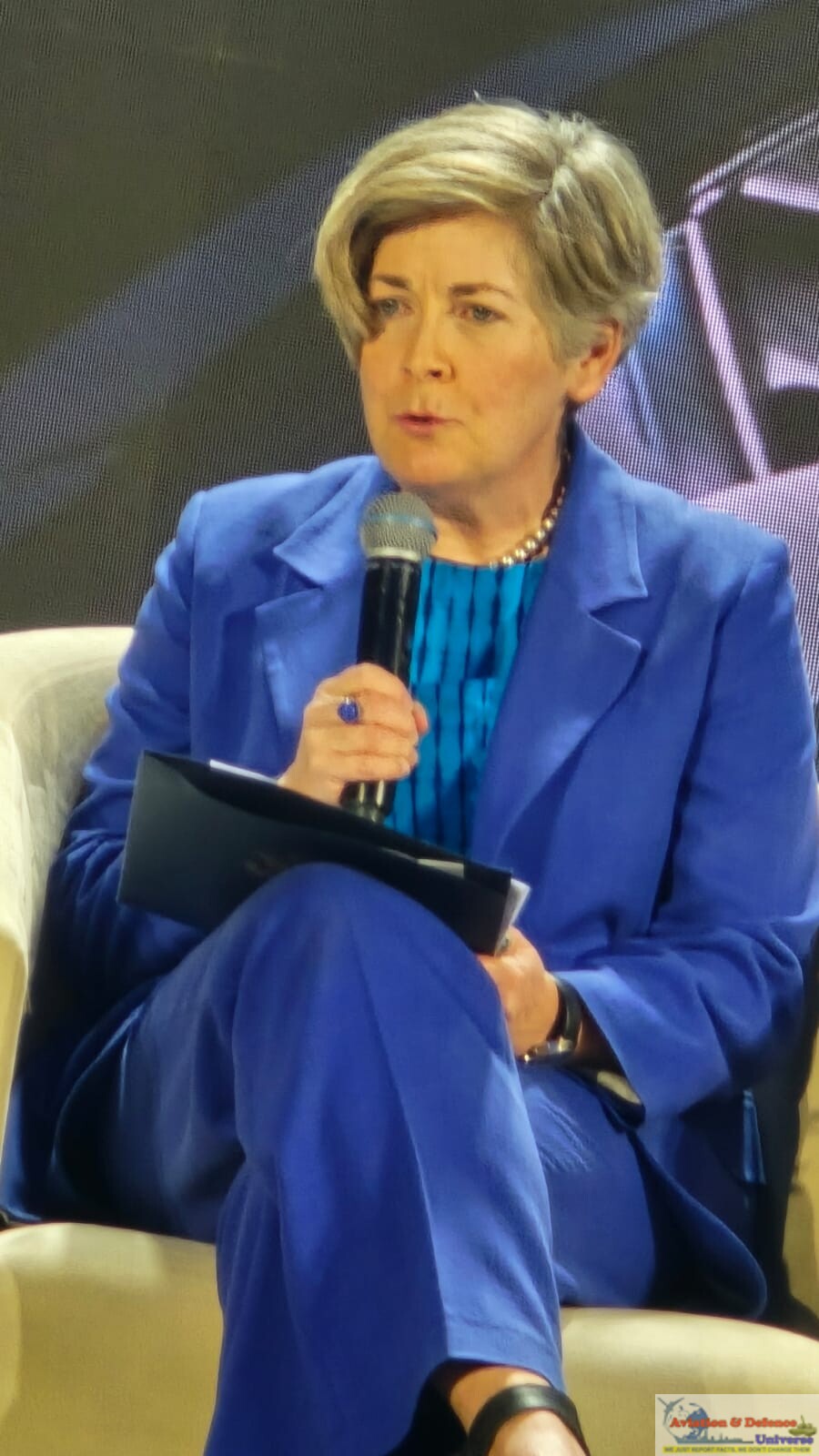
Responding to Rai’s question about Washington’s view of India’s role in global supply chains, Schedlbauer highlighted the strategic importance of diversified and resilient industrial networks. She explained that  reliable supply chains were essential not only for economic growth but also for national security. This was especially true in critical industries such as aerospace, where production disruptions could have far-reaching consequences.
Schedlbauer said India possessed several advantages that made it an attractive partner for international manufacturing. These included its economic scale, demographic strengths, engineering talent and capacity to support large industrial operations. She also linked India’s economic strength to the wider US vision of an open Indo-Pacific. According to her, India was among the countries capable of absorbing manufacturing activities that international companies were seeking to diversify geographically.
GE Aerospace’s success in developing Indian suppliers demonstrated how such diversification could be achieved through long-term investment. She highlighted the importance of precision manufacturing, testing, training and research and development. These capabilities, she suggested, were essential for creating a sustainable aerospace ecosystem.
American Manufacturing Priorities and India’s Role
Schedlbauer also addressed the United States’ emphasis on strengthening domestic manufacturing. She acknowledged that bringing manufacturing activity back to the United States remained an important priority of the Trump administration. However, she explained that no country could manufacture every product or component domestically.
This created a continuing need for trusted international partners. India, she emphasised, was one such partner. “We also realise we can’t manufacture everything in the United States, so we need these trusted partners elsewhere. And India is one,” she said.
Her remarks reflected the balance between domestic industrial priorities and the realities of globally integrated supply chains. The United States sought to strengthen its own manufacturing base while continuing to cooperate with reliable partners in strategically important industries. For India, this created opportunities to expand its participation in international aerospace manufacturing and technological development.
Innovation Sovereignty: A New Approach to Technological Self-Reliance
One of the most significant aspects of Schedlbauer’s address was her discussion of technological sovereignty. She questioned whether technological independence should be interpreted as the need to develop every capability domestically, irrespective of cost or efficiency.
 She argued that excessive emphasis on technological isolation could prevent countries from accessing the best available technologies. Instead, she advocated what she described as “innovation sovereignty.” She defined the concept as the capacity to develop original technological breakthroughs, maintain reliable control over supply chains and build partnerships with trusted technology providers.
The approach, she explained, allowed countries to retain control over essential capabilities while benefiting from advanced technologies developed through international cooperation. She argued that India was particularly well positioned to benefit from such an approach because of its large pool of engineering and technology talent. For Schedlbauer, technological strength did not necessarily require isolation from global innovation networks.
“Major leaps in industrial innovation almost always emerge from connection, not isolation,” she stated. The argument introduced an important strategic dimension to the discussion. India’s pursuit of technological self-reliance could be strengthened through carefully structured international partnerships that expanded domestic capabilities while preserving control over critical technologies.
India’s Commercial and Defence Demand Can Drive Aerospace Manufacturing
Agrawala returned to the importance of demand in building a successful manufacturing ecosystem. He argued that the development of industrial capabilities required sufficient market demand to justify investment.
India’s aerospace sector, he noted, possessed a significant advantage because demand was growing in both commercial aviation and defence. The country’s expanding airline fleets created opportunities for aircraft engines, components, maintenance services and related manufacturing activities. At the same time, India’s defence requirements provided another substantial source of demand for advanced aerospace products.
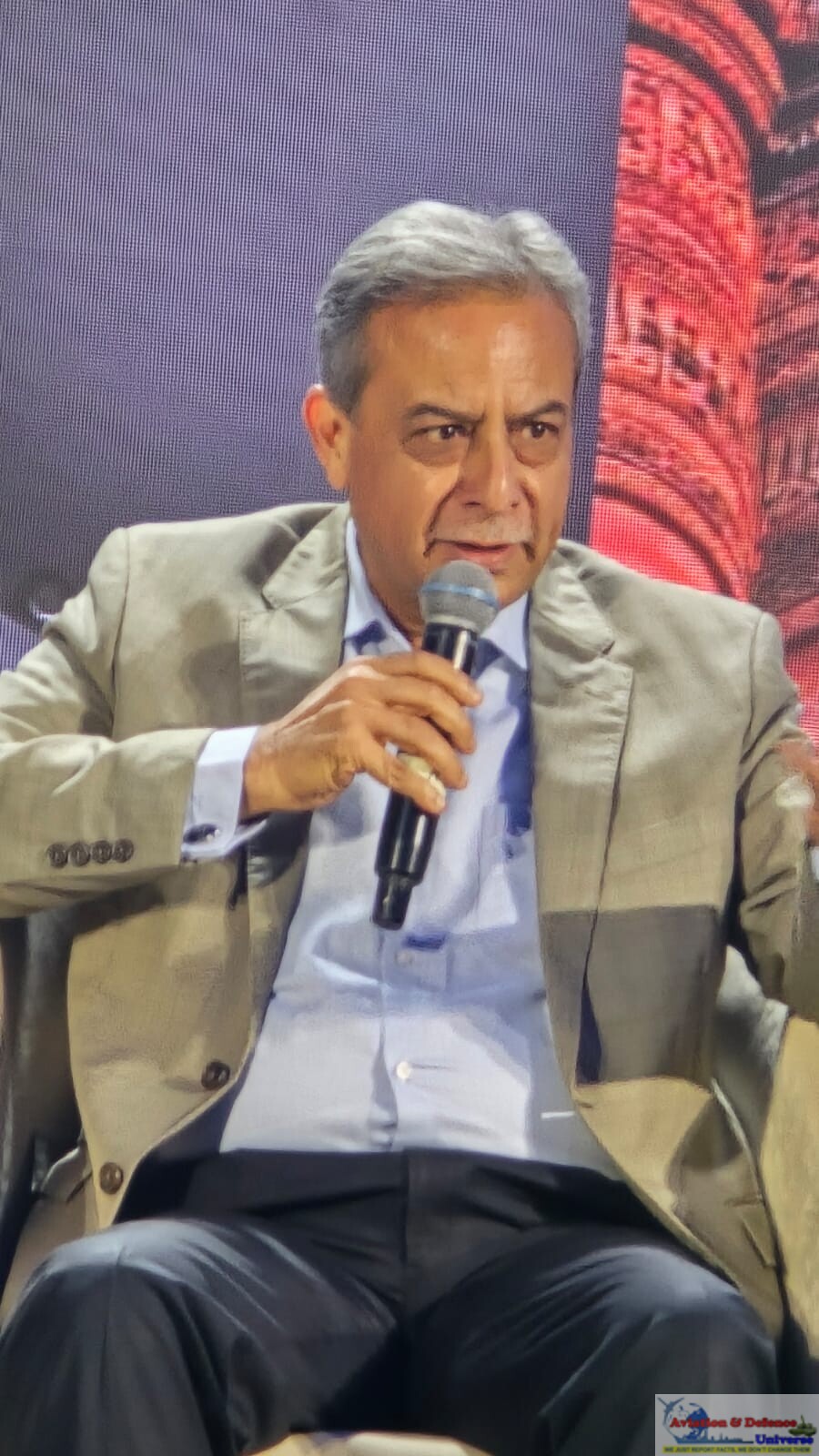 Agrawala suggested that these requirements could be brought together to create a sufficiently large industrial opportunity. Such an approach could help manufacturers justify long-term investments in specialised facilities, technical capabilities and supplier development. He also emphasised that building globally competitive aerospace capabilities would take time.
Companies entering sophisticated manufacturing activities might require several years to develop productivity, acquire technical knowledge and meet international standards. During this initial period, targeted policy support could help address financial disadvantages and encourage investment. He pointed again to India’s electronics manufacturing experience as evidence that appropriate government interventions could help industries achieve scale.
Policy Support, Technology and Scale: The Three Requirements for Growth
Agrawala identified several conditions necessary for India’s aerospace supply chain to become globally competitive. The first was adequate and predictable demand. The second was sufficient time and investment to develop manufacturing capabilities. The third was a policy environment that could help companies overcome initial disadvantages while they built technical expertise. He suggested that government support could be particularly useful during the early stages of capability development, when companies faced high investment costs and limited production volumes.
 However, he emphasised that such support needed to be linked to the objective of achieving long-term international competitiveness. The role of major aerospace manufacturers was equally important. Companies such as GE Aerospace could help build supplier confidence by committing to long-term sourcing programmes and supporting Indian enterprises through their development journey.
Agrawala referred to GE’s earlier investments in India’s engineering ecosystem and the significant technical capabilities developed through those initiatives. He argued that the company was well positioned to play a larger role in expanding India’s aerospace supply chain. The message was that industrial scale, technological knowledge and supportive policies needed to advance together.
Mission 500: Aerospace Cooperation Within the Larger India–US Trade Vision
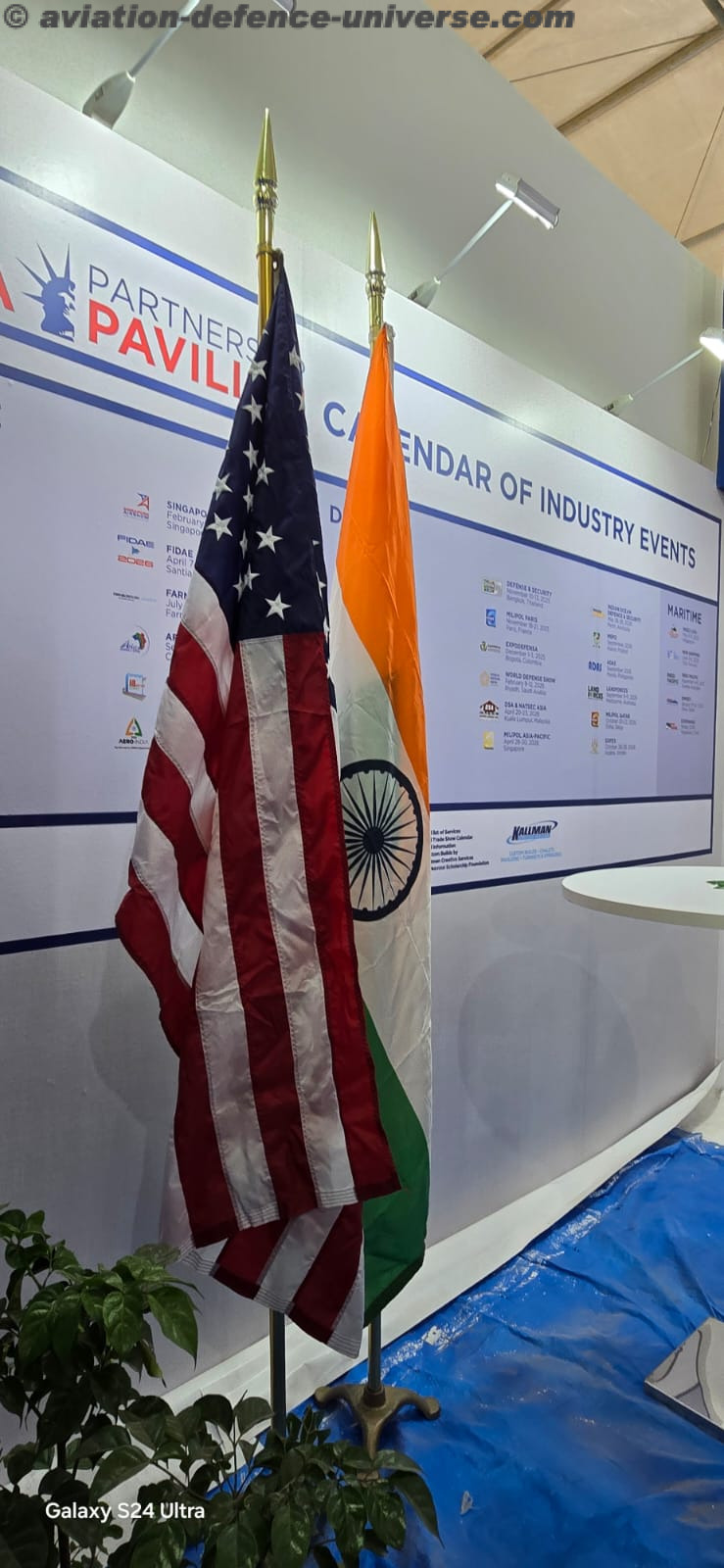
Schedlbauer also connected the discussion to the wider India–US economic relationship. She referred to Mission 500, the bilateral ambition to increase annual trade to US$500 billion by 2030. The initiative reflected the intention of both governments to deepen economic engagement and expand opportunities for companies operating across the two countries.
Schedlbauer explained that trade negotiations and agreements could help provide greater predictability for businesses. She stressed that the process of improving the trade relationship should be viewed as continuing rather than as a single agreement that would resolve every issue. Future negotiations could address emerging challenges and reduce regulatory and commercial friction.
She also highlighted the importance of the TRUST initiative in encouraging cooperation in strategic technologies. Together, these frameworks could support new opportunities in aerospace, advanced manufacturing and other critical industries. The broader objective was to create conditions in which American and Indian companies could invest, innovate and expand their operations with greater confidence.
India–US Aerospace Ties: From Defence Purchases to Industrial Integration
The discussion reflected the evolution of India–US aerospace cooperation over several decades. The relationship has expanded from equipment purchases and technical support to include engineering, manufacturing, supply chain development and collaboration on advanced technologies. GE Aerospace’s longstanding presence in India illustrates this progression. Its engines support both commercial aviation and Indian defence platforms, while its engineering and manufacturing engagements contribute to the development of domestic capabilities.
 Tata Advanced Systems represents another important dimension of India’s aerospace ambitions through its participation in advanced aerospace and defence manufacturing. The convergence of these industrial capabilities creates opportunities for deeper integration into international aerospace programmes.
However, the panel also demonstrated that the next stage of cooperation would require sustained commitments from both governments and industry. Industrial partnerships needed to support technology development, skilled employment, competitive manufacturing and resilient supply chains. The strategic value of the relationship would ultimately depend on the capabilities created and the economic opportunities generated.
Vikram Rai: Partnerships Will Define the Future of India’s Aerospace Ecosystem
Summarising the discussion, Vikram Rai highlighted the importance of India’s role in international supply chain diversification. He noted that GE Aerospace’s growing engine commitments and planned expansion of Indian sourcing created opportunities for deeper industrial engagement.
Rai also drew attention to the policy perspective presented by Agrawala, particularly the importance of combining industrial demand, appropriate government interventions and long-term partnerships. The discussion, he suggested, demonstrated how India could assume a larger role in the global aerospace ecosystem. For GE Aerospace, the challenge was to build upon existing partnerships and support the development of a supplier network capable of meeting future requirements. The company’s longstanding presence in India provided a foundation for this expansion. Rai expressed confidence that continued cooperation could strengthen India’s position within international aerospace supply chains.
The Future Will Be Built Together
The India–US aerospace partnership is entering a phase where the real measure of cooperation will no longer be the number of agreements signed or aircraft engines purchased, but the technologies developed, factories established, jobs created and global supply chains strengthened. Amy Schedlbauer’s emphasis on innovation 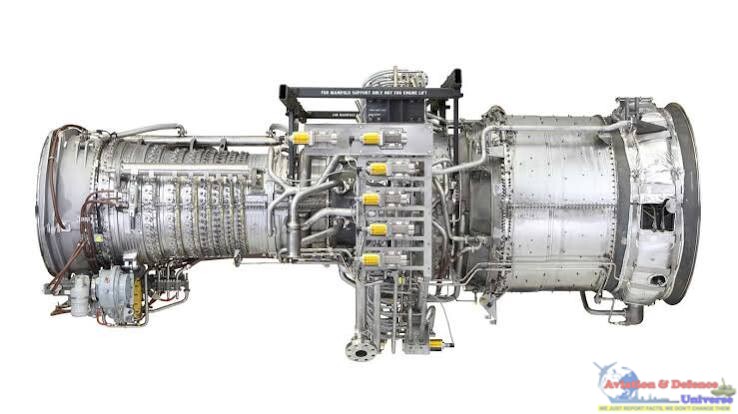 sovereignty and trusted partnerships, Banmali Agrawala’s call for manufacturing scale and supportive industrial policies, and Vikram Rai’s commitment to expanding GE Aerospace’s Indian sourcing collectively outlined a roadmap for deeper industrial integration.
The opportunity is substantial, but so is the responsibility. India must translate its growing aviation and defence requirements into world-class manufacturing capabilities, while international partners must contribute technology, investment and sustained industrial engagement. As India advances towards Viksit Bharat 2047 and the two countries pursue their wider economic ambitions, the message from “Built Together” was unmistakable: the strongest aerospace partnerships will not merely connect markets; they will connect minds, manufacturing capabilities and national ambitions. The future of India–US aerospace cooperation will not simply be bought and sold. It will be designed, engineered and built together.







































































-A4-Size-(2)_page-0001.jpg)