












- GE Aerospace Launches Economic Impact Report, Brings India’s Leading Airlines Together to Chart Aviation’s Future
- Powering India’s Skies: GE Aerospace to Nearly Double Indian Sourcing by 2030
- Air India, IndiGo and Akasa Air Speak in One Voice: Make Indian Aviation Growth Sustainable
By Sangeeta Saxena
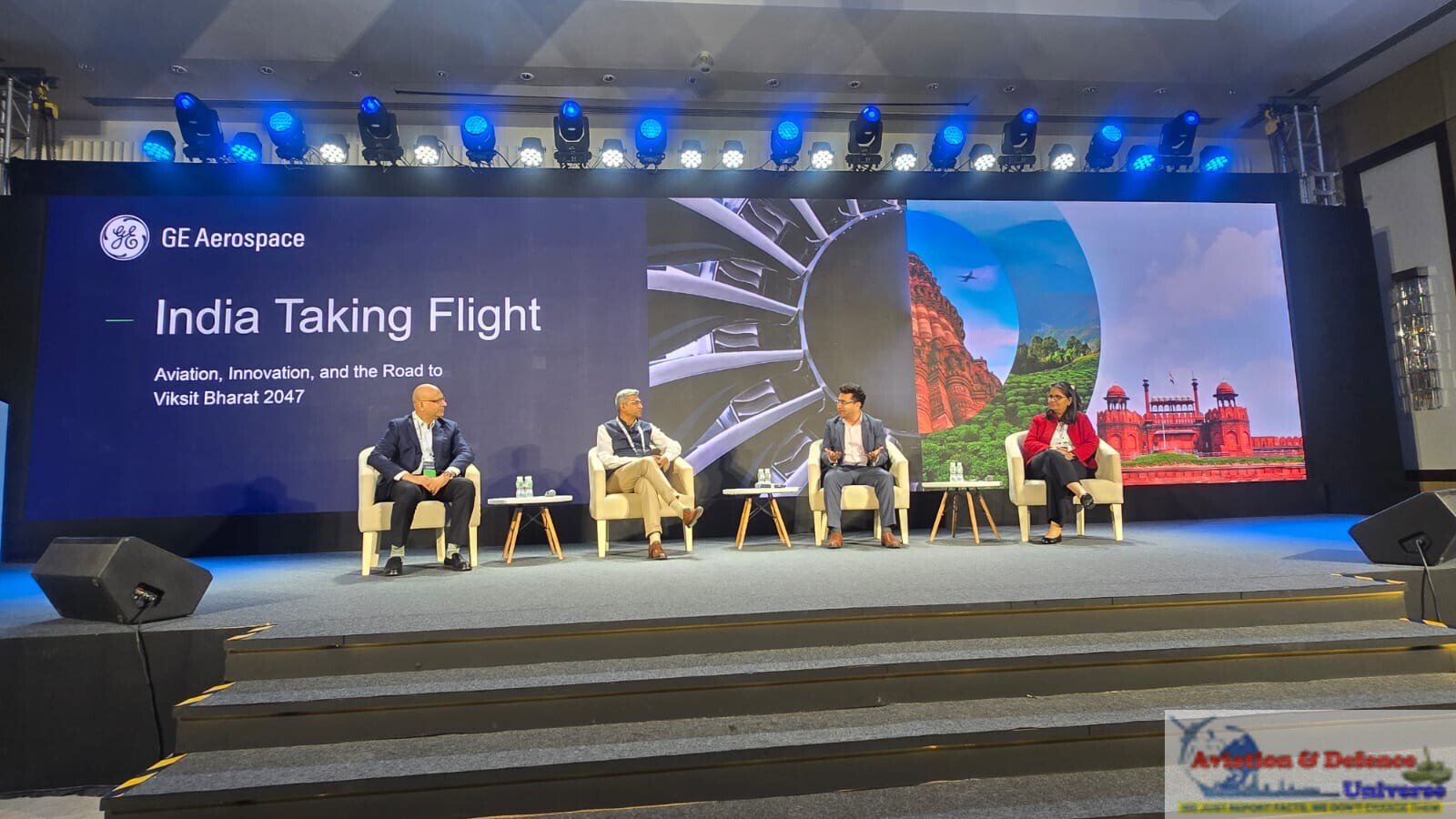
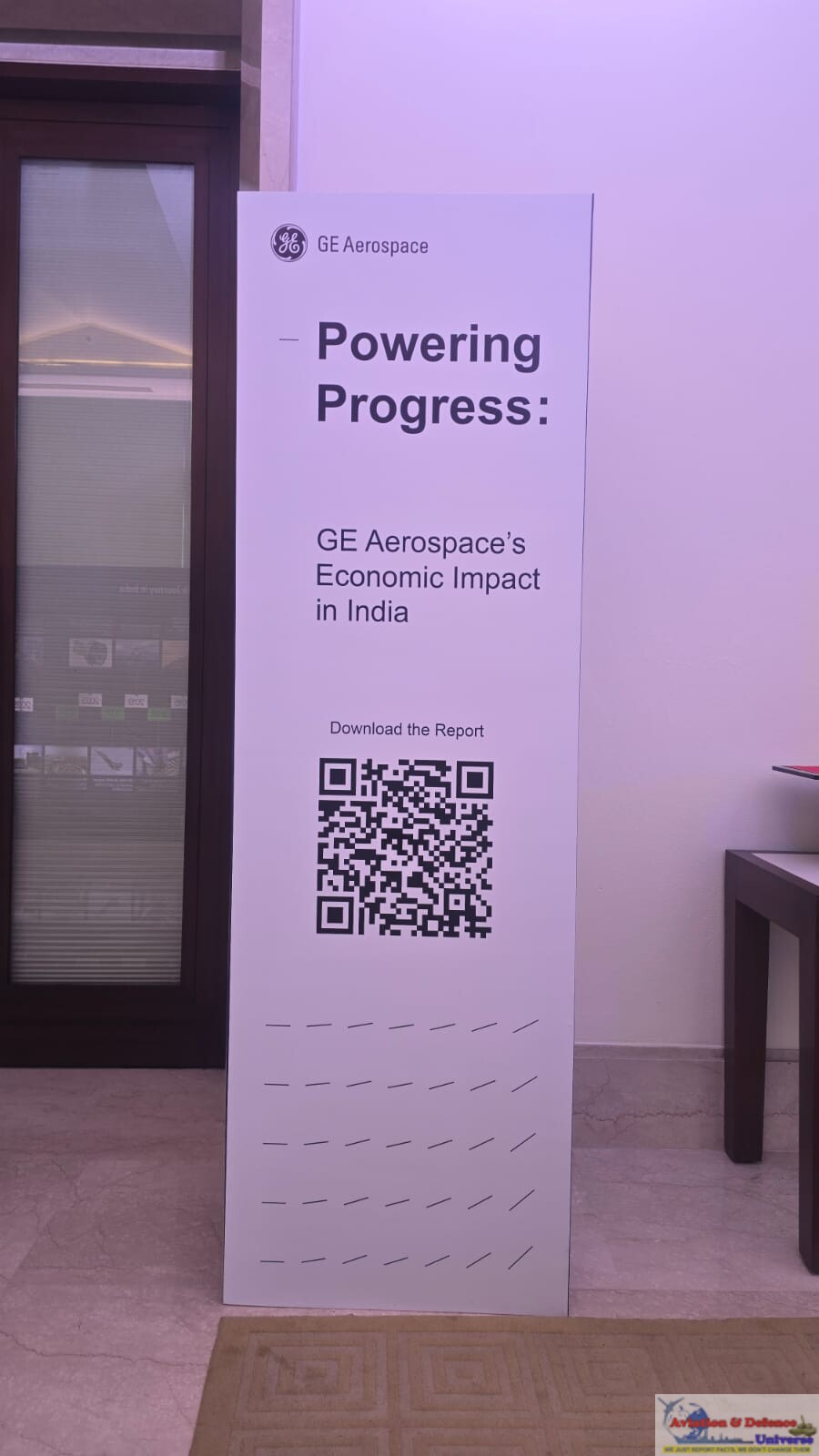
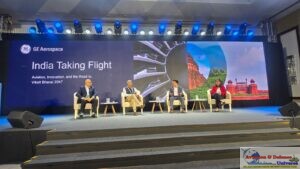
New Delhi, 13 October 2026. India’s aviation growth story is no longer simply about adding aircraft, building airports or carrying more passengers. It is increasingly about who powers those aircraft, who manufactures their components, who maintains their engines and how much of the economic value generated by the country’s expanding skies remains within India. With thousands of new engines expected to enter service, Indian carriers preparing for unprecedented fleet expansion and regional connectivity creating fresh demand, aviation is emerging as a significant contributor to the country’s ambition of becoming Viksit Bharat by 2047. Against this backdrop, GE Aerospace brought together India’s aviation leadership for “India Taking Flight: Aviation, Innovation, and the Road to Viksit Bharat 2047,” launching its economic impact report, Powering Progress: GE Aerospace Economic Impact in India, and initiating a candid discussion on the opportunities, economics and challenges of sustaining India’s aviation transformation.
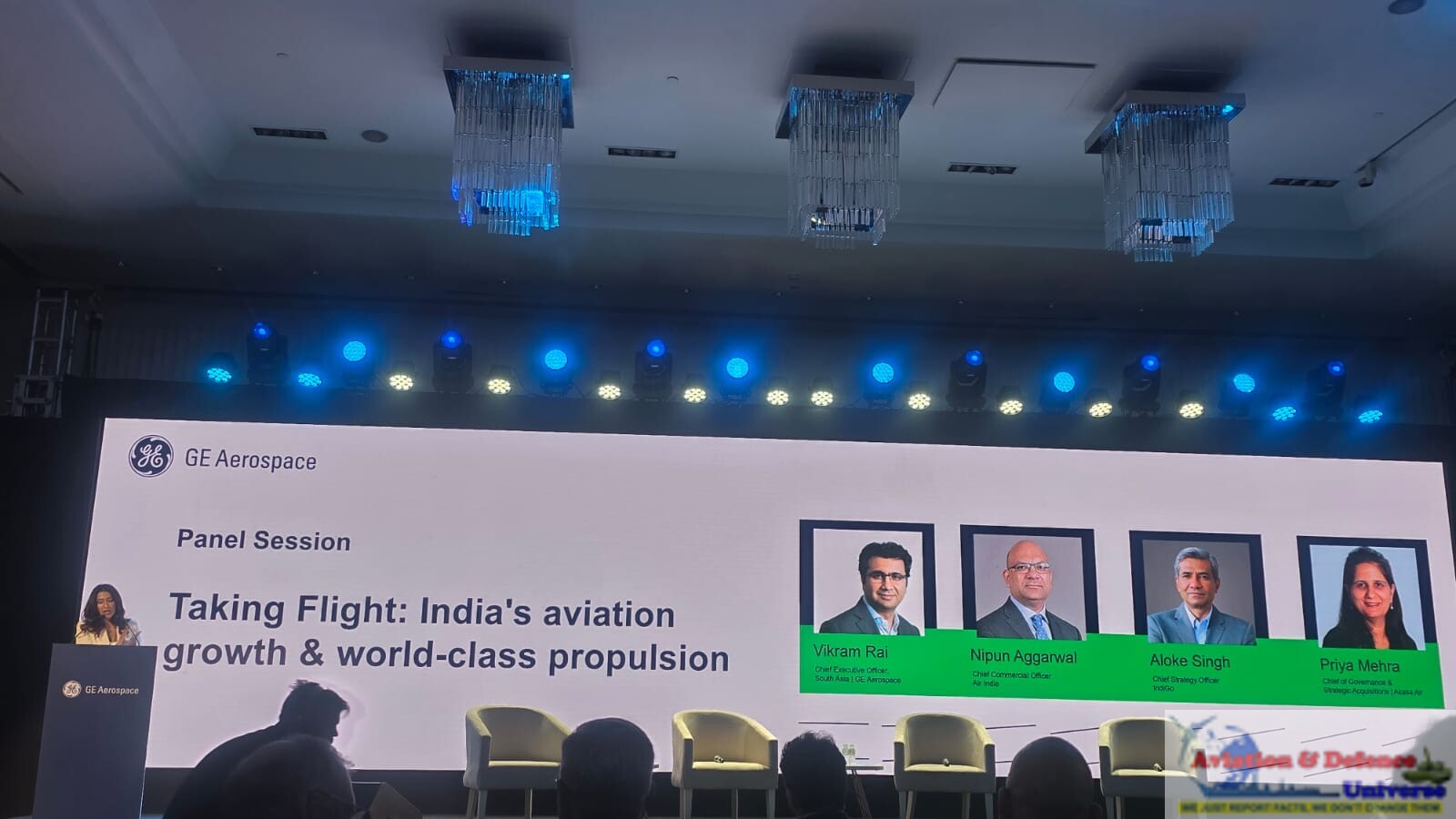
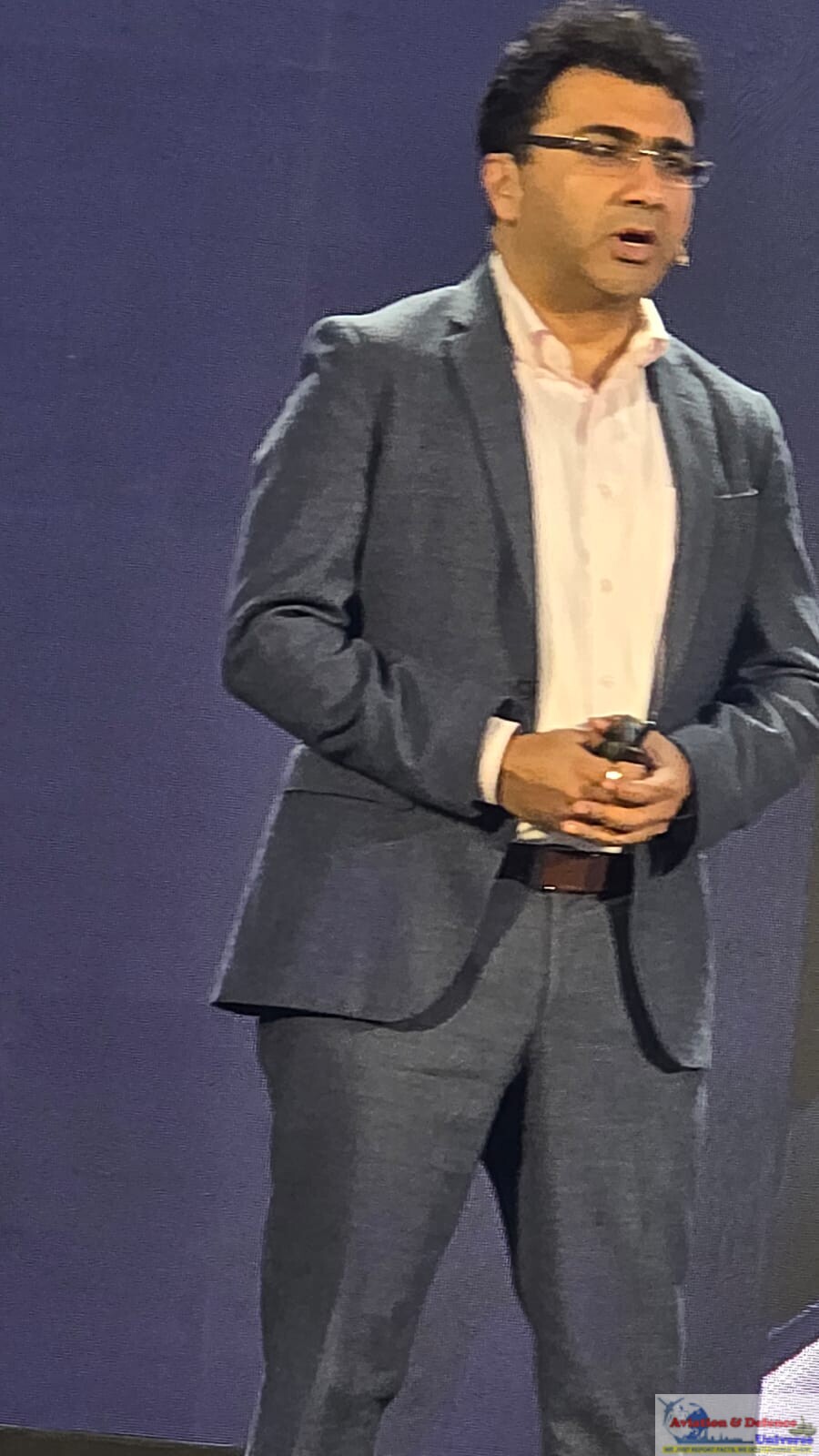 The inaugural session featured Vikram Rai, CEO, South Asia, GE Aerospace, followed by Rajnish Gupta, Partner, Tax and Economic Policy Group, EY India, who presented the key findings of the economic impact report. The proceedings continued with the first panel discussion, “Taking Flight: India’s Aviation Growth and World-Class Propulsion,” moderated by Vikram Rai. The panel brought together Nipun Aggarwal, Chief Commercial Officer, Air India; Aloke Singh, Chief Strategy Officer, IndiGo; and Priya Mehra, Chief of Governance & Strategic Acquisitions, Akasa Air.
Together, the presentations and discussions explored the economic significance of India’s aviation expansion, the opportunities for indigenous aerospace manufacturing, the need for affordable and reliable propulsion systems, and the prospects for Indian carriers to capture a larger share of global passenger traffic.
Vikram Rai: GE Aerospace Sees India as a Strategic Aviation and Manufacturing Partner
Welcoming the gathering, Vikram Rai described India as being at a pivotal stage in its aviation journey, supported by increasing connectivity, rising passenger demand, major infrastructure investment and growing participation in the global aerospace value chain.
He traced GE Aerospace’s nearly four-decade association with India’s aerospace ecosystem and highlighted the company’s expanding contribution to commercial aviation, defence aerospace, engineering research and manufacturing. Rai placed particular emphasis on the scale of future aircraft engine requirements.
 “Approximately 3,200-plus engines will be delivered over the next nine to ten years,” he stated, adding that approximately nine out of ten aircraft delivered during the next decade were expected to be powered by GE Aerospace or its joint venture. The projection underlined the significance of India’s growing commercial aircraft fleet and the expanding role of propulsion technology in supporting airline operations.
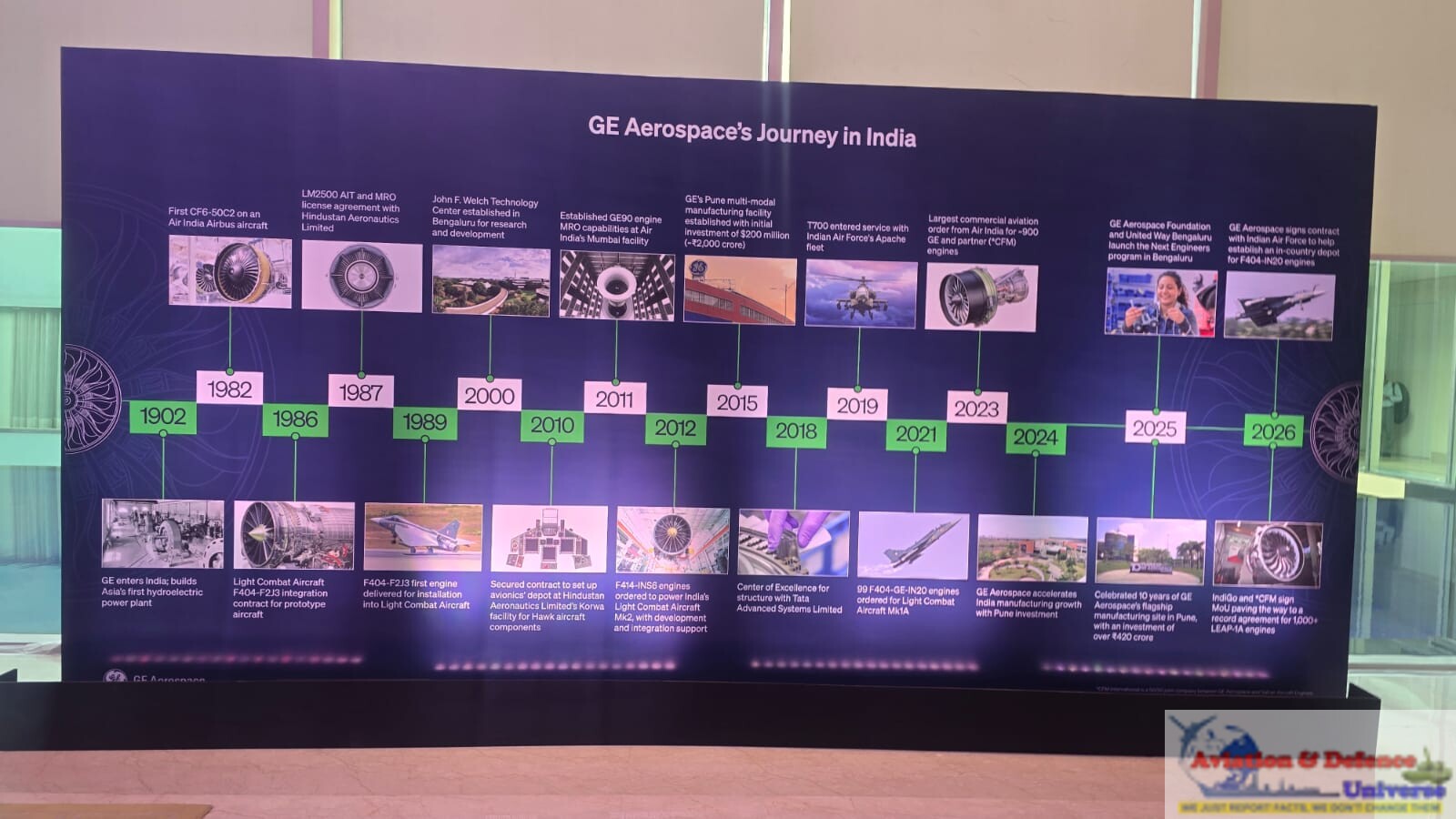
Rai recalled several milestones in GE Aerospace’s Indian journey, including its support for establishing an engine maintenance, repair and overhaul capability for Air India in Nagpur and the establishment of its research centre in Bengaluru in 2000. The Bengaluru facility, he said, had generated approximately 1,000 patents and contributed to advanced engine research, including next-generation propulsion technologies.
He also highlighted GE Aerospace’s role in India’s defence aerospace ecosystem, particularly through its association with fighter aircraft engine programmes and industrial partnerships. The company’s Indian manufacturing and supply-chain activities, he explained, demonstrated the potential of producing aerospace components in India for international markets. A significant announcement concerned the company’s sourcing commitments.
GE Aerospace spent approximately US$200 million on supplies sourced from India in 2025, Rai stated, and planned to nearly double this amount between 2025 and 2030. The expansion, he emphasised, reflected the company’s confidence in India’s aviation ecosystem and manufacturing capabilities.
Rai positioned the launch of the economic impact report as an effort to understand how these investments, partnerships and technological capabilities contribute to the broader Indian economy. He thanked EY for developing an independent assessment of the company’s economic footprint and the opportunities ahead.
The central message of his opening address was that India’s aviation growth and its aerospace manufacturing ambitions were increasingly interconnected. The expansion of the aircraft fleet was creating opportunities not only for engine suppliers but also for engineering companies, component manufacturers, researchers and skilled professionals.
EY Economic Impact Report: Aviation’s Contribution Could Multiply by 2047
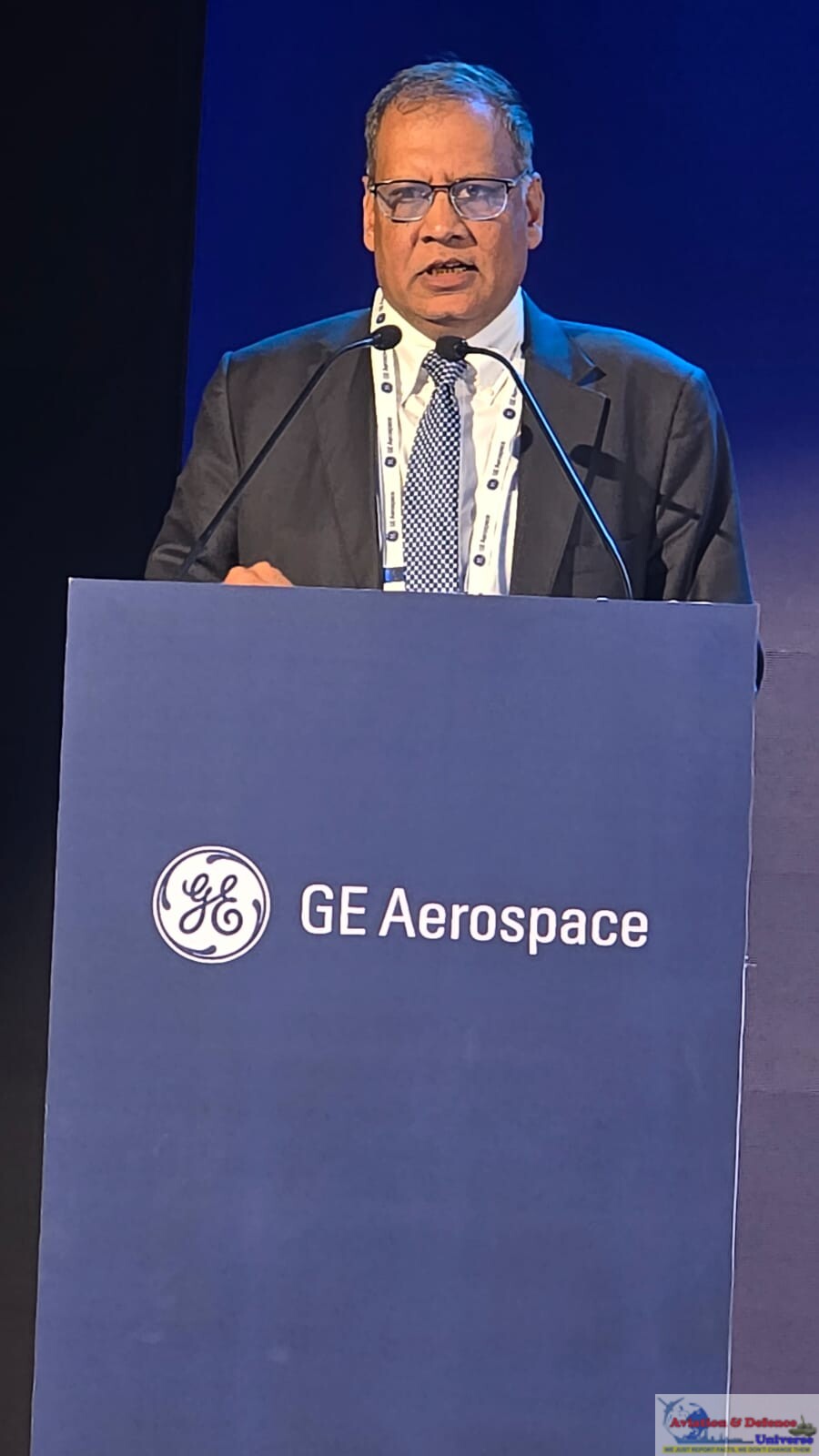
Presenting the key findings of Powering Progress: GE Aerospace Economic Impact in India, Rajnish Gupta of EY India explained that the aviation industry’s economic significance extended well beyond the visible indicators of aircraft, airports and passenger traffic.
 Behind every aircraft, he observed, was a complex industrial ecosystem involving precision manufacturing, specialised engineering, resilient supply chains, advanced technology and skilled manpower. The report examined GE Aerospace’s contribution through several interconnected dimensions, including connectivity, advanced manufacturing, strategic aerospace capabilities, engineering, innovation and specialised talent.
Gupta emphasised that aviation connectivity was an important driver of economic development, enabling business travel, tourism, investment and greater integration between domestic and international markets.
He cited an estimate that the wider aviation ecosystem, including direct and indirect economic effects, contributed approximately 1.5% of India’s economy. Looking towards 2047, he presented a scenario in which this contribution could rise to 3%, illustrating the substantial economic potential of aviation in a much larger Indian economy.
The presentation also envisaged significant growth in passenger traffic and an expansion of India’s airport network to approximately 350 airports. These projections highlighted the scale of investment that would be required in aircraft, propulsion systems, infrastructure, maintenance capabilities and supporting services.
However, Gupta stressed that the real challenge was not simply increasing production volumes. It was developing the industrial capabilities required to meet stringent international aerospace standards.
Precision Manufacturing: The Foundation of a Global Aerospace Ecosystem
One of the most important findings concerned the complexity of building a globally competitive aerospace manufacturing ecosystem. Gupta explained that aerospace manufacturing demanded specialised materials, sophisticated processes, extremely fine tolerances, consistent quality and suppliers capable of meeting international certification requirements.
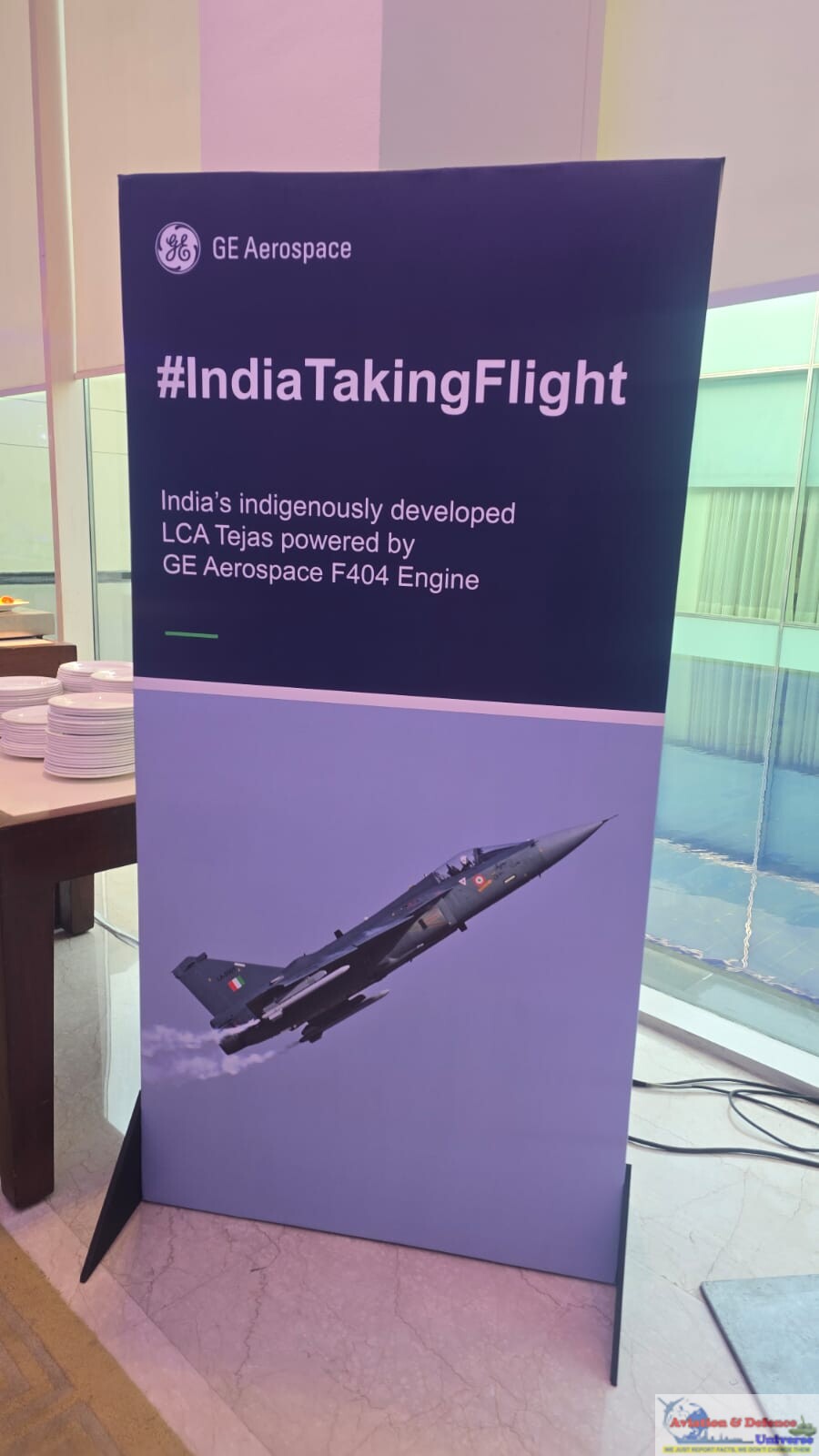 Developing these capabilities required sustained investment, patience, technological expertise and a manufacturing culture built around precision and reliability. He noted that GE Aerospace’s Indian operations were supported not only by its own manufacturing facilities but also by a network of approximately 17 suppliers contributing components to its global value chain.
These suppliers, he explained, benefited from more than commercial orders. They also received support in manufacturing processes, quality control and meeting demanding aerospace standards. This was important because aerospace manufacturing could not be developed overnight. It required a long-term commitment to building capabilities, qualifying suppliers and maintaining consistent performance.
Gupta suggested that India possessed the potential to manufacture a substantial proportion of aircraft components over time, provided the country continued investing in industrial capabilities and supplier development. The report therefore placed considerable emphasis on expanding domestic manufacturing, strengthening global supply-chain participation and developing specialised engineering skills. For India, the opportunity was to progress from supplying individual components to becoming a more substantial participant in the global aerospace industry.
Defence Aerospace: From Engine Supply to Indigenous Capability
The economic impact presentation also examined the strategic importance of GE Aerospace’s involvement in India’s defence aerospace programmes. Gupta highlighted the relevance of engine manufacturing, technology partnerships and the development of in-country capabilities to India’s defence self-reliance ambitions.
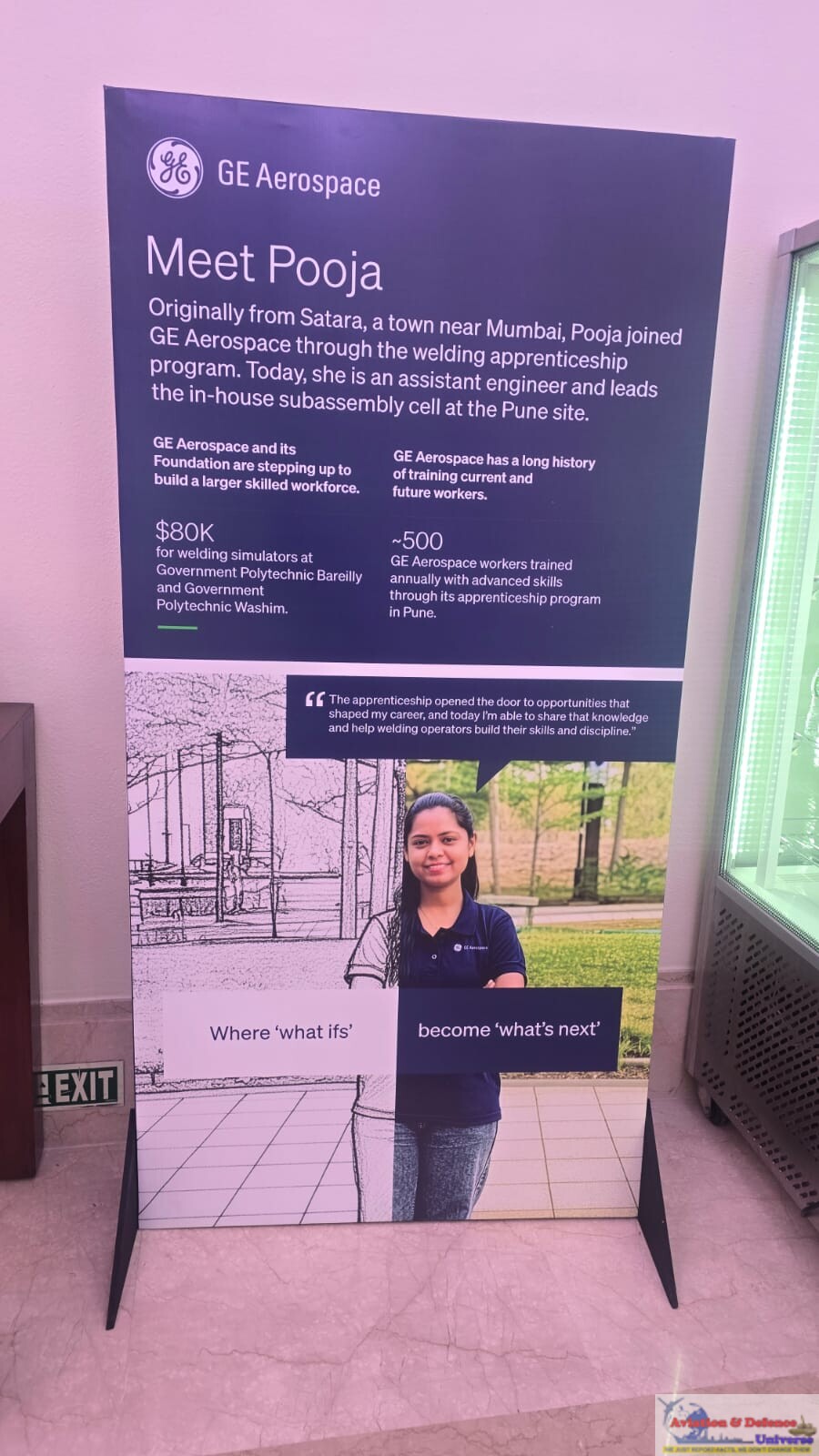 He referred to GE Aerospace’s association with Indian military aviation programmes and the potential for expanding domestic production and lifecycle support. The larger objective, he suggested, was to create trusted industrial partnerships capable of strengthening indigenous aerospace capabilities. Such partnerships would involve not merely supplying engines but also building manufacturing expertise, engineering capacity, maintenance support and the ability to address complex technological challenges within India. The distinction was important in the context of India’s efforts to reduce dependence on imported defence systems and strengthen its domestic aerospace industrial base.
Bengaluru’s Engineering Ecosystem: India Moves Beyond Manufacturing
Gupta also highlighted the contribution of GE Aerospace’s Bengaluru research and engineering centre, established in 2000. Over more than two decades, the facility has developed capabilities that contribute to international aerospace programmes and advanced propulsion research.
The significance of the centre, he argued, was not simply the number of patents generated or the duration of its operations. Its real contribution lay in demonstrating that Indian engineers could participate in the development of sophisticated global aerospace technologies. These capabilities included advanced engineering, engine efficiency improvements, digital technologies and next-generation propulsion research.
Gupta emphasised that manufacturing and engineering were closely connected. The ability to design advanced products depended on understanding how they could be manufactured, tested and supported.
India’s future aerospace competitiveness would therefore require contiued investment in both industrial production and research capabilities.
He concluded that GE Aerospace’s Indian journey had evolved from a commercial presence into a deeper industrial and technological partnership.
The next phase would depend on scaling domestic manufacturing, expanding advanced technology collaborations, strengthening lifecycle support and nurturing specialised talent.
Taking Flight — India’s Aviation Growth and World-Class Propulsion
 The discussion that followed brought the economic and technological projections into direct contact with the operational realities of Indian airlines. Moderated by Vikram Rai, the panel examined how Indian carriers could capitalise on the country’s growing aviation demand, expand international connectivity, develop regional markets and work with original equipment manufacturers to make aviation growth commercially sustainable. The discussion revealed both optimism and concern. While all three airlines recognised the enormous potential of the Indian market, they also highlighted the need for lower operating costs, reliable aircraft and engines, stronger domestic maintenance capabilities and greater cooperation across the aviation value chain.
Nipun Aggarwal: India’s Long-Haul Market Is an Untapped Opportunity
Nipun Aggarwal, Chief Commercial Officer, Air India, identified long-haul international aviation as one of the most significant opportunities for Indian carriers. He observed that Indian airlines had traditionally concentrated on domestic and short-haul international operations, while foreign carriers continued to dominate much of the long-haul market. Air India, he noted, had been India’s principal operator of wide-body aircraft for many years.
According to Aggarwal, the long-haul market accounted for approximately 25–30 million passengers annually and represented a disproportionately large share of international passenger revenues. Yet Indian carriers held less than 20% of this market, he said. This imbalance created considerable scope for Indian airlines to expand their presence.
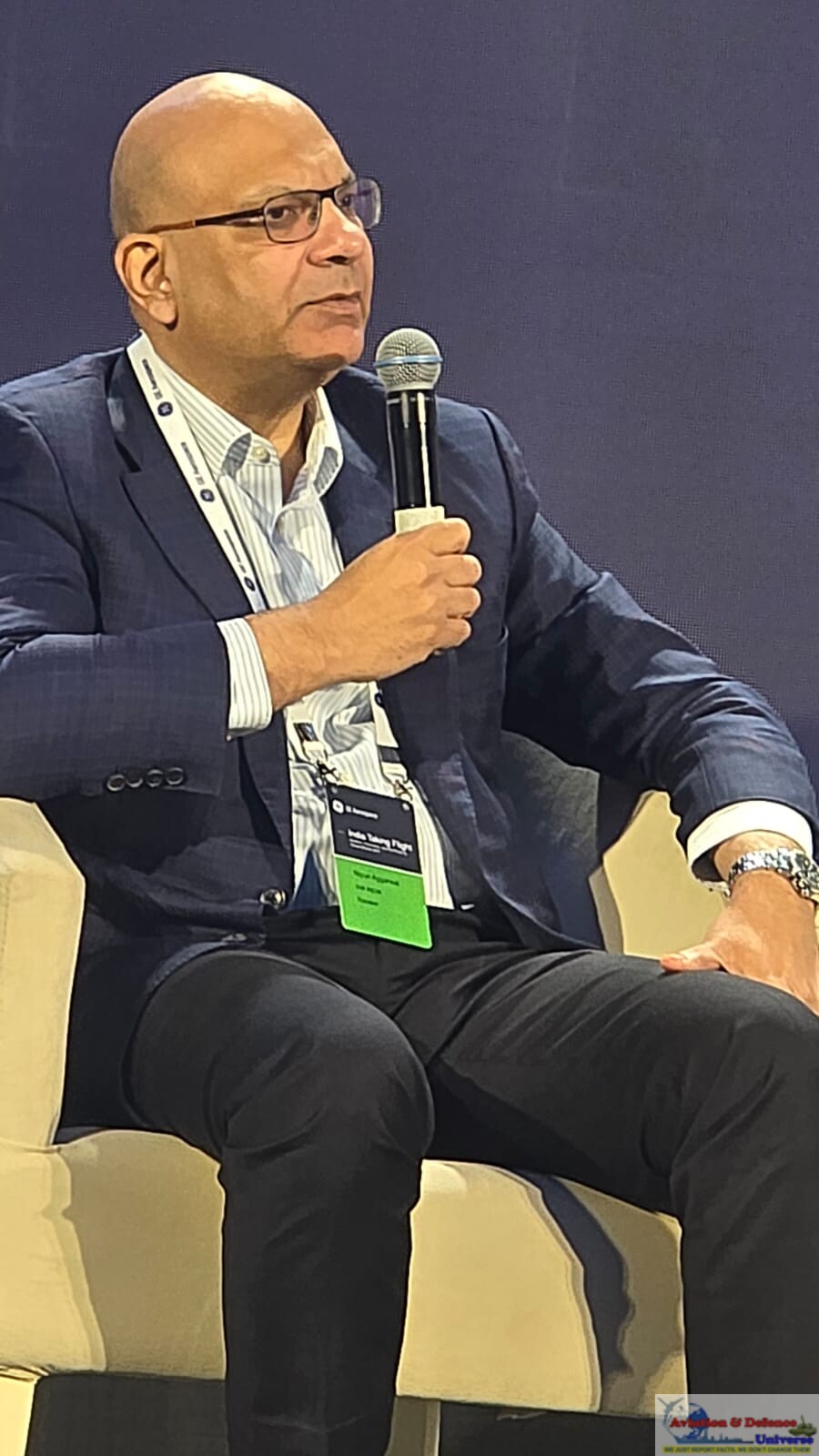 Aggarwal explained that Air India’s wide-body aircraft orders were intended to address this opportunity by improving direct international connectivity and reducing the dependence of Indian passengers on foreign hubs.
He pointed out that a substantial proportion of Indian international travellers currently connected through overseas airports because of insufficient direct long-haul connectivity from India. Developing stronger Indian aviation hubs and increasing wide-body aircraft capacity could enable Indian airlines to capture a greater share of this traffic.
“Our strategy was very simple. The opportunity is in long-haul,” he stated. He acknowledged that short-term operational challenges, including airspace restrictions and disruptions, could affect international operations. However, he remained optimistic about the long-term potential of India’s international aviation market.
For Air India, the opportunity lay in strengthening India’s position as a major international aviation hub rather than allowing passenger traffic originating in India to continue flowing predominantly through foreign hubs.
Aloke Singh: India’s Aviation Growth Is Coming from Smaller Cities
Aloke Singh, Chief Strategy Officer, IndiGo, agreed that international aviation presented substantial opportunities, particularly in medium-haul and long-haul markets. He observed that India’s aviation market possessed an unusual combination of scale and growth. Many global aviation markets were large but growing slowly, while others were expanding rapidly from relatively small bases. India, he explained, offered both substantial existing demand and the prospect of sustained expansion.
 Referring to passenger traffic projections discussed during the EY presentation, Singh noted that the anticipated growth implied a substantial increase in traffic over the coming years. He then drew attention to an important characteristic of India’s domestic aviation market. The strongest growth opportunities, he suggested, were increasingly emerging from connectivity involving smaller cities and towns. Metro-to-non-metro and non-metro-to-non-metro routes were becoming important contributors to passenger growth.
Singh observed that the metro-to-non-metro segment accounted for a significant proportion of domestic traffic and was growing faster than traditional metro-to-metro connectivity. He explained that IndiGo’s network strategy reflected this evolving demand. The airline intended to maintain a broad and deep domestic network while continuing to explore opportunities in underserved markets. He also highlighted the potential of short-haul international operations and the emerging medium-haul segment.
IndiGo’s deployment of longer-range aircraft, including the Airbus A321XLR, would allow it to explore routes that had previously been difficult to serve efficiently. Singh explained that introducing direct, high-frequency services to underserved destinations could stimulate passenger demand considerably.
In some cases, he suggested, new connectivity could multiply existing traffic several times over.
He also pointed to the gradual maturation of India’s aviation market, with growing demand for differentiated passenger products and premium seating.
For IndiGo, the future involved balancing the expansion of affordable air travel with the development of new international markets and more varied passenger offerings.
Priya Mehra: Akasa Air Focuses on Sustainable and Reliable Growth
Priya Mehra, Chief of Governance & Strategic Acquisitions, Akasa Air, offered the perspective of a younger airline building its fleet and network in a highly competitive market. She acknowledged the opportunities in international aviation but explained that Akasa Air’s immediate priorities differed from those of larger carriers.
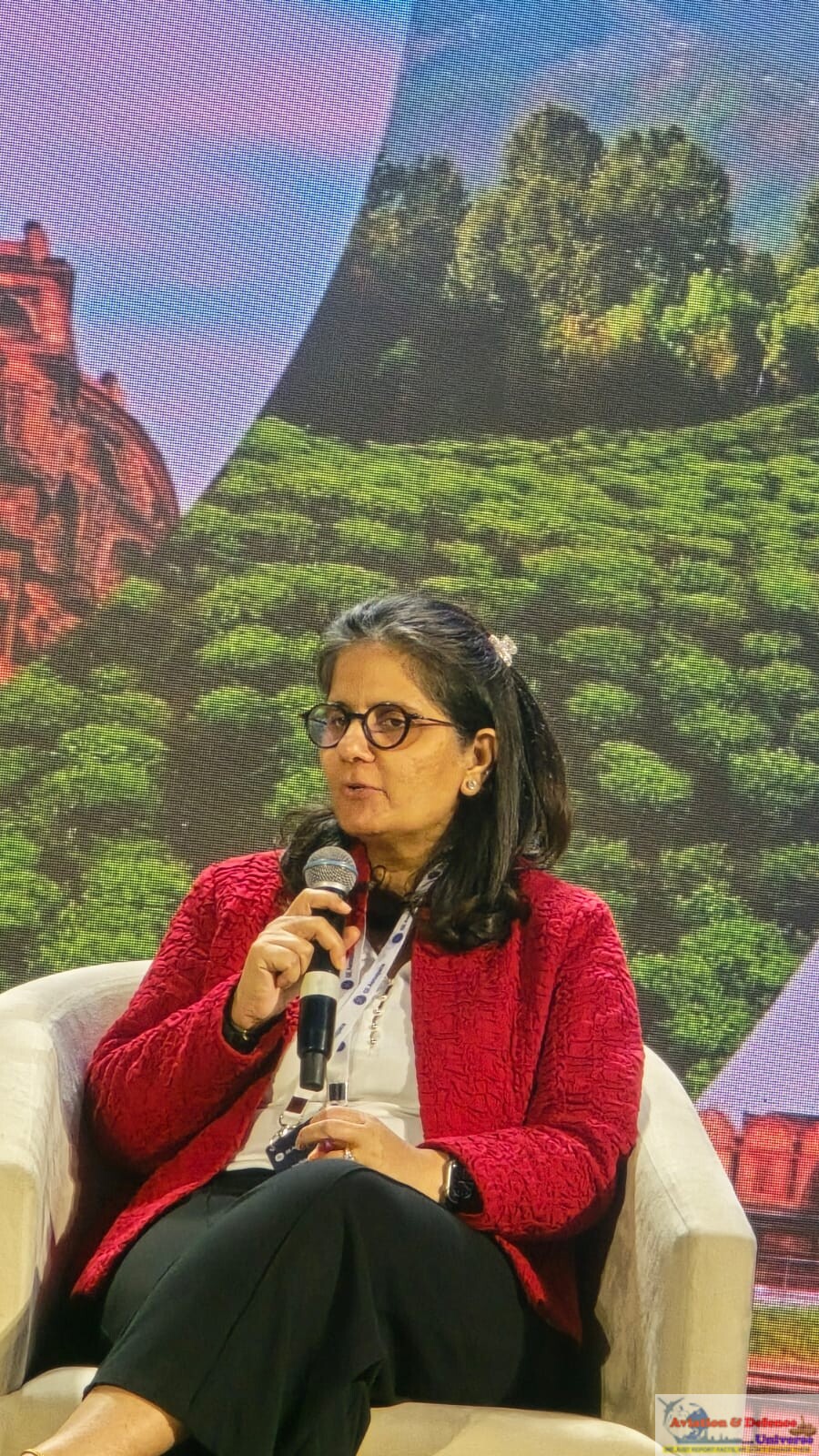 The airline was concentrating on developing its existing operations, expanding its network and establishing a sustainable growth trajectory. Mehra emphasised that fleet expansion should not be viewed simply as the addition of aircraft. For an airline, growth had to be supported by reliable operations, appropriate network planning, efficient aircraft utilisation and strong partnerships with manufacturers.
She stressed that airline reliability and the dependability of original equipment manufacturers were closely connected. The ability of an airline to deliver a consistent customer experience depended significantly on the performance and support provided by its aircraft and engine partners. Mehra argued that manufacturers needed to understand the operational requirements of growing Indian airlines and support them in building reliable and sustainable businesses.
Her remarks reinforced the importance of collaboration between airlines and aerospace manufacturers, particularly in a market where rapid expansion could place considerable pressure on aircraft availability and technical support systems.
Regional Connectivity: India’s Next Aviation Revolution Could Begin Outside the Metros
A significant part of the panel discussion focused on the potential of regional aviation and the opportunity to attract passengers from other modes of transport. Aggarwal highlighted the large number of Indians travelling daily by rail and road compared with the relatively small proportion using air transport. He argued that affordability remained a major obstacle to wider aviation participation.
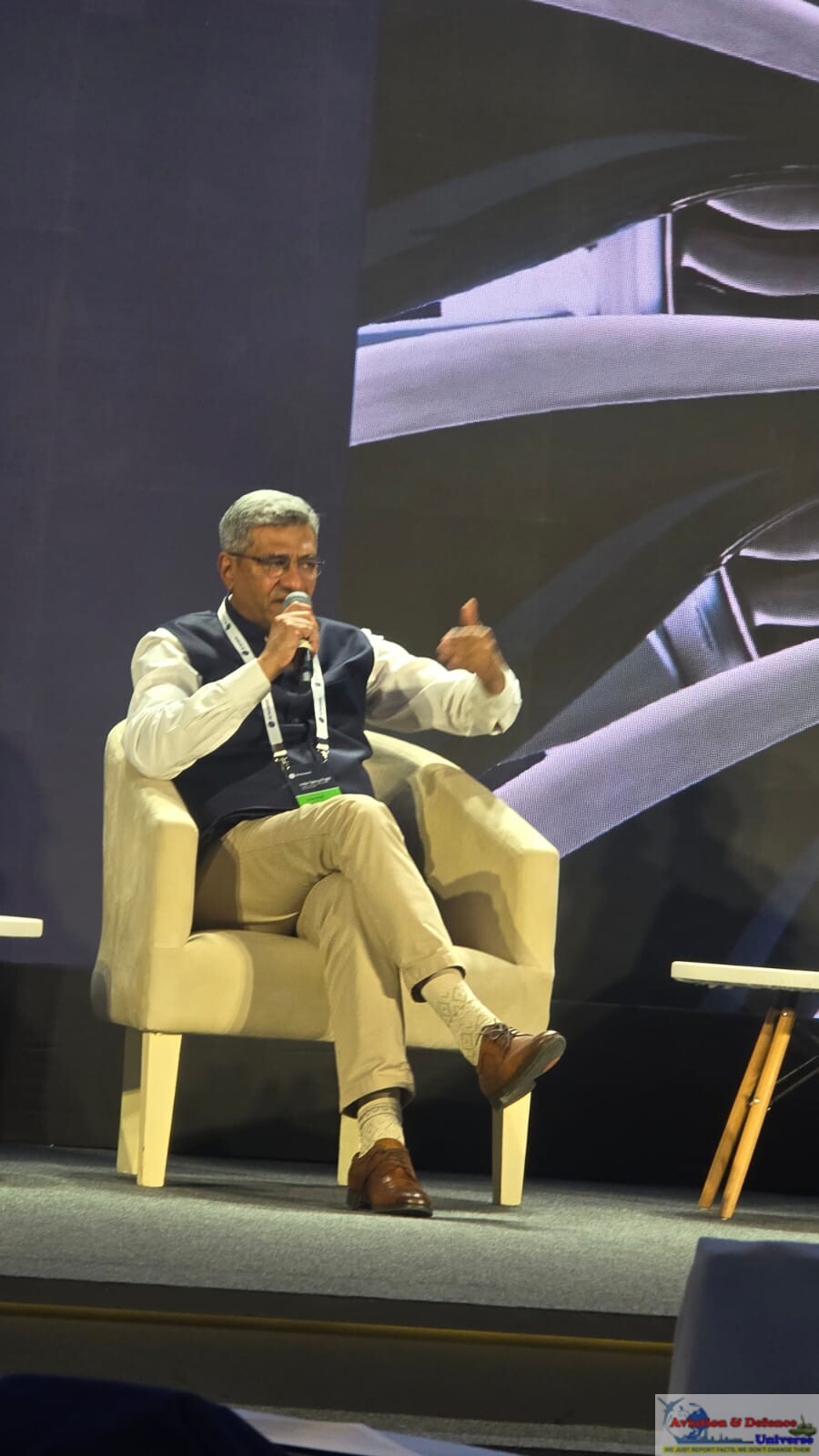 Air travel, he observed, continued to be treated as a relatively expensive mode of transport, partly because of taxation and the cost structure of airline operations. Reducing these costs could unlock substantial additional demand. Aggarwal also drew attention to the underutilisation of airport infrastructure outside India’s largest cities. While major metropolitan airports faced capacity constraints, many smaller airports had considerable unused capacity.
The challenge, he suggested, was to develop commercially viable air services that could make better use of this infrastructure. Regional connectivity, affordable fares and appropriate aircraft deployment could help transform the market. Singh agreed that smaller cities represented an important growth opportunity and highlighted the increasing demand for direct connections between non-metro destinations.
Mehra similarly acknowledged the potential of regional markets, while emphasising that network expansion had to be aligned with each airline’s fleet size and operating strategy. The discussion suggested that India’s next aviation growth phase would not be confined to Delhi, Mumbai, Bengaluru and other major metropolitan centres. It could increasingly be driven by smaller cities, emerging business centres and passengers who had not previously considered flying a practical travel option.
Airlines to OEMs: India’s Aviation Growth Must Become More Affordable
Perhaps the most candid part of the panel concerned the economics of operating airlines in India. Aggarwal described India as a high-volume, high-growth but low-yield aviation market. He pointed out that Indian airlines operated in a demanding environment characterised by price-sensitive passengers, high flight frequencies, short sectors and challenging operating conditions.
These characteristics, he argued, required aircraft and engine manufacturers to adopt approaches suited to India’s specific requirements. Simply applying commercial models developed for Europe or the United States would not necessarily support the scale of growth expected in India.
 He called for better pricing, improved reliability and stronger local technical support. A particularly important concern was the limited availability of domestic maintenance and component support capabilities. Aggarwal observed that many aircraft components still had to be sent overseas for maintenance or repair. This increased costs, created logistical challenges and affected operational efficiency.
He argued that India needed a stronger domestic aerospace support ecosystem capable of servicing its expanding fleet at competitive costs. The economic benefits generated by large aircraft and engine volumes, he suggested, should increasingly be reflected in the Indian market. “Volume benefits should come to India, not to Europe,” he remarked. His intervention ua central challenge facing Indian aviation: how to convert increasing passenger demand and fleet size into sustainable airline economics.
IndiGo: Scale Alone Cannot Deliver Sustainable Aviation
Aloke Singh supported the call for deeper cooperation between airlines and original equipment manufacturers. He argued that the projected expansion of India’s aviation market would be difficult to achieve without strong and sustained partnerships across the industry. India’s price sensitivity, he explained, 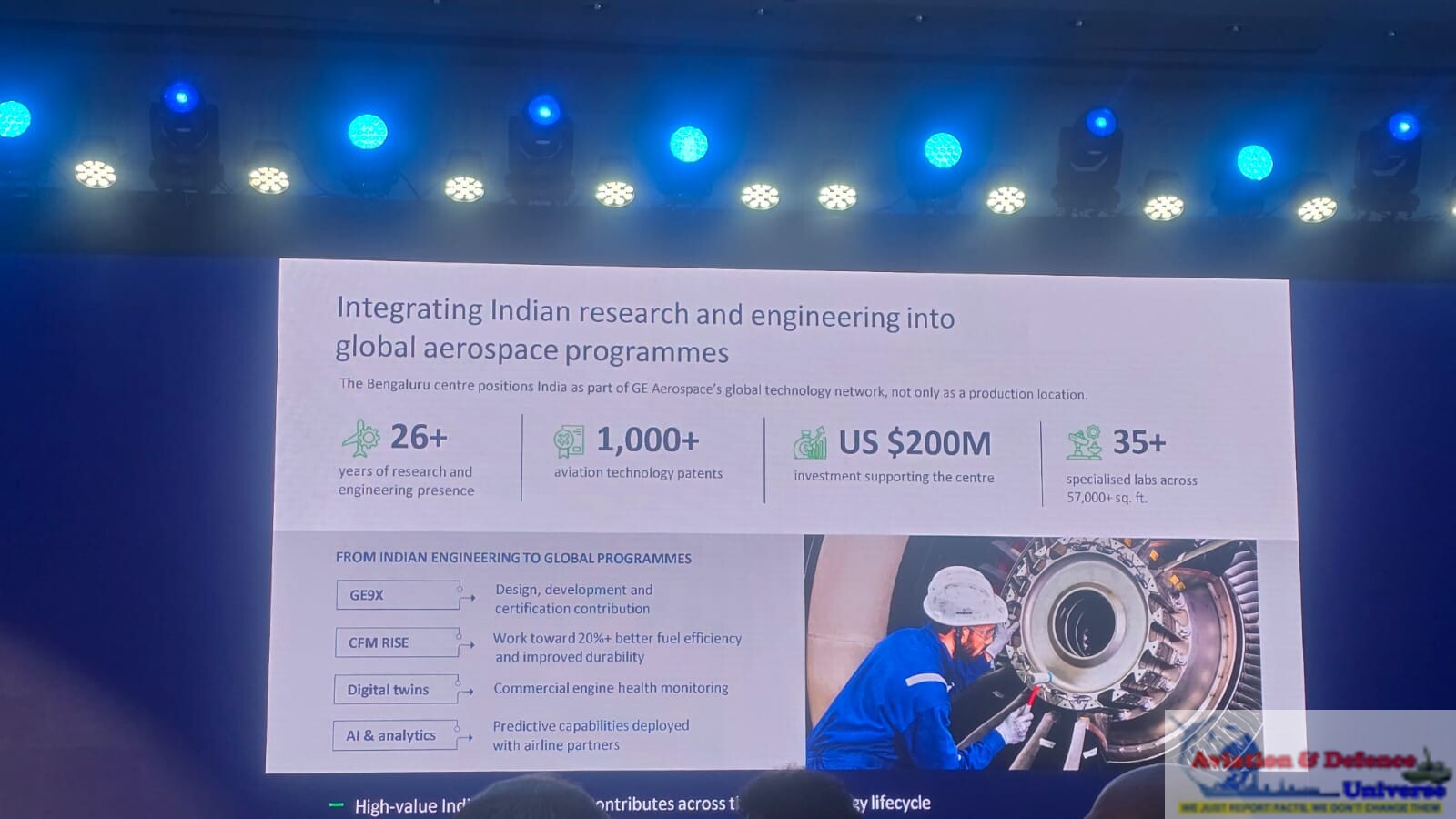 meant that airlines could not simply pass rising operating costs on to passengers without affecting demand. Higher fares could reduce traffic volumes and undermine the very growth that airlines and manufacturers were seeking to achieve.
The industry therefore needed to find ways of lowering costs while maintaining operational reliability. Singh suggested that greater sourcing from India and the development of skilled technical manpower could help reduce unit costs over time. India’s engineering talent and expanding industrial capabilities could become important advantages in this process. However, these capabilities needed to be developed systematically. The discussion reinforced the view that aerospace manufacturers, airlines, suppliers and policymakers had a shared interest in creating a more efficient domestic aviation ecosystem.
Akasa Air: Airline Reliability Begins with Manufacturer Partnerships
Priya Mehra emphasised that the relationship between airlines and original equipment manufacturers had to be based on long-term trust and operational dependability. She explained that sustainable airline expansion depended on the ability to deliver reliable services consistently.
Aircraft availability, engine performance and technical support were therefore fundamental to the customer experience. An airline could not promise dependable operations without equally dependable support from its manufacturing partners. Mehra argued that manufacturers needed to understand the challenges associated with rapid fleet growth and work closely with airlines to address them. Her intervention added an important operational perspective to the discussion.
While aircraft orders and passenger projections demonstrated the scale of India’s aviation ambitions, the success of those ambitions would ultimately depend on the reliability of everyday airline operations.
Vikram Rai: International Growth, Regional Connectivity and OEM Partnerships Will Shape the Future
Summarising the discussion, Vikram Rai identified several themes emerging from the panel. The first was the substantial opportunity for Indian carriers to expand their international operations, particularly in markets where foreign airlines currently commanded a significant share of passenger traffic. The second was the potential of regional and point-to-point connectivity, especially as smaller Indian cities generated increasing 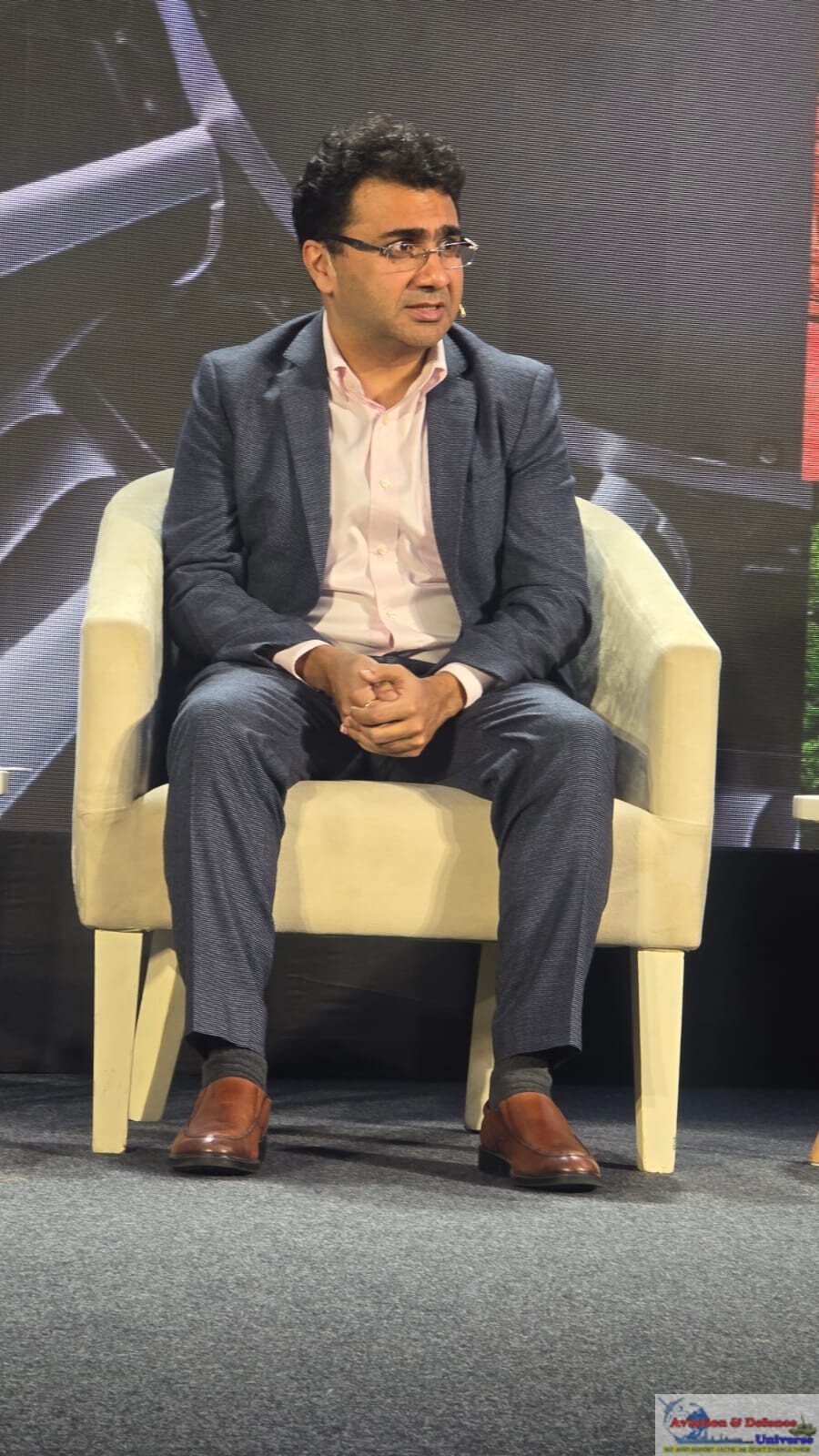 demand for air travel.The third was the opportunity to attract passengers from other modes of transport by making aviation more accessible and affordable. The fourth was the importance of stronger partnerships between airlines and aerospace manufacturers.
Rai acknowledged the confidence that Indian carriers had placed in GE Aerospace and its joint venture engines, particularly in the context of the substantial number of engines expected to be delivered over the coming decade. The discussion closed with recognition that India’s aviation growth would require collaboration across the industry.
Aviation’s Road to Viksit Bharat 2047: Growth Must Create Capability
The inaugural session demonstrated that India’s aviation ambitions were closely linked to wider questions of economic development, technological capability and industrial competitiveness. The EY report highlighted the economic contribution of aerospace manufacturing, engineering and specialised talent. GE Aerospace’s sourcing plans illustrated the growing opportunities for Indian suppliers to participate in international aerospace value chains.
 The airline panel, meanwhile, brought attention to the operational and commercial challenges that must be addressed if passenger growth is to remain sustainable. Air India identified the potential to capture a greater share of international long-haul traffic. IndiGo highlighted the expansion of smaller-city connectivity and emerging international markets. Akasa Air emphasised reliable and sustainable fleet growth.
Despite their different strategies, all three airlines converged on the importance of affordability, reliability and stronger partnerships with aircraft and engine manufacturers. The discussion also raised a fundamental question for India’s aviation policymakers and industrial leadership: can the country move from being one of the world’s largest aviation markets to becoming a major global centre for aerospace manufacturing, engineering, maintenance and innovation? The answer will depend on how effectively India connects airline growth with domestic industrial development.
India Must Not Just Fly More, It Must Build More
India’s aviation ambitions are soaring, but the real test will be what the country builds beneath those wings. GE Aerospace’s economic impact report and the airline leadership discussion made one point unmistakably clear: the future of Indian aviation cannot be measured by fleet orders and passenger numbers alone. It must 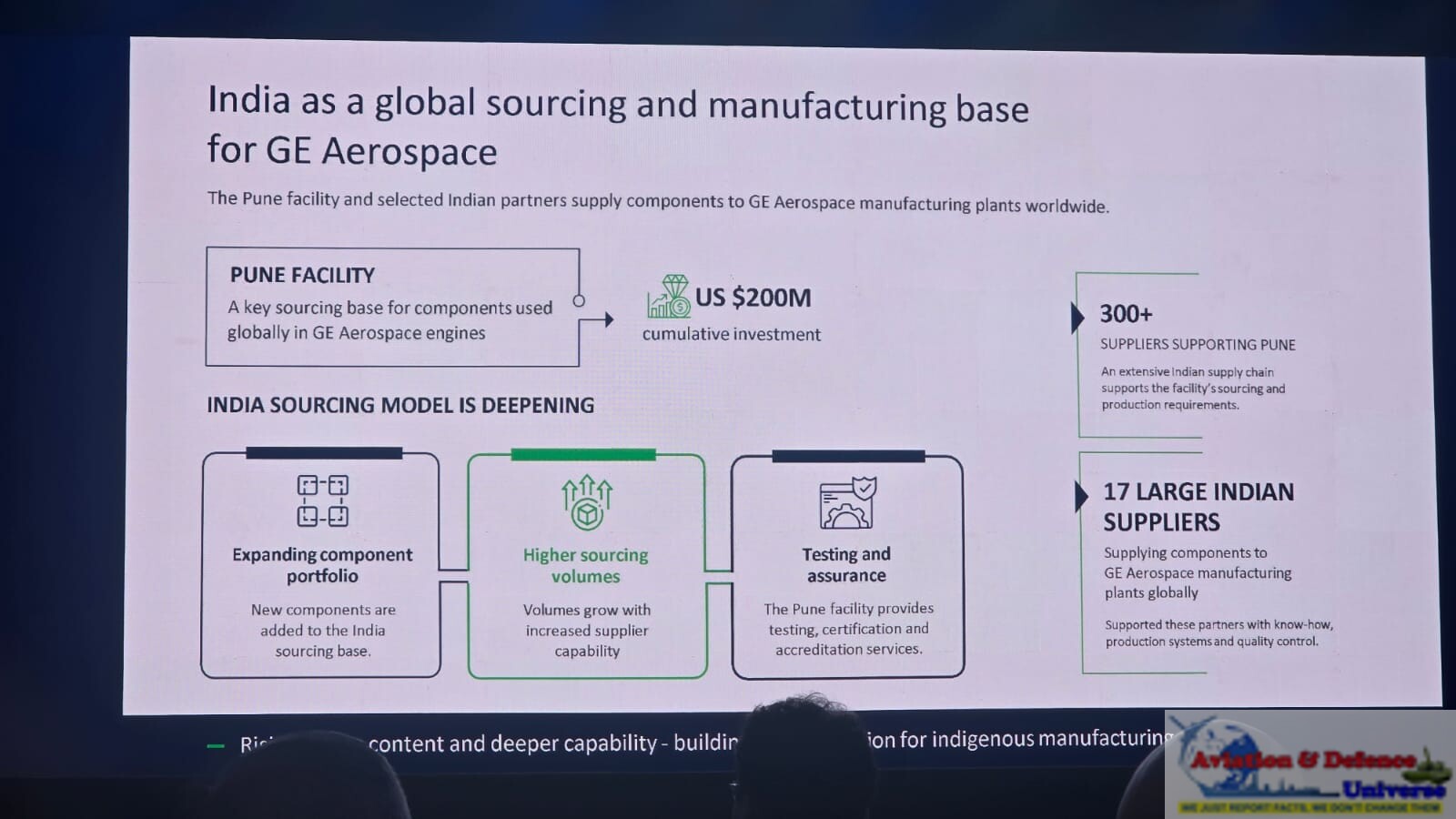 also be measured by affordable connectivity, reliable propulsion, indigenous manufacturing, skilled employment, engineering innovation and the creation of a globally competitive aerospace ecosystem.
Air India wants a larger share of the world’s long-haul skies. IndiGo sees extraordinary opportunities in smaller cities and new international routes. Akasa Air is building its future around dependable and sustainable growth. GE Aerospace, meanwhile, is expanding its Indian sourcing and technological engagement. Together, these ambitions point towards an aviation sector capable of contributing far more substantially to India’s economic future. The journey to Viksit Bharat 2047 will demand more than aircraft in the skies. It will require Indian capabilities in the factories, laboratories, maintenance facilities and engineering centres that keep them flying. India has the market, the ambition and the talent. The next challenge is to turn aviation growth into enduring aerospace strength.
























































-A4-Size-(2)_page-0001.jpg)