

















- Mandates, Money and Markets: What Will Power India’s SAF Take-off?
- Beyond Blending Targets: SAF Leaders Call for Bankable Projects
- Waste to Wings: Industry Maps India’s Sustainable Aviation Futur
By Sangeeta Saxena
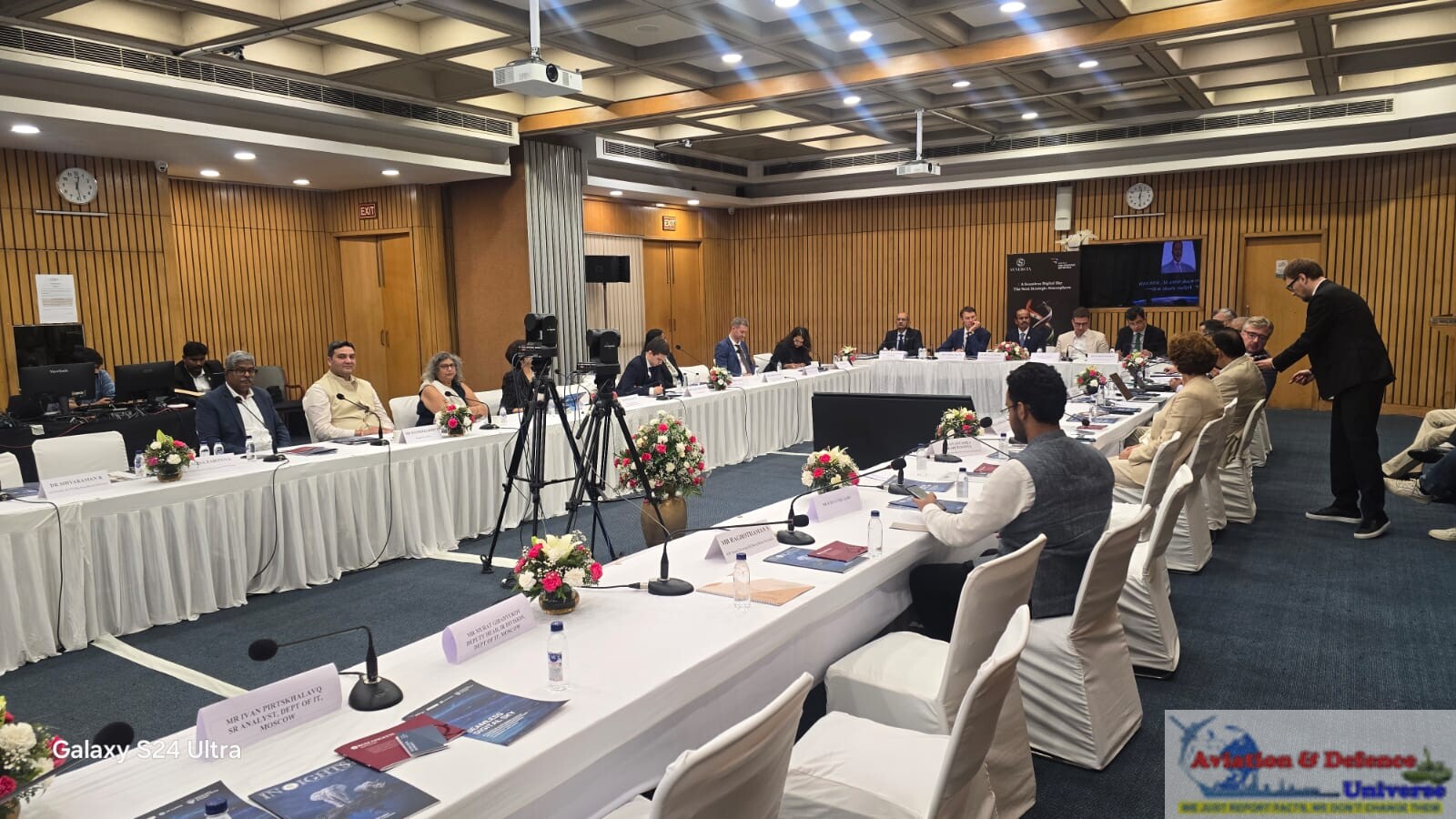
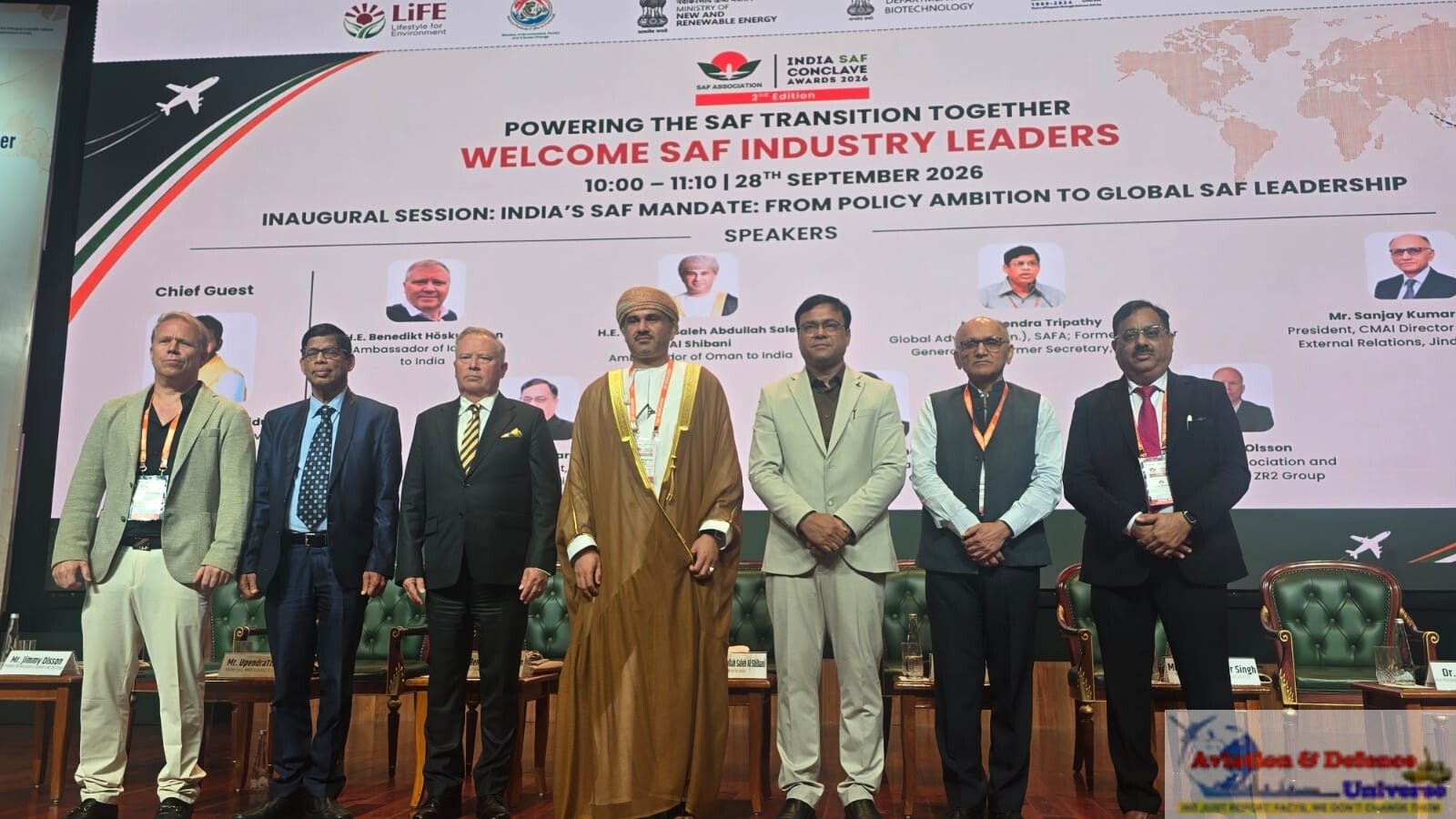
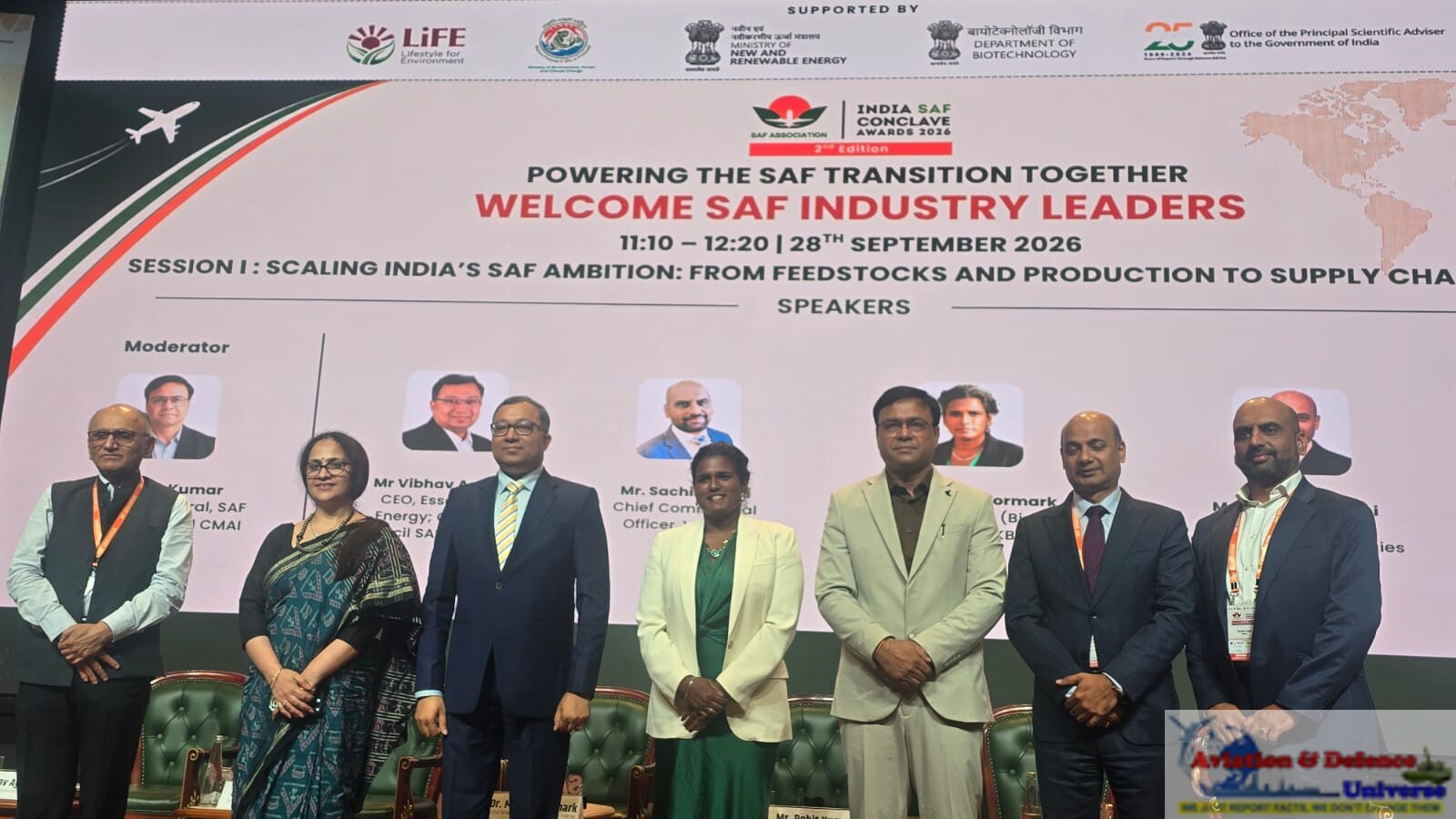
New Delhi. 28 September 2026. India has the feedstocks, technological options and aviation demand to build a sustainable aviation fuel industry. The challenge is to turn that potential into projects that lenders will finance, producers can operate and airlines can buy from reliably. At the India SAF Conclave 2026, organised by the SAF Association at Bharat Mandapam, industry leaders examined the decisions needed to move cleaner aviation from policy ambition to commercial production.
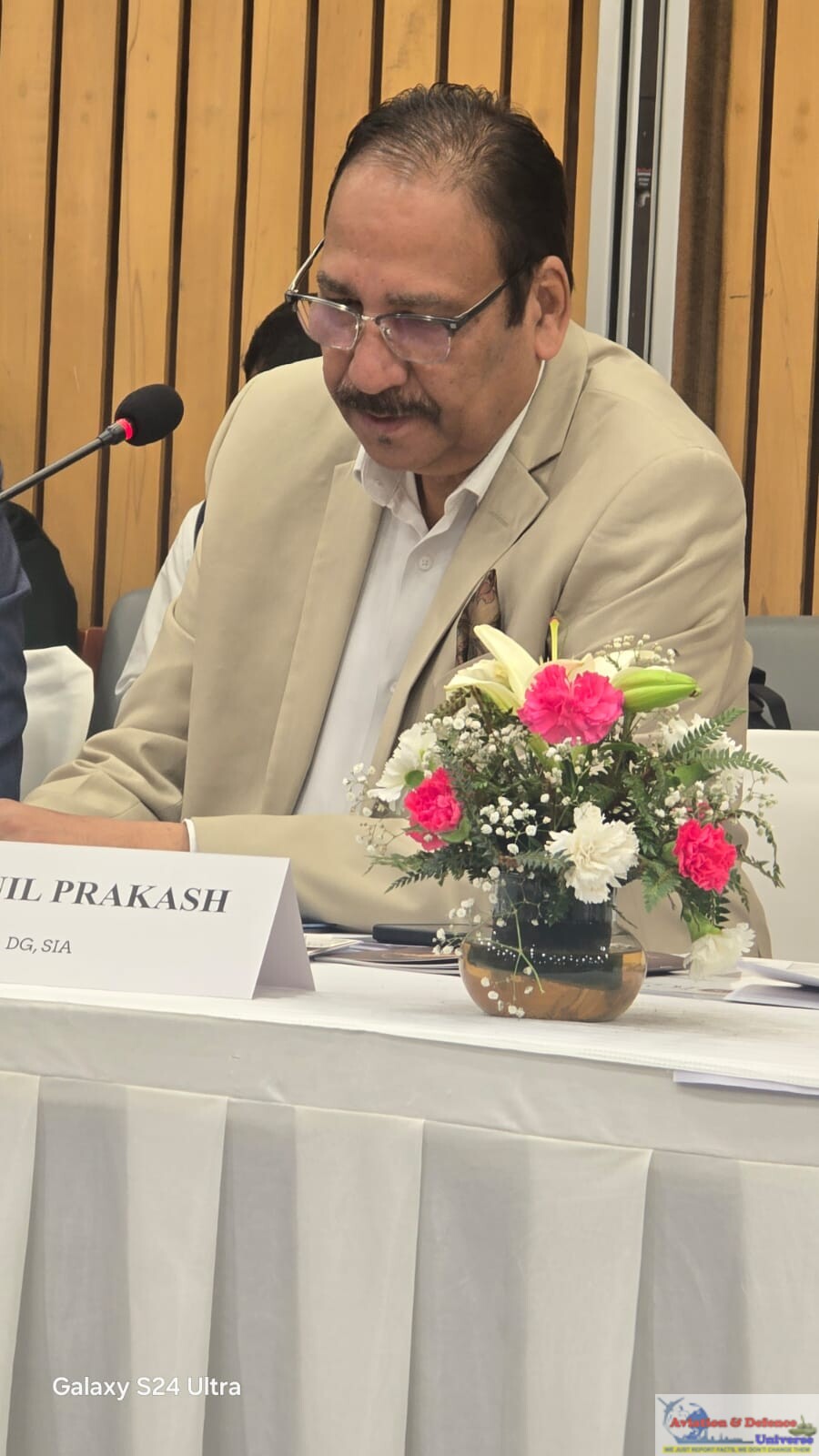
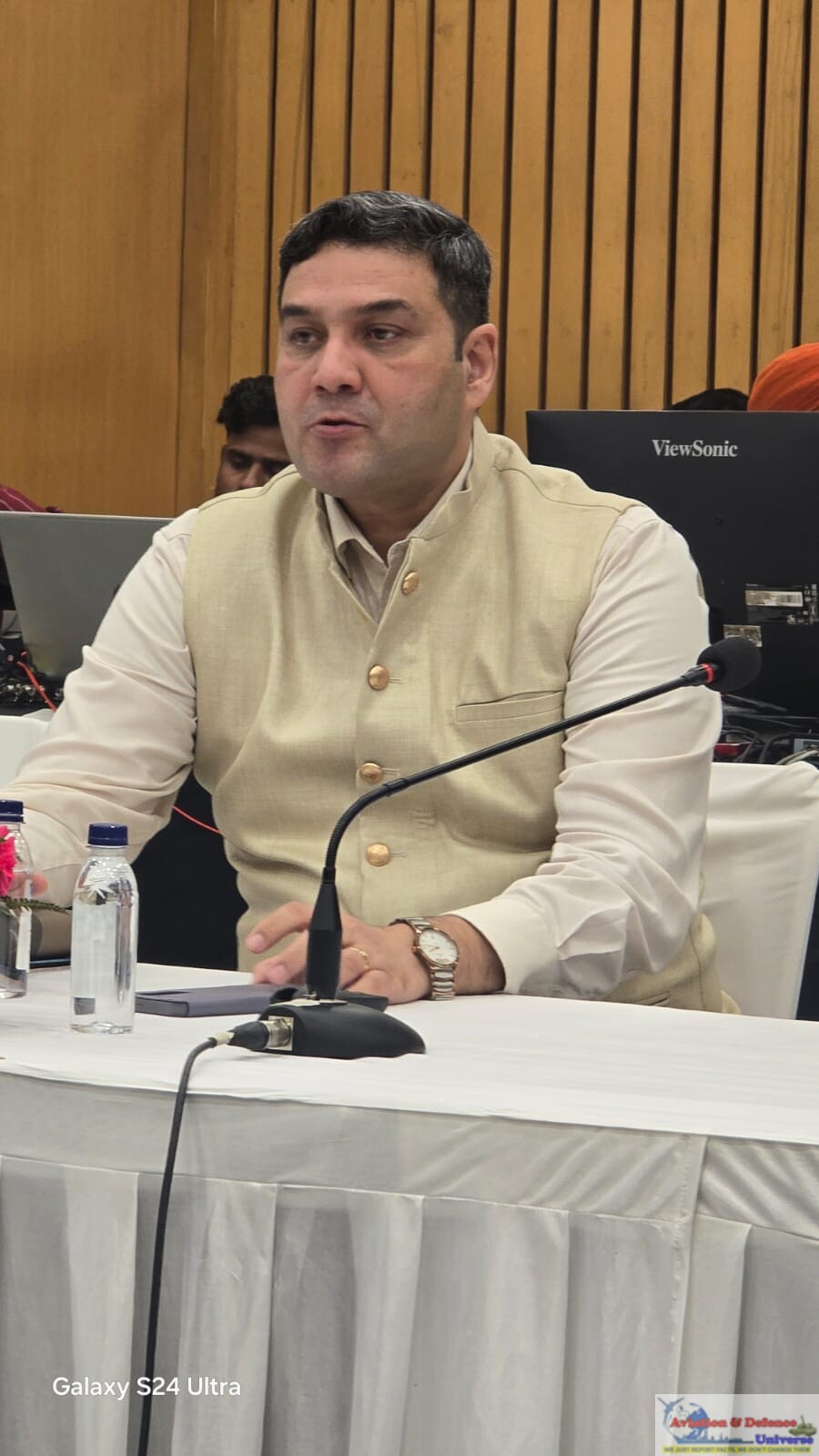
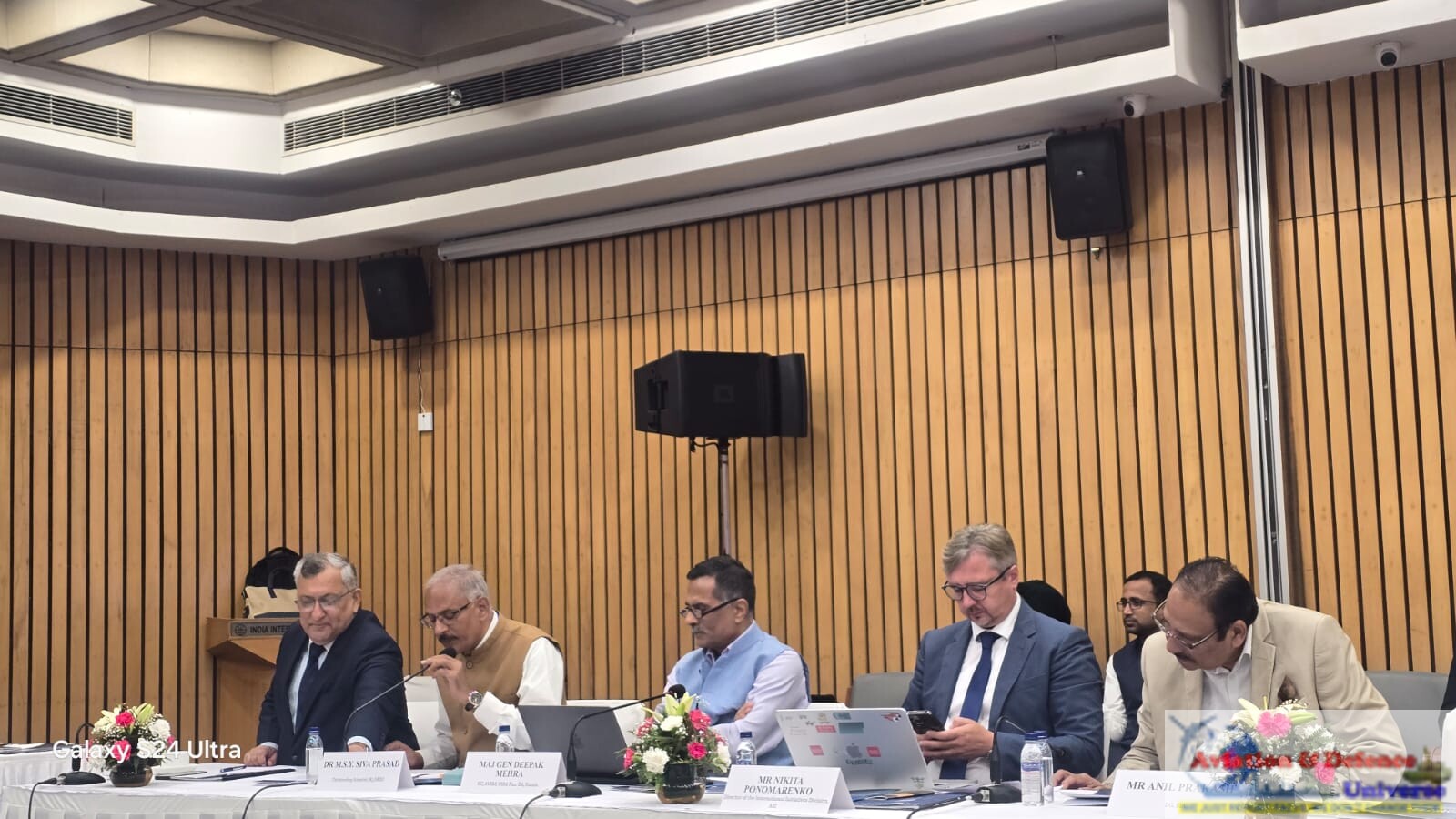
Moderated by Rohit Kumar, Secretary General, SAF Association (SAFA), the panel brought together Vibhav Agarwal, CEO, Essar Future Energy; Sachin Joshi, Chief Commercial Officer, Velocys; Dr. Monika Normark, Global Director (Biofuels Technology), KBR Inc.; Ranjit Kulkarni, President–Africa, Honeywell Technologies; and Neha Pahuja, Senior Sustainability Lead, Boeing India.
The discussion addressed the full production and delivery chain: securing feedstock, choosing technology, attracting finance, establishing purchase agreements and preparing aviation infrastructure. A subsequent presentation captured in the second transcript added a European perspective on e-SAF mandates, investment support and regulatory certainty.
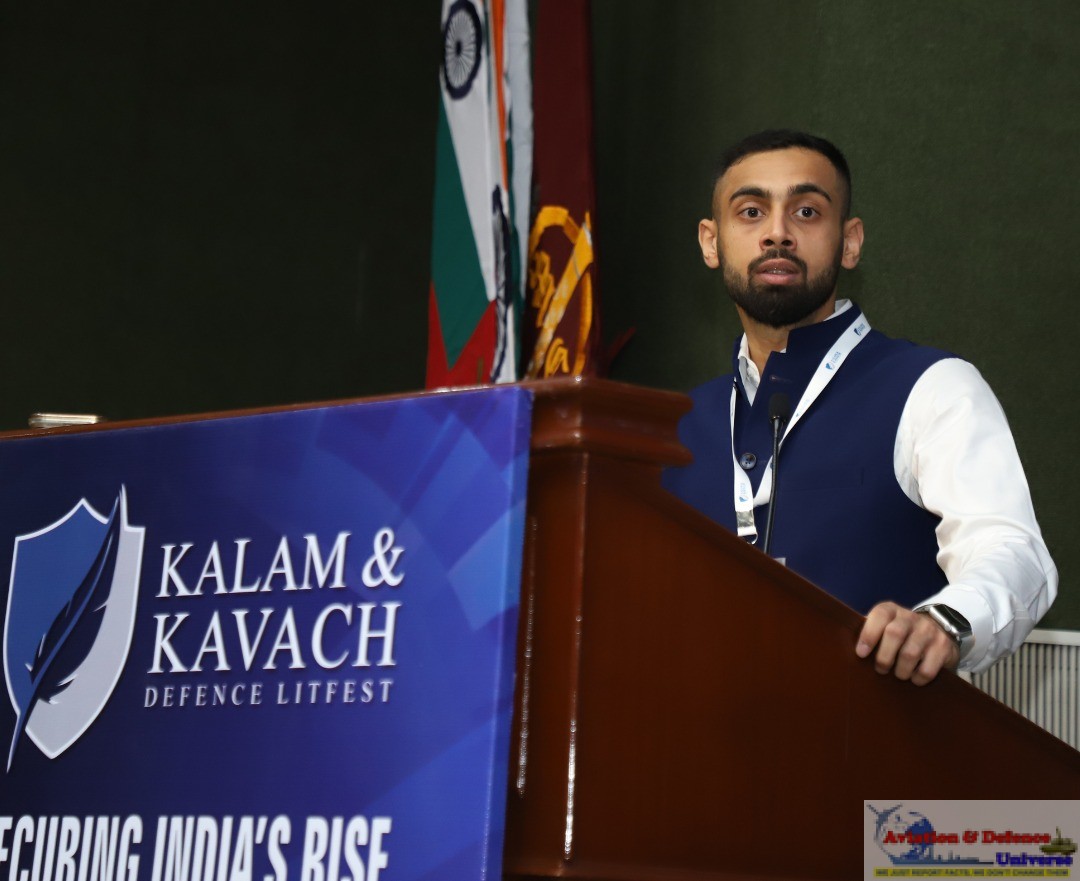
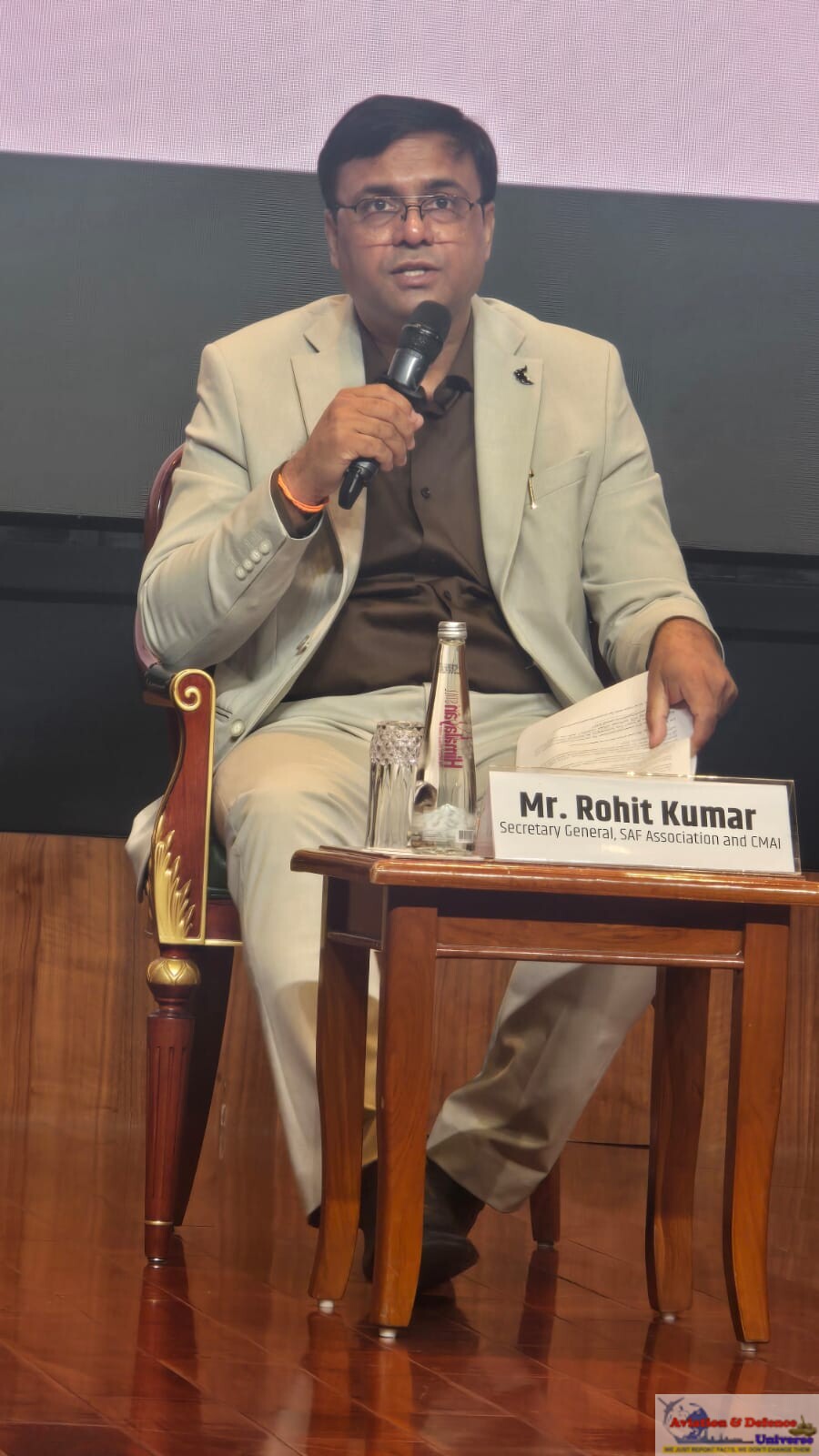 Opening the discussion, Rohit Kumar framed India’s opportunity around five connected questions: whether suitable feedstocks can be collected at scale, whether technologies can be deployed commercially, whether projects can secure finance and buyers, and whether airlines can obtain certified fuel at competitive prices. “India’s SAF ambition is now moving from policy to implementation,” he said.
Kumar referred to the anticipated blending trajectory of 1 per cent in 2027, 2 per cent in 2028 and 5 per cent by 2030, while noting that the industry was awaiting a formal mandate. His remarks positioned policy clarity as the starting point for investment decisions across the sector.
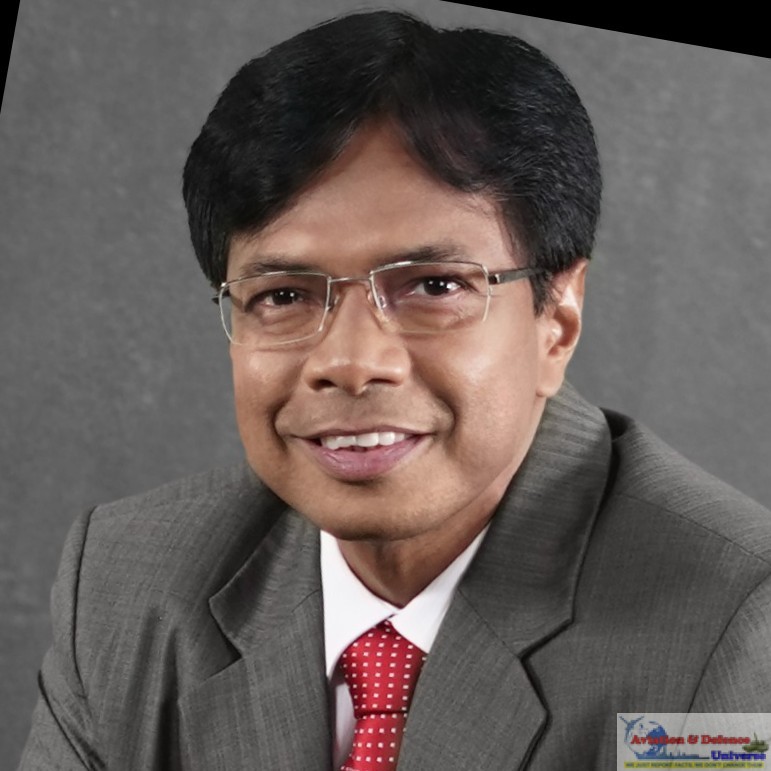
For Vibhav Agarwal, the most useful way to understand SAF development was to examine it through the eyes of those expected to finance it. “Ultimately, for a capital-intensive industry like biofuels or SAF, somebody has to write the cheque,” he said. “Who would write the cheque without actually making a fair assessment of the risk?”
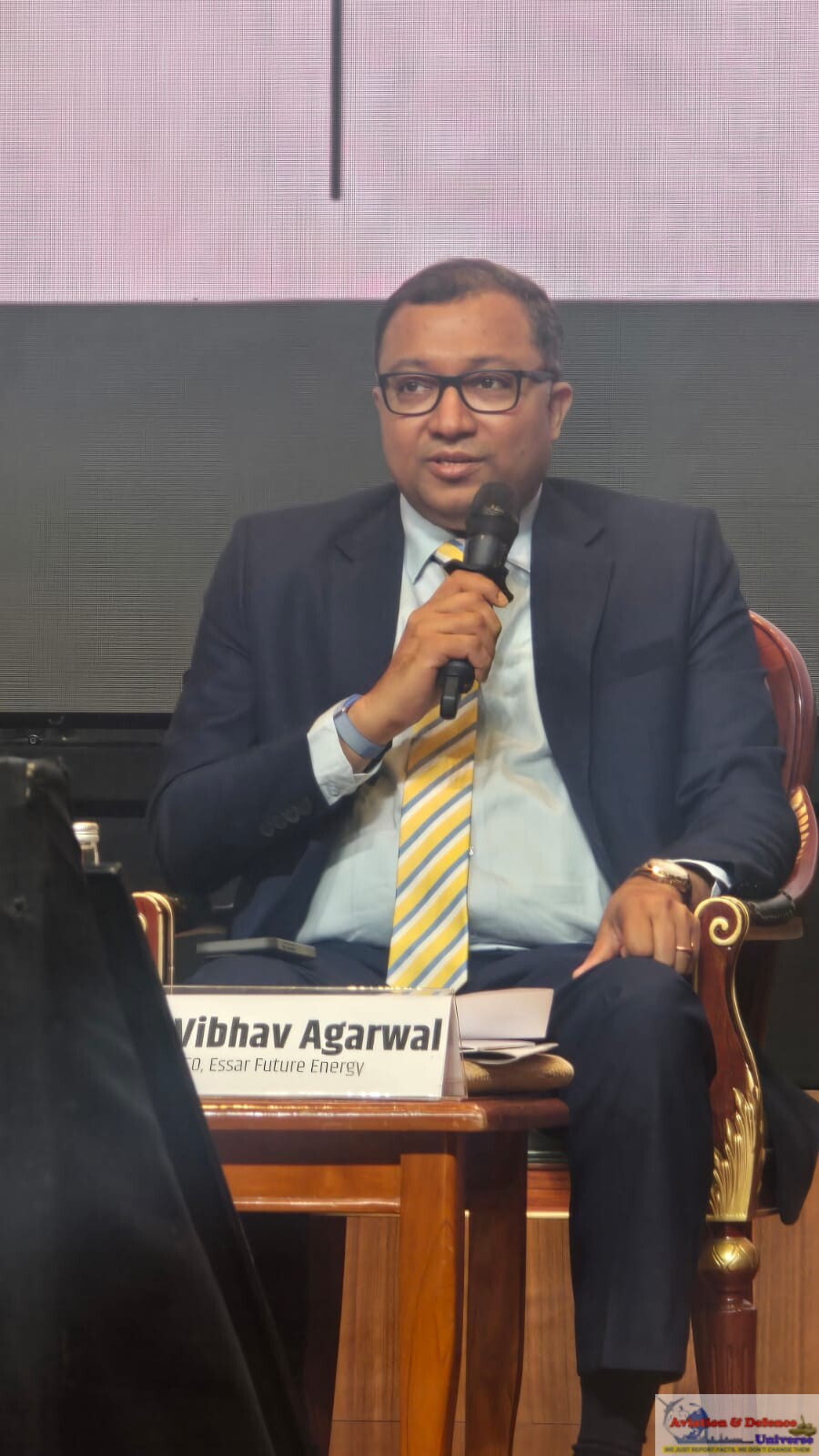 Agarwal explained that lenders need confidence in feedstock availability, long-term supply contracts, blending requirements, purchase commitments and infrastructure. An abundant resource base, by itself, does not provide the contractual security needed to finance a large production facility.
He emphasised the importance of long-term agreements with airlines and other buyers, access to blending facilities and dependable delivery arrangements at airports. These elements, he argued, must be considered together when assessing whether a project can become commercially sustainable.
Agarwal also called for a longer policy horizon. Projects with substantial capital requirements need visibility extending beyond the first few years of blending targets. “Let there be certainty on the regulatory front,” he urged, seeking clarity on the progression of blending requirements over the next 10–15 years.
On feedstocks, he cautioned against overlooking used cooking oil (UCO). India’s collection systems, he argued, could be strengthened through investment, administrative support and standard operating procedures. He maintained that all production pathways deserve attention, with their suitability determined by local resources and commercial conditions.
His financing recommendations included considering SAF and other biofuel projects for inclusion in the government’s Harmonised Master List of Infrastructure Sub-sectors. He also sought a level playing field for public and private producers, with adequate freedom to market and price their products.
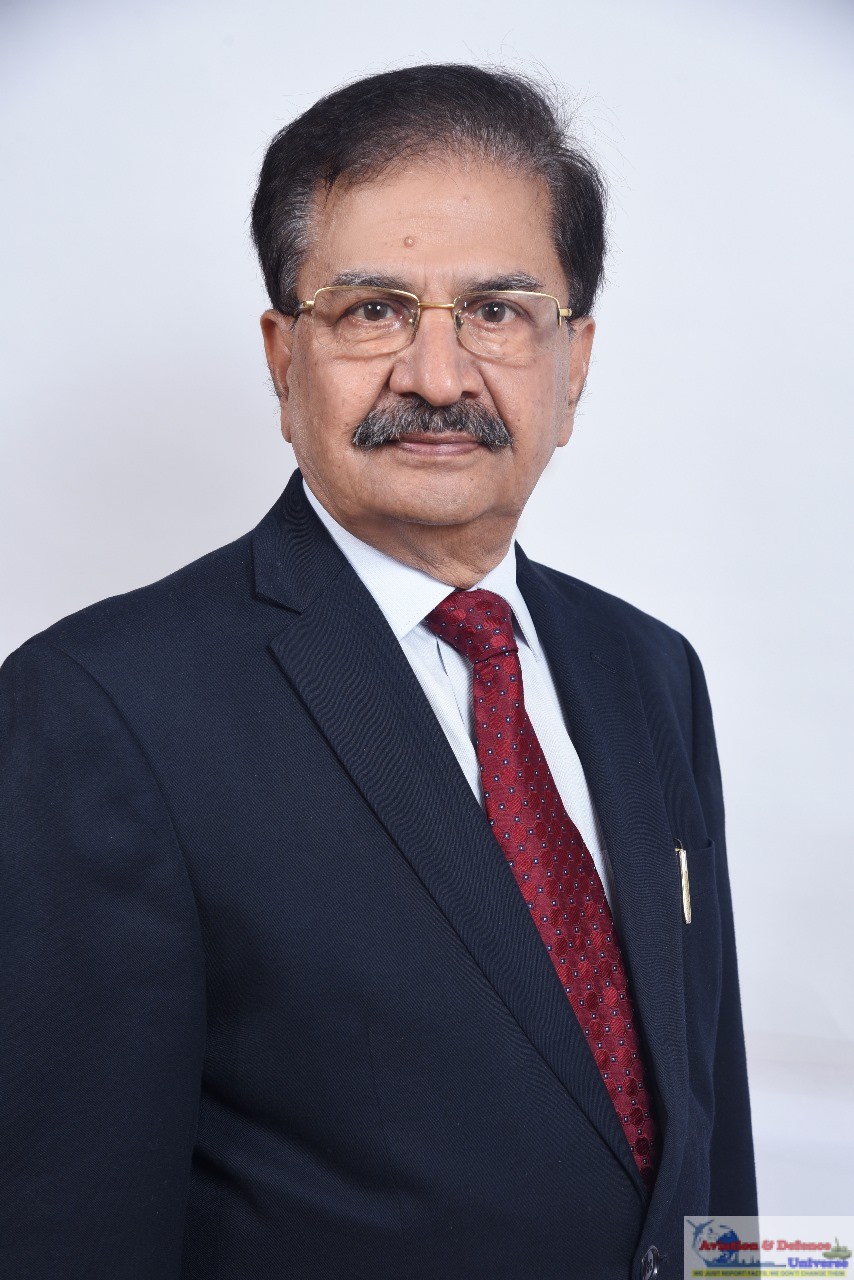
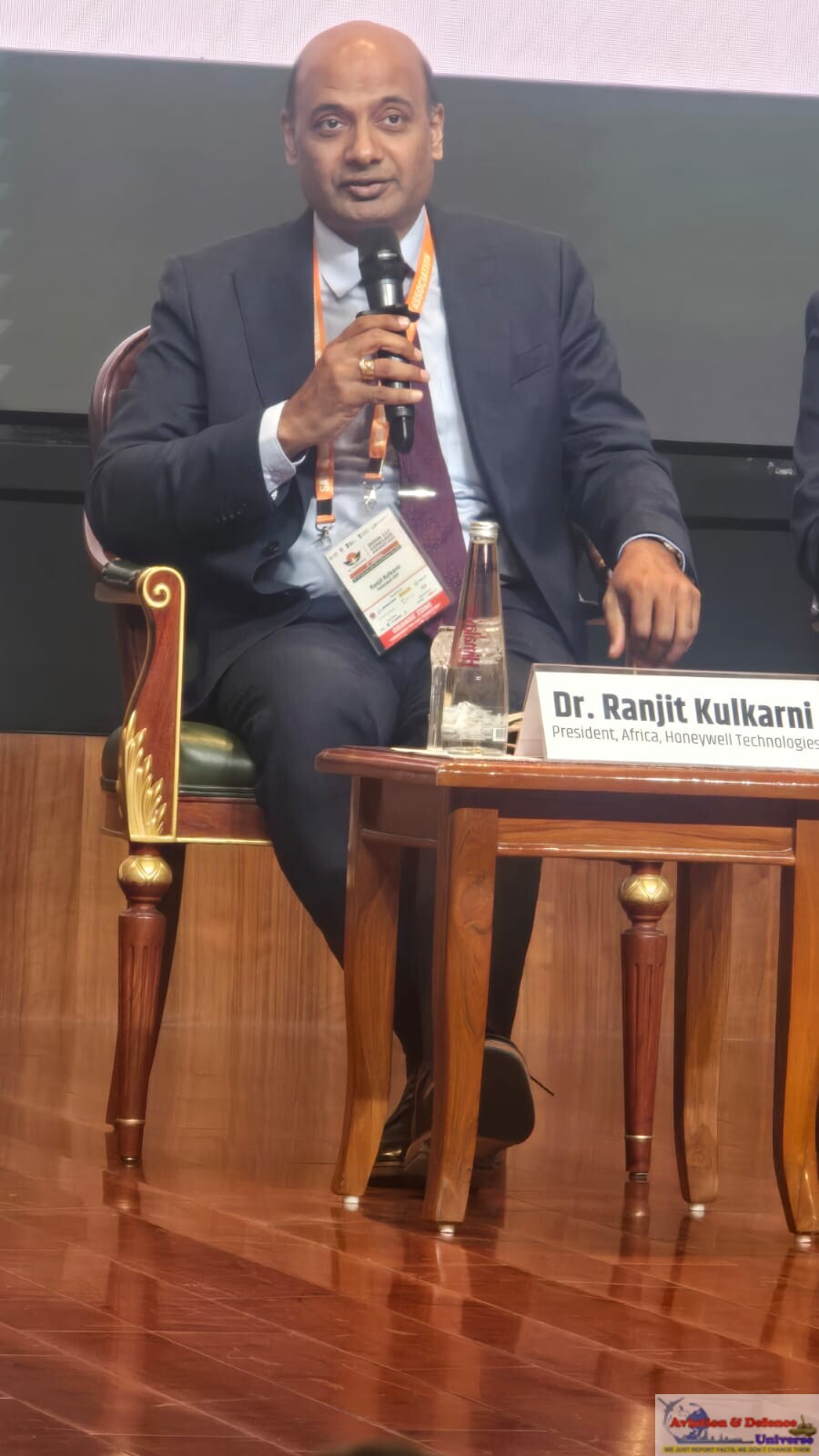 Ranjit Kulkarni placed technology choices within the relationship between policy, market size and finance. “It’s a policy that creates the market, and it’s a mandate that determines the size of the market,” he said. Technology deployment would then respond to the demand created, while financing would determine the speed of progress. Kulkarni argued that India should begin with commercially established options and progressively expand into pathways suited to its ethanol, biomass and renewable energy resources.
He stressed that the choice of technology must reflect regional circumstances. A pathway suitable for one country or feedstock base may not deliver the same advantages elsewhere. Refinery integration was another area of opportunity. Kulkarni described how existing assets could support co-processing, subject to operating conditions, hydrogen requirements and equipment limitations. Such approaches could provide an earlier route to production while dedicated SAF facilities are developed.
For standalone plants, he identified execution time as a critical commercial factor. Delays between technology selection, investment approval, construction and commissioning can significantly affect project returns. “Three years makes or breaks IRR,” he observed, referring to the internal rate of return.
Standardisation, replication of plant designs, earlier procurement decisions and support for managing project risks were among the approaches discussed for shortening delivery schedules. Kulkarni also highlighted India’s engineering capabilities, resource diversity and competitive execution costs as strengths that should be translated into faster implementation.
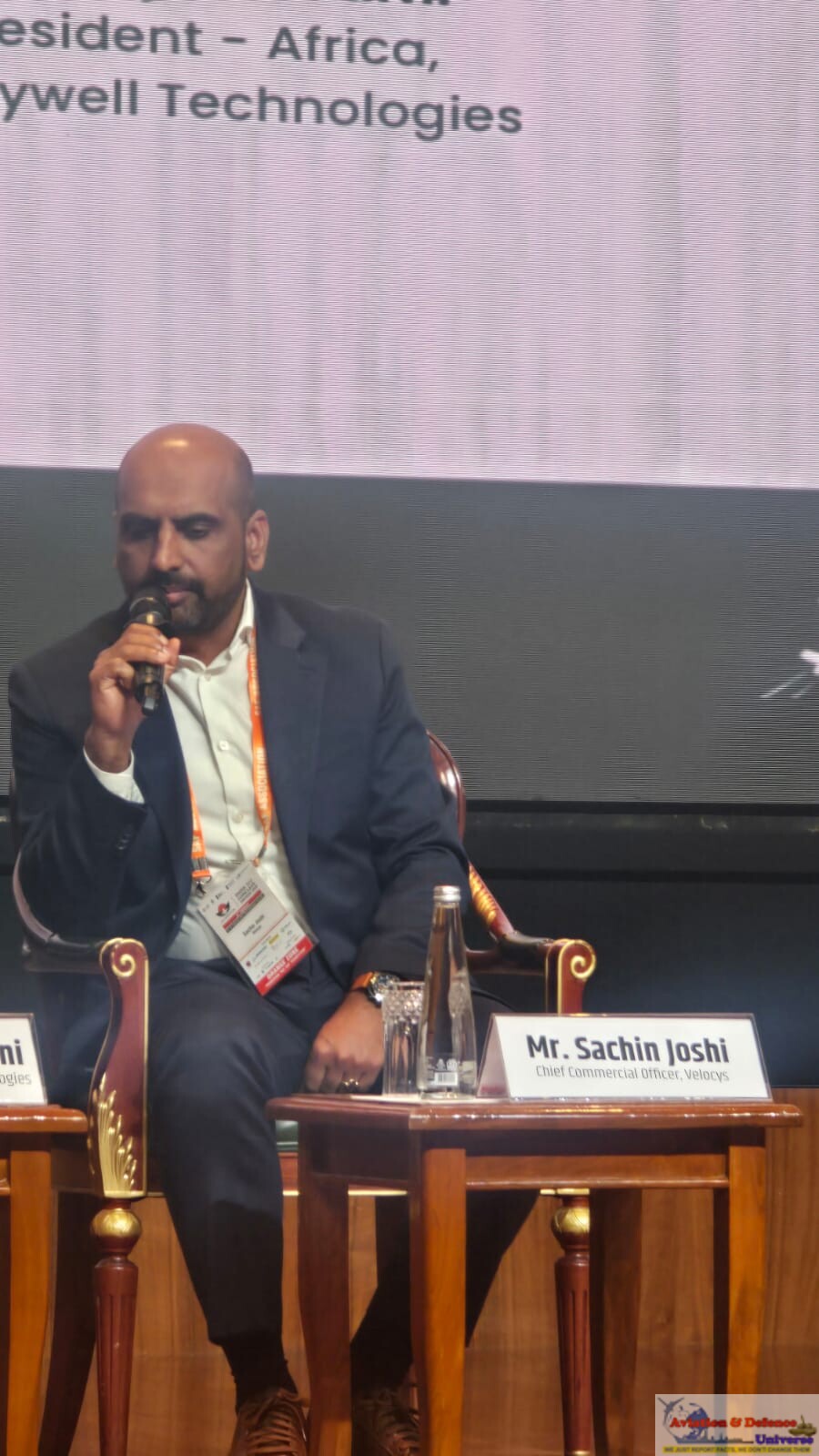 For Sachin Joshi, India’s biogas resources offered a promising route to Fischer–Tropsch (FT) SAF production. Agricultural, dairy and sugar-industry residues could be converted into biogas, followed by downstream processing into liquid fuels. Joshi argued that this route could draw on established downstream technologies while addressing some of the difficulties associated with preparing suitable synthesis gas through other processes. “We can go to the feedstock rather than aggregate the feedstock,” he said.
His proposed approach was to locate conversion facilities near available resources and subsequently aggregate liquid intermediates, which can be easier to transport than bulky solid materials. He cited a proposed demonstration-scale project associated with a large dairy farm in Uruguay as an example of a model that could potentially be replicated in India.
Joshi also emphasised matching plant capacity to local feedstock availability and supporting localisation. However, technology and demand would need to be accompanied by a pricing framework that gives developers confidence in future revenues. “Demand should accompany the pricing mechanism,” he said.
The discussion considered international approaches to revenue support, including benchmark-based mechanisms and auction models, as examples India could examine when designing its own framework. Dr. Monika Normark stressed that successful SAF development requires technology companies to work as partners across the project lifecycle. “It takes so much more to get a bankable product off the ground,” she said.
Drawing on international project experience, Normark argued that mandates must be supported by incentives, risk-management arrangements and commercial structures capable of attracting banks. Technology availability alone cannot resolve the uncertainties facing a new industry.
She identified considerable potential for alcohol-to-jet and ethanol-to-jet production in India, alongside integrated biorefineries that make productive use of multiple feedstocks and intermediate streams. “I think India has a great potential for alcohol-to-jet or ethanol-to-jet,” she said.
 Normark described opportunities to combine ethanol production with the utilisation of fermentation carbon dioxide and other intermediates. Such integration could improve resource efficiency and expand fuel production rather than treating each process as an isolated activity. “We need to utilise every intermediate we create,” she emphasised. Her remarks also urged developers to think beyond immediate targets. Investments must be assessed over decades, with attention to changing markets, feedstock competition and the incentives required for farmers, suppliers and other local participants to sustain the production chain.
Neha Pahuja brought the discussion to aircraft compatibility, certification and the practical readiness of the aviation sector. She explained that suitably certified and blended SAF can function as a drop-in fuel, while deployment still requires decisions on airport locations, fuel handling and blending arrangements. Pahuja also reiterated Boeing’s commitment to enabling its aircraft to use 100 per cent SAF by 2030, describing this as a goal supported by research and development.
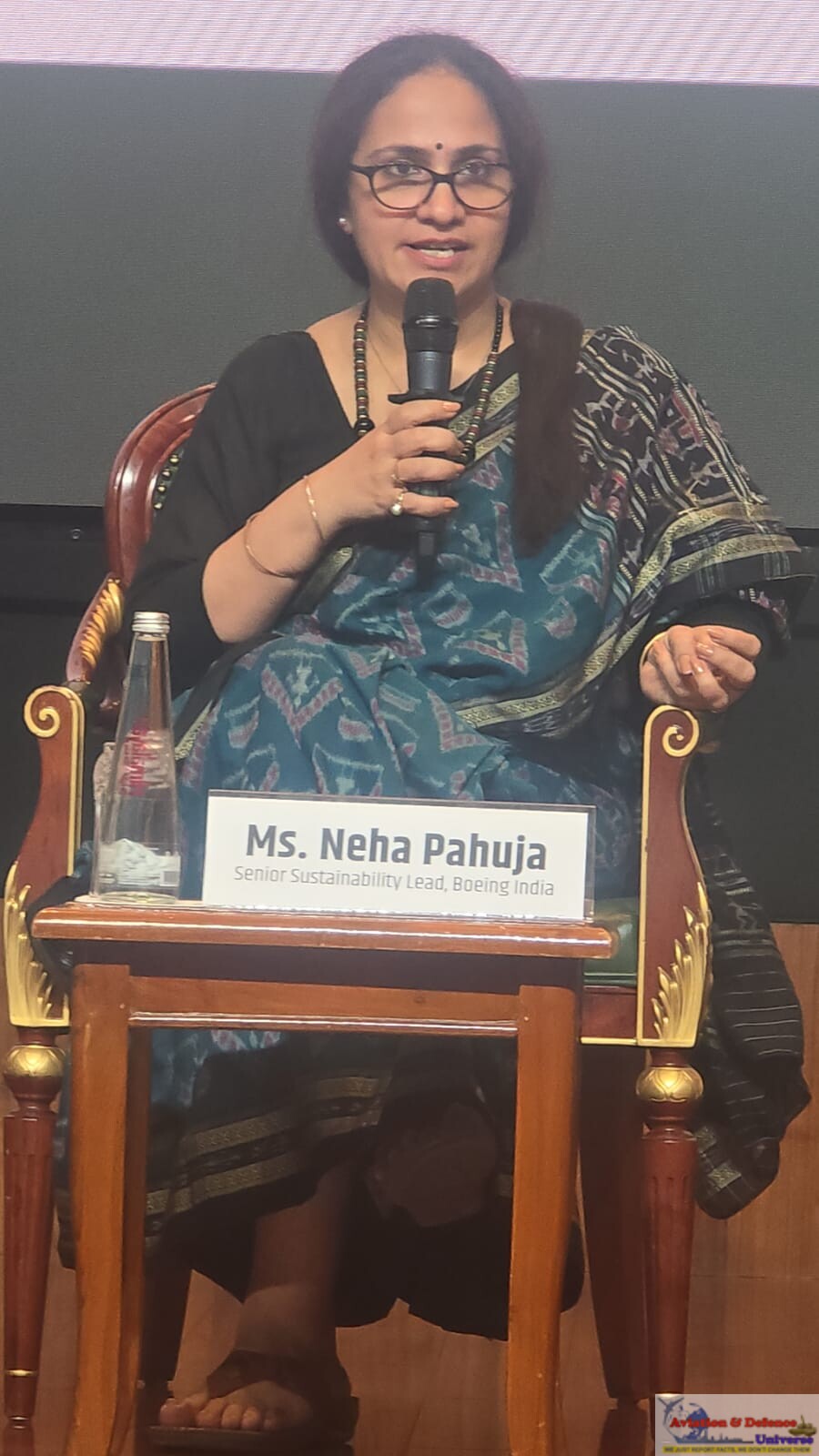 “We have technology. However, the implementation roadblocks exist,” she said. Pahuja referred to Boeing’s collaboration with the Roundtable on Sustainable Biomaterials (RSB) on an assessment of India’s SAF readiness. She emphasised that incentives must extend across the value chain—from feedstock suppliers and producers to fuel users. For used cooking oil, for example, the industry needs to understand what motivates collection and supply. The existence of feedstock on paper must translate into a functioning commercial network.
Asked to identify the largest gap in India’s SAF ecosystem, her response was direct: “The biggest gap is basically the policy certainty.” She also called for wider stakeholder participation and capital expenditure support as new facilities are developed. India’s ambition, she argued, should encompass both domestic requirements and opportunities to compete internationally.
The European perspective came from Dr. Tobias Block who joined online and reinforced the panel’s concern about policy durability. In his presentation, as the representative of eFuel Alliance he examined the role of ReFuelEU Aviation in creating demand for sustainable and synthetic aviation fuels. “These targets are really important. They are driving the market,” said.
The presentation argued that weakening targets could undermine the confidence required for investment. It also highlighted the interdependence of production and long-term purchase commitments: without buyers willing to sign agreements, projects struggle to advance, leaving the market short of supply.
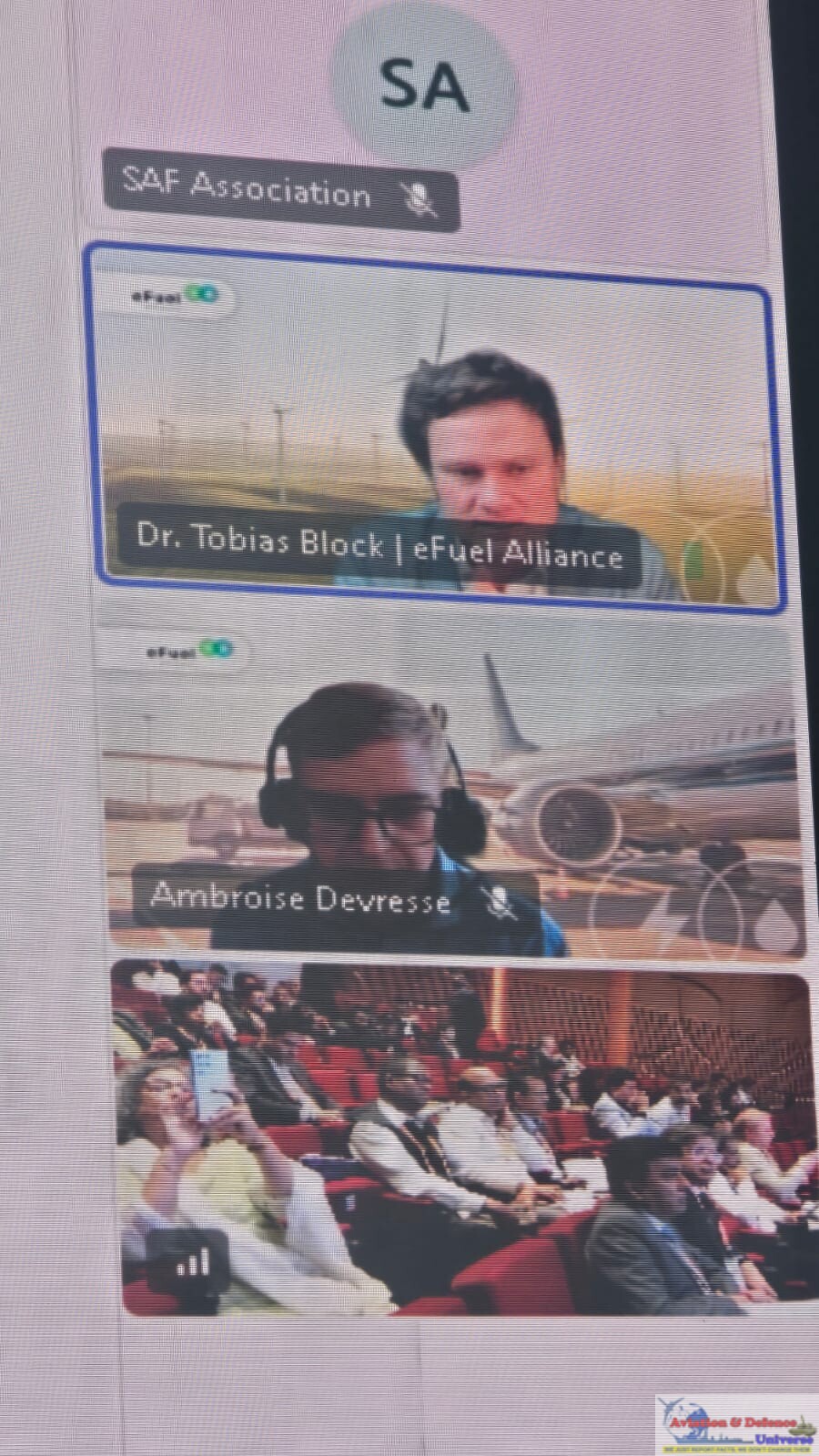 “We need to support the airlines to reach the targets without diluting the targets,” he said. Financial support, more workable production rules and the potential use of Book and Claim arrangements were presented as ways to help bridge the gap between regulatory ambition and commercial delivery. “In addition, we need carrots to support reaching the targets,” the representative observed, reinforcing the panel’s argument that obligations and incentives must work together.
The central message was consistent. India’s SAF opportunity depends on connecting resources with contracts, technology with financing and blending ambitions with a durable market. Different pathways can contribute, but each must demonstrate reliable supply, credible certification and workable economics. At Bharat Mandapam, the industry outlined the conditions for India’s SAF take-off: clear policy, secure feedstocks, committed buyers and projects delivered on time. The next milestone will be measured in financing secured, plants commissioned and sustainable fuel reaching aircraft. India’s clean aviation ambition now needs the commercial foundations to fly.
The road to cleaner skies begins with a difficult task on the ground: securing feedstock. Used cooking oil, agricultural residues and dairy waste offer opportunities for SAF manufacturing, but turning scattered resources into a dependable industrial supply demands efficient collection, consistent quality, traceability and affordable transport. Seasonal availability, competing uses and fragmented supplier networks add uncertainty, while manufacturers need long-term supply contracts to secure finance and keep plants running. The challenge is to build a chain in which farmers, restaurants, waste collectors and aggregators all have a reason to participate—and producers can count on sustainable feedstock arriving at the right price, in the right quantity, year after year.









































































-A4-Size-(2)_page-0001.jpg)