














- Minister Naidu’s Call at Routes Asia Curtain Raiser: Connect, Fly and Grow with India
- From Tier-II Cities to the World: India’s Big Pitch for Routes Asia 2027
- Bharat Aviation Rising: India Pitches Its Next 100 Airports to the Worl
By Sangeeta Saxena
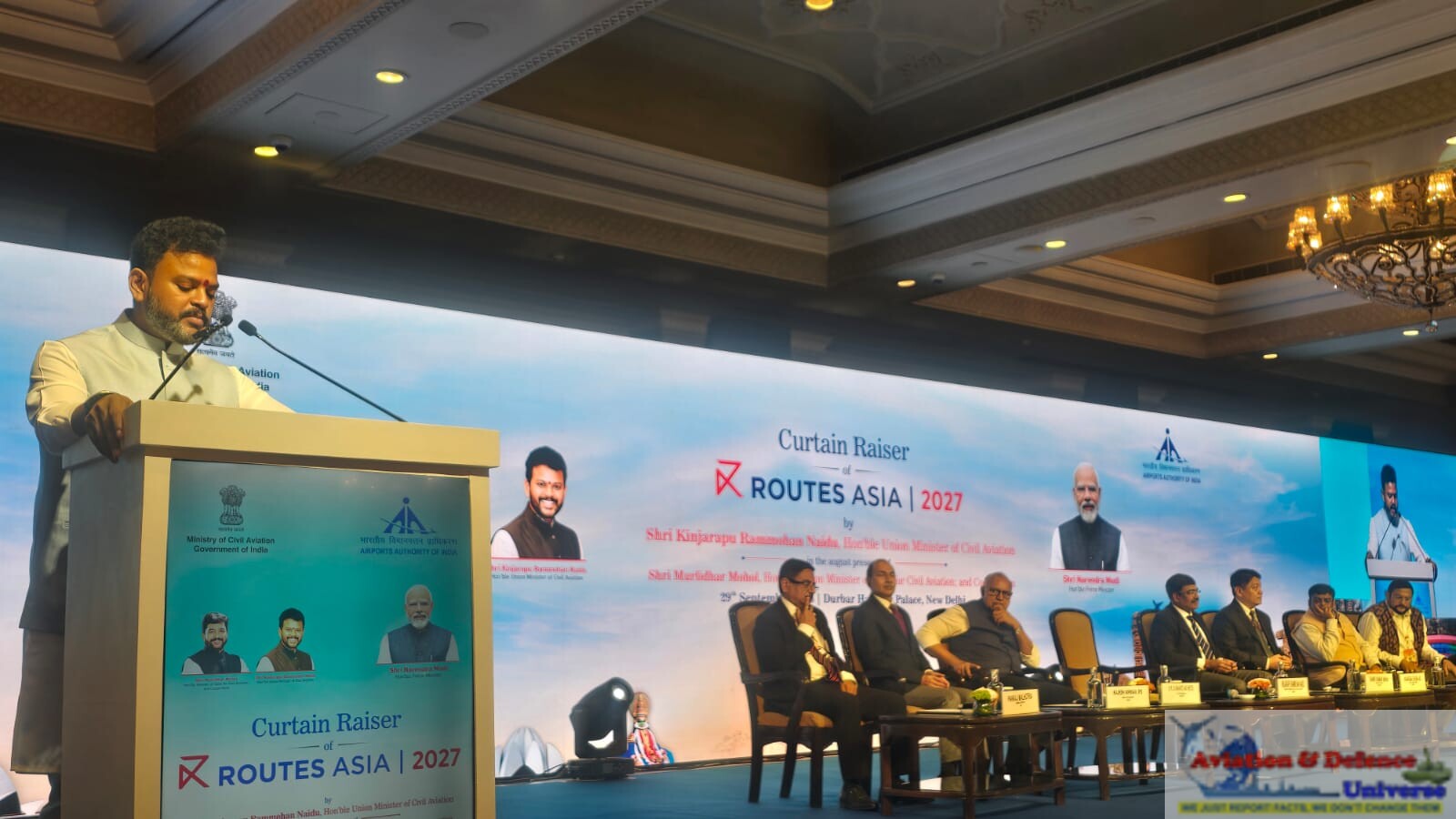
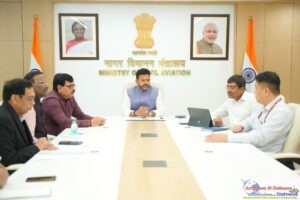
New Delhi. 29 September 2026. A new route can put a city on the world’s aviation map. At the curtain raiser for Routes Asia 2027 in New Delhi, India made its pitch for many more such connections. Unveiling the forum under the theme “Bharat Aviation Rising: Inclusive Growth – Connecting Asia & Beyond,” Civil Aviation Minister Kinjarapu Rammohan Naidu invited airlines to look beyond the metros, tap rising demand in regional India and build routes that can carry the country’s aviation ambitions towards Viksit Bharat 2047. India formally launched its preparations to host Routes Asia 2027 as the Minister digitally unveiled the curtain raiser in New Delhi. The theme, “Bharat Aviation Rising: Inclusive Growth – Connecting Asia & Beyond,” framed an invitation to airlines, airports and destinations: look beyond India’s established gateways and build the next generation of international air links.
The forum is scheduled for 16–18 March 2027 in New Delhi and is expected to bring together more than 115 leading airlines, representatives from over 55 countries and more than 2,500 face-to-face meetings. Those are projections for the March event, rather than attendance figures for the curtain raiser.
Naidu: India Wants to Shape Where Asia Flies Next
In his keynote address Minister Kinjarapu Ram Mohan Naidu placed Routes Asia 2027 within a sequence of international aviation gatherings hosted by India. The country welcomed 29 Asia-Pacific nations to the Asia-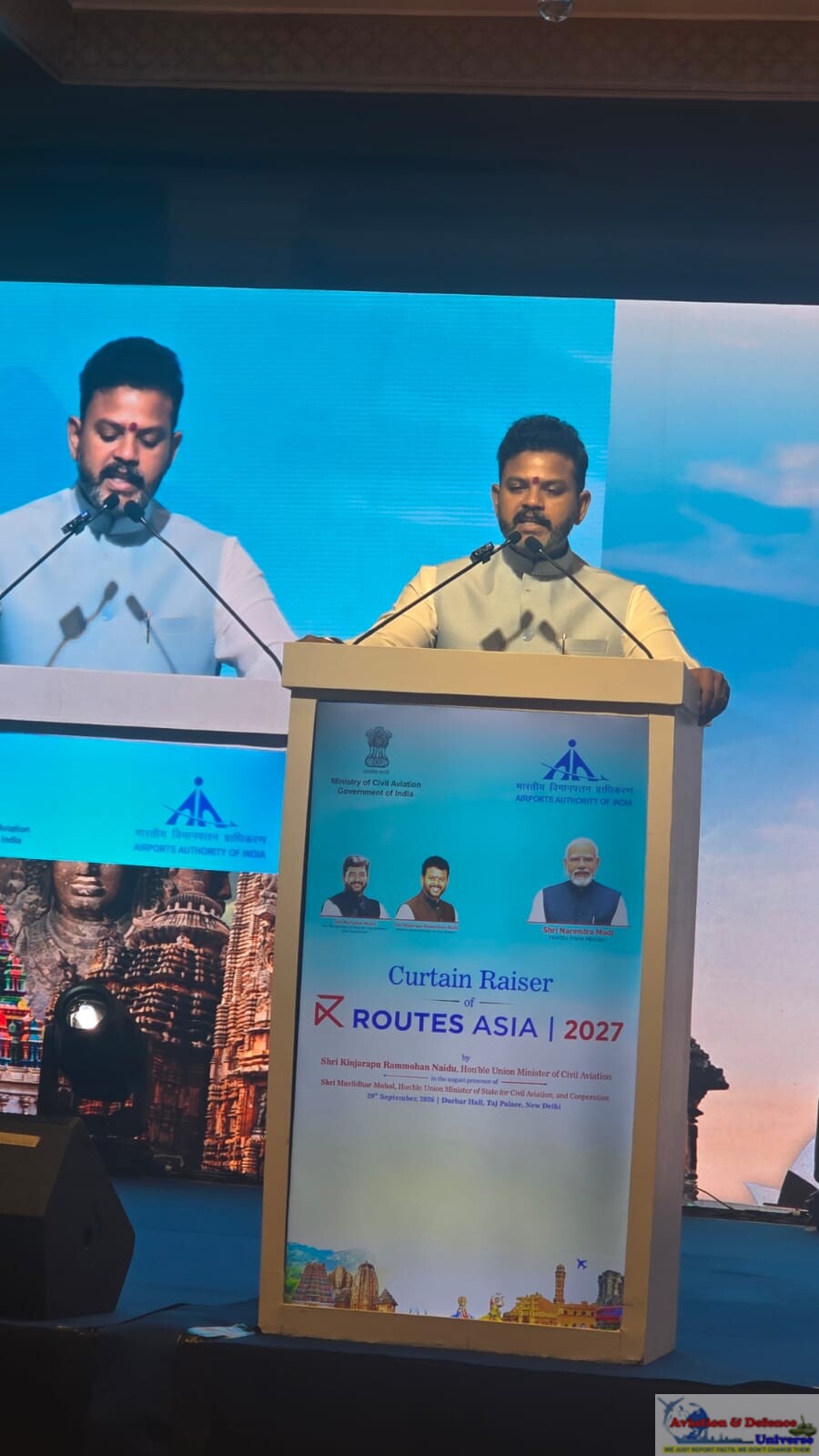 Pacific Ministerial Conference on Civil Aviation in 2024, where the Delhi Declaration was adopted. It hosted the 81st IATA Annual General Meeting and World Air Transport Summit in 2025, followed by Wings India in 2026.
“These are more than events, they are signals,” the minister said of that progression and the forthcoming Routes Asia. He said India wanted to be “a partner in shaping the aviation of Asia and beyond,” with stronger links stretching from the Gulf and Southeast Asia to Central Asia, Africa and the Pacific.
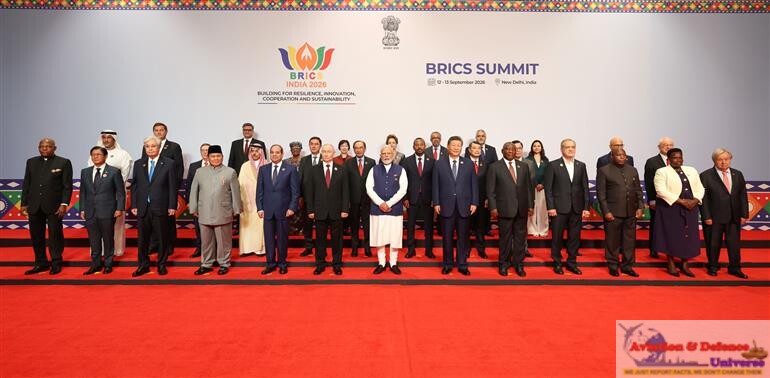
Naidu also referred to India’s recent BRICS engagement and its proposal for a forum on sustainable aviation fuels. He described India’s desired place in global aviation as “inclusive in its growth, global in its outlook, connected to Asia and beyond.”
Turning to the domestic market, the minister said India had expanded from 74 airports in 2014 to more than 166 operational airports. He said a new airport or terminal was becoming available, on average, every 40 to 45 days, and outlined plans for roughly 100 additional airports over the next decade. His longer-term ambition was to increase passenger numbers substantially while extending aviation’s reach to more of the country.
Demand, however, was growing faster than capacity, he argued. Over the past decade, he said, revenue passenger kilometres grew at a compound annual rate of 7.3 per cent, compared with 7.0 per cent growth in available seat kilometres. “For airlines, that means one thing,” he said: “the market is growing faster than the seats are available to serve.” Routes Asia was therefore arriving at the right time, with “room for more capacity, more airlines, and more routes.”
The minister credited UDAN with making air travel more accessible and affordable beyond the major cities. He said the regional connectivity scheme had drawn international attention as a model for stimulating services to smaller markets and compared its purpose with public-service air connectivity frameworks elsewhere in the world.
Routes Asia 2027 to be hosted by India
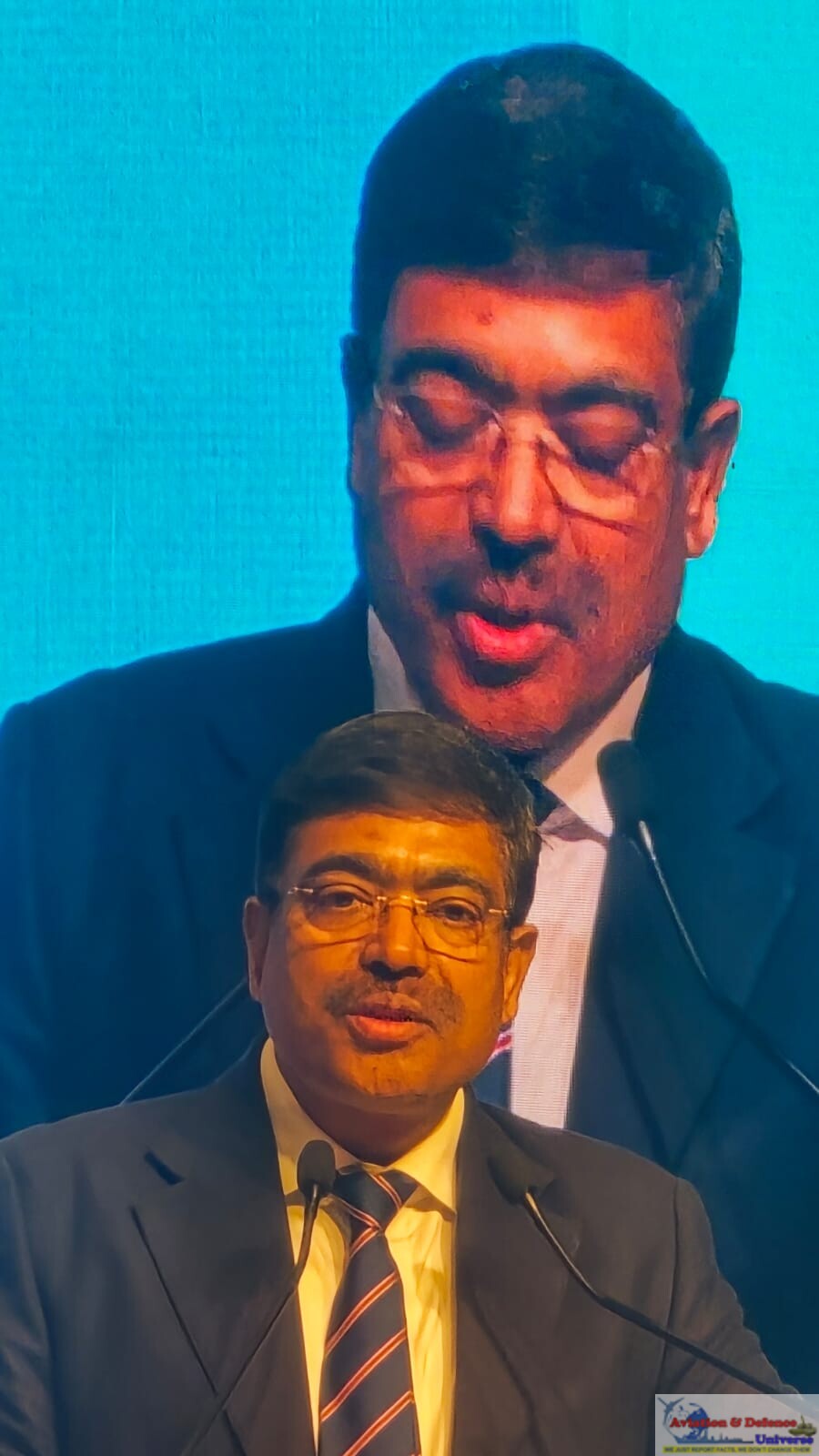 Sameer Kumar Sinha, Secretary, Ministry of Civil Aviation, said an air route can change what is possible for the two cities it connects. India’s growth as the world’s third-largest domestic aviation market now needed to translate into easier international journeys from regional cities, wider access for overseas businesses and more reliable cargo movement. He cited the government’s hub-and-spoke initiative and UDAN’s contribution to connecting smaller places. Airlines, he said, must identify sound commercial opportunities; airports and destinations must present credible plans; and governments must help create the conditions for services that last.
Routes Asia 2026, held in Xi’an, China, from 14 to 16 April, brought together airlines, airports, tourism authorities and aviation stakeholders to discuss the Asia-Pacific region’s future air links. The forum gave destinations a chance to make their case directly to the airline planners who assess new services, while industry discussions examined where demand and aircraft capability could open fresh opportunities. At the close of the Xi’an edition, the Airports Authority of India formally assumed hosting duties for Routes Asia 2027, passing the focus from China to New Delhi and setting the stage for India’s pitch to connect more of its cities with Asia and beyond.
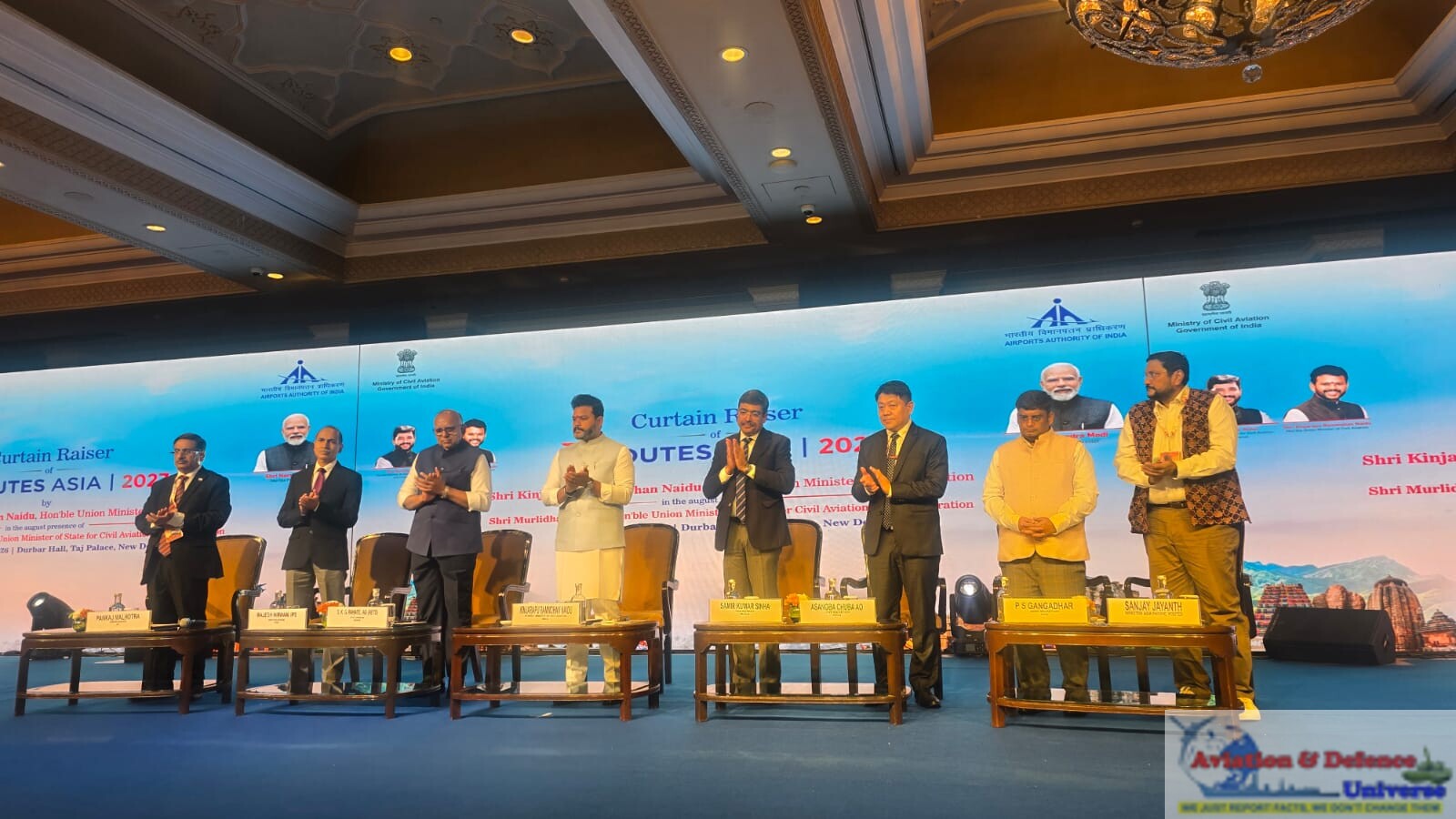
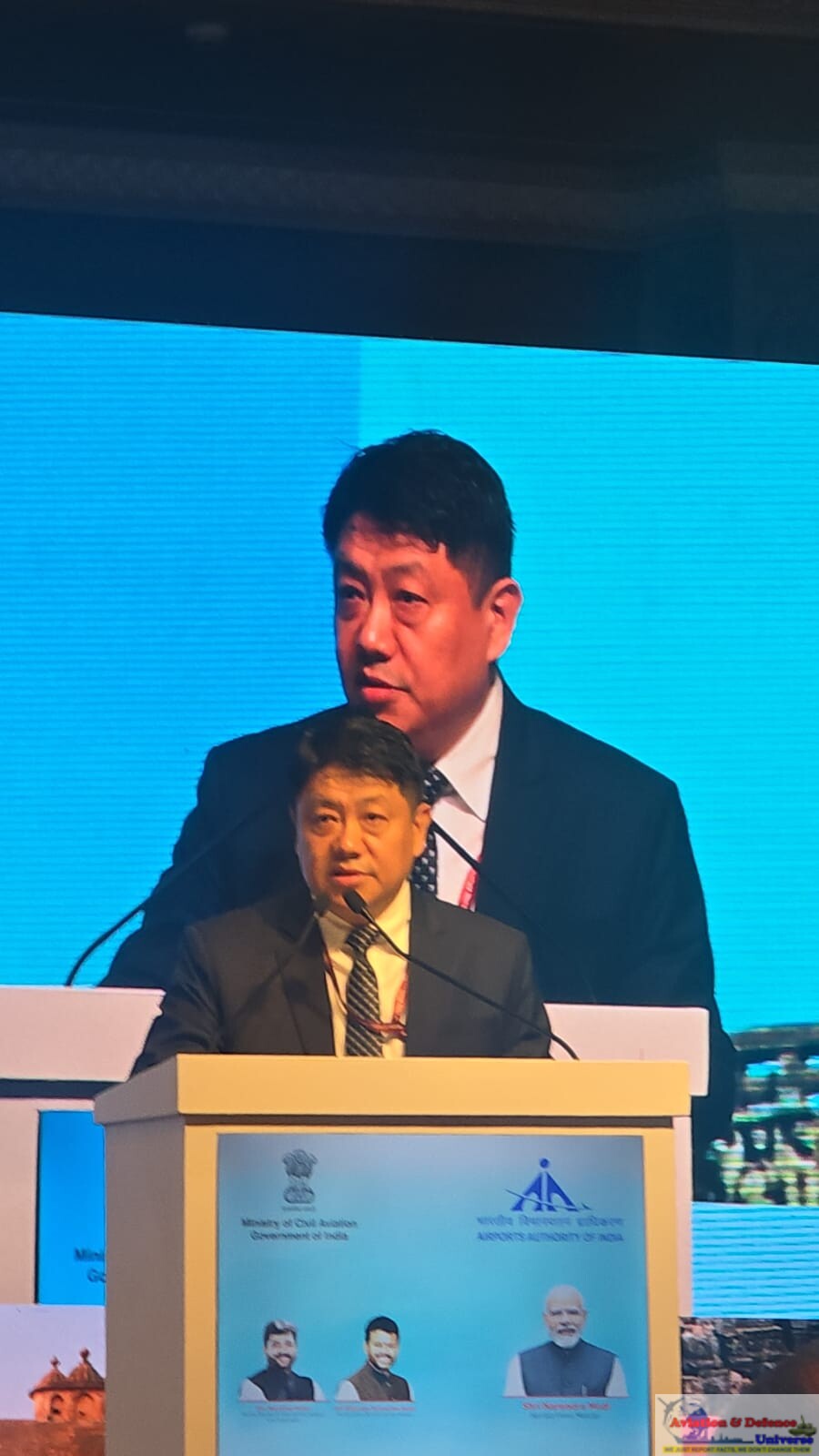 The proceedings began with a ceremonial lamp lighting. Asangba Chuba Ao, Joint Secretary, Ministry of Civil Aviation, welcomed the diplomats, government officials and aviation industry representatives. He said the gathering offered an early view of the networks, infrastructure and international partnerships that could take shape at Routes Asia. Airline investment, airport readiness and cooperation with government would determine whether a proposed line on a map became a viable economic corridor, he told the audience.
Welcoming ambassadors, high commissioners and other international representatives, Ao said, “International aviation is fundamentally an exercise in trust and diplomacy. Your presence here reflects our shared commitment to strengthening bilateral agreements, expanding tourism corridors and easing trade barriers. We thank you for your partnership and look forward to collaborating closely with your nations to make these global routes highly successful and mutually beneficial.”
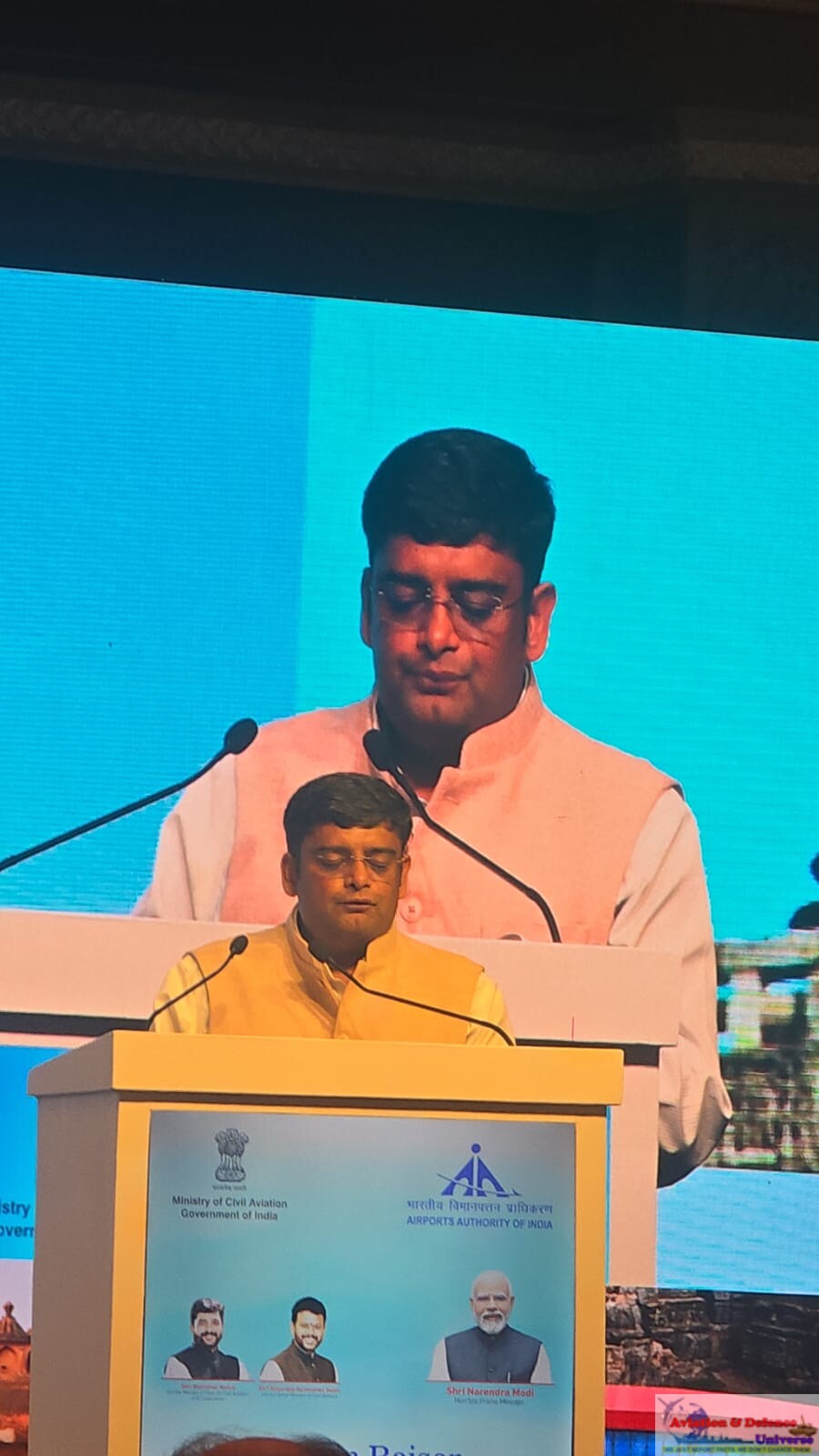 S. Gangadhar, Joint Secretary, Ministry of External Affairs, described air connectivity as central to international engagement. Better links allow people, businesses and institutions to work together more easily, he said. He invited diplomatic missions to connect airlines, tourism bodies and business chambers in their home countries with Indian counterparts before March 2027, helping identify under-served markets and commercially viable services across the Indo-Pacific. “For the Ministry of External Affairs, air connectivity has a direct significance. In a way, it is at the centre of whatever we do. Our international partnerships become more meaningful, and people, businesses and institutions can engage with each other with ease. It’s for this reason that our ministry is actively supporting Routes Asia 2027. This event, which is scheduled for March next year, provides an important platform for intensified engagement on air services. With participation envisaged from more than 55 countries and over 100 leading airlines, it offers an opportunity to understand emerging demand, identify under-served markets and explore commercially viable new connections across the Indo-Pacific. We also believe that enhanced international connectivity can help spread the benefits of India’s growth.”
Representing Routes, its Asia-Pacific Director Sanjay Jayanth described the forum as a meeting place for airline network planners, airports and destinations to evaluate future air services. “We are incredibly excited 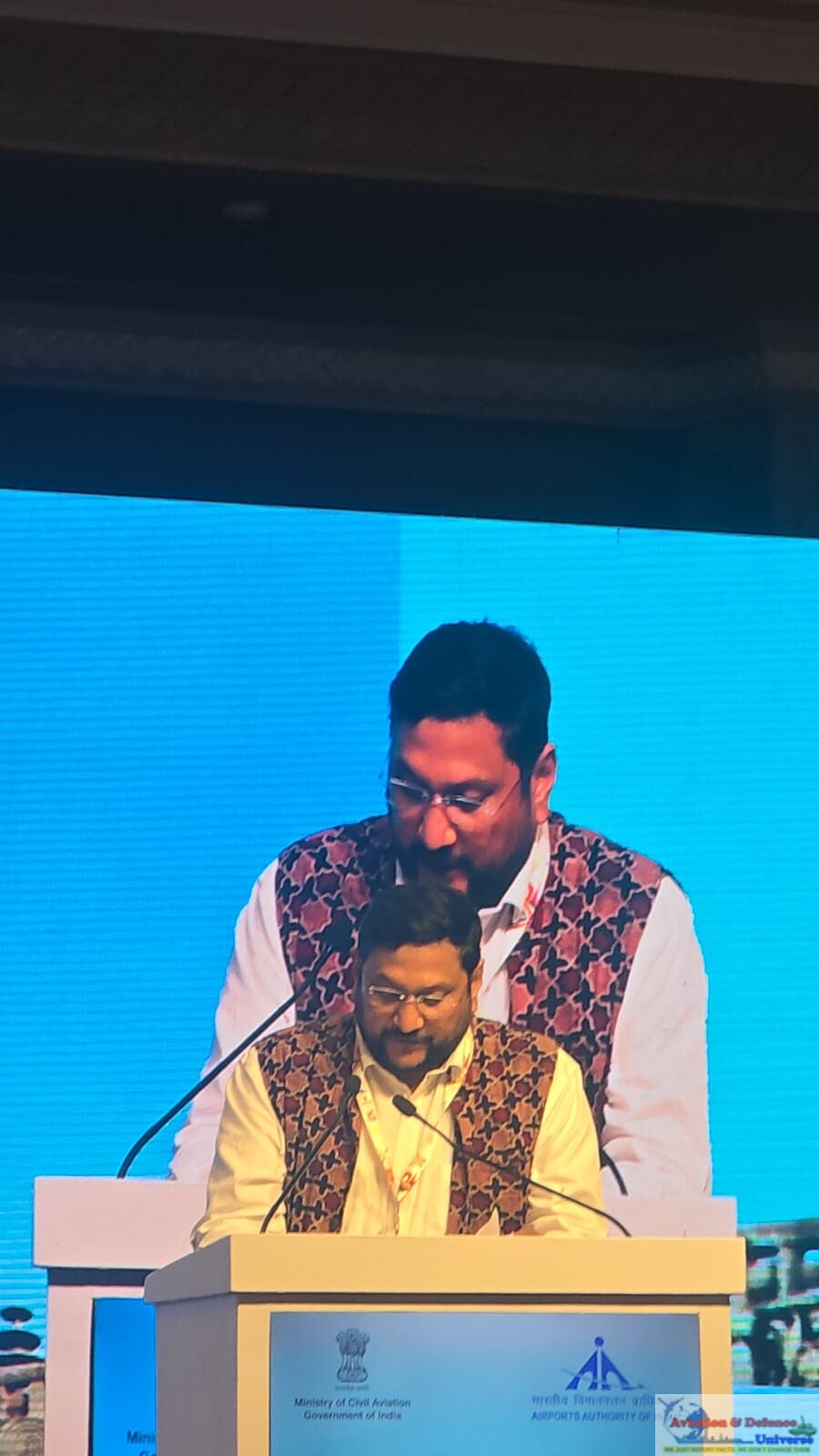 to be bringing the Asia-Pacific route development community to India next March. Today gives us an opportunity to share some of our ambition for what we believe will be a very significant Routes Asia. At Routes events, we have been bringing together the global route development community for more than 30 years. Our events are where the network planners of airlines come together with airports and destinations to discuss and negotiate future air services, and those conversations deliver results. More than half of the world’s new air services in recent years have been connected to meetings taking place at Routes events. For our host destinations, the opportunities go far beyond three days of the event. Hosting Routes gives the city and the country the chance to bring airline network planners directly into their market, allowing them to experience the destination first-hand and demonstrate the strength of the aviation opportunity in a way that simply cannot be replicated in a presentation. New Delhi is also an outstanding stage on which to tell that story. It combines global connectivity and business infrastructure with an extraordinary culture and history. And in Bharat Mandapam, we have a venue capable of delivering a truly world-class Routes Asia. We expect to have more than 110 of the leading airlines of the region, with delegates travelling from more than 55 countries, and more than 3,000 meetings between airlines, airports, destinations and their industry partners,” he said.
Bilateral Rights and a Wider International Network
Minister Naidu then set out the diplomatic and commercial work behind India’s international expansion. He cited increased weekly services under the arrangement with Azerbaijan, greater flexibility in capacity entitlements with Indonesia, and provision for up to 15,000 seats a week in each direction under that arrangement. With Vietnam, he referred to capacity of up to 28,000 seats a week. He also spoke of additional points of call involving Indonesia, Malaysia, Uzbekistan and Vietnam, enhanced rights and points of call with Thailand, and the resumption of direct scheduled connectivity with China. One Uzbekistan figure in the supplied recording is internally inconsistent, so its numerical change cannot be quoted reliably. The minister’s broader point was clear: India is using air-services negotiations to open more direct international opportunities.
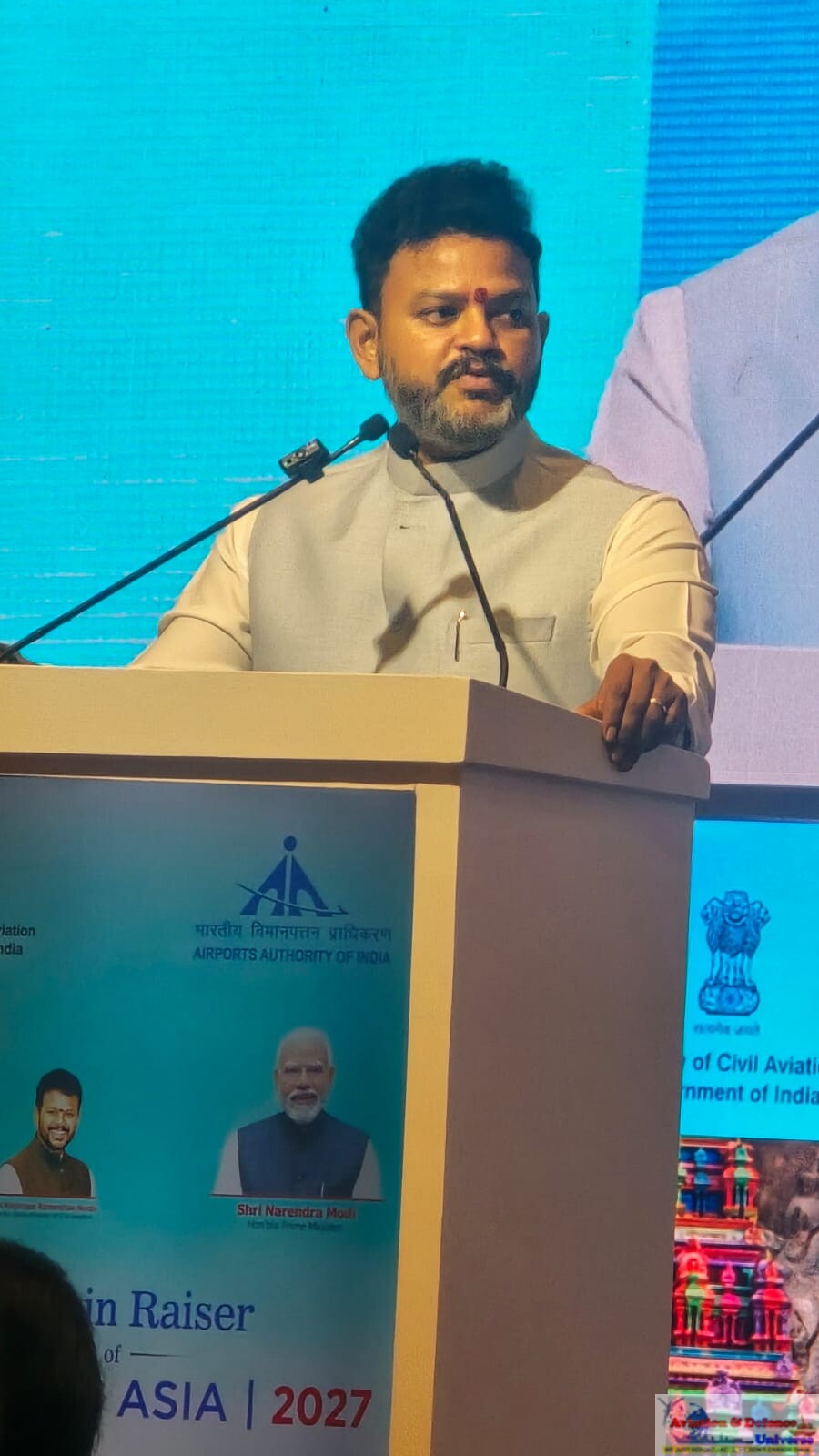 Citing a CRISIL assessment, Naidu said Indian airlines had added 55 international routes in 15 months, taking their network beyond 300 routes, including non-stop services to the United States, Europe and Australia. He said international passenger traffic to and from India had grown at a 4.6 per cent compound annual rate from 2015–16 to 2025–26. Despite the disruption of the pandemic, he described the market as nearly 60 per cent larger than a decade earlier.
That growth was no longer confined to familiar metro routes, he said. India was handling approximately 74 million international passenger movements across a widening network. Comparing the second quarters of 2016 and 2026, he pointed to passenger growth on Hong Kong–Hyderabad, Bengaluru–Bangkok and Kuala Lumpur–Chennai travel flows. The message for carriers was that India offered “not one market, but many Indian markets.”
Regional Cities at the Centre of the Pitch
Naidu described the government’s hub-and-spoke model as a way for airlines to reach catchment areas well beyond a single international gateway. Under the model he outlined, passengers at designated spoke airports could complete check-in and international departure formalities before connecting through a hub, with baggage transferred to their final destination. For airlines, he said, the result could be larger catchment areas, better connections and greater revenue potential.
“This is the opportunity India has to offer today: more cities, more passengers, more routes and more markets,” he said. He used Vijayawada in Andhra Pradesh to show the gap between domestic growth and  international service. Passenger traffic had risen from approximately 2.3 lakh in 2014 to almost 14 lakh in 2025–26, he said, while airport revenue had grown from about ₹6 crore to nearly ₹88 crore. Yet its international connectivity remained limited. Such cities, he argued, deserved closer attention from airline network planners.
He made a similar case for Guwahati. Of approximately seven million passengers handled in 2025, he said, only about 90,000 were international passengers. He asked the industry to consider its potential for stronger connections with neighbouring countries, including Bhutan, Myanmar and Bangladesh. Diaspora travel added another source of demand. Naidu referred to roughly 34–35 million overseas Indians across more than 200 countries and estimated that six to seven million lived in Southeast Asia. More direct and convenient routes, he suggested, could better connect those communities with their home regions.
Tourism, Partnerships and a Six-Month Mission
The minister also pitched India as a destination with many distinct travel markets within one country. He pointed to Rajasthan’s deserts, the Himalayas, Kerala’s backwaters and coastline, and Meghalaya’s forests, alongside the potential of wellness travel associated with yoga and Ayurveda. Each new route, in this view, could connect international visitors with more than one established gateway or tourism circuit.
 “Today is not merely the launch of an international event,” Naidu said. “It is an invitation from India to the global aviation industry to connect with India, fly in India and grow with India.” He called for more international routes from India, stronger links between Tier-II and Tier-III cities and global destinations, and airports that increasingly function as international hubs. He urged airlines from India and abroad to see the country as a long-term aviation partner and a potential strategic hub for their future networks.
“Routes Asia is not only going to be a conference,” he said. “It brings together the people who actually decide where airlines are going to fly next.” Its legacy, he added, should be “new routes, new partnerships and new connectivity for India.”
Naidu described the period before March 2027 as a six-month mission: bring the world’s aviation community to India, demonstrate the opportunities across its regions and “convert conversations into connectivity.” He invited airlines, airports, tourism partners and state governments to participate, discover opportunities and “create new routes together.” He closed by saying he looked forward to welcoming the global aviation community to New Delhi. After the address, the Routes representative presented a commemorative memento and invitation to the minister.
Pankaj Malhotra, Member (Finance), Airports Authority of India, delivered the vote of thanks, acknowledging the ministries, diplomatic representatives, organisers, airlines, airports, tourism bodies and other partners working towards the forum. The formal programme then moved towards a cultural presentation. Addressing the diplomatic representatives, he said, “We are deeply honoured by the presence of 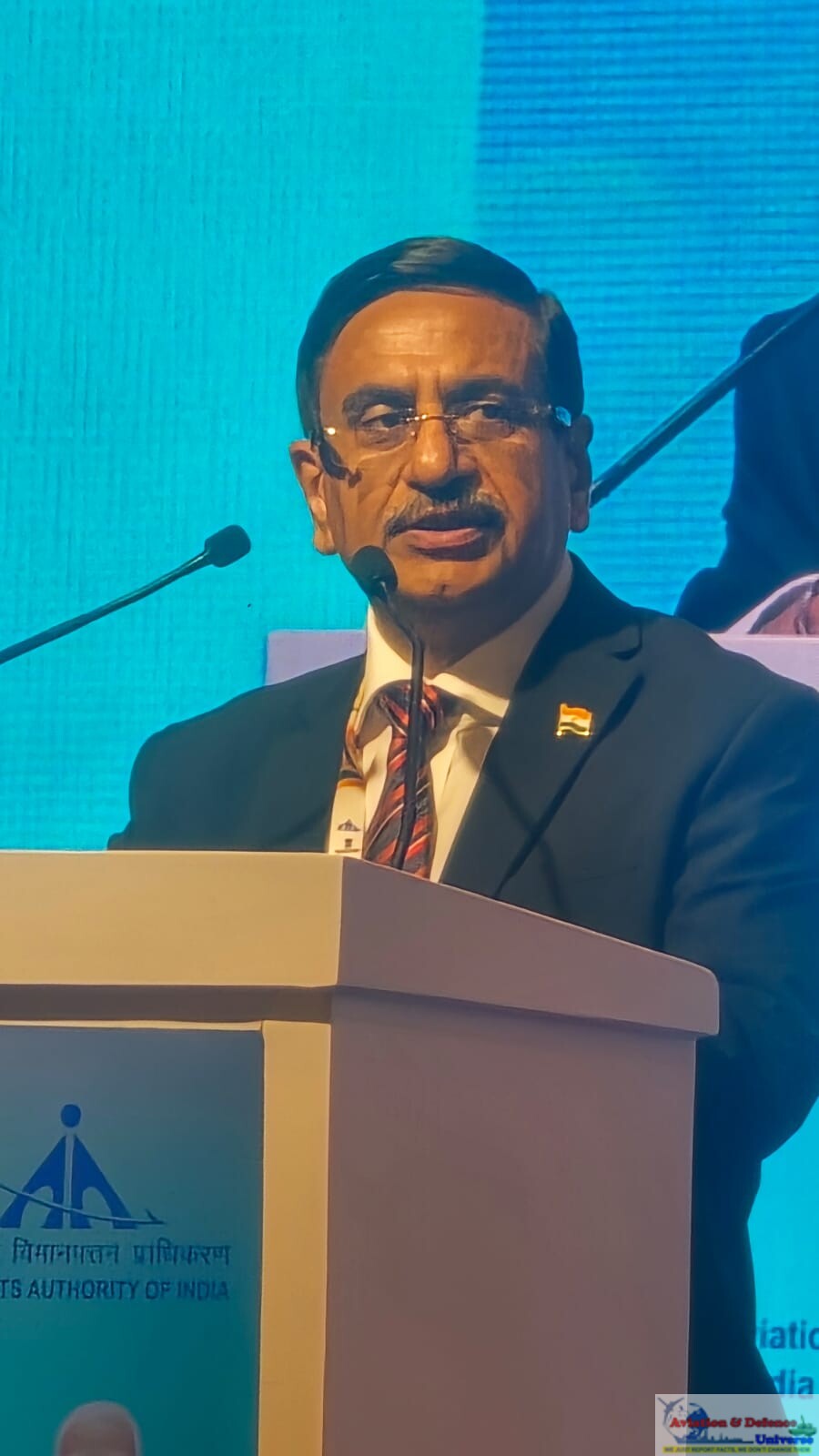 Your Excellencies, ambassadors, high commissioners and distinguished diplomats from various countries. Your presence today is a testament to the importance of international cooperation and connectivity.” Malhotra thanked officials and partners from across government for helping India prepare to host the aviation community, “Your cooperation will play an important role in showcasing India’s rich cultural heritage, tourism potential, business opportunities and its growing aviation ecosystem to the world.”
He also acknowledged the Routes organisers, “A very special word of thanks to the organisers of Routes and their entire team for their partnership, expertise and commitment. We look forward to working closely with you to make Routes Asia 2027 a landmark event for the region.” Thanking airline and airport representatives, he said, “Your presence reinforces the spirit of collaboration that lies at the heart of Routes Asia. Ultimately, connectivity comes alive through the routes between you and the partnerships we build, and your participation will be central to the success of Routes Asia 2027.”
Routes Asia 2027 will test how far India’s aviation growth can travel beyond the numbers. Its promise lies in the routes that planners choose to launch, the regional cities they connect and the partnerships that continue after the delegates leave New Delhi.
The curtain has risen- the real work now begins. When airline planners, airports and destinations meet in New Delhi for Routes Asia 2027, India will put its growing cities, expanding gateways and untapped travel demand before the people who decide where the world flies next. The success of the forum will be measured in what follows: new routes on the map, stronger partnerships in the air and more of India connected to the world.












































































-A4-Size-(2)_page-0001.jpg)