
 Israel and Morocco Deepen Defense Cooperation: Israel MOD Director General Leads Delegation to Morocco to Strengthen Defense Ties















- Fractional Ownership Opens the Door. Can India’s Business Aviation Keep Up?
- India Moves to Shared Aircraft Ownership as Operators Press for More Parking and Maintenance Capacity
- Can India Train Enough Pilots and Engineers for Its Business Aviation Boom?
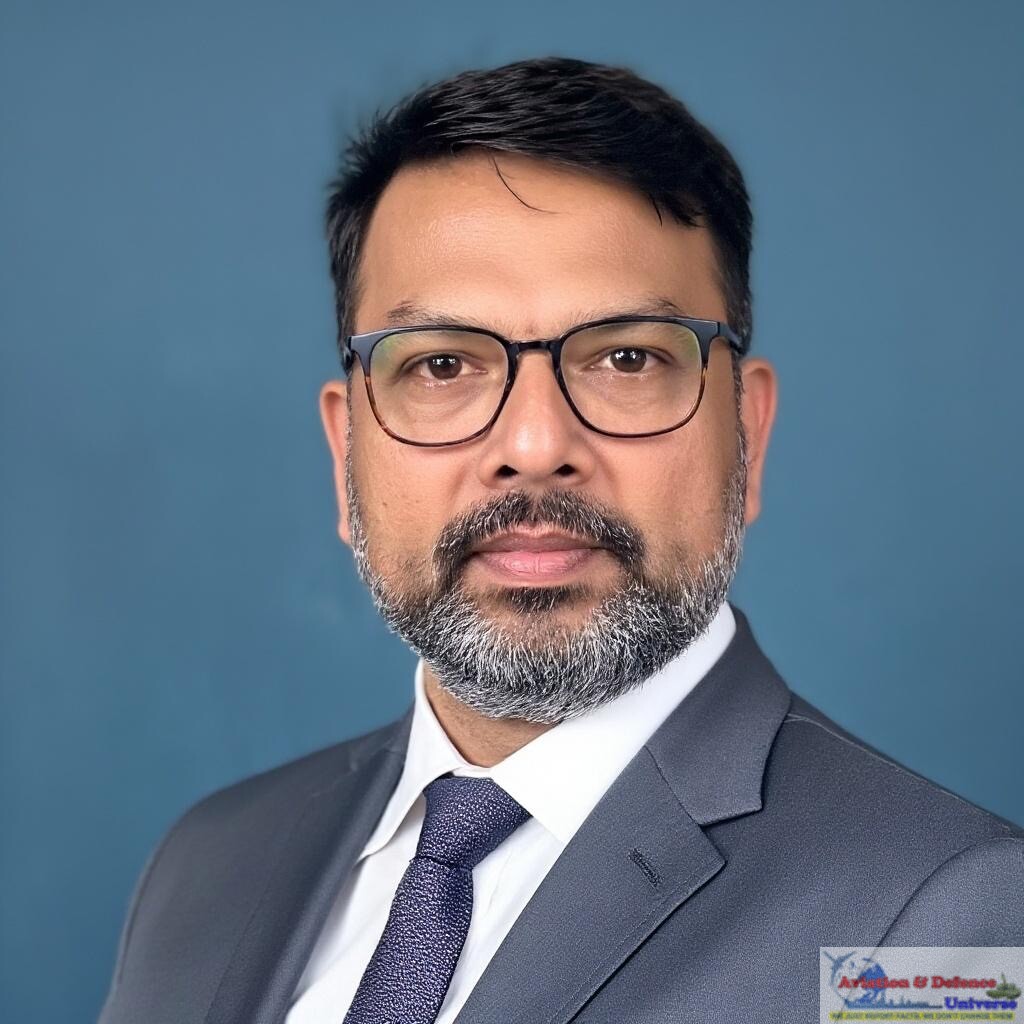
By Sangeeta Saxena
New Delhi. 04 November 2026. Sharing the cost of a business aircraft is about to get easier in India. Finding a qualified crew, a critical spare or an overnight parking bay may prove harder. At the Aviation INDIA and South Asia Summit & Exhibition, operators welcomed fractional ownership and asked whether the industry could support the demand it might create. At Aviation INDIA 2026, operators welcomed a new route to aircraft ownership and pressed for the crews, maintenance capacity and airport access needed to make it work.
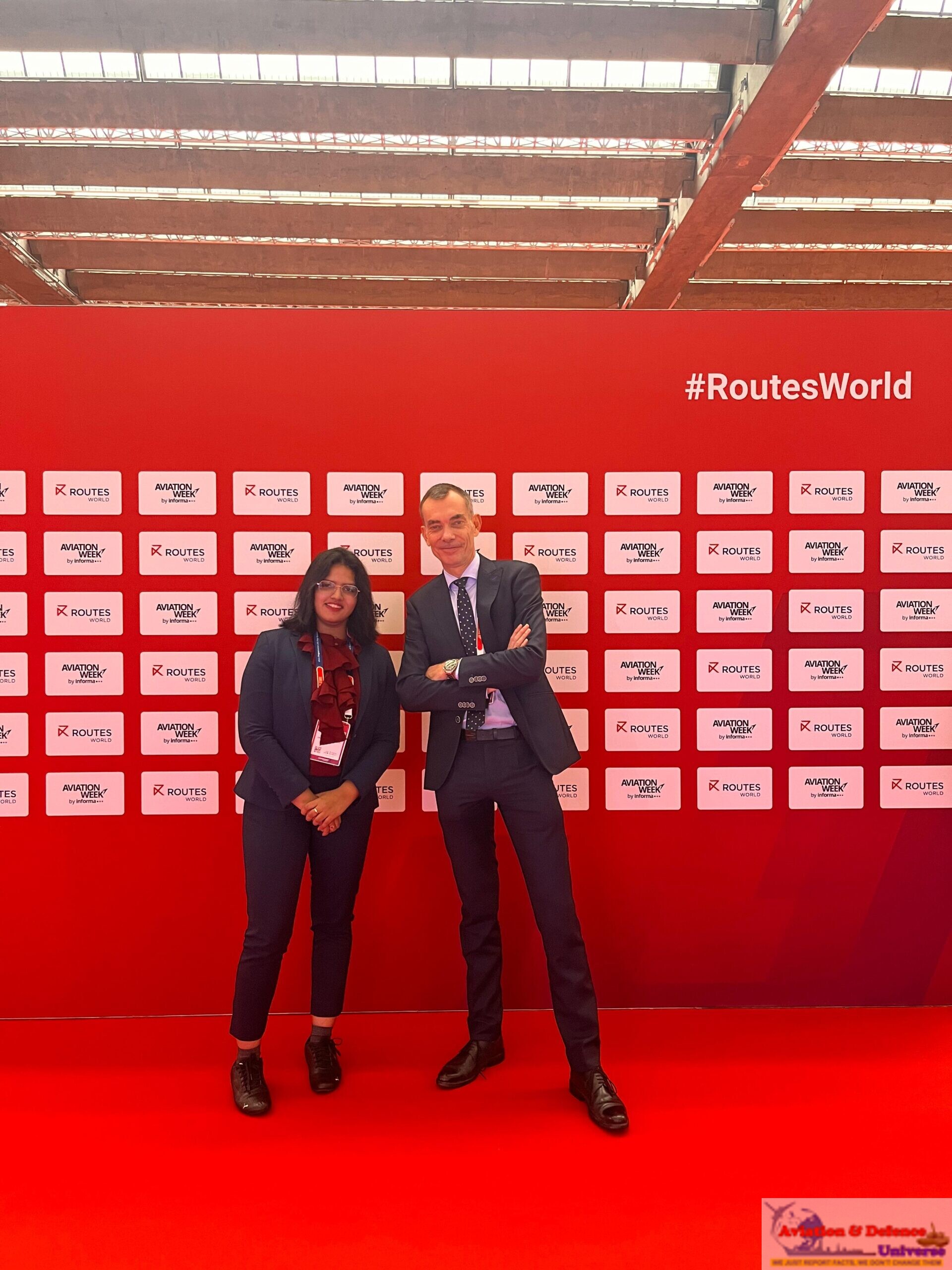
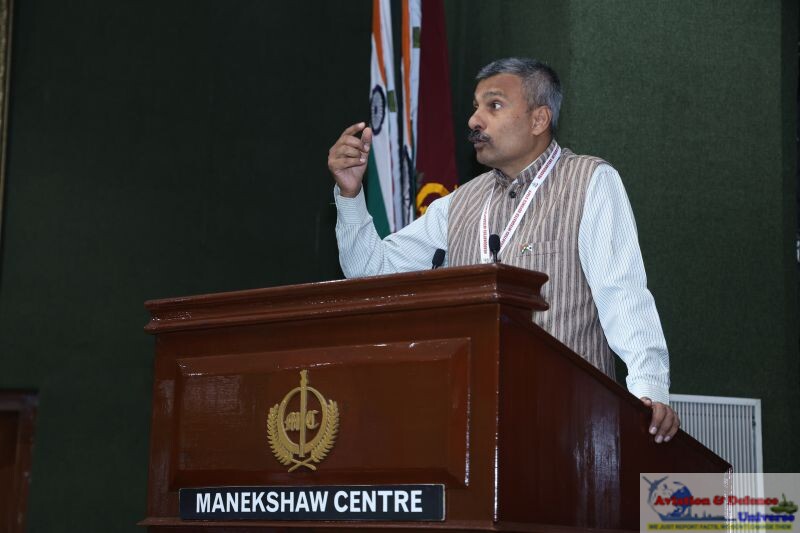
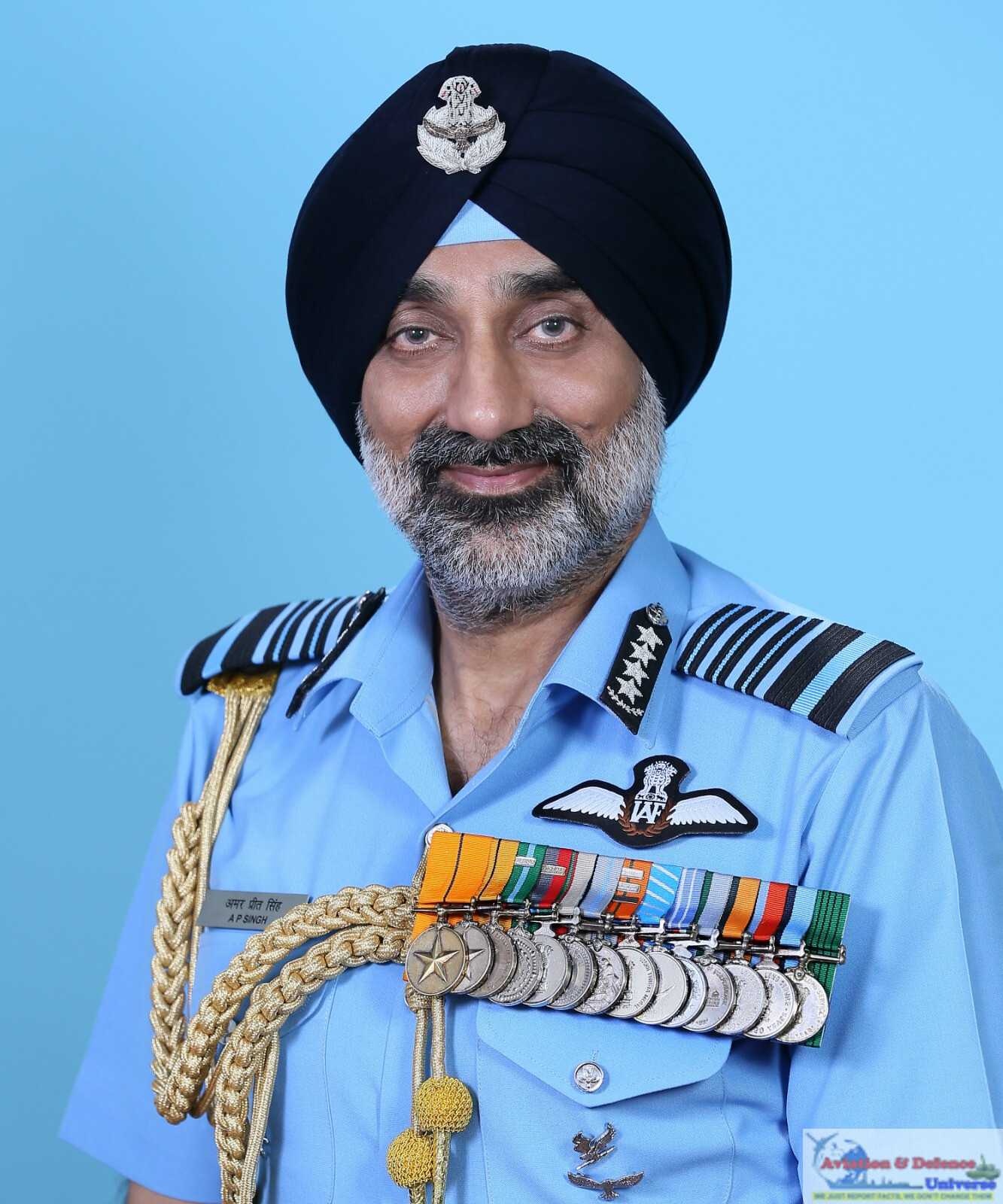
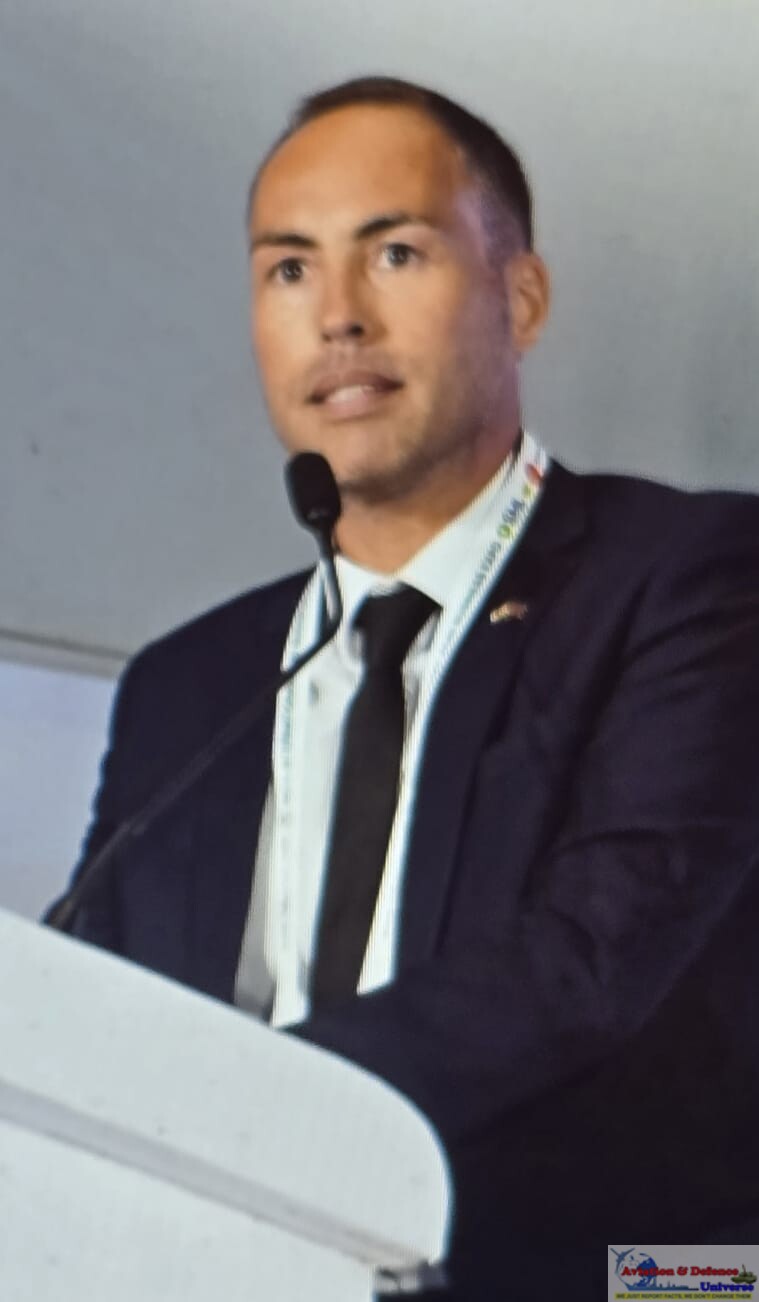
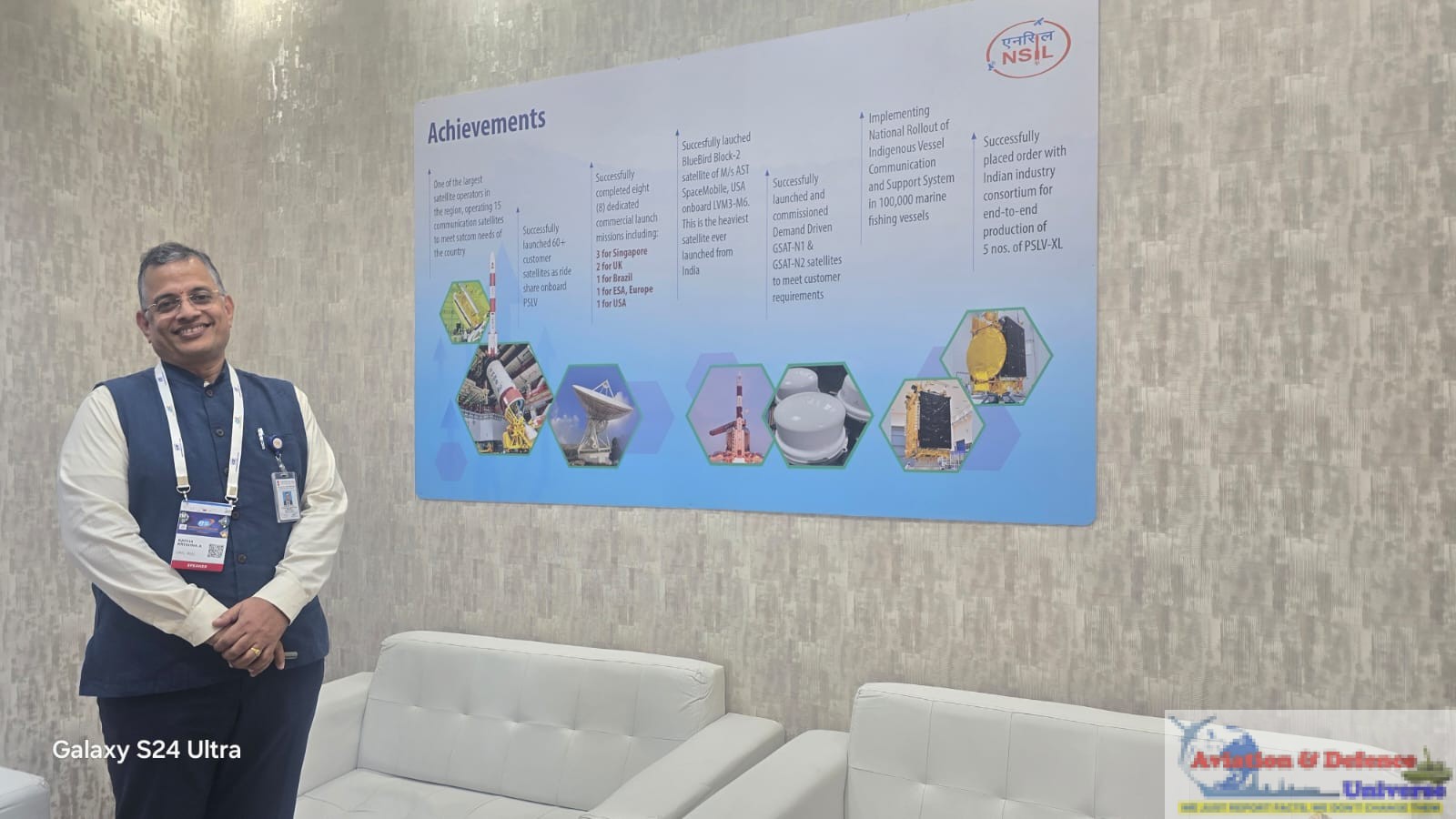
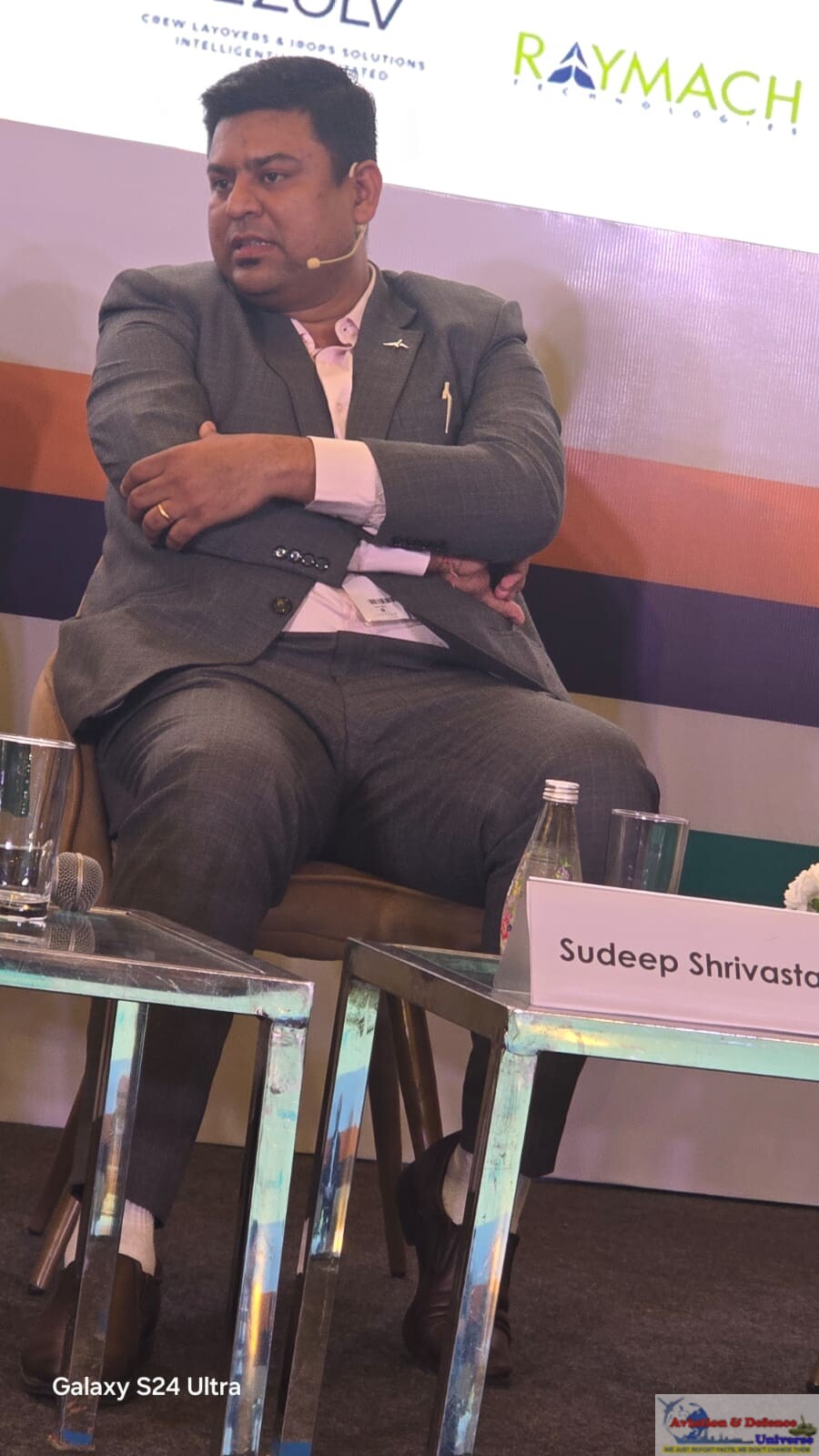
Sunam Datta, Chief Commercial Officer of SKYPLAN, moderated the panel. He was joined by Mike Barber, Chief Executive Officer of Global Vectra Helicorp Limited, Group Captain Rajesh K. Bali (Retd.), Managing Director of the Business Aircraft Operators Association (BAOA) of India, Sudeep Shrivastava, Accountable Manager at ZEST Aviation Pvt. Ltd., and Col (Retd.) Sanjay Julka, CEO – Technical at Club One Air.
New ownership models put the workforce in focus
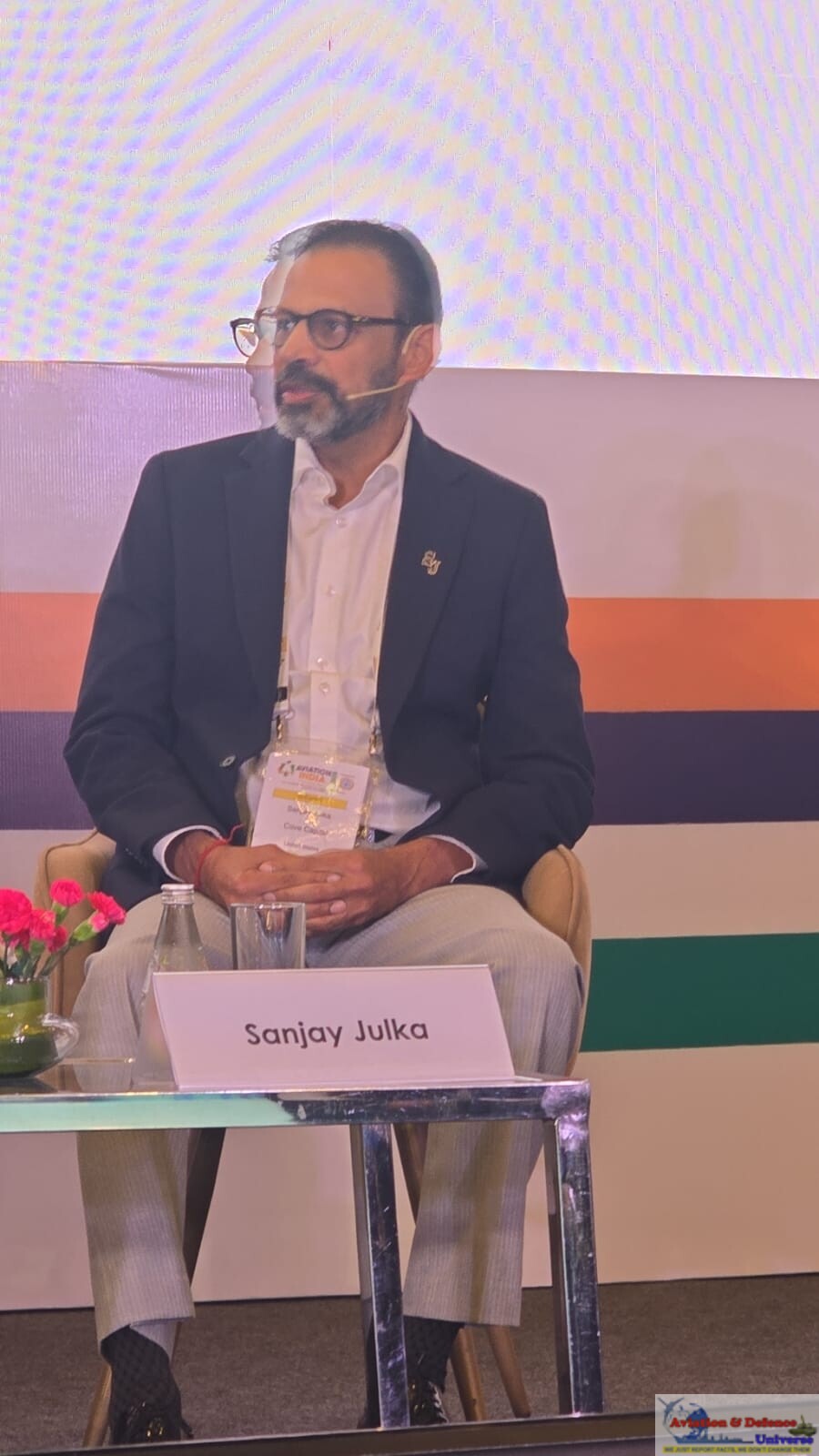 India’s Bharatiya Vayuyan Niyam, 2026, due to take effect on 1 January 2027, provides for fractional ownership with clearly identified responsibility for aircraft operations and maintenance. The panel saw scope for aircraft management companies to bring several jets or helicopters under common management and build expertise on specific aircraft types. Panelists also discussed the need for clear implementing requirements so owners, operators and investors understood their responsibilities.
The government needs to sit down. The industry needs to sit down,” Sanjay Julka said, arguing that both had to plan for the staffing demands of growth. “How are you going to get so many pilots, engineers?” He called for retaining experienced personnel and reducing duplicated training where military experience could count towards civil qualifications. He also saw scope for aircraft management companies to build specialist teams around particular business jets or helicopter types.
The panel discussed GIFT City as another route to aircraft acquisition. Sudeep Shrivastava said some business aviation operators had already used its leasing arrangements. He argued that lessors could broaden interest by explaining how the financing worked and what it offered prospective customers. He called the move to enable fractional aircraft ownership “a very, very welcome change”. He said prospective buyers in India were looking either to buy a share in an aircraft or to buy one outright and entrust it to a management company. Shrivastava said those companies had to show owners how professional management could protect their assets and make commercial sense. He also called for clear Civil Aviation Requirements so investors understood how the framework would work. Turning to GIFT City, Shrivastava noted that some business aviation operators had already leased aircraft through it. He said the arrangements remained complex and urged lessors to meet prospective customers and explain how the model worked and what it could offer them.
Safety starts inside the operator
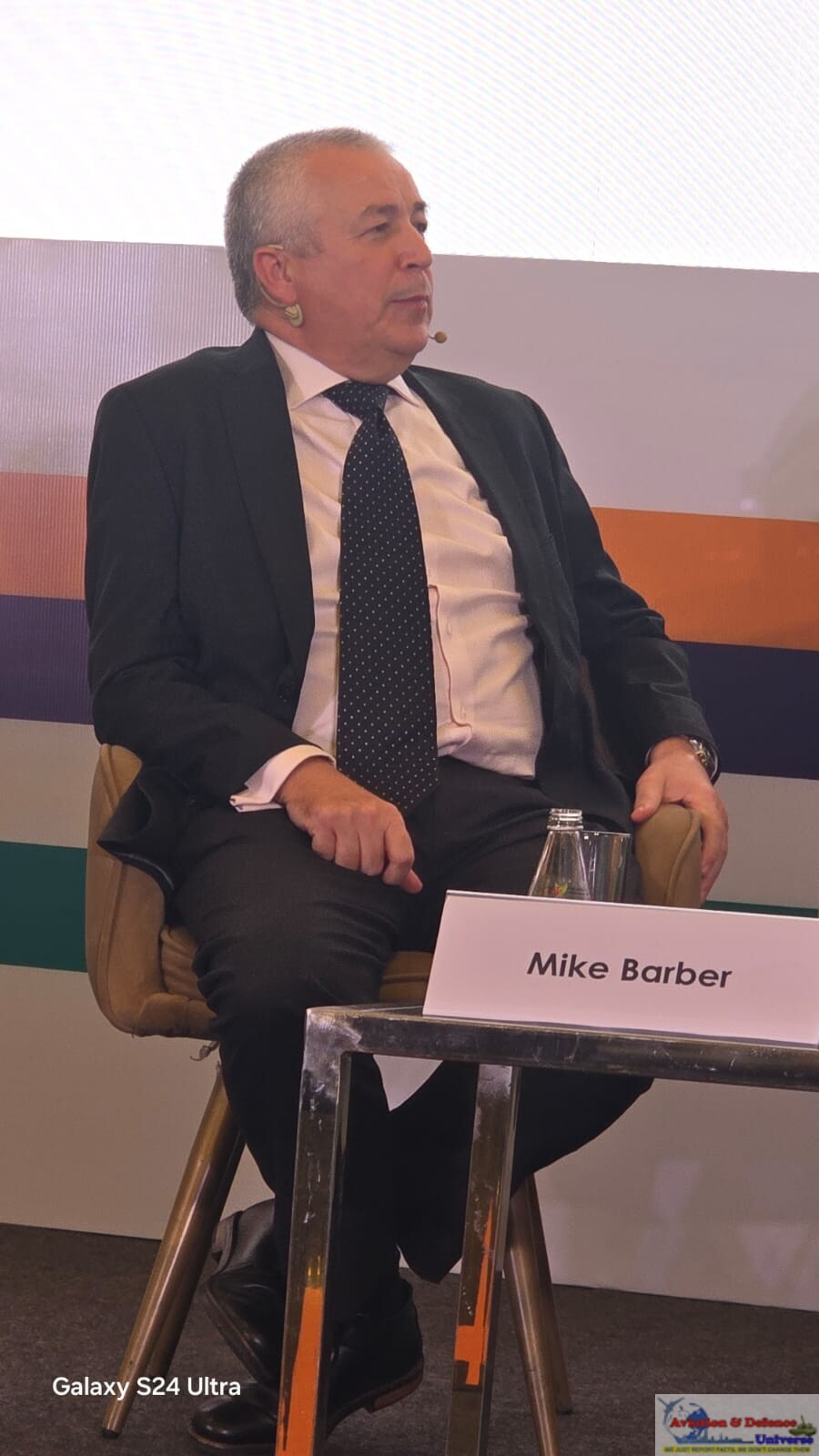 Sunam Datta asked Mike Barber how his organisation was “managing commercial pressure and not compromising safety”. Barber said crew resource management training had to reflect the flying crews actually did, including offshore helicopter operations. He also made the case for human factors training across the company, including for staff in finance whose decisions could affect how quickly a critical part reached an aircraft.
“The operator has got to take ownership of safety,” Mike Barber said. He urged regulators to consider how the skills of military-trained pilots and engineers could be recognised in civil aviation, drawing on the experience of former naval pilots moving into offshore helicopter operations.
“There cannot be any growth without safety,” Rajesh K. Bali said. He described a risk-based programme intended to help smaller operators identify and manage safety risks more proactively. The aim, he said, was to adapt good practices to Indian operating conditions. He also made the case for helicopter requirements and taxation that reflected the role rotary-wing operators played in regional connectivity.
Airport access remains a daily constraint
Discussing the pressure fleet growth was putting on maintenance support, Sudeep Shrivastava cited “the custom clearance of parts” and “getting the right parts out from the Indian facilities” among the difficulties of keeping aircraft in service. Operators also described difficulties securing landing slots and parking bays and raised concerns about the cost of ground handling. “I have seen that operating from Dubai, London is much more easy than going to Delhi or Mumbai,” Shrivastava said. Customs clearance can be a bottleneck for Indian maintenance, repair and overhaul (MRO) providers, particularly when an aircraft is grounded awaiting an imported spare. A delay in releasing one critical component can hold up a maintenance check, tie up a hangar bay and push back the aircraft’s return to service. The government has simplified clearance procedures and introduced a uniform 5% integrated GST rate for eligible imports of aircraft parts and equipment, subject to specified conditions. For MROs, predictable clearance times matter as much as the tax rate because they determine whether a provider can commit to a turnaround date.
For an aircraft maintenance, repair and overhaul (MRO) provider, the challenge is finding a serviceable part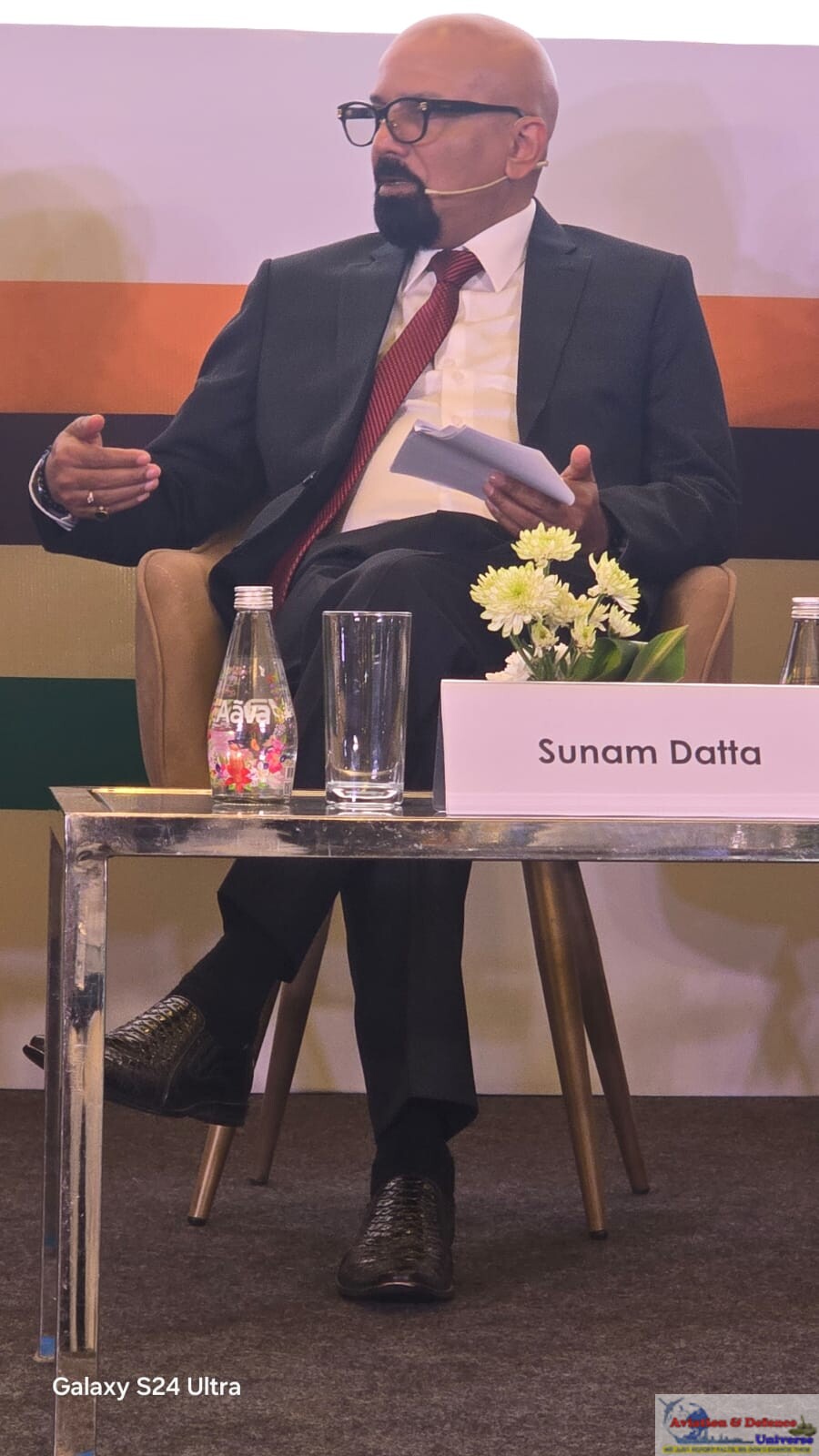 with the correct part number, the required documentation and a delivery time that fits the maintenance schedule. If the part is unavailable locally, the MRO may have to source it overseas or wait for a unit to come back from repair. A single missing component can delay an aircraft’s return to service and tie up a hangar bay even when the engineers have finished the rest of the work. For operators with small fleets, that delay can mean losing a sizeable share of their flying capacity while they wait for a part.
For aircraft operators, a spare part that cannot be sourced locally can mean a grounded aircraft and a missed flight. The impact is especially acute for business aviation operators with small fleets, where a single aircraft out of service may leave no replacement for a booked charter or a contracted offshore flight. Operators may have to hire a substitute aircraft, reschedule passengers or pay for expedited shipping while losing revenue on the grounded aircraft. Even when maintenance teams have completed the rest of the work, an uncertain delivery date makes it difficult to tell customers when the aircraft will fly again.
Ground Handling is an issue
Barber questioned how mandatory use of contracted ground handlers would work for helicopter operators with their own trained staff and round-the-clock operations. He said he had written to the minister because “it’s a real burning issue for every operator” facing those conditions. The panel also discussed how airports could accommodate helicopter emergency medical services and other operations outside normal hours.
An audience question about business aviation terminals brought the discussion back to what operators 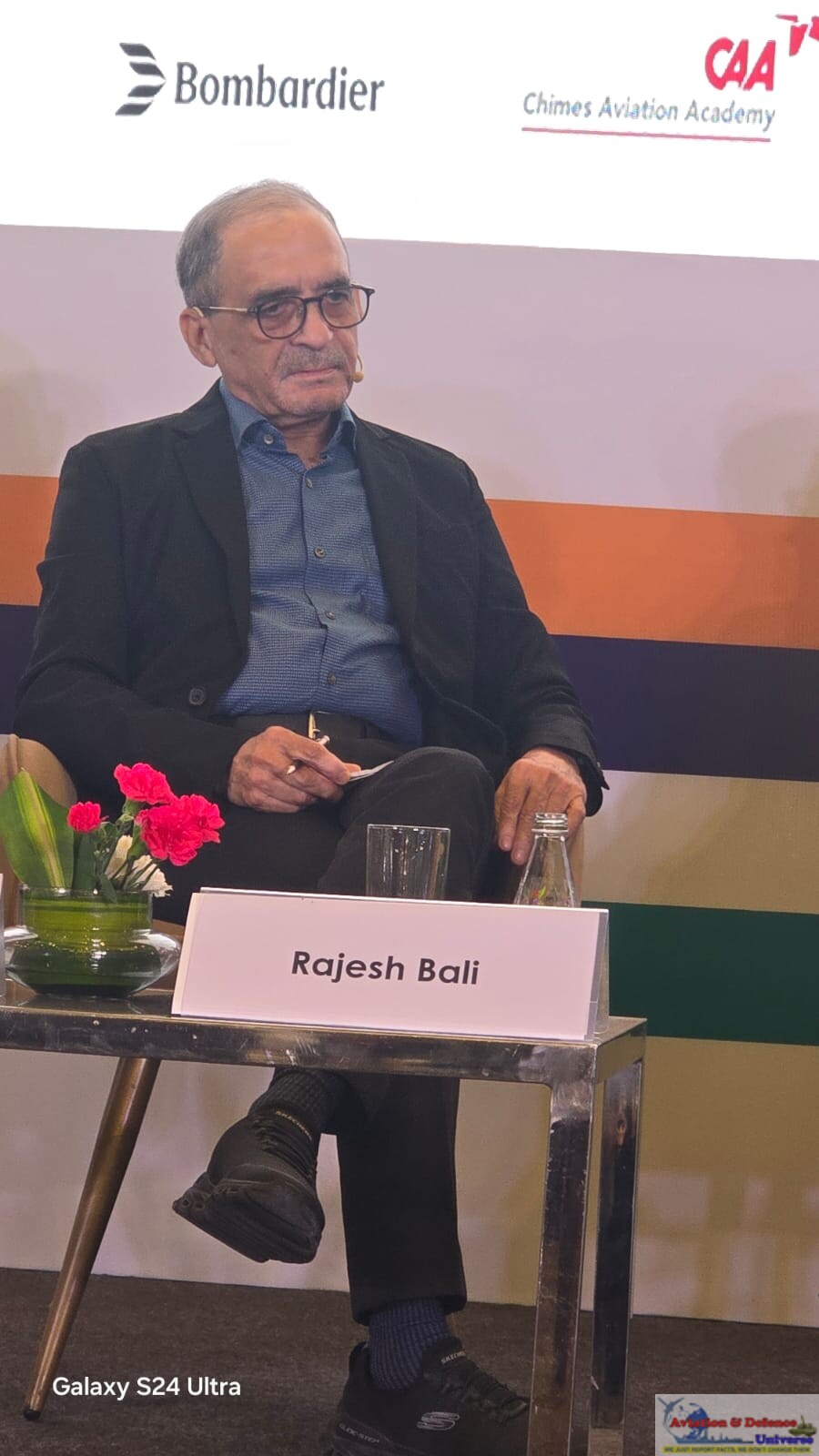 needed most. A panelist praised the speed of passenger processing at Delhi’s dedicated terminal and identified parking and hangar capacity as wider priorities. In a separate exchange on electronic flight bags, the panel stressed the work that continued after approval, including updating manuals, training crews and maintaining the systems.
“Ground handling is an issue,” said Rajesh Bali and informed the association was preparing a proposal asking the government to review the ground-handling rules introduced in 2018. He recalled that operators had previously made their own handling arrangements and argued that the current requirements could be streamlined. “We will be investing in technology, training and standards,” he added. The discussion then turned to electronic flight bags, with the panel highlighting the need for operators to document the use of electronic charts in their operations manuals and keep those systems up to date after regulatory approval.
Can India Sustain It’s Business Aviation Growth?
“India is booming,” said Sudeep Shrivastava, Accountable Manager at ZEST Aviation Pvt. Ltd., as he described the pressure that rapid aircraft inductions were putting on an industry still building its support capacity. He pointed to difficulties with maintenance, repair and overhaul (MRO), customs clearance for spares and sourcing the right parts from Indian facilities, all of which made it harder to keep aircraft in service. Moderator Sunam Datta then asked Col (Retd.) Sanjay Julka, whether India could sustain that pace. Drawing on his experience in military and civil aviation, Julka pointed to what he described as double-digit growth over the previous five to seven years, expansion in MRO and scheduled airline operations, and the prospect of the airline fleet doubling over the next five to ten years.
Building on Rajesh K. Bali’s remarks, Julka said fractional ownership and professional aircraft management could unlock substantial demand for business aviation. The question, he said, was whether the industry was ready to absorb it. “The government needs to sit down. The industry needs to sit down,” Julka said, calling for both to agree on a plan for growth. For a joint plan to sustain India’s aviation growth. Where would the sector find enough supervisors, pilots and engineers, and which institutions could train them at the pace required? Julka warned that poorly managed expansion could put safety at risk, citing past accidents in fast-growing markets, including the United States. He also asked how India could draw on the expertise of professionals over 65 who had served in military aviation, the DGCA or the civil sector. For pilots and technicians leaving the armed forces, he raised a further question. Which parts of their military training could count towards civil licenses, and which requirements would still need to be met? Recognising relevant training, Julka argued, would save time and help the industry retain skills it already had.
 His questions made a case for a formal liaison between the Ministry of Defence and the Ministry of Civil Aviation. Working with the DGCA and the armed forces, the two ministries could identify which military qualifications and training should count towards civil licences, and where pilots and technicians would need additional training or assessment. The liaison could also help the sector draw on the expertise of retired military, regulatory and civil aviation professionals, including those over 65, for mentoring, training and technical advisory roles. A clear pathway would help India retain the skills it already has, reduce repeat training and uphold civil aviation safety standards as the sector expands.
The panel concluded that the first test of fractional ownership will come when several owners are counting on the same aircraft to be ready on time. That takes qualified crews, maintenance teams that can get the right spare when they need it, and airports that can provide a slot, ground handling and somewhere to park. It also gives the Ministries of Defence and Civil Aviation a concrete reason to work together on recognising relevant military training for civil licences. The measure of the reform will be how reliably those aircraft fly once the ownership papers are signed.