

 Israel and Morocco Deepen Defense Cooperation: Israel MOD Director General Leads Delegation to Morocco to Strengthen Defense Ties

















- CORSIA Entry Brings More International Flights Under Carbon Offset Rules
- India-Linked Flights Could Account for 10% of Global CORSIA Offsetting Obligations, ICF Estimates
- How Sustainable Aviation Fuel Could Cut the CORSIA Bill for Flights from India
- CORSIA 2027 Puts Carbon Costs on the Agenda at Aviation INDIA
By Sangeeta Saxena
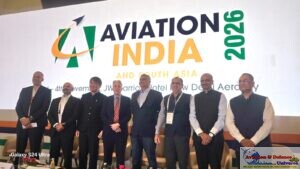
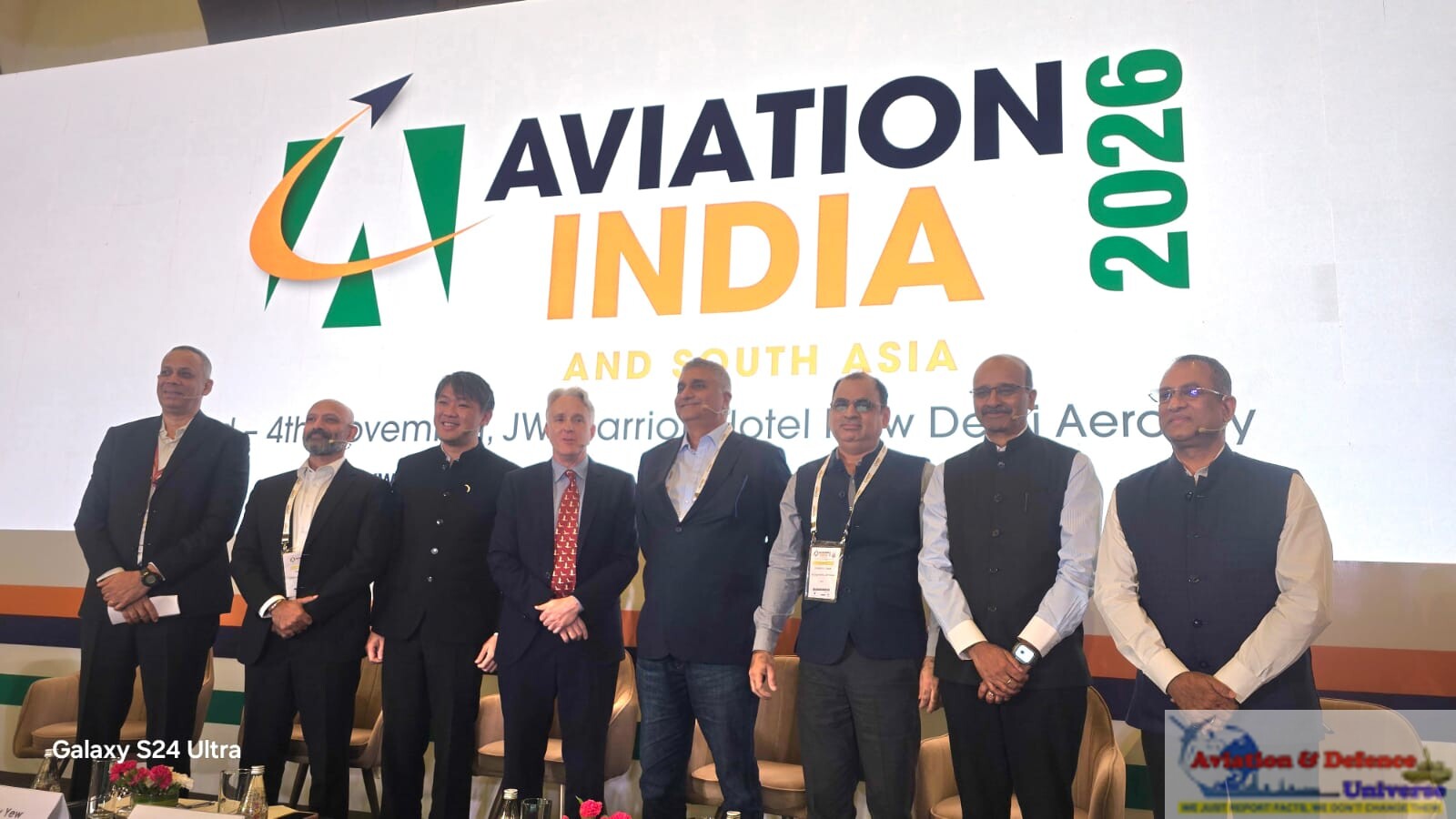
New Delhi. 07 November 2026. From January, a flight between India and another country participating inFrom January, a flight between India and another country participating in CORSIA can add to an airline’s carbon offset bill, wherever that airline is based. For one of the world’s fastest-growing aviation markets, the change brings a new cost into international route planning. At the third Aviation INDIA and South Asia Summit & Exhibition, the question was how airlines could prepare for that cost while continuing to expand. 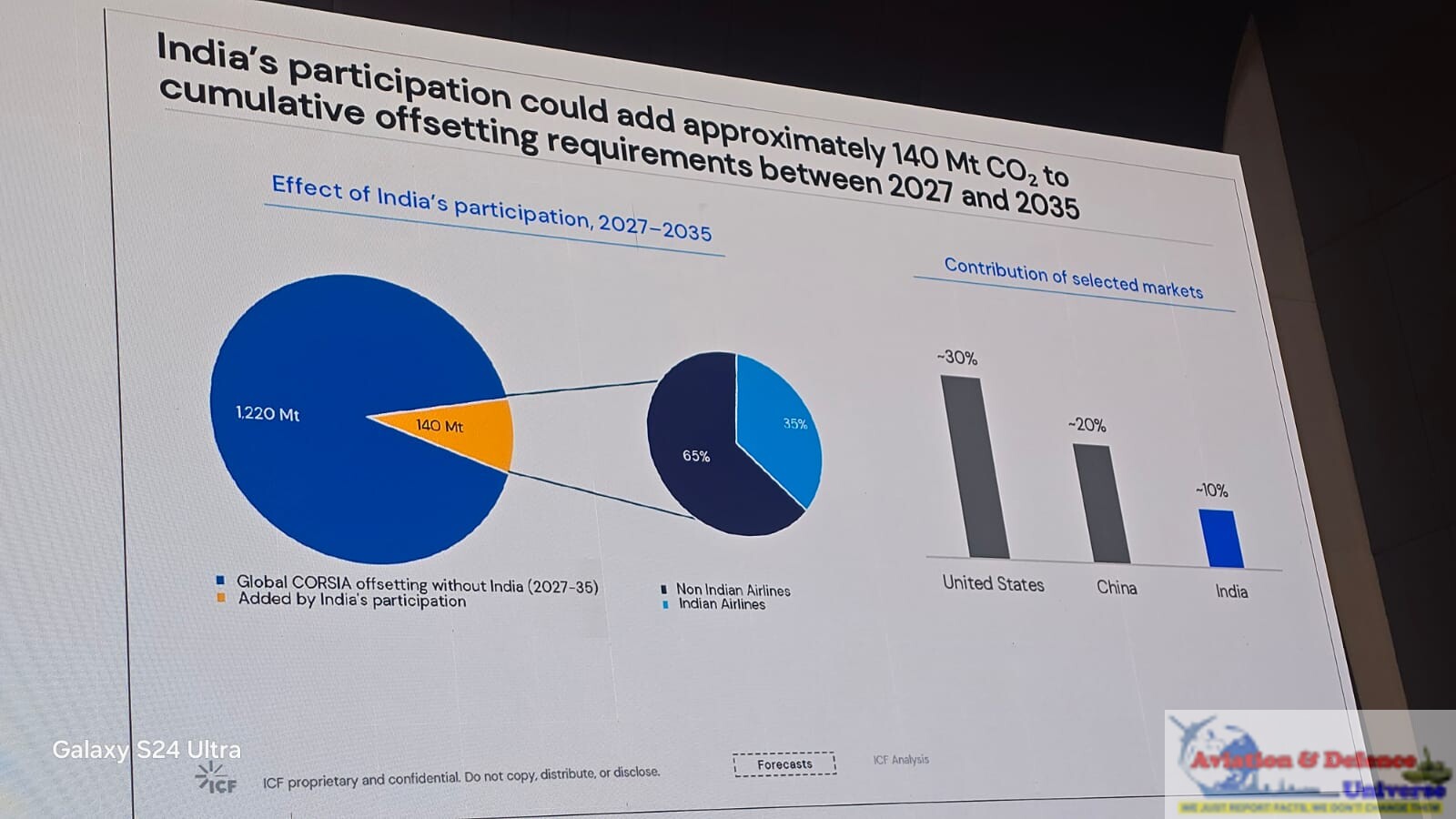
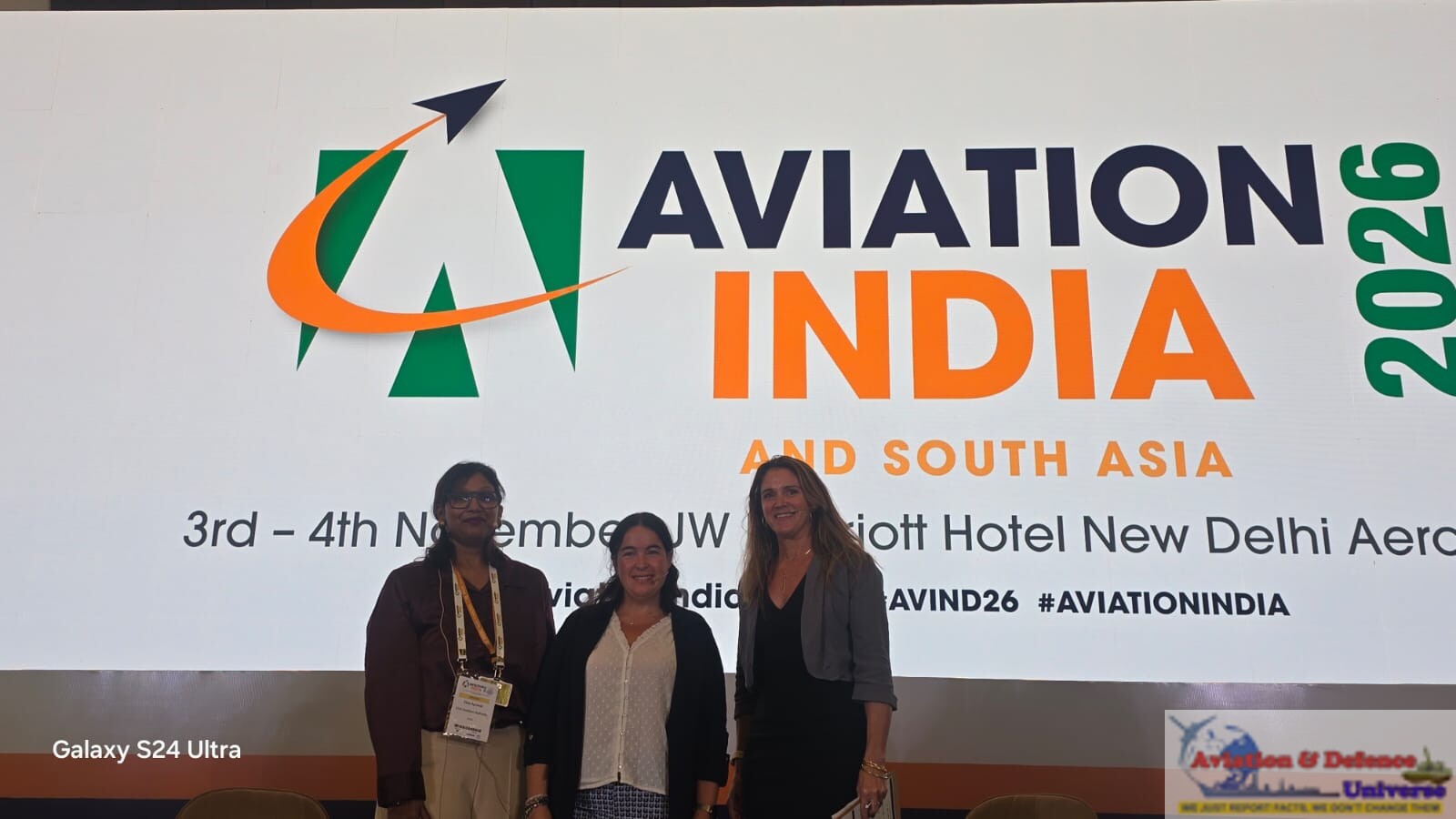
Chloe Greenbank of Aviation Week moderated the session, Indian air transport: Can the growth and decarbonisation agendas go hand in hand? Africa Abajas Bermejillo, Sustainable Aviation Senior Manager of ICF presented a white paper she co-authored with her colleague Urvashi Pundir. Ekta Agrawal, Deputy Director in the Aircraft Engineering Directorate at the Directorate General of Civil Aviation (DGCA), brought the regulator’s perspective on administering the scheme.
What changes in 2027
 The International Civil Aviation Organization’s Carbon Offsetting and Reduction Scheme for International Aviation (CORSIA) enters its second phase in 2027. India’s mandatory participation will bring more international routes into the offsetting scheme. Coverage is determined by the countries at either end of a route. When both participate, the same route rules apply to eligible operators regardless of nationality. Domestic flights are outside CORSIA’s scope.
Africa Abajas explained that CORSIA was designed to address growth in CO₂ emissions from international aviation. Under the scheme, airlines could meet their offsetting obligations by cancelling eligible carbon credits from projects that reduced emissions elsewhere. She said ICAO had adopted the scheme in 2016 because sustainable aviation fuel, more efficient aircraft and improvements in flight operations were expected to leave a gap in meeting its carbon-neutral growth goal. After the pandemic disrupted traffic, ICAO shifted the reference year to 2019. Abajas stressed that CORSIA’s offsetting rules applied to covered international routes, leaving India and other countries to decide how to address emissions from domestic flights.
Agrawal distinguished the work already under way from the obligations that will expand in 2027. Indian operators covered by the monitoring rules already have to track, verify and report their international CO₂ emissions. The next phase adds a wider set of routes to their offset calculations. Abajas noted that an Indian airline flying between two participating countries could already incur an obligation on that route before India itself entered the mandatory phase.
Who could carry the cost?
ICF estimates that routes covered as a result of India’s participation could account for around 10% of projected global CORSIA offsetting obligations between 2027 and 2035. Abajas said most of the projected India-linked obligation would fall on foreign airlines serving those routes. She put Indian carriers’ own share at under 3% of the global total in ICF’s modelling.
Abajas also explained why airlines need to track ICAO’s annual Sector’s Growth Factor. In the early years of the mandatory phase, the calculation depends on emissions growth across the covered international aviation sector as well as each airline’s emissions on covered routes. As route coverage expands, the baseline is calculated using the corresponding routes. Both points matter when airlines forecast how many eligible emissions units they may need.
 Ekta Agrawal said India was putting the pieces of a domestic sustainable aviation fuel (SAF) supply chain in place. Three refineries were pursuing certification, around seven feedstock aggregators had been certified over the previous year, and two certification bodies were in place. She added that the proposed refinery co-processing route was expected to work with existing airport infrastructure.
Looking ahead to 2035, Agrawal said she wanted a rigorous assessment of how much CORSIA had helped curb emissions and how it had affected the growth of Indian aviation. She said that assessment should account for the pandemic’s impact on traffic and the different growth trajectories of India and more mature aviation markets. In the context of India’s 2070 net-zero commitment, she argued that the scheme’s effectiveness should be judged by its emissions impact and by whether it allowed room for India’s aviation sector to grow.
India Builds a Sustainable Fuel Supply Chain as Panellists Set a 2035 Test for CORSIA
As the session drew to a close, moderator Chloe Greenbank asked whether India had a real opportunity to become a domestic producer of sustainable aviation fuel (SAF). Ekta Agrawal said Indian refiners had begun work on co-processing used oils and that three were pursuing certification. She noted that around seven feedstock aggregators had been certified over the previous year and that two certification bodies were in place. Together, those steps were helping India build a supply chain from feedstock collection to fuel production and certification. Agrawal added that the co-processing pathway under discussion was expected to work with existing airport infrastructure.
 Greenbank then asked what evidence the panellists would want to see by 2035 that CORSIA was delivering for Indian aviation. Agrawal said she wanted a rigorous assessment of how much the scheme had helped reduce emissions and what effect it had had on the sector’s growth. In the context of India’s net-zero commitment for 2070, she stressed that the assessment should account for differences between fast-growing aviation markets and more mature ones.
Africa Abajas said she wanted to see evidence that airlines had met their offsetting obligations with eligible carbon credits and that SAF had made a measurable contribution to lowering those obligations. For India and other countries looking to expand SAF use, she said, 2035 would offer a chance to measure what the fuel had actually contributed.
Where sustainable aviation fuel fits
Eligible sustainable aviation fuel (SAF) can reduce the number of emissions units an airline needs to cancel under CORSIA. India has set an indicative SAF blending target of 1% for 2027, initially for international flights. ICF modelled how higher blending levels could reduce offsetting obligations for departures from India. The panel also discussed what would determine how much fuel airlines could actually use, including price, domestic production and certification. Agrawal pointed to work by Indian refineries and feedstock suppliers to build that supply chain. Greenbank closed by asking what the panel would want to see by 2035. Agrawal wanted evidence of the scheme’s impact on emissions and on a growing aviation market. Abajas wanted to see eligible fuel make a measurable contribution alongside offsets. Airlines will have to make choices well before that verdict is in. The routes they add, the fuel they secure and the emissions units they budget for will determine what CORSIA costs them from 2027
MoCA Pushes for SAF Readiness Ahead of CORSIA 2027
Indian Civil Aviation Minister Ram Mohan Naidu chaired a high-level stakeholder meeting on 29 July 2026 to review whether India could produce, certify and supply enough sustainable aviation fuel (SAF) from 2027 and comply with ICAO’s Carbon Offsetting and Reduction Scheme for International Aviation (CORSIA) when its mandatory phase begins on 1 January 2027. The meeting brought together government ministries, regulators, oil marketing companies, airlines and airport operators to review production projects, commissioning timelines and responsibilities under India’s proposed blending roadmap.
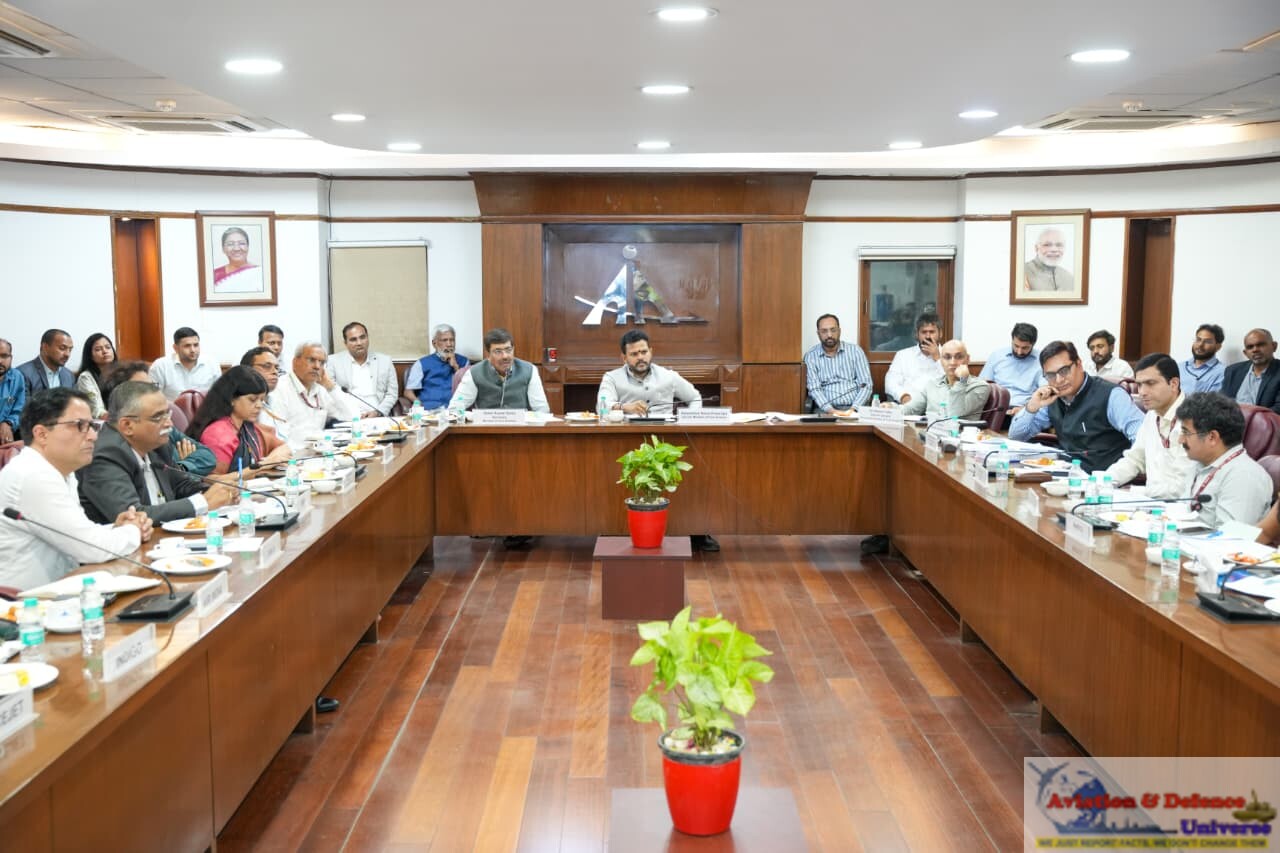 Naidu called for firm production timelines and identified meeting India’s initial 1% SAF blending objective cost-effectively as the immediate priority. He said the draft SAF policy was in its final stages and urged stakeholders to identify the lowest-cost options from production to delivery at airports to limit the burden on airlines and passengers. The meeting also examined a national SAF registry to trace fuel through the supply chain, a framework for monitoring and reporting aligned with ICAO requirements, and the authorisations and carbon market arrangements needed for CORSIA compliance.
Aviation India came at just the right time and the discussion on CORSIA could hardly have been timelier. From 1 January 2027, India will enter the mandatory phase of ICAO’s Carbon Offsetting and Reduction Scheme for International Aviation, bringing more international routes to and from India under its offsetting rules. For Indian and foreign airlines serving those routes, that means factoring carbon costs into route planning, ensuring their emissions data can be verified and assessing how eligible sustainable aviation fuel could lower their offsetting obligations. India’s initial 1% SAF blending target for international flights adds a practical question for refiners, fuel suppliers and airlines alike. Can they get enough certified fuel to airports at a price airlines can absorb? The decisions they make now will shape how India manages the carbon cost of its next phase of aviation growth.