






























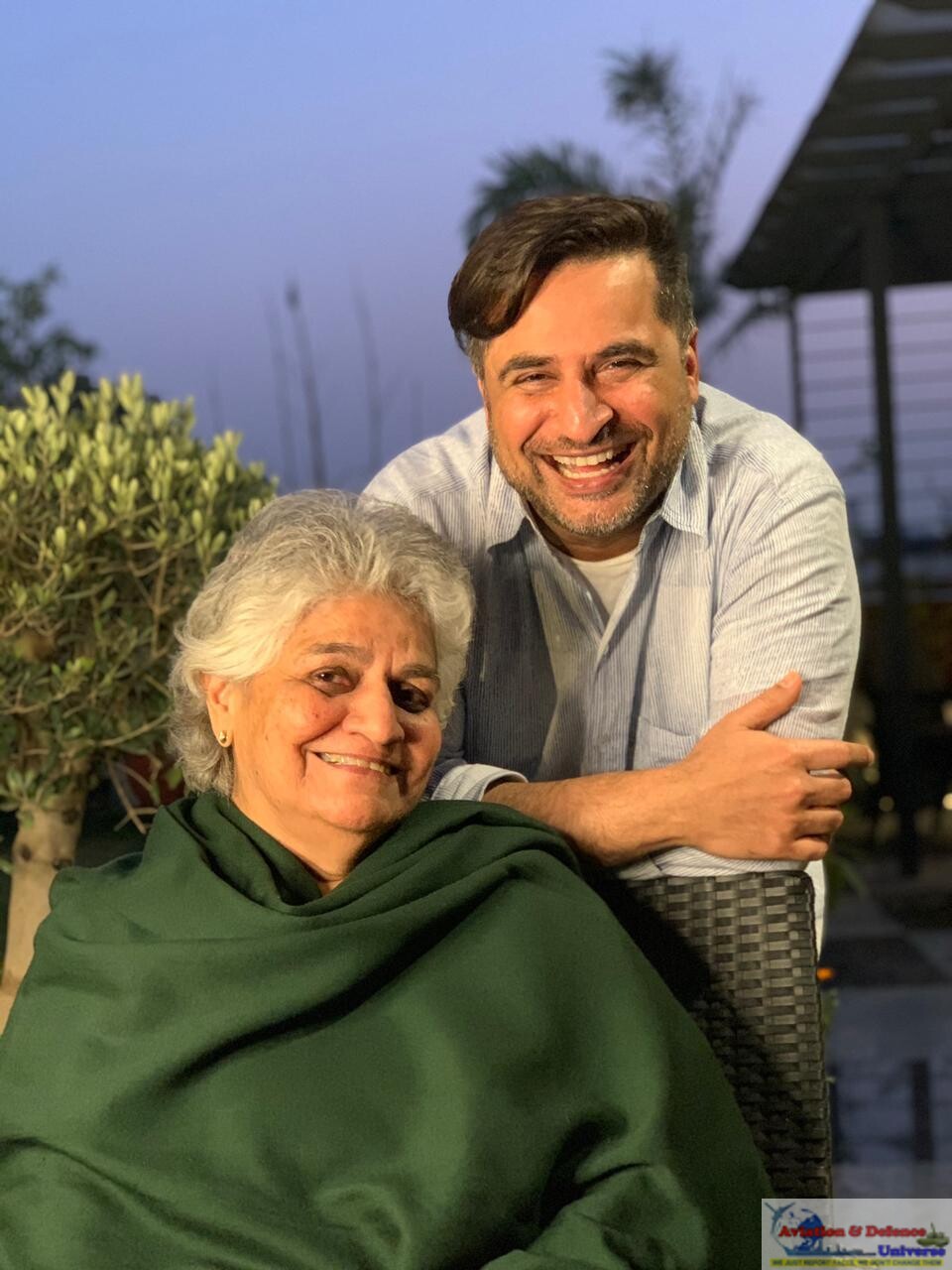
- A Son’s Truth, His Mother’s Love: Where Vulnerability Finds Its Voice
- From Fear of Rejection to the Comfort of Belonging
- The Courage to Be Known: Suvir Saran on Love and Acceptance
By Sangeeta Saxena
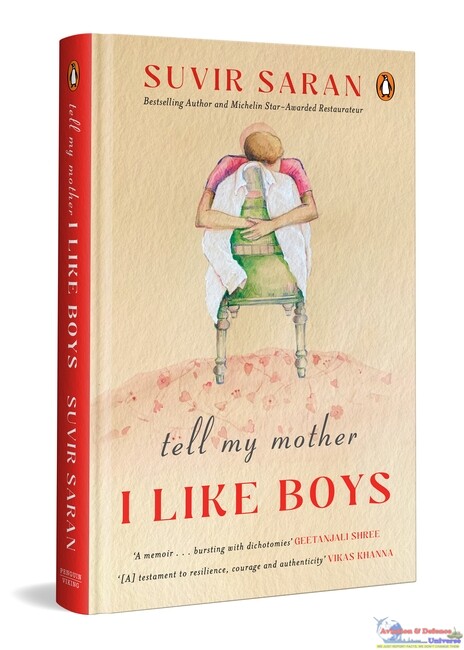
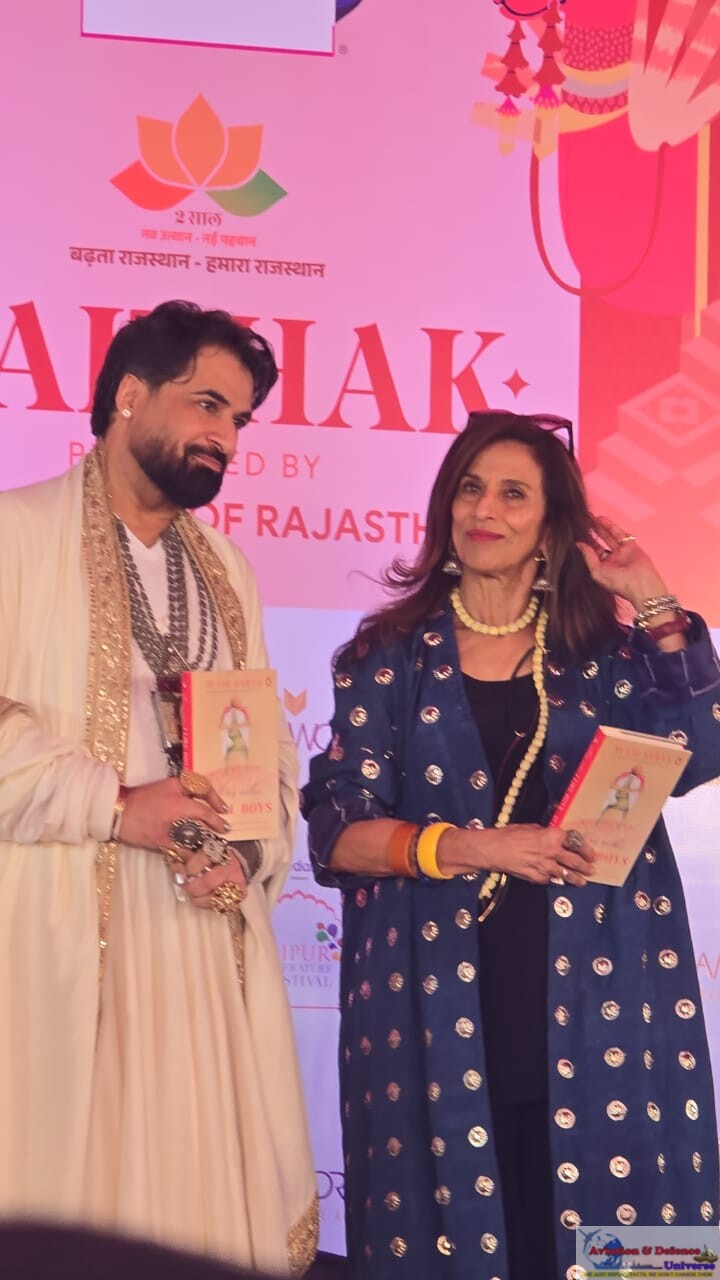
New Delhi. 31 October 2026. I began reading Suvir Saran’s tell my mother I LIKE BOYS on my return journey from Jaipur, after its release at the Jaipur Literature Festival. I thought I was opening a book to accompany a journey. Instead, I entered a life that would not let me leave. Its emotions held me, its candour unsettled me, and its English—lyrical, sensuous and exquisitely expressive—made me linger over passages long after I had understood their meaning. Reading it felt like sitting with incense: its fragrance slowly filling the room, its presence deepening even after the flame had disappeared. I returned to the pages because the first reading had moved me; the second allowed me to absorb their essence.
 Over decades of reporting on defence and observing the differing attitudes towards homosexuality in armed forces around the world, I have encountered the difficult space between institutional expectations and private truth. Suvir’s memoir brought that tension into an intimate setting: the childhood home, the mirror, the family gathering, the embrace of a lover. Behind every public argument about acceptance is a person wondering whether honesty will cost them the people they love. These pages made me feel the weight of that question.
It takes courage to speak openly about a subject that still carries social taboo. Greater courage, perhaps, is needed to tell one’s family that the heart cannot arrange its affections around the expectations of others. Sexual orientation is not a matter for society to prescribe, and love should not have to retreat into silence to preserve a family’s reputation. Suvir gives that conviction a deeply human expression. He allows us to feel how love between two men can carry the tenderness, intensity, longing and heartbreak so readily recognised in heterosexual relationships.
What gripped me was the distance between the boy’s apprehensions and the love that repeatedly sustained him. Here was a child struggling to understand himself, a young man gradually finding the courage to honour what he felt, and an adult discovering that achievement could not resolve every uncertainty within him. His family stood beside him; friends offered belonging; professional associates recognised and nurtured his gifts. Their faith did not spare him disappointment or suffering. It gave him people to turn towards when he could no longer stand alone.
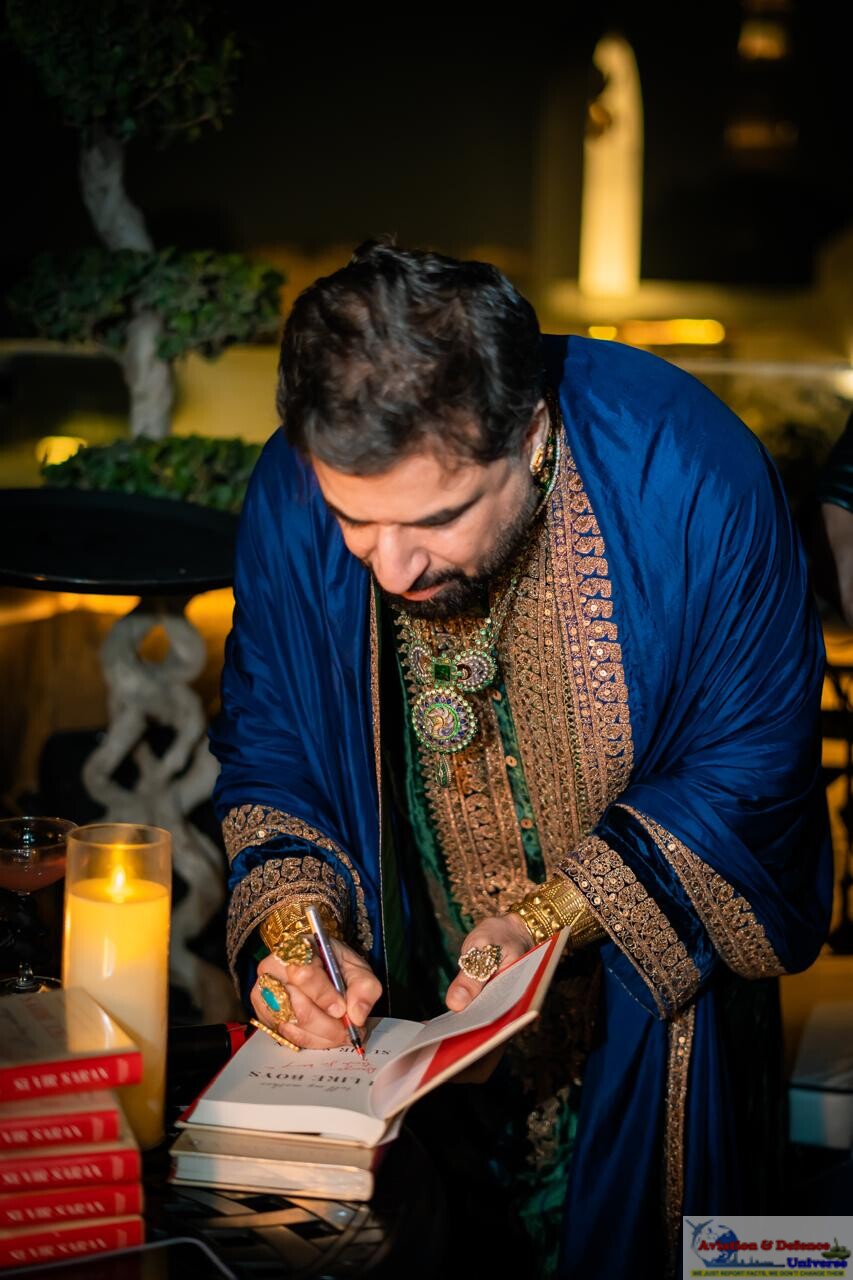 The world knows Suvir Saran as a restaurateur who made history with Devi, identified in his memoir as the first Indian restaurant in America to earn a Michelin star. Readers of Indian Home Cooking, American Masala and Masala Farm already know his ability to make food carry memory, culture and affection. In this memoir, that same sensibility turns towards the life behind the celebrated kitchens.
And that is the Suvir who stayed with me after the journey ended: gifted, vulnerable, sometimes unsparing towards himself, and willing to place his most difficult emotions before the reader. Tell my mother I LIKE BOYS held my attention through the honesty I felt in its telling. By the time I closed it, its title had become a plea I could hear far beyond one life: let me tell you who I am and let me still belong.
As a defence journalist, I have spent decades writing about courage, identity, belonging and the demands institutions place upon individuals. Following the differing approaches to homosexuality in armed forces around the world has also made me conscious of the private lives behind public debates: people who serve with commitment while wondering whether revealing whom they love might alter how their colleagues, families or country regard them. Suvir Saran’s Tell my mother I LIKE BOYS brought those questions into an intimate, deeply moving narrative. His experiences belong to a different professional world, yet the fear of rejection, the longing for acceptance and the courage required to live honestly reach across those boundaries. Reviewing this book felt natural because journalism asks us to understand the human being behind the designation. Suvir’s memoir invited me to consider courage beyond the battlefield—the courage to speak a difficult truth, acknowledge vulnerability and trust another person with one’s unguarded self.
A chapter-by-chapter review of Suvir Saran’s Tell my mother I LIKE BOYS
There is a boy inside Suvir Saran’s public success who cannot quite believe he deserves to be loved. The chef can command a kitchen, the restaurateur can create a destination, and the writer can make a remembered fragrance fill a page. Yet achievement does not silence the frightened child who wonders whether the world will still claim him if it knows whom he loves. That distance between being celebrated and feeling accepted gives this memoir its emotional force.
The pages follow Saran through childhood in Delhi and Nagpur, discovery in Bombay, love and professional recognition in America, devastating illness and a return to India. Its deepest movement is towards learning to receive care without feeling that he must earn it through accomplishment.
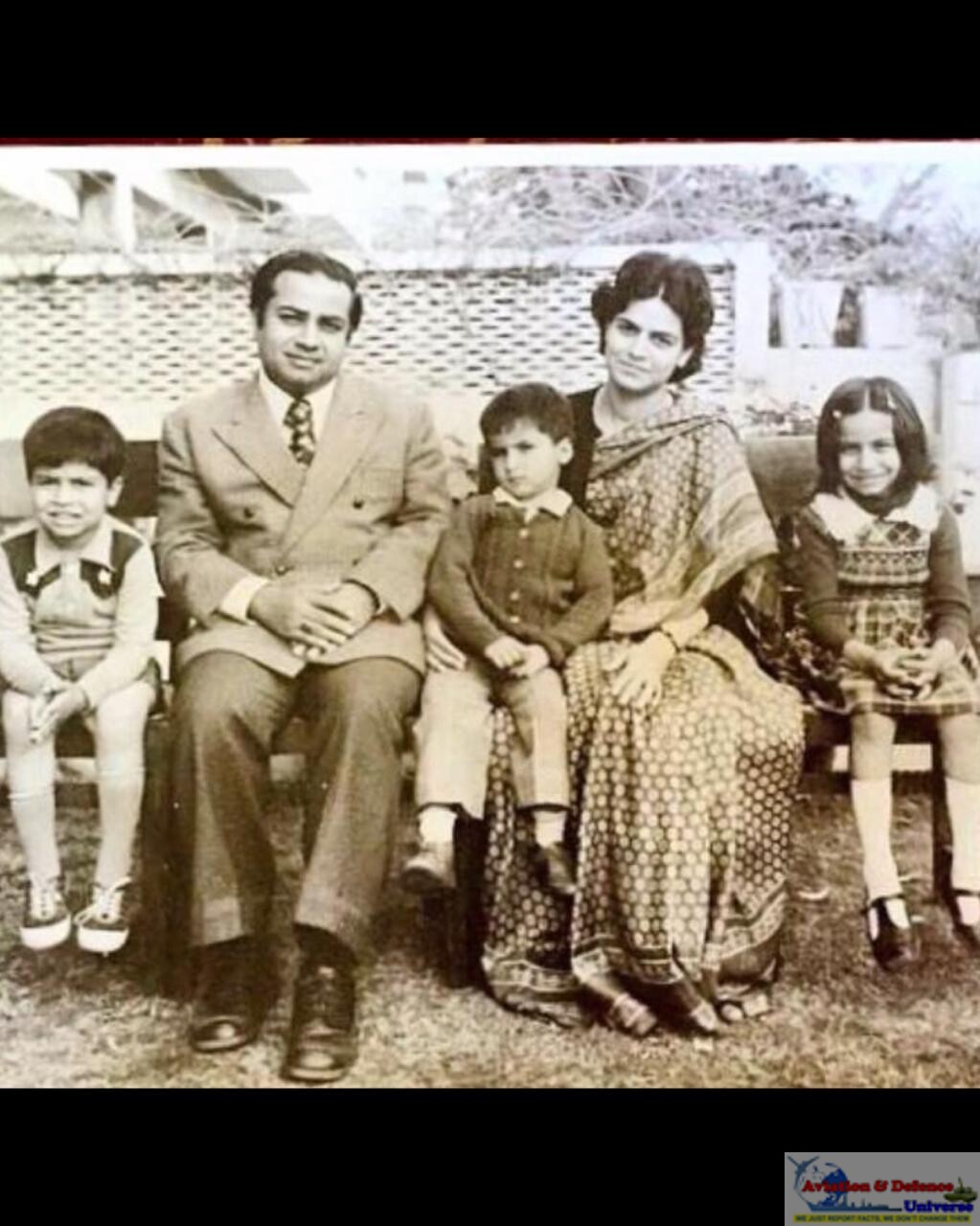 The title suggests a confession awaiting a mother’s response. What unfolds is more layered: a mother whose understanding often precedes her son’s readiness to speak, a family whose affection coexists with his apprehensions, and friendships that allow him to imagine a life beyond concealment. Traditional Indian society contains both the expectations that frighten him and the relationships that sustain him.
The preface introduces the question beneath much of Saran’s life: is his presence wanted? His description of arriving as an unplanned third child establishes this anxiety, although the chapters that follow reveal an upbringing surrounded by love.
His attachment to India establishes the memoir’s circular movement. Departure will not erase his inheritance, and returning will eventually require surrendering the shame of apparent failure. He also signals that emotional recurrence will matter more than strict chronology. The reader should expect memories to return as unresolved experiences, rather than remain neatly contained within their original years.
Echoes of Love and Loss
The grandfather’s daily biscuit makes affection tangible before death makes it precarious. That small ritual gives the child an assurance that he is seen and cherished. His grandmother’s practice of feeding birds subsequently offers a way to maintain a relationship with the departed.
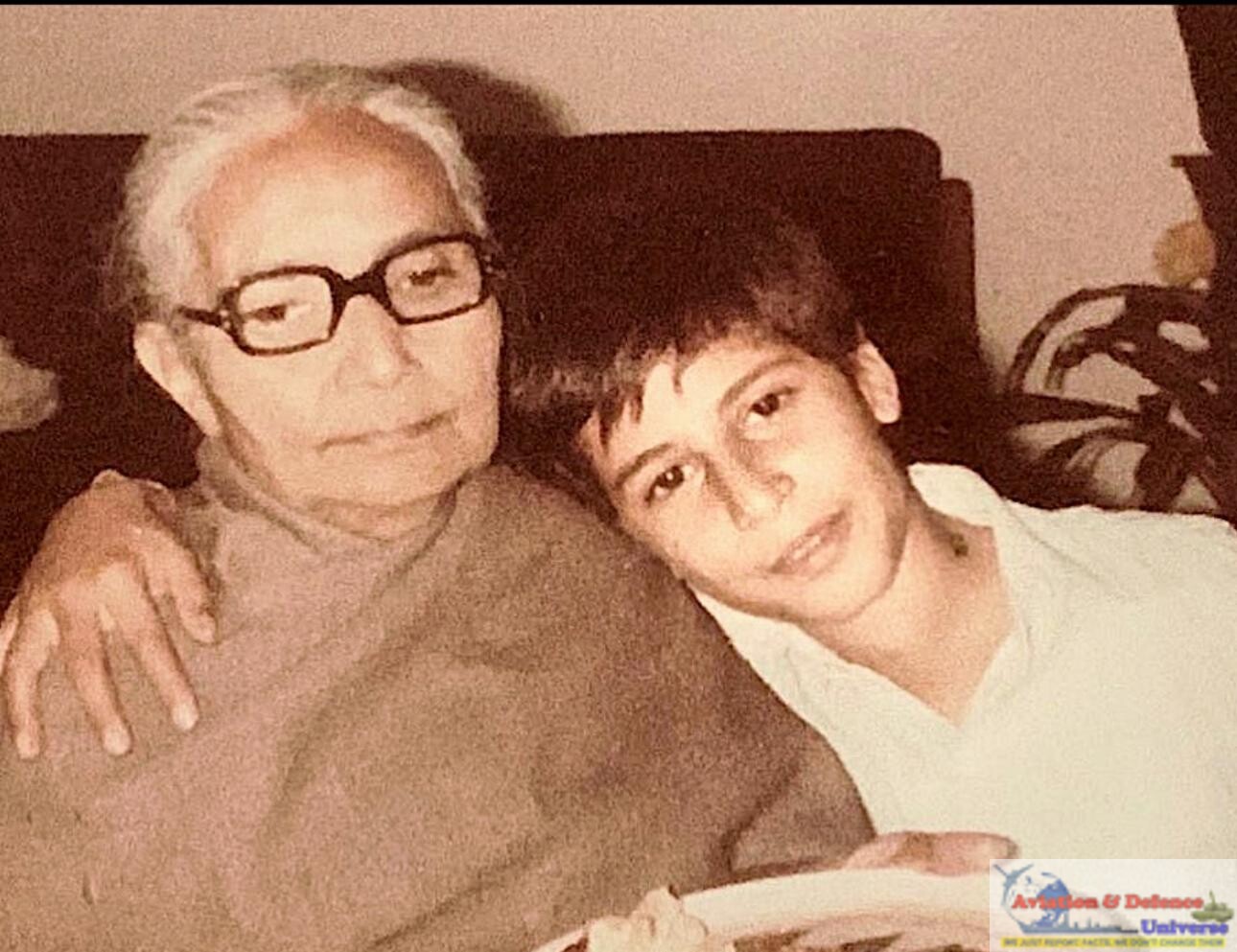 Tenderness and bewilderment define the chapter. The prayer room’s accommodation of different faiths establishes an inheritance capable of embracing plurality. This becomes important to Saran’s growth: tradition provides resources for compassion alongside the expectations he will struggle against. The future chef’s association between food and belonging begins with being fed lovingly.
The Song Beyond the Silence
Deepa Bua and Munni Mausi’s singing, Panditji’s cooking and the communal meal offered in his grandfather’s memory turn bereavement into shared activity. Seema’s apparently anticipatory school story adds the family’s sense of mystery to the recollection.
The dominant emotion is consolation through participation. Music and food do not remove grief; they give people ways to inhabit it together. Saran absorbs a lesson he will repeatedly enact as an adult: feeding people can communicate solidarity when conversation feels inadequate. His vocation begins to acquire an emotional foundation before it becomes a career.
The Train Ride
The journey to Nagpur is an adventure for the children and a separation for their mother, whose beloved parrot has been left behind. Their father fills the passing landscape with dramatic stories; their mother provides reassurance.
Curiosity outweighs anxiety for young Suvir because companionship makes departure feel safe. Later journeys, especially the flights to and from America, will test that security. This first significant passage establishes a recurring truth: moving to another place does not mean beginning without a past. He carries people, stories and habits of affection with him.
Flickers and Fragrance: Nagpur’s Embrace
 Nagpur brings oranges, festivals, childhood mishaps and funeral pyres. The parrot’s death gives the mother’s separation a painful finality. Most disturbing is Suvir’s fear that, if people knew his truth, nobody might mourn him or claim his body.
Fear of abandonment enters an otherwise lively childhood. Shame operates before he has the confidence or vocabulary to explain himself. Alongside this anxiety sits Babuji’s eggplant pickle, later remembered in his restaurant cooking. The chapter connects the vulnerable child and accomplished chef through sensory memory: professional creativity grows partly from ordinary encounters preserved with extraordinary attention.
A Constellation of Belonging
Delhi exposes differences in wealth and social confidence. At home, Bua’s response to a disappointing test, his cousins’ encouragement of his hairstyling and his father’s appreciation of his handiwork offer other measures of worth.
The chapter holds affection and apprehension together. Suvir is cherished, yet unsure whether every part of him would remain welcome if fully understood. His attraction to men develops alongside his enjoyment of feminine adornment. Different people recognise different qualities in him before he can bring those qualities together into an assured identity.
The Weight of Gold
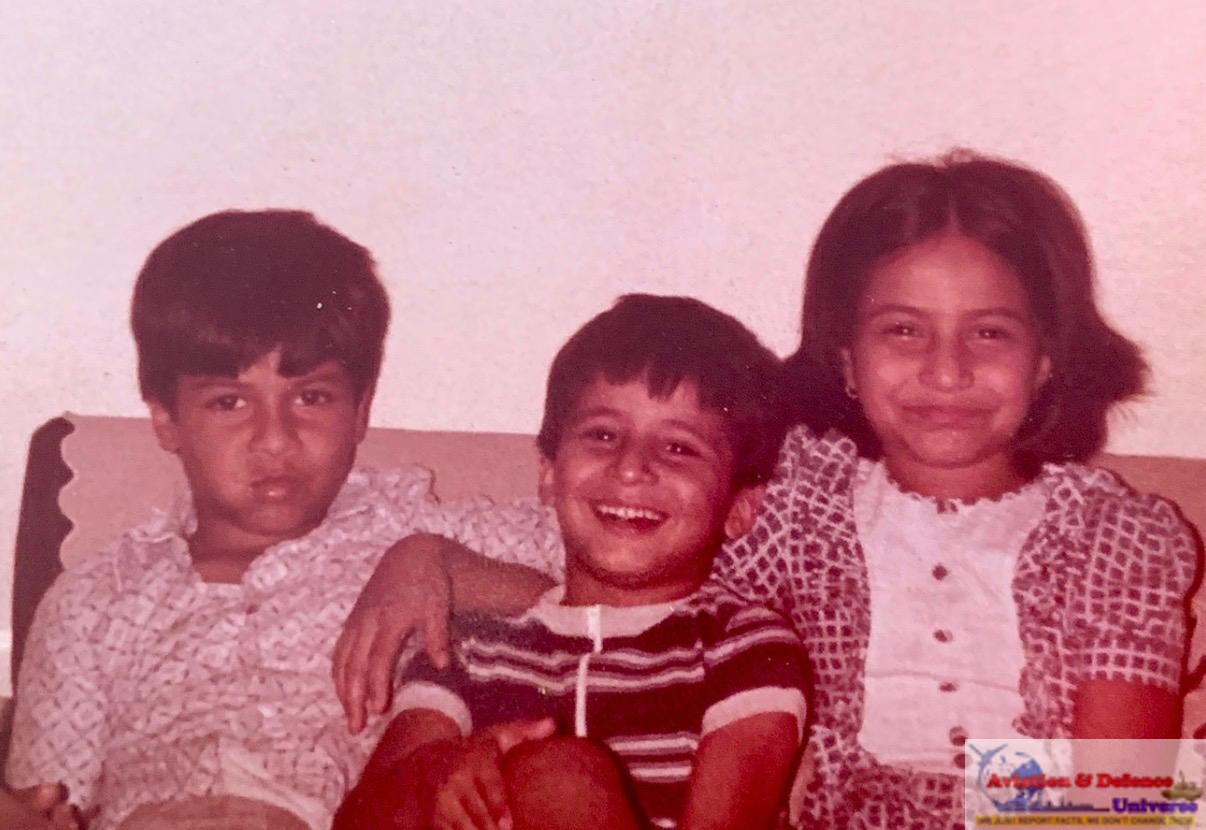 His mother’s care for elderly relatives reveals how praise can become an instrument of comparison and control. Meanwhile, dressing up acquires a harsher meaning under neighbours’ scrutiny and classmates’ teasing. The governing emotion is guardedness. What feels innocent in one room becomes suspect outside it. Suvir begins to understand that affection and judgement can inhabit the same social environment. His mother’s image of a coin with two sides supplies a philosophy for living with contradiction. His growth lies in recognising complexity, although endurance should never be confused with accepting that cruelty is deserved.
Threads of Becoming
Panditji’s kitchen offers steadiness during Suvir’s twelfth year. Diwali preparations make artistic ability useful and appreciated. A wedding dupatta placed around him by Seema makes the mirror a place of possibility as well as confusion.
Tentative self-recognition gives the chapter its intimacy. He can imagine a self beyond conventional expectations for a boy without yet knowing how to articulate it. These passages explore appearance, gender expression and desire; they should not be used to assign him an identity he does not claim. Panditji’s patient instruction gives uncertainty a practical refuge.
The Year That Broke Me and Built Me
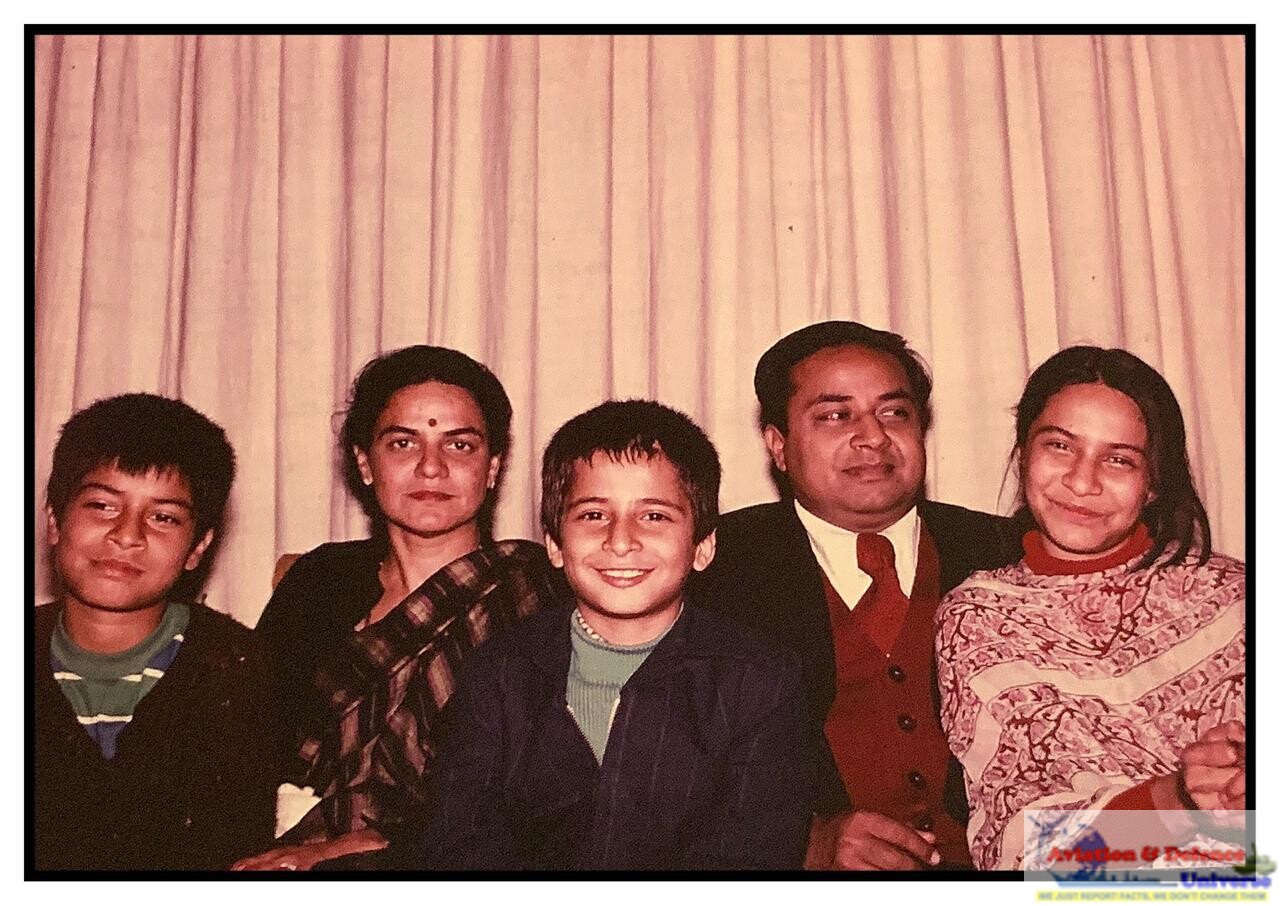 Failing sixth grade collides with puberty, displacement and an increasingly troubling reflection. An examination result threatens to become a judgement on his entire person. The prevailing emotion is shame intensified by overlapping uncertainties. His mother’s perspective, friendship and the art room gradually offer alternatives to that judgement. Family affection cannot instantly resolve his internal turmoil, but it prevents academic failure from becoming the only available account of him. He begins discovering that ability exists beyond the narrow circumstances in which he has faltered.
The Garden and the Glass: A Year of Becoming
Suvir explicitly recognises that his romantic desire is directed towards men. Changes in his body and voice feel alienating. The retreat from earlier dressing-up games intensifies his experience of being left behind.
The mirror exposes what frightens him; the garden permits patient growth. Working with plants, often beside his mother, allows him to nurture something without demanding immediate resolution. Books, materials and attention from neighbours widen this refuge. He begins moving from recognition experienced as isolation towards the possibility that a life can develop before every question has an answer.
Shadows of Failure
 Repeating a grade makes difference publicly visible. Teasing about femininity compounds humiliation, and Suvir admits that he sometimes retaliates by trying to wound others with words. That admission makes this a chapter about hurt and responsibility. Mrs Sabiha Rajan and Mr Shankar Dasgupta recognise creative ability where others see inadequacy. Art and music gradually provide earned confidence. His development is ethical as well as artistic: pain can explain a cruel response without making it admirable. Taking eight subjects later becomes an assertion that others’ expectations need not define his limits.
Sanctuaries of Creativity
The mentors move into the foreground. Mrs Rajan’s exacting instruction, Dasgupta’s insistence on expressive courage and Mrs Mahajan’s gardening lessons give talent discipline.
Gratitude for being taken seriously animates the chapter. Saran remembers their severity within relationships he experienced as affectionate, although readers need not endorse every harsh phrase to appreciate their influence. These encounters help explain the chef’s precision, the writer’s search for emotional truth and the mentor’s investment in younger people. Creativity becomes sustained practice as well as refuge.
Havens of Becoming
 Rohit Bal, Nalin Tomar, Sardar Mahijit Singh and Gitanjali Kashyap enlarge Suvir’s sense of possible lives. Nalin’s home offers recognised community. Kaka’s affectionate claim to be another mother makes care exceed conventional family roles.
The emotional atmosphere changes towards relief and exhilaration. Qualities Suvir feared concealing become reasons for celebration. This chapter complicates any uniform portrait of India as rejecting: spaces of freedom already exist within it. His growth depends on seeing adulthood in which being gay can coexist with confidence, companionship, artistry and pleasure.
The Invisible Curriculum
Board examinations reactivate panic, but Suvir draws on lessons received through people, literature, music and kitchens. The meal after the examinations restores proportion to an event that appeared capable of determining everything.
The movement is from paralysis to agency. His earlier failure no longer possesses exclusive authority over his future. This prepares the reader for a career shaped by transferable skills and encounters rather than one planned qualification. Some conversations are polished into explicit lessons, but the underlying argument holds: curiosity and belonging have educated him alongside school.
Bombay: The City That Became Me
The YMCA, friendships, performance spaces and Bombay Dost introduce forms of independence beyond the childhood home. Encounters in Kamathipura challenge the adequacy of merely observing other people sympathetically. Queer publishing connects private identity with collective visibility.
Excitement develops into social awareness. Suvir begins considering whose stories are denied dignity, rather than only his own exclusion. Bombay gives him desire and companionship, but also a larger responsibility to listen. The writer develops through encounters with other lives; the future host learns that inclusion depends on treatment as much as access.
Crossing Skies, Carrying Worlds
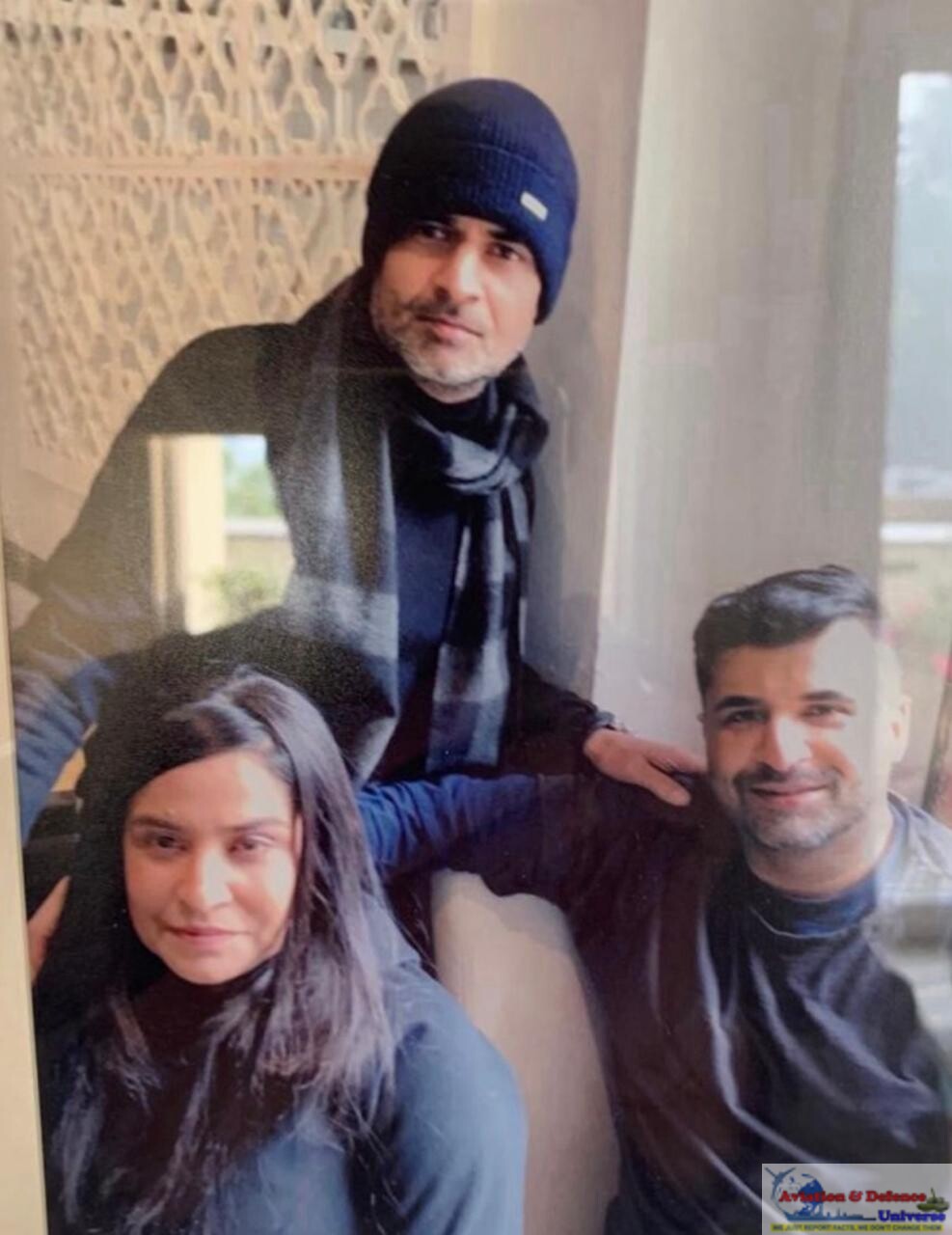 On the flight to America, his mother reminds him that Robert’s help does not place him under an obligation. He is travelling towards a lover while remembering those who made departure possible. The chapter’s centre is separation complicated by protective love. His mother’s concern is for his dignity and independence. Saran retrospectively interprets her silence as understanding, although her private thoughts remain beyond the reader’s direct access. This makes the passage more affecting than a conventional confrontation: acceptance may already be taking shape before the anticipated declaration.
The Architecture of Love and Loss
Robert’s departure devastates the future Suvir imagined. Subsequent relationships bring theft, tenderness, domestic stability and his own infidelity. Mary Ann’s friendship provides continuity when romance cannot.
Abandonment coexists with accountability. Saran acknowledges that he can injure someone who loves him, as well as suffer injury himself. Cooking increasingly makes a home in unfamiliar surroundings. His parents’ visit during Pride also brings family and queer life into the same frame. The chef emerges through homesickness, relationship and hospitality, alongside ambition.
Forged in Manhattan’s Fire
Teaching, catering, professional encouragement, publishing and Devi turn private resourcefulness into public vocation. Carol Guber and Angela Miller help him recognise that he has knowledge worth teaching and experiences worth writing.
Purpose becomes a sustaining emotion. Work gives him an identity larger than that of the abandoned lover. Indian Home Cooking makes remembered food accessible to others; the restaurant extends that communication into a public space. Yet loneliness remains. His professional growth demonstrates how creativity can sustain a life without automatically resolving its emotional wounds.
The Design of Love
 Charlie shifts the narrative towards sustained attention. Recipe preparation, furniture hunting, animals, humour and efforts to resolve arguments make partnership visible through ordinary acts.
The central emotion is relief at being known. Charlie offers continuity after relationships marked by disappearance or instability. Their Brooklyn home becomes a shared creation. The chapter’s domestic detail gives its portrayal of a gay couple particular strength: love includes chores, preferences, meals and disagreements. Later chapters will reveal that experiencing safety and reciprocating it are different challenges.
Bridges of Belonging
Moving to Manhattan tests whether their shared life can fit a smaller space. Seema’s household in the same building creates an extended family arrangement. Charlie’s care for Karun makes his place within that family practical and affectionate.
Here acceptance becomes everyday trust. It appears through responsibility, shared meals and easy movement between homes. Suvir’s partnership and family occupy the same domestic world. His development involves experiencing family more fully, with biological and chosen relationships supporting one another. The bridges outside their windows give these connections a physical image.
Harvest of Belonging
The search for a country retreat expands into the Hebron farm. Charlie’s rural memories and Suvir’s desire to accommodate family produce a vision of an abundant shared future. Hope acquires a home. The boy who sought refuge can now help create one for others. Gardens, animals and visitors give that hope daily responsibilities. Yet the farm’s scale introduces a tension between generosity and sustainability. Read alongside its eventual sale, the chapter is poignant because its confidence in permanence is so sincere.
Palazzo de Pollo: A Sanctuary of Seasons and Souls
 Seasonal labour, the chicken coop, immigrant workers, foster parents and rural prejudice enlarge the farm’s meaning. Suvir admires devotion that attracts little public recognition while encountering limits to the community’s acceptance.
Serenity is qualified by estrangement. Domestic love and natural beauty cannot remove racial and sexual otherness. His father’s concern about sustainability provides a practical counterweight to the romance. Suvir’s attention grows beyond his household, although broad comparisons between local workers and immigrants should be read critically rather than treated as universal truths.
The Weight of Stardom, the Light of Love
The books and Devi return through the cost of recognition. The Michelin star brings pressure where fulfilment might have been expected. Charlie remains present, but work reduces their time together.
Exhaustion and emotional numbness challenge the conventional celebrity narrative. An accolade cannot supply the self-worth Suvir still doubts. His growth begins with recognising that distinction, although awareness does not immediately transform his habits. The chapter also makes visible the largely uncelebrated support behind professional achievement.
A Mirror of Joy and Shadows
Diwali, Thanksgiving, Christmas and New Year bring two cultural worlds into one household. The food communicates delight, but hospitality also conceals depletion. Suvir wonders whether others would celebrate Diwali without him.
Beneath abundance lies a desire for reciprocity. Charlie’s unfulfilled wish for a child introduces a more intimate imbalance. Suvir begins recognising that creating beautiful experiences for guests does not necessarily answer a partner’s deepest hopes. Hospitality can express love while also postponing difficult conversations.
The Hollow Within
When the guests leave, stillness exposes what activity has kept at bay. Suvir’s belated willingness to consider adoption arrives after Charlie’s confidence in that future has receded. Travel, neglected medication and emotional absence deepen the strain.
Guilt saturates the chapter. Its candour matters, but his harsh self-judgement should remain recognisable as the perspective of a distressed person. Illness is not moral failure, and being loved does not automatically make someone well. His growth here is painful awareness of unequal labour and missed possibilities.
In Every Breath, He Lives
 His father’s illness and death draw Suvir from the professional stage into filial vulnerability. The portrait of a principled, energetic civil servant explains an inheritance of integrity, humour and endurance. It also reveals a father whose expressive gifts had encountered restrictions.
Grief becomes a continuing relationship through memory and inheritance. Seema’s reminder that their father remains within them offers consolation. Plants and the natural world reconnect adult bereavement with the opening chapters. Maturity means carrying his father’s values while still needing comfort himself.
Forty Mirrors and a Thousand Truths
Turning forty gathers celebration, affection and unresolved memories into a reckoning. Singapore briefly loosens his habitual control. Charlie’s forty carefully chosen gifts provide moving evidence of attention, yet old abandonment remains emotionally active.
The chapter captures the persistence of earlier hurt within adult success. Neither a milestone nor abundant affection can settle everything. Suvir begins recognising the frightened child, restless lover and accomplished chef as connected selves. The mirror, however, returns so insistently that explanation sometimes exceeds what the scenes require.
American Masala: A Dream Deferred
The proposed San Francisco restaurant with Paresh Ghelani revives his ambition. Its failure to open after prolonged effort exposes how much hope he has placed in another professional beginning.
Anticipation becomes disappointment and partial relief. A project can have meaning without becoming viable. Ending it need not deny the talent invested in it. This is a significant lesson for a restaurateur whose identity depends heavily on creation. The account remains his perspective on the venture; its commercial details would need separate verification for factual reporting.
Threads of Resilience
 Tapestry offers another opportunity to build a restaurant around culinary plurality. Its closure after nine months, combined with worsening health, intensifies the crisis. His sister provides somewhere to retreat while Charlie continues carrying responsibilities.
Renewed hope is repeatedly exhausted. The adult’s collapse recalls the schoolboy’s fear that failure in one sphere determines his whole value. Professional experience has expanded enormously; the underlying vulnerability persists. The memoir’s language of resilience is moving, although it sometimes announces renewal before the narrative demonstrates that he can sustain it.
The Unseen Anchor
Selling the farm means dismantling a life. Animals, peonies, artefacts and incomplete goodbyes make the loss particular. Charlie undertakes the negotiations, packing and practical aftermath. Gratitude is inseparable from shame. One especially affecting reversal occurs when the chef accustomed to feeding others wonders whether Charlie has been eating properly. Suvir begins seeing labour previously obscured by his distress. Charlie’s devotion receives powerful recognition, although his own interior experience remains less accessible than Suvir’s remorse.
From the Abyss to Belonging: The Journey Home
The helicopter-like roar and creature within his skull convey the terror and bodily immediacy of illness. These descriptions communicate suffering without establishing a diagnosis for the reviewer to supply. His mother accompanies him through the difficult flight home.
Desolation gradually permits trust. Family, friends, Charlie and Charlie’s mother provide money, practical help and companionship. Writing restores participation in life. This is acceptance at its most consequential: people sustain him when he cannot offer achievement in return. His growth now includes receiving, resting and acknowledging dependence.
Epilogue
 Life between Bombay and Delhi restores pleasure without claiming that vulnerability has disappeared. Mangoes, birds, columns, cooking, mentoring and the mother’s garden give recovery texture. The emotional register is renewed appetite for life. Writing and cooking draw on the same attention to memory and communication. Mentoring younger cooks returns the story to the teachers who recognised possibility in him. The child who needed encouragement has become someone able to offer it, while continuing to need care himself.
Coda
The brief coda joins cooking and writing as continuing forms of nourishment. Its meaningful adjustment is that Suvir includes himself among those who need feeding. After so much giving accompanied by self-neglect, this is an intention towards self-acceptance. He does not claim invulnerability. He intends to continue creating and living with greater recognition of his own needs.
The acknowledgements change the reading
The acknowledgements disclose that Suvir and Charlie eventually parted after two decades together. This matters: the earlier assurances about their shared future should not be read as a promise of permanent partnership.
Their separation does not diminish Charlie’s formative importance or the care described throughout the memoir. It does, however, deserve greater integration into the main narrative. Gratitude survives the relationship’s ending. Love need not last forever to have helped make survival possible.
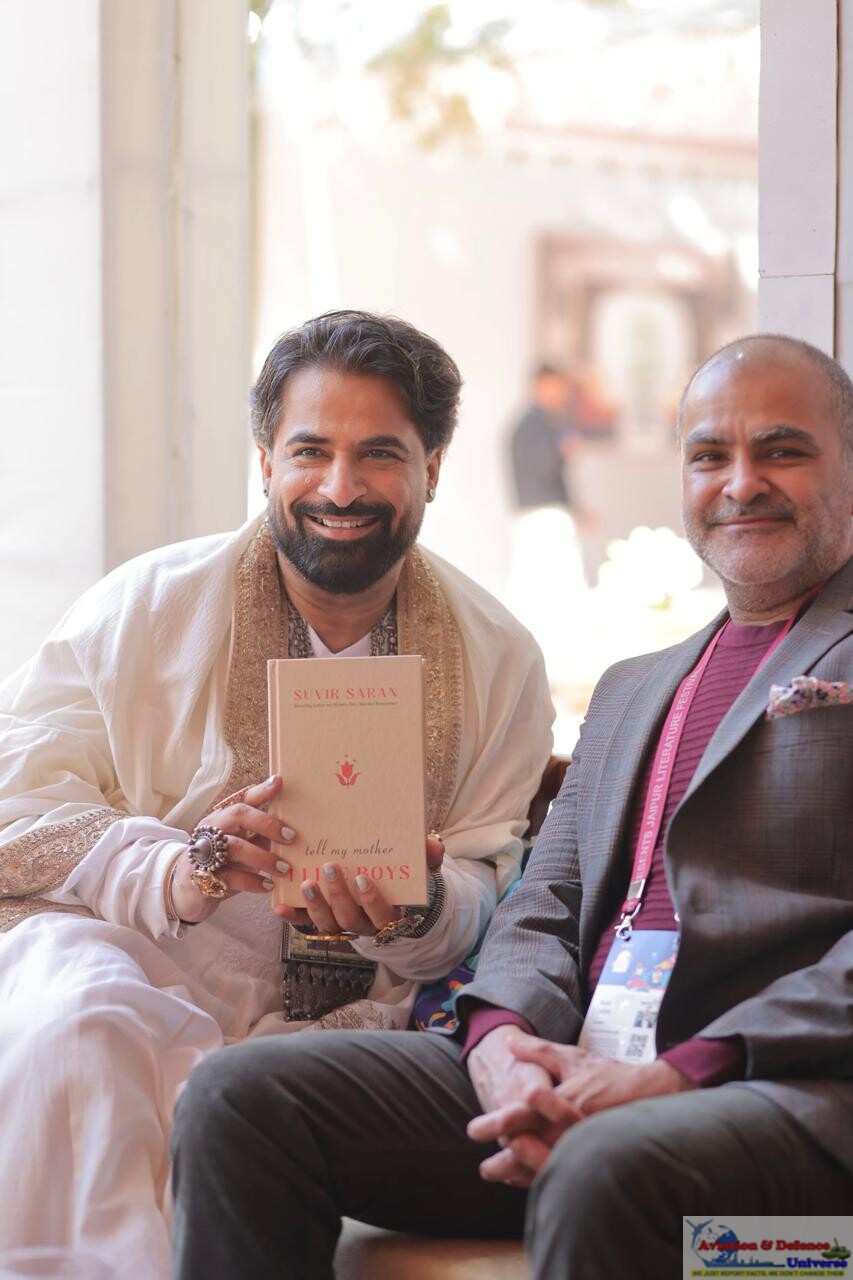 Saran’s growth is clearest in his changing relationship with shame, creativity and care. Childhood difference initially threatens belonging. Adolescence supplies talents and communities that offer a kinder reflection. America allows him to turn memory into vocation and create homes for others. Distinction expands his reach without settling his worth. Illness finally requires him to accept care when he can no longer perform the successful self.
His mother is central, but the book’s acceptance extends through his father, siblings, teachers, queer elders, lovers, friends and caregivers. It is most convincing when enacted: someone encourages his artistry, trusts his partner, opens a home, sends money or sits beside him.
As a writer, Saran is strongest in sensory detail. A biscuit, dupatta, taxi door, carefully chosen gift or packed box carries emotional meaning with remarkable immediacy. His principal weakness is repetition. Mirrors, storms, anchors and brokenness recur until distinctions between chapters sometimes blur. Chronology also occasionally shifts, including the ordering of relationships in the New York chapters. More compression and clearer sequencing would strengthen the narrative.
His self-criticism gives the book moral depth, particularly when he acknowledges infidelity, absence and missed opportunities. Yet the reader need not accept every judgement he makes against himself. At times, illness, business reversals and a partner’s unhappiness fall within the same sweeping self-condemnation. His accountability is valuable; his suffering does not make every accusation against himself fair.

For a soldier in a same-sex relationship, Tell my mother I LIKE BOYS may offer the reassurance of recognising feelings that duty, discretion and institutional expectations can leave little room to express. Suvir’s life is far removed from military service, yet his fear of rejection, longing for companionship and gratitude towards those who stood beside him can cross that distance. The memoir offers neither a military parallel nor an instruction to disclose a relationship. It offers something quieter: recognition that beneath the uniform is a person whose need to love and be loved deserves dignity.
For a civilian in a same-sex relationship, the book makes space for experiences too often reduced to a label. Here are tenderness, desire, domestic happiness, heartbreak, mistakes and the patient work of caring for another person. Suvir’s candour allows readers to encounter a gay man who is accomplished and vulnerable, generous and sometimes fallible. His story can provide companionship to those negotiating family expectations or struggling to feel worthy of the affection they receive. It also reminds them that acceptance can arrive through ordinary acts of loyalty, and that they need not achieve extraordinary success to deserve it.
For readers who regard heterosexuality as the only “normal” or legitimate expression of love, this book offers an opportunity to examine an inherited certainty. Familiarity can make a convention feel unquestionable; it does not, by itself, establish that another person’s love is less sincere or less deserving of respect. Reading Suvir’s account means spending time with the human consequences of that judgement: the child who fears being discovered, the adult who yearns to belong, the partner who stays through illness and the mother who helps her son live again. Readers need not recognise their own desires in his to recognise the care, grief and devotion he describes.
Each reader may enter this memoir with a different question, but all can leave it better able to see the person before passing judgement on the relationship. Its invitation is to listen closely enough that another human being’s happiness—and suffering—ceases to feel distant.
Suvir Saran’s memoir’s achievement is its recognition that being loved and feeling lovable are different experiences. Neither family acceptance nor professional success automatically closes that distance. The frightened boy once imagined a world that might refuse to claim him. The adult survives because people do claim him—as son, brother, lover, friend, teacher and writer. By the end, he is beginning to extend some of that same acceptance towards himself.
Who Should Read This Book
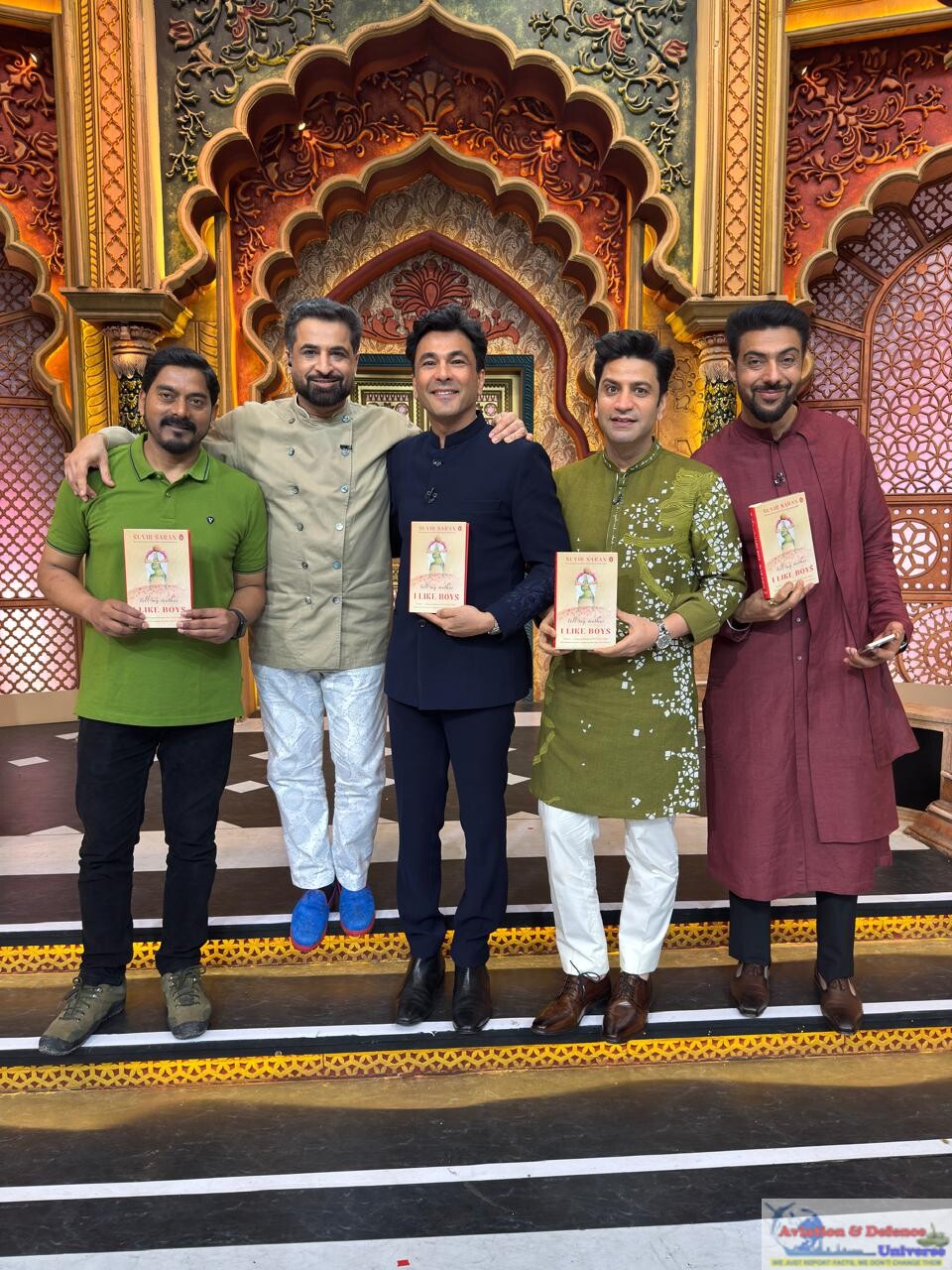 tell my mother I LIKE BOYS deserves to be read by anyone who has struggled to belong—and anyone who has the power to make another person feel accepted. Gay and lesbian readers may find companionship in Suvir Saran’s account of desire, uncertainty, love and resilience. Parents and siblings of LGBTQ people may discover a gentler way to listen, recognising that the person they love needs understanding rather than expectations imposed upon them. For soldiers in same-sex relationships, its exploration of private truth and the fear of rejection may resonate, even though this is not a military memoir. Readers who have seldom questioned their assumptions about sexuality may find those assumptions challenged by the ordinary tenderness of a shared life. Aspiring chefs, writers and creative professionals will encounter the work, relationships and setbacks behind public achievement, while anyone living through illness, bereavement or disappointment may recognise the difficulty of accepting care. Above all, this book is for readers willing to meet a human being in his complexity and consider how much courage it can take simply to be known. So this is for every human being who thinks they are normal to read.
Get To Know The Author
Suvir Saran’s journey reveals a man whose professional accomplishments have grown from a deeply personal search for beauty, belonging and the freedom to live honestly. Born in New Delhi as the youngest of three children, he was nurtured by a mother who encouraged his imagination, a father whose integrity and presence shaped his understanding of responsibility, and an extended family that gave him an enduring appreciation of plurality and connection. His siblings remained anchors through the uncertainties and upheavals that followed. At Modern School, Vasant Vihar, his curiosity found expression in literature, music, printmaking, poetry and food: he studied meal planning, taught macramé when the need arose, helped lead assemblies in song and ran a school café whose profits went to charity. These early experiences established qualities that would later define his work—attention to detail, pleasure in teaching and the conviction that creativity should offer something to others.
 Yet his sensitivity also brought vulnerability, and art became a source of companionship during difficult years; the poetry, music and emotional restraint of Umrao Jaan left an especially lasting impression. Moving to New York in the early 1990s, he built an initially unexpected career through museum retail, merchandising and luxury design, working at institutions including the Metropolitan Museum of Art, Bergdorf Goodman and Henri Bendel before food became his principal vocation. With Devi, co-founded with Hemant Mathur and recognised as the first Indian restaurant in North America to earn a Michelin star, he helped bring Indian home cooking, regional memory and hospitality into a different international conversation. His subsequent ventures included Tapestry in Greenwich Village, whose brief life left him with both heartbreak and pride, while his work with Sodexo broadened his experience of feeding people across cultures and at scale. Through Indian Home Cooking, American Masala and Masala Farm, he established a distinctive voice in which recipes carry the people, places and relationships that gave them meaning. Life on a farm in Hebron, New York, shared with his partner and a much-loved community of animals, extended his understanding of hospitality into the daily responsibilities of nurturing a home and caring for other lives. Serious illness eventually brought him back to India, where family support and creative work became essential to rebuilding his life; Instamatic, combining reflections with photographs taken during a period of profound physical difficulty, emerged from that struggle.
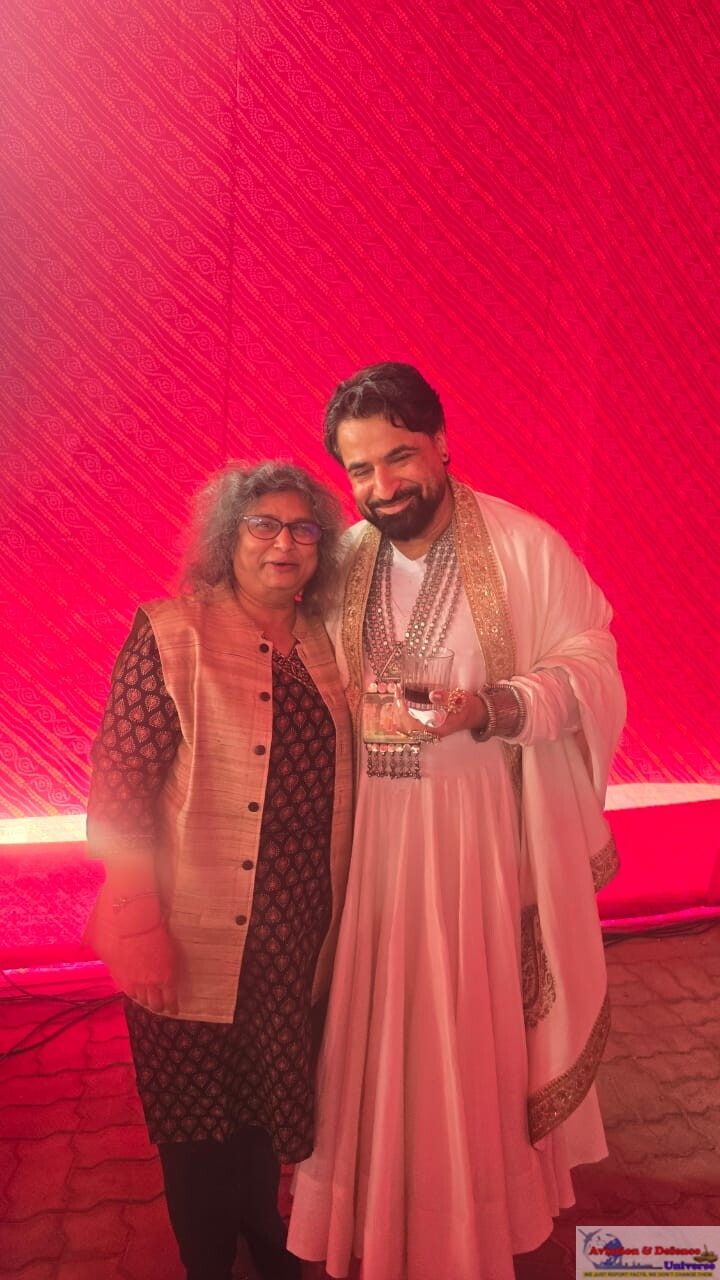
His Indian professional chapter encompassed The House of Celeste, Bastian Hospitality and work shaping culinary experiences for brands including One8 Commune, Neuma and Jolene by the Sea. Alongside these responsibilities, music, mentoring, fashion and writing continued to nourish him: his expressive Indian clothing celebrates a personal aesthetic, his relationships with designers carry affection and memory, and his columns turn everyday encounters into reflections on care, loss and human connection. In Tell My Mother I Like Boys, these many lives meet with unusual intimacy. The celebrated chef allows readers to encounter the questioning boy, the gay man seeking acceptance, the lover capable of tenderness and mistakes, and the son sustained by a family’s steadfast care. What emerges is a gifted, sometimes wounded human being who repeatedly returns to creation as a way of participating in life. His achievements command attention; his willingness to acknowledge dependence, honour friendship and share vulnerability gives that achievement its human depth.
Book: tell my mother I LIKE BOYS
Author: Suvir Saran
Publisher: Viking, Penguin Random House India
Rate: Rs. 699/-
ISBN: 978-01-434783-6-2