













- From Vicenza to the Moon: Qascom Brings Navigation Expertise to India
- Beyond GPS: Qascom’s Mission to Make Navigation Trustworthy
- Precision Under Pressure: Qascom’s Place in the Future of Secure Navigation
By Sangeeta Saxena
New Delhi. 17 October 2026. A navigation signal can guide a spacecraft, direct an aircraft or help a ship find its way. But what happens when that signal is disrupted—or deliberately falsified? Working at the intersection of satellite navigation and space cybersecurity, Qascom S.R.L. addresses a fundamental aerospace challenge: ensuring that knowing where you are also means trusting the information that tells you.
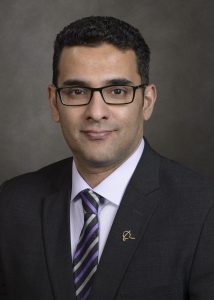
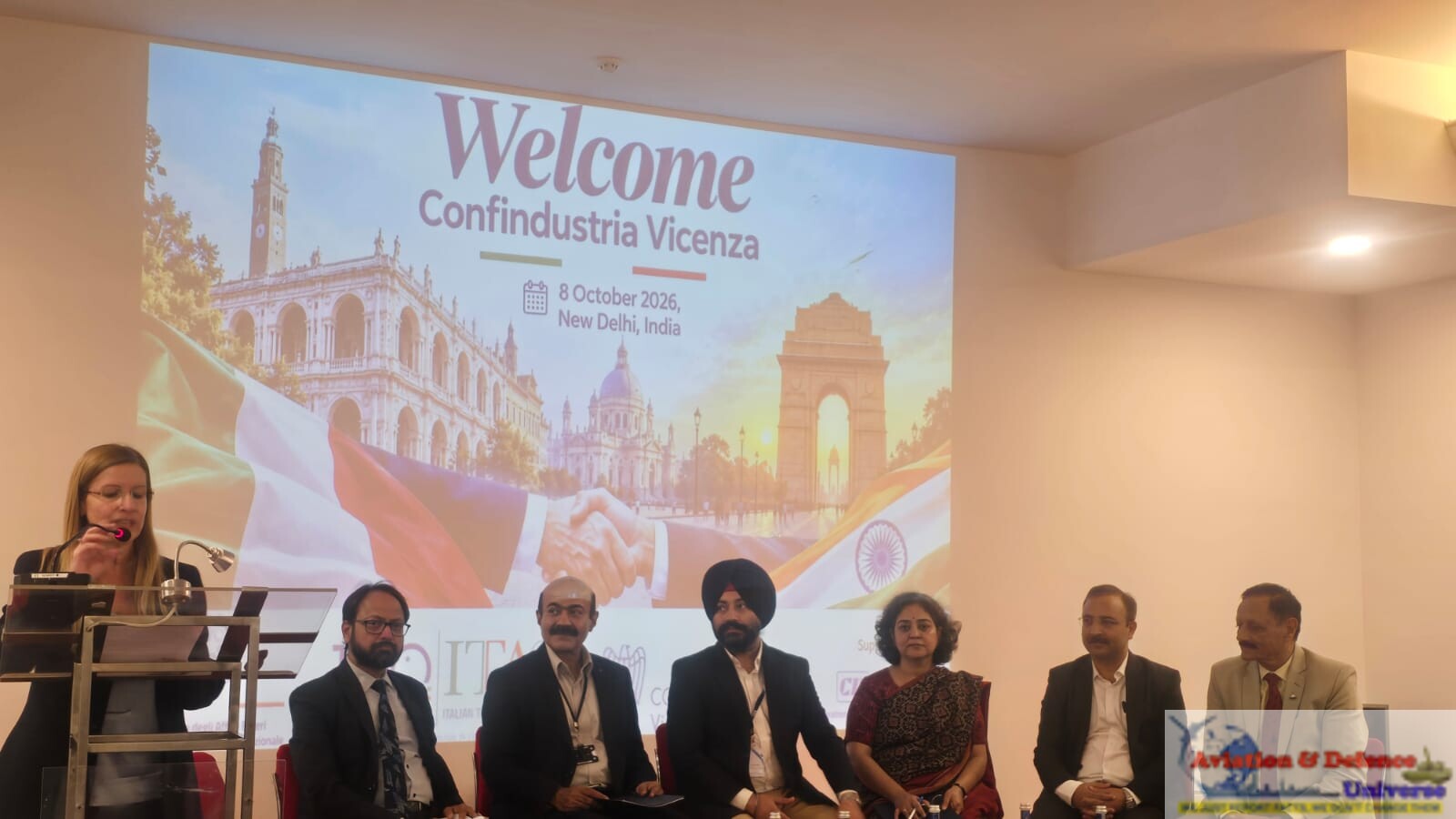
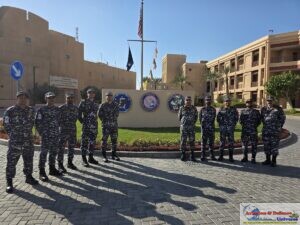
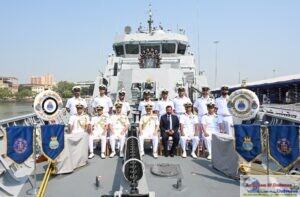
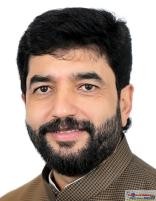
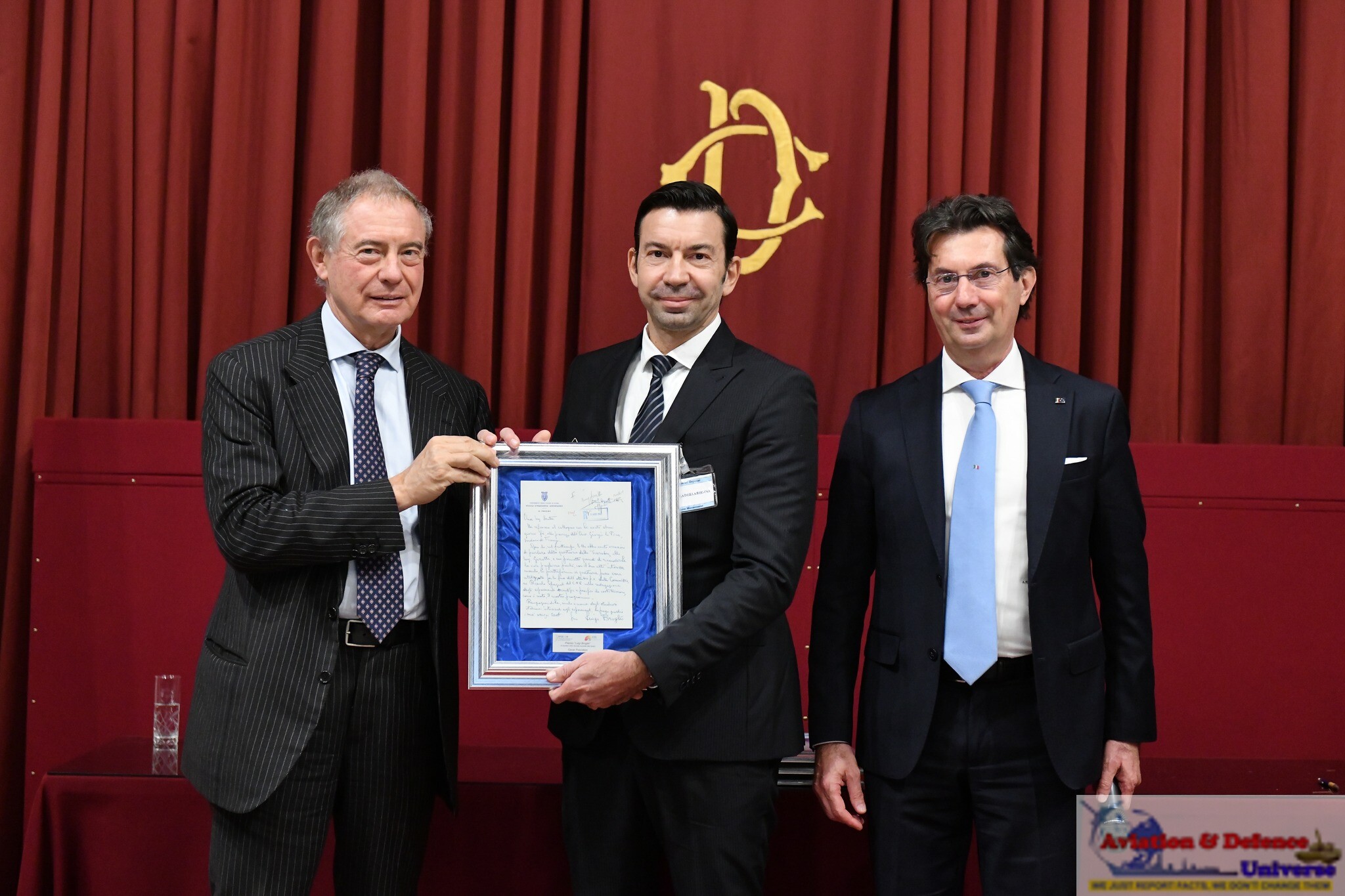
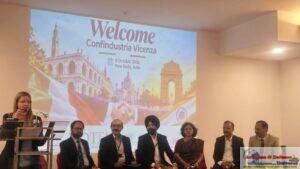
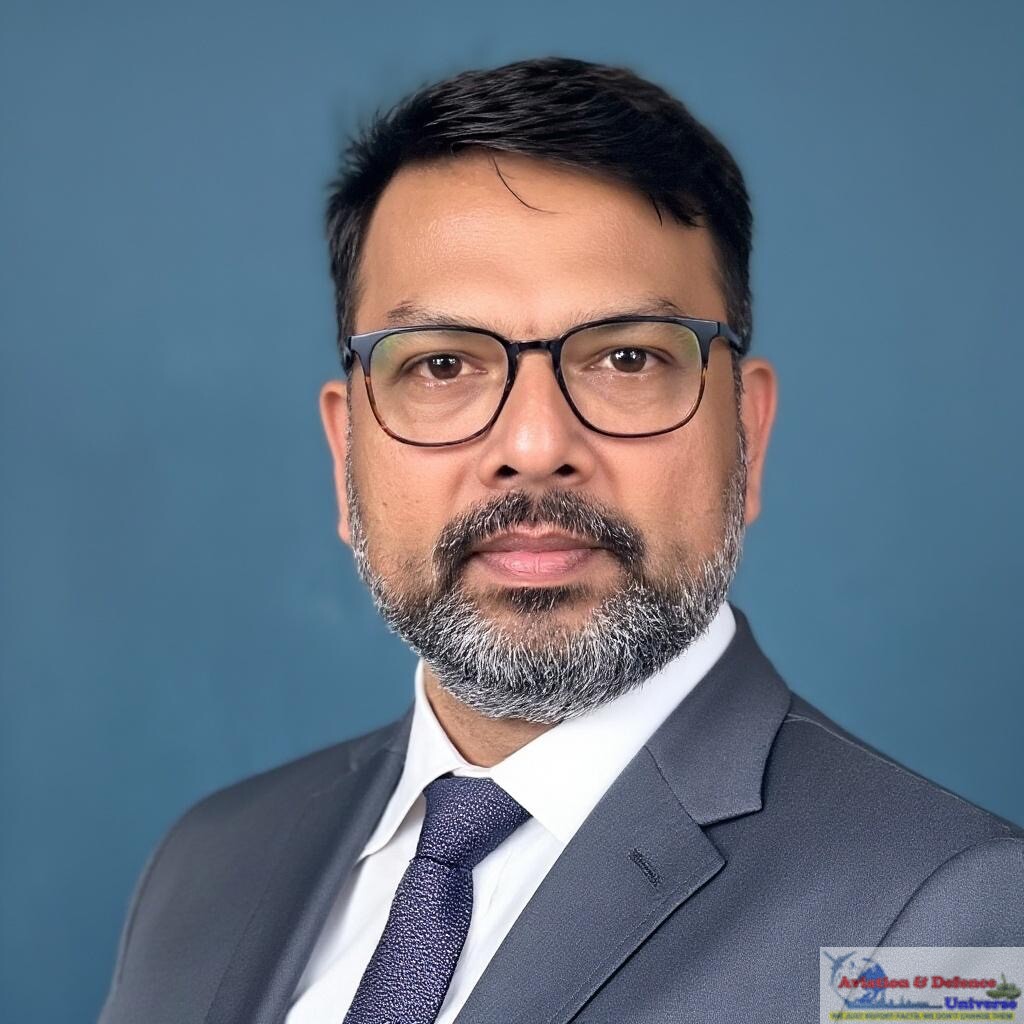
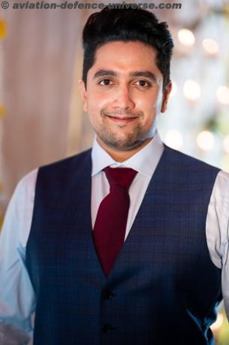
 The Italian aerospace and defence company recently visited India as part of the Vicenza Industrial Delegation, represented by Carlo Brunetti, Vice President for Institutional Affairs, whom Aviation & Defence Universe interviewed during the visit. Its presence introduced a specialised technology portfolio to the wider conversation on industrial cooperation between India and Italy.
From navigation receivers to interference detection and lunar exploration, Qascom’s work illustrates how a focused engineering company can contribute to missions far beyond its home territory. Carlo informed, “we are one of the fastest-growing aerospace and defence companies in Italy. We develop navigation systems for satellite navigation constellations such as Galileo and GPS. We are also involved in the future Moonlight constellation for navigation on the Moon. “Through a NASA programme, we reached the surface of the Moon last year and demonstrated that signals from Earth’s navigation systems could be received in lunar orbit and on the lunar surface. These signals can be used to determine a position on the Moon, giving us an understanding of how to support future lunar missions.”
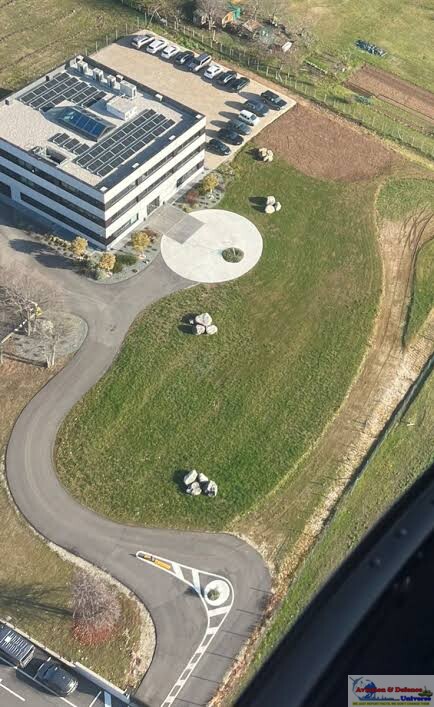
Founded in 2004, Qascom specialises in space cybersecurity and satellite navigation. Based in Cassola in the province of Vicenza, it has developed capabilities spanning navigation receivers, signal simulation, jamming and spoofing detection, and security technologies associated with Europe’s Galileo programme. Its facilities include navigation and electronics laboratories, space-system integration infrastructure and an operations control room.
That combination gives the company a role across several stages of technology development: designing equipment, testing its performance, assessing vulnerabilities and supporting mission operations. Its relevance lies in the connection between precision and resilience—receiving a signal is only part of the task; establishing whether it can be trusted is equally important. “We work extensively on space cybersecurity, focusing on the quality and robustness of satellite navigation signals. We implement security measures against threats such as jamming and spoofing. We have developed both software and hardware, including simulators that reproduce signals that interfere with satellite signals. We can also detect where these threats originate, whether in space, on the ground or in orbit around Earth. This helps us understand how to respond and defend against them, ” he added.
Qascom describes its security offering as encompassing both ground and space systems. Its work includes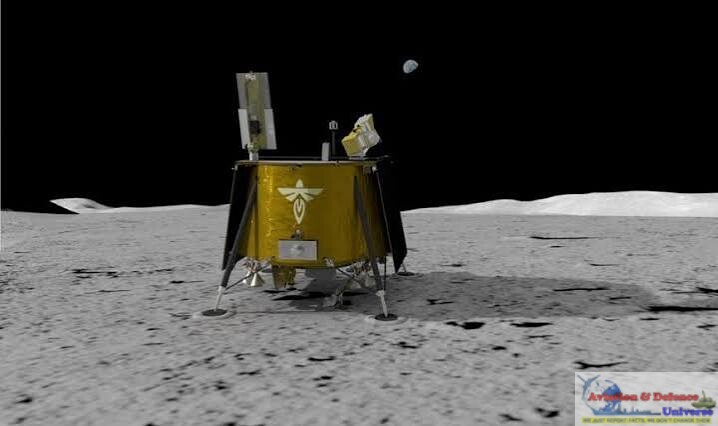 secure communications protocols, navigation-signal authentication, interference detection and cryptographic key-management solutions. The company also identifies contributions to Galileo’s Open Service Navigation Message Authentication, or OSNMA, among its activities. This service helps users verify the authenticity of navigation messages.
For aerospace and defence users, these are practical concerns. Navigation equipment must be assessed against both interference that disrupts reception and deceptive signals that could mislead a receiver. The operational value of Qascom’s portfolio therefore extends beyond accuracy into the testing and protection of navigation-dependent systems.
Its QA707 GNSS simulator supports this testing process by reproducing navigation signals and threat scenarios, including jamming, spoofing and signal-replay attacks. Available in hardware and software configurations, the system is intended for applications ranging from aircraft and drones to launchers, maritime navigation and defence navigation-warfare testing. For developers, such simulation provides a controlled environment in which to evaluate weaknesses before equipment enters service.
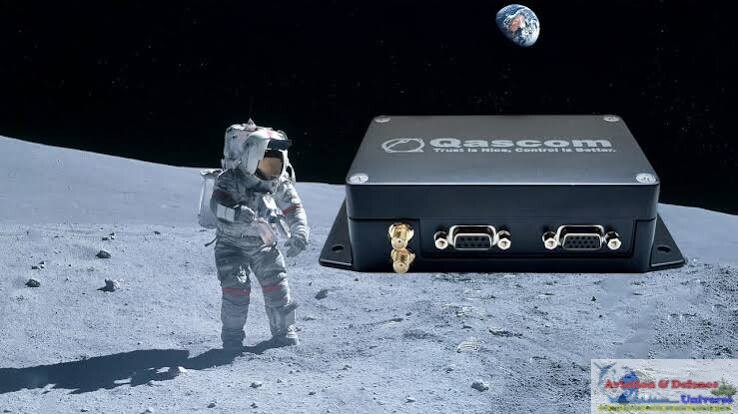
The company’s receiver portfolio provides another part of the picture. Qascom lists the QN400-S and QN500-S among its space-navigation products. The QN400-S combines GPS and Galileo reception with a software-defined architecture for applications including low-Earth-orbit satellites, launchers and commercial lunar missions. The QN500-S extends the portfolio with a modular architecture and radiation-tolerant components.
For an Indian spacecraft or launch-vehicle developer, this suggests potential areas for technical discussion: receiver integration, navigation testing and security assessment. These are prospective areas of relevance, rather than evidence of an announced Indian contract or deployment. Carlo also stated, “ we are now working on the European Celeste low-Earth-orbit constellation. We have also developed a receiver for the International Space Station, together with software for communication with Earth. Our work includes systems for defence applications, rockets and missiles.”
 Qascom’s strongest demonstration of its reach, however, comes from the Moon. The company developed the receiver for the Lunar GNSS Receiver Experiment—LuGRE—on behalf of the Italian Space Agency, working within a collaboration involving NASA and the Polytechnic University of Turin. Carried aboard Firefly Aerospace’s Blue Ghost Mission 1, the experiment reached the lunar surface in March 2025. The Italian Space Agency reported that LuGRE continued calculating its position until the final stages of the lander’s operations.
NASA confirmed that LuGRE successfully acquired and tracked signals from the Earth-orbiting GPS and Galileo constellations on the Moon, demonstrating an additional possibility for future lunar navigation. The achievement did not establish a complete lunar navigation network; it showed that signals designed primarily for use around Earth could also support navigation at lunar distances.
For Qascom, the significance is substantial: its engineering contributed to a mission that tested an established technology in an exceptional operating environment. It also demonstrated the value of cooperation between specialised industry, universities and national space agencies.
The company’s lunar work extends into receivers, simulation and radio beacon technologies. Qascom identifies participation in ESA’s Moonlight programme and describes solutions intended for future lunar communications and navigation services. Its wider navigation offering also includes ground-based radiobeacons designed to supplement satellite signals where reception is unavailable or denied.
Together, these activities position Qascom within a broader aerospace requirement: maintaining dependable positioning, navigation and timing across different platforms and environments. For India, the potential relevance spans space engineering, unmanned systems and the protection of navigation-dependent infrastructure. Any collaboration would nevertheless require detailed assessment of technical compatibility, security requirements, qualification and commercial arrangements.
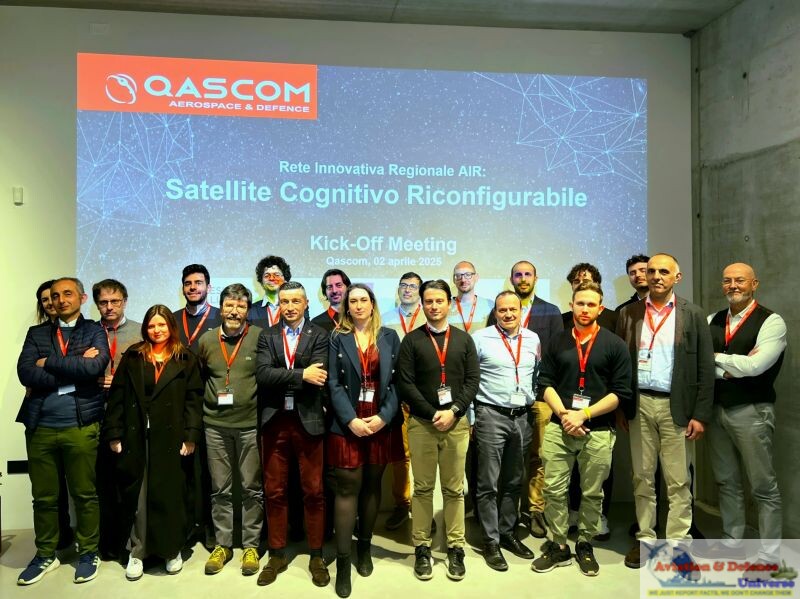
 “In the last three and a half years, we have grown from fewer than 30 people to more than 100. We are adding people as the company continues to expand. We are based near Bassano, a small town about 90 kilometres from Venice. Previously, we worked across several offices in the town centre. We now have a new headquarters that brings us together in one building, but continued growth is already creating a need for more space. We work extensively with space agencies, including European and Italian agencies. We also want to develop our own market through products that draw on this experience, rather than working only on software and development projects for agencies. We carry out some manufacturing internally, while certain parts are produced externally and then integrated by us. We want to develop this capability further so that we can produce more quickly. When a customer orders a simulator today, we need time to deliver it. In the future, we want to industrialise production and create a market for these products, including in India. Our idea is to have a global supply chain, ” Carlo elaborated on the company’s past , present and future.
Qascom’s visit also sits within a growing framework for Indo-Italian aerospace and defence cooperation. The India–Italy Joint Declaration of May 2026 strengthened the bilateral agenda through a Special Strategic Partnership and welcomed a Defence Industrial Roadmap supporting technological cooperation, co-production and co-development. In space, the two governments identified Earth observation, heliophysics, exploration, access to space and protection of space infrastructure as areas for stronger engagement. The declaration also welcomed reciprocal space-industry delegations and encouraged further commercial collaboration. Against this backdrop, visits by specialised companies such as Qascom can help connect high-level commitments with technical discussions between industry partners.
 The opportunity is particularly interesting because meaningful aerospace cooperation need not begin with an entire aircraft or satellite. It can develop through a receiver, a testing facility, an authentication capability or a research project addressing a clearly defined requirement. Such work can give smaller technology companies a consequential role within much larger programmes.
Qascom’s journey from Vicenza to lunar navigation gives its Indian visit a compelling backdrop. Its expertise addresses a question that follows every aircraft, spacecraft and autonomous platform: can it trust the signals guiding its journey? For Indo-Italian cooperation, the next opportunity lies in turning that shared technical challenge into practical partnerships—where precision is tested, resilience is engineered and trust becomes part of the technology.

































































-A4-Size-(2)_page-0001.jpg)