








- “We Train as We Fight”: A. P. Singh’s Call to India’s Air Warriors
- Beyond Aircraft, Above Challenges: Air Chief Defines IAF’s Next Chapter
- Combat Ready, Technology Driven, Nation First: Air Chief’s Hindon Message
By Sangeeta Saxena
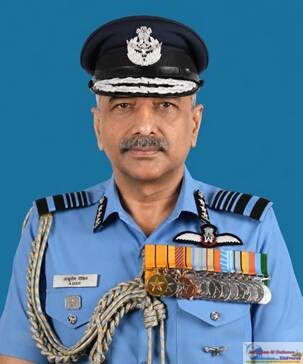
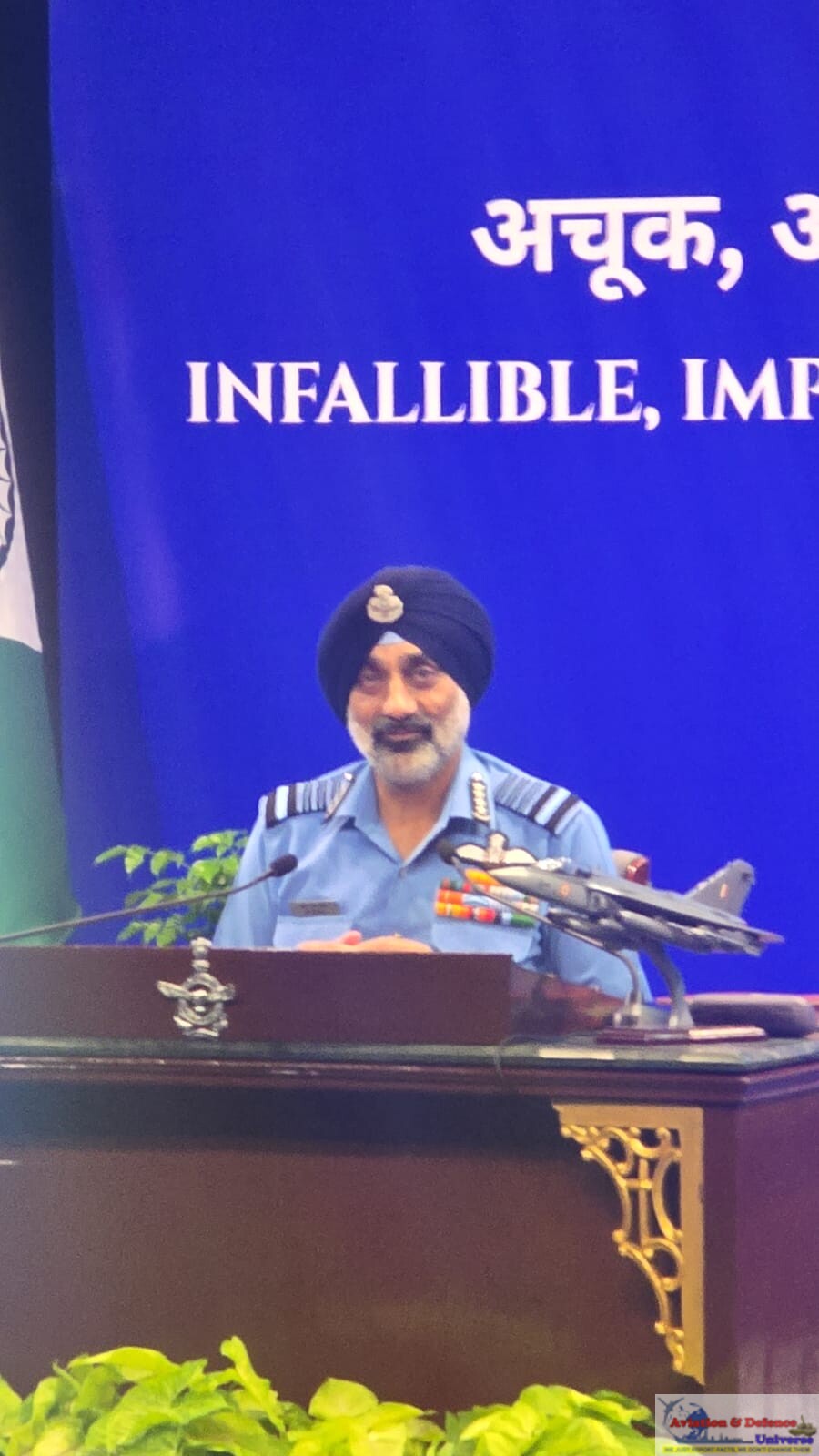
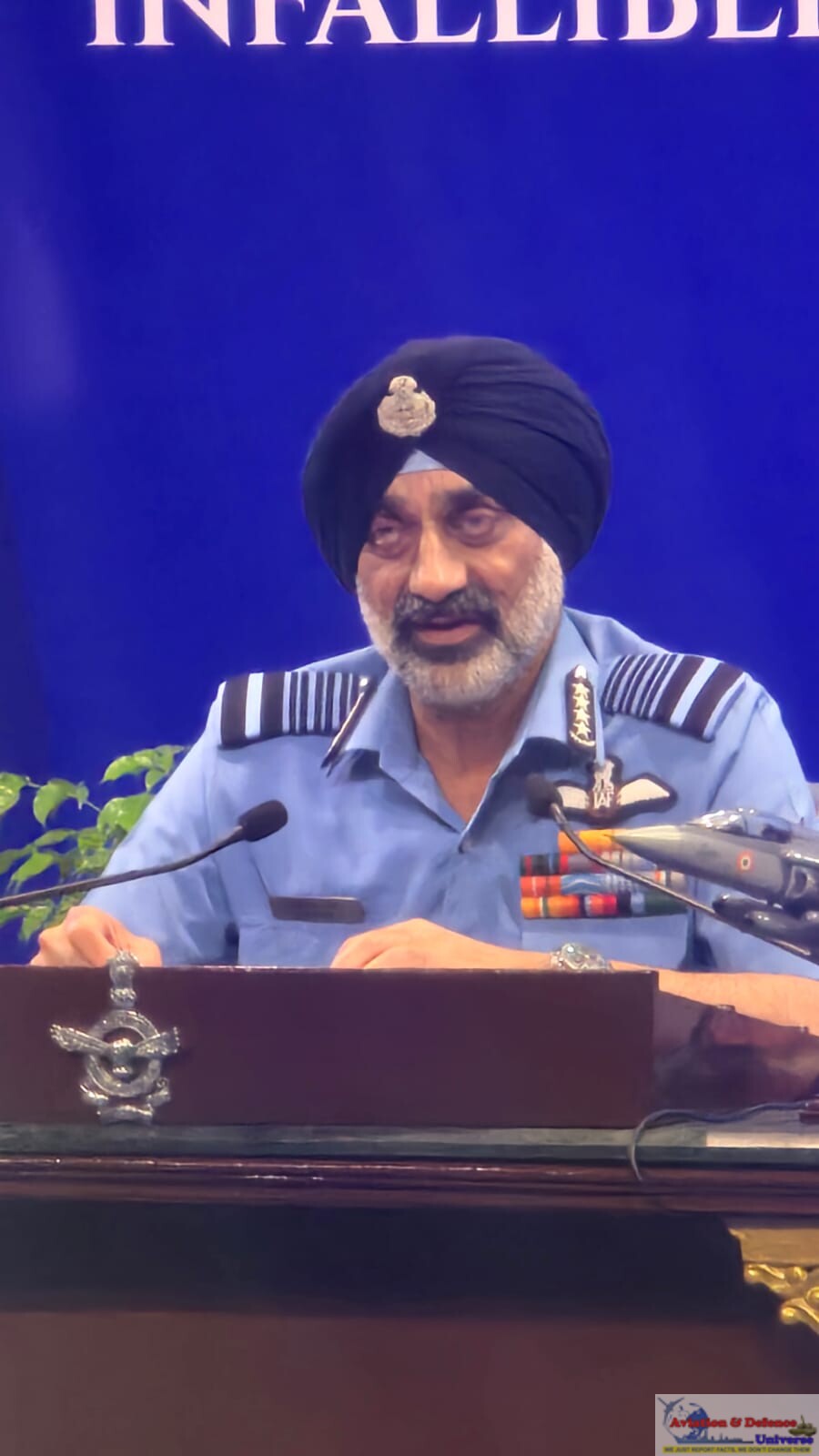
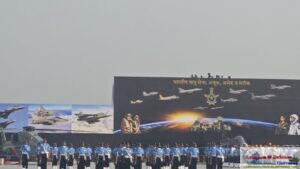
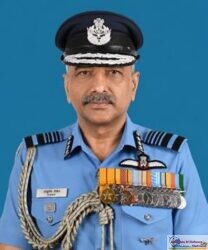
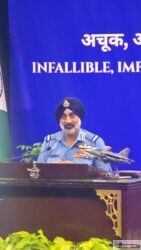
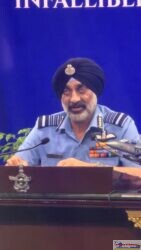
Hindon, Ghaziabad. 08 October 2026. Advanced aircraft may strengthen an air force, but its true power lies in how quickly and confidently it can respond when the nation calls. That was the central message of Chief of the Air Staff Air Chief Marshal A. P. Singh, whose address at the Indian Air Force’s 94th anniversary parade at Hindon combined an emphasis on combat readiness with a vision of technological transformation, indigenous capability and service before self.
The Air Chief placed operational preparedness at the heart of military effectiveness. Possessing sophisticated platforms and systems, he stressed, must be matched by the training, confidence and organisational ability to employ them decisively. His address linked the IAF’s future strength to the professionalism of its people and the readiness they sustain every day.
Looking back on the force’s journey since 1932, he paid tribute to the courage, commitment and sacrifice that had shaped its evolution into a network-centric, multi-domain force. The anniversary, in his telling, was both a celebration of achievement and an occasion to renew the obligations undertaken by every air warrior on entering service.
He urged personnel to remember the generations who had built the institution and those who had laid down their lives for the nation. Honouring that inheritance required the present generation to fulfil its responsibilities with the same resolve.
Against an unsettled geopolitical backdrop, the Chief highlighted the need to remain alert to emerging challenges. Recent conflicts, he said, had reinforced the importance of air power and demonstrated why preparedness must remain a continuous endeavour.
Professional training was fundamental to that readiness. “We train as we fight,” he said, explaining that the skills of aircrew and ground personnel must be developed to a level at which effective action becomes second nature. Exercises provide the environment in which those abilities are sharpened and tested before they are required in operations.
Whether the mission involves defending the nation, delivering disaster relief or undertaking precision operations, preparation must precede execution. He referred to the ongoing multilateral exercise Tarang Shakti as part of the effort to validate combat readiness while integrating new technologies into operational practice.
The address also outlined an IAF increasingly shaped by artificial intelligence, autonomy and digital innovation. The Chief explained that AI could help commanders analyse large volumes of information and make informed decisions. Its value would lie in strengthening human judgement and improving the force’s ability to respond.
He emphasised an approach that retained human authority as autonomous capabilities developed. The objective was a force augmented by technology, with people continuing to exercise responsibility over its use.
Sustained engagement with industry, start-ups and academic institutions would support that transformation. These relationships, he indicated, were important to bringing emerging technologies into service and aligning innovation with operational needs.
Atmanirbharta was presented as a guiding principle of capability development. The Chief’s message connected self-reliance with the adoption of indigenous aerospace and defence systems, alongside the need to absorb new technologies rapidly. The broader ambition was to strengthen the IAF through Indian expertise and a deeper national capacity to develop and sustain military capabilities.
His vision extended beyond the atmosphere. Referring to collaboration with ISRO and domestic space organisations, he highlighted the growing relationship between air power and space. The passage reflected an expanding horizon for air warriors and the importance of national cooperation in developing capabilities beyond traditional aviation.
Alongside combat preparedness, the Chief reaffirmed the IAF’s humanitarian responsibilities. He recognised the efforts of personnel responding to floods, fires and other emergencies, bringing assistance to people whose lives and property were threatened.
That commitment, he noted, extended beyond India’s borders through humanitarian assistance and disaster relief missions. Such operations expressed the country’s wider spirit of service and its willingness to assist communities in distress.
Jointness was another prominent theme. The Chief described joint planning and integrated operations with the Army and Navy as part of the IAF’s daily activity. Exchanges of capabilities and personnel, he explained, strengthened interoperability and helped each service better understand the strengths and responsibilities of the others.
“We all bring unique strengths and capabilities to the table,” he said. Working together enabled the services to pursue military objectives with greater cohesion and effectiveness.
Turning to institutional culture, he encouraged commanders to delegate responsibility and support effective decision-making. His message called for personnel to look beyond individual tenures and personal considerations, keeping the enduring interests of the service and nation foremost.
Every air warrior had a part in maintaining that collective strength. The Chief urged personnel to take pride in their responsibilities and remain determined never to become a weak link in the force’s bond with the nation.
The address carried a warm tribute to veterans, whose dedication and hard work had laid the foundations on which today’s IAF stood. Remembering those who had died in service, he stressed the responsibility of carrying their values forward.
He also thanked citizens for their confidence in the Air Force, describing public support as a source of strength. The IAF, he assured them, would work to fulfil the expectations placed upon it.
His gratitude extended to families and friends whose encouragement enabled air warriors to carry out their demanding responsibilities. “You are the wind beneath our wings,” he said, recognising the support behind each person in uniform.
Concluding his address, the Chief commended the parade participants and its commander for their standards of drill, turnout and bearing. He thanked the organising teams, civil administration, service chiefs, former Air Chiefs, foreign representatives, distinguished guests and media for contributing to the occasion.
At Hindon, A. P. Singh’s message brought the IAF’s many responsibilities into a single frame: prepare rigorously, embrace technology, strengthen self-reliance, operate jointly and put service first. At 94, the force’s strength was measured in more than aircraft—it lay in the readiness of its people, the trust of the nation and their ability to act when that trust demanded it







































































-A4-Size-(2)_page-0001.jpg)