
 Israel and Morocco Deepen Defense Cooperation: Israel MOD Director General Leads Delegation to Morocco to Strengthen Defense Ties




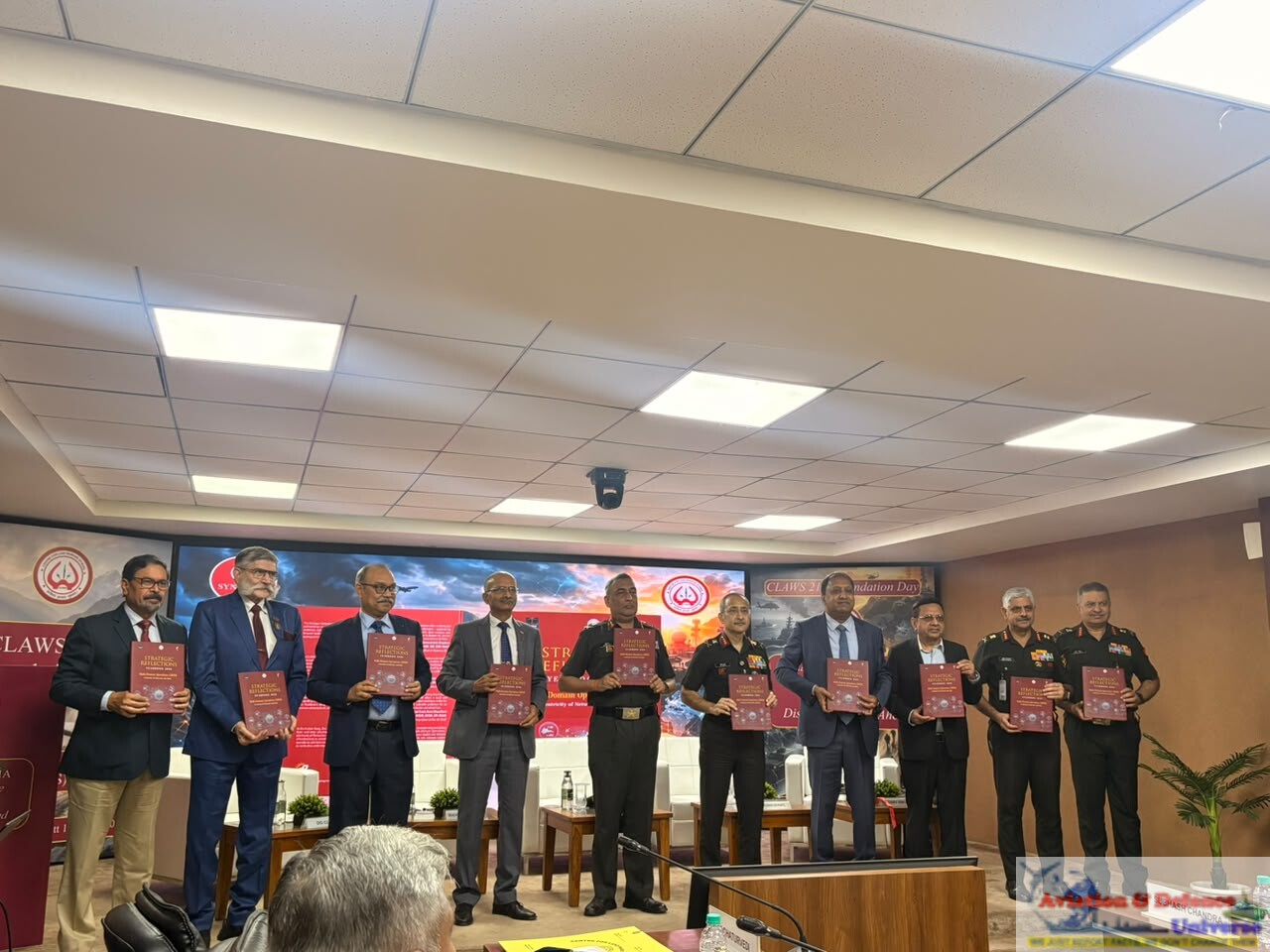
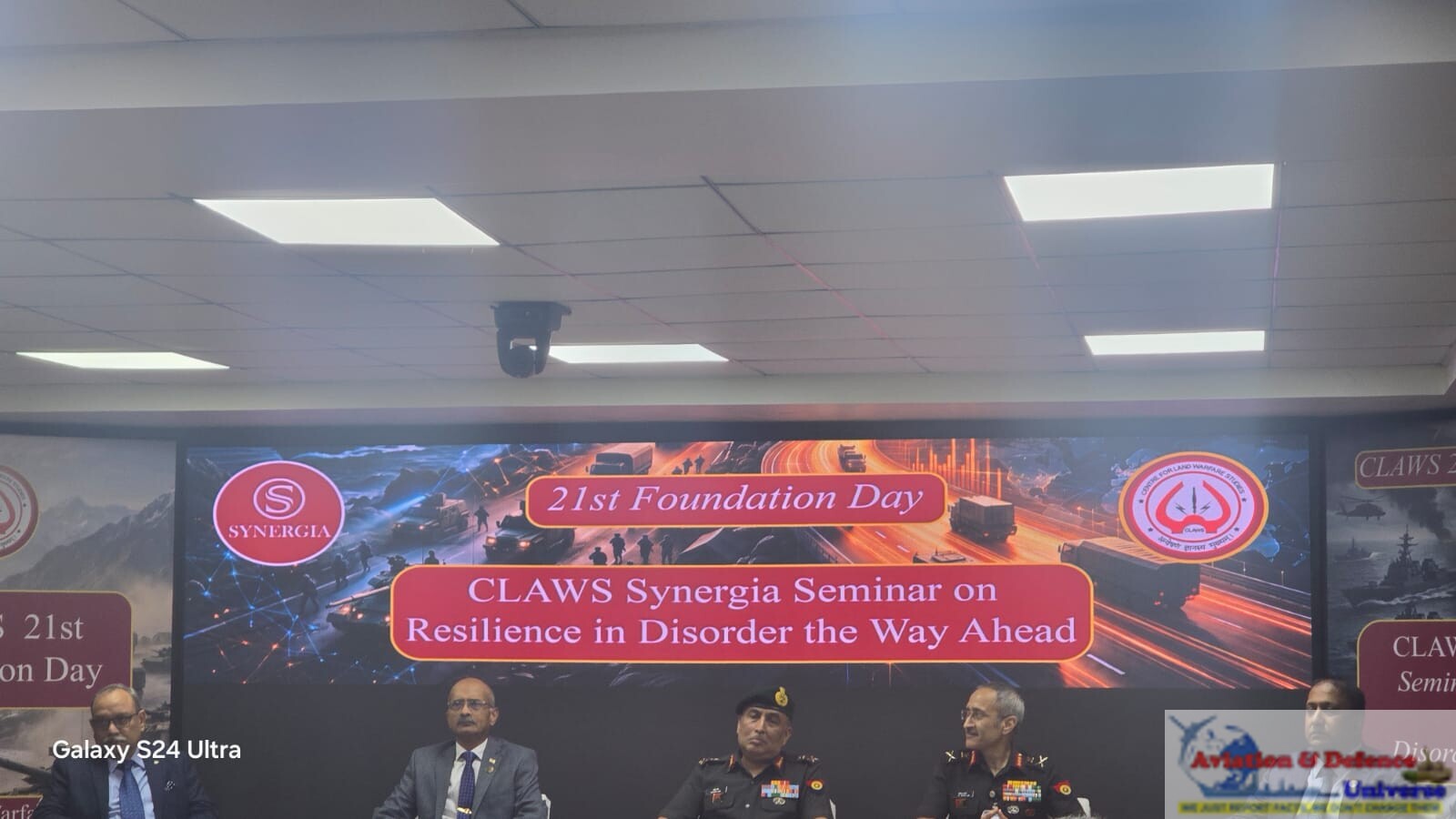
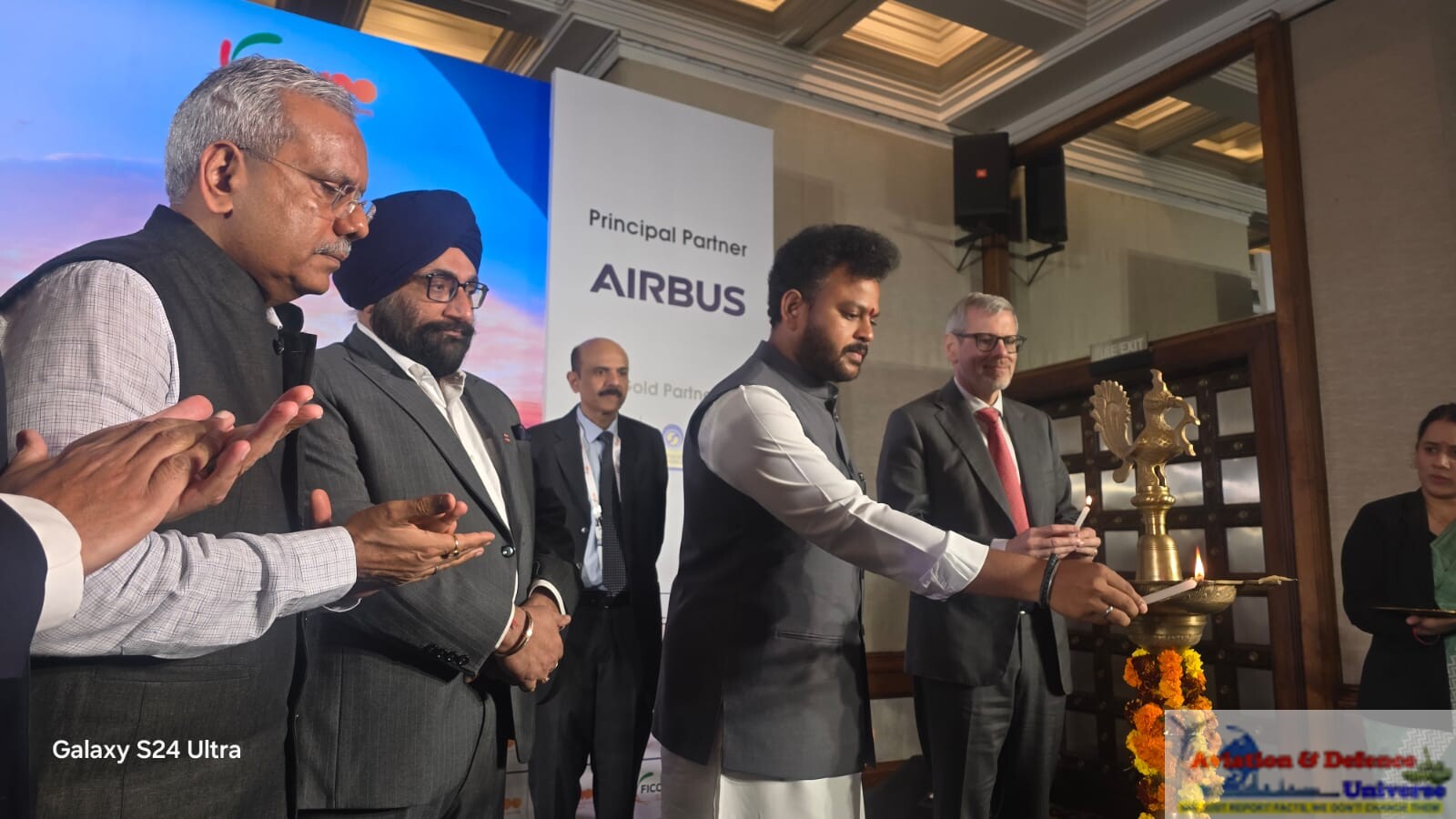
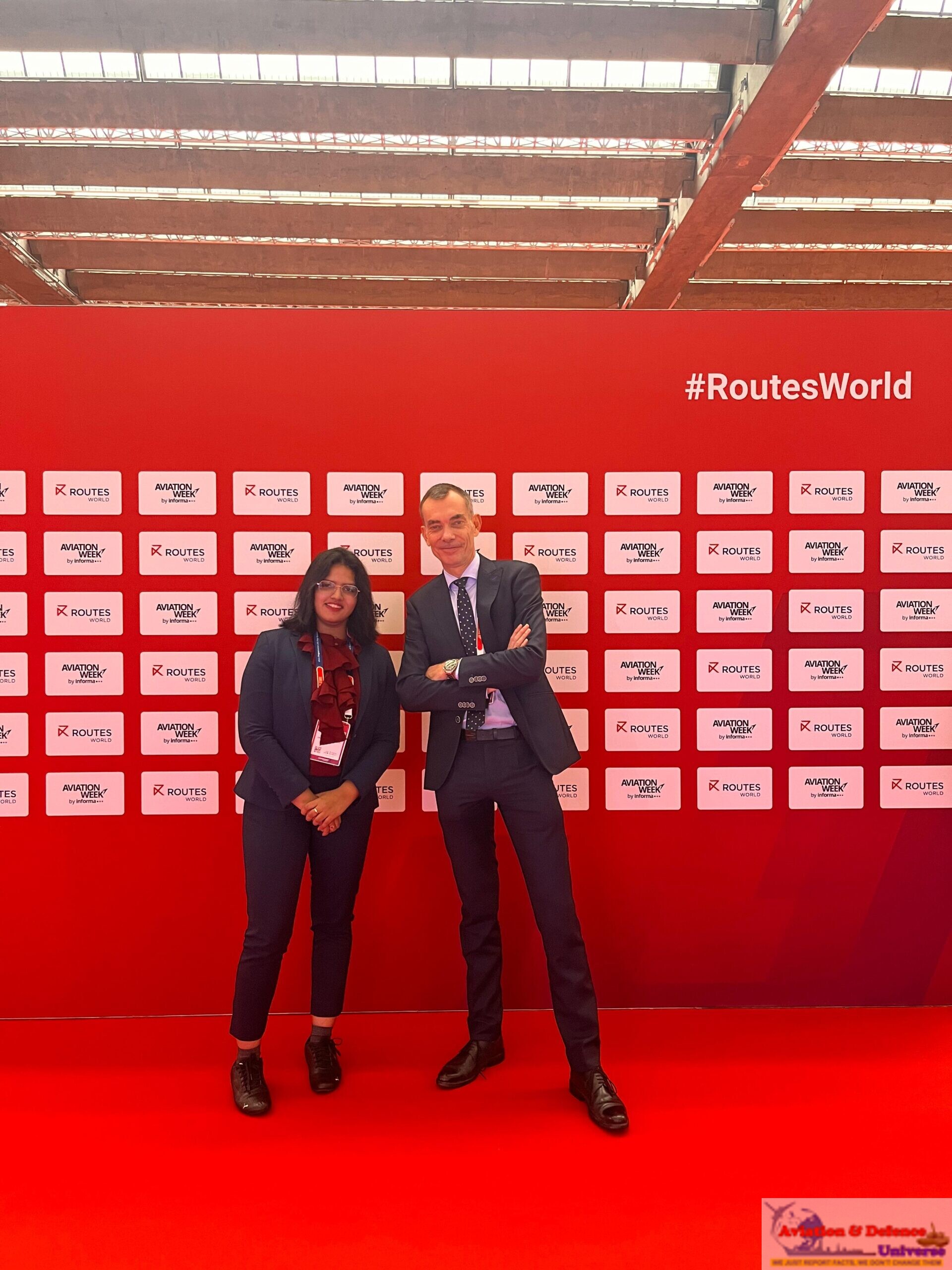
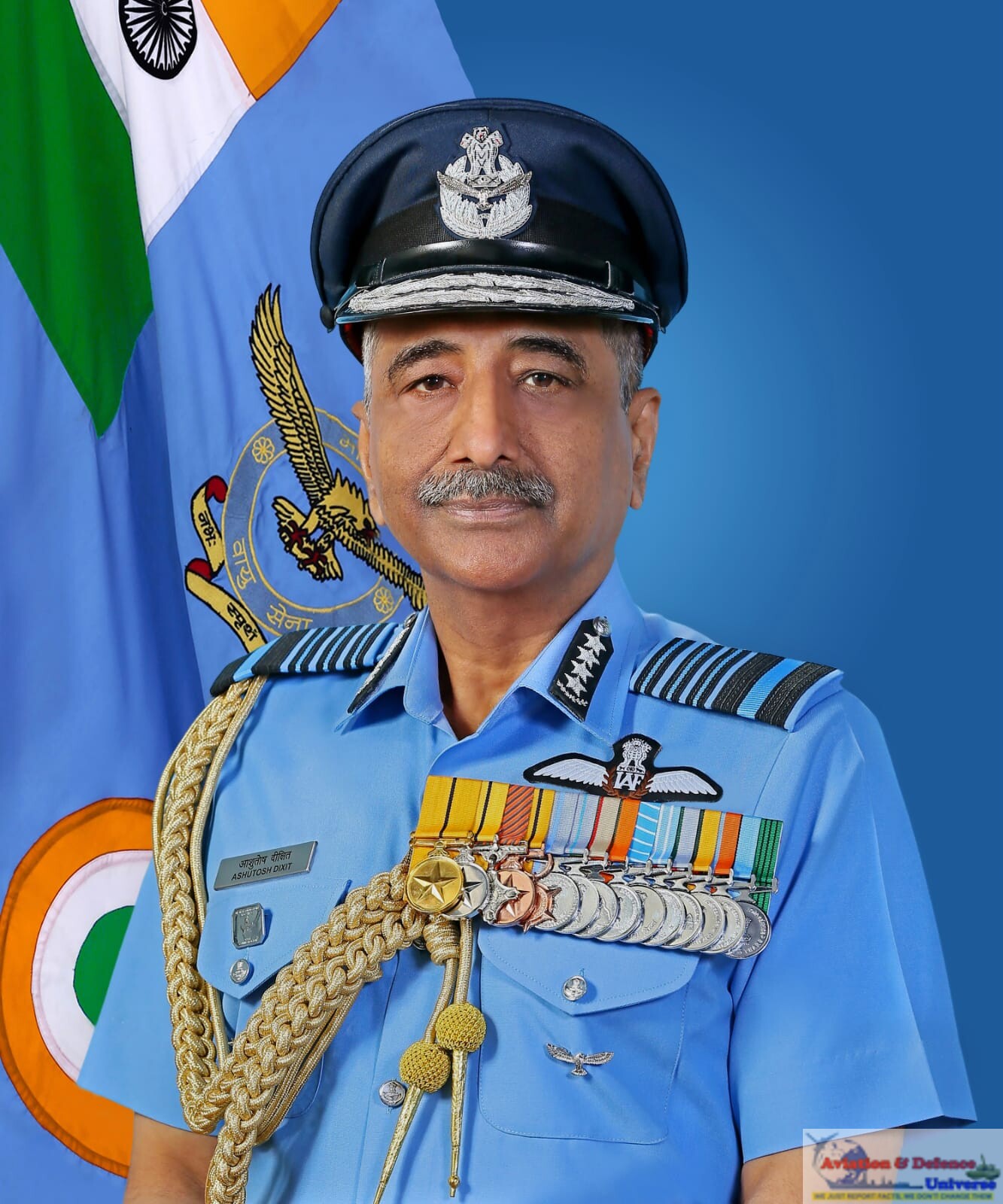
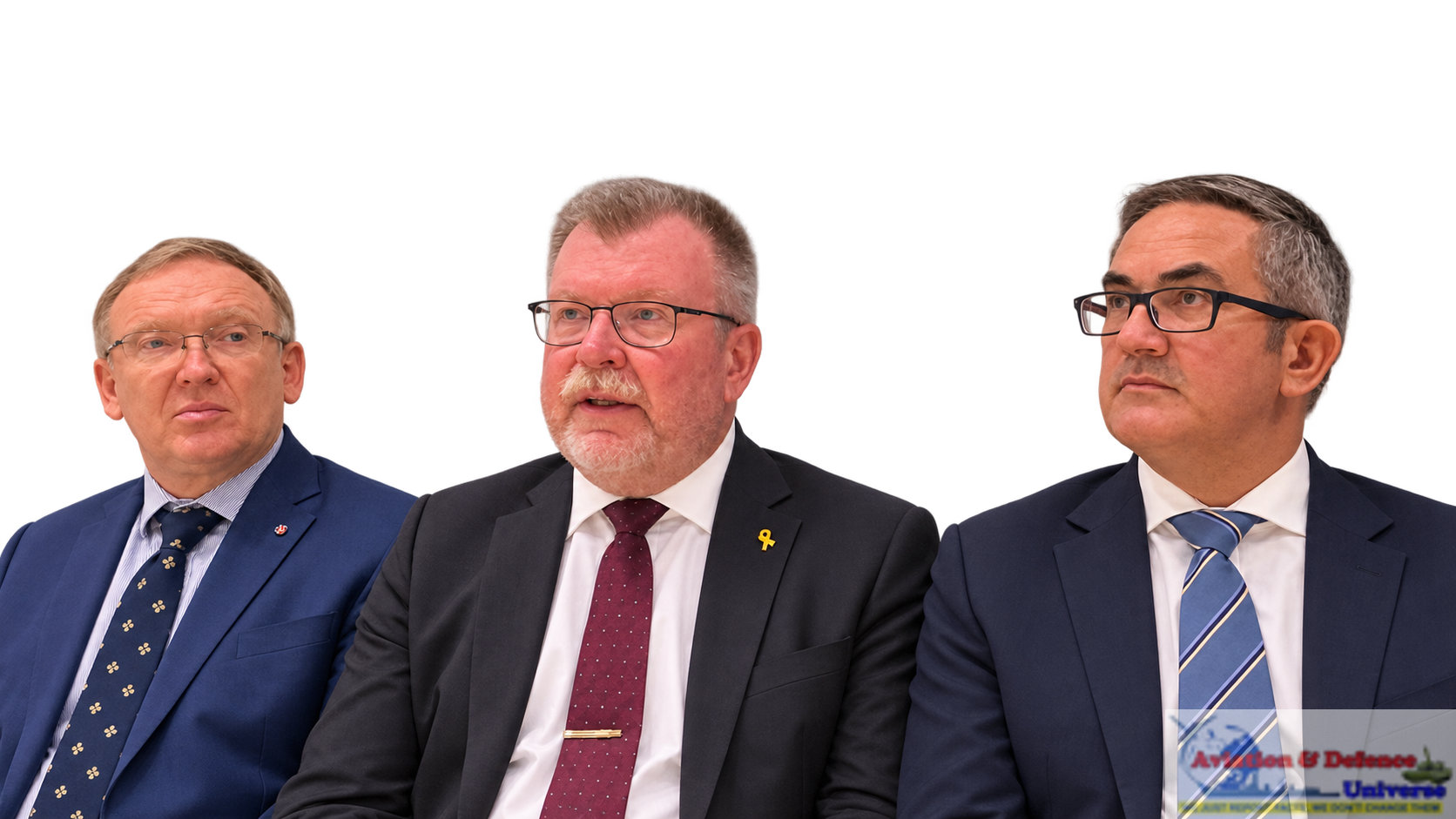






- Defence veterans, diplomats, and strategic experts examine geopolitical uncertainty, economic security, and the need for long-term national resilience.
- Synergia Foundation and Centre for Land Warfare Studies (CLAWS) examine India’s strategic resilience amid geopolitical uncertainty and changing global power equations.
- Experts discuss the future of national security, economic competitiveness, and India’s strategic choices in an increasingly fragmented world.
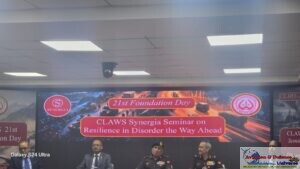
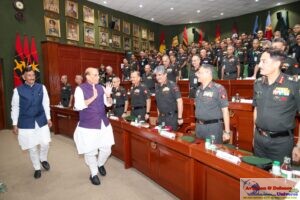
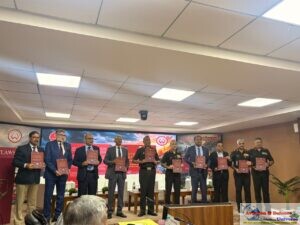 New Delhi, November 18, 2026: The Centre for Land Warfare Studies (CLAWS) and Synergia Foundation jointly organised a high-level roundtable on “Resilience in Disorder: The Way Ahead” in New Delhi, bringing together senior defence veterans, diplomats and strategic affairs experts to examine India’s preparedness for an increasingly uncertain global security and economic environment.
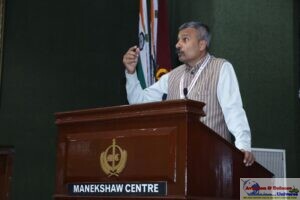
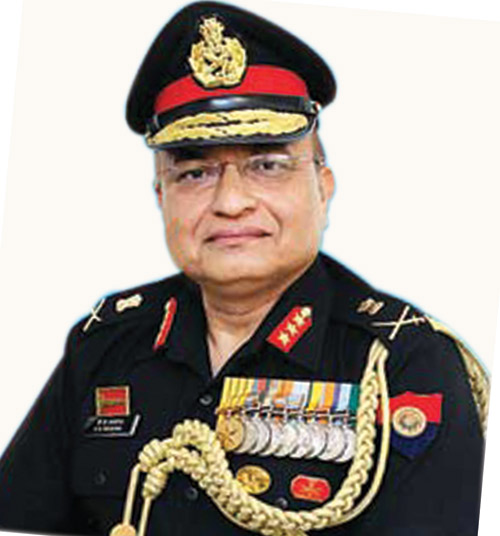
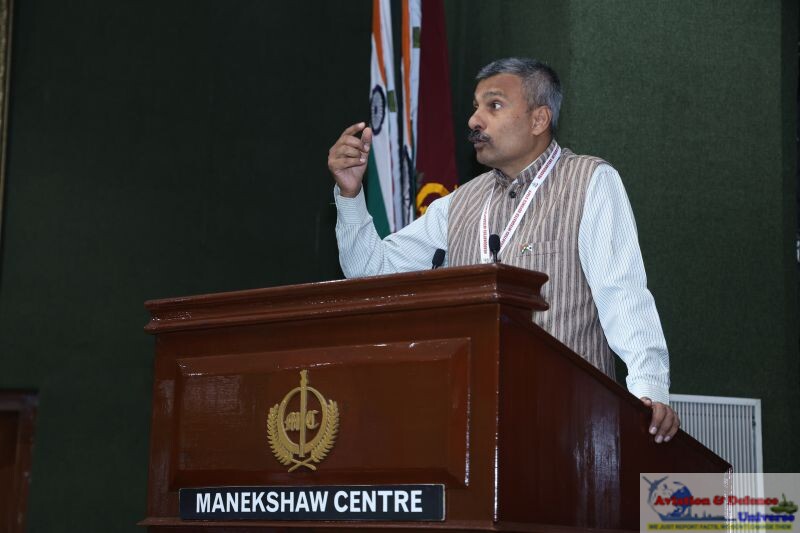
The roundtable featured two thematic sessions, “Living with Disorder: Resilience for a World That Won’t Reorder” and “World Beyond the Current Flux: Way Ahead,” focusing on geopolitical competition, emerging security challenges, technological disruption, and the need for long-term strategic resilience. The keynote address was delivered by Lt Gen Sandeep Jain, AVSM, SM, Vice Chief of the Army Staff (VCOAS).
The second session, chaired by Subhash Chandra, IAS, former Secretary, Department of Defence Production, featured Ambassador Ranjan Mathai (Retd), former Foreign Secretary; Lt Gen Suchindra Kumar (Retd), former Vice Chief of the Army Staff and Army Commander; Tobby Simon, Founder and President, Synergia Foundation; and Roshini Raj, Senior Research Associate, Synergia Foundation.
Addressing the discussion, Tobby Simon emphasised that India must distinguish between temporary geopolitical opportunities and lasting national capabilities, particularly as countries invest heavily in semiconductors, critical minerals, technology, and alternative supply chains.
“India should sell dependable capability and buy selective freedom of action,” Simon said, stressing the need to invest in technologies, industrial strengths and strategic partnerships that remain valuable even when global tensions ease. He highlighted the importance of protecting critical capabilities, strengthening domestic expertise, and ensuring that strategic investments deliver long-term economic competitiveness and national security benefits.
Expanding on the economic implications of geopolitical disruption, Roshini Raj, Senior Research Associate, Synergia Foundation, cautioned that measures designed to reduce external dependence could create new vulnerabilities if they result in excess capacity, prolonged subsidies or investments that cannot compete commercially.
“What if the next instability comes from our solutions to this one?” Raj asked, highlighting how individual countries’ efforts to secure strategic industries could collectively create fresh economic pressures. She noted that geopolitical disruptions can generate investment opportunities and new supply chains, but countries must distinguish between genuine competitive strengths and advantages arising from temporary global tensions.
“The real test of India’s strategic investments is whether they remain valuable through confrontation, competition and accommodation,” Raj observed.
The panel discussion, which also featured Ambassador Ranjan Mathai and Lt Gen Suchindra Kumar, examined the wider implications of global uncertainty for India’s strategic choices, national security, and economic resilience. The roundtable underscored the importance of building capabilities that strengthen India’s freedom of action, reduce critical vulnerabilities, and remain sustainable beyond immediate geopolitical disruptions.
The discussions concluded with a focus on the need for long-term strategic planning, stronger institutional preparedness and greater alignment between India’s security priorities and economic competitiveness.