














 By Ashish Kansal (Chair, land systems committee, SIDM)
New Delhi. 04 October 2026. India’s defence preparedness is entering a phase in which the question is no longer whether we can build indigenous capability, but whether we can build it at the scale, speed and technological depth required to remain operationally ready.
Few areas demonstrate this challenge as clearly as aerospace and air power. Modern military operations demand a combination of combat aircraft, helicopters, unmanned systems, sensors, electronic warfare capabilities, precision weapons and sustainment infrastructure. The requirement is not simply for more platforms; it is for an integrated ecosystem capable of delivering availability, reliability and readiness over decades. This makes the gap between requirement and readiness an important national security issue.
India has made significant progress in strengthening its domestic defence manufacturing base. Defence production reached a record ₹1.51 lakh crore in FY 2024–25, reflecting the growing contribution of Indian industry. The ecosystem today includes large public and private companies, MSMEs, start-ups, research institutions and technology partners. Yet the next phase requires us to move from an approach centred largely on procurement to one centred on capability creation.
An aircraft or helicopter is only one element of an operational capability. Its effectiveness depends on engines, avionics, sensors, weapons, communications, electronic warfare systems, materials, components, maintenance and a dependable supply chain. This is where the Indian MSME ecosystem can make a transformative contribution.
India has thousands of MSMEs engaged in defence and aerospace manufacturing. Their strengths often lie in precisely those areas that determine the resilience of a larger platform ecosystem: specialised materials, electronics, precision engineering, composites, software, sensors, components, protection systems, maintenance solutions and niche technologies. The opportunity is therefore to integrate MSMEs much earlier into the capability-development cycle.
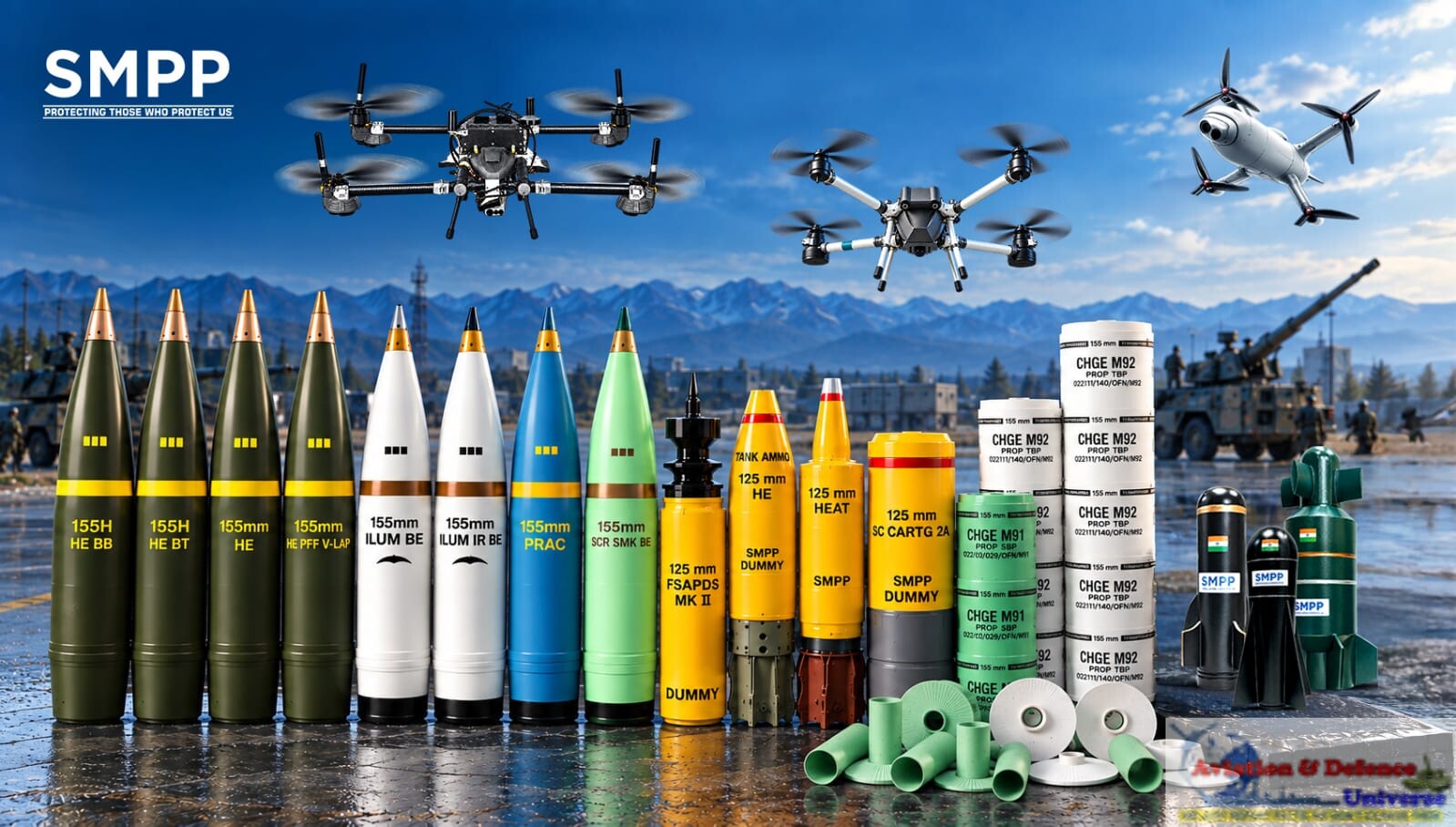 Instead of asking an MSME to manufacture a component after a platform has already been designed and contracted, we should increasingly ask: What can Indian industry design, develop and manufacture as part of the solution from the outset? That requires a shift from a vendor mindset to a partnership mindset.
Defence manufacturing operates under very different timelines from conventional commercial manufacturing. However, long development and procurement cycles can create a disconnect between an operational requirement and the availability of the resulting capability.
Technology is changing faster than traditional acquisition cycles. The emergence of autonomous systems, AI-enabled decision-making, advanced sensors, electronic warfare and precision effects is altering the character of warfare. India therefore needs mechanisms that allow proven technologies to move more rapidly from laboratories and industrial facilities to the user.
MSMEs can be particularly effective here because they tend to have shorter decision cycles, specialised engineering capabilities and the flexibility to pursue niche technologies. But speed cannot come at the expense of quality or reliability. The objective must be faster certification, faster acquisition and faster scaling-without compromising standards.
The ongoing evolution of mechanisms such as Make, iDEX and the Technology Development Fund is important in this context. Equally important is creating predictable pathways from successful development to procurement and production.
Building the supply chain behind the platform
The experience of global aerospace manufacturing demonstrates that no modern platform is built by a single company. India must therefore develop deeper domestic supply chains around its major aerospace programmes. This means giving Indian MSMEs visibility of future requirements, technical specifications and qualification pathways sufficiently early for them to invest.
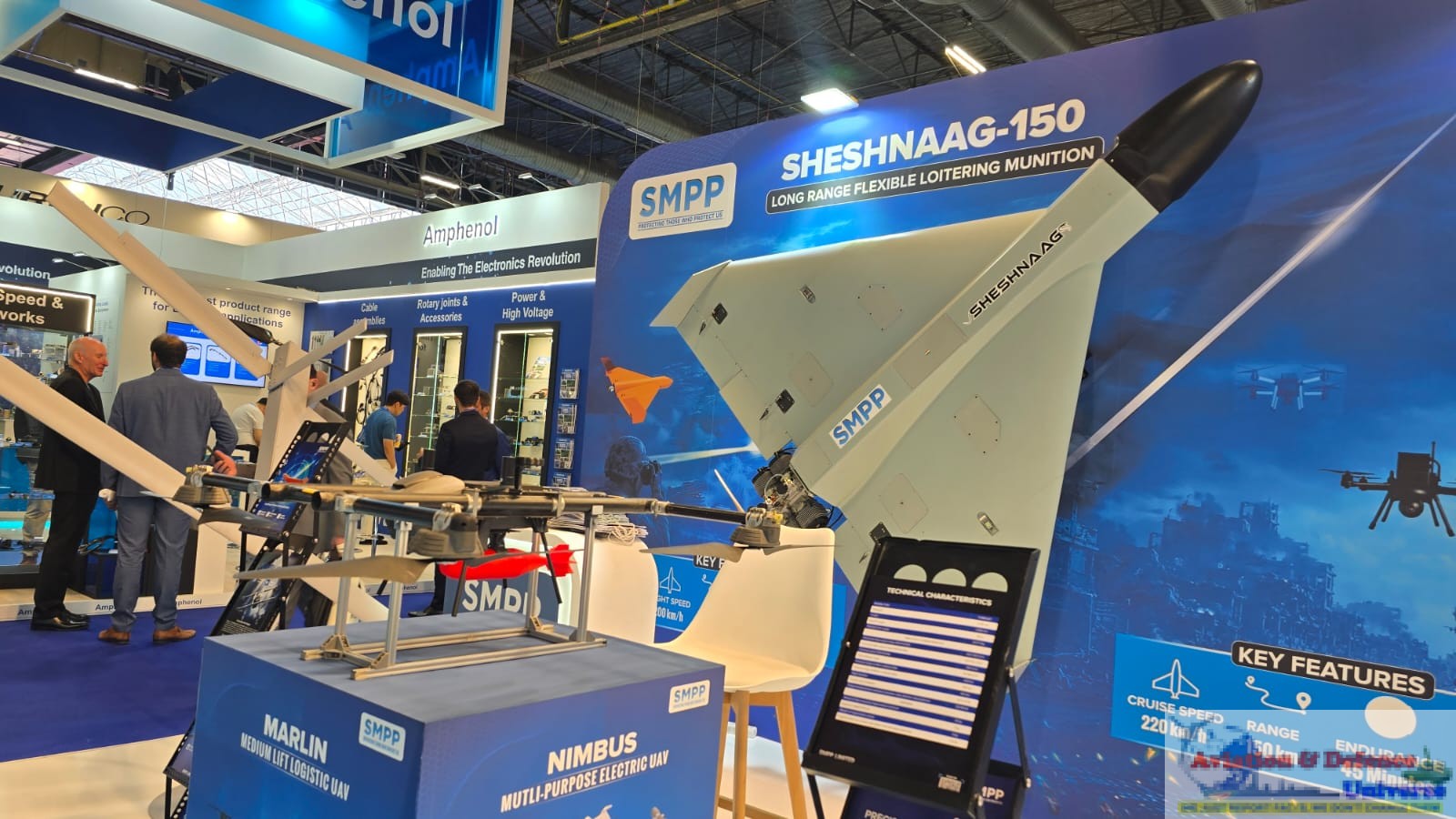 Long-term visibility matters because aerospace manufacturing requires capital-intensive investments in specialised machinery, testing infrastructure, quality systems and skilled manpower. An MSME cannot build these capabilities if demand remains uncertain or arrives only after the prime contract has been awarded.
The answer lies in creating stronger linkages between the Armed Forces, government, system integrators, DPSUs, private companies, MSMEs, start-ups and academia. Industry associations can play an important enabling role here. SIDM’s work in facilitating direct interaction between the Services, government and industry, as well as mapping Indian manufacturing capabilities to emerging requirements, is one example of how these linkages can be strengthened.
The larger ambition should be to enable Indian MSMEs to move up the value chain. Being an Indian supplier is important. Becoming an Indian technology partner is transformational. That requires greater investment in R&D, access to testing and certification infrastructure, intellectual-property protection, technology partnerships and patient capital. It also requires large system integrators to involve MSMEs in technology development rather than limiting their participation to lower tiers of the supply chain.
The government’s increasing emphasis on industry-led R&D is encouraging. The earmarking of a portion of the defence R&D budget for industry, start-ups, MSMEs and academia can help create the foundation for this transition. But the ultimate measure of success should not be the number of prototypes developed. It should be the number of technologies that successfully transition into operational service and are subsequently produced at scale.
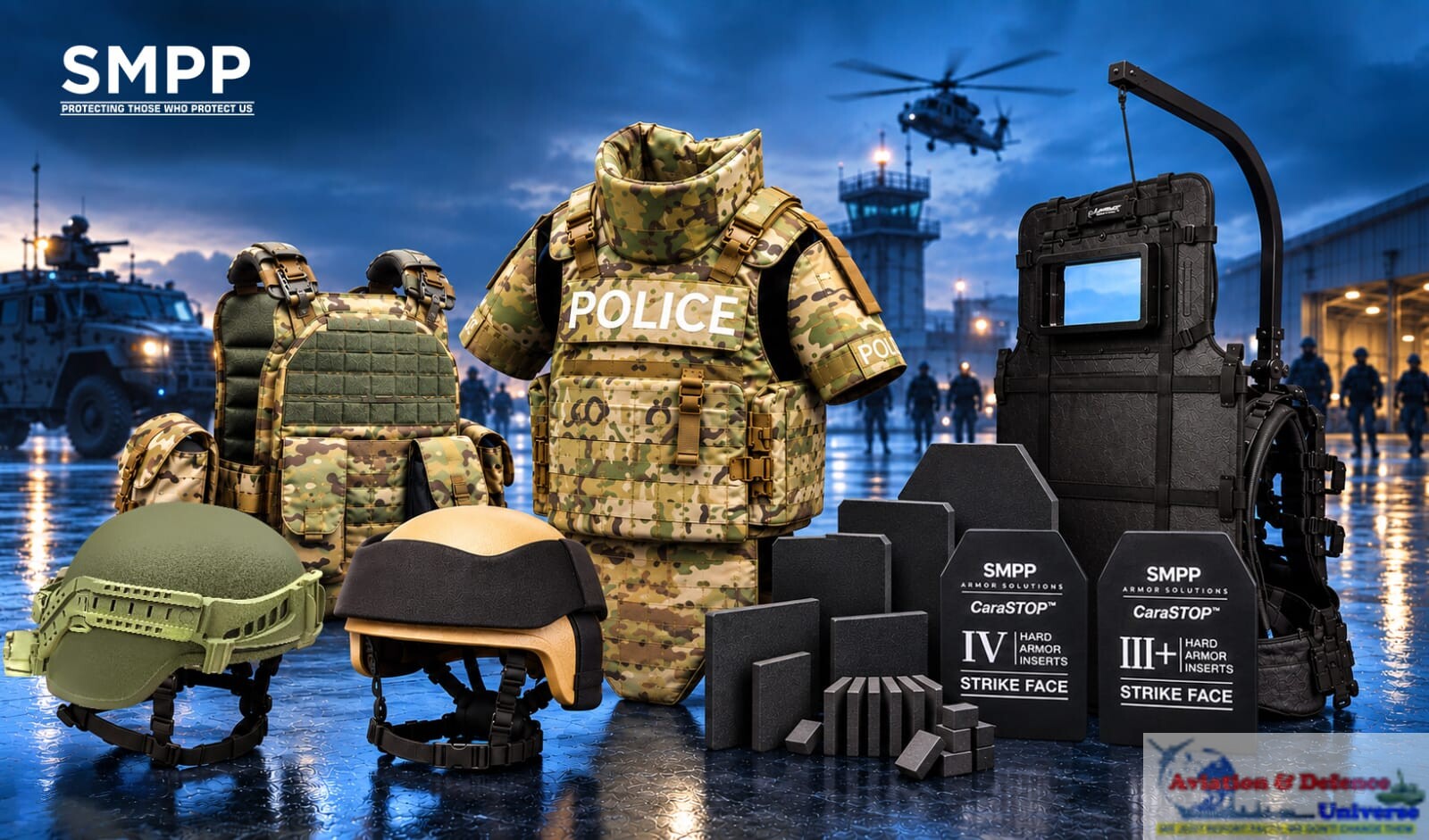 There is another dimension that deserves greater attention: availability. For the Armed Forces, capability is not determined simply by how many platforms have been inducted. It is determined by how many are available when required. India therefore needs to build domestic capability across the entire lifecycle—maintenance, repair and overhaul, spares, upgrades, component replacement, testing and mid-life modernisation.
The same MSMEs that contribute to new platform development can become critical partners in sustaining these systems. This is particularly relevant as platforms become more sophisticated and their operating lives extend over several decades. A resilient domestic sustainment ecosystem reduces dependence on distant supply chains and improves the Armed Forces’ ability to respond to contingencies.
The ultimate objective of Atmanirbhar Bharat should not be isolation from global supply chains. It should be the creation of an Indian defence industry that is capable of designing, manufacturing and exporting globally competitive products. India is already moving in this direction. Defence exports have expanded significantly, and Indian companies are increasingly participating in international supply chains. SIDM notes that India’s defence exports now reach more than 85 countries.
The next opportunity is to make Indian MSMEs an integral part of this export story. A globally competitive aerospace and defence MSME ecosystem can create economies of scale, improve technology absorption, generate skilled employment and make domestic programmes more sustainable. Bridging India’s air asset gap will ultimately require more than acquiring additional platforms. It will require an ecosystem capable of converting requirements into technology, technology into production and production into sustained operational readiness.
 The Indian MSME sector has the engineering capability, entrepreneurial energy and willingness to invest. What it needs is deeper integration into the national capability-development architecture. We must therefore move towards a model where requirements are communicated earlier, industry participates in design and development, qualification processes are predictable, financing supports capacity creation, and successful technologies have a clear path to production and induction. If we can achieve this, the conversation will gradually change-from how quickly India can acquire the capabilities it needs to how quickly India can create, scale and sustain those capabilities itself. That is the real promise of Atmanirbhar Bharat in defence: not simply replacing imports, but building an industrial ecosystem capable of delivering requirement to readiness-and readiness to resilience.















































































-A4-Size-(2)_page-0001.jpg)