

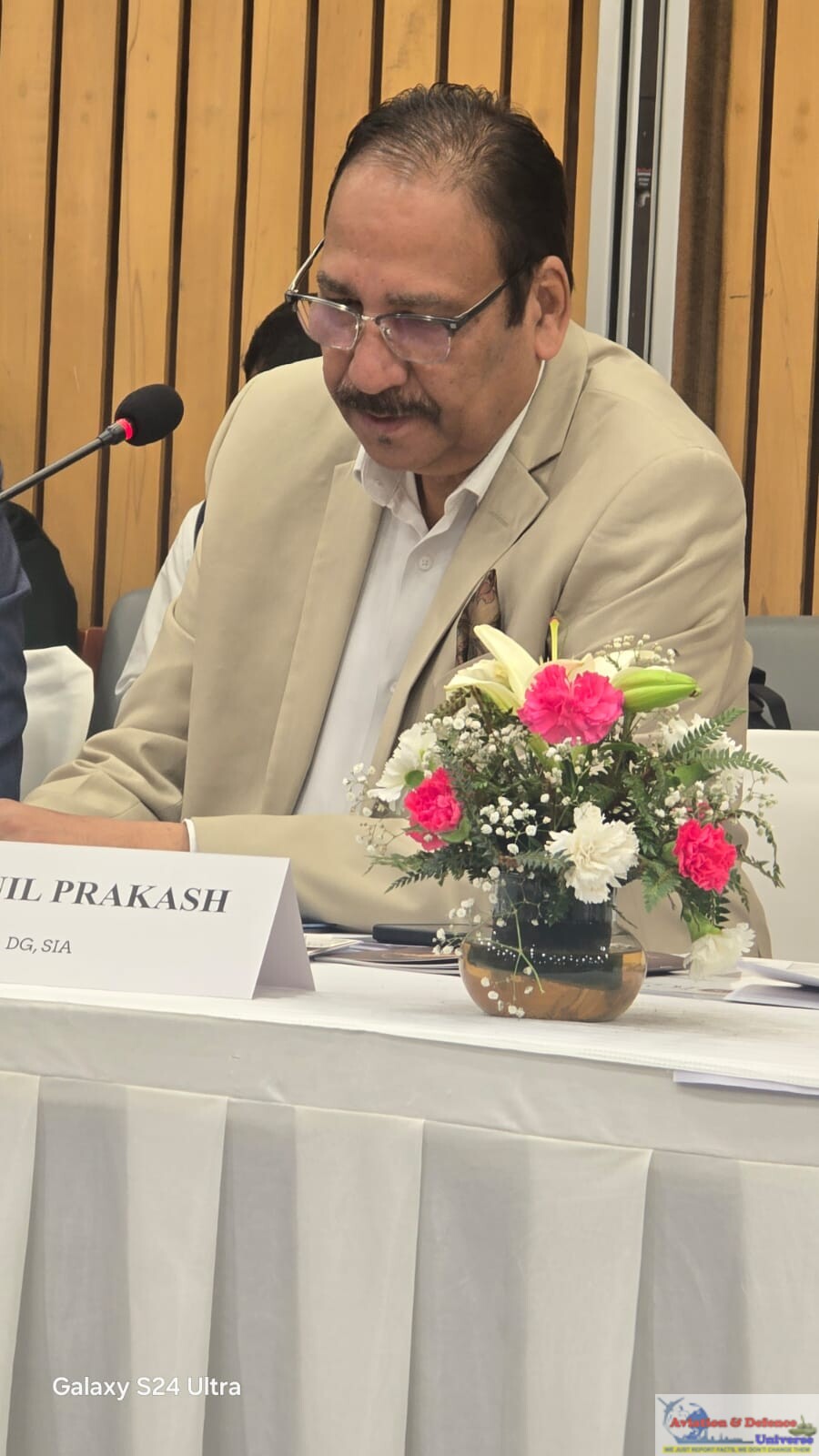
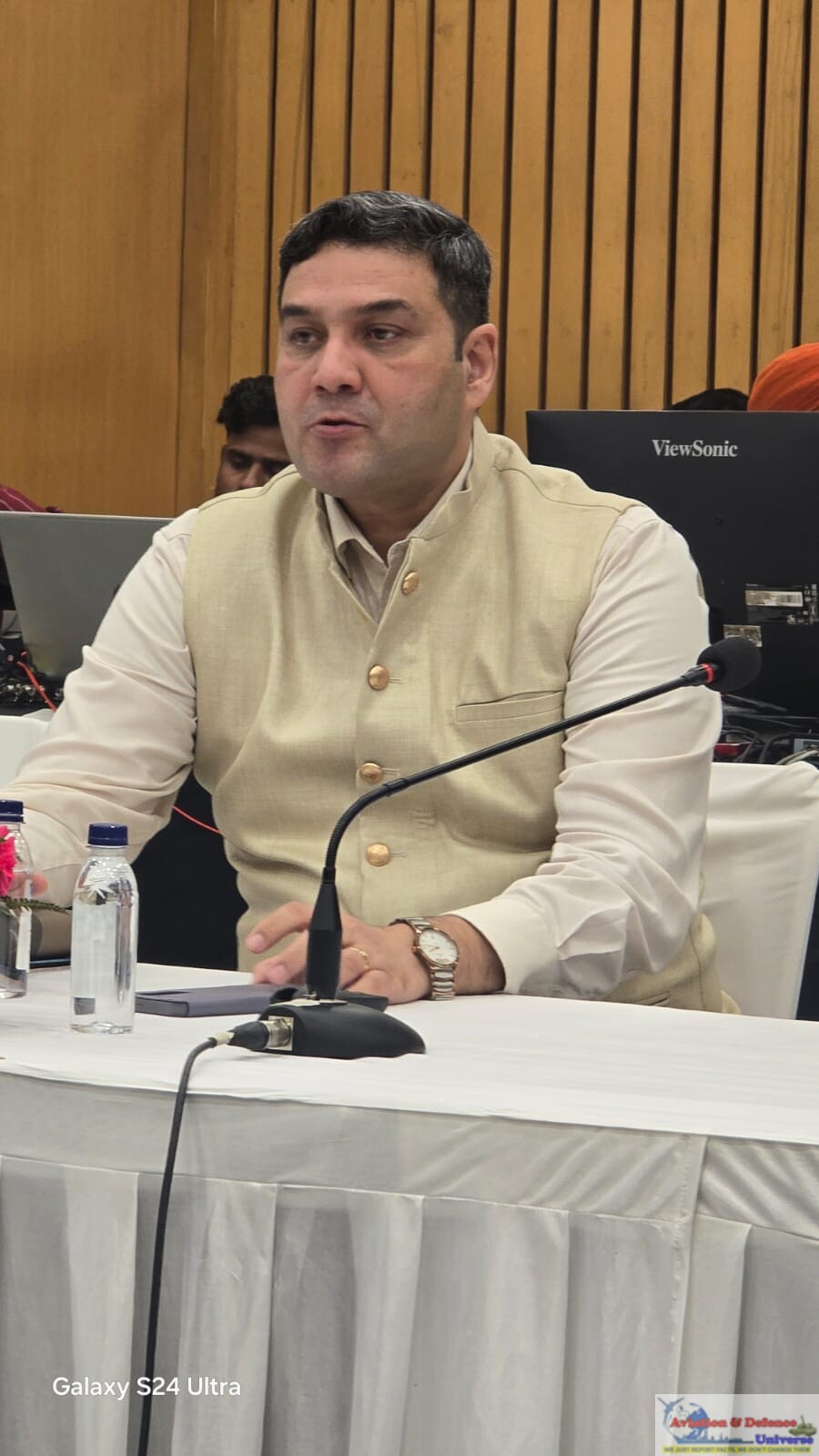
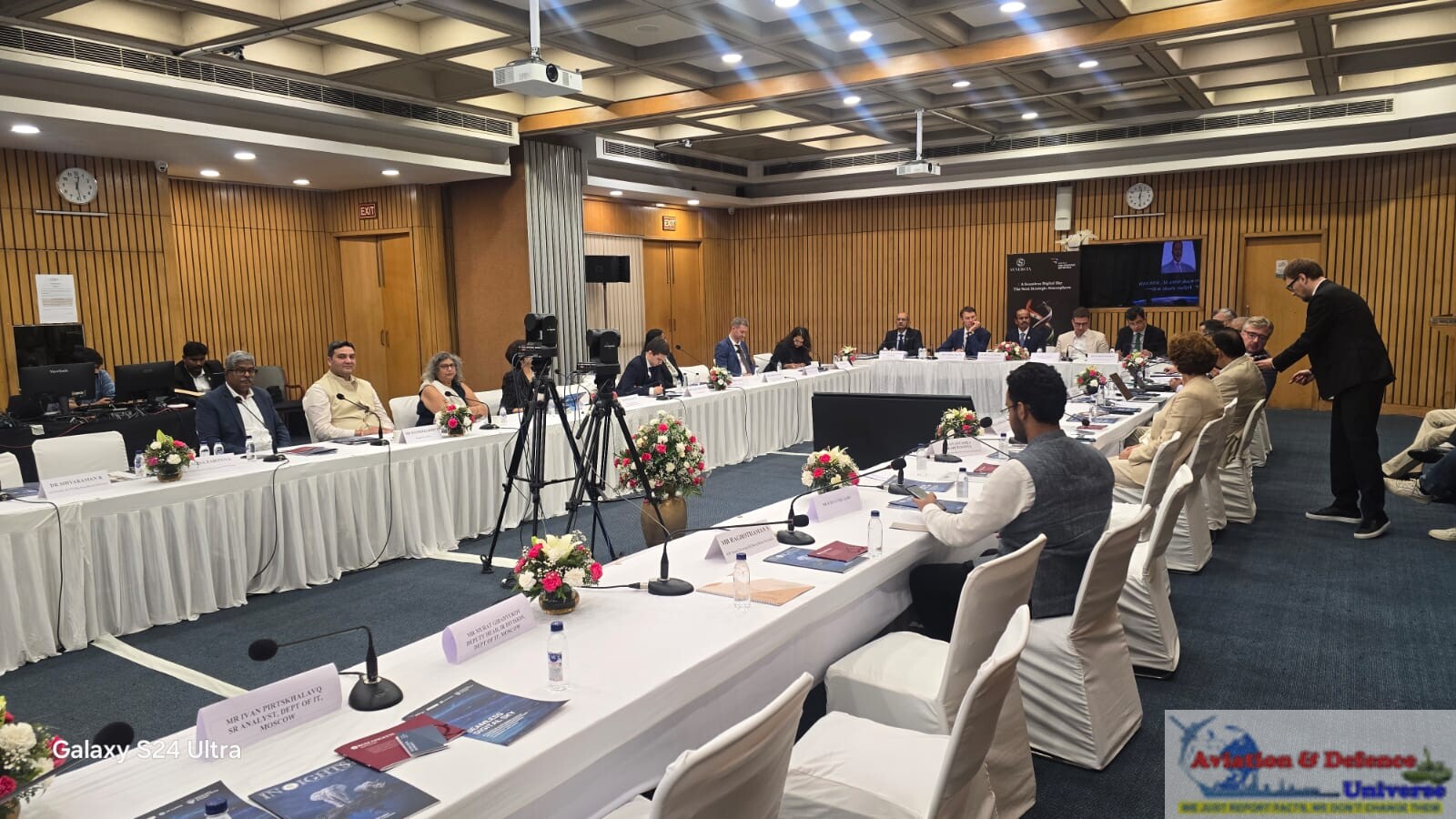
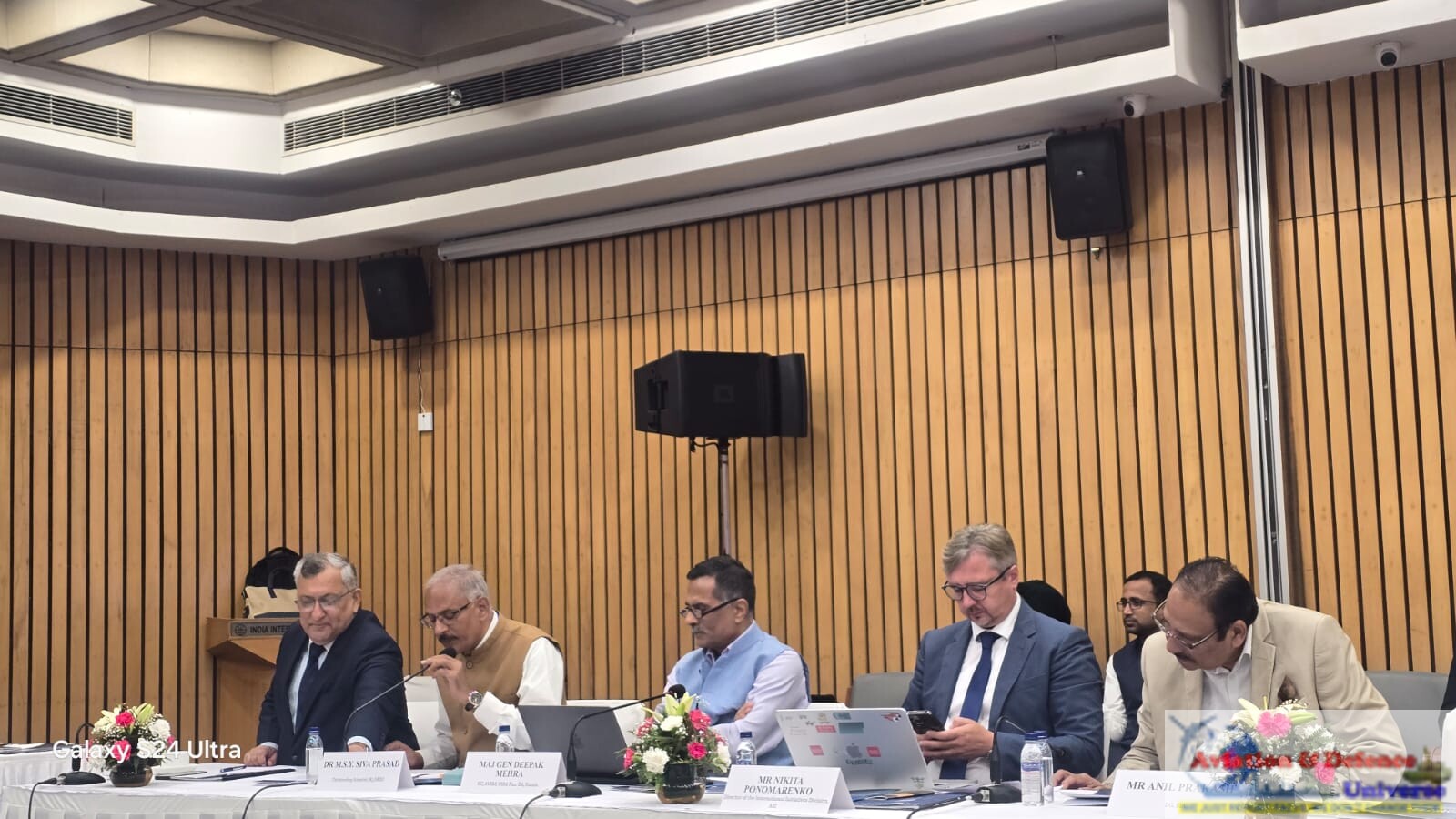











- Cleaner Skies, Concrete Action: Conclave Sets the Agenda
- India, Iceland and Oman Explore Pathways to Cleaner Aviation
- The Next Flight Forward: Connecting Policy, Finance and Sustainable Fuel
By Sangeeta Saxena
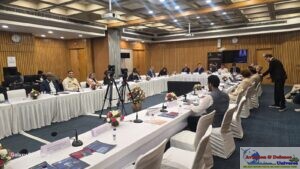
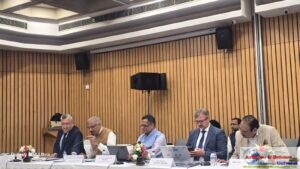
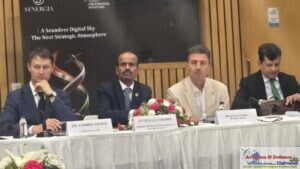
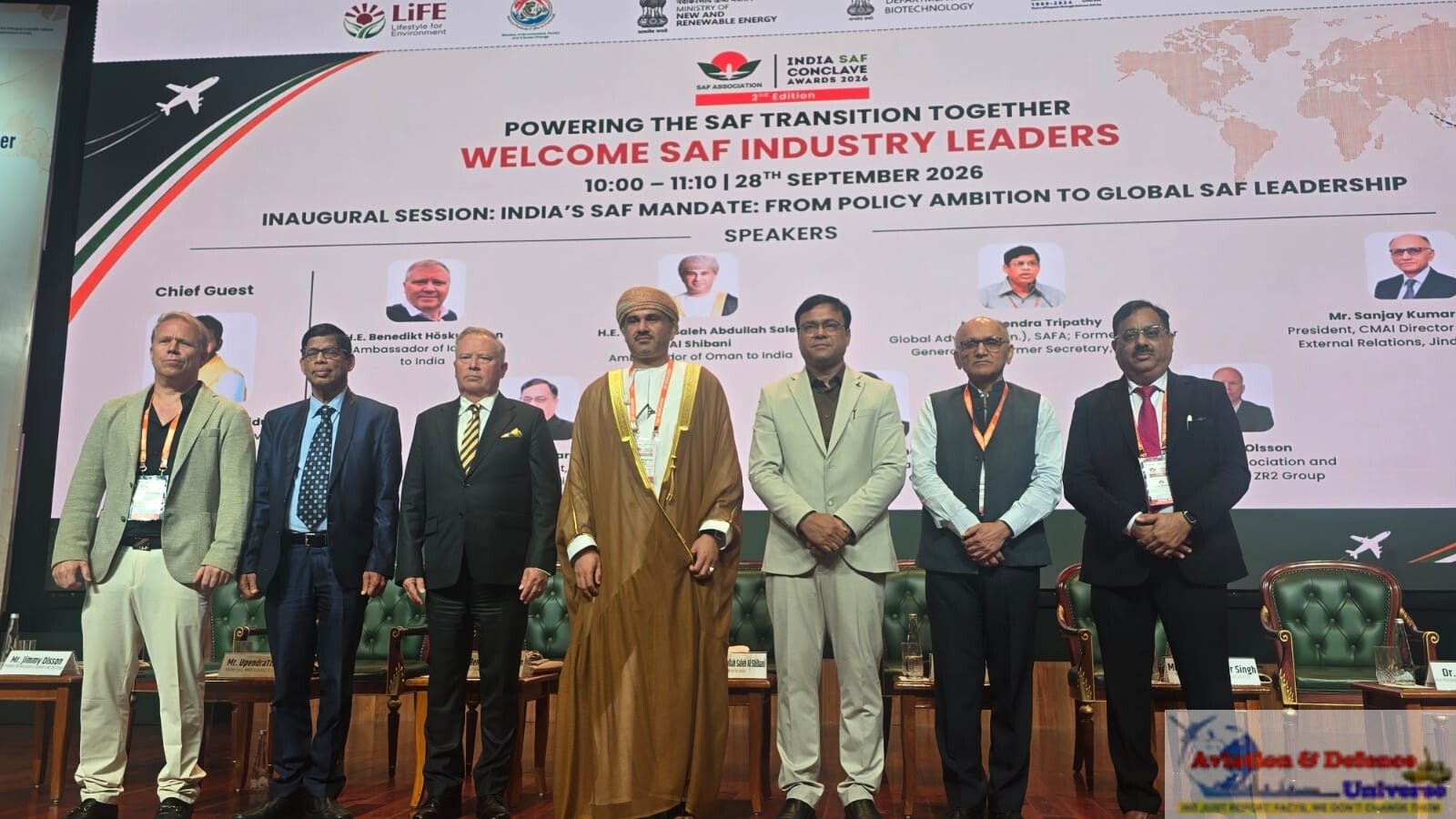
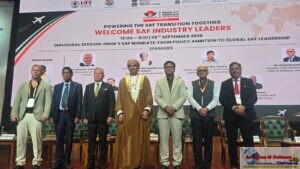
New Delhi. 28 September 2026. India’s journey to cleaner skies begins on the ground—with the energy, investment and partnerships that can make sustainable aviation fuel a commercial reality. At the India SAF Conclave 2026, organised by the SAF Association at Bharat Mandapam, speakers connected aviation’s future with green hydrogen, carbon capture, climate justice and credible carbon markets. Their message was clear: policy ambition must now translate into dependable fuel supplies and viable projects.
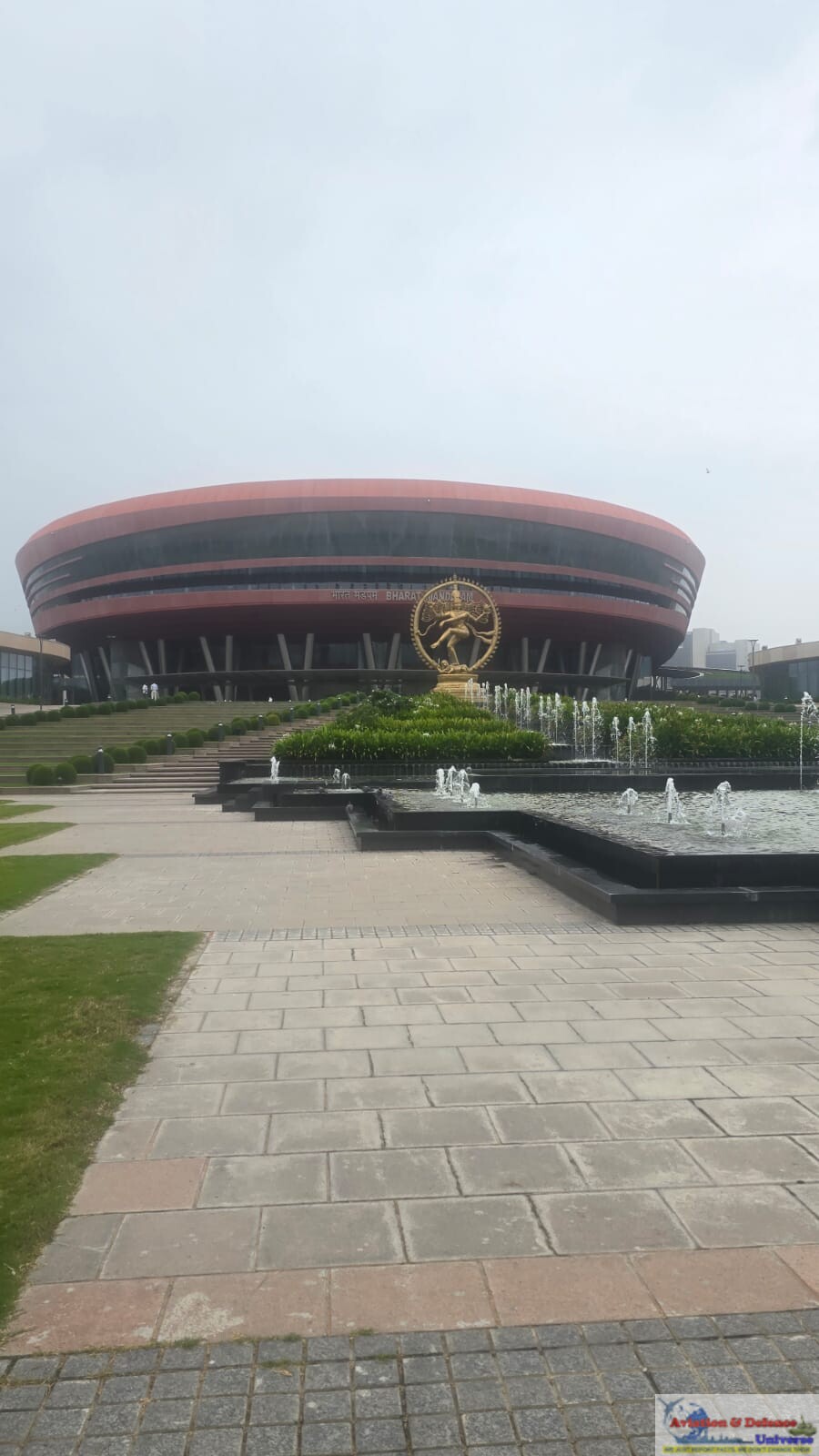 India’s sustainable aviation ambitions will need more than a new fuel. They will require renewable power, dependable feedstocks, carbon management, credible financing and partnerships that connect technology with commercial production. This message ran through the addresses and discussions at the India SAF Conclave 2026, organised by the SAF Association at Bharat Mandapam, where speakers examined the transition from policy ambition to practical implementation.
The session brought together perspectives on climate justice, international energy cooperation and carbon markets. Alongside the discussions, the gathering witnessed the announcement of new leadership for the Carbon Markets Association of India (CMAI), the launch of SAF Times and the release of a report developed jointly by S&P Global Energy and the SAF Association.
Drawing lessons from India’s renewable energy journey, the opening address argued that the challenges facing sustainable aviation fuel should be approached with confidence, policy support and a clear commitment to scale. The speaker recalled how ambitious solar energy targets had initially appeared difficult to achieve, using that experience to underline the importance of expanding the industry’s expectations of what is possible.
“The price comes down when your volume of energy goes up, when production goes up,” the speaker observed, making the case for production growth supported by appropriate fiscal measures. The address stressed the value of consultation between government and industry in designing incentives that respond to the actual requirements of an emerging sector.
 The discussion also placed SAF within the broader debate on climate justice. Aviation’s environmental consequences, the speaker argued, must be considered alongside the unequal distribution of air travel and the impact of emissions released at altitude. The address distinguished aviation’s share of carbon dioxide emissions from its wider contribution to warming, emphasising that the sector’s climate significance cannot be captured through a single emissions figure.
Public awareness emerged as another concern. The speaker noted that SAF remains unfamiliar to many people and that sustainable aviation fuel is sometimes confused with synthetic aviation fuel. A stronger communication effort, coupled with the involvement of state and local governments, was presented as essential to building support and enabling implementation across regions.
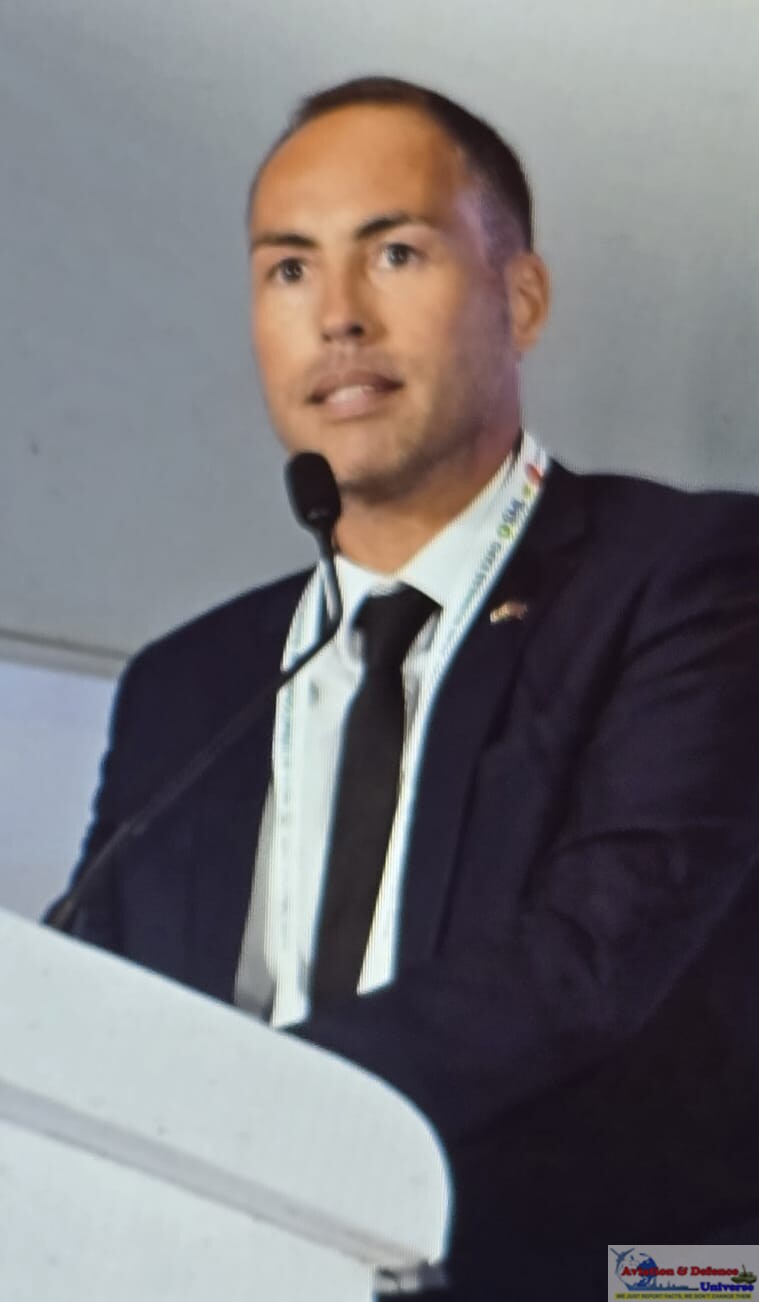
Iceland’s Ambassador to India, Benedikt Höskuldsson, brought an international perspective centred on carbon capture, utilisation and storage. For Iceland, he explained, sustainable aviation is increasingly connected to the question of what happens to captured carbon and whether it can become a resource for future fuels.
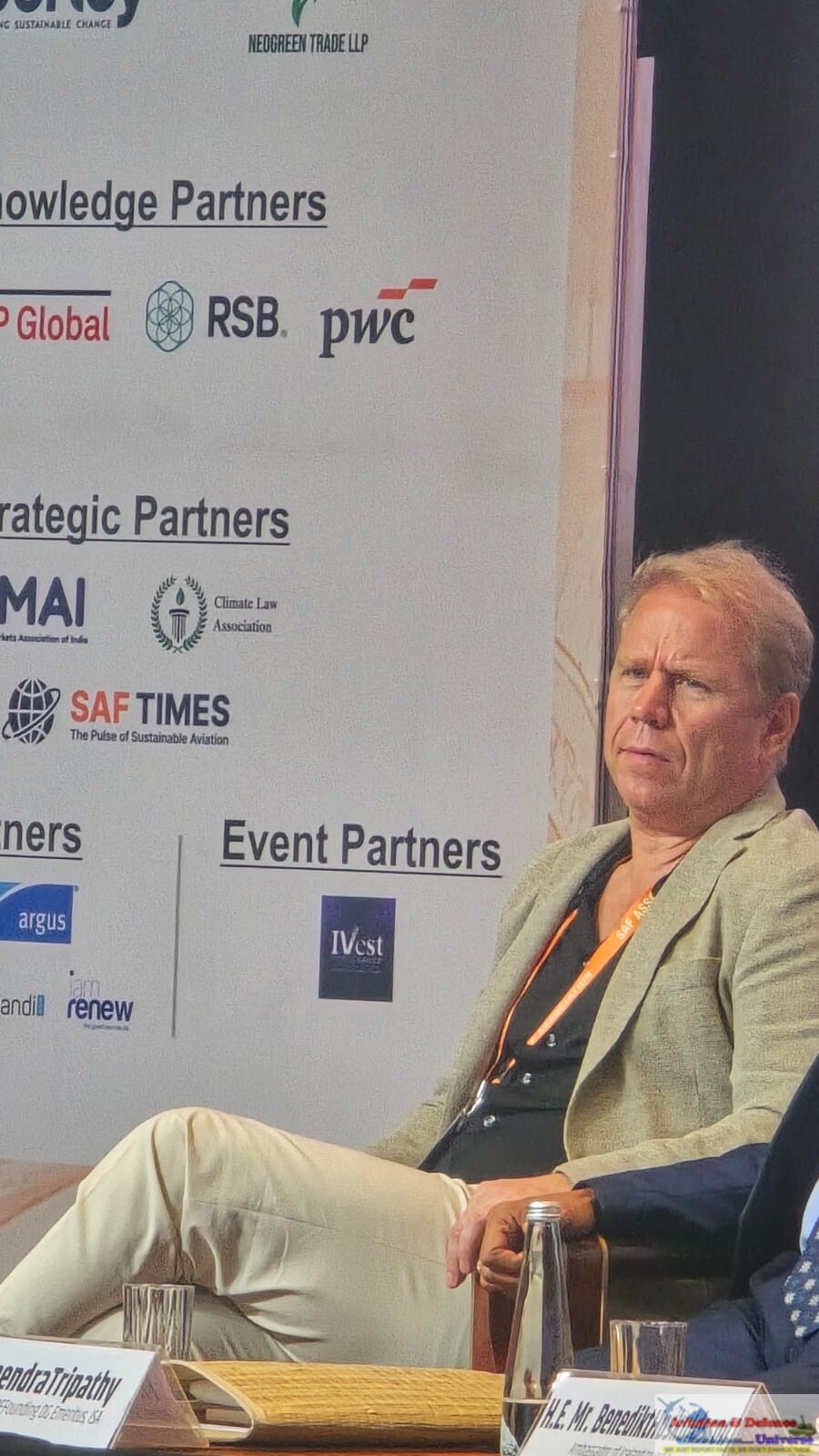 “For us in Iceland, sustainable aviation is not a story about aviation alone,” he said, linking the sector’s transition to the country’s experience in carbon management. The Ambassador outlined Iceland’s work on mineral storage of carbon dioxide, direct air capture and the use of captured carbon in synthetic fuels. He emphasised that these technologies represent years of practical learning, including costly lessons that could help partners avoid repeating mistakes.
An SAF Association delegation’s proposed visit to Iceland in October was presented as an opportunity to examine this work firsthand and identify areas for cooperation. The Ambassador also referred to the possibility of a strategic partnership under Article 6.2 of the Paris Agreement, connecting technology, carbon markets and industrial transformation.
His central argument was that carbon alone cannot deliver an alternative aviation fuel. Energy availability, green hydrogen, infrastructure and competitive costs must be considered together. “The lesson we draw is that SAF is not simply an aviation fuel question. It is a question of the whole energy system,” he said. For an island nation dependent on aviation for international connectivity, he explained, cleaner flying forms an essential part of the wider energy transition. Iceland’s geothermal and hydro power experience, combined with India’s industrial scale and expanding aviation market, offers a basis for cooperation in renewable energy, e-fuels and carbon management. “A mandate creates a market. The question now is supply,” the Ambassador observed, urging companies, investors and research institutions to move towards specific projects.
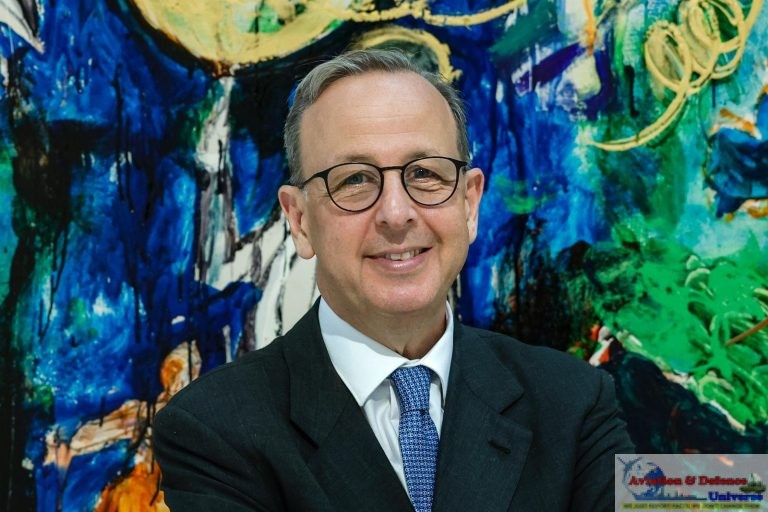
Oman’s Ambassador to India Issa Saleh Abdullah Saleh Alshibani, placed sustainable aviation within the longstanding relationship between the two countries, built around connectivity, trade and energy. He described the energy transition as an opportunity to establish new industries, attract investment and make productive use of renewable resources and strategic infrastructure. Referring to Oman Vision 2040 and the country’s commitment to net-zero emissions by 2050, he outlined the relevance of Oman’s renewable energy and green hydrogen ambitions to future synthetic aviation fuels. India’s technological and industrial capabilities, he suggested, could complement Oman’s energy resources, logistics facilities and geographical position.
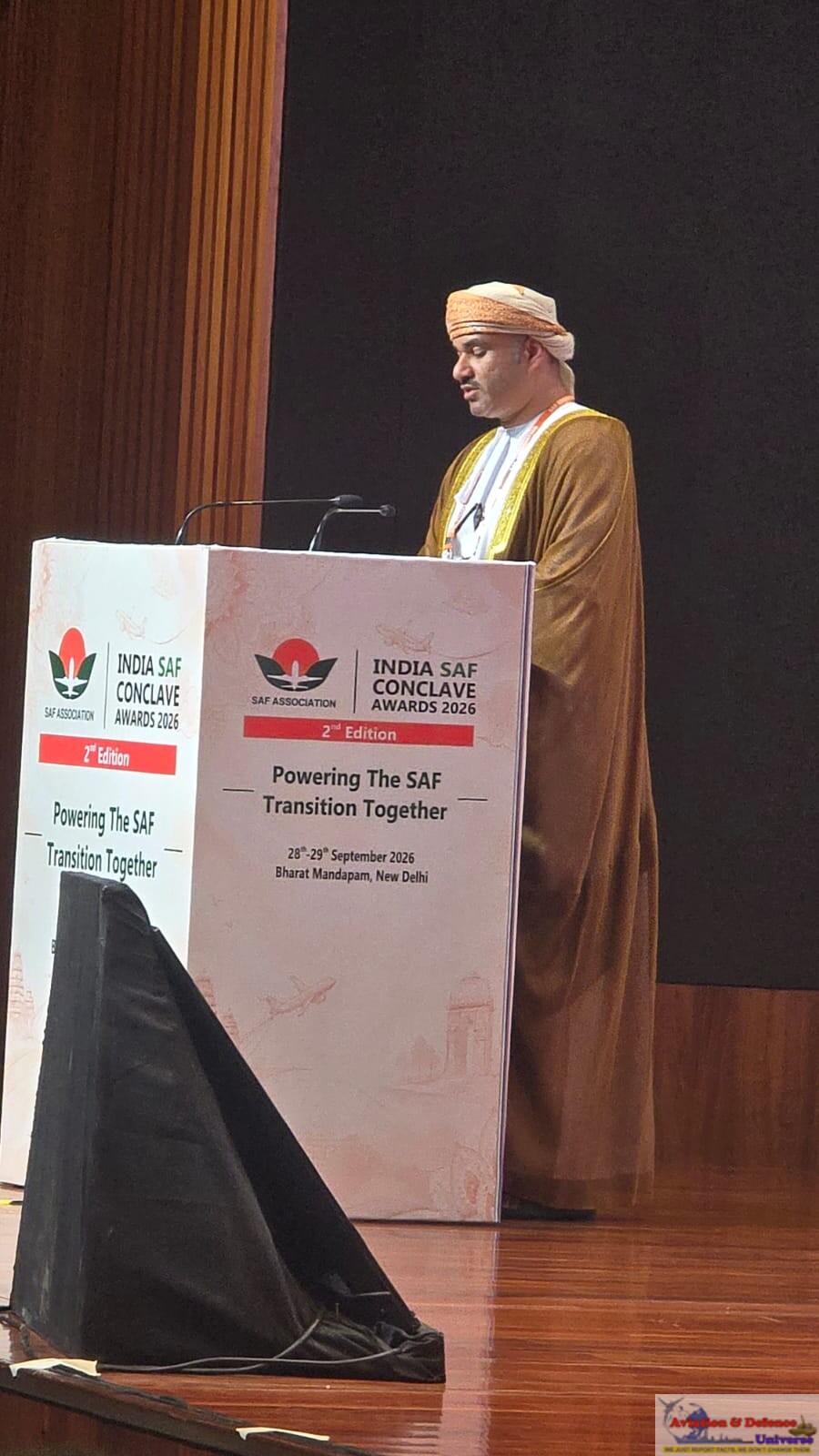 The Ambassador also broadened the discussion beyond fuel production. Sustainable aviation, he argued, depends on how safely and efficiently aircraft operate, making airspace management, navigation systems and cooperation between aviation authorities important parts of the environmental agenda. “Aviation safety doesn’t end at national borders,” he said, stressing the need for coordination across the wider aviation network. With India and Oman positioned along important corridors connecting South Asia with the Gulf, Africa and Europe, the address highlighted the value of cooperation between civil aviation authorities and air navigation service providers. More efficient operations can reduce fuel consumption while supporting safety and connectivity.
He encouraged businesses, investors, technology providers and research institutions to explore commercially viable partnerships in renewable hydrogen, synthetic aviation fuels, technology development, logistics and associated infrastructure. His proposed principles for the sector’s future were direct: “Safe, sustainable, connected.” Carbon finance formed another major strand of the session. SAF Association Secretary General Rohit Kumar highlighted CMAI’s role in supporting carbon markets and the wider transition to a low-carbon economy. The association was described as bringing together stakeholders from government, industry, finance, agriculture, MSMEs and civil society.
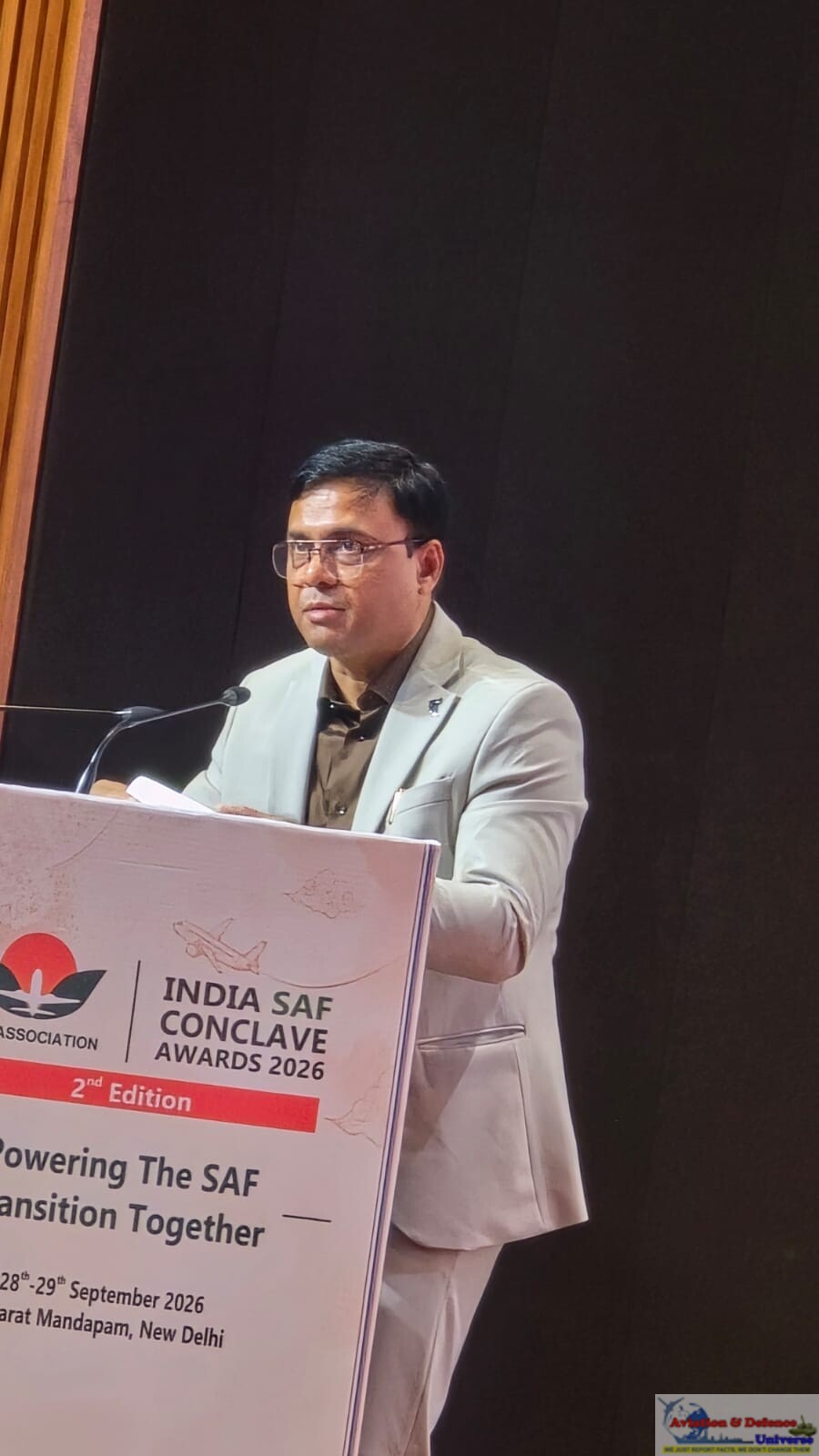
The gathering also marked the announcement of Sanjay Kumar Singh as President of CMAI. In his address, Singh argued that the credibility and value of carbon credits would be decisive in determining whether carbon markets can meaningfully support emissions reduction. “If they remain at, say, $1, it’s not going to make any difference,” he said. Singh called for a closer examination of how carbon credits are valued and whether prices adequately recognise both the effort involved in generating them and the cost of emissions to society. His remarks placed market integrity and meaningful financial incentives at the centre of the discussion on industrial decarbonisation.
 The session subsequently witnessed the launch of SAF Times, introduced as “the pulse of sustainable aviation.” The platform is intended to bring together developments and perspectives from policymakers, airlines, fuel producers, technology providers, investors, researchers and sustainability leaders. Its stated purpose is to support informed dialogue as the industry moves towards implementation. A further milestone was the release of “India’s Strategy for SAF Leadership: From Policy to Implementation,” developed jointly by S&P Global Energy and the SAF Association. The report was introduced as an examination of what India needs to build a scalable, sustainable and globally competitive SAF industry.
Across the session, the message was consistent: cleaner aviation must be built through coordinated action across energy, industry, finance and regulation. India’s opportunity lies in bringing these capabilities together—and turning international goodwill, technological expertise and policy signals into projects that can deliver fuel. At Bharat Mandapam, the conversation moved from what sustainable aviation could become to what its participants must now build. The next chapter will be written through investment decisions, credible carbon outcomes and partnerships that reach commercial scale.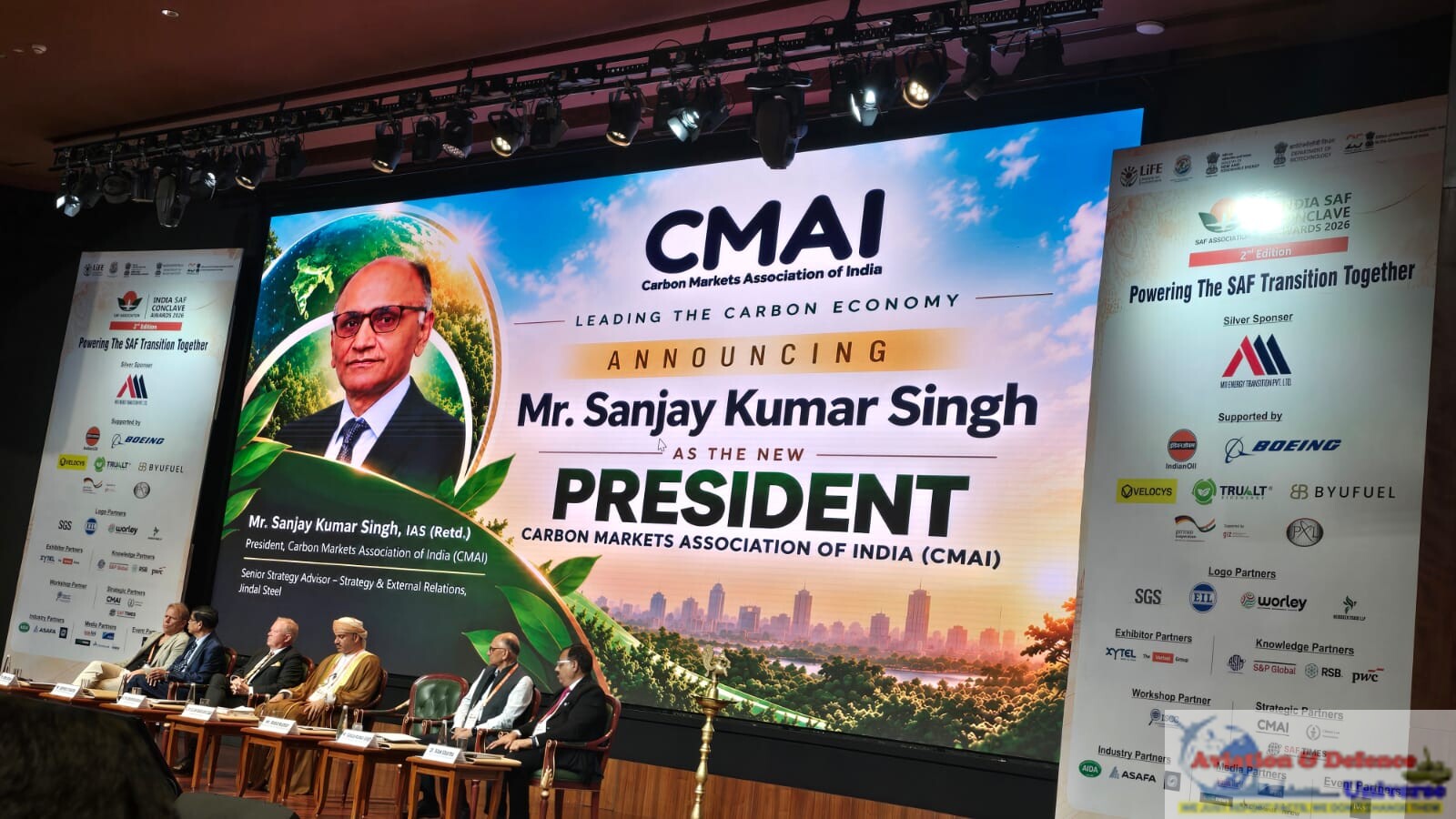














































-A4-Size-(2)_page-0001.jpg)