









- Indian Drones, Indian Technology, Indian Resolve: A Call to Build Sovereign Capability
- From Startups to Strategic Strength to Strategic Autonomy
- India’s Drone Future Takes Flight at Yashobhoomi
By Sangeeta Saxena
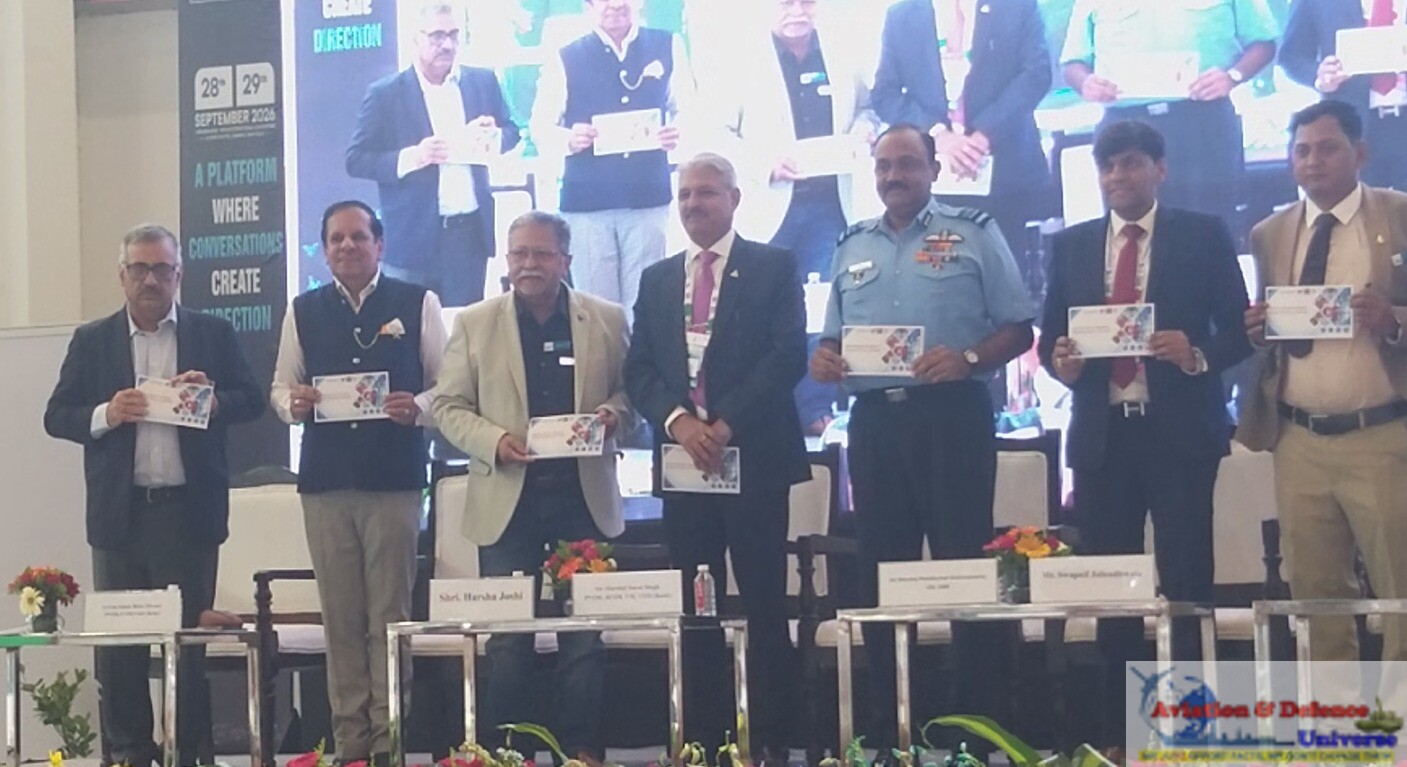
New Delhi. 28 September 2026. A drone that flies is a beginning. A drone that survives electronic attack, delivers its mission and can be produced in thousands is a national capability. That distinction ran through the inaugural session of Drone Expo & Conference 2026 at IICC, Yashobhoomi, Dwarka, Delhi, where military leaders and industry representatives challenged India’s unmanned systems community to turn innovation into operational strength.
Under the theme “Building India’s Deep Tech Future,” the eighth edition opened with a discussion that connected the farmer’s field, the remote village and the contested battlefield. Speakers called for ownership of core technologies, faster procurement, stronger collaboration and manufacturing capacity that can sustain a prolonged conflict. From the welcome address to the vote of thanks, the message was consistent: India’s drone ambitions must rest on the ability to design, develop, produce and support systems with confidence.
Harsha Joshi: Deep Technology Must Solve Real Problems
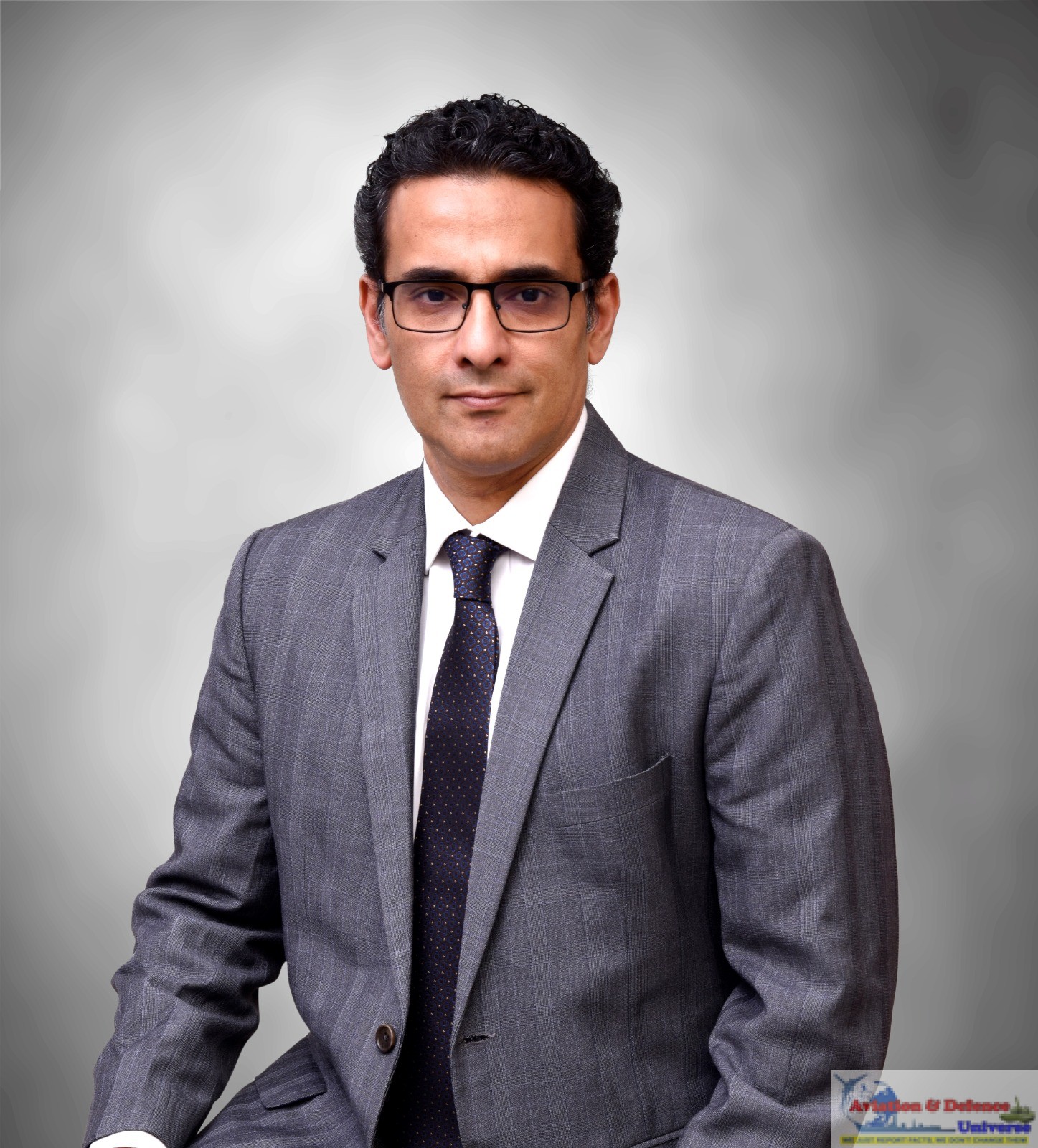
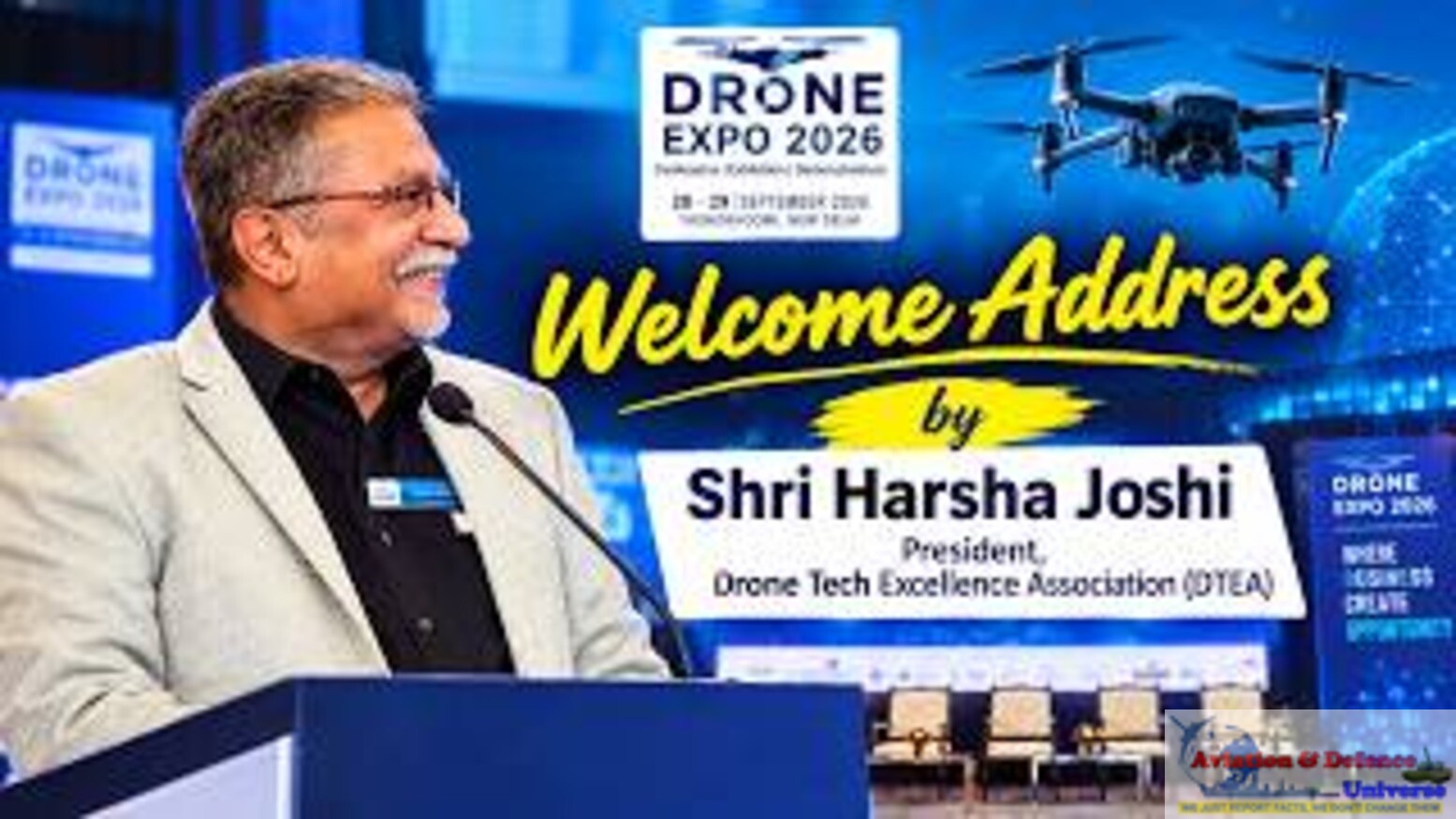 Delivering the welcome address, Harsha Joshi, President, Drone Tech Excellence Association, introduced the theme by bringing deep technology out of the laboratory and into everyday life. He described it as technology built on “real science, real research and real engineering,” with drones offering a practical example of how that foundation can meet national needs.
“A few years ago, drones were cameras,” he said, recalling their early association with photography. Their applications now extend to helping farmers, delivering medicines to remote villages, mapping land and strengthening security. “That is the power of deep tech,” Joshi said.
He pointed to India’s young talent, startups and established industry as strengths that the gathering could bring together. The conference, he suggested, should give researchers, investors, manufacturers and young innovators opportunities to learn from one another and create useful partnerships. “Ladies and gentlemen, the future is not something we wait for,” he said. His closing appeal was to use the gathering “to learn from each other, connect with each other and build something India can be proud of.”
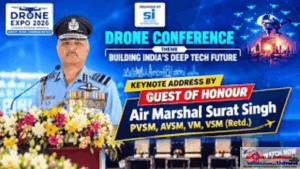
Air Marshal Surat Singh: Think Across Domains, Plan for Scale
In his keynote address, Guest of Honour Air Marshal Surat Singh, PVSM, AVSM, VM, VSM (Retd.), examined the evolution of unmanned systems from remotely piloted aircraft into capabilities operating across air, land and maritime environments.Their applicability to multi-domain operations, he said, was becoming increasingly important. Unmanned ground systems, surface and subsurface maritime platforms, and high-altitude aerial systems are widening the operational possibilities. Recalling the debate over manned and unmanned aviation, he acknowledged that, as a fighter pilot, he had initially opposed the idea of unmanned systems. Experience had since demonstrated the value of both. “Both manned and unmanned will have applicability in every domain of warfare,” he said. “You can’t replace one with another.”
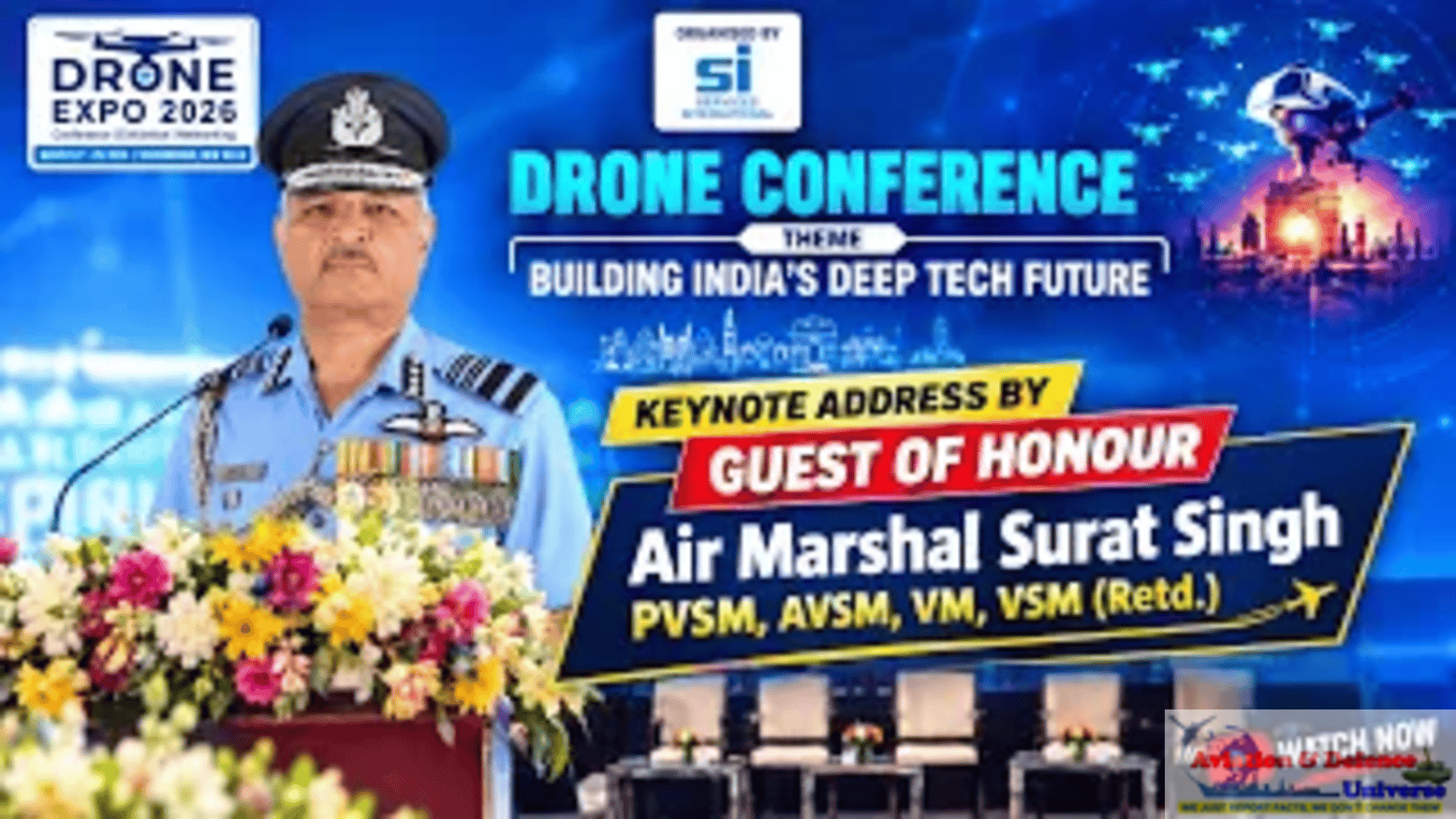 He highlighted the move towards networked drone warfare, where the value of a platform depends heavily on the payload it carries and the information it exchanges. Interchangeable payloads can extend the same platform’s usefulness across civilian and military missions. Walking through the exhibition, he said, it was encouraging to see younger innovators, startups and MSMEs entering both drone and anti-drone development. He urged them to imagine applications beyond those already familiar to the industry. “There are a large number of areas we have already thought about with respect to drone utilisation,” he said. “And a large number are still pending, and we need to think innovatively.”
Surat Singh also raised the question of managing unmanned activity at scale. Buying and operating a few drones was one challenge; coordinating hundreds or thousands in the same area would require mechanisms for control, management and effective employment. He stressed that systems must suit their operating environment. India’s deserts, plains, mountains, high-altitude regions and maritime areas impose different requirements.
“Each environment will have a specific requirement when it comes to drones,” he said. “Keep this environment in mind.” He called for greater attention to indigenous development, miniaturisation, digitisation and networking. Future operations, he said, would increasingly depend on a “system of systems,” integrating subsystems and using artificial intelligence to support timely decisions.
Lt Gen Ashok Bhim Shivane: Sovereignty Requires More Than a Platform
Lt Gen Ashok Bhim Shivane, PVSM, AVSM, VSM (Retd.), Strategic Advisor—Drones and Future Warfare, placed the discussion within India’s transition from technological promise to production and operational employment. The conference theme, he argued, carried an additional meaning: “a sovereign future.”
He pointed to the expanding startup base and the convergence of artificial intelligence, unmanned systems, quantum technologies, geospatial capabilities, robotics and advanced engineering. The requirement was to combine these strengths into an operational whole. “A system-centric approach in multi-domain warfare, not a platform-centric approach,” he said.
Shivane identified two broad priorities: integrating technology to create an advantage at the war-fighting end, and securing that technology against compromise in a contested environment. Hardware, software, communications and data could all become vulnerabilities if ownership and resilience were insufficient. He described a chain of requirements encompassing technological integration and absorption, the disruptive effects of affordable systems, doctrinal adaptation, institutional agility and national resilience. Weakness in any part could reduce the effectiveness of the whole.
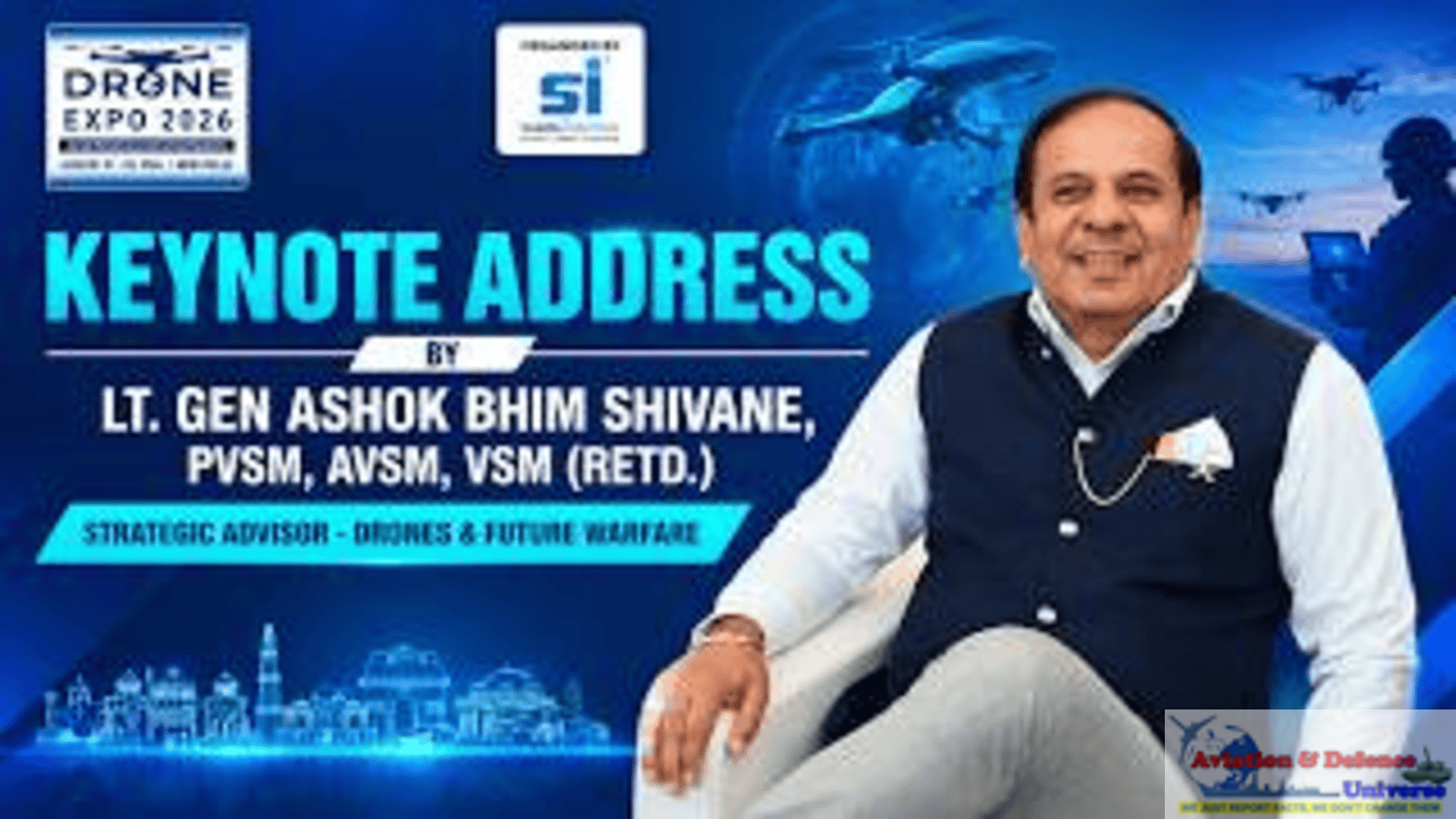 One of his strongest interventions concerned acquisition speed. “The procurement cycle is out of sync with the technology cycle,” he said. Continuing with legacy processes, he warned, could leave users several generations behind emerging technology. He cited international approaches to defence innovation to argue for closer links between operational requirements, innovators and rapid development. Capability, he stressed, also depends on doctrine, structures, training and people. Procuring the platform alone does not create the ability to employ it effectively. Shivane called for better support to startups, including shared risk and sustained engagement as they move from prototypes to usable systems. In an era of mass precision, the ability to manufacture in volume was as important as achieving accuracy.
He also emphasised resilience: systems must continue operating, recover from disruption and complete their missions despite interference. As artificial intelligence increasingly interacts with other machines, human judgement must remain central to military capability. “A drone must have an indigenous character,” he said. “Unless it has an indigenous character, we will compromise our combat capability, our sovereignty.”
He distinguished indigenisation from claims about indigenous content, drawing attention to dependencies across flight controllers, autopilots, communications, navigation, AI, microelectronics, cloud infrastructure and supply chains. He concluded with a memorable formulation, “Please remember the mantra of five I’s. Ideate, innovate, indigenise, integrate, and induct Indian systems to fight Indian wars with our own capability.”
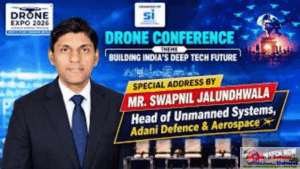
Swapnil Jalundhwala: Own the Technology Inside the Drone
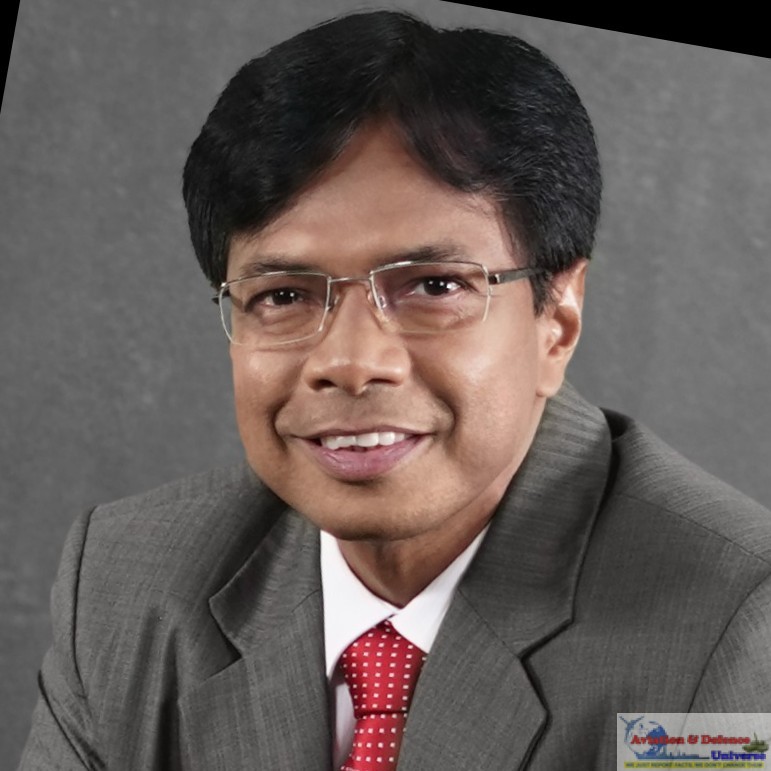
In his special address, Swapnil Jalundhwala, Head of Unmanned Systems, Adani Defence & Aerospace, focused on the pace of technological change and the industrial foundations of self-reliance. Drawing on recent conflicts, he described the rapid progression from loitering munitions to low-cost attack drones, fibre-optic-controlled systems and drone interceptors. A capability could prove decisive when introduced and quickly face a new countermeasure. “No platform confers lasting advantage,” he said. He also referred to the unfavourable cost exchange seen when expensive defensive interceptors are used against inexpensive drones. Advantage, he argued, depends on learning, adapting and converting those adaptations into systems that can be manufactured and sustained.
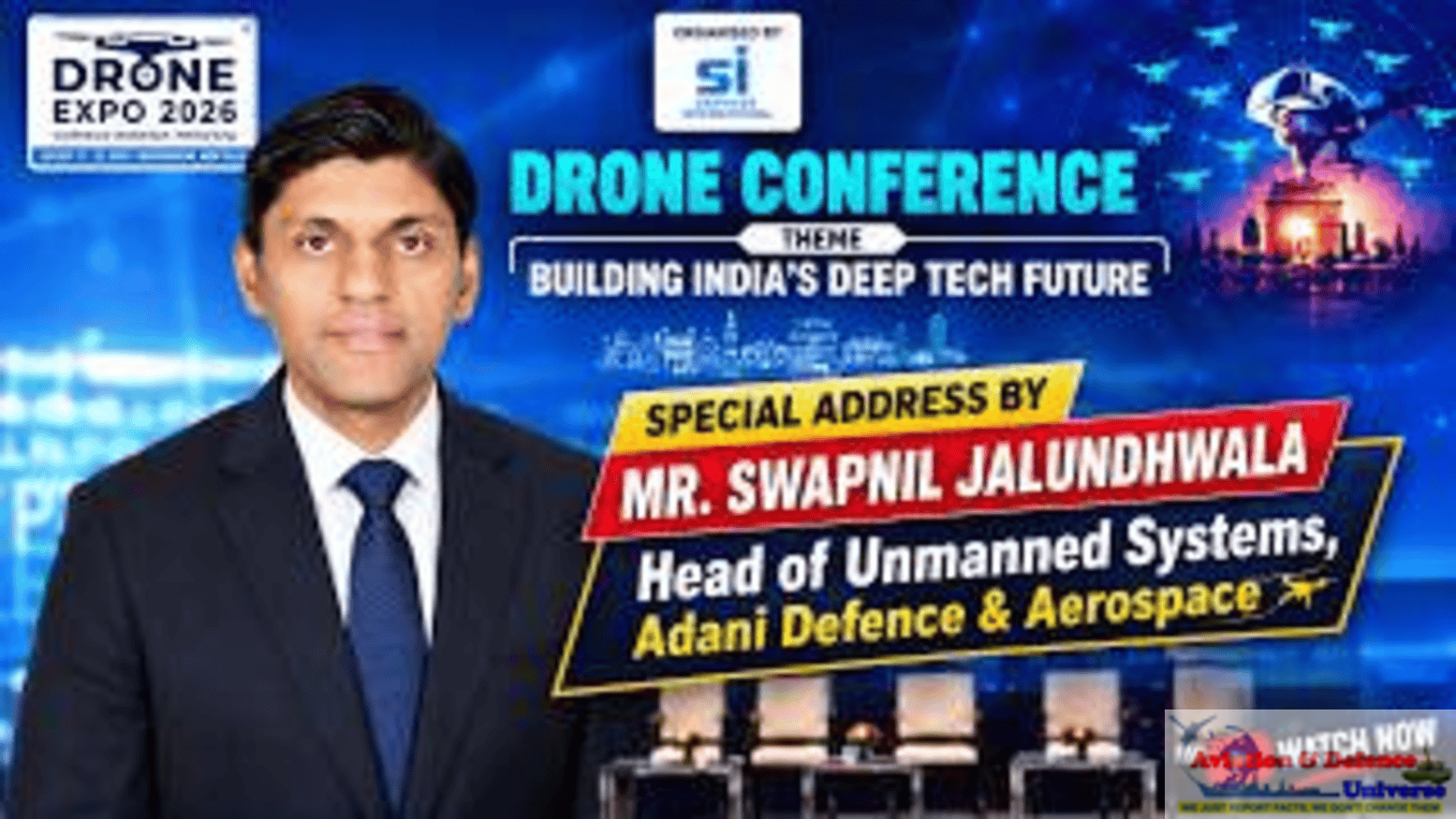 “What must now be earned is the technological ownership,” he said, explaining it as the ability to engineer future answers within India. His address moved through the technology layers beneath the visible platform: composite materials, electro-optical and infrared payloads, laser designators, warheads, navigation, directed-energy systems and swarming. India’s ability to design and fabricate airframes, he argued, must be accompanied by the capacity to manufacture critical materials and components. Reducing structural weight can improve endurance and range, while payloads determine what a platform accomplishes.
He called for systems that can function when satellite navigation is denied, and for AI-supported navigation and terrain-based methods that reduce dependence on external signals. For directed-energy and high-power microwave applications, he identified scaling, thermal management and critical component dependencies as challenges. True swarming, he added, requires coordinated platforms that share tasks and continue functioning despite losses. Jalundhwala set out three connected foundations: the ability to innovate, the capacity to sustain production over time, and self-reliance across manufacturing and deep technology. “Capability without capacity is a demonstration,” he said. “Capacity without deep technology is just contract manufacturing.”
He called for established companies, startups and MSMEs to work together, saying a national industrial base cannot be built by one company alone. The future, he concluded, would be intelligent and intensely competitive, “It must be imagined in India, designed in India and made in India.”
Air Marshal Prem Kumar Krishnaswamy: Innovation Must Deliver Operational Effect
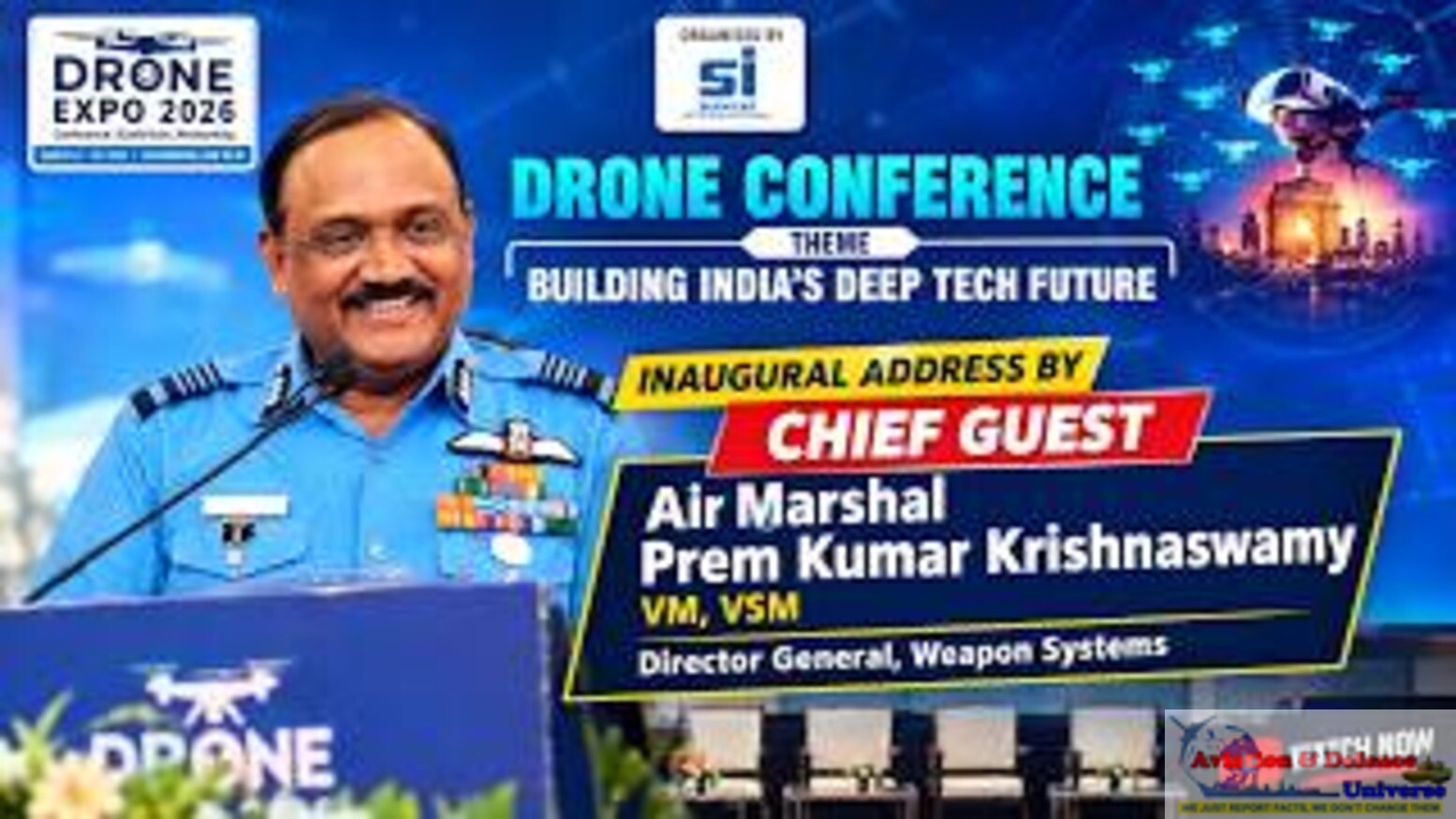 Delivering the inaugural address, Chief Guest Air Marshal Prem Kumar Krishnaswamy, VM, VSM, Director General, Weapon Systems, congratulated the organisers on bringing together India’s drone and unmanned systems community.“For a nation of India’s size and ambition, deep technology is not luxury,” he said. “It is an operational necessity.” He described drones as a link between national security and civilian development. The technologies supporting border surveillance can also improve agricultural spraying, deliver medicines, inspect power lines, map cities and search for disaster survivors. “Drones are truly dual use,” he said, making the sector an engine for economic growth and national security.
He referred to policy measures supporting domestic development, including liberalised drone rules, incentives for manufacturing and programmes bringing drones to rural women’s self-help groups. For the armed forces, he said, the question was how rapidly unmanned systems could be integrated into an effective operational ecosystem. That ecosystem spans surveillance, reconnaissance, precision engagement, logistics, communications, electronic warfare, deception, autonomy and swarming. It must also be capable of defeating similar systems used by an adversary. Unmanned systems add persistence and scalability to air power’s traditional strengths of reach, speed, precision and information dominance, he said.
Krishnaswamy highlighted the IAF’s engagement with industry and academia through the Mehar Baba Competition and Drone-a-Thon 2026. The latter, held on 14 September 2026, brought together more than 20 defence companies, startups, MSMEs, public-sector enterprises and innovators. The focus, he said, went beyond showing that a system could fly. It concerned reliability, effectiveness in demanding conditions and adaptability to operational requirements. “Innovation must translate into capability,” he said. “True self-reliance does not simply mean manufacturing the airframe in India,” he added. It requires the wider ecosystem of propulsion, sensors, payloads, communications, navigation, AI, autonomy, electronic warfare, countermeasures, materials, batteries, software and command-and-control systems.
He referred to the IAF’s unmanned and autonomous systems roadmap as a means of helping developers understand operational needs. Academia can contribute fundamental research, industry can bring innovation and speed, and users can help turn both into fieldable capability. “Build solutions to real operational problems,” he urged innovators. He then posed the questions that should guide development: What mission does the system solve? Can it operate autonomously? Can it be produced at scale? What happens when communications are denied? Can it work in a contested electromagnetic environment? Can it be maintained in the field? Can it keep pace with the threat? Above all, can it deliver the required operational effect?
He closed with three priorities: invest in fundamentals, collaborate across boundaries and think globally. Indian companies, he said, should aspire to become trusted suppliers to friendly nations. “Quality, reliability and integrity will be our calling cards.” The IAF, he assured participants, would remain a partner by sharing requirements, supporting trials and testing, and giving Indian technology opportunities to demonstrate its value in operational conditions. “Let us innovate with purpose, build with confidence and fly towards the ultimate goal,” he concluded.
Jaideep Gurwara: The Future Is Already Taking Flight
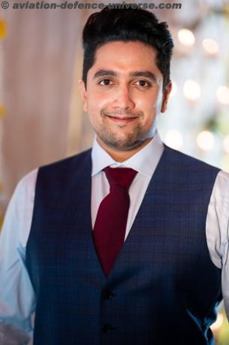
 Delivering the vote of thanks, Jaideep Gurwara, Managing Director, Services International, thanked the chief guest, guest of honour, speakers, experts and participants for supporting the gathering. He used the image of a drone needing power, direction and a strong team on the ground to describe the combination of talent, leadership and cooperation supporting India’s deep technology ambitions. His closing words captured the confidence running through the session, “Today, India is answering not in words, but with drones in the sky and startups on the ground, talent in every corner of the country.” “The future is not coming to us,” he said. “We are flying towards it.”
The inaugural session left India’s drone industry with a demanding flight plan: master the components, secure the software, test under pressure and build at scale. The talent is visible and the ambition is clear. The next breakthrough will be measured by systems that deliver—in the field, on the factory floor and wherever India needs them most.









































































-A4-Size-(2)_page-0001.jpg)