
 Israel and Morocco Deepen Defense Cooperation: Israel MOD Director General Leads Delegation to Morocco to Strengthen Defense Ties















- The SAF Equation: Can India Turn Its Carbon Waste into Aviation Wealth?
- Aviation’s Green Future Needs More Than Fuel: India Builds Its SAF Ecosystem
- From Refineries to Runways: India Prepares for a Sustainable Aviation Fuel Revolution
By Sangeeta Saxena
New Delhi. 17 November 2026. What if India’s next great aviation opportunity is not found in the skies, but in its farms, kitchens, municipal waste and industrial by-products? What if the agricultural residue that is burned, the cooking oil that is discarded and the carbon that is treated as waste could become the fuel powering tomorrow’s aircraft? And what if India, one of the world’s fastest-growing aviation markets, could transform its dependence on imported fossil fuels into an opportunity for domestic energy security, industrial investment, rural prosperity and global leadership in sustainable aviation? The possibilities are enormous, but so are the challenges. Between the promise of turning waste into aviation fuel and the reality of delivering certified, affordable, commercially viable Sustainable Aviation Fuel (SAF) lies an intricate network of technology, feedstock, financing, regulation, infrastructure and market demand.
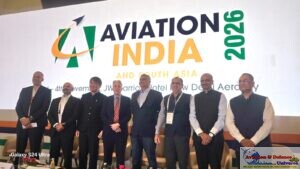
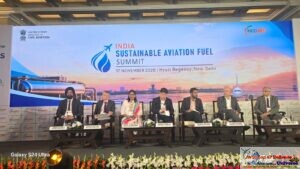
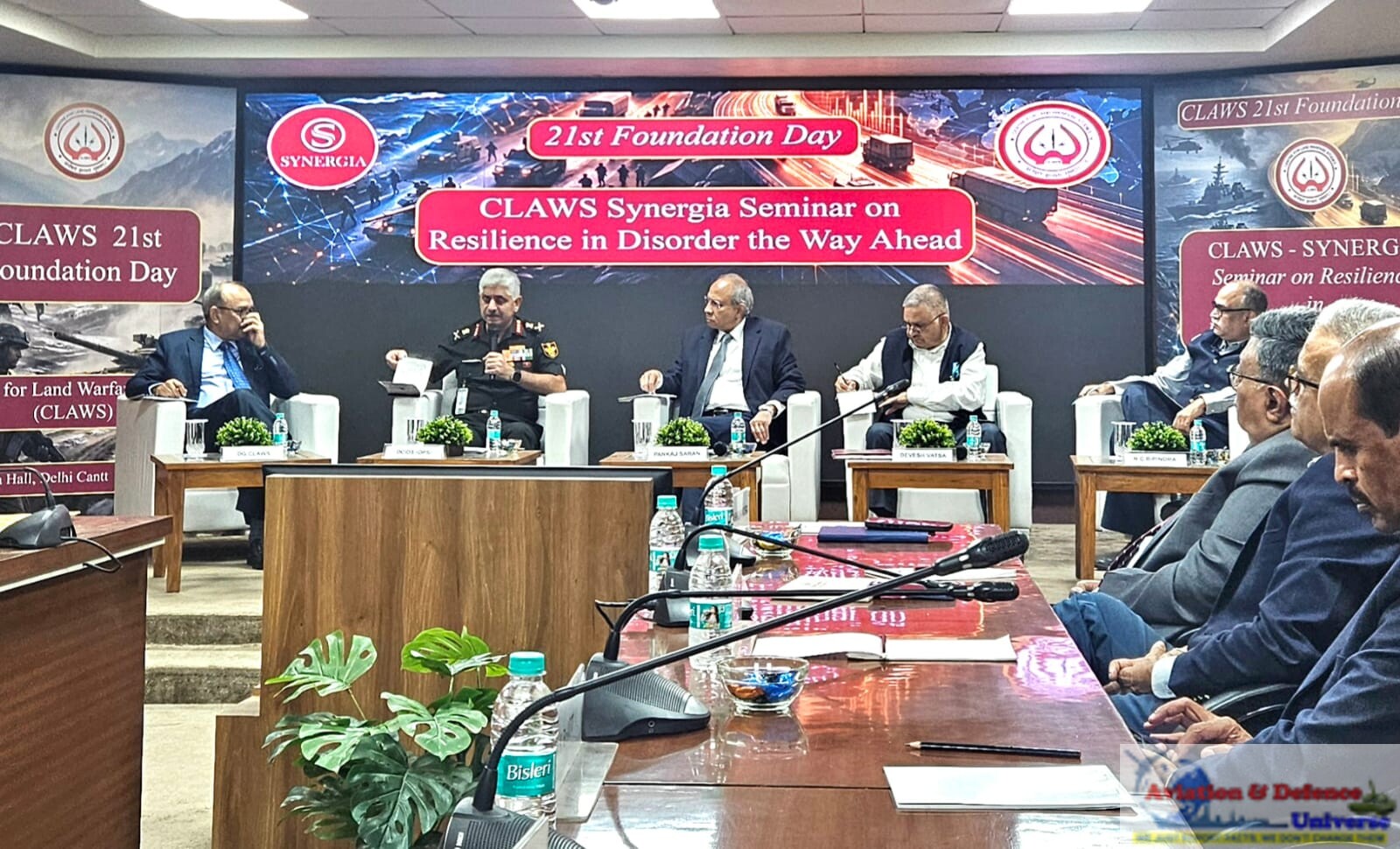
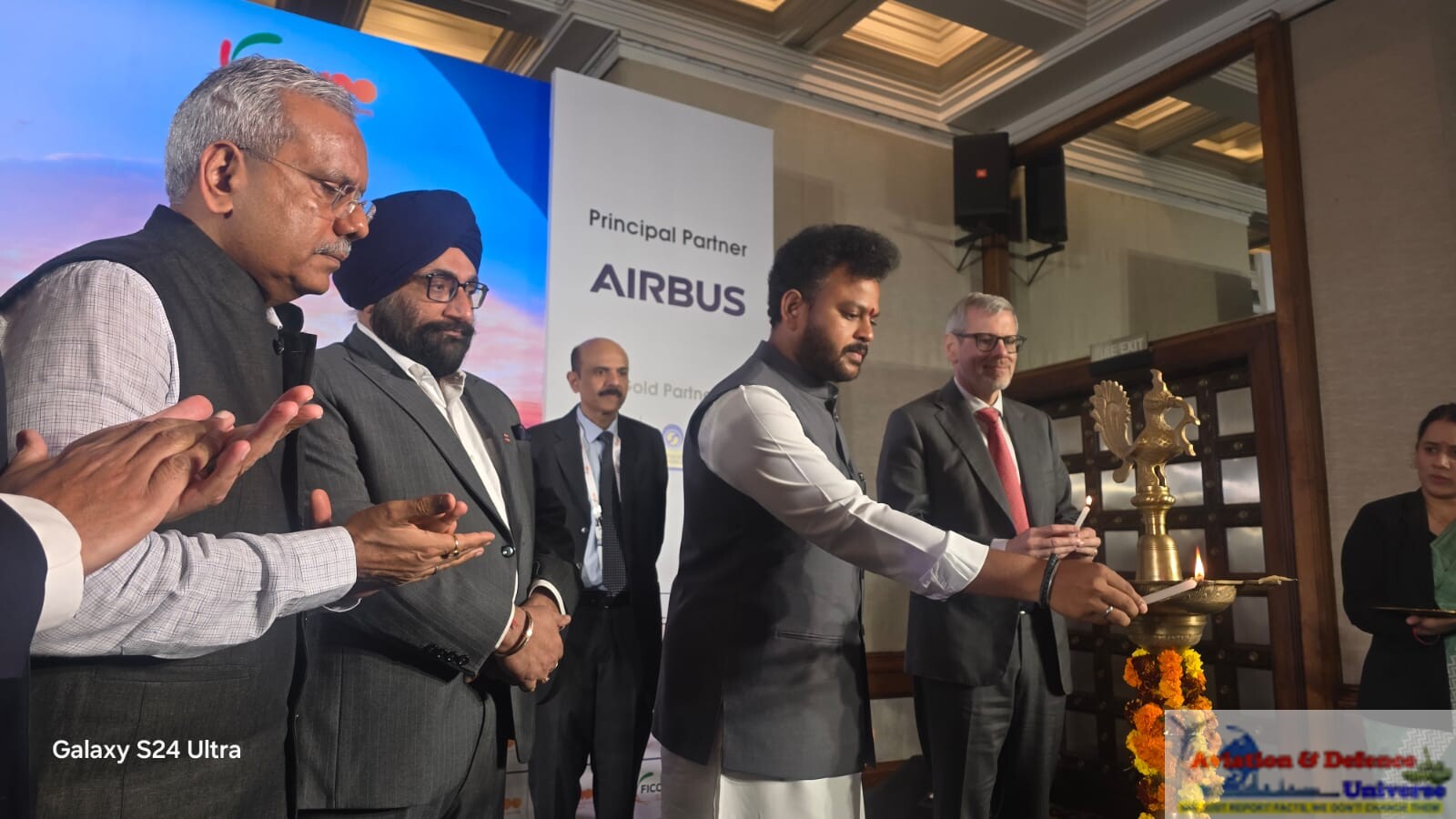
It was this complex equation that took centre stage at a discussion on India’s SAF ecosystem, bringing together policymakers, regulators, industry representatives, researchers and international experts. The conversation examined whether India could convert its considerable biomass and waste resources into a sustainable aviation fuel industry capable of meeting domestic demand while competing in international markets.
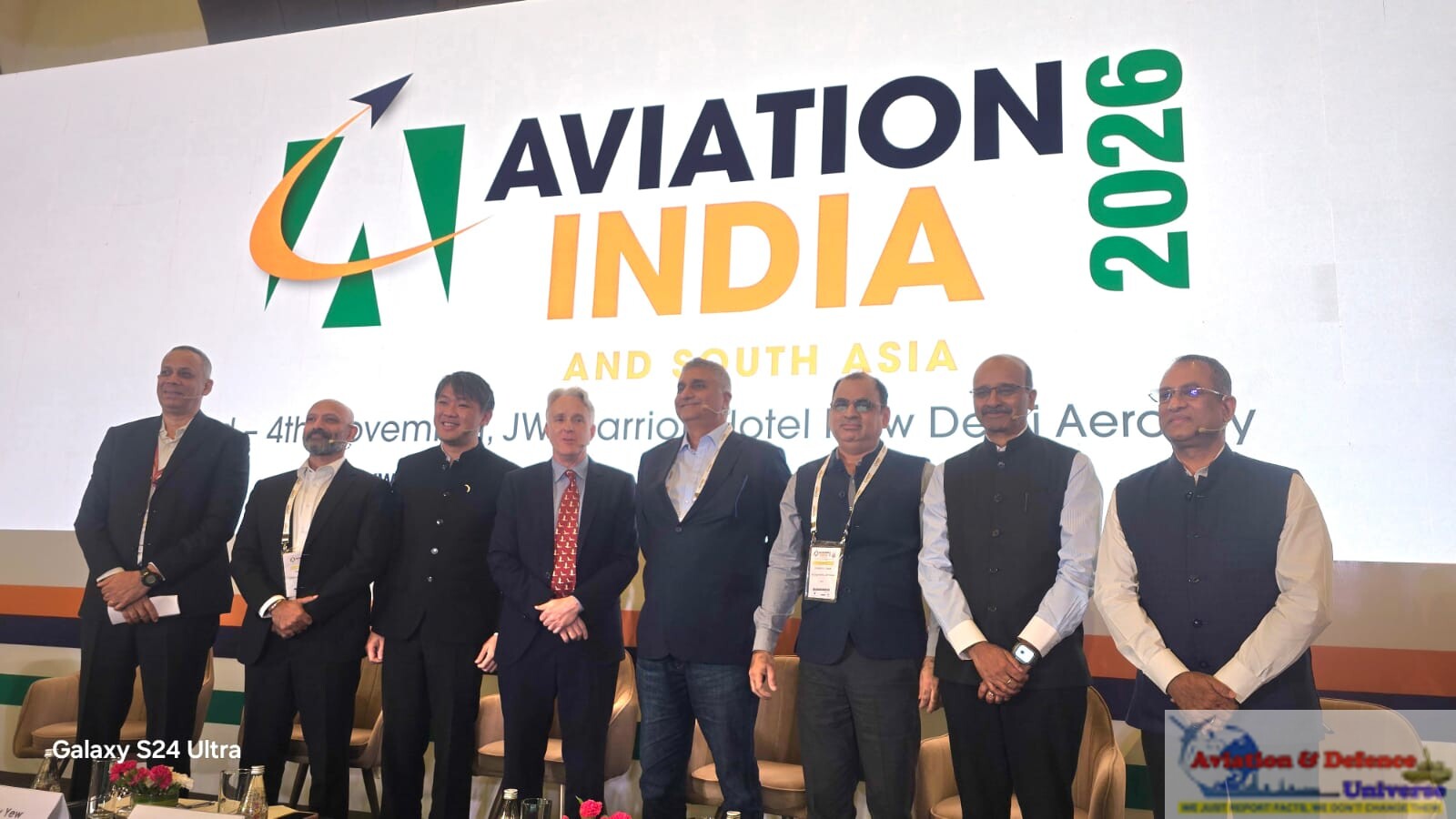
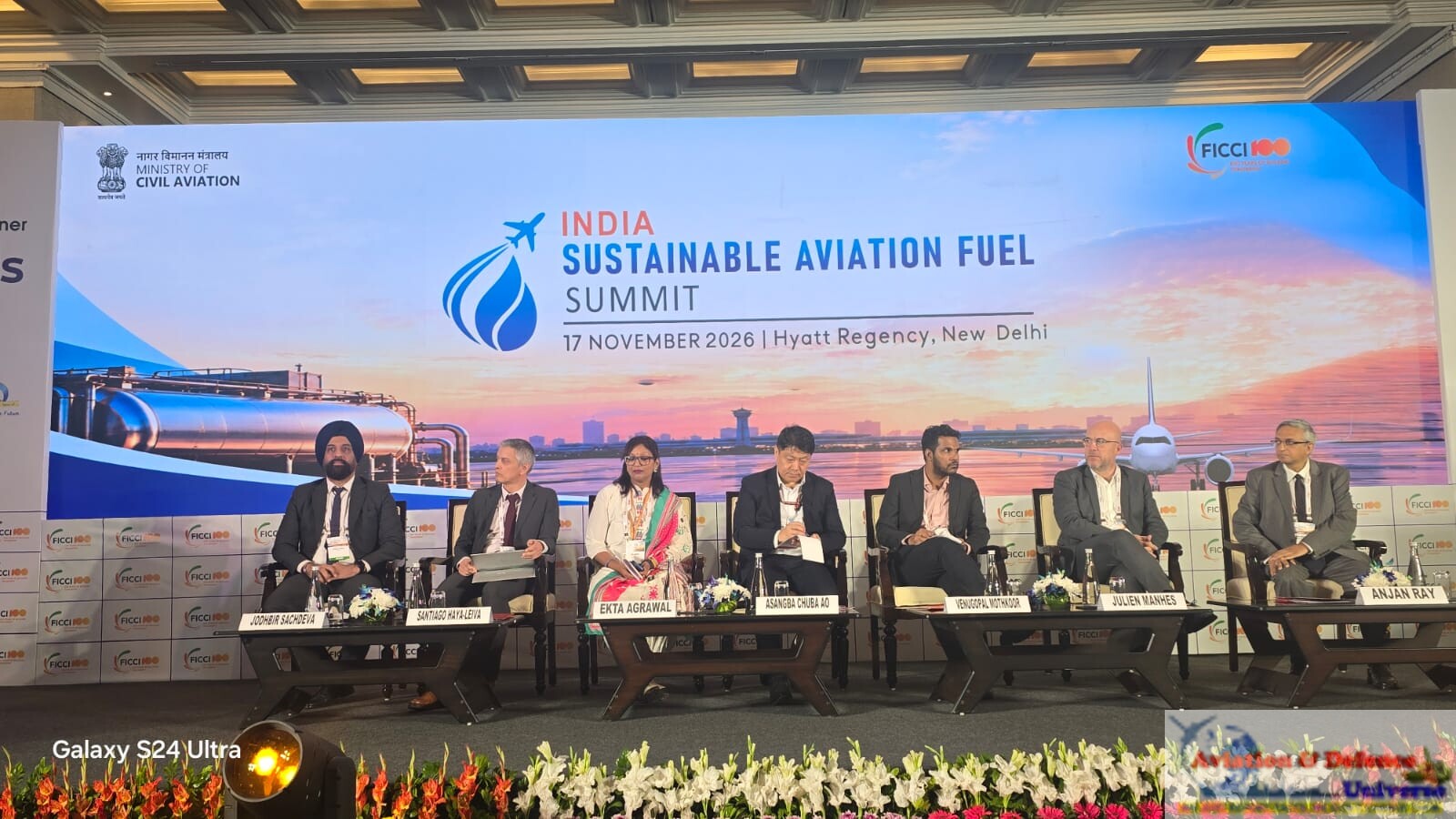
Moderated by Jodhbir Sachdeva of KPMG, the discussion featured Venugopal Mothkoor, Senior Specialist–Energy, NITI Aayog; Dr Anjan Ray, former Director, CSIR–Indian Institute of Petroleum, Dehradun; an Airbus representative responsible for SAF and Carbon Dioxide Removal (CDR) development; Santiago Haya-Leiva an International Cooperation Officer and ACT-SAF Project Manager at the European Union Aviation Safety Agency (EASA), Ekta Agarwal, Deputy Director, Aircraft Engineering Directorate, Directorate General of Civil Aviation (DGCA); and Asangba Chuba Ao, Joint Secretary, Ministry of Civil Aviation, Government of India.
The discussion also included an intervention on monitoring, reporting and verification requirements from an international participant whose name is not reliably identifiable in the supplied transcript.
The deliberations made one point unmistakably clear: India’s SAF ambitions cannot be realised through refinery investments or blending targets alone. They require an integrated ecosystem that begins with the collection of raw materials and ends with an aircraft safely operating on fuel whose sustainability credentials can be demonstrated, verified and accepted internationally.
Government Must Be Both Matchmaker and Wedding Planner
Asangba Chuba Ao, Joint Secretary in the Ministry of Civil Aviation, brought the discussion together by explaining the government’s role in coordinating the SAF transition. He acknowledged that the development of a sustainable aviation fuel ecosystem was exceptionally complex. The programme involved environmental commitments, aviation safety, technological development, feedstock availability, industrial investment, regulation and passenger affordability. No single ministry or industry participant could deliver the transition independently.
 Ao stressed that safety remained fundamental. “You will not put a fuel into an aircraft unless it is 100% safe,” he stated. The government had to ensure that regulatory, technological and operational arrangements were properly developed before large-scale implementation. He also emphasised that India needed to consider its own economic circumstances rather than simply replicate European approaches. India was still a developing economy with ambitions of becoming Viksit Bharat by 2047. The average Indian air traveller remained highly sensitive to ticket prices. Therefore, SAF policies had to balance environmental commitments with the affordability of aviation. The government’s responsibility was to align those interests around a common objective.
Affordability, Scale and Technology Will Determine India’s SAF Success
Ao identified affordability as a central challenge for India’s aviation market. He acknowledged that conventional fossil fuels were currently cheaper than SAF. However, he suggested that production costs could change as SAF manufacturing expanded and technologies improved. Economies of scale might help reduce costs, while future technological breakthroughs could alter the economics of different production pathways. The government therefore needed to remain flexible.
Policies would have to evolve in response to new technologies, changing market conditions and experience gained during implementation. Ao expressed confidence that India had made considerable progress in developing the foundations of its SAF ecosystem. The policy framework discussed during the event would help provide greater clarity for future implementation. He also reiterated the government’s commitment to meeting its environmental and aviation objectives. The SAF transition, he argued, had to be understood in the broader context of environmental protection and sustainable development.
India’s
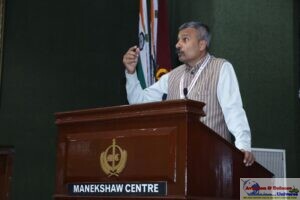
Dr Anjan Ray: India’s Carbon Waste Could Become Its Greatest Energy Resource
Dr Anjan Ray recalled his first exposure to biojet fuel in November 2006. Two decades later, in November 2026, he described the production of an initial batch of sustainable aviation fuel from an Indian refinery as a particularly meaningful milestone.
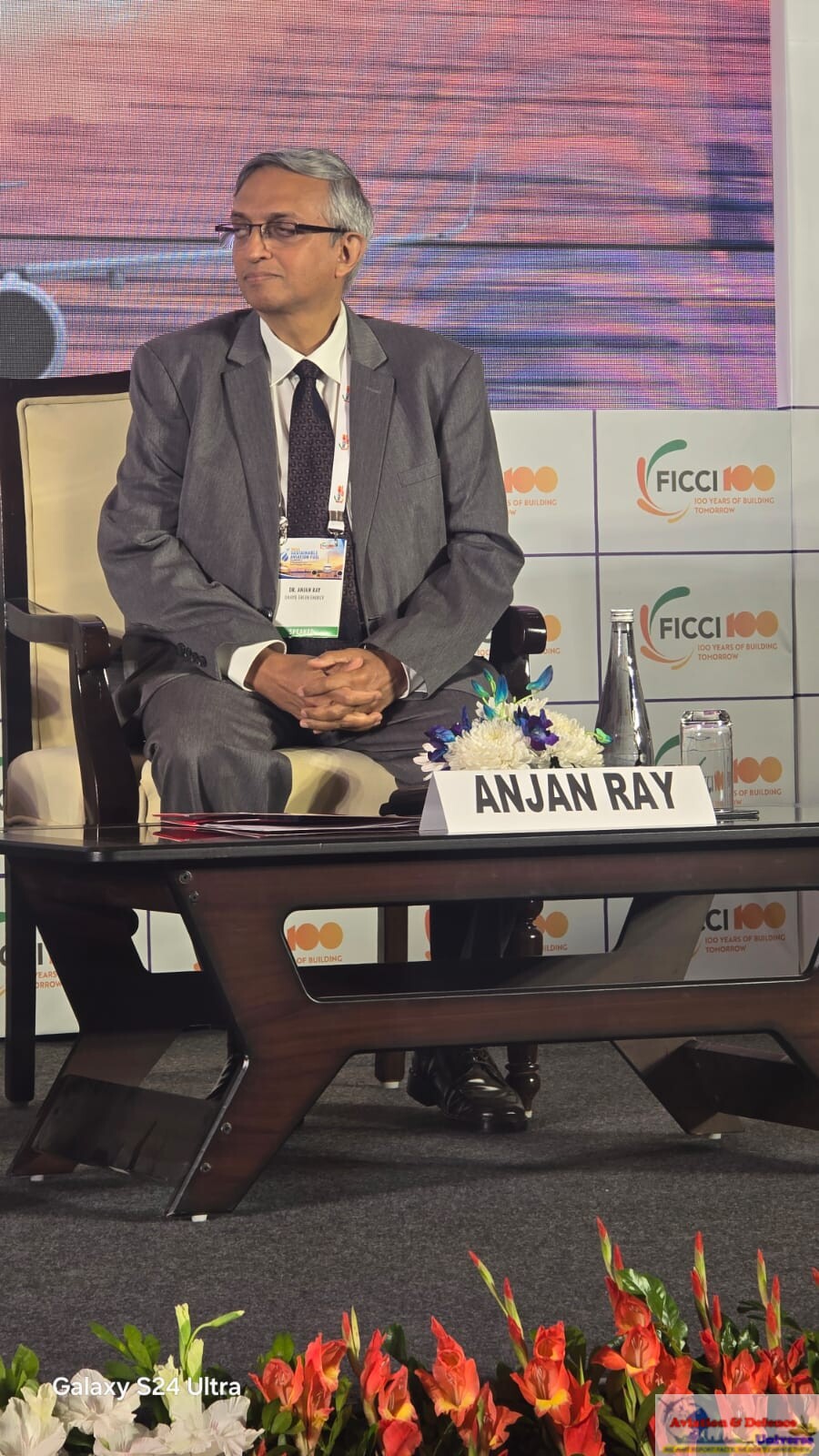 The journey from laboratory research to refinery production had taken approximately twenty years, illustrating both the technological complexity of aviation fuels and the persistence required to bring new energy pathways into commercial use. For aviation, this would mean treating agricultural residue, used cooking oil, municipal waste and other carbon-containing resources as potential feedstocks for sustainable fuel production.
Ray warned that India’s enormous theoretical biomass resources should not be confused with the quantity that could actually be collected, transported, processed and converted into fuel at commercially viable prices. The report, informed by nearly 100 stakeholder interviews and additional research, highlighted the difference between gross resource availability and usable supply.
India generated substantial quantities of agricultural biomass and used cooking oil, but much of this material was already committed to competing uses or lost before it could enter an organised biofuel supply chain. He cited approximately 750 million tonnes of agricultural biomass generation and more than eight million tonnes of potential used cooking oil generation. However, the availability of these resources on paper did not guarantee their availability to SAF producers. Some biomass was already used for agricultural, industrial or energy purposes. Other quantities were lost during collection, storage and transportation.
Used cooking oil presented a particularly difficult problem because significant quantities remained within informal channels. “The theoretical resource does not equate what is there on the ground,” Ray cautioned. The real objective, therefore, was not merely to calculate how much biomass India generated. It was to increase the amount of feedstock that could be reliably supplied to fuel producers under commercially enforceable arrangements.
Such supply had to be consistent in quantity, quality, traceability and price. Without these conditions, even well-funded SAF projects could struggle to operate at the utilisation levels necessary for financial viability. Ray argued that improving bankable feedstock availability would directly strengthen both the affordability and scalability of India’s SAF industry.
Ray identified four fundamental questions that determine whether an alternative fuel can become commercially successful. First, does it perform as effectively as the conventional fuel it is intended to replace? Second, is there sufficient supply to meet demand? Third, is it affordable? And fourth, is it genuinely sustainable?
For aviation, performance and safety were non-negotiable. Airlines could not compromise on fuel reliability, aircraft compatibility or operational safety. Similarly, a sustainable fuel that could be produced only in small quantities or at prohibitively high prices would face considerable barriers to adoption. Ray’s assessment therefore connected scientific innovation with the practical requirements of airlines, refiners, regulators and investors.
Ray identified Hydroprocessed Esters and Fatty Acids (HEFA) and refinery co-processing as the most practical near-term pathways for scaling SAF production in India.These technologies offered opportunities to use existing refining infrastructure and established fuel-processing capabilities. He referred to the involvement of Indian Oil and other refiners, including BPCL, MRPL, HMEL and HPCL, as evidence that the country’s refining industry was beginning to respond to the SAF opportunity.
In the medium term, he expected alcohol-to-jet technologies to become increasingly important. However, he cautioned against assuming that ethanol was necessarily the most efficient alcohol feedstock for aviation fuel production. Drawing upon the history of acetone-butanol-ethanol fermentation, Ray highlighted the potential advantages of butanol as a precursor for alcohol-to-jet fuel.
One of Ray’s most practical recommendations concerned used cooking oil. He observed that India consumed approximately 27 million tonnes of fresh edible oils annually, creating a substantial theoretical pool of used cooking oil. Yet organised collection remained far below the potential. He attributed this to weak collection networks, informal trade, diversion into other uses and inadequate traceability.
Some used cooking oil was exported, while other quantities could re-enter the food chain through informal channels. Both practices created challenges for the development of a reliable domestic SAF feedstock market. Ray called for stronger policy intervention and more effective implementation of the Food Safety and Standards Authority of India’s existing Repurpose Used Cooking Oil initiative. He also described a practical collection experiment undertaken during the Char Dham pilgrimage in Uttarakhand. Food outlets were encouraged to exchange quantities of used cooking oil for fresh cooking oil. The arrangement created an immediate incentive for collection and demonstrated how relatively simple mechanisms could improve participation.
Ray suggested that similar barter-based models could potentially be extended to other commercial establishments and households.The objective would be to create an organised, traceable and economically attractive collection system. Such arrangements could simultaneously support food safety, waste management and sustainable fuel production.
Ray also highlighted losses occurring between farms and biomass collection centres. He suggested that substantial quantities of agricultural residue deteriorated because of inadequate storage, exposure to weather and inefficient handling. Improved storage facilities, including covered depots, could reduce such losses. He argued that feedstock routing should account for moisture content because dry and wet biomass were not equally suited to every conversion technology. “Not all biomass needs to go to SAF,” he stressed.
Different feedstocks needed to be directed towards the processes that offered the best combination of cost, efficiency and environmental performance.
He also proposed a hub-and-spoke production architecture. Smaller facilities located close to feedstock sources could undertake initial processing or densification, while larger central facilities could convert the resulting material into fuel meeting the required specifications. This would reduce the expense of transporting bulky, low-density waste over long distances. It could also improve year-round supply, reduce seasonal disruptions and increase the utilisation of major production assets.
Ray emphasised that SAF sustainability assessments needed to incorporate soil health, carbon balance, water consumption, ecological impacts, ethical sourcing and food security. Traceability and an auditable chain of custody would be essential.
He also highlighted the importance of low-carbon hydrogen and electricity in SAF production, calling for greater exploration of alternative hydrogen production technologies using biomass and industrial waste streams. His message was that the SAF transition required participation far beyond the aviation industry. Farmers, waste collectors, municipalities, refiners, technology developers, regulators, investors and citizens all had roles to play.
India’s SAF Demand Could Reach 10 Million Tonnes by 2050
Taking the discussion forward, Venugopal Mothkoor, Senior Specialist–Energy at NITI Aayog, examined the scale of India’s potential SAF market within the country’s broader development and decarbonisation ambitions.
 He explained that India faced a challenge different from that of many developed economies. Industrialised countries had already built much of their infrastructure and reached relatively high levels of economic development before committing to deep emissions reductions. India, by contrast, needed to expand its infrastructure, increase mobility, support economic growth and simultaneously adopt lower-carbon technologies. This created both difficulties and opportunities.
He outlined a scenario in which India’s domestic SAF demand could reach approximately 10 million tonnes annually by 2050, potentially rising to 25 million tonnes by 2070. These figures were presented as projections under assumed aviation growth and blending trajectories, rather than confirmed future requirements. Mothkoor argued that domestic demand alone could provide a substantial foundation for SAF production. Exports could create additional opportunities, particularly if India developed internationally recognised certification systems and competitive production capabilities.
Mothkoor challenged the assumption that the availability of investment capital would necessarily be the principal obstacle to SAF expansion. India’s established refining companies possessed considerable financial and industrial capacity. The more difficult problem was ensuring reliable, affordable and sustainable feedstock supplies. “The real challenge is, how do we address the feedstock challenge?” he asked. Agricultural residue, used cooking oil and municipal solid waste all offered possibilities. However, they also faced competing demands.
Agricultural biomass could be required for compressed biogas, power generation or other biofuel applications. Ethanol production already consumed feedstocks that might otherwise be considered for alcohol-to-jet fuel. As India’s urban population expanded, municipal solid waste volumes would increase, potentially creating another significant resource. But collecting waste was not the same as processing it to the standards required for aviation fuel production.
Mothkoor argued that India needed a coordinated assessment of feedstock availability across different sectors and policy mandates. He referred to work being undertaken by NITI Aayog to examine biomass availability and competing demands around 2030. Such analysis would help policymakers determine whether different biofuel targets could be pursued simultaneously without creating unsustainable pressure on raw material prices.
SAF Is About Energy Security as Much as Decarbonisation
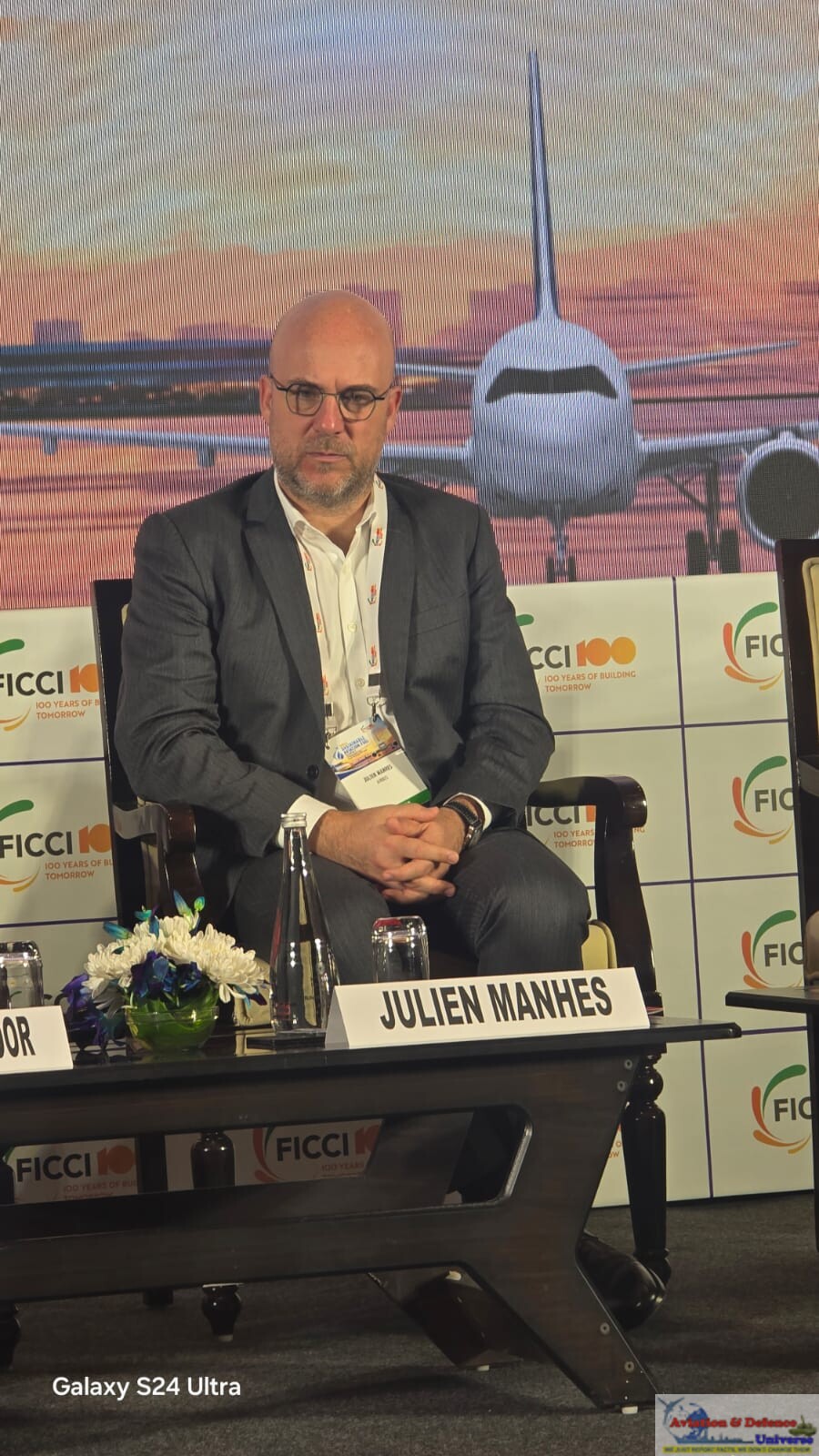
The Julien Manhes VP, SAF and CDR development, Airbus brought an international industry perspective to the discussion. Drawing upon developments in Europe and the United Kingdom, the speaker identified three important lessons from the preceding year. The first was that clear regulatory mandates could stimulate SAF demand. “Policies, when they’re implemented, they deliver results,” the representative observed.
European experience had demonstrated that mandates could lead to fuel availability and airline compliance. However, the speaker cautioned that implementation did not mean the policy design was perfect. Regulations needed to evolve as governments and industry gained experience with SAF production, distribution and pricing. The second lesson concerned voluntary demand. The Airbus representative argued that SAF consumption should not depend entirely on mandatory blending requirements.
 Corporations seeking to reduce emissions associated with business travel, logistics companies offering lower-carbon transport and environmentally conscious passengers could create additional demand. According to the estimate cited during the discussion, voluntary demand represented approximately one-third of global SAF consumption. The speaker argued that policies combining mandatory requirements with incentives for voluntary purchases could strengthen the market.
The third lesson was that SAF offered an opportunity to reduce aviation’s dependence on fossil fuels. Geopolitical disruptions in West Asia had demonstrated the vulnerability of conventional energy supply chains. The aviation industry also needed to consider how the long-term electrification of road transport could alter refinery economics and the availability of conventional aviation fuel.
A diversified SAF supply chain based on different feedstocks, countries and production technologies could improve resilience. The transition, therefore, was not simply about reducing carbon emissions. It was also about creating a more secure and diversified energy system for aviation.
Ekta Agarwal: Certification and Traceability Are Central to India’s SAF Readiness
Ekta Agarwal, Deputy Director in the Aircraft Engineering Directorate of the DGCA, explained the regulatory work required to support SAF implementation. DGCA’s role included ensuring that SAF could be introduced without compromising aviation safety or international compliance requirements. Aviation fuel could not be used merely because it had been produced from a renewable or waste-based feedstock. It had to meet applicable technical specifications and sustainability certification requirements.
Agarwal described efforts to establish the necessary certification and verification ecosystem in India. The DGCA had worked with the Ministry of Petroleum and Natural Gas and other stakeholders, including agencies dealing with the environment, agriculture and state-level implementation.
 She also highlighted the importance of preparing airlines and fuel producers for requirements associated with the International Civil Aviation Organization’s Carbon Offsetting and Reduction Scheme for International Aviation, or CORSIA.
India’s SAF programme required systems capable of demonstrating not only the quantity of fuel produced and supplied but also the environmental characteristics and sustainability credentials associated with it.She emphasised that this was an ongoing process of coordination, industry engagement and regulatory development.
SAF Registry and MRV: Every Litre Must Be Accounted For
Agarwal explained the importance of monitoring, reporting and verification, commonly referred to as MRV. She identified standardisation, certification and MRV as fundamental to credible SAF implementation. The proposed SAF registry would support the recording and verification of fuel supply and use. Fuel producers would need to report relevant information about SAF batches supplied to airlines.
Airlines would report the quantities of SAF uplifted, along with the associated environmental and sustainability attributes. Independent verification bodies would examine the reported information. Agarwal explained that India already possessed a verification framework for airline emissions reporting under CORSIA. This existing system could be extended to incorporate SAF-related information.
She acknowledged that compliance obligations would increase for airlines, producers and regulators. However, the industry had already been participating in consultations, meetings and training activities designed to prepare stakeholders for the requirements. The objective was to establish a system that was robust enough to support international recognition without imposing unnecessary administrative complexity.
Agarwal’s contribution highlighted an important commercial reality. India’s SAF export potential would depend not only on production volumes and prices but also on whether international customers and regulators accepted the credibility of its sustainability documentation.
International Perspective: Verification Must Be Credible but Practical
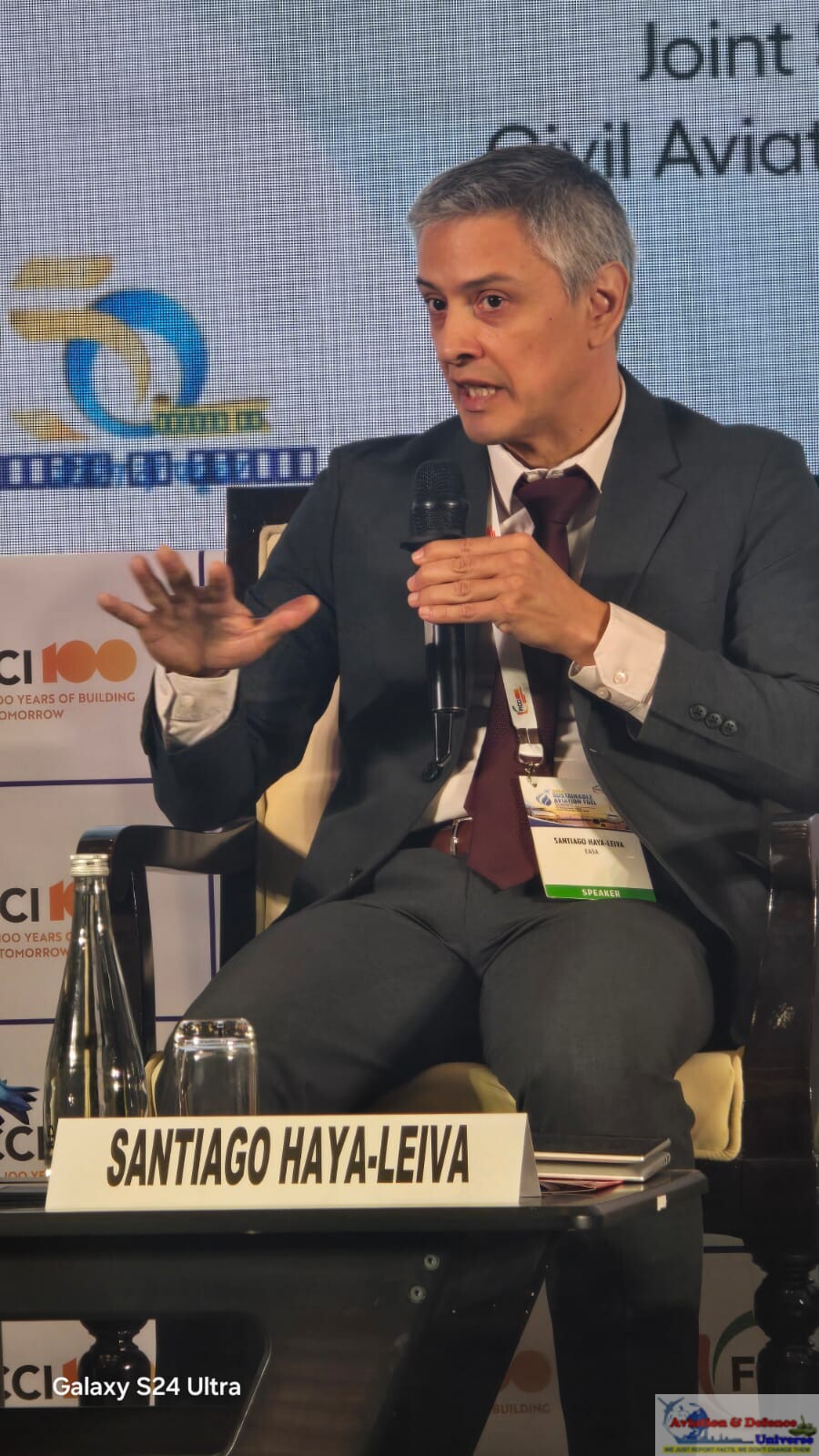 Santiago Haya-Leiva an International Cooperation Officer and ACT-SAF Project Manager at the European Union Aviation Safety Agency (EASA), argued that MRV served two related purposes. It established the credibility of sustainability claims, and it enabled governments to assess whether their policies were achieving their intended results.
For example, if a national policy sought to encourage domestic feedstock collection or indigenous fuel production, the reporting framework needed to capture information relevant to those objectives. However, the speaker cautioned against creating an excessively complicated reporting structure.
Producers, airlines and certification bodies could face unnecessary burdens if they were required to submit the same information repeatedly to different government agencies. Existing reporting systems should therefore be used wherever possible. He recommended a phased approach in which essential requirements were introduced first and additional elements were incorporated as the market developed. Such an approach could provide credibility while allowing the system to remain manageable for stakeholders.
The Green Premium: Who Will Pay for Sustainable Aviation Fuel?
One of the most consequential parts of the discussion concerned the difference between the cost of conventional Aviation Turbine Fuel (ATF) and SAF. Jodhbir Sachdeva raised the challenge of ensuring that SAF could be made available without placing an excessive financial burden on airlines or passengers. The Airbus representative argued that comparing SAF with conventional aviation fuel was more complicated than it initially appeared.
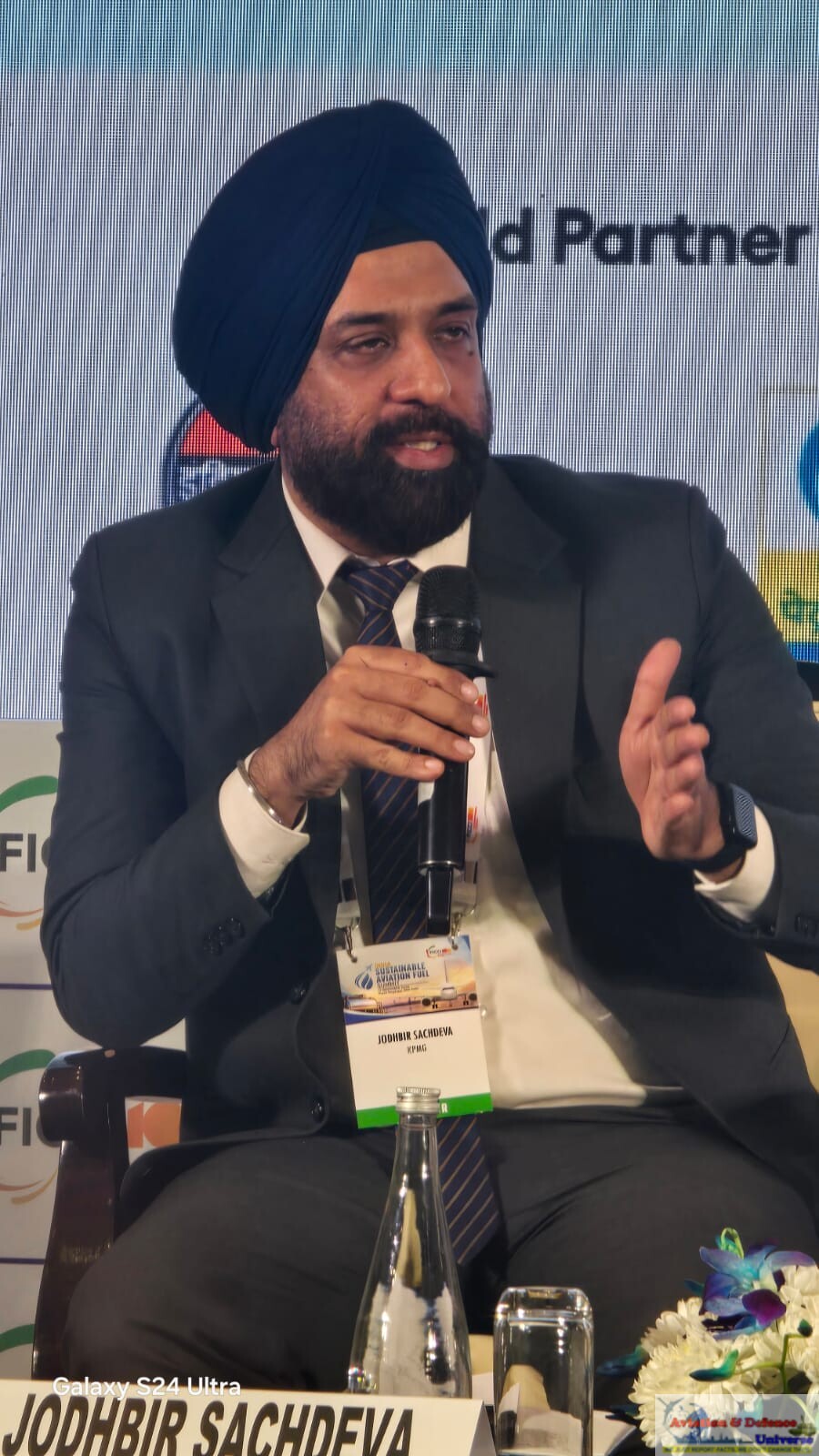 Conventional fuel prices fluctuated significantly with global energy markets and geopolitical developments. Therefore, the question of achieving price parity depended partly on which conventional fuel price was used as the reference. The representative also noted that fossil fuel production benefited from infrastructure, technologies and supply chains developed over more than a century. New SAF technologies could not necessarily be expected to match those costs immediately. Government intervention could help address the difference.
As moderator, Jodhbir Sachdeva of KPMG connected the different presentations through questions on commercial viability, international experience, regulatory readiness and implementation. He examined how India could estimate its SAF market opportunity in light of domestic aviation growth and export potential. He also questioned how competing uses of biomass could influence feedstock availability and production costs. A recurring concern was the green premium.
SAF might deliver environmental and energy security benefits, but its higher cost could affect airline economics and passenger fares. Sachdeva asked whether government support, voluntary consumption, taxation or other mechanisms could help bridge the gap. He also highlighted the importance of international certification and verification systems.
India could not fully exploit export opportunities unless its fuel met the requirements of destination markets. Towards the end of the session, he raised the need for a more programmatic approach to SAF development. Individual projects might succeed, but creating a national SAF industry required coordinated development across feedstock collection, refining, finance, certification, distribution and airline demand. His questions helped move the discussion from technological possibility towards the practical conditions necessary for commercial deployment.
SAF Future: A National Ecosystem, Not Just a New Aviation Fuel
The discussion demonstrated that sustainable aviation fuel represented a much larger opportunity than replacing a proportion of conventional jet fuel. It could connect India’s agricultural economy with its refining industry, waste management systems, technology developers, research institutions and aviation sector.
Agricultural residues that currently create disposal problems could become valuable industrial resources. Used cooking oil could be diverted into organised fuel production rather than remaining within informal channels. Municipal waste could support future conversion technologies. Domestic refining capabilities could help India develop new energy products and potentially serve international markets.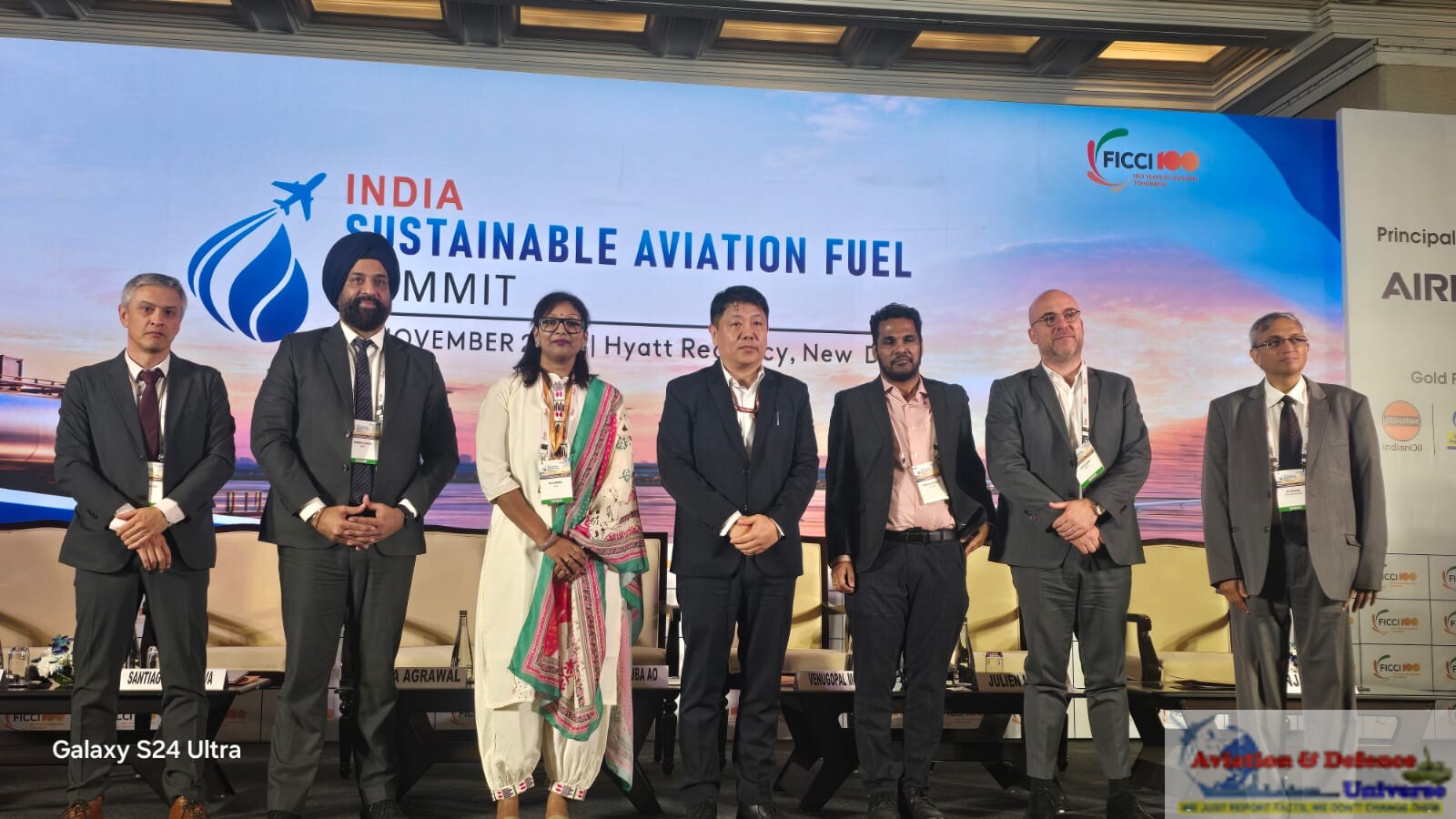
However, these opportunities depended on resolving several interconnected challenges. Feedstock had to be collected reliably and sustainably. Conversion technologies had to achieve commercial scale. Fuel production needed to remain affordable. Certification and traceability systems had to meet international requirements. Investors needed confidence in long-term supply and demand. Airlines needed access to safe, compliant fuel without facing unsustainable operating costs.
And passengers needed to remain able to afford air travel. The panel also highlighted the importance of avoiding a fragmented approach. A refinery could not succeed without dependable feedstock. Feedstock collection would no expand without a viable market. Airlines could not adopt SAF without regulatory approval and acceptable pricing. Export markets could not be accessed without credible certification. The entire system therefore needed to develop together.