
 Israel and Morocco Deepen Defense Cooperation: Israel MOD Director General Leads Delegation to Morocco to Strengthen Defense Ties










- From Rare Earths to AI, from Diplomacy to Defence: CLAWS Maps India’s Strategic Future
- The World Is Changing Faster Than India Can Procure: CLAWS Calls for Mission-Mode Reforms
- China, America and the Battle for Technology: India Searches for Strategic Space
By Sangeeta Saxena
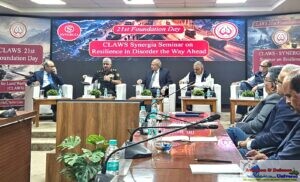
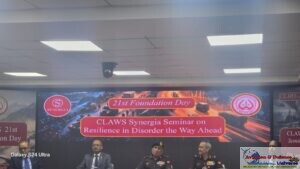
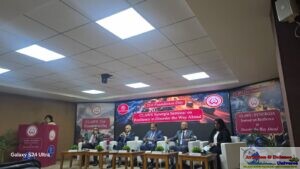
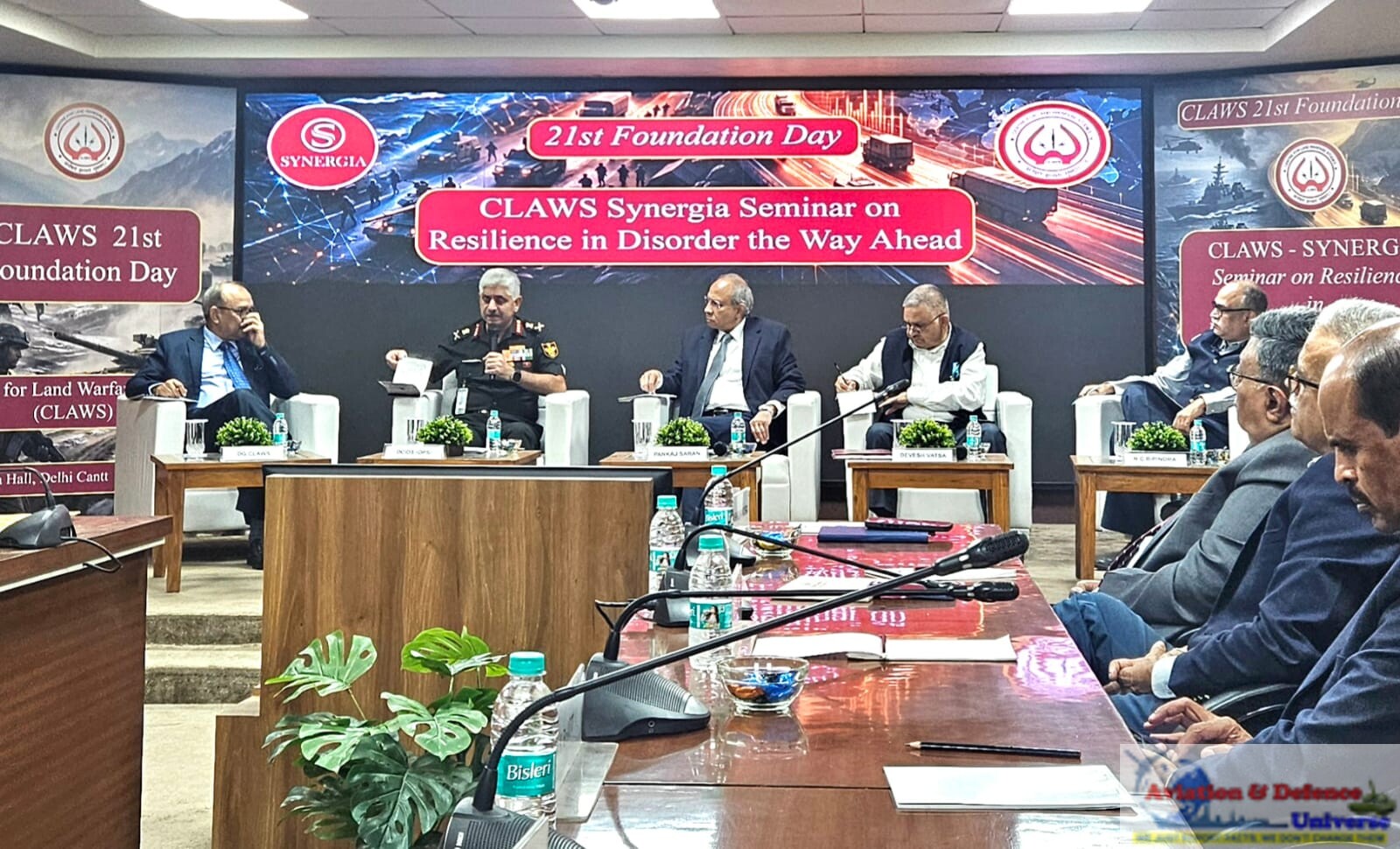
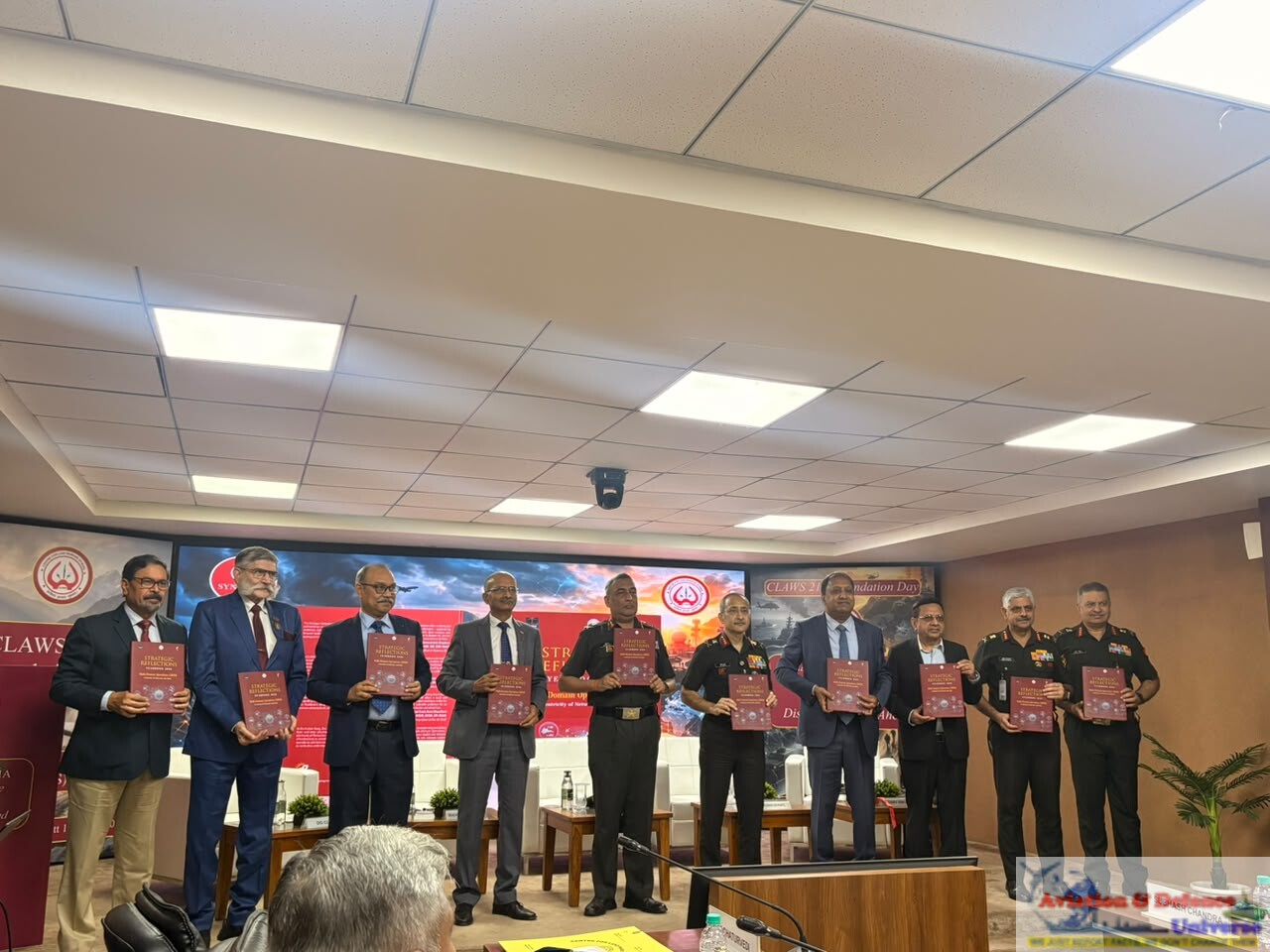
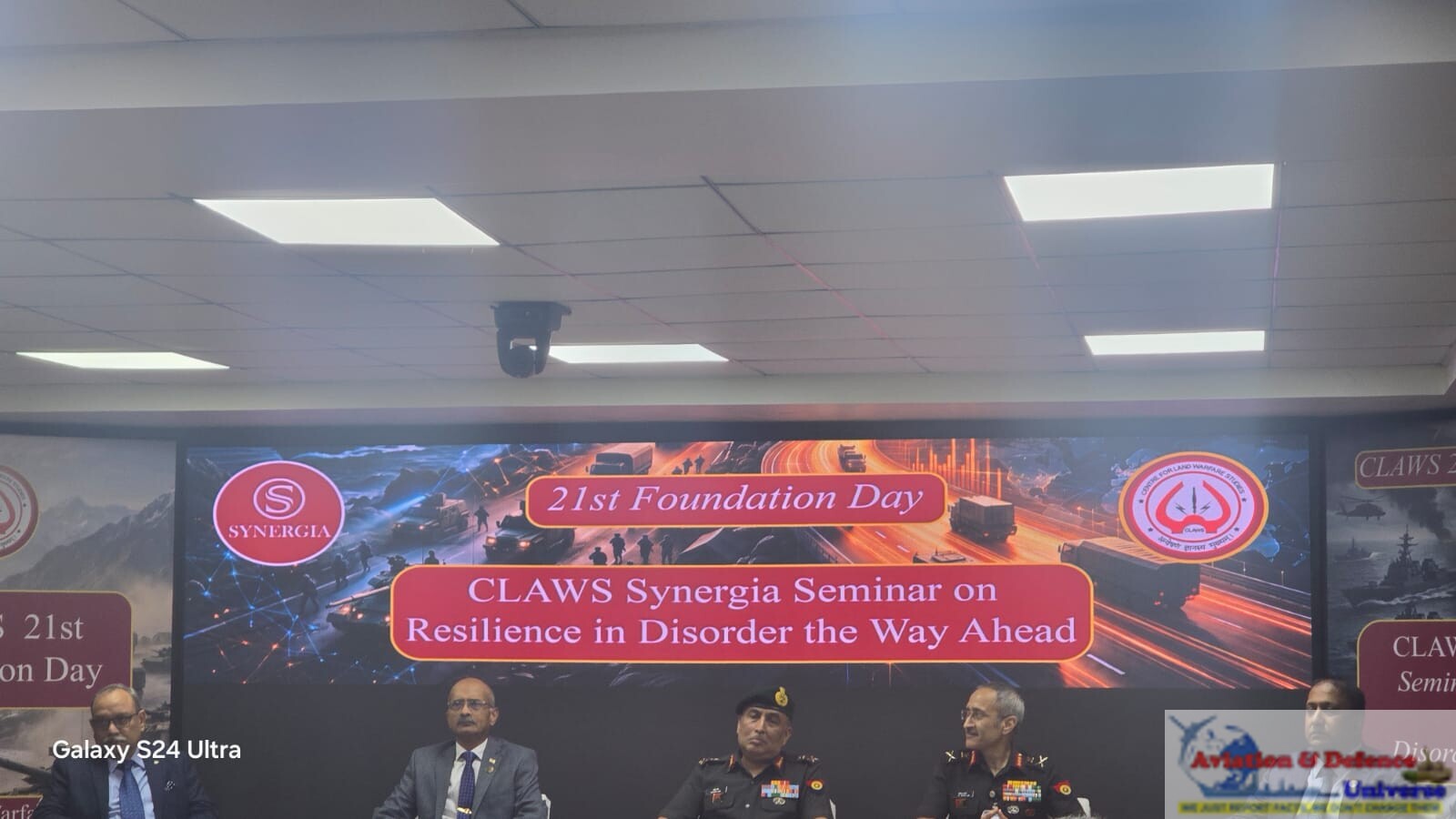
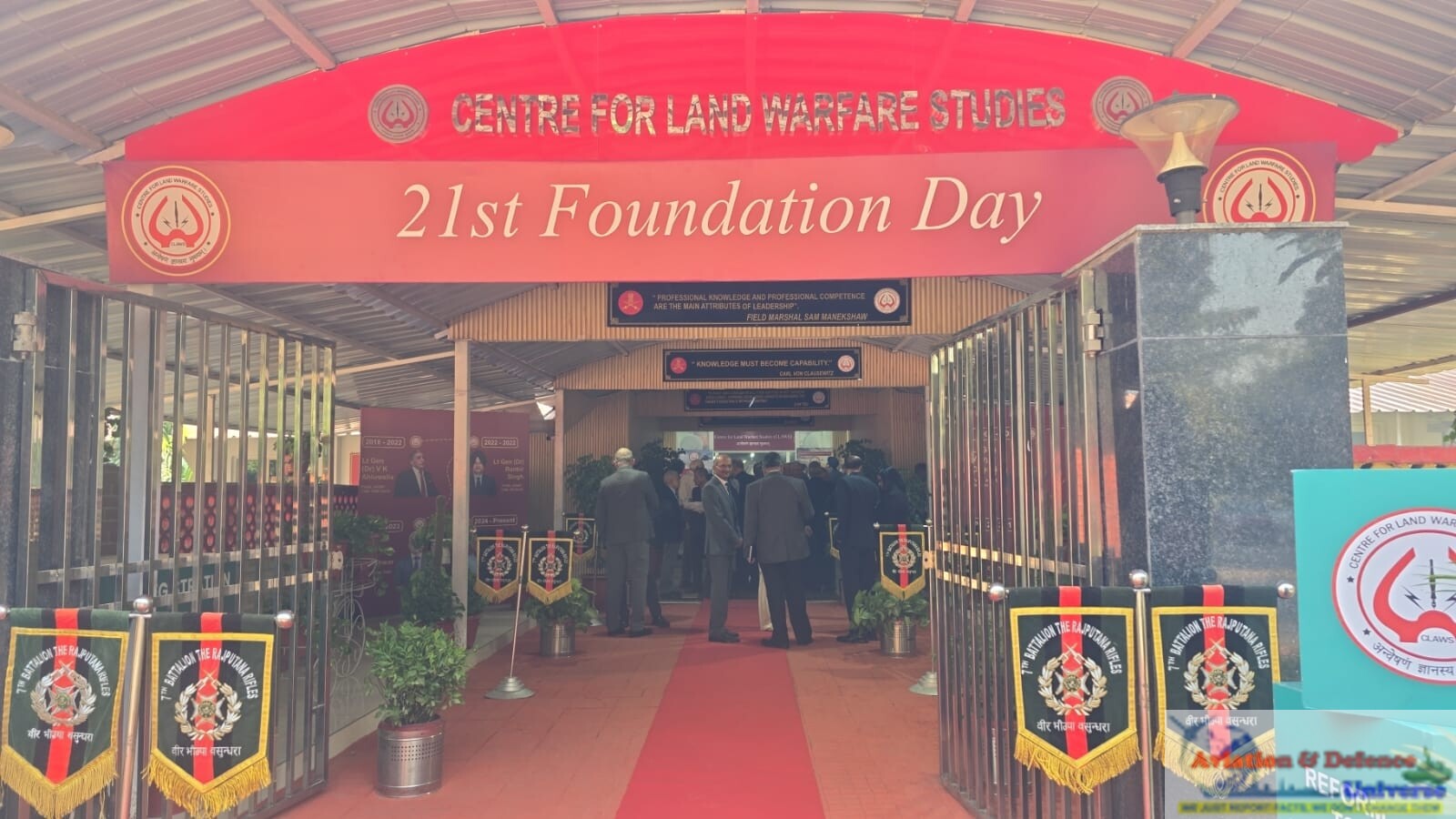
New Delhi. 18 November 2026. What if the greatest danger to India’s future is not the next war, but the economic and technological choices it makes to prepare for one? What if the factories built to escape dependence become uncompetitive when geopolitical tensions ease? What if artificial intelligence divides the world more decisively than military alliances? And what if strategic autonomy, painstakingly purchased through investment, diplomacy and industrial policy, becomes impossible to exercise when the country needs it most? These were not hypothetical questions from a distant future. They formed the intellectual battleground of the second panel discussion at the 21st Foundation Day Seminar of the Centre for Land Warfare Studies (CLAWS), where India’s diplomatic experience, military expertise, defence production knowledge, strategic foresight and economic analysis converged to examine a world beyond the current geopolitical flux.
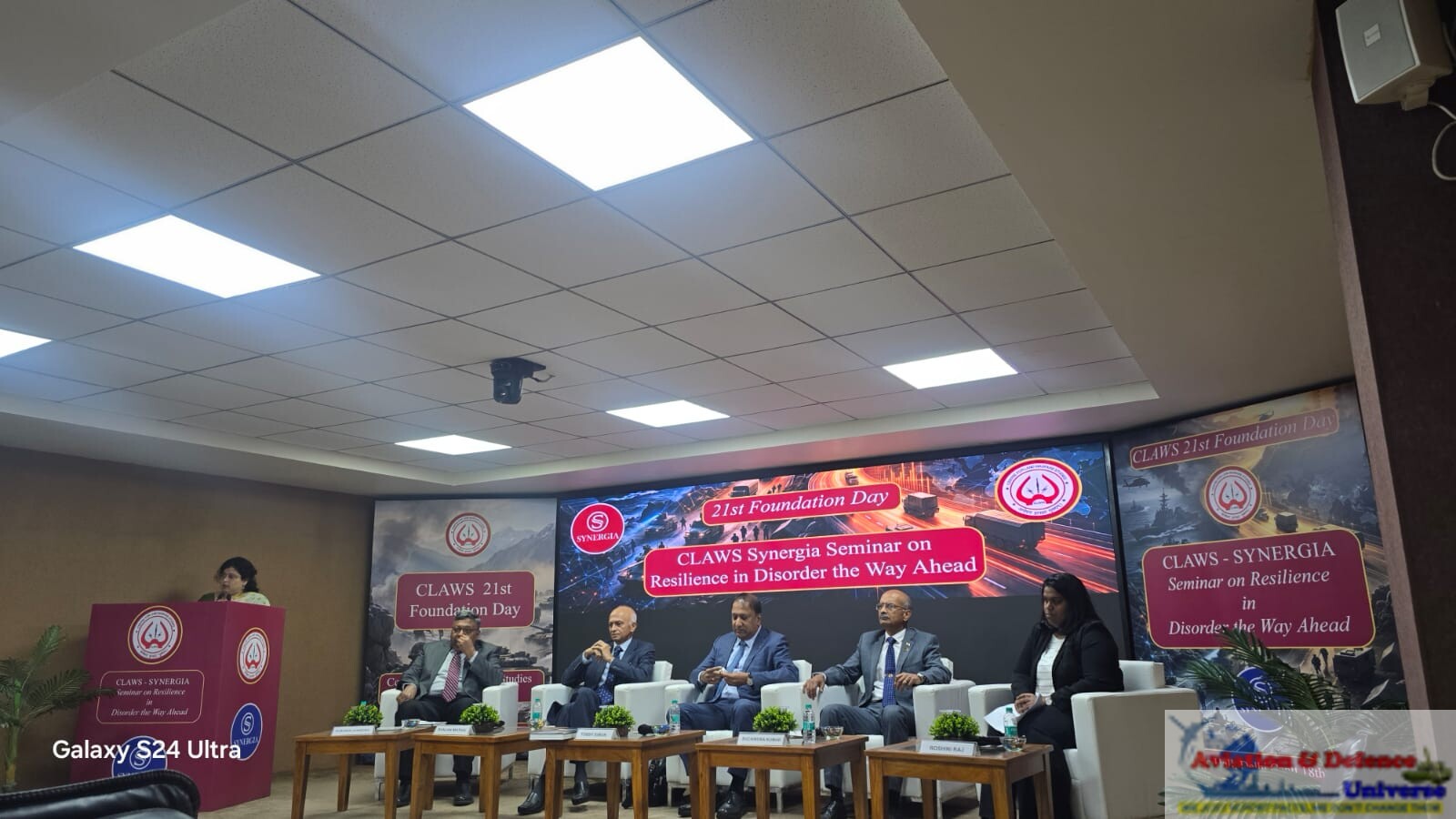
 The session, themed “World Beyond the Current Flux: The Way Ahead,” moved beyond diagnosing global instability to examining what India must actually do to protect its national interests. It questioned whether the international order was moving towards American dominance, Chinese ascendancy, a new bipolar arrangement, genuine multipolarity or a fragmented world increasingly influenced by technology corporations and other non-state actors. More importantly, it asked whether India was building the military capabilities, economic resilience, industrial competitiveness and diplomatic relationships necessary to remain strategically independent under any of these circumstances.
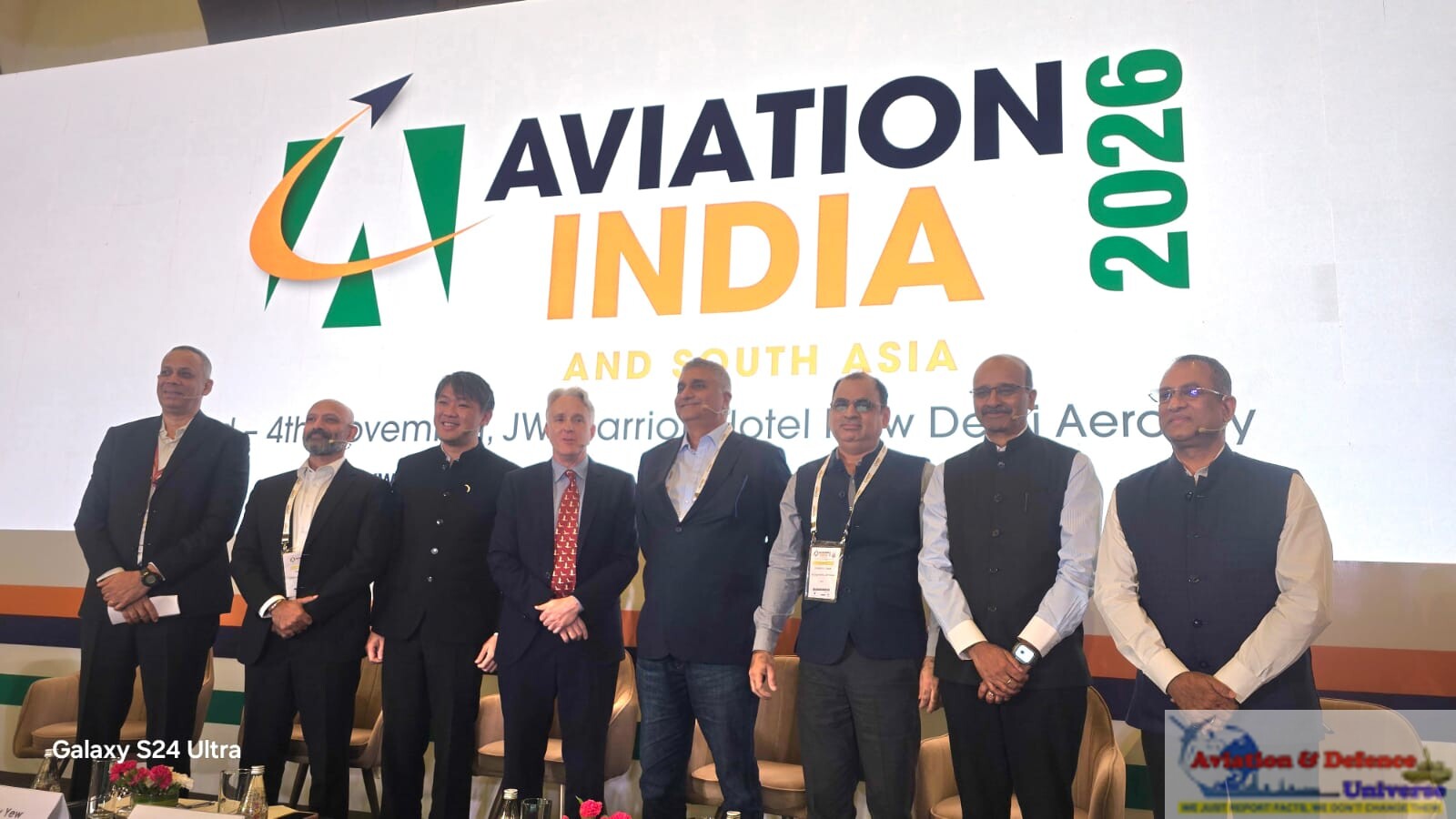
Chaired by Subhash Chandra, former Secretary, Defence Production, Ministry of Defence, the panel brought together Ambassador Ranjan Mathai, former Foreign Secretary of India, Tobby Simon, Founder and President, Synergia Foundation, Lt Gen M. V. Suchindra Kumar (Retd.), former Vice Chief of the Army Staff and Military Advisor to Synergia Foundation and Roshini Raj, Senior Research Associate, Synergia Foundation.
The discussion was distinctive because the speakers did not merely agree that the world was becoming more dangerous, they examined different dimensions of that danger and, in several instances, challenged the assumptions underlying India’s responses. Their collective message was that strategic autonomy could no longer be measured simply by India’s freedom to choose diplomatic partners. It had to be assessed by the country’s ability to sustain essential capabilities, absorb economic shocks, develop critical technologies, accelerate military modernisation and act independently when international circumstances became hostile.
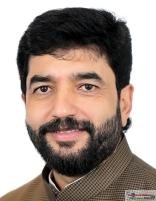
Subhash Chandra: India’s Strategic Future Cannot Be Managed Through Business-as-Usual Decisions
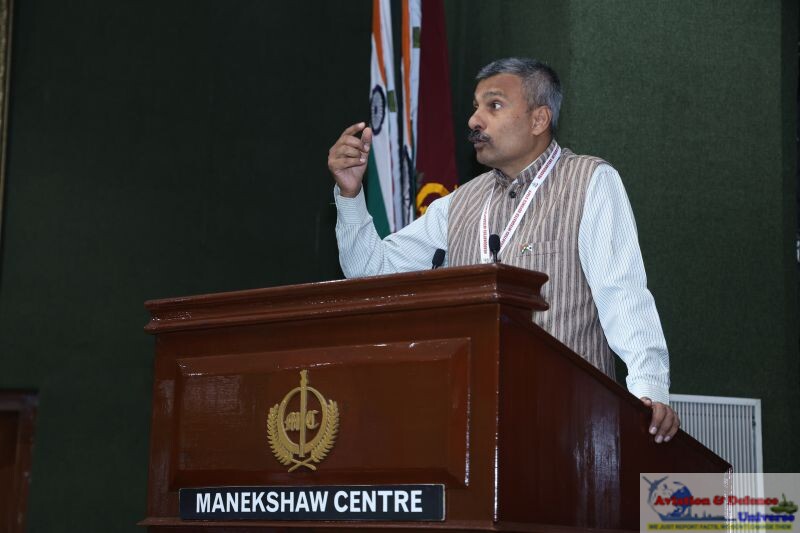
Opening the discussion, Subhash Chandra placed India’s security challenges within the wider breakdown of established international economic and political arrangements. He observed that the rules-based global order associated with the post-Bretton Woods system was under pressure, while ongoing conflicts were reshaping international relations and creating new vulnerabilities.
For India, these developments could not be viewed as distant geopolitical events. Changes in Pakistan’s relationships with Saudi Arabia, Turkey and the United States, for instance, could directly influence India’s strategic calculations. Equally important was the question of access to military technology, intellectual property and critical capabilities, which could be made available or denied depending on international political circumstances.
Chandra wanted the panel to examine the implications of these developments specifically for India. The country had pursued resilience and self-reliance, but the emerging international environment required a closer examination of how those policies translated into practical military and industrial capabilities.
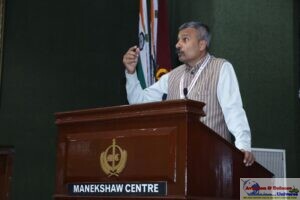
His intervention became particularly significant during the audience interaction, when concerns were raised about the slow pace of Indian defence procurement and the rapid technological changes visible in contemporary conflicts.
Drawing upon approximately seven and a half years of experience in the Ministry of Defence at different levels, including senior positions, Chandra argued that defence administration could not be treated like routine government business.
“I have always believed that the MOD is not, it can never be a business-as-usual ministry,” he stated. He illustrated his argument with an incident involving the preparation of a Cabinet note for raising a new military formation for an eastern contingency. The proposal had encountered a lengthy list of queries from the Ministry of Finance, including a question concerning whether strategic alternatives had been considered.
 Rather than allowing the matter to become trapped in prolonged correspondence, Chandra recalled consulting military officers, including General Ranbir Singh, to prepare a response. The process demonstrated how direct engagement between civilian administrators and military professionals could accelerate decision-making.
He also recalled the institutional resistance that could accompany attempts to move files quickly and decisively. His larger point was that the urgency of defence requirements often demanded a different administrative mindset.
The speed of decisions, he argued, had to improve at every level. “We need to work on a kind of a mission mode,” he emphasised. Chandra also recalled an initiative under which newly inducted Ministry of Defence officials were taken to forward locations to understand the operational significance of the files they handled. The purpose was to ensure that officials recognised that an administrative decision was not simply a matter of paperwork. It could directly affect operational preparedness, military personnel and national security. He advocated empowering public-sector defence enterprises and exploring mechanisms through which Indian private companies could strategically acquire overseas firms possessing useful technologies or capabilities.
Ambassador Ranjan Mathai: Unipolarity Is Fading, Bipolarity Is Uncertain and Multipolarity Is Still a Possibility
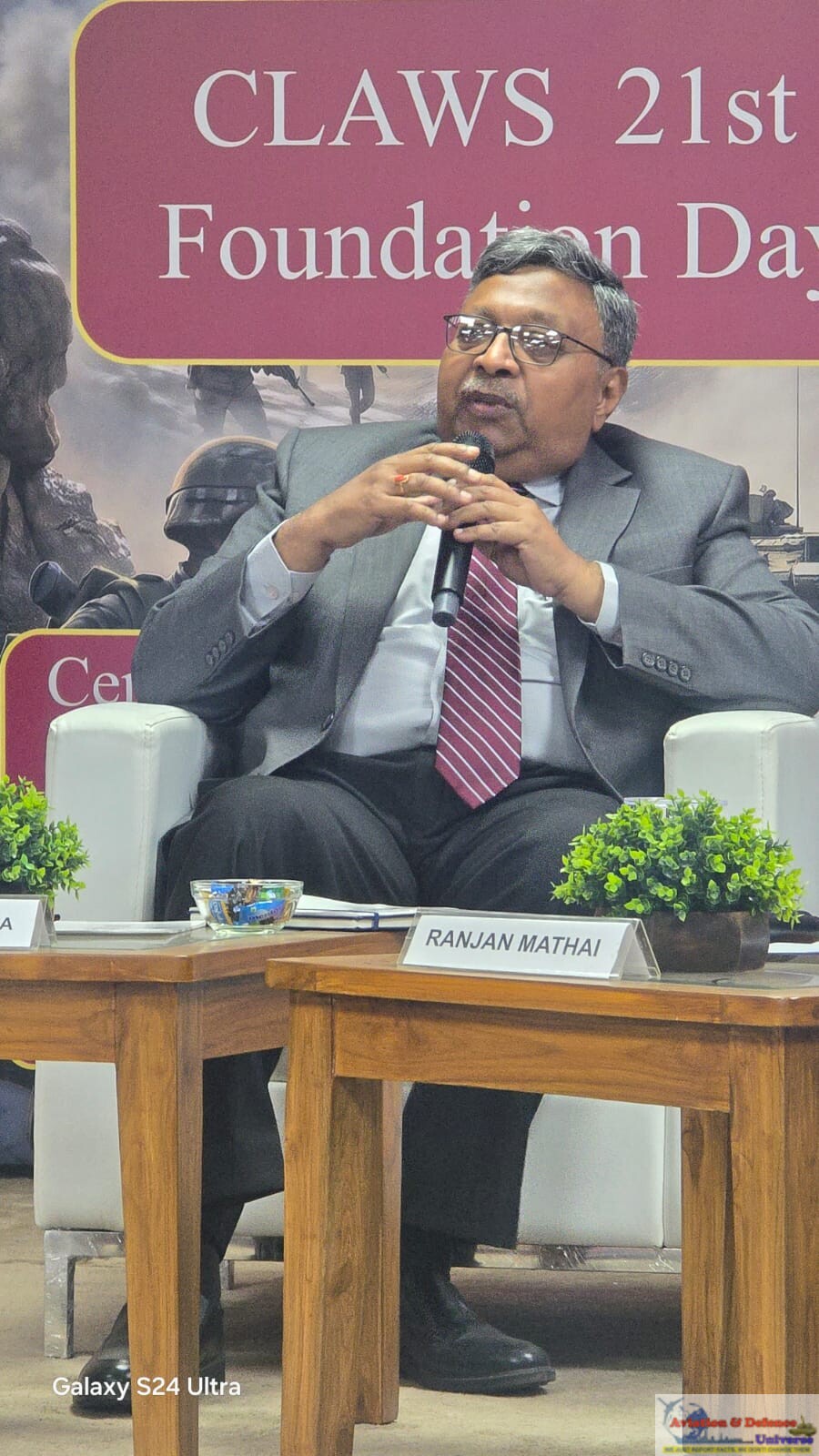
Ambassador Ranjan Mathai began by questioning the emerging structure of international power. His assessment reflected the uncertainty surrounding the international order. The United States remained the dominant military, economic and technological power, but its ability to convert that dominance into meaningful strategic outcomes was increasingly contested. China continued to expand its economic, commercial, technological and military capabilities, but it too faced structural limitations, including dependence on external markets and domestic economic challenges. Russia, although weakened by prolonged conflict, remained a significant international actor. Japan and Europe could potentially develop more assertive roles, while regional powers were seeking greater influence.
Mathai questioned whether the world was genuinely moving towards a US-China condominium, often described as a G2 arrangement. In his assessment, China had not yet achieved parity with the United States in important areas such as market size and the international reach of its currency. At the same time, he acknowledged that the growing economic weight of China was changing American strategic calculations. The possibility of renewed engagement among Washington, Beijing and Moscow, including discussions involving nuclear arms control, could have significant implications for the international balance of power. He stressed that India’s foreign policy had to recognise these uncertainties rather than assume that the emerging order would automatically create favourable opportunities.
Mathai highlighted the significance of China’s position in rare earth supply chains and its capacity to influence international production through export controls. India needed to reduce such vulnerabilities while developing the technological and industrial depth necessary to support an independent strategic posture.
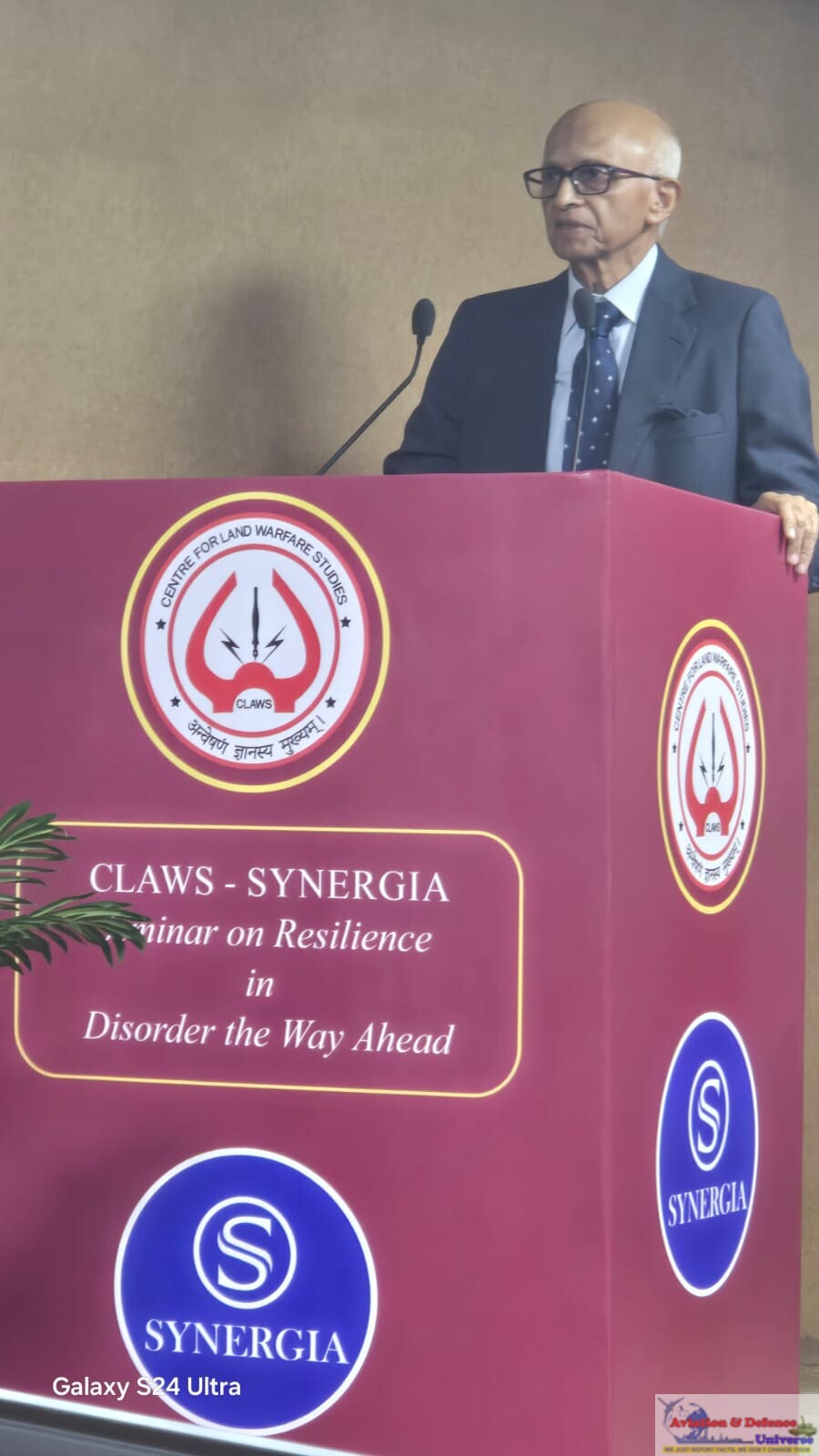 He also drew attention to the gap between research and actual development in India. “We have lots of R and very little D,” he remarked, arguing that technological research had to translate more effectively into deployable capabilities and commercially viable products. For India, this was not merely an industrial policy issue. It was central to the country’s ability to negotiate with major powers from a position of greater strength.
Mathai strongly supported continued engagement with the United States, Russia, Japan, France, Germany and Israel. However, he argued that India needed to think more carefully about the value it brought to these relationships. Strategic partnerships could not remain one-sided arrangements in which India primarily expected technology, investment or diplomatic support. He identified Japan as a particularly important potential partner but warned that Japanese commercial interest often encountered regulatory and administrative difficulties in India. Removing such obstacles could help convert diplomatic goodwill into meaningful investment and technological cooperation.
He also called for greater resources to stabilise India’s neighbourhood and cited the scale of assistance required during Sri Lanka’s economic crisis as an example of the financial commitments that regional leadership could entail. India should continue supporting the Global South, United Nations reform and fairer multilateral trading arrangements while taking a more active role in efforts to address conflicts affecting its interests.
Tobby Simon: The Greatest Flux May Be the Weaponisation of Deception
Tobby Simon, Founder and President of the Synergia Foundation, approached the question of global instability through the changing nature of strategic deception, technological dependence and the ability of powerful countries to deny critical capabilities to others.
Invoking Sun Tzu’s The Art of War, he suggested that deception remained a central instrument of strategic competition, although the technologies through which it operated had changed dramatically. He illustrated the principle through a traditional hunting story in which an animal becomes trapped because it refuses to release an object it has grasped. The underlying lesson was that an apparent opportunity could conceal a carefully constructed vulnerability. Simon connected this principle to contemporary economic and technological relationships.
A country could become so dependent on a critical technology, supply chain or commercial arrangement that the very advantage it believed it possessed became a source of strategic weakness. “I think the greatest flux that we are going to see is how do we manage the art of deception,” he observed.
He pointed to developments in West Asia, restrictions on advanced artificial intelligence technologies and Chinese controls over specialised construction equipment as illustrations of how seemingly unrelated systems could become instruments of strategic pressure. Discussing disruption around the Strait of Hormuz, he highlighted the disproportionate effects that relatively inexpensive drones, missiles, mines and changes in insurance costs could have on a maritime route carrying a substantial share of global oil shipments.
The vulnerability was not limited to naval blockades or conventional military action. Commercial decisions by shipping companies and insurers could amplify the consequences of military threats. He also referred to restrictions on access to advanced AI models and warned that future technological capabilities might not remain freely accessible to countries dependent on foreign providers.
In another example, he discussed Chinese export controls affecting specialised machinery needed for infrastructure development, including equipment relevant to difficult terrain. His argument was that technology dependence had become a potential instrument of coercion.
Simon challenged the tendency to treat global instability as a temporary interruption before the restoration of normal international relations. “The flux is not the storm that we wait out. It is the new climate,” he declared. The distinction was important. If the current environment represented a structural transformation rather than a temporary crisis, governments could not simply preserve existing arrangements and wait for tensions to subside.
Lt Gen M. V. Suchindra Kumar: Six Possible Futures, One Requirement for India — Preparedness
Lt Gen M. V. Suchindra Kumar (Retd.), former Vice Chief of the Army Staff and Military Advisor to the Synergia Foundation, brought a structured military and strategic foresight perspective to the discussion. Rather than predicting one inevitable future international order, he presented six possible scenarios for the world towards 2035. His approach reflected the uncertainty surrounding international power distribution, technological development, defence expenditure and the influence of state and non-state actors. He explained that the scenarios were intended to help policymakers examine different strategic possibilities and identify the capabilities India would require under each.
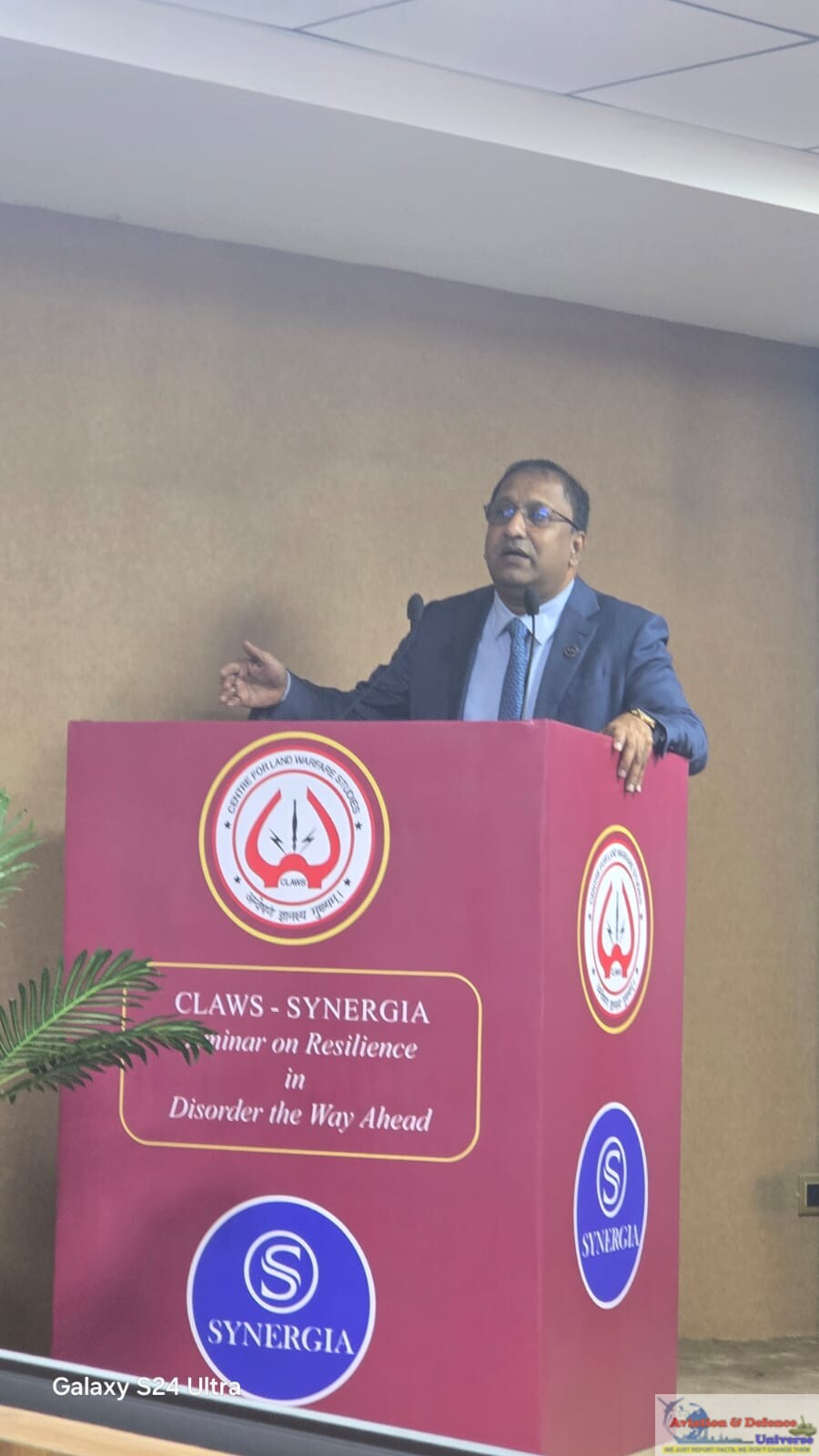 The first scenario envisaged a China-led international arrangement in which Beijing expanded its influence through economic power and relationships involving BRICS, the Shanghai Cooperation Organisation and countries such as Russia, Iran and North Korea. In such a world, economic pressure could become an increasingly important instrument of security competition.
The second scenario envisaged renewed American predominance, with the United States retaining its ability to influence international technology standards, security arrangements and economic relationships. The third was a G2 arrangement in which the United States and China emerged as the two principal centres of power, maintaining a fragile strategic balance resembling a new Cold War.
Under this scenario, competing technological ecosystems and standards could become particularly important. The fourth scenario was described as a five-body problem or five-body opportunity, involving several major centres of power, including the United States, China, Russia, the European Union and India. He considered this a potentially more stable arrangement, in which issue-based diplomacy and regional economic cooperation could create opportunities for balancing competing interests.
However, he cautioned that conflicts could still emerge along the fault lines separating different groupings. The fifth scenario involved an authoritarian international order in which personal diplomacy, ideological proximity, transactional relationships and competition for resources influenced strategic alignments. The sixth envisaged a world increasingly shaped by actors beyond traditional nation-states.
Multinational corporations, technology oligarchs, cartels, non-governmental organisations and megacities could acquire greater influence as state authority weakened in certain regions. Such a scenario could be especially relevant to areas affected by prolonged instability, including parts of the Sahel and the Afghanistan-Pakistan border region. Lt Gen Suchindra Kumar emphasised that these scenarios were not mutually exclusive. Different elements could emerge simultaneously in different regions, requiring India to prepare for several forms of international competition rather than commit its planning to one assumed future.
Lt Gen Suchindra Kumar connected these possible futures to international defence expenditure and military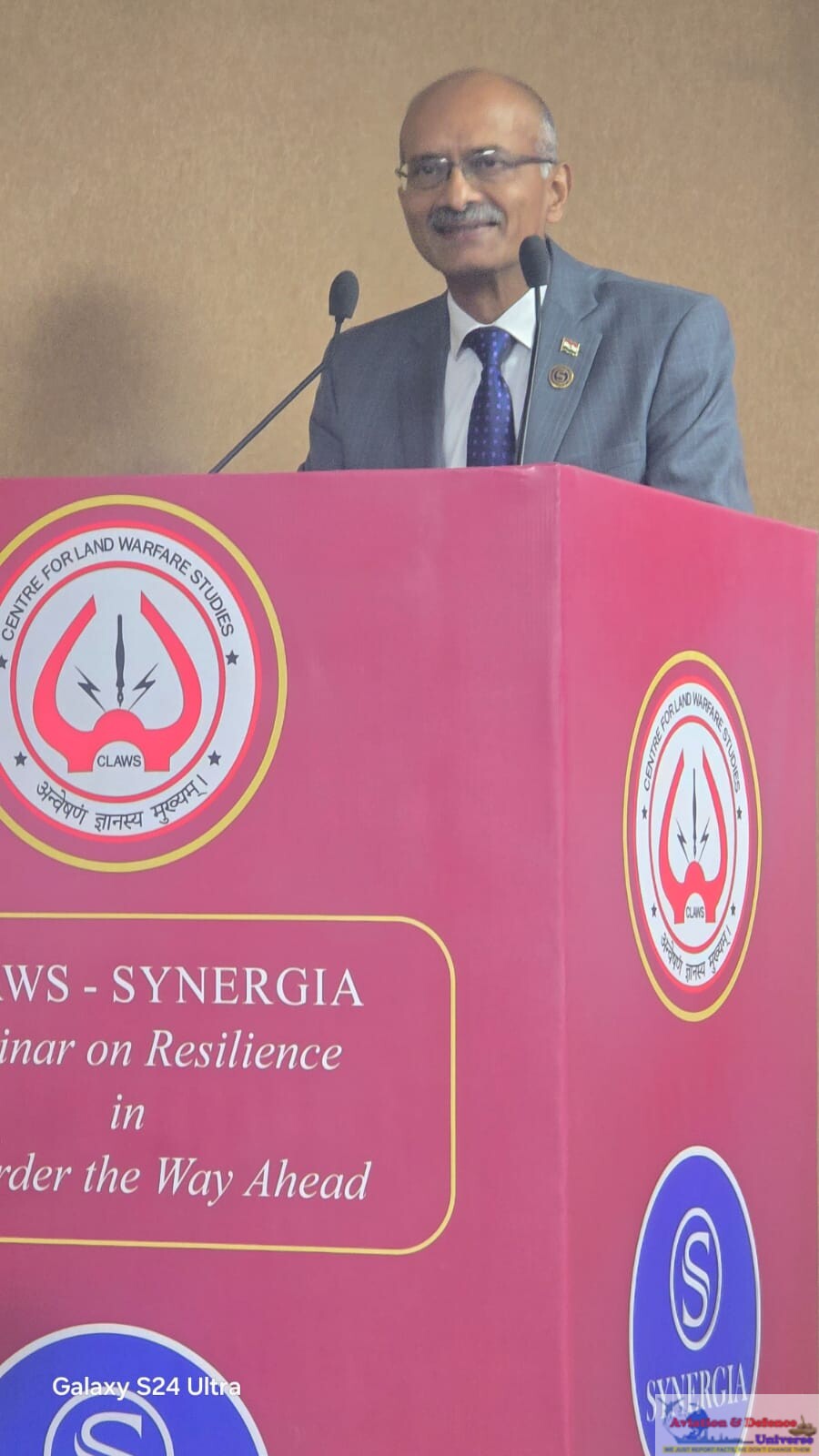 modernisation programmes. He referred to data from the Stockholm International Peace Research Institute and examined the spending priorities of the United States, China, Russia, NATO members and important Indo-Pacific countries. His central argument was that national security strategies became meaningful when examined alongside the resources committed to implementing them.
The United States was investing heavily in advanced military technologies, including space-based surveillance, satellite communications, autonomous systems and rapid innovation. China was pursuing military modernisation through state-supported research, technological development, civil-military integration and increasingly sophisticated unmanned and intelligent systems.
NATO members were strengthening defence preparedness while also investing in infrastructure, cybersecurity, innovation and industrial resilience. Japan, South Korea, Taiwan and Australia were adjusting their military programmes in response to regional threats and the changing character of warfare. Japan’s investments in stand-off weapons, advanced combat aircraft, maritime platforms and intelligence, surveillance and reconnaissance capabilities reflected a broader shift towards stronger deterrence and counterattack capabilities. Taiwan and South Korea were also placing growing emphasis on disruptive technologies. The European defence industry was seeking to increase investment in emerging capabilities while retaining the benefits of its established manufacturing base.
The implication for India was that military modernisation could not be measured simply by the number of platforms ordered or inducted. The balance between acquiring established weapons systems and investing in emerging technologies was becoming increasingly important.
Roshini Raj: What If the Next Crisis Is Created by Our Solutions to This One?
Roshini Raj, Senior Research Associate at the Synergia Foundation, introduced a different and particularly challenging perspective. While the preceding speakers had examined how India should respond to geopolitical disorder, she questioned whether the policies adopted to protect countries from that disorder might themselves create future instability.
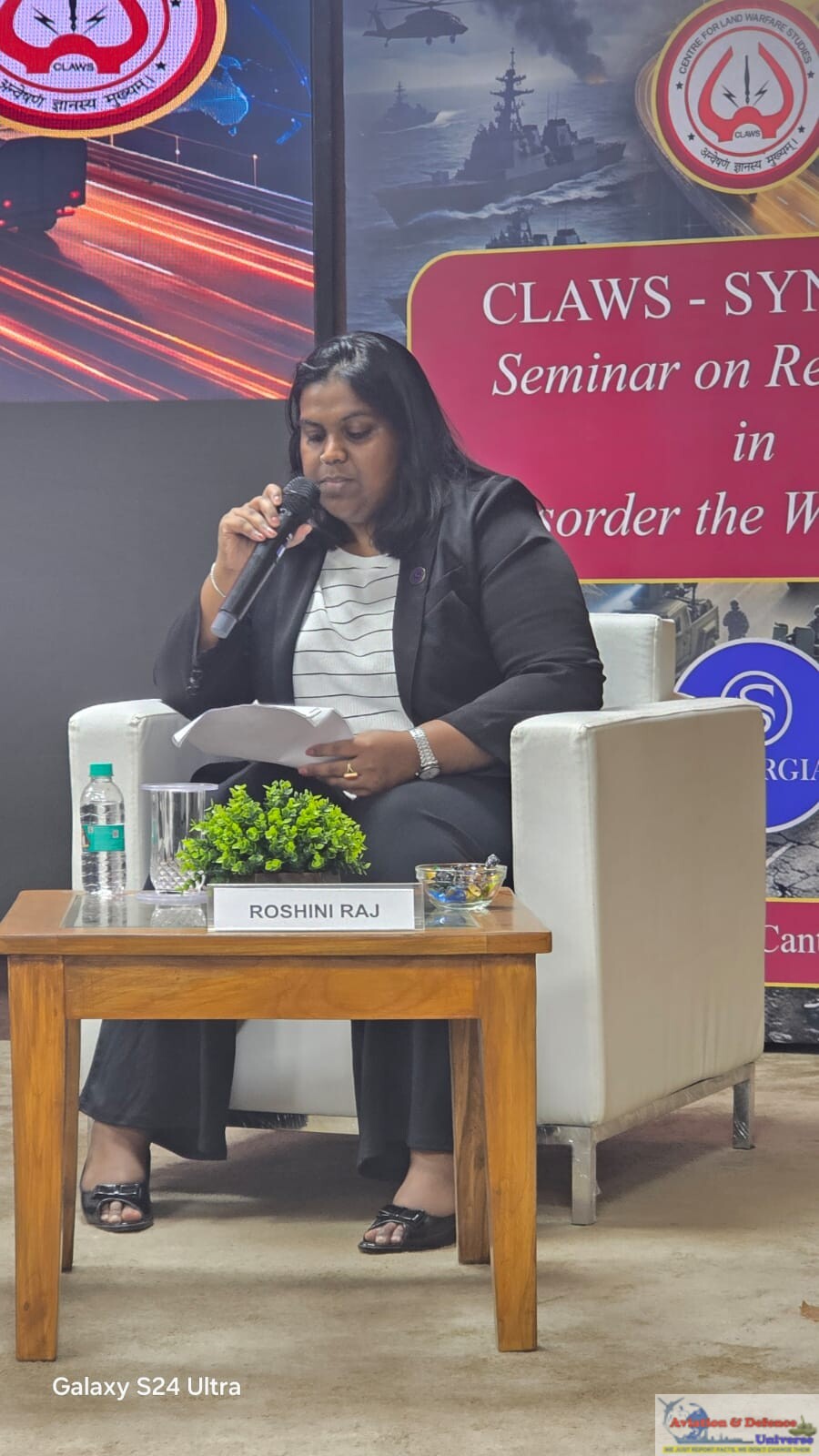 “What if the next instability comes from our solutions to this one?” she asked. Her argument challenged an assumption underlying much contemporary industrial and national security policy: that reducing dependence on foreign suppliers would automatically make countries more secure. She asked the audience to imagine a world in which every major power successfully established domestic semiconductor manufacturing, battery production and critical mineral supply chains. Each country might become less dependent on its rivals, but the world would not necessarily acquire enough additional customers to absorb the resulting increase in production.
“Who buys the additional output and who absorbs the losses?” she questioned. The problem, she explained, was that policies could be rational from an individual country’s security perspective but destabilising when adopted simultaneously by many countries. Governments were investing in strategic industries to guarantee access to essential technologies and materials during crises. However, if global production exceeded demand, prices could fall and manufacturers could become financially unviable. Countries might then be forced to provide continuing subsidies to preserve industrial capabilities they considered essential for national security. The result could be an expensive cycle in which strategic industries survived not because they were commercially competitive but because governments could not afford to let them fail.
Raj warned that the economic consequences of geopolitical disruption could persist long after the original crisis had ended. She introduced the economic concept of hysteresis, in which a temporary shock produces lasting structural changes. A trade restriction might initially force companies to move production to another country.They would subsequently invest in factories, train workers, develop suppliers and establish commercial relationships. Even if the restriction was removed, returning to the original arrangement could become expensive.
Such changes could create genuine new industrial capabilities. However, they could also produce industries whose economic justification depended heavily on the continuation of geopolitical tensions. Raj asked whether some of India’s recent industrial opportunities would remain equally attractive if relations between the United States and China improved.
“Have we begun building an economy that needs the flux to continue?” she asked. This was one of the most provocative questions of the session. India had benefited from international efforts to diversify supply chains and reduce dependence on China. But not every investment attracted by geopolitical rivalry would necessarily retain its commercial value if international relations became less confrontational. Raj argued that policymakers needed to distinguish durable capabilities from temporary advantages. She contrasted India’s established competitiveness in software exports with the continued dependence of parts of its electronics manufacturing sector on imported components. Similarly, India’s refining capacity represented an enduring industrial strength, while the financial benefits of discounted crude oil purchases could depend on temporary international circumstances.
India Must Prepare for a World That Changes — and for One That Changes Again
The most important message from the second CLAWS panel was not that the world was becoming unstable. That was already evident. The deeper warning was that India could make costly strategic mistakes by preparing for only one version of the future. A world dominated by the United States would present one set of challenges. A China-led order would present another. A G2 arrangement could narrow India’s diplomatic options, while genuine multipolarity could create new opportunities. A fragmented international system shaped by powerful technology corporations could challenge the authority of nation-states themselves.
Yet India’s response cannot be to build a separate national strategy for every conceivable international arrangement. It must develop capabilities that remain useful across all of them. That means military strength that can respond to emerging threats, technology that cannot be disabled through external dependence, industry that can survive without perpetual subsidies, diplomacy backed by genuine national power and a defence procurement system that moves at the speed of strategic necessity. It also means recognising that self-reliance is not an end in itself. The objective is the freedom to act independently when national interests demand it.
Ambassador Mathai reminded the gathering that India’s strategic autonomy would ultimately depend on its 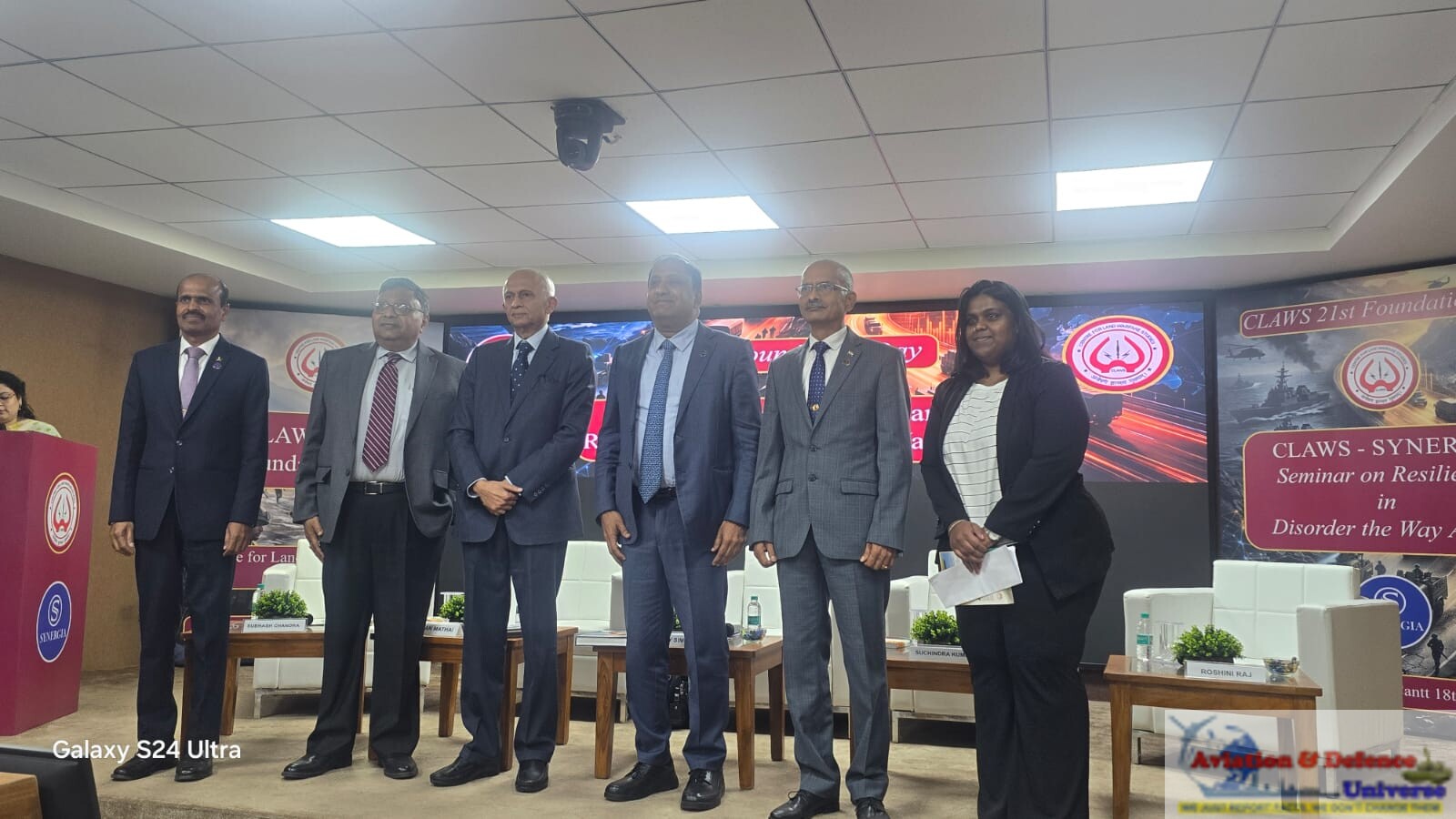 own resources. Tobby Simon warned that technological dependence could become an instrument of coercion. Lt Gen Suchindra Kumar showed why the future demanded investment in disruptive capabilities. Subhash Chandra called for mission-mode decision-making. And Roshini Raj delivered perhaps the session’s most unsettling question: what if the solutions being built to survive today’s geopolitical crisis become the source of tomorrow’s economic instability? The answer lies in building capabilities, not dependencies; creating competence, not merely capacity; and investing in national strength that survives both confrontation and cooperation.
For India, the next great strategic challenge is not simply to prepare for war, withstand economic coercion or navigate diplomatic uncertainty. It is to ensure that the country remains capable of choosing its own course when the international order changes — and when it changes yet again. Because a nation is not truly strategically autonomous merely because it can say no to the world. It is strategically autonomous when it possesses the military strength, technological control, economic resilience and institutional courage to make that no count. And that is the real challenge beyond the current flux: not merely surviving the future, but building an India strong enough to shape its place within it.