


























- Dividing Pakistan to Rule It? The Army’s New Political Calculus
- More Provinces, Less Democracy? Pakistan’s Military Might Rewrite the Political Map
- Pakistan’s Changing Map: Why India Must Watch the Army’s Next Move
By Jai Kumar Verma
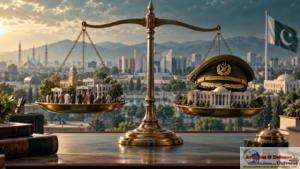
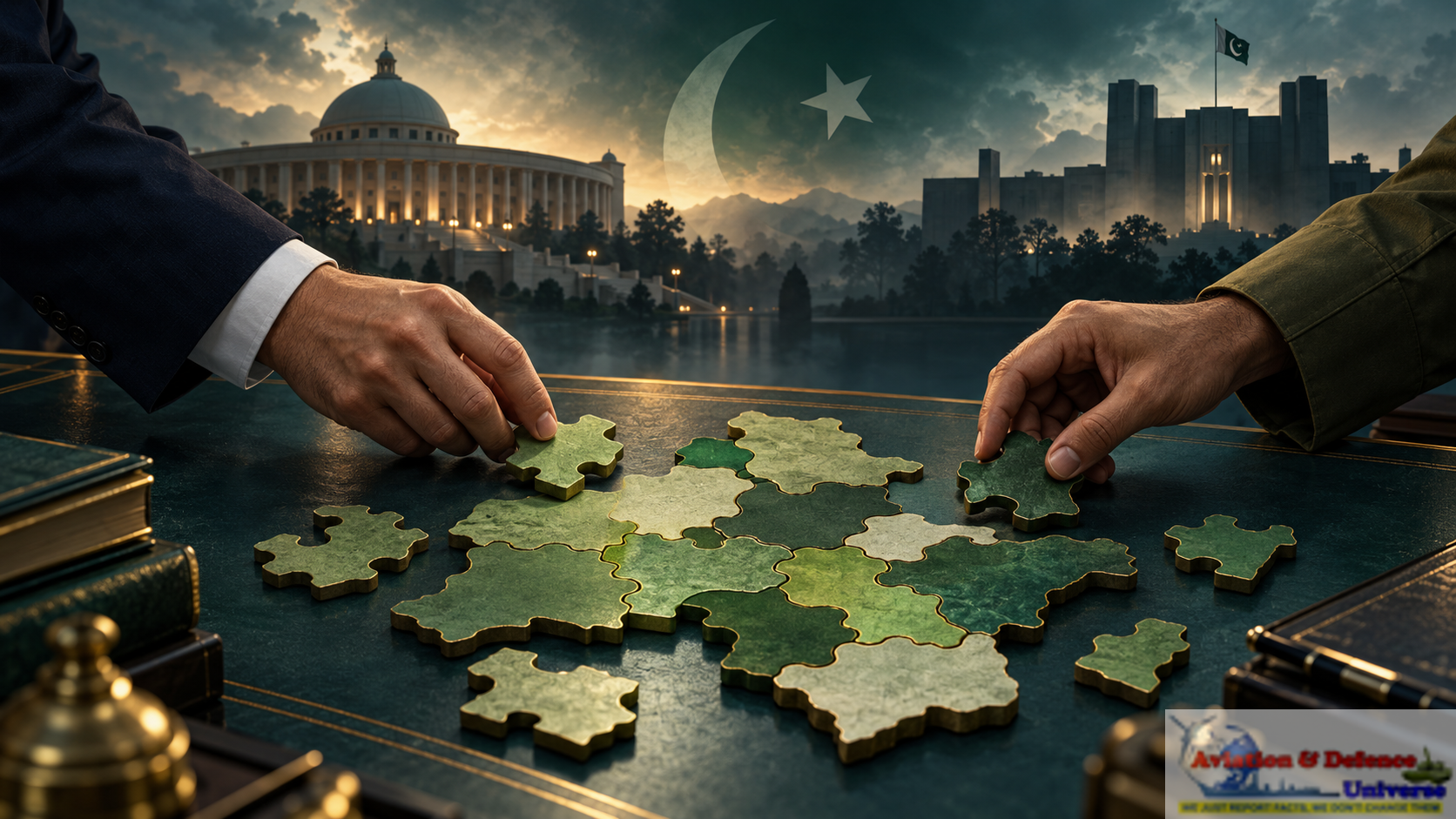
New Delhi. 29 October 2026. One map. Four provinces. A possible twelve to fifteen. Pakistan is debating a major restructuring of its administrative system, raising questions that extend well beyond governance. Would smaller provinces bring government closer to ordinary citizens, or make regional leaders less capable of challenging the powerful establishment in Rawalpindi?

The debate has gained momentum in recent months. Planning Minister Ahsan Iqbal has proposed examining the creation of 12 to 15 provinces, while other senior officials have called for a serious discussion on administrative reform. However, no final decision has been announced, and the federal cabinet has not formally approved a restructuring plan. Reports of support from powerful quarters have fuelled speculation about the military’s role, particularly involving Field Marshal Asim Munir.
Pakistan’s history nevertheless offers reasons to examine the issue carefully. The country was created in 1947 with two geographically separated wings. East Pakistan, despite its larger population, remained politically disadvantaged and broke away in 1971 to become Bangladesh. The One Unit arrangement, which had merged West Pakistan’s provinces into a single administrative unit, was dissolved in 1970. The present four-province structure emerged from that change, while the former Federally Administered Tribal Areas were merged into Khyber Pakhtunkhwa in 2018.
The question today is whether Pakistan can redraw its internal boundaries without aggravating the political and ethnic divisions that have repeatedly challenged its unity.
What Is Actually Being Proposed?
The distinction between creating new provinces and establishing smaller administrative units is fundamental. Iqbal has outlined two alternatives: creating 12 to 15 provinces or empowering local governments across approximately 160 districts. The former would require substantial changes to Pakistan’s federal structure, while the latter could strengthen local administration without altering provincial boundaries.
The case for reform has a demographic basis. Pakistan’s population reached approximately 241.5 million in the 2023 census. Punjab accounted for 127.68 million people, followed by Sindh with 55.69 million, Khyber Pakhtunkhwa with 40.85 million and Balochistan with 14.89 million. These figures highlight the varying administrative burdens across provinces.
Smaller administrative units could improve access to public services, bring officials closer to citizens and direct greater attention towards neglected regions. However, their success would depend on adequate financial resources, clearly defined powers and effective accountability. Redrawing boundaries without strengthening institutions would merely create additional layers of government, rather than deliver meaningful administrative reform.
The Politics Behind the Map
Pakistan’s provincial boundaries are not merely administrative divisions; they shape electoral power, resource distribution and the political influence of regional leaders. Punjab, the country’s most populous province, remains the principal stronghold of the Pakistan Muslim League-Nawaz (PML-N), associated with the Sharif family. Although demands for a separate South Punjab province reflect genuine grievances over development, representation and public services, dividing Punjab could weaken established political networks.
Sindh presents a different but equally sensitive challenge. It is the principal stronghold of the Pakistan Peoples Party (PPP), led by the Bhutto-Zardari family, and remains central to the party’s national influence. Opposition to dividing Sindh, however, extends beyond party politics. For many Sindhi nationalists, the province’s historical, linguistic and cultural identity is inseparable from its territorial integrity.
Resistance has acquired institutional backing. In September, 2026, the Sindh Assembly adopted a resolution opposing attempts to divide the province or alter its boundaries. A multiparty conference in Hyderabad on October 11 similarly rejected the creation of new provinces or administrative units in Sindh.
These developments highlight the political risks of restructuring Pakistan’s provinces. Measures justified as administrative reforms could instead be perceived as attempts to undermine established political constituencies and regional identities.
The Military’s Potential Advantage
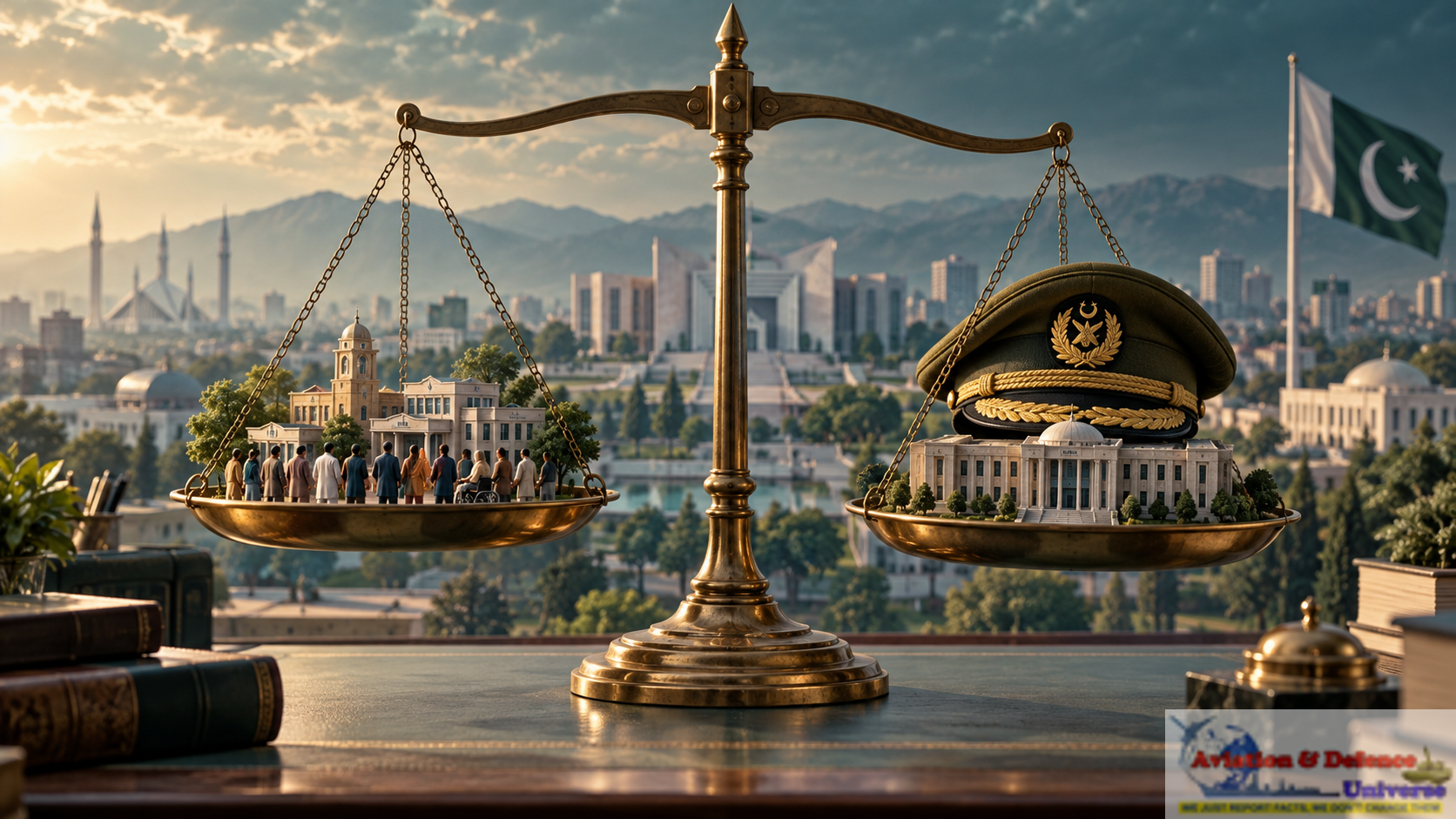
The central question is whether smaller provinces would improve governance while increasing the federal establishment’s influence. Large provinces possess substantial bureaucracies, financial resources and political networks, enabling their chief ministers to negotiate with Islamabad from positions of strength. Dividing them could create more provincial administrations with narrower political and economic bases, potentially making them easier for the centre to manage. Critics fear a divide-and-rule strategy, although smaller provinces could also empower communities marginalised by existing political elites. The distribution of financial resources would be decisive. Pakistan’s 18th Constitutional Amendment and the seventh National Finance Commission (NFC) Award in 2010 strengthened provincial autonomy and increased provincial resources.
A World Bank report titled Strengthening Fiscal Federalism in Pakistan and released on July 1, 2026 highlighted persistent weaknesses in fiscal federalism, including inadequate local-government funding, weak revenue mobilisation and limited improvements in public services despite expenditure. Over 80 per cent of provincial expenditure in fiscal year 2023 went towards recurrent costs.
The critical issue is whether restructuring transfers genuine authority to local institutions or leaves them dependent on Islamabad. If elected provincial governments weaken while the establishment’s influence expands, institutional checks on central power could consequently erode and it will strengthen Rawalpindi.
Minerals, Money and Regional Discontent
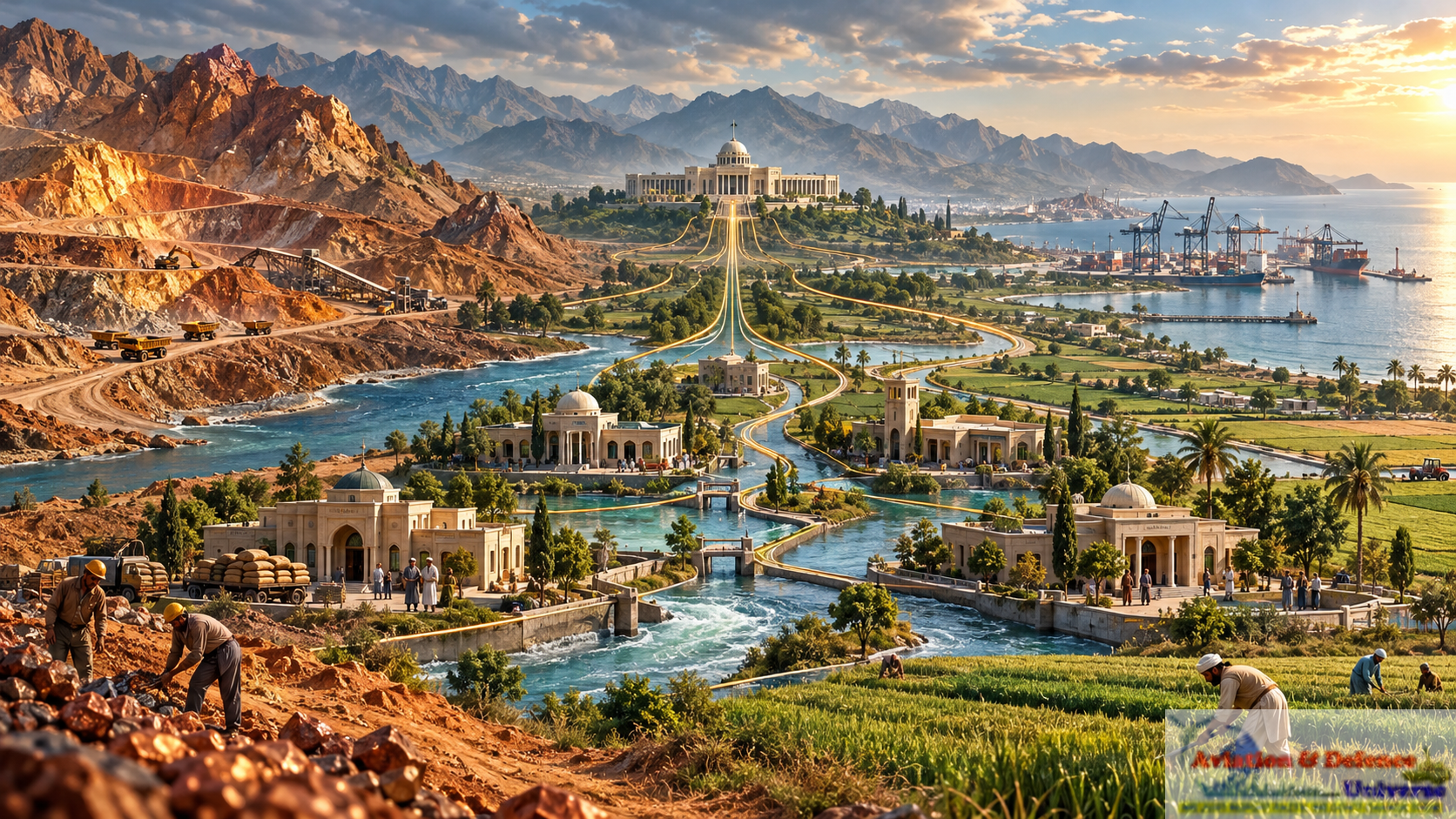
Natural resources make provincial restructuring particularly sensitive in Balochistan. Pakistan’s largest province by area but the population is much less in comparison to other states. The state possesses approximately 75% of Pakistan’s mineral wealth, substantial copper, gold, coal and energy resources. Gwadar also holds strategic importance for Pakistan and China-linked infrastructure projects under the China-Pakistan Economic Corridor (CPEC).
Baloch nationalists argue that the province’s mineral wealth has not translated into adequate local benefits. Disputes over royalties, employment, land rights and revenue distribution have fuelled resentment towards Islamabad. Allegations of enforced disappearances and grievances surrounding Balochistan’s accession to Pakistan in 1948 further complicate the conflict. The Balochistan Liberation Army (BLA) continues to attack Pakistani security forces and other targets. Coordinated attacks on January 30–31, 2026, caused deaths among civilians, security personnel and militants. Islamabad has repeatedly accused India of supporting insurgents; an allegation New Delhi denies.
The altering of federal-provincial relations could affect mining rights, royalties and development projects. Smaller administrations dependent on federal transfers might struggle to resist pressure from Islamabad, although genuine devolution could strengthen local accountability. Similar concerns surround Sindh’s coal, Punjab’s mineral deposits and Khyber Pakhtunkhwa’s resources. Ultimately, the critical issue is not the number of provinces, but who controls resource extraction, receives the revenues and bears the environmental and social costs.
Khyber Pakhtunkhwa: A Warning Sign?
Khyber Pakhtunkhwa adds another dimension to the debate. The province is the principal electoral stronghold of the Pakistan Tehreek-e-Insaf (PTI), founded by imprisoned former prime minister Imran Khan. On October 11, 2026, President Asif Ali Zardari reportedly imposed Governor’s rule, suspending the PTI-led provincial government. Islamabad cited rising militant violence and administrative failures, while the PTI accused the federal government of undermining its elected mandate. The episode highlights tensions between provincial autonomy, security imperatives and federal authority.
Can the Constitution Permit It?
 Creating new provinces in Pakistan would face significant constitutional and political obstacles. Article 239(4) of the Constitution requires a constitutional amendment altering a province’s boundaries to secure approval from the affected provincial assembly by at least two-thirds of its total membership before being presented to the President for assent. Article 239 also prescribes the parliamentary requirements for constitutional amendments. This gives provincial assemblies considerable influence over restructuring. The PPP’s opposition in Sindh, political sensitivities in Punjab and concerns among Baloch and Pashtun nationalist groups could make the required consensus difficult to achieve.
Practical challenges are equally important. Each new province would require administrative institutions, government offices, budgets and potentially a separate capital. Without corresponding improvements in public services, restructuring could increase expenditure without addressing governance failures. Local-government reform offers a potentially more practical alternative, bringing administration closer to citizens without necessarily requiring extensive constitutional changes. Ultimately, reform should be judged by whether it improves public services, strengthens accountability and ensures a fairer distribution of economic opportunities, rather than merely redrawing Pakistan’s political map to give extra dominance to Pakistan army.
What It Means for India
For India, the proposed restructuring presents both limited opportunities and substantial risks. An administration preoccupied with domestic political tensions and regional unrest may have less capacity to concentrate on external challenges. The debate could also expose the continuing importance of Rawalpindi in Pakistan’s decision-making, reinforcing New Delhi’s understanding that civilian political engagement alone cannot resolve every bilateral problem. Yet it would be a mistake to assume that a fragmented Pakistan would necessarily benefit India. A military establishment with greater control over provincial politics could face fewer domestic constraints when pursuing its security policy. The weakening of regional institutions might also make it easier for the centre to pursue policies that aggravate tensions with India.
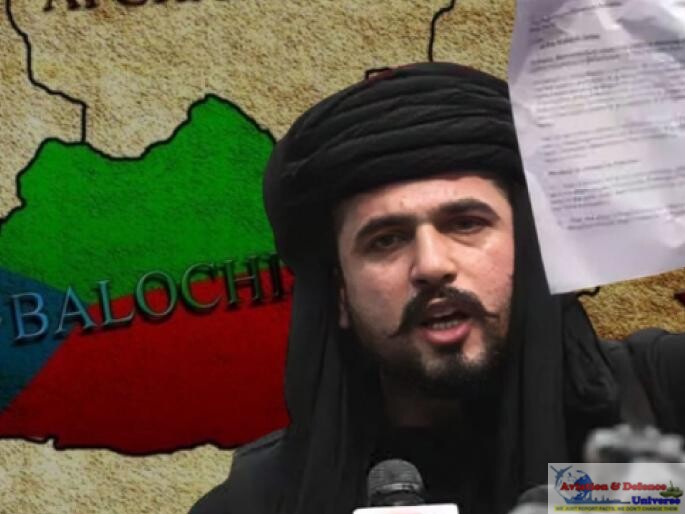 Instability in Balochistan and Khyber Pakhtunkhwa poses additional risks. Escalating violence could increase militant activity, complicate border security and intensify tensions between Pakistan and Afghanistan. Clashes between Pakistani forces and the Afghan Taliban have continued into October 2026, underlining the volatility of the north western frontier.
India must also be alert to the diplomatic consequences. Islamabad has repeatedly accused New Delhi of supporting Baloch insurgents, claims India denies. If restructuring triggers protests or violence, Pakistan’s establishment could attempt to attribute the unrest to external interference. Triumphalist Indian commentary about Pakistan’s possible fragmentation would only strengthen such a narrative.
Water is another important consideration. Disputes over the distribution of the Indus basin’s waters already create tensions between Pakistan’s provinces, particularly between upstream and downstream interests. Any restructuring could alter the political dynamics surrounding resource allocation, although new provincial boundaries would not automatically change existing water entitlements.
New Delhi should therefore prioritise intelligence, border preparedness and careful monitoring of political developments. It should continue advancing infrastructure and water-management projects within its legal obligations and maintain a clear diplomatic position on territories claimed by India, including Gilgit-Baltistan. Bilateral trade remains severely restricted, leaving limited scope for an immediate economic dividend from developments inside Pakistan.
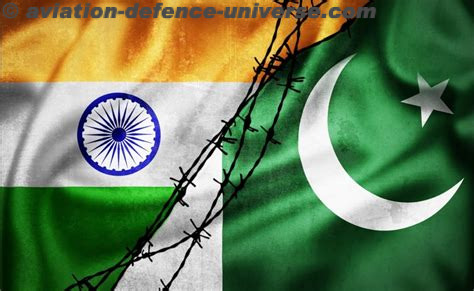 Pakistan’s provincial map may change, but the debate has already exposed the competing forces shaping the country: demands for better governance, the political strength of established parties, regional identities, disputes over natural resources and the military’s continuing influence.
Smaller provinces could improve administration and provide neglected communities with a stronger voice. They could also fragment existing political power and increase the dependence of regional governments on Islamabad. Neither outcome is inevitable; the result would depend on how boundaries, budgets, representation and constitutional safeguards were designed.
For India, the appropriate response is strategic patience. New Delhi should watch the debate closely, prepare for possible instability and avoid encouraging narratives that Pakistan’s establishment could exploit.
The history of Pakistan offers a final warning. The country’s experience in 1971 demonstrated that territorial arrangements cannot, by themselves, overcome political exclusion and grievances over representation. National cohesion depends not merely on how a map is drawn, but on whether people believe that the system represented by that map treats them fairly.
(Jai Kumar Verma is a Delhi-based strategic analyst and Life Member of United Services Institute of India and The Manohar Parrikar Institute for Defence Studies and Analyses. The views in the article are solely the author’s. He can be contacted at editor.adu@gmail.com)