









- Hazira to the Himalayas: BvS10 Sindhu Enters Indian Production
- Eighteen Vehicles, a Bigger Industrial Vision: BAE Bets Big on India
- Swedish Technology, Indian Engineering: Sindhu Marks a New Manufacturing Chapter
By Sangeeta Saxena
New Delhi. 29 October 2026. The first weld at Hazira carried an ambition extending well beyond an initial order for 18 vehicles. As Larsen & Toubro began licensed production of the BvS10 Sindhu amphibious all-terrain platform, BAE Systems outlined a partnership combining Swedish technology, Indian engineering and the prospect of Indian suppliers supporting its expanding international programmes. For the Indian Army, the immediate objective was mobility across demanding terrain. For the industrial partners, the opportunity was to demonstrate how technology transfer could develop into a lasting manufacturing and innovation relationship.
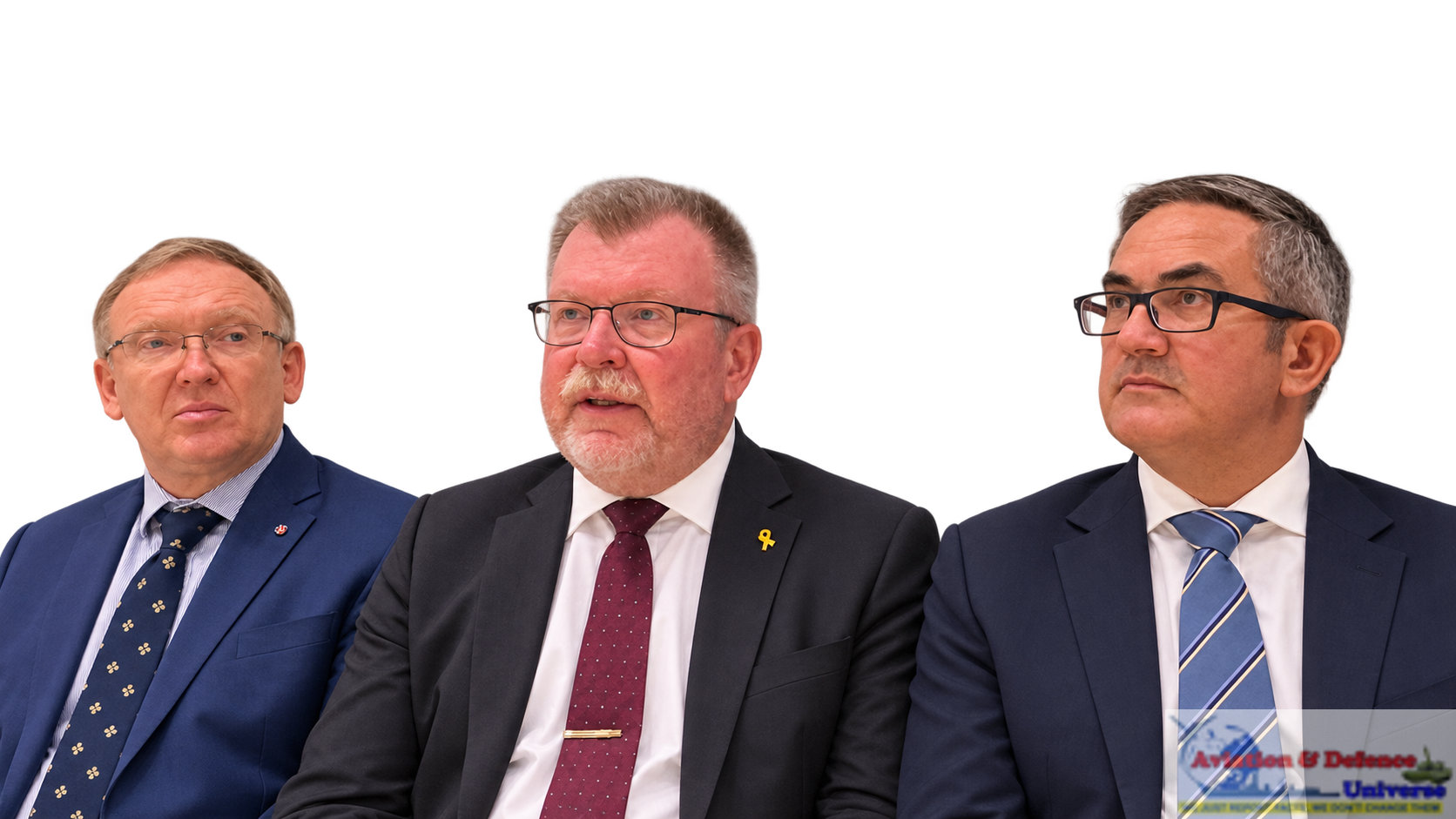 Addressing the media in New Delhi following the team’s visit to L&T’s Armoured Systems Complex at Hazira, Gujarat, BAE Systems executives described the start of production on Wednesday, 28 October, as a practical milestone in that relationship.
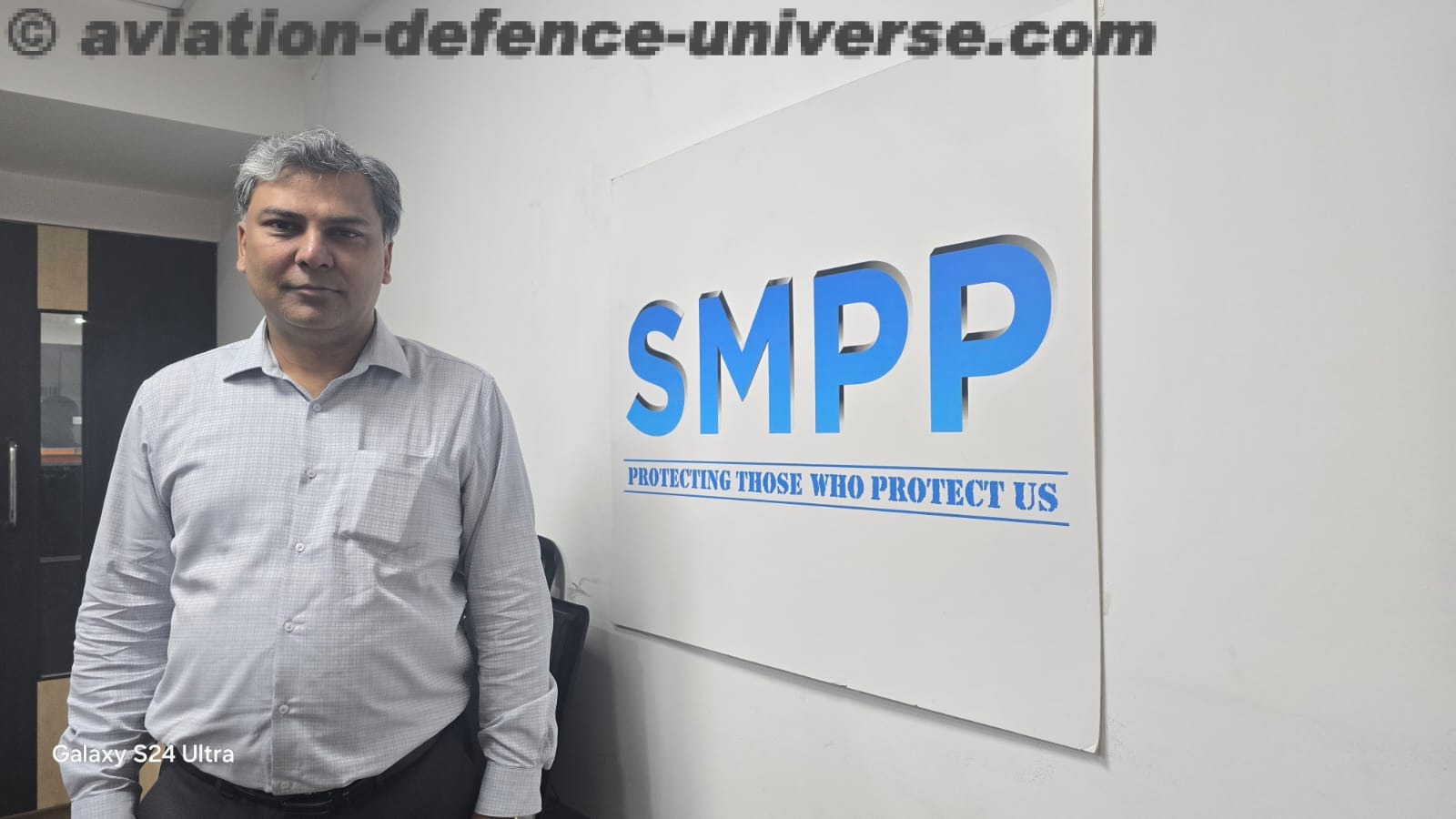
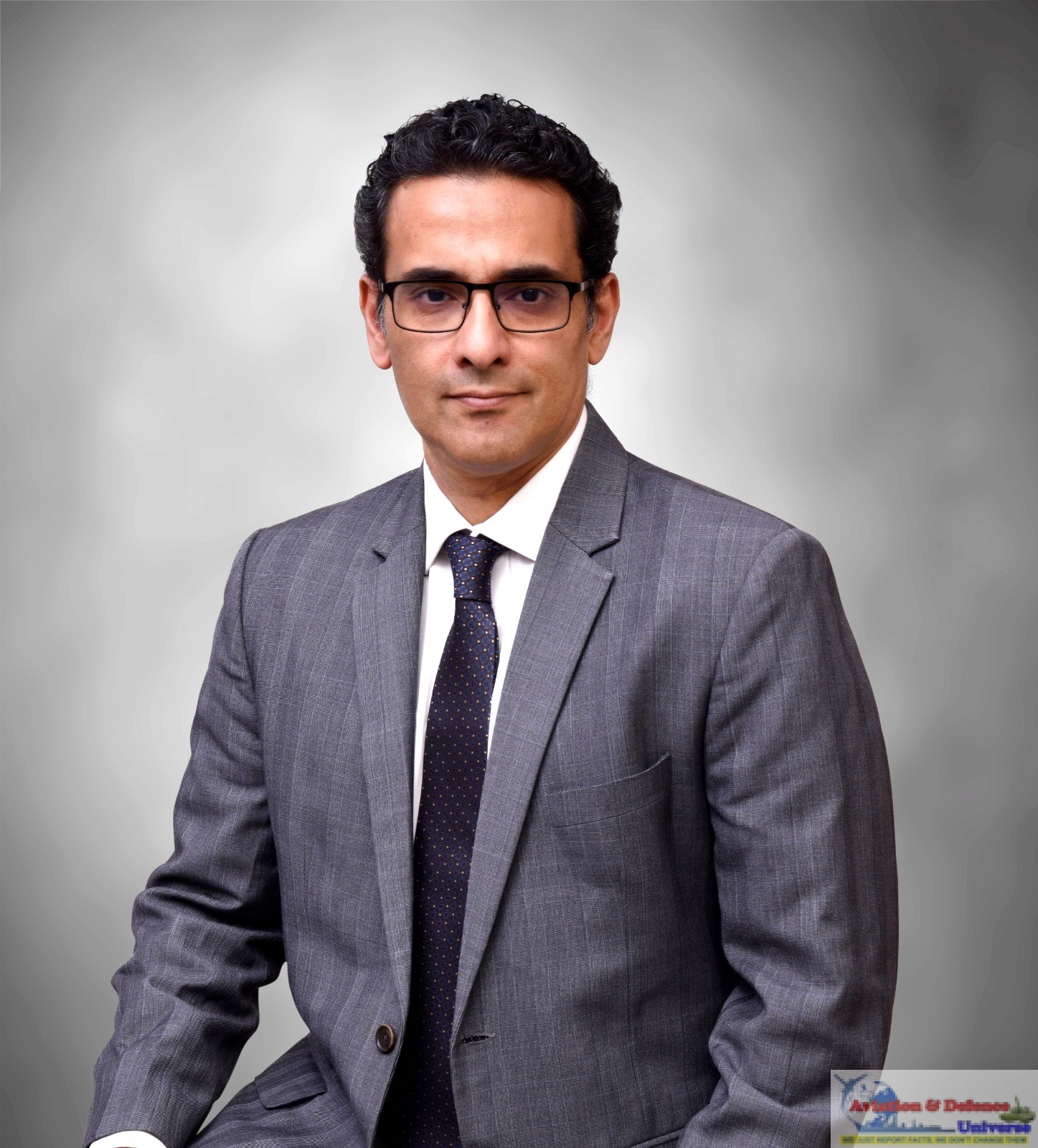
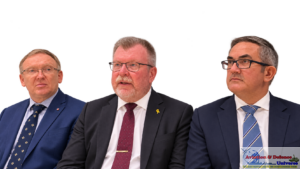
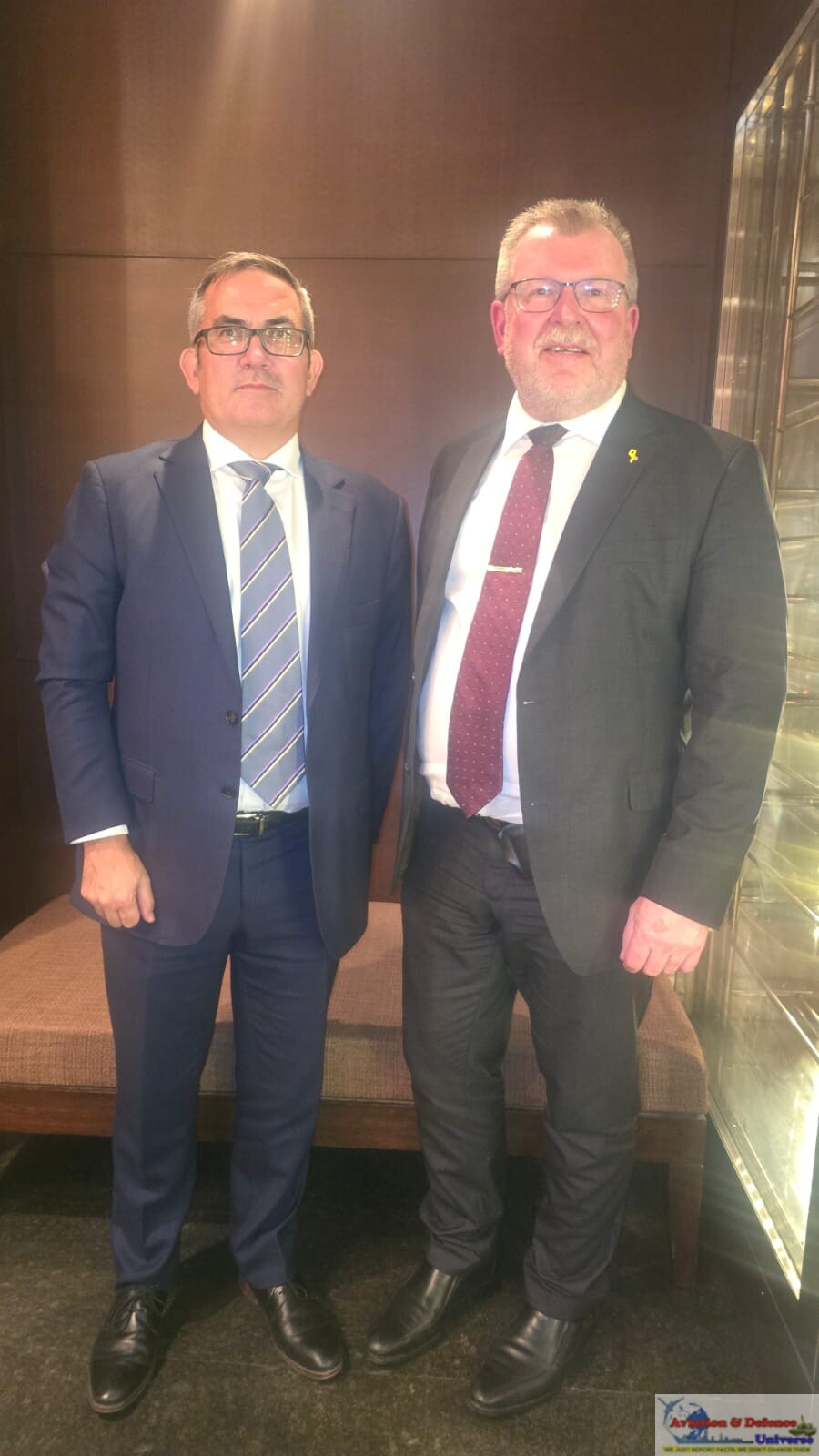
The briefing brought together Tommy Gustafsson-Rask, President and Managing Director of BAE Systems Hägglunds AB; Darren Restarick MBE, Regional Director, BAE Systems Hägglunds; Anthony “Tony” Walton, Managing Director–India, BAE Systems; and Pankaj Kaushik, Head and Vice President, Business Development and Government.
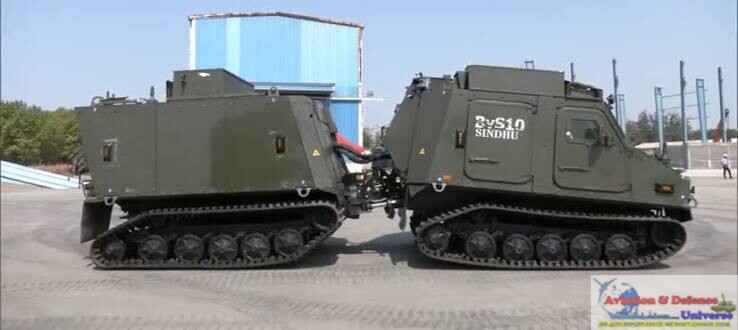
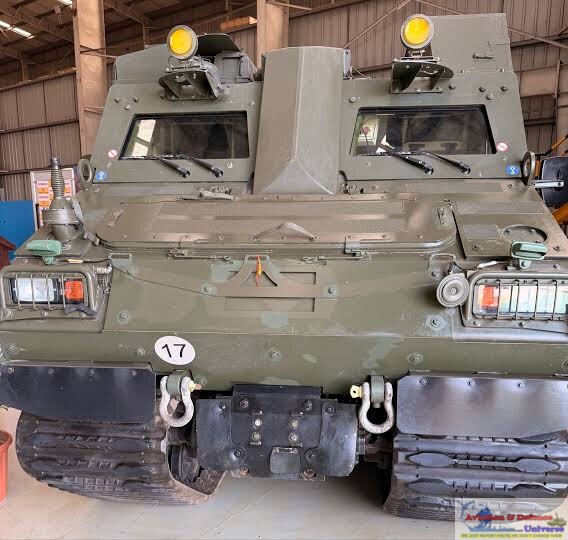
L&T is the prime contractor for the Indian programme, manufacturing the twin-carriage platform under licence with technology and technical support from BAE Systems Hägglunds, the Swedish developer of the original BvS10.
During the briefing, the BAE Systems team said all 18 contracted vehicles were to be delivered by December 2027. They relayed L&T’s expectation that the first batch would be delivered in the second quarter of 2027, while making clear that manufacturing and contractual execution rested with the Indian prime.
A production milestone built on technology transfer
For Tommy Gustafsson-Rask, the Hazira visit offered direct evidence of L&T’s ability to translate the agreement into manufacturing capability. “This opportunity with India, it’s the first time that we’re doing a full licencing of a product,” he said, describing the arrangement from the perspective of the Hägglunds business.
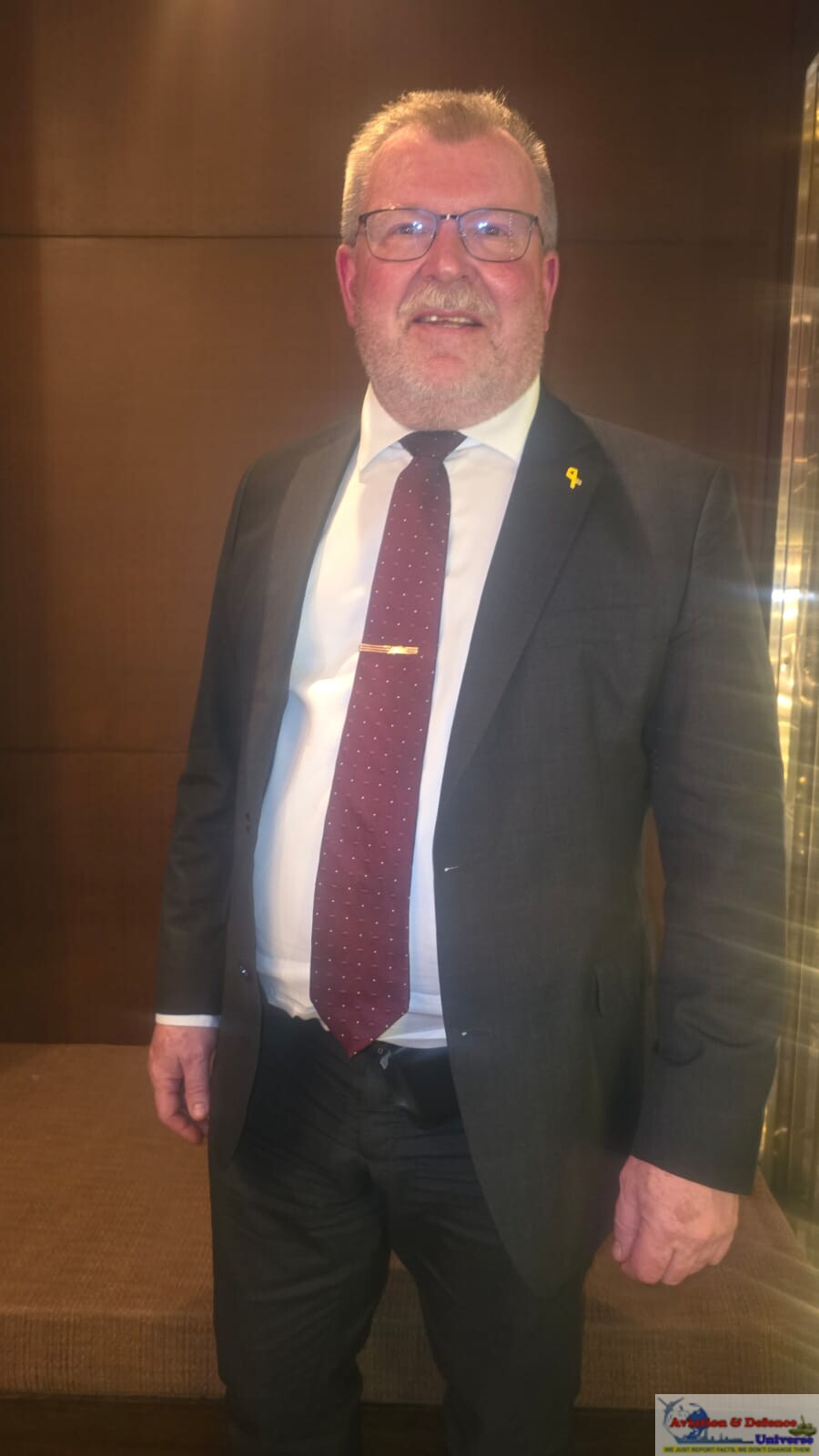 He confirmed that L&T’s initial Indian Army contract covered 18 vehicles and recalled personally initiating the first chassis welding operation. “I pressed the button yesterday,” he said, referring to the welding of the first chassis bottom plate.
The significance, he explained, lay both in adapting the vehicle to Indian requirements and in incorporating it into L&T’s production processes. He praised the Indian company’s heavy engineering capabilities, its K9 production line and the investment being made in the new programme.
Employee safety and engagement had particularly impressed him. “Because if you focus on safety, you get quality, you get engagement,” Gustafsson-Rask said. “The engagement I saw among the employees there was something that really inspired.”
He described the relationship as “strategic cooperation with L&T”, with opportunities to increase Indian Army numbers and understand an Indian supply base that could eventually contribute to European programmes.
Asked whether the arrangement should be understood as licensed production, joint production or a production partnership, he answered: “I see it as a strategic partnership, and it’s built on a full licenced production.” Elaborating, he said: “We are giving everything on the table. We’re not basically holding anything.”
The longer-term opportunity, he explained, was to qualify Indian suppliers through the L&T programme and potentially use them for European production, while supporting the platform’s development in India.
Indian engineering goes beyond assembly
Restarick informed that train-the-trainer courses were planned in Sweden in the coming months, after which L&T would provide training to the Indian Army. “There is a support package,” he said, explaining that training covered “not just the operation of the vehicle” but also maintenance. Walton emphasised the intention to retain maintenance capability in India.
Asked about the Army’s specific facilities and tooling, the team said a detailed answer would require L&T’s involvement. Restarick nevertheless expressed confidence in the platform’s maintainability. “If you can support a truck, you can support BvS-10,” he said.
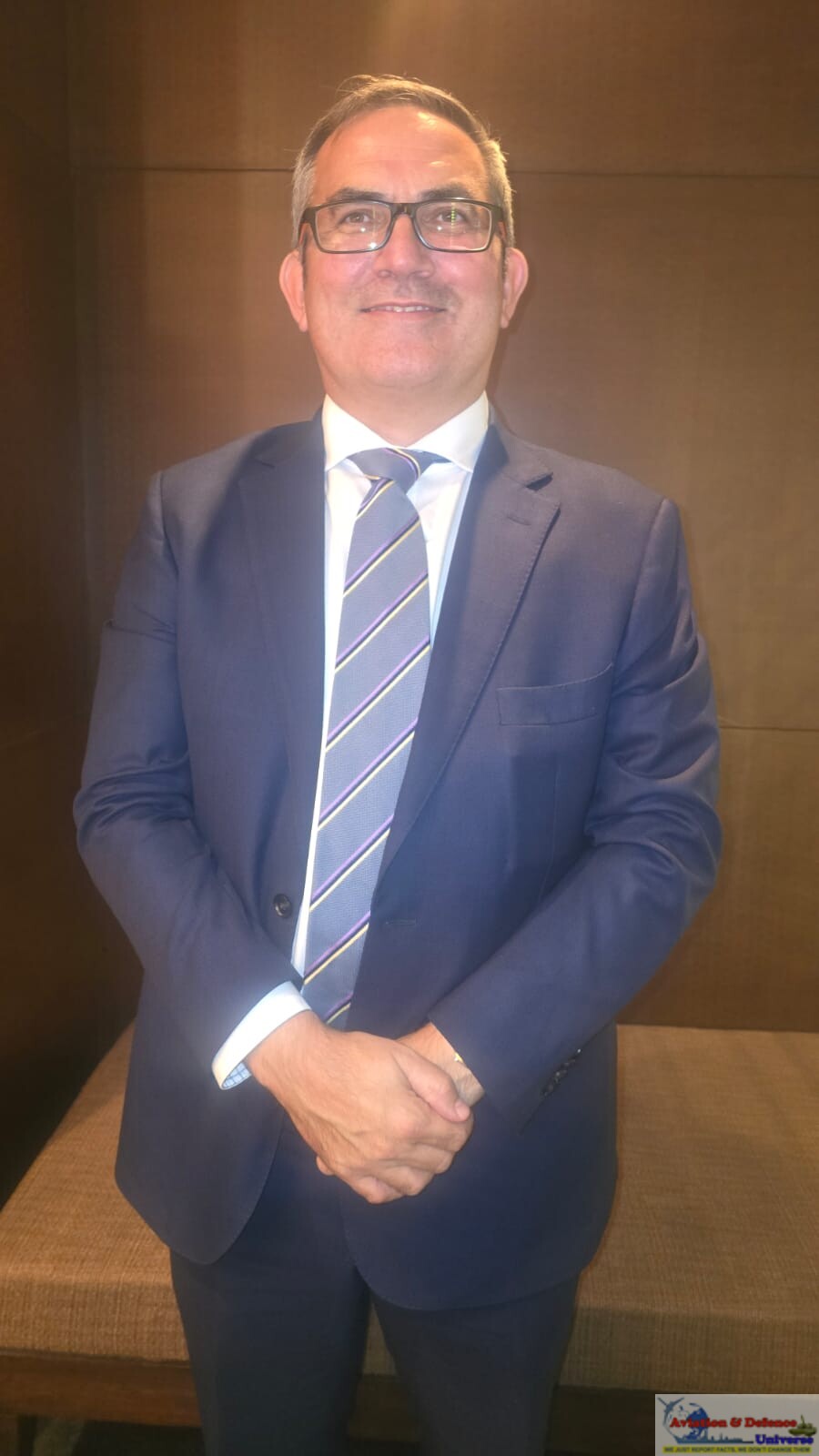 Walton emphasised that the Sindhu programme involved meaningful engineering work by L&T. The Indian company had adapted the base BvS10 to meet domestic requirements, including the power needed for high-altitude operations. “L&T developed a new power pack for the BvS-10,” he said. “There’s real co-development there. And I really want to stress that.”
He also highlighted the locally designed welding jig used for the first chassis operation. L&T had examined the technical data and developed its own tooling to support production, applying experience from its wider engineering business.
For Walton, this created opportunities for learning in both directions: Indian engineers could absorb platform knowledge while BAE Systems could benefit from L&T’s manufacturing practices. “And so, it really becomes a good win-win opportunity,” he said.
Asked about restrictions on subsequent modifications, Restarick said: “L&T have the full rights to adapt the products to whatever the customer requires.” He added: “They have full openness to adapt what they need to do.”
Full vehicle data pack supplied; indigenous content to grow
Questions on technology transfer and localisation prompted a direct explanation from Restarick. “We have provided Larsen & Toubro with the full data pack to reproduce a complete vehicle,” he said. “The full data pack is now with Larsen & Toubro.”
He said the programme exceeded the indigenous-content requirement referred to during the briefing, while stressing that further localisation remained an ongoing exercise. “We absolutely surpass the 60% requirement set by the government of India,” he said. Asked for the precise current percentage,
He explained that BAE Systems was providing technical support while L&T examined the Indian supply chain. He did not provide a number for participating MSMEs or the value of their work. Restarick identified the platform’s substantial build-to-print content as an advantage. Parts manufactured against the company’s technical drawings could be produced by appropriately qualified suppliers, making greater localisation more achievable.
Gustafsson-Rask also linked the pace of localisation to production volumes. The initial order established a starting point, with further sourcing opportunities likely to develop as quantities increased.
An Indian order with a global supply-chain opportunity
Walton urged the media to look beyond indigenous-content percentages for the first 18 vehicles. “What often gets missed is the opportunity for Indian SMEs or MSMEs to supply into the global supply chain of Hägglunds,” he said.
With Hägglunds reporting substantial international demand, competitive Indian suppliers could help expand capacity or provide alternative sources. “It’s not just about delivering for 18 vehicles,” Walton said. “It’s the potential to deliver for 600 or whatever else numbers in the future.”
 The objective, he explained, was to develop a relationship in which Indian manufacturing and innovation contributed to BAE Systems’ wider business. “It’s not just about transferring the data pack that allows you to build to print,” he said, describing the next step as identifying Indian improvements that BAE Systems could also adopt.
“As India develops and improves, we develop and improve,” Walton added. Asked whether the L&T arrangement could become a model for other BAE Systems businesses, he said it was an approach he intended to promote internally.
Having an Indian prime contractor, transferring technology, licensing production for the domestic market and potentially adding global capacity from India constituted “a great model”, he said. However, he stressed the need to demonstrate delivery first. The immediate test remained getting the contracted vehicles to the Indian customer.
High-altitude improvements already attracting interest
Gustafsson-Rask said Indian engineering changes were already relevant to customers elsewhere. “Improvements on high altitude that was developed now with L&T is something we’re actually already offering some of our existing customers,” he said.
Asked whether Hazira might become an export hub, he acknowledged the possibility without presenting it as an agreed programme. “It’s in the mind,” he said. His approach remained sequential: establish production, demonstrate the platform’s value to the Indian Army and then explore wider opportunities.
“We need to prove,” he said, adding that the partnership could move further once the Indian programme was operating successfully. On whether L&T would necessarily receive manufacturing work from overseas adoption of the modifications, his answer was more guarded. He indicated that the immediate contribution concerned engineering, without announcing an associated export production allocation.
Mobility across terrain—and across roles
The executives described the BvS10’s principal strength as access to terrain that constrains conventional vehicles.
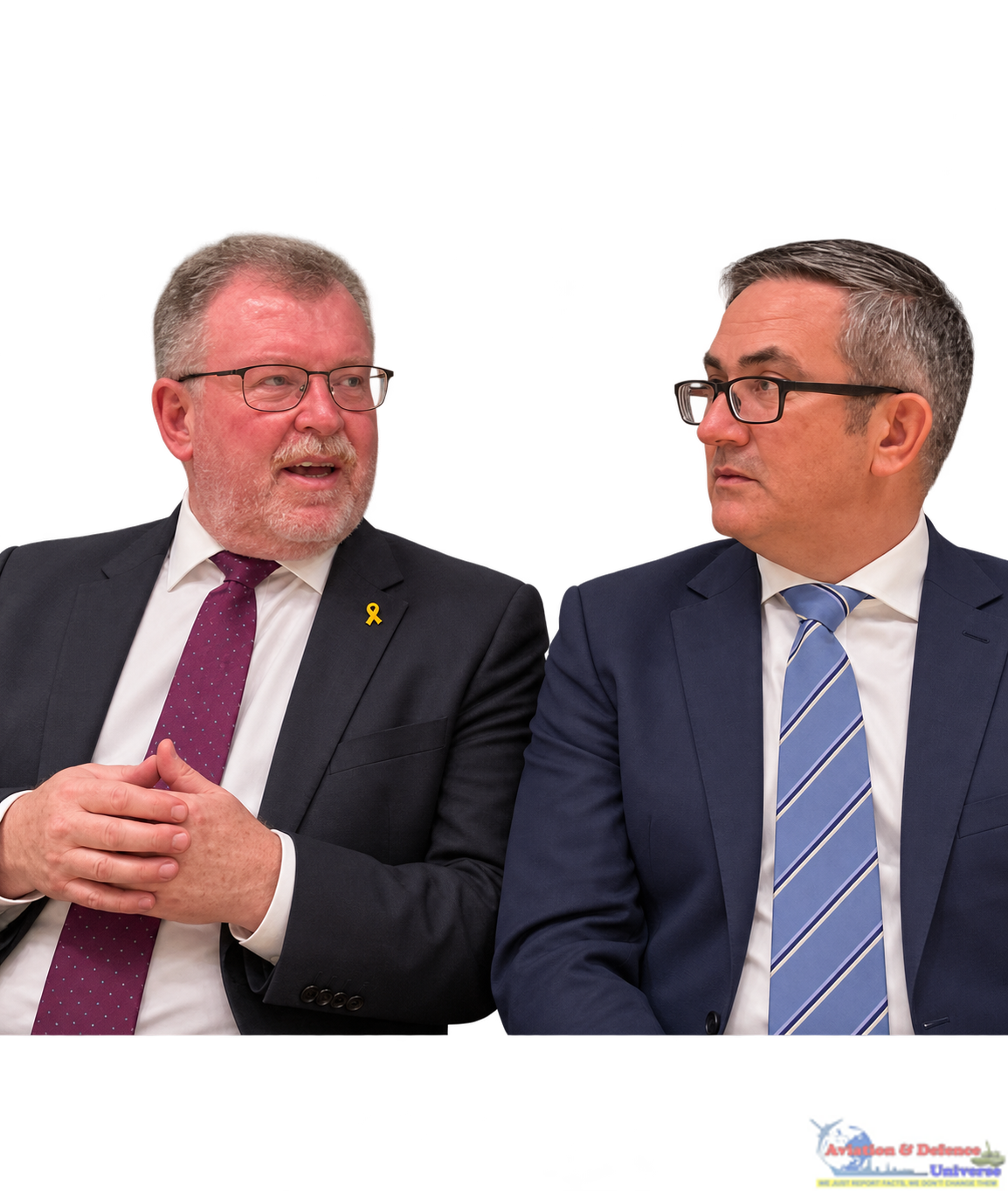 Gustafsson-Rask highlighted its low ground pressure and mobility, referring to Indian trials in Ladakh and the salt-desert environment of the Rann of Kutch.
The articulated rear carriage could accommodate different missions, including troop movement, logistics, ambulance duties, radar carriage and counter-drone equipment.
He anticipated that operational experience could reveal further requirements, but declined to forecast an Indian fleet size. “Will it stop at 100, 200? I don’t know,” he said. “It’s too hard to see.” Restarick framed the platform’s value in terms of access. “We have a unique product that is all about access,” he said. “How do I get into terrain that is inaccessible to us?”
He described a platform intended to operate around the clock across extreme temperatures and elevations, stating that the India-configured vehicle could move from sea level to 5,500 metres without an intervening adaptation.
“We can go from extreme cold to extreme heat and from sea level to extreme altitudes,” he said. The executives also stressed that the vehicle family’s applications extended across military services, rather than being confined to the Army.
Disaster relief and civilian applications
Responding to questions on non-military roles, the team identified rescue, disaster relief, firefighting and support to installations in difficult terrain as potential applications. Gustafsson-Rask cited older BV206 vehicles used during snowstorms and floods in Sweden, as well as vehicles supporting oil and gas 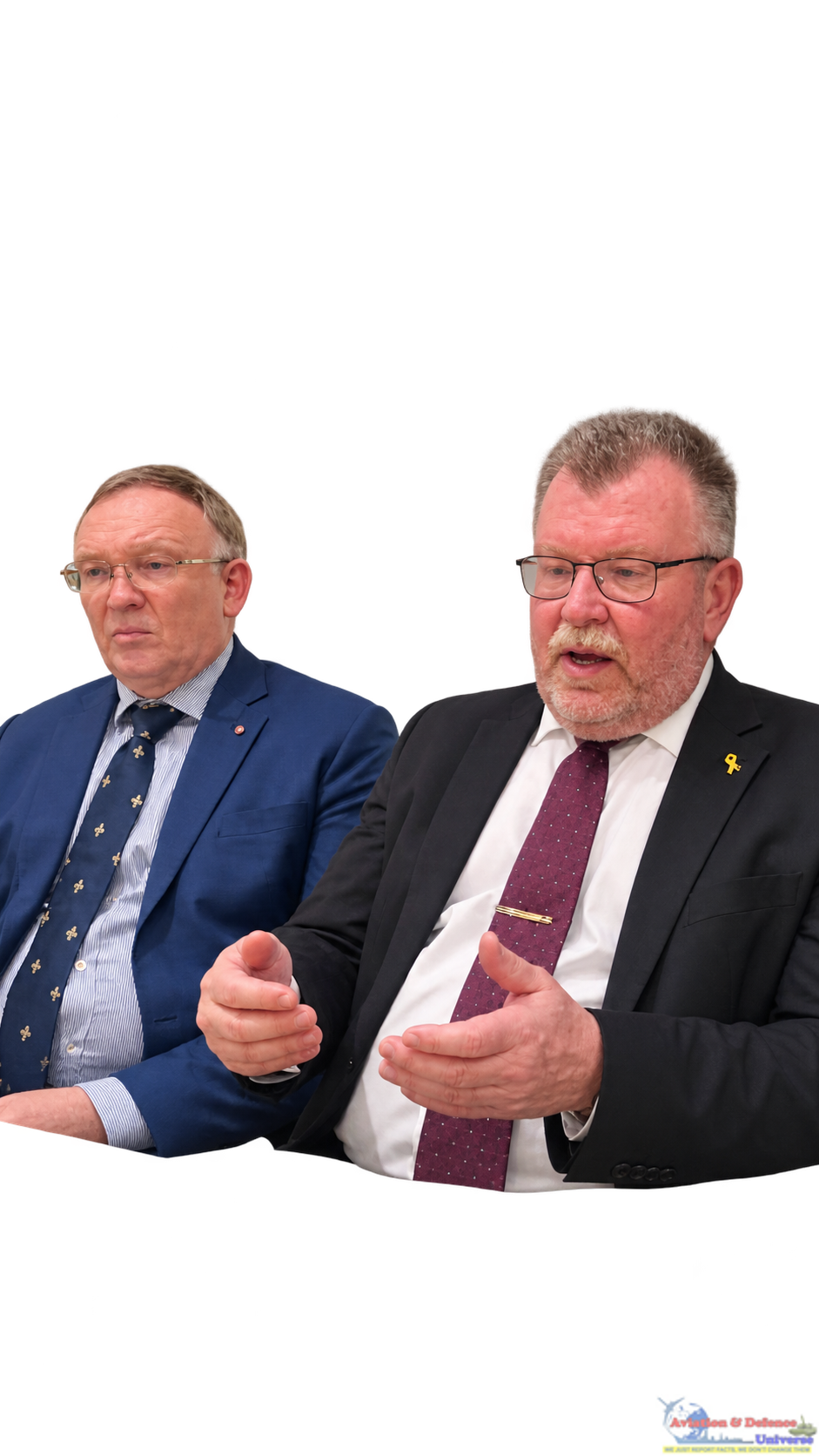 operations. The discussion also referred to their use in Antarctica and by the US National Guard.
“Rescue relief is the first,” he said when asked about civilian possibilities.However, he acknowledged that heavy military demand had limited Hägglunds’ ability to pursue that market actively. “Given the workload we have, we have not been able to really go that far,” he said. For India, the executives saw possible relevance to disaster-response and border-security organisations, but announced no orders or commitments from those agencies.
What changed for Indian conditions
Explaining the high-altitude modifications, Gustafsson-Rask said the partners had increased available power and made changes to sustain performance at altitude. He said there had been no change to the protection level in meeting the Indian requirement.
Restarick provided further technical detail. “At high altitude, the air is thinner, so you lose power,” he said. “So you need to create more power.” Hydraulic-system changes were also required to maintain pressure and prevent cavitation. Pumps associated with cold-weather equipment, including diesel heaters, had to operate reliably at the specified elevations. He stressed that these adaptations preserved the platform’s underlying characteristics. “It still has its intrinsic capabilities and reliabilities,” he said.
European demand provides the industrial backdrop
Gustafsson-Rask placed the India programme against a sharp expansion in Hägglunds’ business, driven by European security requirements.
 Over approximately five years, he said, employment had increased from about 750 to 2,800. Annual turnover had grown from roughly US$250 million towards an expected US$1.5 billion, with further growth anticipated. The company had invested approximately US$300 million in production capacity over three years, he said.
At the time of the briefing, he put the order book at approximately 600 BvS10 vehicles and another 600 CV90 infantry fighting vehicles, with expectations of further orders.
He described a widening European manufacturing network for CV90, while noting that BvS10 production had historically been concentrated at Hägglunds’ own facility.
These pressures gave the Indian relationship additional relevance: demand was rising even as the company invested heavily in capacity.
Asked about revenue sustainability, he said he could envisage activity at or above the US$1.5 billion level over the coming five years, and potentially longer. Existing customers purchasing additional vehicles, upgrades and support formed an important part of that outlook.
He also described the wider installed base of Hägglunds products, including more than 11,000 older BV206 vehicles supplied internationally and their use by several Asian customers.
India as a long-term partner
The discussion repeatedly returned to a changing relationship between European defence manufacturers and Indian industry. “Sweden in particular, but also Europe, given the current security situation, are looking into India as a more long-term stable partner,” Gustafsson-Rask said.
He acknowledged that earlier attempts to enter the Indian market had been difficult, including previous work associated with the Future Infantry Combat Vehicle programme. The difference now, he argued, was a clearer understanding of how an overseas manufacturer could contribute within India’s domestic manufacturing strategy.
“We have understood what is the position we can play in that is relevant for India,” he said. “We do it together with India.” He repeatedly described the intended progression as “crawl, walk, run”: prove the initial programme, establish confidence and expand on demonstrated results.
Walton agreed that India could become a valuable source of additional capability across defence products, including munitions. He pointed to HAL’s licensed Hawk production as an earlier example of industrial cooperation on which newer arrangements could build.
No current CV90 offer for India’s FICV programme
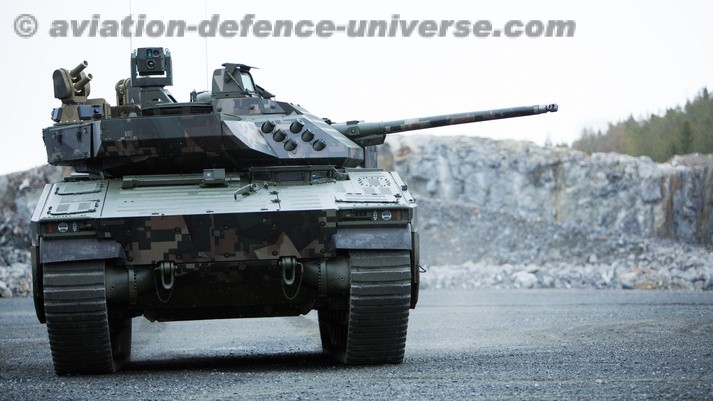 Asked whether the partnership might extend to offering the CV90 for India’s FICV requirement, Gustafsson-Rask said there was no such plan. “Will we introduce CV90 as a product into L&T? No, I don’t think so,” he said. He confirmed that the company was not in negotiations for a vehicle offer, although exploratory discussions had considered subsystems and technology. “We have had some very exploratory, high-level discussions on subsystems and technology,” he said.
Reflecting on changes since Hägglunds’ earlier involvement with Mahindra on FICV, he said Indian industry had made substantial progress in indigenising relevant technologies.
Some gaps remained where overseas subsystems might contribute, but he did not announce a new programme.
Walton suggested that this relationship could increasingly work in both directions, with Indian industry eventually supplying subsystems back into BAE Systems.
TRIDON Mk2 and potential ammunition cooperation
Turning to other opportunities, Walton discussed the Bofors TRIDON Mk2 ground-based air-defence system. He described a truck-mounted 40 mm gun paired with programmable 3P ammunition, intended to address threats including drones, missiles, low-flying aircraft and helicopters.Walton said BAE Systems had highlighted the system in relation to the Indian Army’s interest in 30–40 mm gun-based air defence.
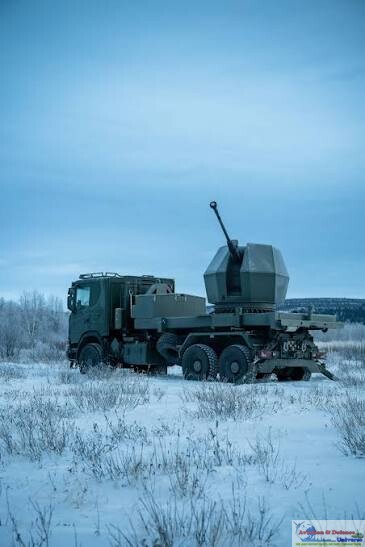 “We certainly highlighted that we have a system that we think is suitable to meet the Indian requirement,” he said. Any Indian programme, he indicated, would seek cooperation with domestic industry, drawing on the broader approach being demonstrated with Sindhu.
Asked about ammunition manufacturing, Walton said local production could logically accompany an Indian gun acquisition. “If you sell a gun into a country, then, you know, logically, you would look at making ammunition in that country as well,” he said. Such capacity could serve Indian requirements and potentially provide an additional source for other markets. However, discussions with ammunition manufacturers remained exploratory.
Naval autonomy and Indian innovation
Responding to a question on the company’s naval portfolio, Pankaj Kaushik discussed an emerging autonomous underwater capability within BAE Systems’ UK maritime business. He described a developmental programme being pursued with a partner and said the company was engaging potential customers. No Indian order or manufacturing arrangement was announced.
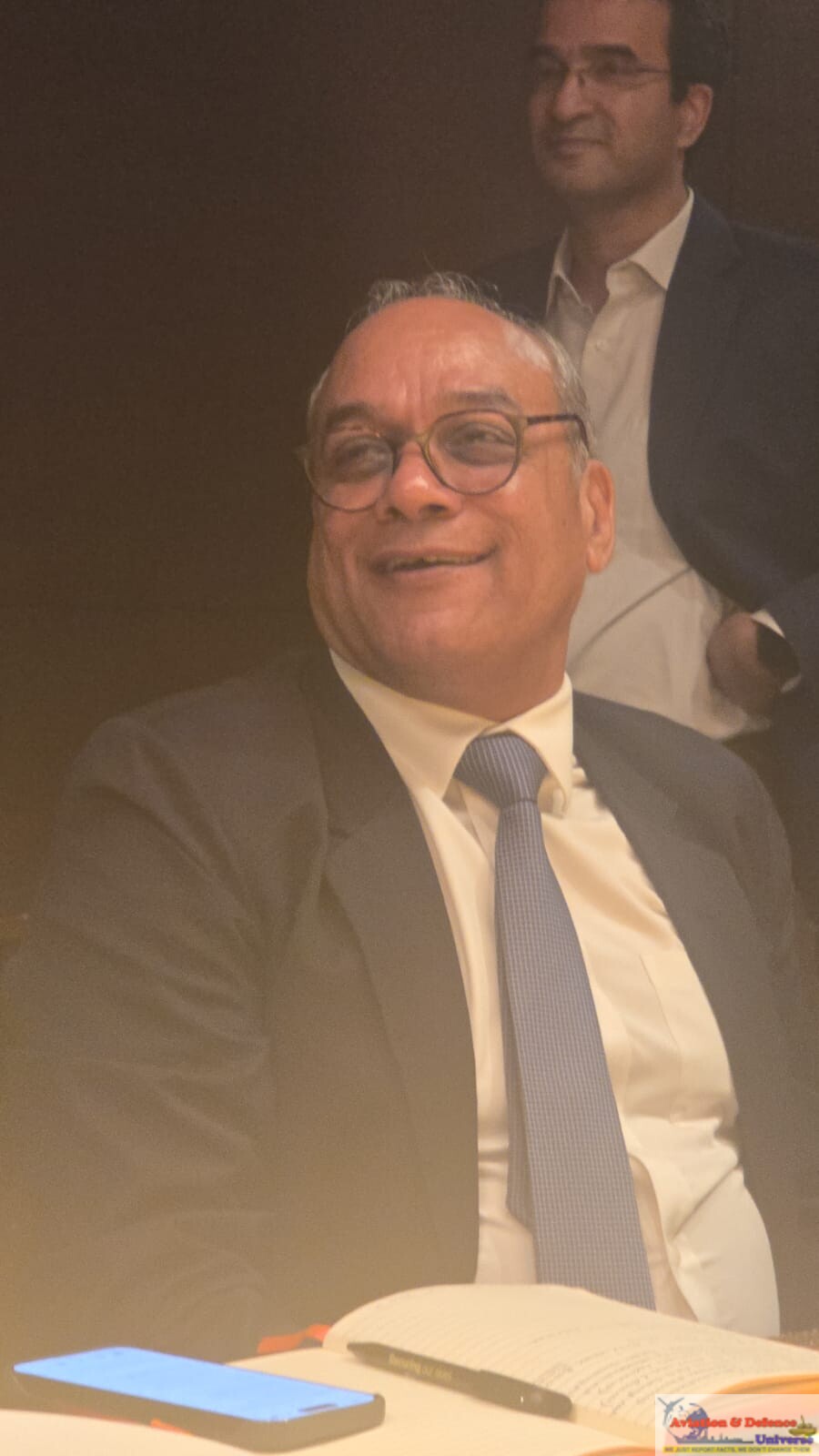 On broader innovation cooperation, Walton said his role included identifying developments in India and bringing collaboration opportunities to the attention of the wider business. “We’re certainly looking at India and the innovation with India,” he said. However, he ruled out any current announcement of a dedicated local innovation facility. “We don’t have any plans for an innovation centre or anything at the moment,” he said.
Gustafsson-Rask, meanwhile, said the R&D activity he had seen at L&T demonstrated substantial progress compared with his experience of Indian industry 15 years earlier. For European partners, he linked such cooperation to the longer-term security of supply.
Armoured vehicles in the age of drones
Questions on recent conflicts prompted Gustafsson-Rask to focus on the technical challenge of protecting expensive platforms against comparatively inexpensive threats. “I will not go into geopolitics,” he said. “Drones are there to stay.” He argued that tanks and infantry fighting vehicles remained relevant, but that their protection needed to evolve rapidly. He described a layered approach involving programmable gun ammunition, electronic jamming, AI-assisted drone identification through commander sights and active protection systems originally developed against anti-tank missiles and rocket-propelled grenades. Such capabilities, he said, needed to be integrated into a functioning vehicle system and continuously upgraded as threats changed.
Asked whether Hägglunds was offering a separate drone or counter-drone product, he clarified: “We are a system integrator. We don’t develop. We integrate different systems to protect against drones.” He also indicated that Indian counter-drone technologies could potentially interest the company. The central requirement, he argued, was a “system of systems”, connecting sensors, information and effectors from the protection of infrastructure down to individual vehicles.
Sustainability in manufacturing
Asked about sustainable production, Gustafsson-Rask limited his answer to Hägglunds’ own operations. He said his business met or exceeded Swedish sustainability and reporting requirements, citing solar generation, ground-source heating and newer office buildings with strong carbon performance. The same approach extended to production efficiency, including optimising the cutting of metal plates to minimise scrap.
M777: sustainment remains the immediate focus
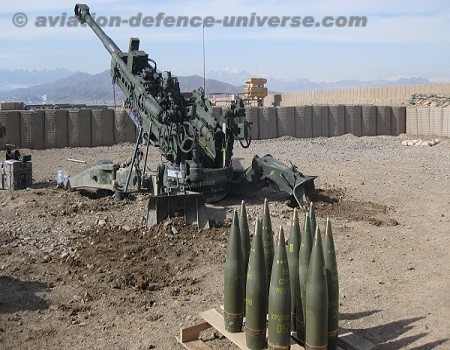 Asked whether India might acquire additional M777 ultra-lightweight howitzers, Walton said he was not aware of current discussions for more guns. He noted that procurement took place through the US Foreign Military Sales route and therefore involved government-to-government engagement. “I’m not aware of any discussions at the moment about buying additional guns,” he said.
The immediate focus, he indicated, was a long-term support package for the existing fleet, which he said was progressing through the US process. “That’s more about the sustainment of the existing guns,” he said. Nevertheless, he added: “If Indian government decided that they wanted more guns, we would be happy to deliver them.”
Asked about titanium components sourced from PTC Industries, Walton described the relationship as an example of offset-related supplier development growing into continuing global business.
“We met our offset obligation, but in doing so, we found some really great suppliers and then have taken them on board,” he said. “PTC supply into M777 for our global M777.” He characterised supplier development as another “crawl-walk-run” progression: qualification, initial deliveries and then greater quantities and a wider range of components. “The quantities are going up and the breadth of components are going up,” he said.
Turning political intent into industrial results
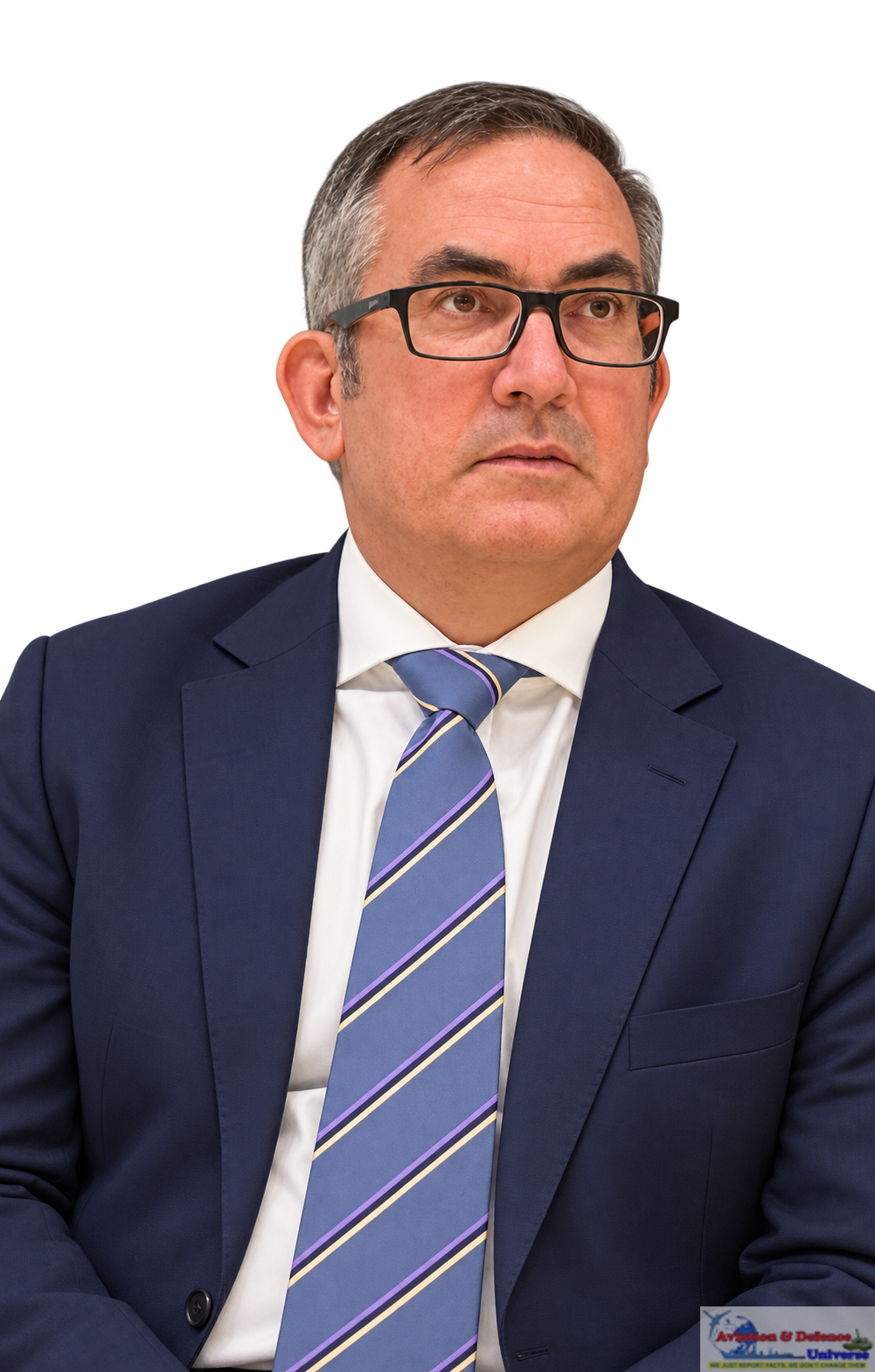 Asked about the wider environment for India–Europe and India–UK cooperation, Walton welcomed efforts to reduce barriers to business, while declining to predict the precise effects of individual agreements. “Any opportunities where you can remove barriers and make business between countries easier,” he said, would support stronger relationships during geopolitical instability.
He acknowledged that he was not familiar with the detailed provisions of the Horizon Europe programme raised in the question. Gustafsson-Rask said political interest needed practical achievements to sustain it. Delivering a successful programme with L&T could demonstrate the value of cooperation to both sides. “If we can fuel that cooperation, from a practical point of view, it will develop,” he said.
A first order with a larger test ahead
The first weld at Hazira gave the Sindhu partnership a tangible starting point. Its next milestones will be measured in vehicles delivered, Indian suppliers qualified, maintenance capability established and operational performance demonstrated. BAE Systems’ executives outlined substantial possibilities, while acknowledging that expansion must follow results. If the initial 18 vehicles establish that foundation, Sindhu could become more than an answer to difficult terrain: it could demonstrate how an Indian production programme develops into a broader exchange of technology, manufacturing capacity and innovation.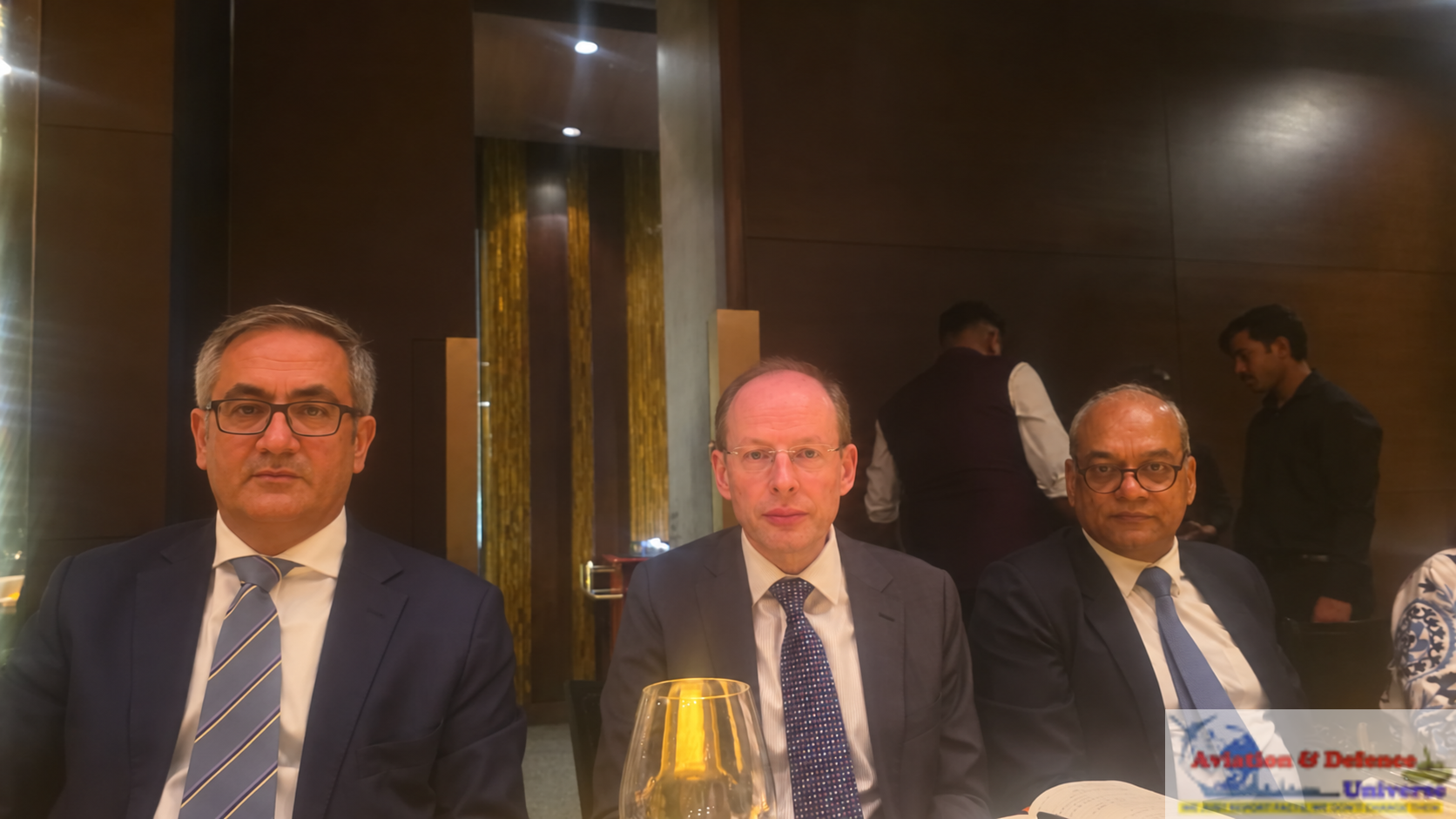
BAE Systems’ long association with India’s defence growth story has increasingly combined operational capability with domestic industrial participation. Its partnership with Hindustan Aeronautics Limited enabled licensed production of Hawk advanced jet trainers for the Indian Air Force and Indian Navy, building manufacturing and engineering experience in India. The Indian Army’s 145-gun M777 programme extended that approach into artillery, with Mahindra Defence undertaking assembly and integration of 120 howitzers in India. Cooperation with PTC Industries on titanium castings subsequently connected Indian manufacturing capability to the M777 supply chain. The BvS10 Sindhu partnership with L&T builds on this industrial trajectory through licensed vehicle production, Indian engineering adaptations and the prospect of qualified domestic suppliers supporting wider international requirements.