
















- Beyond Assembly Lines: MBDA’s Vision for Co-Innovation with India
- From Buyer to Partner: MBDA Maps India’s Missile Technology Opportunity
- Smarter Missiles, Stronger Partnerships: MBDA’s Vision for India Looks Beyond Manufacturing
By Sangeeta Saxena
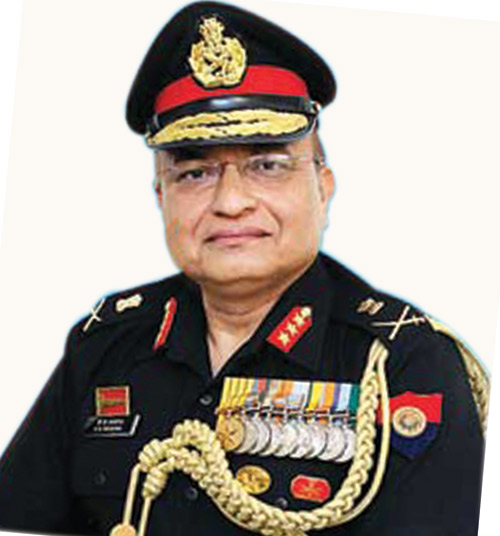
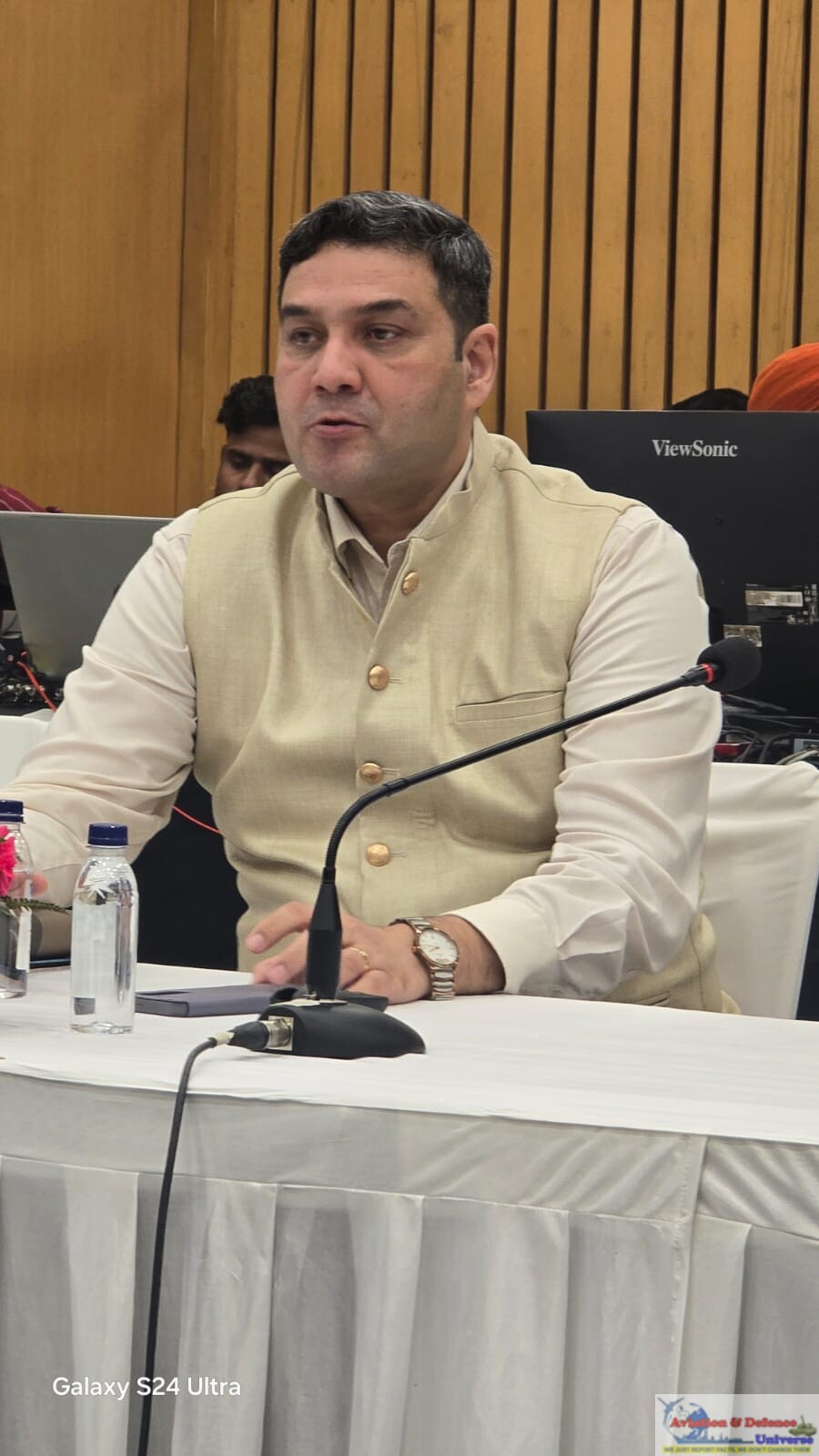
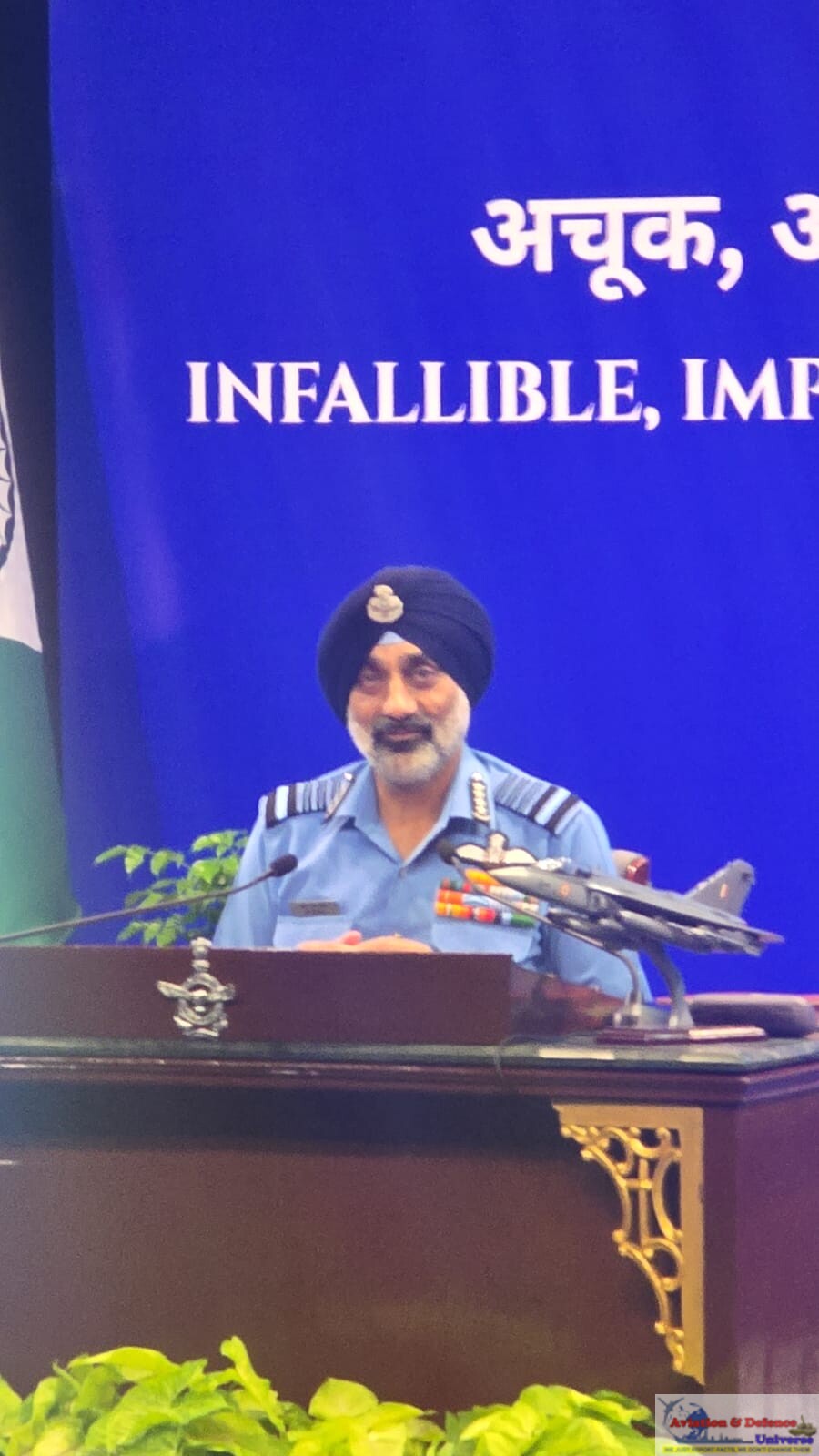
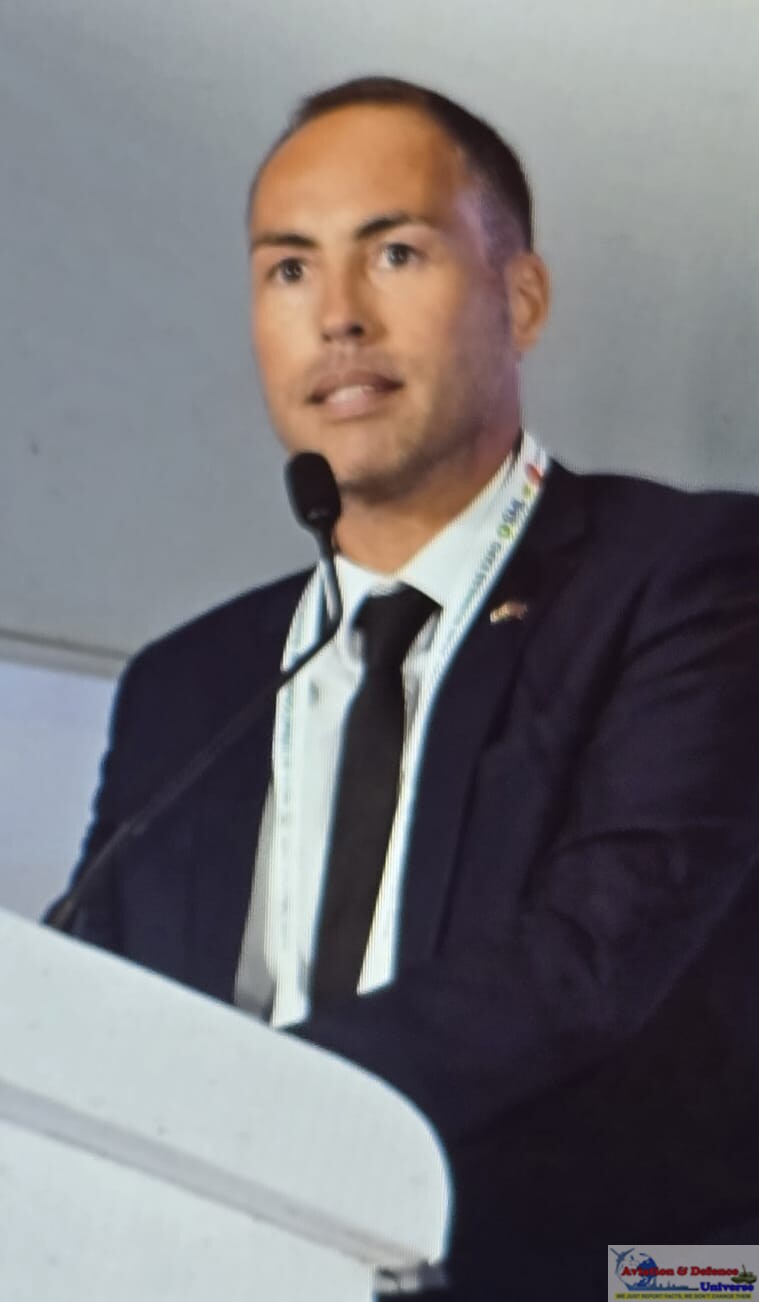
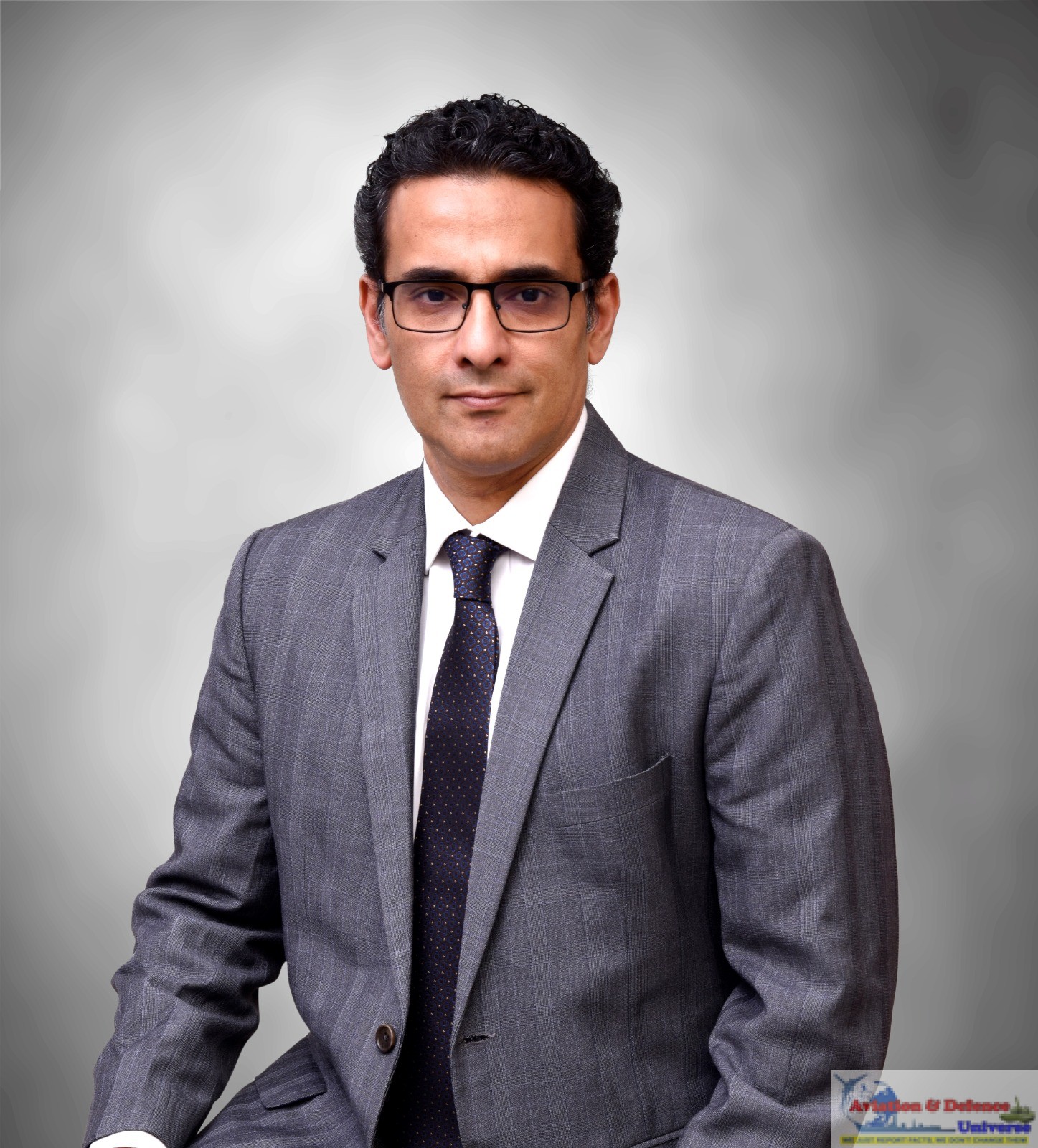
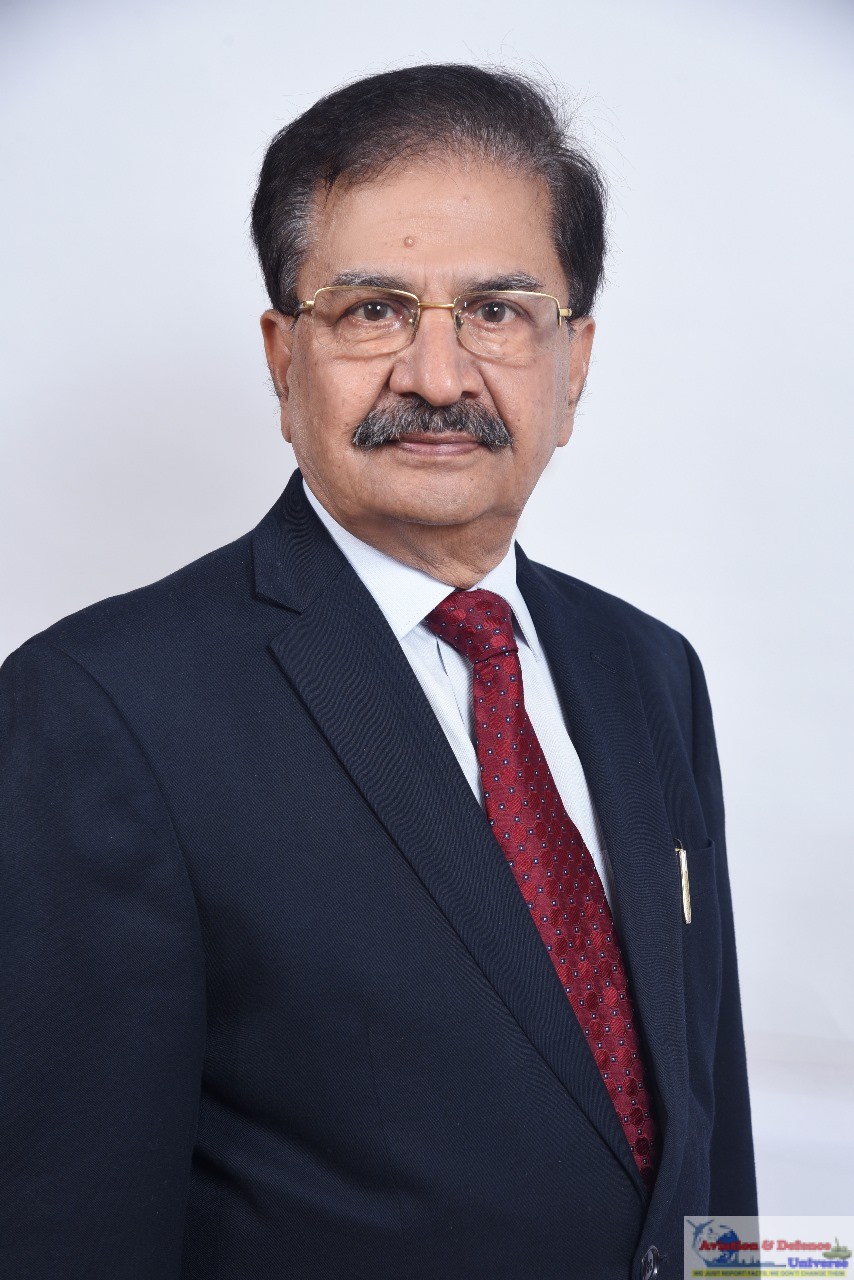
New Delhi. 06 October 2026. India’s next airpower advantage will be shaped as much by engineering partnerships and software as by the platforms carrying its weapons. As drones, contested airspace and connected warfare reshape operational requirements, Ludovic Dumont, General Delegate, MBDA India, makes the case for deeper collaboration in precision manufacturing, missile technologies and digital innovation. In this interview with Aviation & Defence Universe (ADU) to mark Indian Air Force Day, he outlines how India could move further into co-development, global research and resilient supply chains—and why “Make in India” must extend beyond the assembly line.
ADU. How is MBDA working with Indian industry to contribute to India’s indigenous Defence manufacturing ecosystem and strengthen local capabilities?
Ludovic Dumont. MBDA supports India’s indigenous ecosystem by fostering high-value partnerships with local industry leaders. Our approach centers on enhancing local capabilities in precision engineering, systems integration, and advanced materials. By establishing collaborative frameworks for the production of missile components and maintenance, we are helping build a robust domestic industrial base. This synergy ensures that Indian industry gains exposure to global quality standards and cutting-edge aerospace technologies, ultimately strengthening India’s sovereign Defence manufacturing capabilities and reducing import dependencies.
ADU. As the nature of aerial warfare evolves with the emergence of drones, increasingly sophisticated air-Defence systems and other new threats, what capabilities will be most critical for the Indian Air Force in the coming decade?
Ludovic Dumont. The IAF must prioritize “multi-domain integration.” With the rise of swarms and sophisticated A2/AD (Anti-Access/Area Denial) bubbles, the focus must shift toward long-range precision strike capabilities, advanced electronic warfare, and integrated air-Defence layers. Integrating AI-driven situational awareness and hypersonic capabilities will be critical. The goal is to ensure a seamless “sensor-to-shooter” loop, allowing the IAF to neutralize evolving threats with speed and precision while maintaining air superiority in contested environments.
ADU. India is moving from being primarily a Defence equipment buyer towards becoming a Defence technology and manufacturing partner. How does MBDA view India’s growing capabilities, and where do you see opportunities for greater India-France cooperation in the development and production of advanced missile systems?
Ludovic Dumont. India has evolved from a customer to a strategic partner. MBDA views India’s growing aerospace ecosystem with great respect, noting its maturity in systems integration. The France-India partnership is uniquely positioned to move beyond “off-the-shelf” purchases toward co-development. Opportunities lie in co-designing next-generation missile systems, specifically in cruise missiles and air-to-air munitions. By sharing intellectual property and technical expertise, we can create sovereign capabilities that serve both nations’ strategic interests.
ADU. What does “Make in India” mean for a global European Defence company such as MBDA beyond manufacturing? Can India increasingly become part of MBDA’s wider global industrial and technology ecosystem?
Ludovic Dumont. For MBDA, “Make in India” transcends assembly lines; it is about “Co-Innovation.” It means integrating Indian talent into our global R&D pipeline. India possesses a world-class software and engineering workforce that can contribute significantly to MBDA’s global supply chain. We envision India not just as a regional hub for production, but as a center of excellence for specific subsystems, where Indian-developed components are integrated into MBDA’s advanced technological ecosystem.
ADU. With Defence platforms becoming increasingly software-defined and connected, how is MBDA approaching technologies such as AI, advanced seekers, networked warfare and autonomous systems, and what opportunities could these create for collaboration with India?
Ludovic Dumont. Modern warfare is decided by the “digital edge.” MBDA is investing heavily in AI for autonomous target recognition and networked warfare to ensure missiles can adapt mid-flight. This creates immense synergy with India’s thriving IT sector. Collaborative opportunities exist in developing advanced seekers, secure data links, and AI algorithms for swarm countermeasures. By blending MBDA’s aerospace heritage with India’s digital prowess, we can build smarter, more connected, and more resilient weapon systems.
ADU. On Indian Air Force Day, what would you identify as the most important areas where India’s Defence industry and international partners need to work together to ensure that the IAF remains prepared for the security challenges of the future?
Ludovic Dumont. To keep the IAF future-ready, the focus must be on “Industrial Agility.” International partners and Indian industry must collaborate on open-architecture systems that allow for rapid software updates and modular hardware upgrades. Prioritizing the localization of critical components—like seekers and propulsion—is essential to ensure supply chain resilience. Together, we must foster a culture of joint innovation to ensure the IAF possesses the qualitative edge required to deter and defeat any future adversary.
Dumont’s vision connects India’s manufacturing ambitions with a larger technological role: designing subsystems, developing software and contributing to the next generation of missile capabilities. The opportunity will depend on translating that vision into sustained research, meaningful industrial participation and dependable local supply chains. For the Indian Air Force, the intended outcome is clear capabilities that can evolve with the threat and remain available when needed. The next chapter of partnership will be written through what India helps design, develop and deliver.
As Told to Sangeeta Saxena












































































-A4-Size-(2)_page-0001.jpg)