


 Israel, Greece and Cyprus Deepen Defence Cooperation at Trilateral Meeting























- The US$4.6 Trillion Airport Challenge: What It Will Take to Keep Passengers Moving
- Where Will Airport Investment Go? ACI World Points to Stable Rules and Open Markets
- From Biometrics to Flexible Terminals, ACI World Looks Ahead to 2047
By Anna Jordy
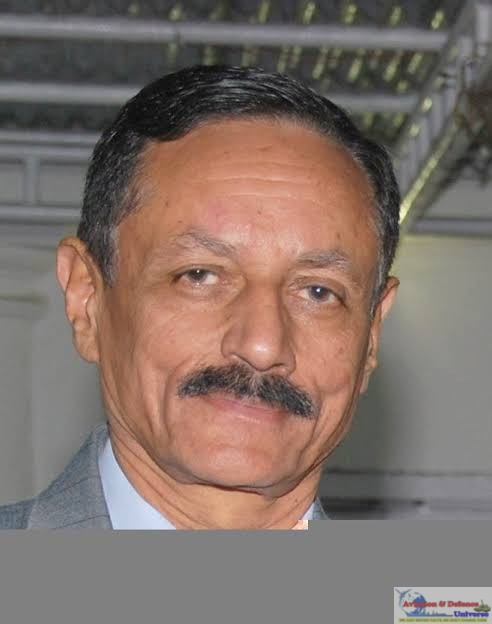
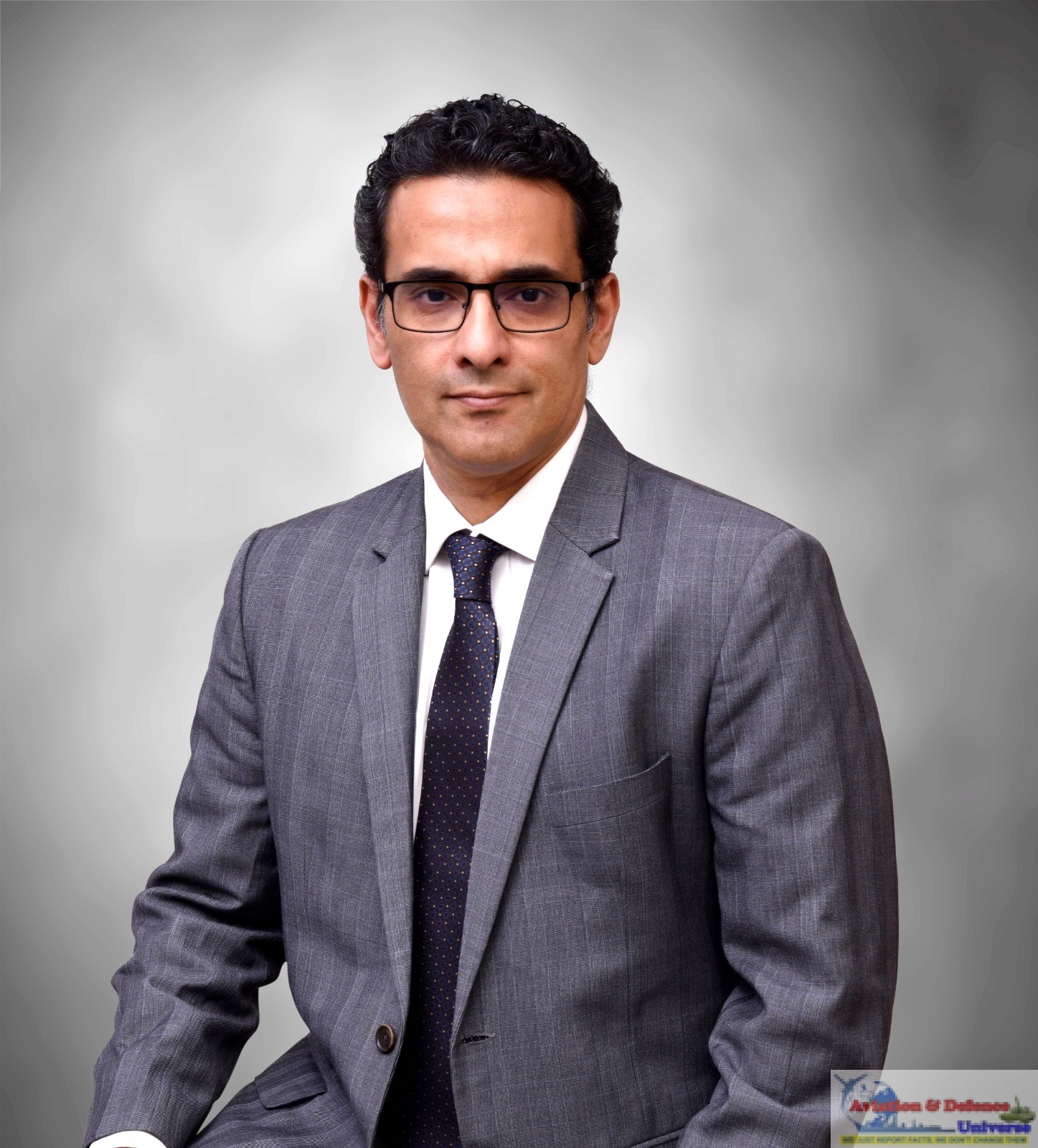
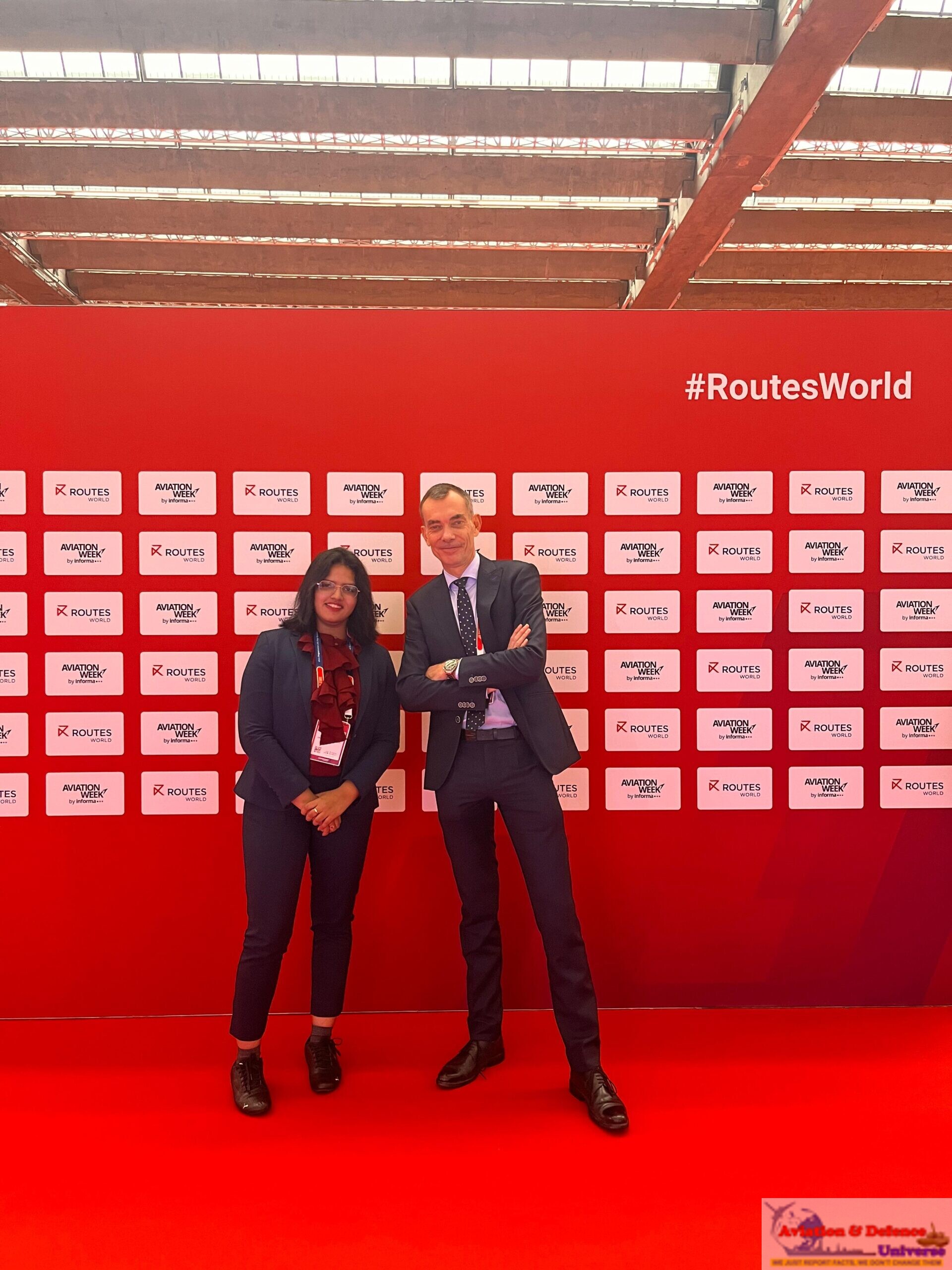
Frankfurt, Germany. 31 October 2026. Global air passenger traffic is on course to double within two decades, and the infrastructure, security and regulation that support it will not double by themselves. At Routes World 2026 in Frankfurt, Antoine Rostworowski, Senior Vice President and Chief Strategic Officer, ACI World, set out what airports and governments need to do to keep pace.
Rostworowski said worldwide traffic should finish this year at about 10 billion passengers and reach nearly 20 billion by 2047. He called that a great opportunity and a big challenge, with airport infrastructure investment estimated at 4.6 trillion US dollars by 2055. However, it should be noted that the construction of the building alone is insufficient. He also said that airports should be making the most of their assets by getting the most out of their facilities while making sure that passengers have a good experience.
Technology exists to cut queues at security, immigration and customs, he noted, but deployment depends on regulators, airlines and airports working together. Biometrics is his main example: a traveller’s face can serve as identification, removing paper and boarding-pass checks. ACI’s Smart Security initiative aims to let passengers pass through screening on the move without divesting items. Governments, he argued, often lag behind available technology, and that is holding back progress.
On security, Rostworowski was clear that safety and security remain the industry’s top priority and are stronger than ever On security, Rostworowski stressed that safety and security remain the industry’s top priority and that systems are stronger than ever. ACI is advocating a risk-based strategy that uses a variety of tools. He said that what the industry must not do is add a new layer of security every time there is an incident. This makes the process more complicated but does not make it safer. He also reiterated the importance of distinguishing between Safety and Security: the former relates to the implementation of and compliance with standards, while the latter aims to prevent malicious acts
Exceptions need their own channel. The 80/20 rule states that the majority of passengers will go through automated processes as intended, while 10 to 20 percent will require assistance. These cases should be handled separately by well-informed staff, allowing the majority to move quickly.
Planning must also become more flexible than it was 25 years ago, he said, because infrastructure is expensive and hard to change. Some airports building car parks are designing them for later conversion to office space, in case autonomous vehicles or direct public transport cut parking demand. New terminals are being cabled so areas can be reassigned. Check-in counters, which he would rather call rework stations, should diminish over time, leaving more controlled space and less public space.
Underpinning all of it is government policy. Rostworowski urged governments to recognise airports as businesses and engines of local economies, rather than merely operational installations. Investors need rules that are always the same and easy to understand. If the rules keep changing, investors will go somewhere else. ACI does not make rules, only recommendations, and it works alongside ICAO in Montreal to advise transport ministers and regulators. It campaigns for open markets and liberalised air services.
He said that growth would be steepest in Asia, citing India, Vietnam, China, and Thailand as examples of countries where travel is becoming accessible to more of the population. He said that for an Indian airport chief, the task is to secure investment, prioritise and maintain top-level safety, security and customer experience while staying competitive. He thinks Indian airports are doing a good job in the circumstances, and said ACI is in talks with the major Indian operators on customer experience evaluation.
Regional airports matter more than their volume suggests. Of ACI’s roughly 2,200 member airports, around 73 to 74 percent are smaller regional facilities that feed major hubs. These airports, he said, compete less with hubs than with neighbouring regional airports for airlines.
The pandemic also taught airports a lesson in diversification, Rostworowski noted: those with strong cargo, real estate, hotel or entertainment income retained more revenue when passengers vanished, and ACI supports airports exploring such non-aeronautical income. For governments, his message is direct: stable rules and open markets will decide where the capital goes.