























- India Cannot Afford Fragmented Defence Thinking Anymore
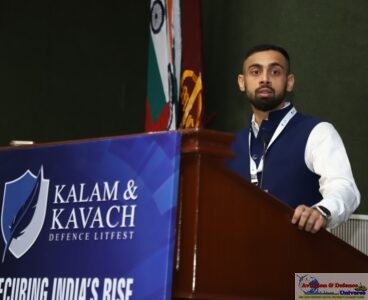
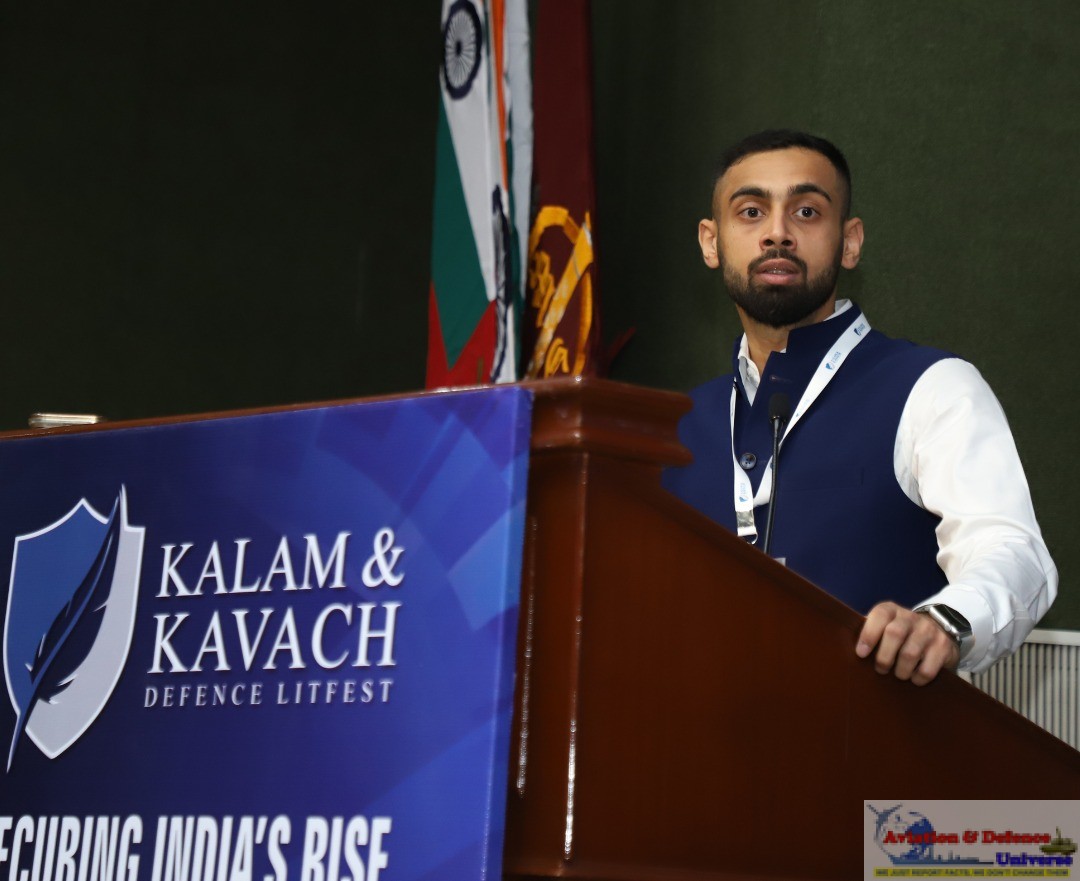
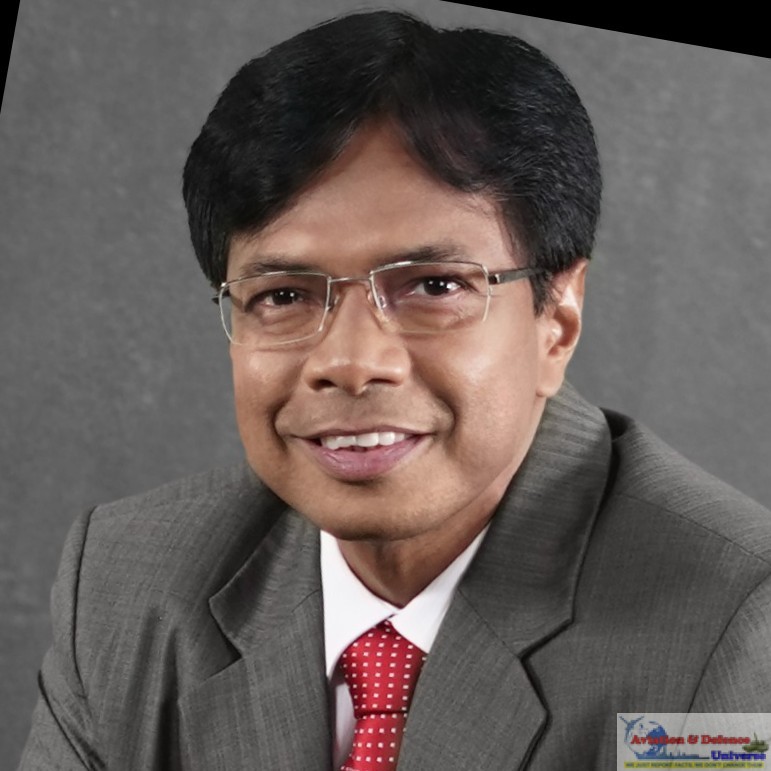
By Shivam Arya
Curator Kalam & Kavach/Director Pentagon Press
New Delhi. 09 May 2026. India’s next war will not be fought the way its last one was planned. It will be shaped by artificial intelligence, space-based intelligence, autonomous systems, and real-time data fusion across domains. It will demand seamless coordination between the Army, Navy, and Air Force. And critically, it will depend as much on India’s industrial and technological ecosystem as on its military strength.
Yet, the question remains: are our institutions, systems, and stakeholders aligned for this reality? This is precisely where Kalam & Kavach 3.0 becomes strategically significant, not as another defence conference, but as a platform attempting to correct one of India’s biggest structural challenges: fragmented thinking across government, services, and industry.
“India’s defence transformation cannot be achieved in silos. The future of warfare demands not just capability, but coherence – between policy, forces, and industry. Kalam & Kavach 3.0 is designed to enable exactly that convergence.”
From Reform Conversations to Implementation Imperatives
India has spent the past few years laying the groundwork for defence reform, whether through the push for jointness, the emphasis on Atmanirbharta, or the growing role of private industry. But intent alone is not enough. The real challenge now lies in execution, translating policy into capability, and capability into operational readiness.
Kalam & Kavach 3.0 reflects this shift. Building on the momentum of previous editions, the platform moves decisively from high-level discussions to implementation-focused pathways—including strategic partnerships, accelerated R&D pipelines, and policy-aligned financing mechanisms.
Weaponising JAI Through I²: Making Strategy Actionable
The theme of this year’s edition – “Weaponising JAI through I²” – is both timely and deliberate.
- Jointness is no longer optional; it is foundational to modern warfare
- Atmanirbharta is no longer aspirational; it is a strategic necessity
- Innovation is no longer peripheral; it is the battlefield differentiator
What elevates this framework is the emphasis on Integration and Implementation (I²) – a recognition that India’s defence priorities must move beyond articulation to execution.
This is where Kalam & Kavach 3.0 positions itself, not just as a thought platform, but as a catalyst for alignment and delivery.
The Missing Middle: Bridging Policy, Forces, and Industry
One of the most persistent gaps in India’s defence ecosystem has been the absence of sustained, structured engagement between key stakeholders.
- Policymakers define direction
- The armed forces define requirements
- Industry builds solutions
But these conversations often happen in parallel, not in sync. Kalam & Kavach addresses this “missing middle” by creating a platform where these three pillars engage directly, and at the highest levels. With participation expected from senior government leadership, Service Chiefs, DRDO, and industry leaders, the platform enables decision-relevant dialogue rather than symbolic interaction.
Industry participation, including leading defence manufacturers and technology players, further signals a shift towards co-development and co-creation models, rather than traditional vendor relationships.
Strategic Depth Through Knowledge Partnerships
The inclusion of institutions such as CENJOWS and BHISHM as knowledge partners adds a critical layer of intellectual rigour to the platform. At a time when defence planning must integrate doctrine, technology, and geopolitics, such partnerships ensure that discussions are not just current, but consequential, bridging operational realities with long-term strategic thinking.
From Conference to Continuity: The White Paper Approach
A key differentiator for Kalam & Kavach 3.0 is its focus on outcomes. The deliberations will culminate in a strategic White Paper, capturing actionable recommendations for policymakers and stakeholders. This is critical. India does not lack ideas, it often lacks continuity. By institutionalising insights into a formal document, Kalam & Kavach ensures that conversations translate into inputs for policy and planning.
The global security environment is no longer predictable. Conflicts are faster, less linear, and increasingly technology-driven. Nations that succeed will be those that can integrate capabilities across domains, and align stakeholders across ecosystems.
For India, this is not just an opportunity – it is an imperative. Kalam & Kavach 3.0 contributes to this moment by:
- Driving alignment across government, services, and industry
- Accelerating the shift from innovation to induction
- Supporting integrated warfighting capabilities
- Strengthening India’s position in the global defence value chain
From Platforms to Preparedness
India does not need more conversations, it needs better-connected ones. Kalam & Kavach 3.0 represents an important step in that direction. It reflects a growing recognition that defence preparedness is not built in isolation, but through collaboration, clarity, and commitment to execution. If India is to truly “weaponise” its strategic vision, platforms like this will play a defining role, not just in shaping ideas, but in delivering outcomes.
















































































-A4-Size-(2)_page-0001.jpg)