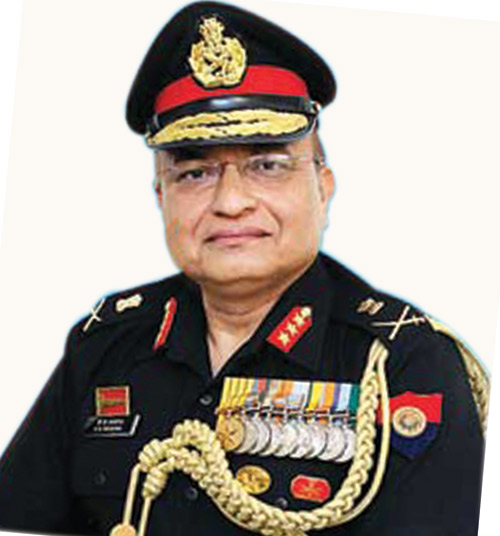











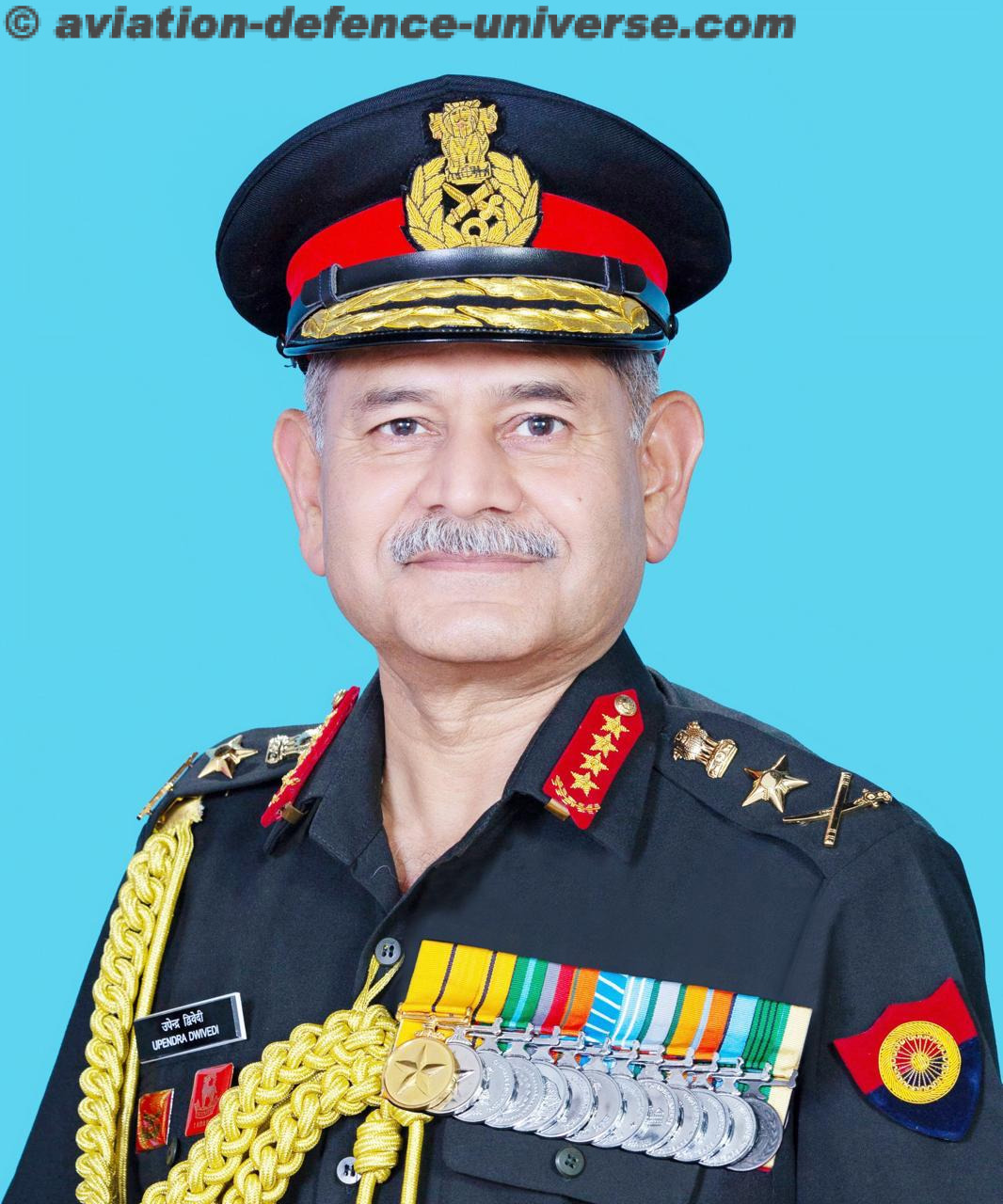
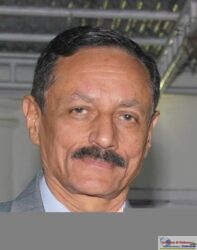
New Delhi. 14 January 2026. “India has adopted a whole-of-nation approach to border infrastructure development, with close coordination between the Ministry of Defence and other stakeholders including MHA, MoRTH, MoEFCC, MoR, MoT and MoCIT. The Indian Army remains fully prepared to counter all internal and external challenges, with a technologically empowered force capable of responding decisively across contingencies. Our approach is professionally calibrated to balance external border security with internal stability, without dilution of focus,” said Indian Army Chief General Upendra Dwivedi PVSM, AVSM in an exclusive interview to Aviation & Defence Universe (ADU), on the occasion of Army Day 2026.
ADU. General Dwivedi, as you prepare to lead the Indian Army into 2026, what are the key strategic priorities shaping your vision for a future-ready force?
COAS. As we move into 2026, my vision is shaped by one overriding reality: the character of warfare is changing rapidly. Today, we can see all five generations of conflict coexisting, and future battles will unfold simultaneously across land, air, sea, cyber, space and the cognitive domain. Future conflicts will not remain confined to a single domain. They will be fought across land, air, sea, space, cyber, the electronic spectrum and the cognitive sphere, with varying intensities, within an integrated, network enabled battlespace. In response, the Indian Army is advancing a comprehensive transformation under the Decade of Transformation, aligned with a Whole of the Nation approach.
 Our transformation pathway is anchored in the understanding that future wars will be multi domain from the outset. Accordingly, this effort is being pursued under the Decade of Transformation (2023 to 2032), structured around five foundational pillars: Jointness and Integration, Force Structuring, Modernisation and Technology Infusion, Systems Processes Functions and Human Resource Management. These pillars provide the framework for a coherent, purposeful shift in capability, readiness and institutional effectiveness.
Under Modernisation and Technology Infusion, the Army has inducted several new weapons, equipment and technologies in recent years. However, induction is only a means to an end. The critical requirement is absorption into operational structures. In this context, 2024 to 25 were declared the Years of Technology Absorption, with focused efforts to ensure rapid and effective integration of niche technologies at the cutting edge of fighting units. These efforts have also required selected organisational adjustments and the raising of new structures.
In line with national priorities, self-reliance has been given primacy through structured collaboration with Indian industry, MSMEs, start-ups, DRDO, IITs, MeitY and other institutions. This framework enables field trials, testing, innovation and hand holding for emerging defence technologies. Key thrust areas include AI, counter AI, drones, counter drone technologies, additive manufacturing and manned unmanned teaming, which will soon be operationally implemented in armoured, mechanised and aviation units.
ADU. How is the Indian Army recalibrating its warfighting doctrine to meet the challenges of multi-domain warfare (MDO), particularly in contested domains like cyber, space, and information?
COAS. The Indian Army is recalibrating its warfighting doctrine to address the realities of Multi-Domain Operations (MDO), where future conflicts will be contested simultaneously across land, air, cyber, space and the information domain. Success in such an environment depends not only on traditional firepower and manoeuvre, but equally on information superiority, network resilience, cyber and space enablement, and cognitive dominance. This doctrinal evolution is being pursued under the overarching framework of the Decade of Transformation 2023-32.
 The momentum generated during the Year of Technology Absorption is now being carried forward into 2026-27, which will be observed as the Year of Networking and Data Centricity. This marks a decisive shift from merely inducting new technologies to integrating them seamlessly into doctrine, force structures and day-to-day operations, enabling true multi-domain synergy rather than isolated domain excellence.
The aim is to build a data-driven, network-enabled and fully integrated force, capable of orchestrating effects across multiple domains in a compressed decision cycle-an essential requirement for MDO. This doctrinal shift rests on three interlinked pillars: Data, Networks, and Institutional & Workforce Networking.
Data is now being treated as a strategic resource. The Army is creating a unified data architecture that consolidates inputs from sensors, platforms, formations and headquarters to generate a single, accurate and shared operational picture. This significantly enhances situational awareness across domains and enables commanders to take informed decisions at speed. The creation of large, curated data sets will support indigenous Artificial Intelligence development, enabling predictive analysis, decision support and smarter employment of the shorter kill chain in a multi-domain environment.
Through this integrated doctrinal, technological and organisational transformation, the Indian Army is positioning itself to fight and win in a multi-domain battlespace, where integration, speed, information dominance and jointness are decisive force multipliers.
ADU. Could you elaborate on the Indian Army’s integration into the proposed Integrated Theatre Commands? What jointness measures have been successfully implemented so far?
COAS. Theatreisation is a necessity for the Indian Armed Forces to address emerging threats and fight future wars in the Indian context. Government directions are clear on this and the same was highlighted by the Hon’ble Prime Minister during the recently concluded Combined Commanders’ Conference. The Indian Army is fully committed to this transformation and is an active partner in shaping it.
Our integration into the proposed Integrated Theatre Commands is being pursued as a whole of Services design, not as a single Service initiative. We are approaching Theatre Commands as joint warfighting structures. Indian Army officers are embedded in core planning groups, studies and working panels examining command and control structures, areas of responsibility, logistics, communications and HR policies. This ensures that the theatre framework is operationally sound and truly joint in both design and intent.
 Within the Army, we are aligning internal structures to the future theatre architecture. We have already begun rationalising formations, streamlining operational aspects and integrating logistics and communications architectures so that, when Theatre Commands are notified, formations can plug in smoothly without needing to be rebuilt from scratch. This enables a seamless transition while preserving operational effectiveness.
In parallel, doctrine, training and HR are shifting to a joint first orientation. Doctrines and training syllabi at institutions such as the Army War College and DSSC have been reoriented towards joint planning, multi domain operations and integrated logistics. Key appointments, particularly at higher ranks, are increasingly viewed as joint warfighting billets to prepare officers for theatre responsibilities.
Operation Sindoor has reinforced that jointness is the need of the hour. The Services are also progressing towards joint capability development through ICADS, common qualitative requirements and shared logistics and maintenance infrastructure, particularly in UAVs, communications, air defence, ISR and cyber defence tools.
ADU. How do you see the role of Indian start-ups, MSMEs and private players in modernising the Army’s operational edge, especially in areas like quantum, robotics, AI, and drone warfare?
COAS. The Indian Army views Indian start-ups, MSMEs and private industry as indispensable partners in modernising its operational edge, particularly in emerging and disruptive domains such as artificial intelligence, quantum technologies, robotics and drone warfare. These sectors bring agility, innovation and rapid prototyping capabilities that complement the Army’s operational experience and enable faster, customised solutions aligned to battlefield realities.
 Private sector participation is critical to fostering innovation, enhancing competition and accelerating the induction of cutting-edge technologies. Today, the Army is engaged in 499 development projects worth over ₹2 lakh crore, involving more than 600 industries and academic institutions across multiple routes such as iDEX, Make, Technology Development Fund (TDF), Army Technology Board (ATB) and DRDO-led programmes. Significantly, more than 50 percent of the development agencies are MSMEs and start-ups, reflecting the depth and vitality of India’s defence innovation ecosystem.
To ensure that innovation translates into usable military capability, the Army has focused on providing clear visibility of its operational requirements to industry. In addition, a Compendium of Technological Challenges, covering 41 future-focused challenges, has been issued to help industry stay ahead of the technology curve.
The Army is also actively harnessing whole-of-nation efforts by integrating with national missions on AI, Quantum and Drones, and by engaging closely with MeitY, the Ministry of Education, NITI Aayog and the Principal Scientific Adviser’s ecosystem. This multi-ministerial and multi-stakeholder approach ensures rapid absorption of civilian innovation into military applications.
Through these measures, the Indian Army is not merely a buyer of technology, but a co-creator of capability, enabling Indian start-ups and MSMEs to become force multipliers while advancing Atmanirbharta, technological sovereignty and sustained operational advantage in future multi-domain conflicts.
ADU. How is the Army ensuring sustained preparedness along the Northern and Western borders amidst evolving geopolitical and internal tensions? Can you comment on the impact of high-altitude infrastructure, ISR integration and winter stocking in operational readiness?
COAS. The Indian Army remains fully prepared to counter all internal and external challenges, with a technologically empowered force capable of responding decisively across contingencies. Our approach is professionally calibrated to balance external border security with internal stability, without dilution of focus. Safeguarding national sovereignty along the Northern and Western borders remains our foremost responsibility, and for this, deployment patterns, surveillance architecture, logistics systems and operational readiness are maintained at a high and responsive state at all times.
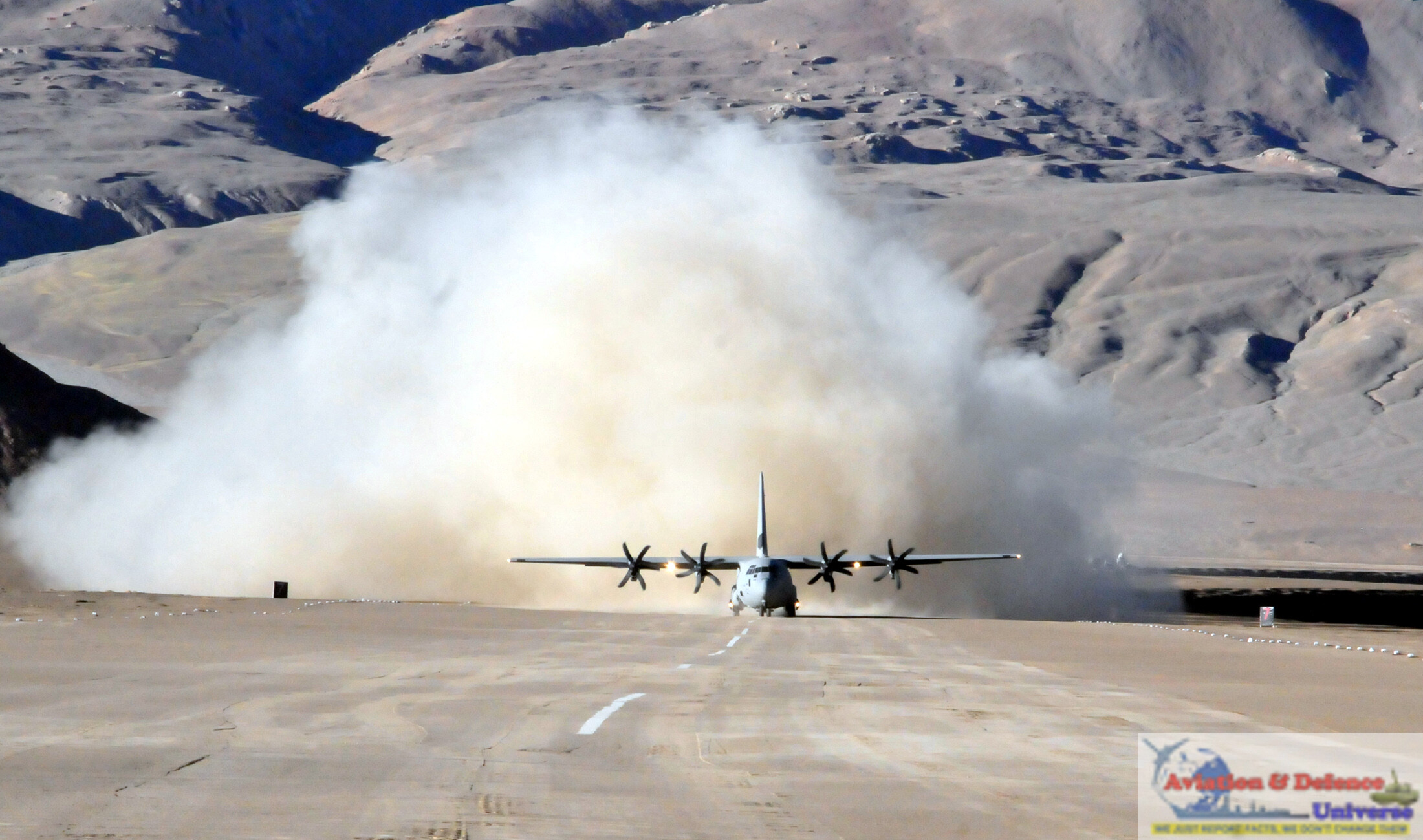
 Preparedness today rests on three mutually reinforcing pillars: robust infrastructure, integrated ISR and assured logistics, particularly for high-altitude and extreme weather operations. Border infrastructure development has emerged as a critical enabler of sustained operational capability. Timely construction of roads, bridges, tunnels, aviation infrastructure, force preservation assets and ammunition and logistics facilities directly enhances strategic mobility, endurance and reaction capability, especially along the Northern borders.
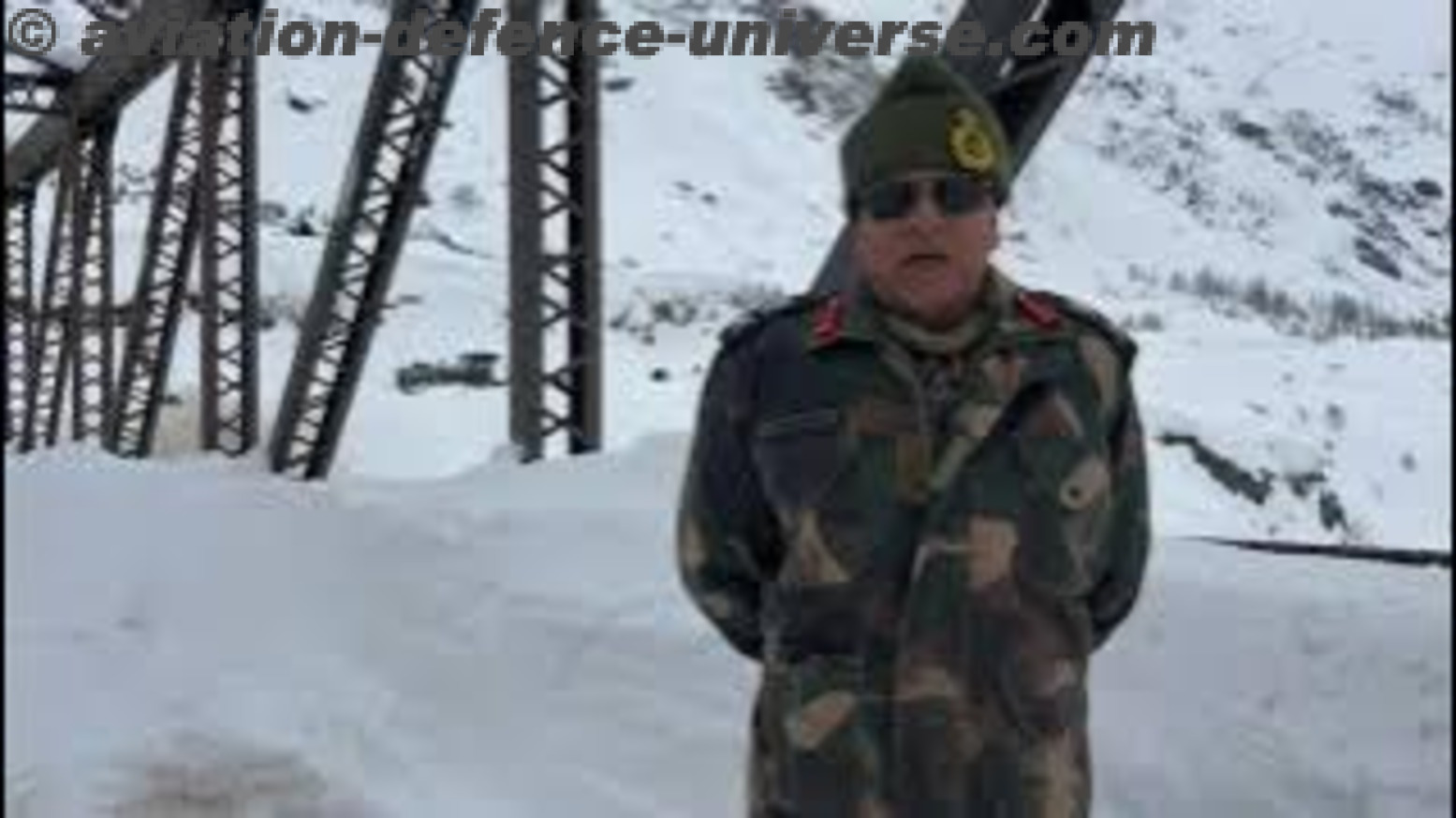
India has adopted a whole-of-nation approach to border infrastructure development, with close coordination between the Ministry of Defence and other stakeholders including MHA, MoRTH, MoEFCC, MoR, MoT and MoCIT.
Equally important is winter stocking and logistics preparedness, which ensures that troops deployed in high-altitude and forward areas remain fully sustained through prolonged periods of isolation and extreme climatic conditions. Advance stocking of rations, fuel, ammunition and critical spares, supported by improved infrastructure and technology-enabled logistics management, has markedly improved endurance and operational continuity.
Taken together, these measures ensure that the Indian Army remains ready, resilient and adaptable, capable of meeting simultaneous external and internal security challenges. Our focus remains on maintaining peace and stability, while retaining robust deterrence and the ability to respond decisively whenever required, with professionalism and resolve.
ADU. With increasing inclusion of women in various roles, what steps is the Army taking towards gender integration, leadership development, and creating an enabling ecosystem? Is there a roadmap to expand women’s participation beyond existing streams and into combat or operational leadership roles?
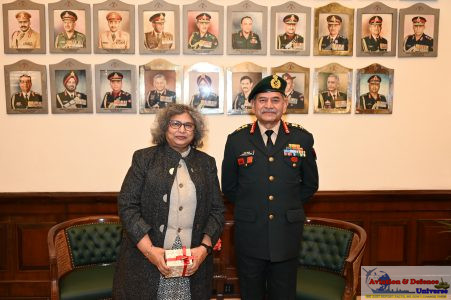
 COAS. Women have served in the Indian Army for over three decades and their roles, responsibilities and leadership appointments have expanded steadily over this period. Today, women officers are an integral part of the Army’s operational, staff and leadership framework, including command appointments. This progression reflects an institutional commitment to a professional, progressive and gender-neutral environment where opportunities are driven by merit and suitability.
The Army’s promotion and leadership selection systems are fully gender-agnostic. Advancement is based purely on performance, professional competence and suitability through a rigorous deep selection process. Women officers are increasingly entrusted with key command, staff and United Nations assignments, reinforcing confidence in their leadership abilities and operational effectiveness.
Women now enter the Army through multiple routes including the National Defence Academy, Short Service Commission in both technical and non-technical streams, the Army Medical Corps and the Military Nursing Service. A clear roadmap exists for their induction and progression. Approximately 144 women officers are selected annually through the NDA route and commissioned as Permanent Commission officers. In the Short Service stream, the Permanent Commission selection process is entirely merit-based and gender-neutral. If all women candidates in a selection board meet the prescribed benchmark, all are eligible for Permanent Commission. Each year, nearly 250 officers are approved for Permanent Commission through this process, with women candidates competing on equal terms.
In leadership roles, promotions to the rank of Colonel and above follow the same gender-neutral principles. At present, 119 women officers are holding command appointments across the Army other than . Women officers are also afforded equal opportunities for professional development, including attempts at the Defence Services Staff College entrance examination and consideration for Higher Command courses. Their growing participation in United Nations missions is significant, with women officers presently occupying about 22 percent of UN billets.
Overall, the Indian Army remains committed to strengthening a gender-neutral, merit-based ecosystem. The focus is on expanding leadership opportunities, building a supportive institutional framework and enabling women officers to realise their full potential across roles and responsibilities, while maintaining the highest standards of professionalism and operational excellence.
ADU. As we celebrate Army Day 2026, how do you reflect on the Army’s legacy of service before self? What message would you like to share with the youth aspiring to join the Army?
COAS. As we mark Army Day 2026, I reflect with pride and humility on the Indian Army’s enduring legacy of service before self. For generations, our soldiers have stood steadfast in every terrain and every circumstance, placing duty above comfort and the nation above self. That spirit is not a slogan. It is a way of life, rooted in discipline, sacrifice and an unshakeable commitment to the tricolour.
 India stands at a defining moment in history. As we enter the Amrit Kaal, every young citizen carries not only personal aspirations but also a shared responsibility towards the nation’s collective resolve. With nearly 65 per cent of our population comprising youth, your energy and determination can accelerate and sustain the vision of a Viksit Bharat by 2047.
The defence of the nation is not the duty of soldiers alone. It is a shared national commitment where students, farmers, women, scientists and entrepreneurs all play vital roles. As the Hon’ble Prime Minister has emphasised, India’s progress rests upon four pillars, youth, women, farmers and the poor. When these pillars move in the same direction, they shape the foundation of a developed India.
Today’s youth are digitally empowered, curious and driven. The values that define a soldier, courage, integrity and loyalty, are not confined to uniform alone. They are qualities that every Indian dedicated to national service must embody.
My message to the youth is simple. Become active participants in this era of transformation. You have the potential to convert the impossible into the achievable. If you aspire to join the Army, prepare yourself with discipline, character and a willingness to serve. The India of 2047 will be self-reliant, secure and prosperous and it will be shaped by your resolve, your discipline and your contribution.
 As told to Sangeeta Saxena, Editor, ADU





























































-A4-Size-(2)_page-0001.jpg)